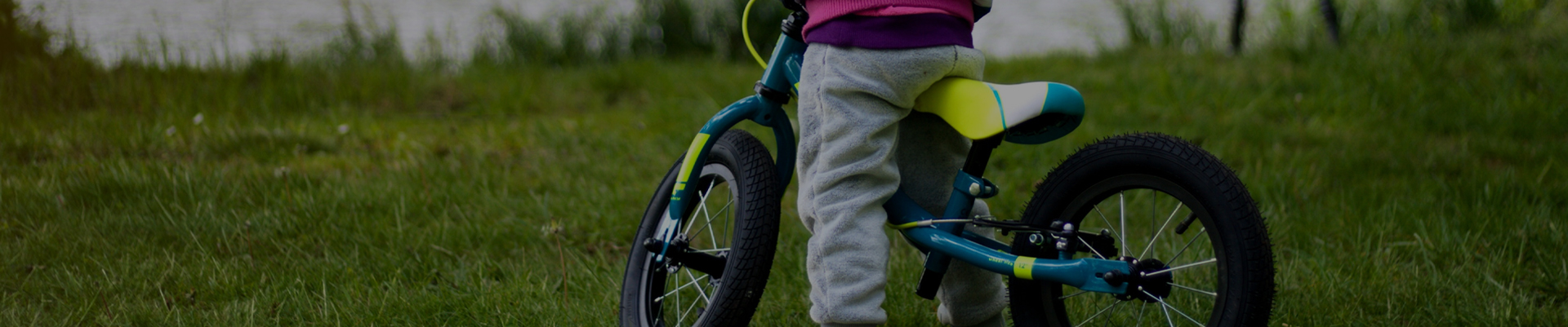
Children's Light Up Scooter - Safe, Fun, and Durable Ride
Why a Children’s Light Up Scooter Is More Than Just a Toy
Having spent over a decade around industrial gear and materials, I’ve developed a keen eye for how design and engineering play out in everyday products—even children’s toys. Take, for example, the children’s light up scooter. It might seem like just a fun gadget, but there’s some interesting tech and thought behind it.
In recent years, scooters for kids have evolved considerably from their humble beginnings. Engineers and designers, many of whom I’ve had the pleasure to cross paths with, focus heavily on safety, durability, and user experience. Honestly, a light up scooter combines all these with an extra dash of fun that appeals both to parents and youngsters alike. And frankly, it makes evening scoots way more visible which I appreciate especially when dusk falls early.
From a materials perspective, many of these scooters feature aircraft-grade aluminum alloys—light yet strong, resisting corrosion and the daily bashes kids tend to give their toys. The wheels? Rubber with LED elements embedded to light up as they spin, powered by kinetic energy or small, replaceable batteries. The handlebars and deck often sport anti-slip surfaces, something you don’t take lightly when you’ve seen everyday accidents.
I remember a young neighbor of mine—a lively eight-year-old named Sam—who was initially hesitant about scooting in the dim light, worried about safety. His parents gifted him a children’s light up scooter last winter. Within days, he was zipping along the sidewalks with a goofy grin. The lights didn’t just look cool; they offered reassurance. That’s the real-world impact that sometimes specs alone can’t capture.
But how do you choose the right light up scooter? Let’s look closely at some specs to give you a clearer picture.
| Specification | Details |
|---|---|
| Frame Material | Aircraft-grade aluminum alloy |
| Wheel Type | PU with embedded LED lights |
| Weight Limit | Up to 50 kg (110 lbs) |
| Battery Type | Kinetic energy powered / replaceable coin batteries |
| Brake System | Rear foot brake |
| Recommended Age | 3 - 10 years |
That’s a broadly typical spec sheet, but when you start comparing vendors, there’s quite a variation. Not all manufacturers bring the same level of rigor or material quality, and you might find some scooters with inferior LEDs or heavier frames, which bugs me because it can affect both safety and fun.
| Vendor | Frame Material | LED Wheel Type | Weight Limit | Battery |
|---|---|---|---|---|
| Zhongzhou Bike | Aircraft grade aluminum | PU embedded LEDs powered by kinetic energy | 50 kg (110 lbs) | No battery replacement needed |
| Vendor B | Standard aluminum | Basic LED wheels, battery powered | 45 kg (99 lbs) | Requires coin batteries |
| Vendor C | Steel frame (heavier) | No LEDs | 60 kg (132 lbs) | N/A |
The Zhongzhou Bike model, in particular, stands out due to its kinetic energy LED system. This is not only eco-friendly but also convenient, cutting down on battery hassles—a practical point I appreciate as a long-time equipment professional. Plus, the aluminum frame strikes the right balance between sturdiness and lightweight handling. Oddly enough, that makes a big difference when a kid wants to carry their scooter around after scooting.
Customization options often fly under the radar but they’re another way these scooters get a bit personal. Color options, adjustable handlebar heights, and replaceable parts mean you can extend the life of the scooter or tailor it to the child’s changing preferences. I noticed many parents appreciate that because let’s face it, kids tend to be rough on their gear.
Finally, testing standards matter hugely here. I’ve worked alongside QC engineers who stress-test parts to the max—corrosion resistance, impact absorption, and weight tolerance. Manufacturers that uphold international safety certifications (CE, ASTM, EN 71) add a layer of trustworthiness that frankly should be non-negotiable for any parent.
So, next time you see a glowing scooter whizzing down a park path, you might pause to think it’s more than just a flashy toy. It’s the kind of product where engineering, safety, and delight meet—making childhood scooting a little safer and a lot brighter.
Reflecting on this, I’m reminded how even simple-seeming products benefit from solid industrial know-how. In real terms, a well-made children’s light up scooter is a small but genuine leap forward in combining fun and safety.
Curious? Here's a link again to the children’s light up scooter that caught my eye recently — worth a look if you’re shopping for a gift or just want to understand what goes into a modern design.
Takeaway: Investing a bit of time in specs and vendors pays off in safer, more enjoyable rides for the little ones.
- CE Certification Guidelines - European Safety Norms
- ASTM F-963 - US Toy Safety Standards
- Insights from Industry Quality Control Experts, 2023
-
Electric Scooter Age 3 Safe Introduction to Early Mobility GuideNewsApr.16,2026
-
Is an Electric Scooter Age 4 Safe Complete Parents GuideNewsApr.09,2026
-
Choosing the Best Electric Scooter for a 9 Year Old Rider's SafetyNewsApr.07,2026
-
Comprehensive Guide to Choosing the Best Electric Scooter Ages 6 UpNewsApr.04,2026
-
Choosing the Best Electric Scooter for 6yr Old Riders A Comprehensive GuideNewsMar.31,2026
-
The Ultimate Guide to Choosing an Electric Scooter for Age 10 RidersNewsMar.28,2026
-
Choosing the Ideal Electric Scooter for Age 12 A Comprehensive Buyers GuideNewsMar.26,2026
Related Products
-
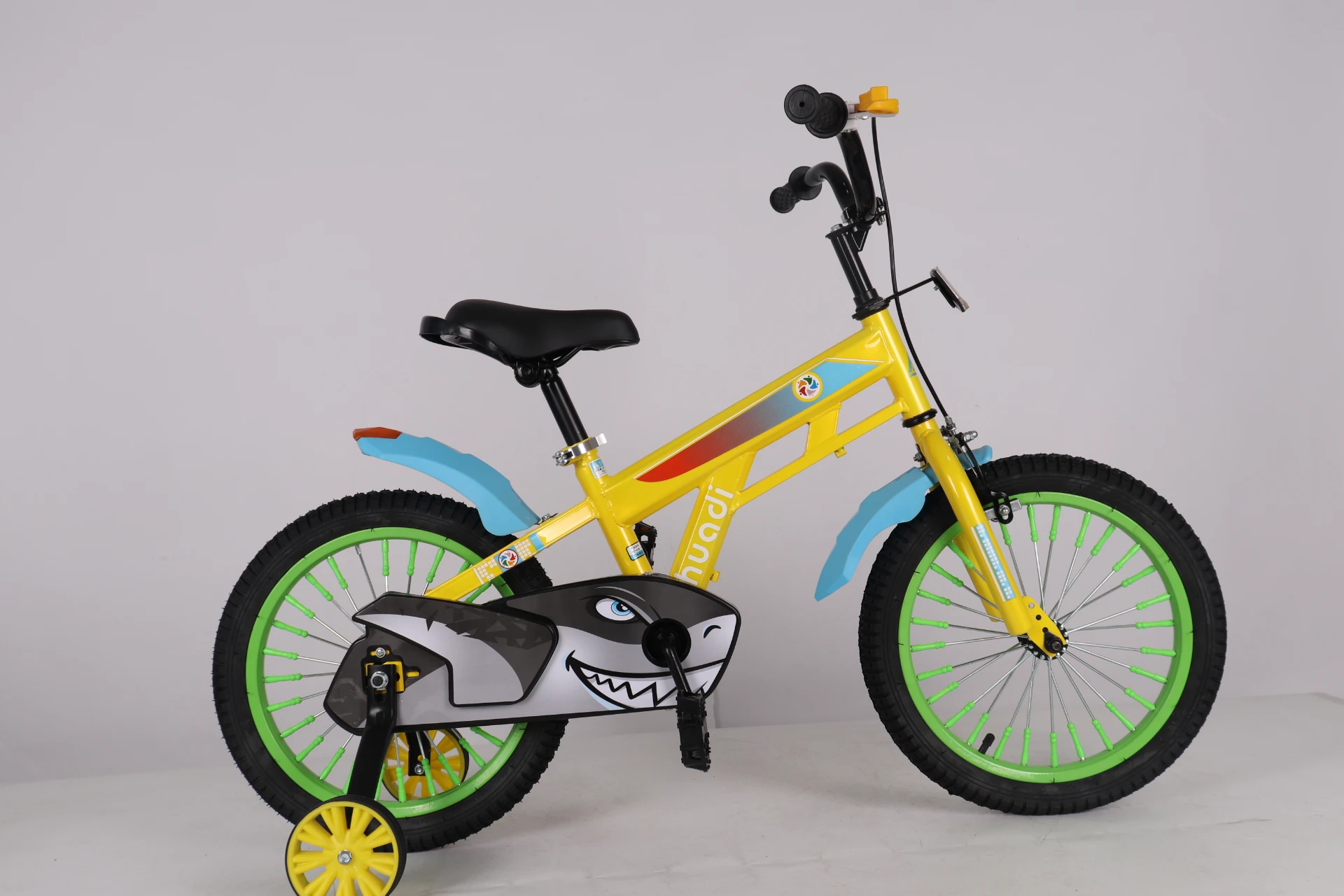
High quality kids bike children bicycle cycle cheap children bicycle with training wheel for sale
-
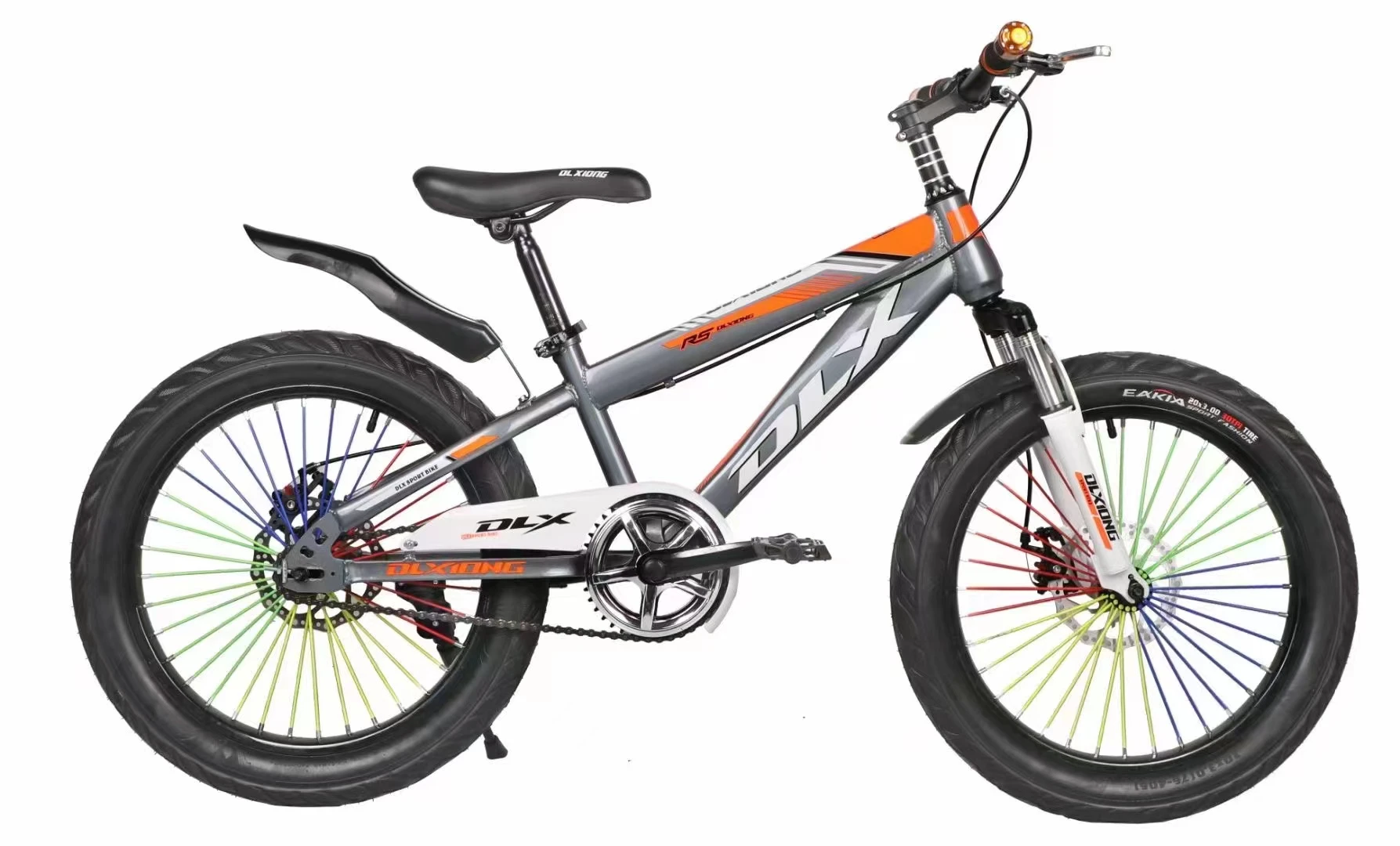
OEM 20 inch mountain bike children bikeVariable speed mountain bike suitable for student sports
-
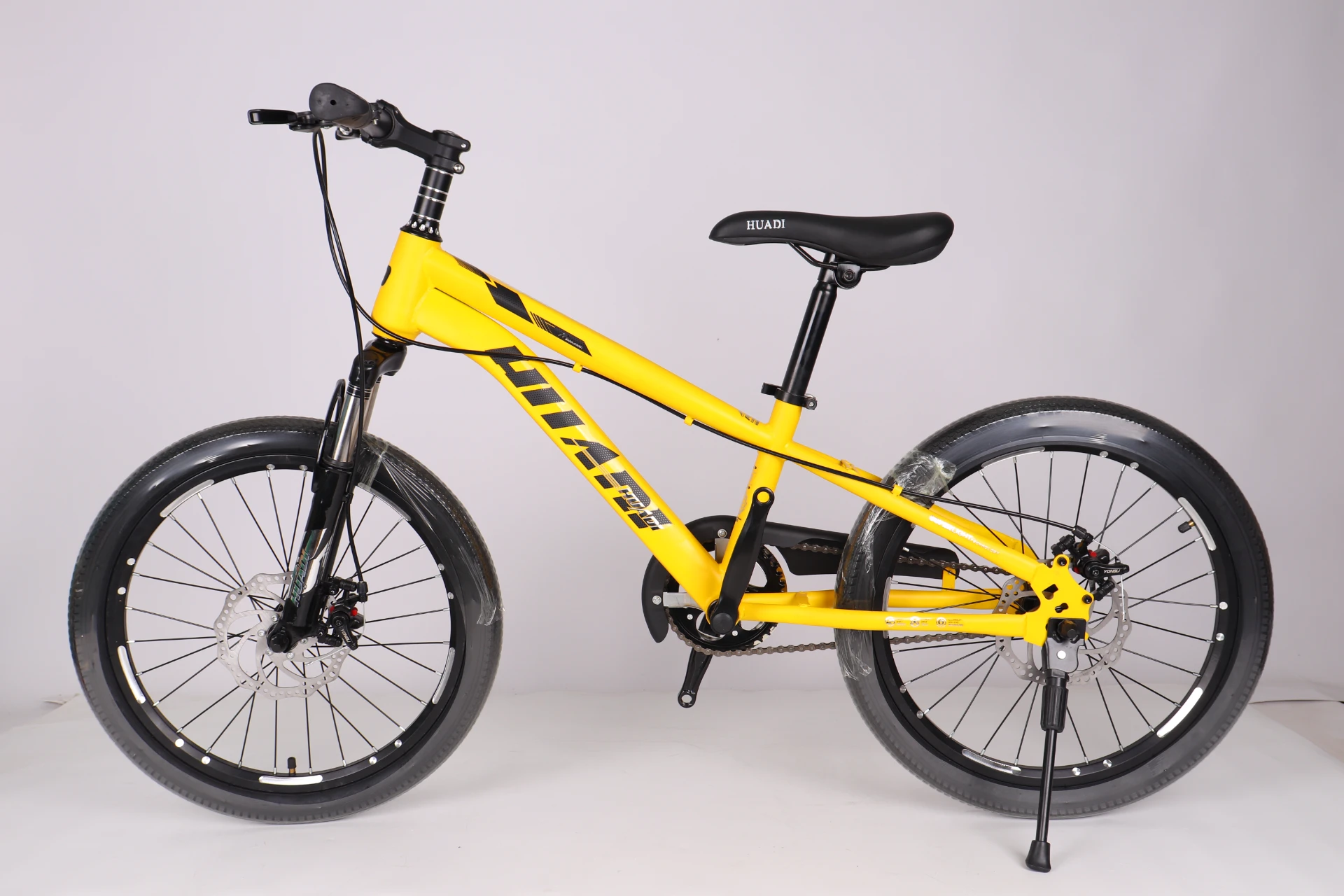
18 20 22 inch Children bike mountain bikes for 13 year old boy cycle for class 5 bicycle for 10year old boy kids
-
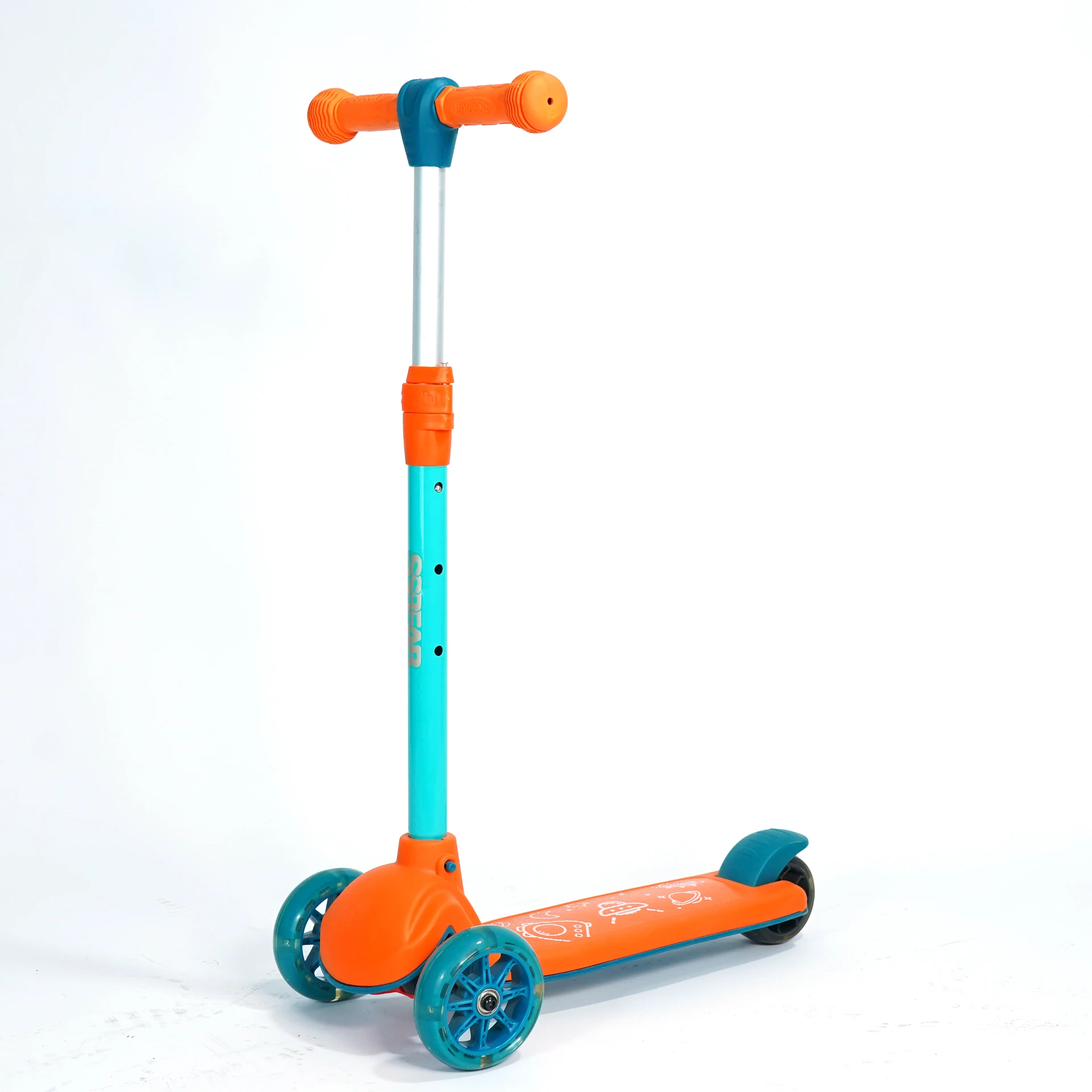
Hot Sale Kids Scooter 3 Pu Light-Up Wheel Kick Scooter For 3-6 Year Olds
-
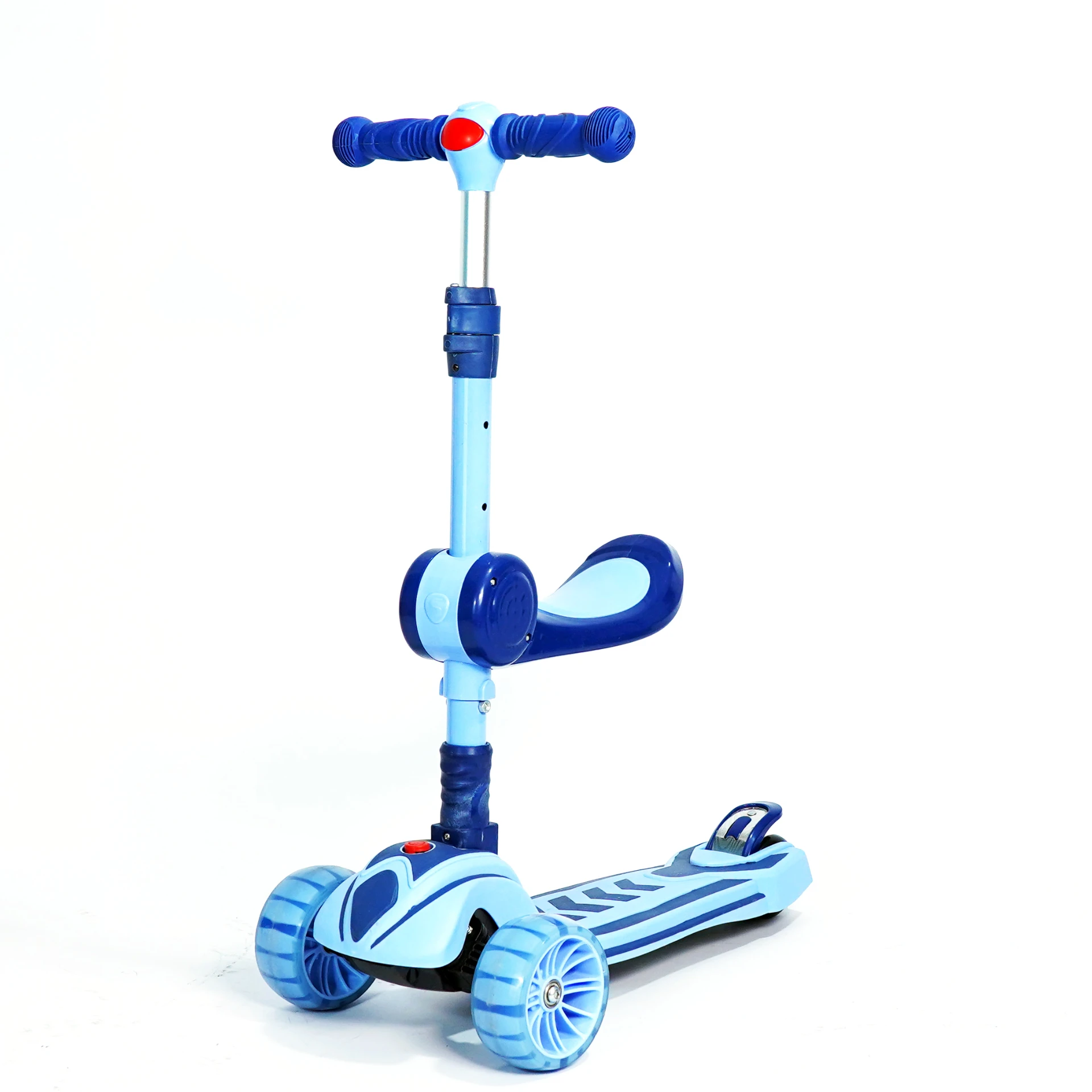
EU Child 3 To 10 Years Baby Soccer Kick Scooters & Foot Scooters For Kids Boys
-
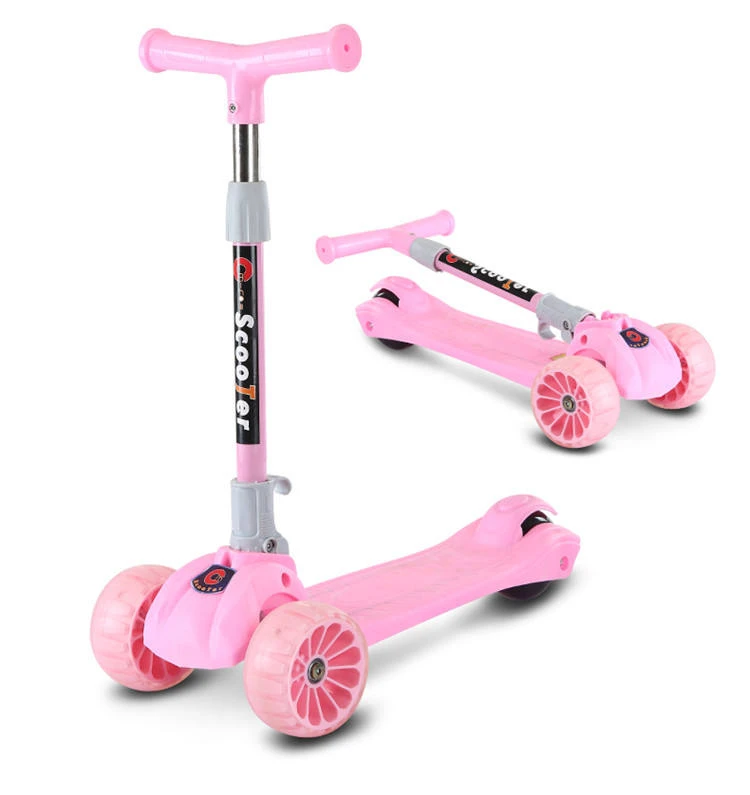
Factory Sale Kid Scooter Foot scooter Kids Kick scooter For Toddler.
-
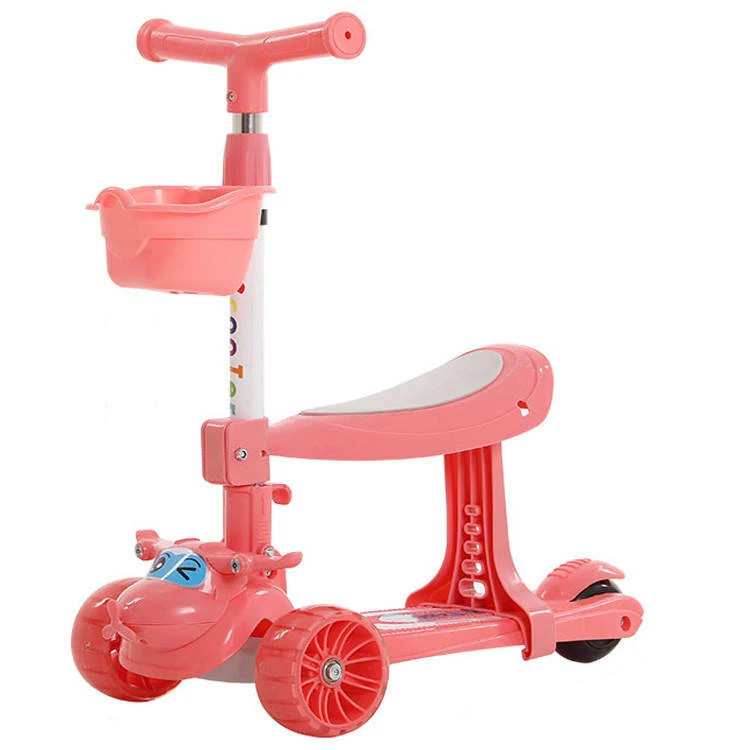
Best Seller Multifunctional Folding Kid Kick 3 Wheels Children Foot Scooter Foldable Baby Kid Scooters
-
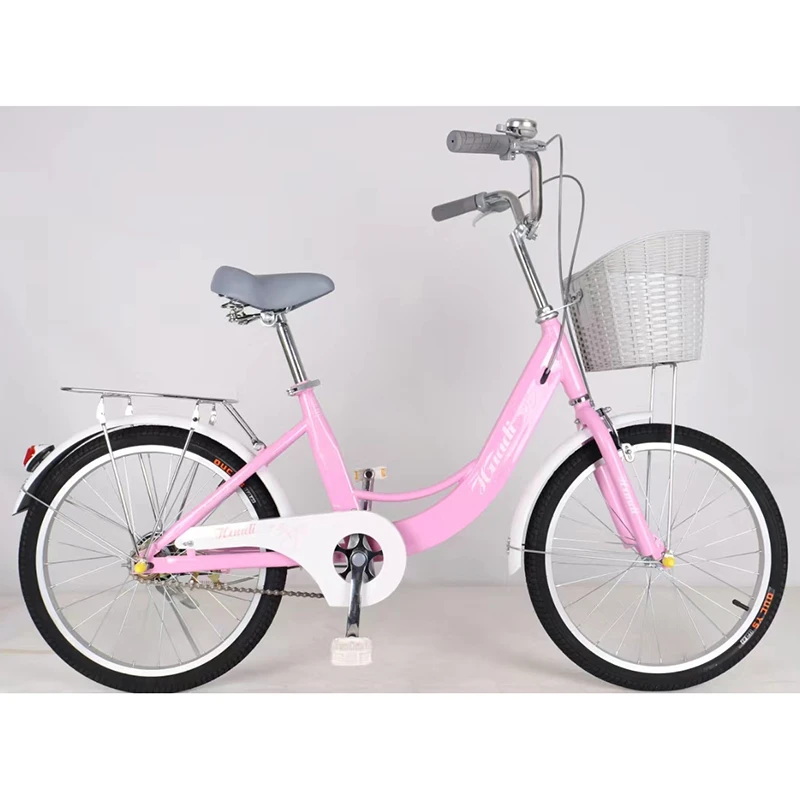
Hot sale kids bikes OEM custom cheap baby children bicycle bike beautiful cycle for girls kids
 Afrikaans
 Albanian
 Amharic
 Arabic
 Armenian
 Azerbaijani
 Basque
 Belarusian
 Bengali
 Bosnian
 Bulgarian
 Catalan
 Cebuano
 Corsican
 Croatian
 Czech
Czech
 Danish
 Dutch
Dutch
 Esperanto
 Estonian
 Finnish
 French
 Frisian
 Galician
 Georgian
 German
 Greek
Greek
 Gujarati
 Haitian Creole
 Hausa
Hausa
 Hawaiian
 Hebrew
 Hindi
Hindi
 Miao
Miao
 Hungarian
 Icelandic
 Igbo
Igbo
 Indonesian
 Irish
Irish
 Italian
 Japanese
 Javanese
 Kannada
 Kazakh
 Khmer
Khmer
 Rwandese
 Korean
 Kurdish
 Kyrgyz
 Lao
Lao
 Latin
Latin
 Latvian
 Lithuanian
 Luxembourgish
 Macedonian
 Malgashi
 Malay
Malay
 Malayalam
 Maltese
 Maori
Maori
 Marathi
 Mongolian
 Myanmar
 Nepali
 Norwegian
 Norwegian
 Occitan
 Pashto
 Persian
 Polish
 Portuguese
 Punjabi
 Romanian
 Russian
 Samoan
 Scottish Gaelic
 Serbian
 Sesotho
 Shona
Shona
 Sindhi
 Sinhala
 Slovak
 Slovenian
 Somali
 Spanish
 Sundanese
 Swahili
 Swedish
 Tagalog
 Tajik
Tajik
 Tamil
Tamil
 Tatar
Tatar
 Telugu
 Thai
Thai
 Turkish
 Turkmen
 Ukrainian
 Urdu
Urdu
 Uighur
 Uzbek
Uzbek
 Vietnamese
 Welsh
Welsh
 Bantu
Bantu
 Yiddish
 Yoruba
 Zulu
Zulu
 English