Choosing the Right Childrens Scooter with Brakes for Safe and Fun Riding
Choosing the Right Childrens Scooter with Brakes: A Comprehensive Guide
Selecting a scooter for your child is an exciting step, but ensuring their safety is paramount. A childrens scooter with brakes offers a crucial layer of protection, especially as they gain confidence and speed. This guide delves into the features, benefits, and considerations when purchasing a scooter for your little one, helping you make an informed decision. We’ll cover everything from brake types to age appropriateness, ensuring a fun and secure riding experience.
Why Brakes are Essential on a Child’s Scooter
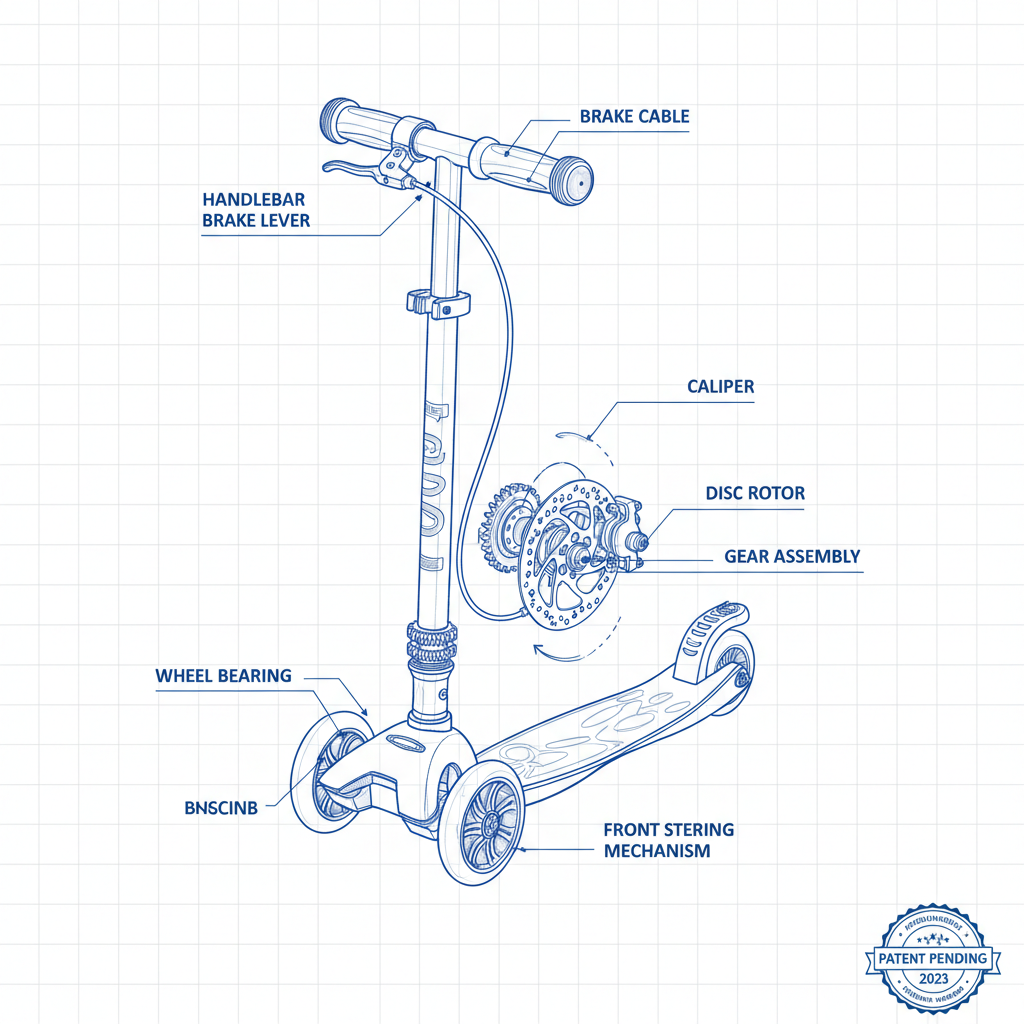
Brakes are arguably the most important safety feature on a child’s scooter. They provide the necessary control for young riders to stop quickly and safely, preventing potential accidents. Without brakes, children may rely on dragging their feet, which is inefficient, wears down shoes, and can lead to loss of balance. Different types of brakes offer varying levels of responsiveness and ease of use. Understanding these options is key to choosing the right scooter. Consider your child's coordination and maturity level when selecting a braking system.
Key Takeaway: Brakes empower children to control their speed and stop safely, promoting confidence and reducing the risk of injury.
Types of Brakes: A Comparative Overview
There are primarily two types of brakes found on childrens scooters with brakes: rear fender brakes and hand brakes. Rear fender brakes are activated by pressing down on the rear fender with their foot. These are simpler to use for younger children, requiring less coordination. However, they can shift the rider’s weight backward, potentially leading to imbalance. Hand brakes, found on more advanced scooters, offer greater control and responsiveness. They require more hand strength and coordination, making them suitable for older, more experienced riders. Zhongzhou Bike offers scooters with both types to cater to different age groups and skill levels.
Brake Comparison:
• Rear Fender Brake: Easy to use, suitable for younger children, can affect balance.
• Hand Brake: Greater control, requires more coordination, ideal for older children.
Age and Skill Level: Matching the Scooter to Your Child
The appropriate scooter type depends heavily on your child's age and skill level. For toddlers and preschoolers (ages 3-5), a three-wheeled scooter with a rear fender brake is often the best choice. The three wheels provide added stability, while the rear fender brake is easy for little feet to operate. As children grow and develop better coordination (ages 5-8+), a two-wheeled scooter with either a rear fender brake or hand brake becomes suitable. Consider your child's maturity level and ability to understand and use hand brakes safely before opting for a scooter with this feature.
Additional Safety Considerations When Buying a Scooter
Beyond brakes, prioritize a scooter made from durable materials. Look for adjustable handlebars to accommodate your child’s growth. A helmet is non-negotiable – ensure it fits properly and meets safety standards. Knee and elbow pads are also highly recommended, especially for beginners. Regularly inspect the scooter for any loose parts or damage. Teach your child proper scooter etiquette, including where and how to ride safely. Supervision is crucial, particularly for younger children. Zhongzhou Bike emphasizes safety in all its scooter designs.
Product Specifications & Choosing the Best Scooter
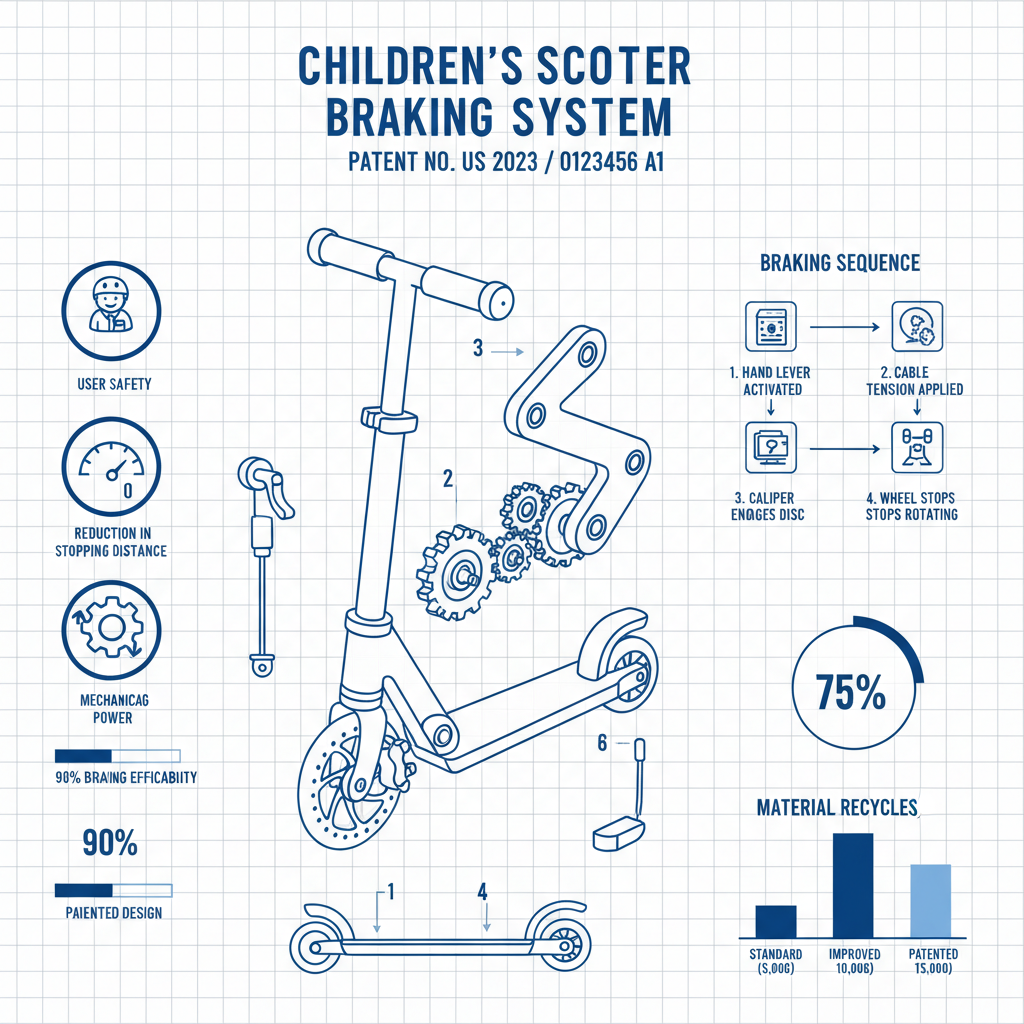
When selecting a childrens scooter with brakes from Zhongzhou Bike, consider the following specifications:
Conclusion: Safe Scooting Starts with the Right Choice
Investing in a childrens scooter with brakes from Zhongzhou Bike is an investment in your child’s safety and enjoyment. By considering their age, skill level, and the features discussed in this guide, you can confidently choose a scooter that provides both fun and peace of mind. Remember to prioritize safety gear and regular maintenance to ensure a long-lasting and secure riding experience.
Frequently Asked Questions (FAQs)
What age is appropriate for a scooter with hand brakes?
Generally, children aged 6-8 and older are developmentally ready for scooters with hand brakes. This age group typically has the hand strength and coordination required to operate the brakes effectively. However, it's crucial to assess each child individually. If your child struggles with the hand brakes, it's best to stick with a scooter featuring a rear fender brake until they develop the necessary skills. Always supervise their first few rides with hand brakes to ensure they understand how to use them properly.
How do I teach my child to use the brakes safely?
Start by demonstrating how the brakes work in a safe, open area. Have your child practice squeezing the hand brake (if applicable) or pressing down on the rear fender while walking alongside the scooter. Then, let them practice slowly riding and braking. Emphasize the importance of looking ahead and anticipating stops. Reinforce that they should always keep their fingers near the brakes, even when not actively braking. Supervise them closely during their initial practice sessions and provide positive reinforcement.
What safety gear should my child wear when scootering?
A properly fitted helmet is the most important piece of safety gear. Knee and elbow pads are highly recommended to protect against scrapes and bruises. Wrist guards can also provide additional protection. Closed-toe shoes are essential. Brightly colored clothing can increase visibility to motorists and pedestrians. Consider a reflective vest for riding in low-light conditions. Prioritizing safety gear significantly reduces the risk of injury.
-
Electric Scooter Age 3 Safe Introduction to Early Mobility GuideNewsApr.16,2026
-
Is an Electric Scooter Age 4 Safe Complete Parents GuideNewsApr.09,2026
-
Choosing the Best Electric Scooter for a 9 Year Old Rider's SafetyNewsApr.07,2026
-
Comprehensive Guide to Choosing the Best Electric Scooter Ages 6 UpNewsApr.04,2026
-
Choosing the Best Electric Scooter for 6yr Old Riders A Comprehensive GuideNewsMar.31,2026
-
The Ultimate Guide to Choosing an Electric Scooter for Age 10 RidersNewsMar.28,2026
-
Choosing the Ideal Electric Scooter for Age 12 A Comprehensive Buyers GuideNewsMar.26,2026
Related Products
-
High quality kids bike children bicycle cycle cheap children bicycle with training wheel for sale
-
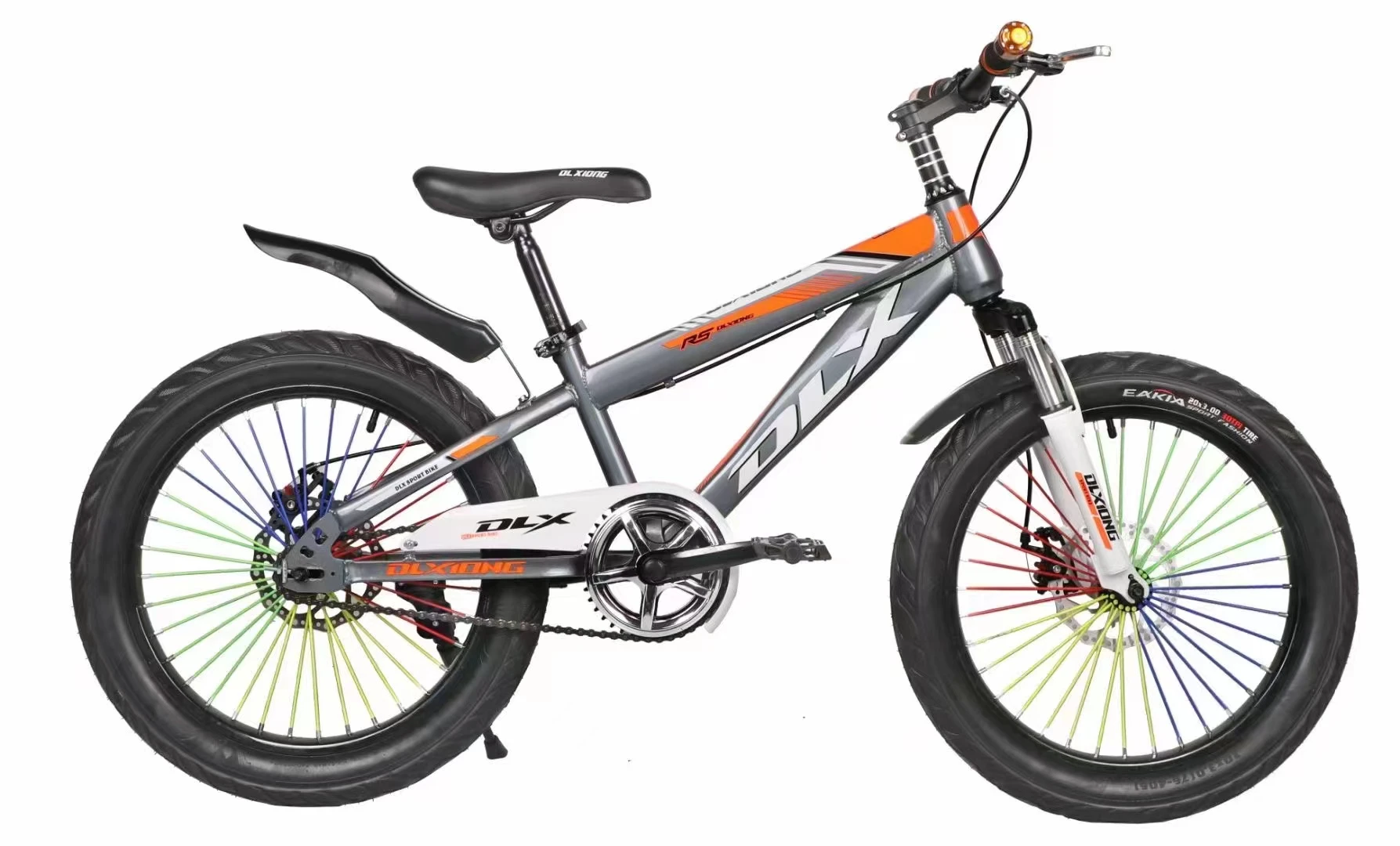
OEM 20 inch mountain bike children bikeVariable speed mountain bike suitable for student sports
-
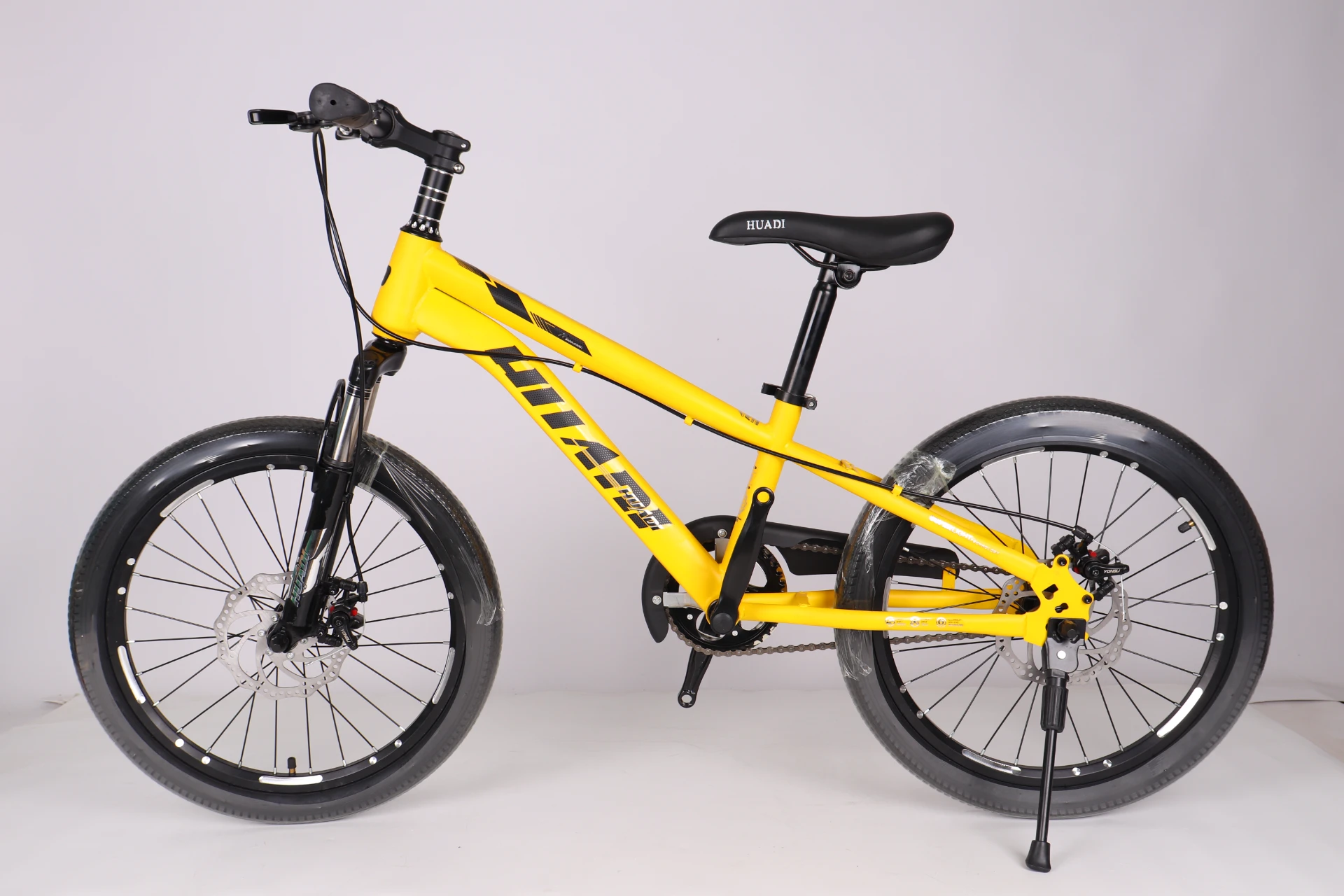
18 20 22 inch Children bike mountain bikes for 13 year old boy cycle for class 5 bicycle for 10year old boy kids
-
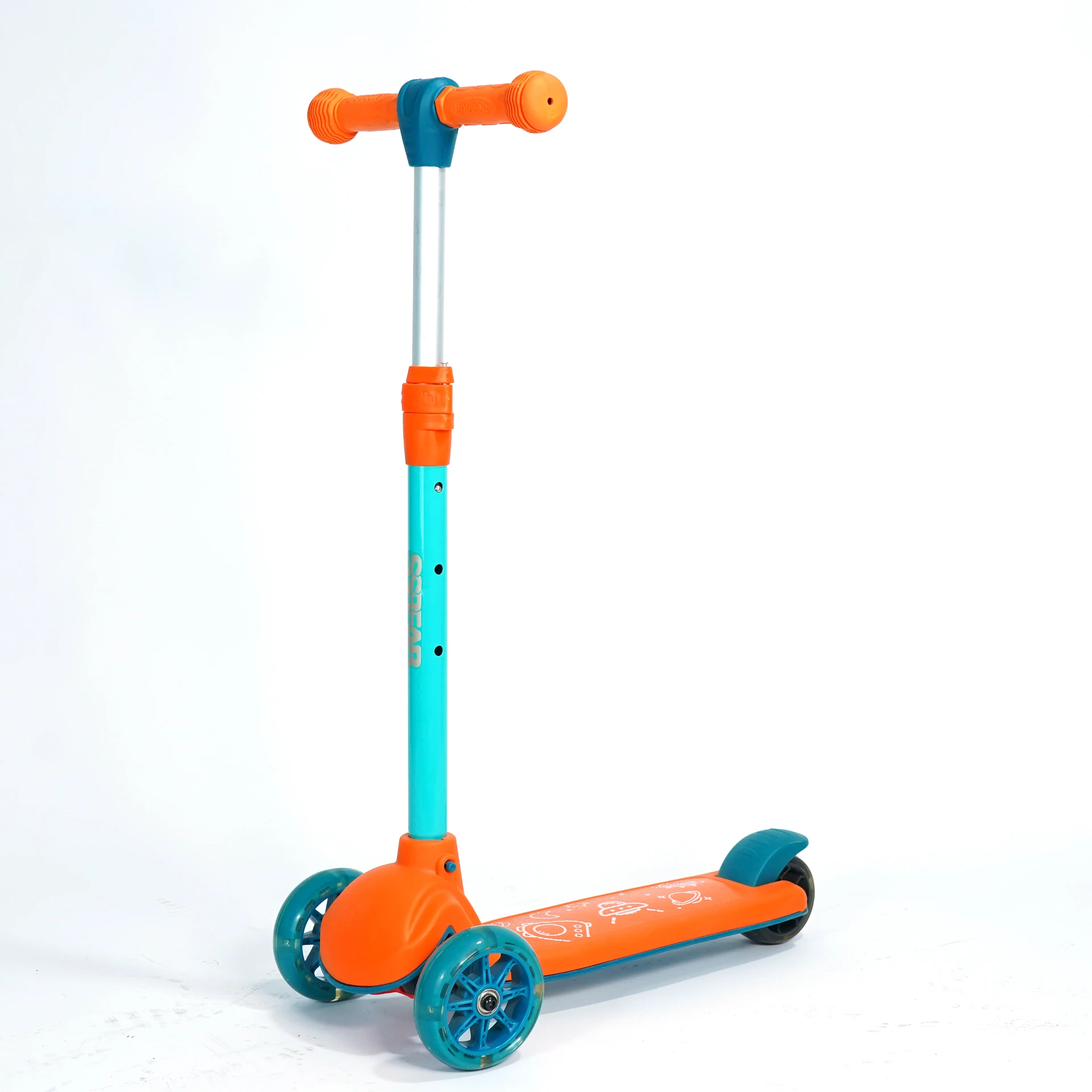
Hot Sale Kids Scooter 3 Pu Light-Up Wheel Kick Scooter For 3-6 Year Olds
-
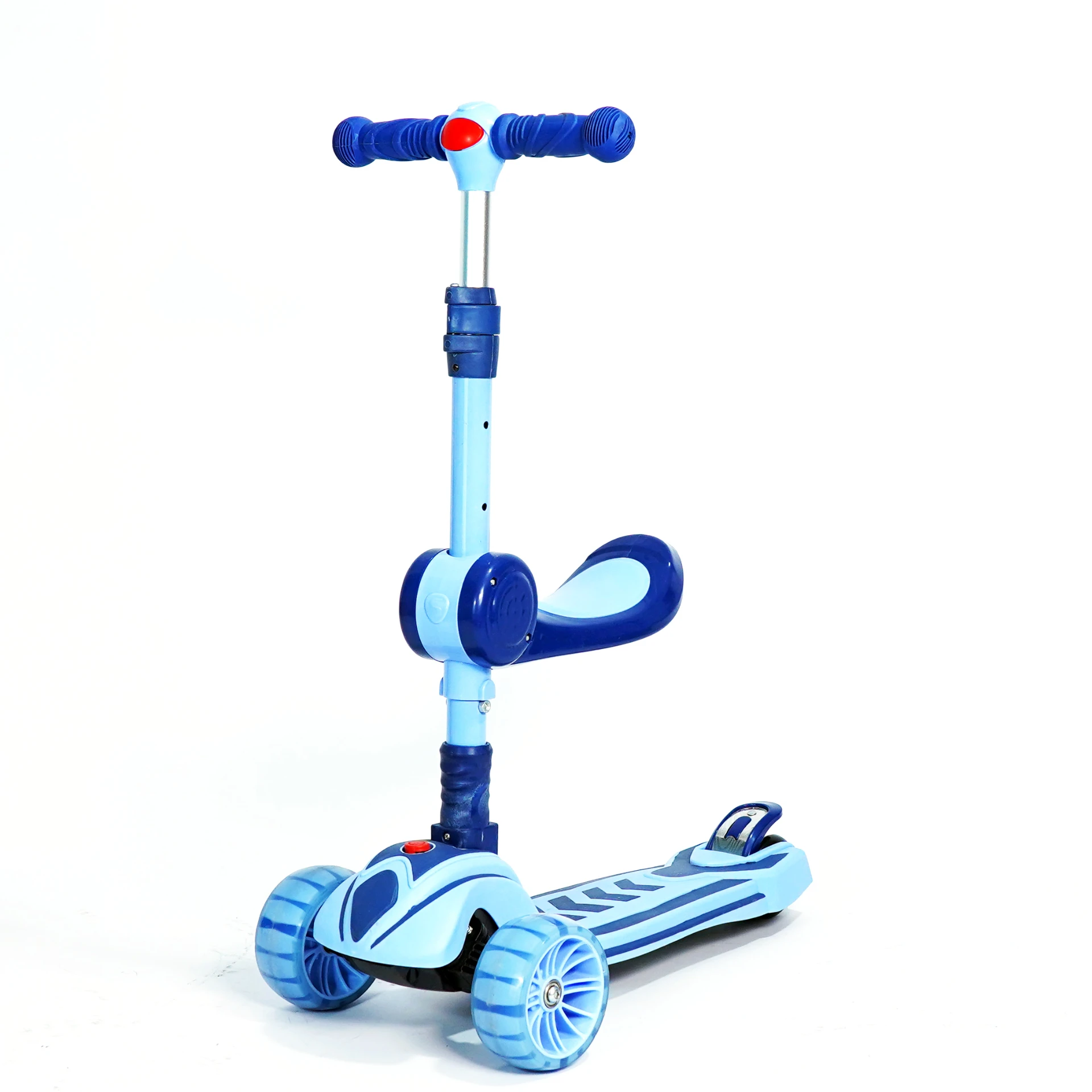
EU Child 3 To 10 Years Baby Soccer Kick Scooters & Foot Scooters For Kids Boys
-
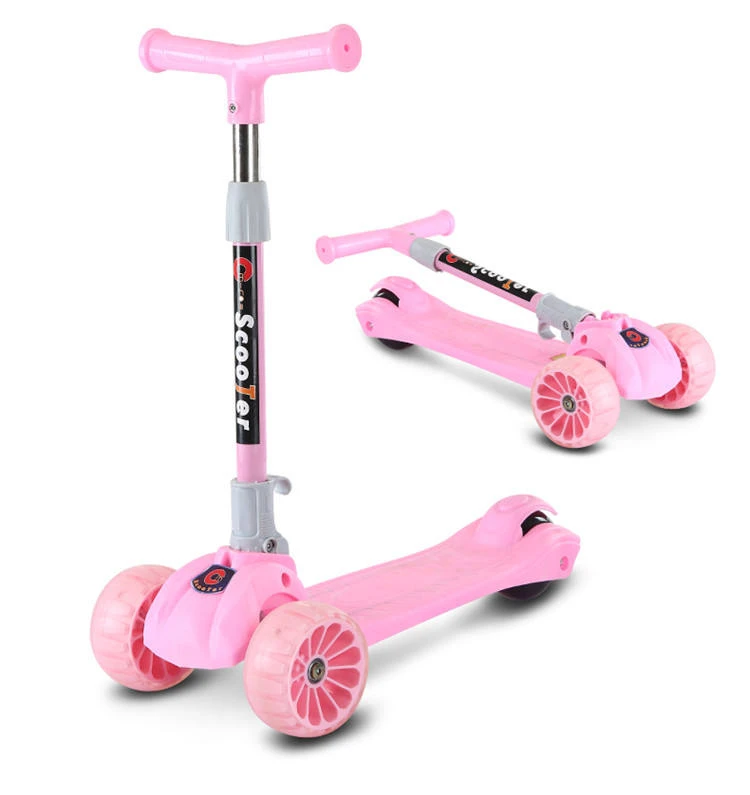
Factory Sale Kid Scooter Foot scooter Kids Kick scooter For Toddler.
-
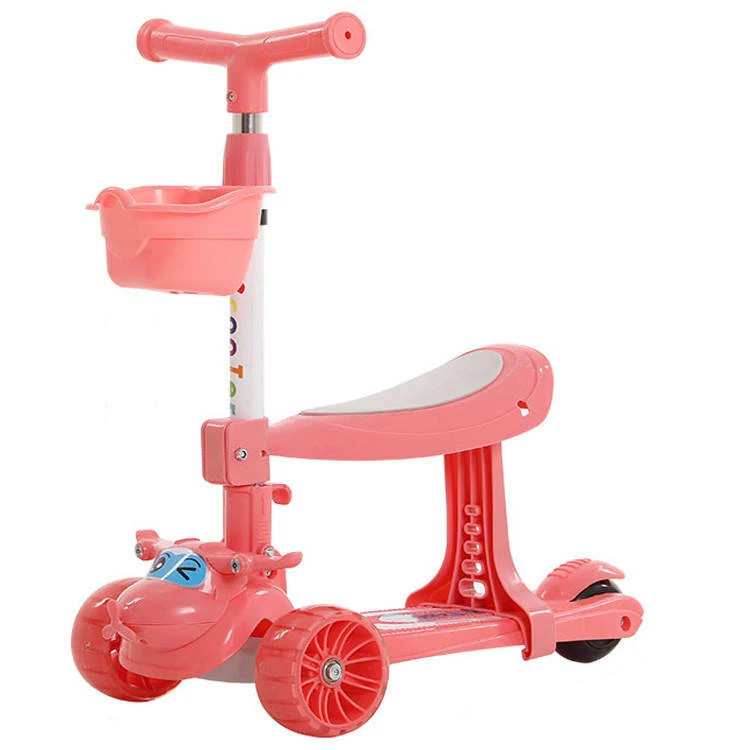
Best Seller Multifunctional Folding Kid Kick 3 Wheels Children Foot Scooter Foldable Baby Kid Scooters
-
Hot sale kids bikes OEM custom cheap baby children bicycle bike beautiful cycle for girls kids
 Afrikaans
 Albanian
 Amharic
 Arabic
 Armenian
 Azerbaijani
 Basque
 Belarusian
 Bengali
 Bosnian
 Bulgarian
 Catalan
 Cebuano
 Corsican
 Croatian
 Czech
Czech
 Danish
 Dutch
Dutch
 Esperanto
 Estonian
 Finnish
 French
 Frisian
 Galician
 Georgian
 German
 Greek
Greek
 Gujarati
 Haitian Creole
 Hausa
Hausa
 Hawaiian
 Hebrew
 Hindi
Hindi
 Miao
Miao
 Hungarian
 Icelandic
 Igbo
Igbo
 Indonesian
 Irish
Irish
 Italian
 Japanese
 Javanese
 Kannada
 Kazakh
 Khmer
Khmer
 Rwandese
 Korean
 Kurdish
 Kyrgyz
 Lao
Lao
 Latin
Latin
 Latvian
 Lithuanian
 Luxembourgish
 Macedonian
 Malgashi
 Malay
Malay
 Malayalam
 Maltese
 Maori
Maori
 Marathi
 Mongolian
 Myanmar
 Nepali
 Norwegian
 Norwegian
 Occitan
 Pashto
 Persian
 Polish
 Portuguese
 Punjabi
 Romanian
 Russian
 Samoan
 Scottish Gaelic
 Serbian
 Sesotho
 Shona
Shona
 Sindhi
 Sinhala
 Slovak
 Slovenian
 Somali
 Spanish
 Sundanese
 Swahili
 Swedish
 Tagalog
 Tajik
Tajik
 Tamil
Tamil
 Tatar
Tatar
 Telugu
 Thai
Thai
 Turkish
 Turkmen
 Ukrainian
 Urdu
Urdu
 Uighur
 Uzbek
Uzbek
 Vietnamese
 Welsh
Welsh
 Bantu
Bantu
 Yiddish
 Yoruba
 Zulu
Zulu
 English