
Comprehensive Guide to 3 Wheel Split Scooter – Stability, Portability & Innovation in Urban Mobility
Understanding the 3 Wheel Split Scooter: A Shift in Urban Mobility
The 3 wheel split scooter is becoming increasingly relevant in the global push toward more sustainable, accessible urban transport solutions. But what exactly is it, and why should anyone care beyond the scooter enthusiasts’ crowd? Well, this clever micro-mobility option addresses pressing challenges cities face today: congestion, pollution, and last-mile accessibility. By exploring the design, benefits, and emerging trends surrounding these scooters, we get a glimpse of how they fit into the modern urban ecosystem.
Global Context: The Rise of Compact Mobility Solutions
Cities worldwide are grappling with more than just traffic jams. According to the United Nations Climate Change reports, transportation accounts for approximately 24% of global CO2 emissions, making it a critical sector for sustainable innovation. Urban areas, in particular, demand highly efficient vehicles that reduce carbon footprints, and here is where 3 wheel split scooters come into play. With parts sourced and assembled globally, these scooters offer an adaptable transport alternative that challenges traditional two-wheelers and even some electric vehicles.
The problem is that many emerging cities face infrastructure and safety concerns when it comes to rapid adoption of electric scooters; the 3 wheel split scooter addresses some of those challenges with enhanced stability and portability for urban commuters.
What Is a 3 Wheel Split Scooter?
Simply put, a 3 wheel split scooter features three wheels—usually two at the front and one rear, or vice versa—and a split-frame design that allows it to fold or separate into parts for easy carrying or storage. Unlike standard scooters, this configuration offers improved balance, especially for new riders or people carrying goods. The “split” denotes its modular folding ability, usually into two components, making it super convenient for spaces like public transport or office storage.
This ingenious combination aligns with modern urban mobility demands and humanitarian logistics. For instance, NGOs operating in crowded or infrastructure-limited zones might use these scooters to deliver vital parcels quickly and safely. They double as reliable, cost-effective vehicles in areas where conventional transportation is less practical.
Core Components and Key Factors
1. Durability & Build Quality
Built usually from aluminum alloy or reinforced carbon fiber, 3 wheel split scooters balance lightweight portability with robust endurance. Users often remark on their tolerance to rough city terrains and weather changes.
2. Stability & Safety
Three wheels versus two can mean the difference between a shaky ride and one that inspires confidence in all riders, young or old. The split scooter design often incorporates wider fronts and enhanced braking systems, reducing falls and accidents. For example, electric braking with regenerative capability is increasingly popular.
3. Foldability and Portability
The split-frame feature lets riders neatly pack the scooter into manageable sizes — it’s not just a convenience but often a necessity for commuters who combine multiple transport modes.
4. Cost Efficiency
When compared to full-sized electric bikes or cars, these scooters are surprisingly budget-friendly both in upfront costs and maintenance. Parts replacement can be modular, meaning smaller expenses vs. full unit repairs.
Global Applications & Use Cases
Globally, cities like Amsterdam, Tokyo, and Singapore are testing smart mobility solutions, including 3 wheel split scooters, as part of their green transport initiatives. They cater to a variety of contexts:
- Urban commuting: For office workers hopping between subway stations to offices, these scooters close “last-mile” gaps.
- Healthcare delivery: In dense slums or temporary camps, scooters assist first responders making quick medicine deliveries.
- Industrial zones: In vast factory layouts, workers use split scooters to move efficiently, avoiding fatigue caused by walking long distances.
- Tourism and recreation: Rental fleets capitalize on their user-friendly handling and easy storage.
In post-disaster relief operations, NGOs find the portability and reliability of these scooters invaluable — zip through damaged infrastructure with minimal logistical hassle.
Advantages and Long-Term Value
The benefits of 3 wheel split scooters extend well beyond their obvious compactness:
- Environmental Sustainability: Their electric variants produce zero tailpipe emissions, reducing urban pollution.
- Social Inclusion: Stability and ease-of-use mean they can accommodate riders with diverse abilities.
- Financial Savings: Lower operating costs promote wide adoption and affordability.
- Innovation & Trust: Users often feel empowered by owning a device that reflects cutting-edge technology tuned to real needs.
3 Wheel Split Scooter Specifications
| Specification | Value |
|---|---|
| Wheel Configuration | Two front wheels, one rear |
| Material | Aluminum Alloy Frame |
| Weight | 8.5 kg (Folded) |
| Max Speed | 25 km/h |
| Battery Range | 20–30 km per charge |
| Folding Time | Under 10 seconds |
Vendor Comparison: Leading 3 Wheel Split Scooter Manufacturers
| Feature | Vendor A (UrbanGlide) | Vendor B (TriScoot) | Vendor C (EcoMove) |
|---|---|---|---|
| Price | $450 | $475 | $430 |
| Weight | 8.3 kg | 8.7 kg | 8.5 kg |
| Battery Life (km) | 28 | 30 | 22 |
| Fold Time | 9 seconds | 12 seconds | 10 seconds |
| Warranty | 2 years | 1 year | 1.5 years |
Future Trends and Innovations
The scooter industry is anything but static. Look out for emerging trends like incorporation of lightweight graphene-based materials, which promise stronger yet lighter frames. Battery tech is heading toward solid-state cells, boosting range and safety. Integration of smart apps and IoT-compatible sensors will provide predictive maintenance alerts and location tracking, enhancing fleet management for rentals.
Sustainability remains front and center, with solar-powered charging stations and recyclable parts becoming part of the eco-conscious scooter ecosystem. Autonomous features—think self-parking or insurance geo-fencing—are also gaining research interest.
Challenges and Solutions
Despite all the promise, the ride isn’t completely smooth — literally. Three main challenges stand out:
- Infrastructure inconsistency: Many cities lack dedicated scooter lanes, limiting safe usage.
- Battery disposal & longevity: As usage grows, disposing of exhausted batteries becomes problematic.
- Regulatory uncertainty: Laws concerning electric scooter use vary widely, creating confusion for users and vendors alike.
Solutions involve multi-stakeholder collaboration—urban planners, manufacturers, and policymakers working together. Smart urban planning to add micro-mobility lanes, advances in battery recycling, and international standards for vehicle classification are already underway to address these.
FAQ: Common Questions About 3 Wheel Split Scooters
- 1. How much does a 3 wheel split scooter typically cost?
- Prices usually range from $400 to $500 depending on features, battery capacity, and build materials. It's a reasonable investment compared to other electric vehicles.
- 2. Are these scooters suitable for older riders or beginners?
- Definitely. The tri-wheel design offers better balance and stability, making it a popular choice for new riders, seniors, and those concerned about safety.
- 3. What is the typical battery range and charging time?
- Most models run 20–30 kilometers per charge, with charging times averaging 3 to 5 hours depending on the charger and battery size.
- 4. Can the scooter be easily folded and transported on public transit?
- Yes, the split-frame design allows quick folding into two pieces, facilitating storage under desks or inside train compartments.
- 5. Are 3 wheel split scooters environmentally friendly?
- When electric models are charged via clean sources, they help reduce carbon emissions. Additionally, many manufacturers focus on recyclable components.
Conclusion: Why the 3 Wheel Split Scooter Matters
In real terms, the 3 wheel split scooter offers an elegant blend of portability, safety, and sustainability tailored for today’s urban traveler or logistic operator. It’s not just about getting from A to B — it’s about how cities can rethink transport around accessibility, economy, and ecological care. If you’re curious or ready to try one yourself, check out trusted vendors and explore the offerings at 3 wheel split scooter suppliers.
Mini takeaway: The 3 wheel split scooter is more than just a trend—it’s a practical piece of urban innovation perfectly suited for our rapidly changing mobility needs.
References
-
Electric Scooter Age 3 Safe Introduction to Early Mobility GuideNewsApr.16,2026
-
Is an Electric Scooter Age 4 Safe Complete Parents GuideNewsApr.09,2026
-
Choosing the Best Electric Scooter for a 9 Year Old Rider's SafetyNewsApr.07,2026
-
Comprehensive Guide to Choosing the Best Electric Scooter Ages 6 UpNewsApr.04,2026
-
Choosing the Best Electric Scooter for 6yr Old Riders A Comprehensive GuideNewsMar.31,2026
-
The Ultimate Guide to Choosing an Electric Scooter for Age 10 RidersNewsMar.28,2026
-
Choosing the Ideal Electric Scooter for Age 12 A Comprehensive Buyers GuideNewsMar.26,2026
Related Products
-
High quality kids bike children bicycle cycle cheap children bicycle with training wheel for sale
-
OEM 20 inch mountain bike children bikeVariable speed mountain bike suitable for student sports
-
18 20 22 inch Children bike mountain bikes for 13 year old boy cycle for class 5 bicycle for 10year old boy kids
-
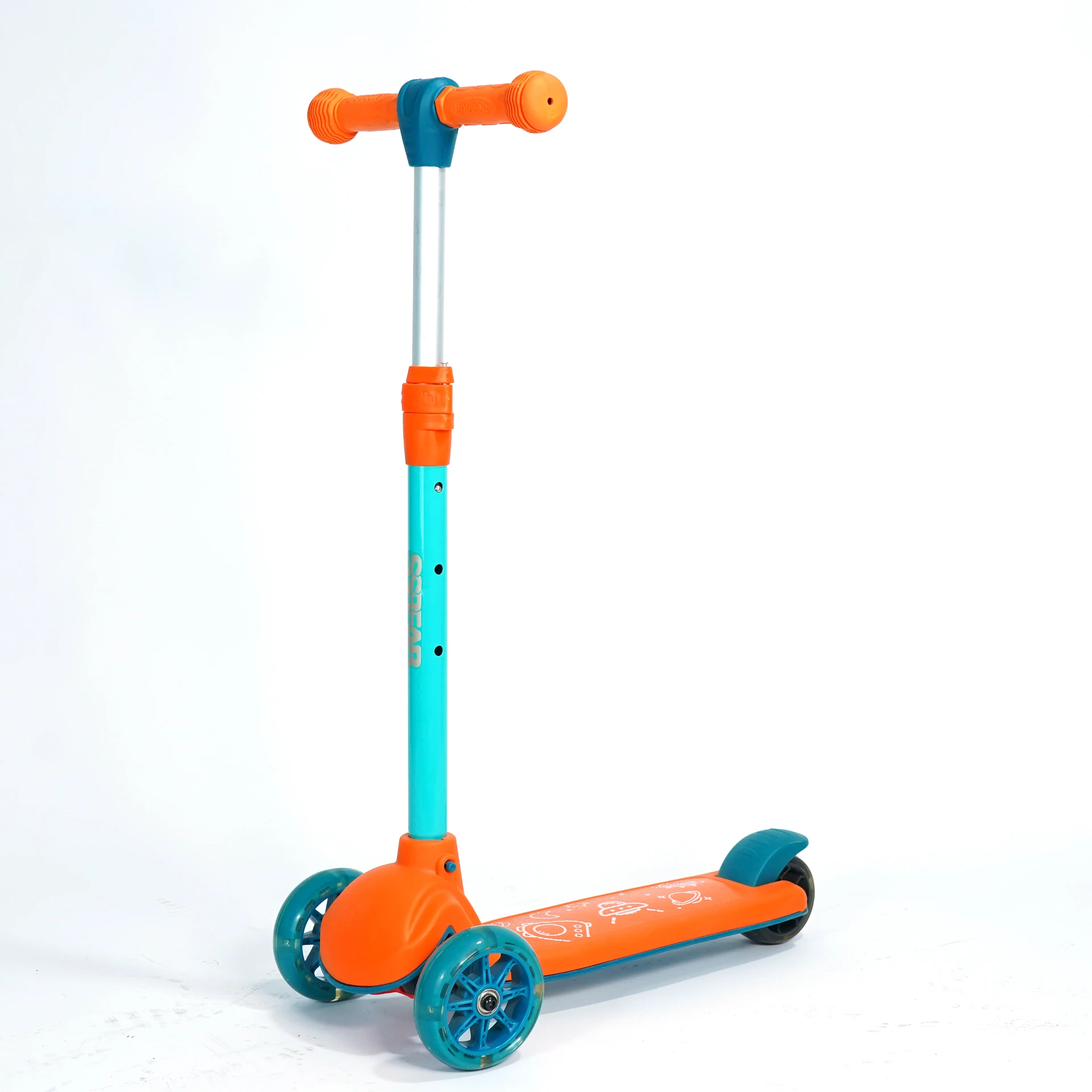
Hot Sale Kids Scooter 3 Pu Light-Up Wheel Kick Scooter For 3-6 Year Olds
-

EU Child 3 To 10 Years Baby Soccer Kick Scooters & Foot Scooters For Kids Boys
-
Factory Sale Kid Scooter Foot scooter Kids Kick scooter For Toddler.
-
Best Seller Multifunctional Folding Kid Kick 3 Wheels Children Foot Scooter Foldable Baby Kid Scooters
-
Hot sale kids bikes OEM custom cheap baby children bicycle bike beautiful cycle for girls kids
 Afrikaans
 Albanian
 Amharic
 Arabic
 Armenian
 Azerbaijani
 Basque
 Belarusian
 Bengali
 Bosnian
 Bulgarian
 Catalan
 Cebuano
 Corsican
 Croatian
 Czech
Czech
 Danish
 Dutch
Dutch
 Esperanto
 Estonian
 Finnish
 French
 Frisian
 Galician
 Georgian
 German
 Greek
Greek
 Gujarati
 Haitian Creole
 Hausa
Hausa
 Hawaiian
 Hebrew
 Hindi
Hindi
 Miao
Miao
 Hungarian
 Icelandic
 Igbo
Igbo
 Indonesian
 Irish
Irish
 Italian
 Japanese
 Javanese
 Kannada
 Kazakh
 Khmer
Khmer
 Rwandese
 Korean
 Kurdish
 Kyrgyz
 Lao
Lao
 Latin
Latin
 Latvian
 Lithuanian
 Luxembourgish
 Macedonian
 Malgashi
 Malay
Malay
 Malayalam
 Maltese
 Maori
Maori
 Marathi
 Mongolian
 Myanmar
 Nepali
 Norwegian
 Norwegian
 Occitan
 Pashto
 Persian
 Polish
 Portuguese
 Punjabi
 Romanian
 Russian
 Samoan
 Scottish Gaelic
 Serbian
 Sesotho
 Shona
Shona
 Sindhi
 Sinhala
 Slovak
 Slovenian
 Somali
 Spanish
 Sundanese
 Swahili
 Swedish
 Tagalog
 Tajik
Tajik
 Tamil
Tamil
 Tatar
Tatar
 Telugu
 Thai
Thai
 Turkish
 Turkmen
 Ukrainian
 Urdu
Urdu
 Uighur
 Uzbek
Uzbek
 Vietnamese
 Welsh
Welsh
 Bantu
Bantu
 Yiddish
 Yoruba
 Zulu
Zulu
 English