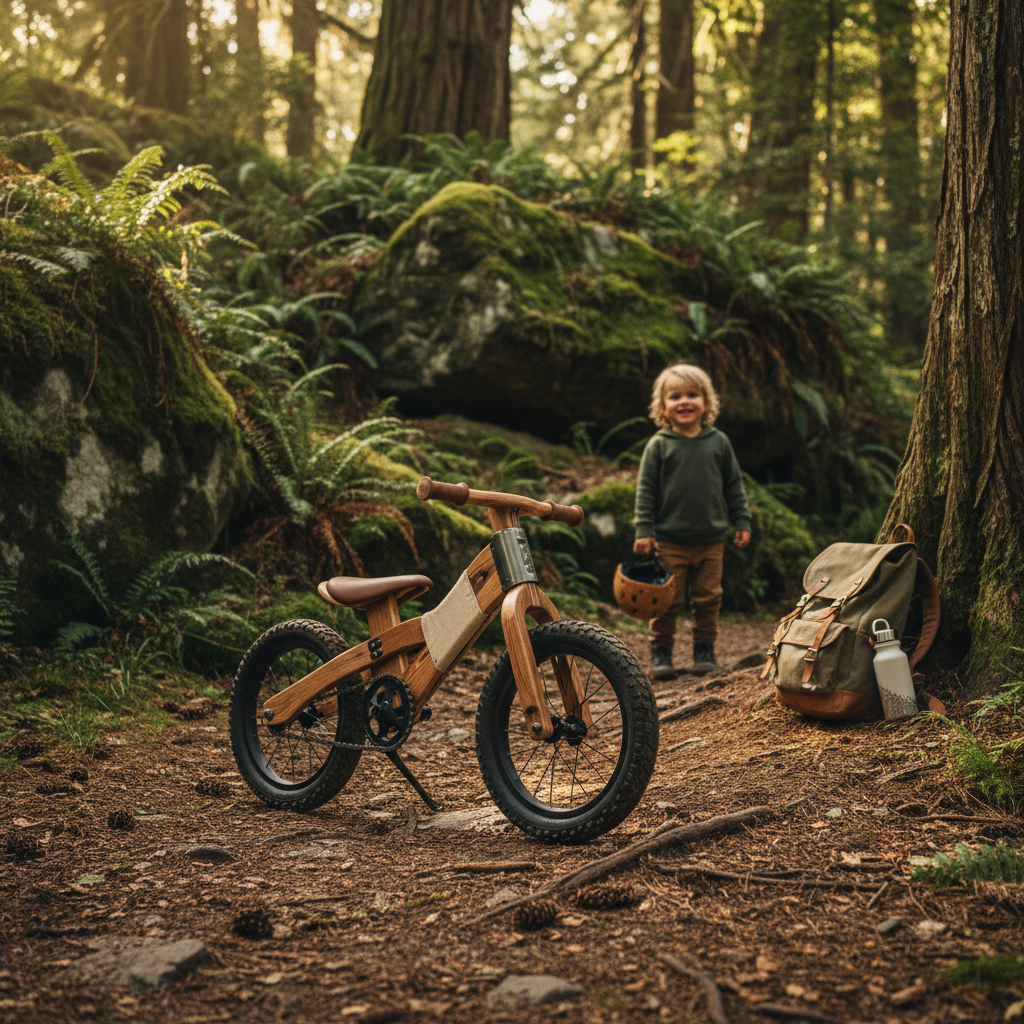
The world of childhood is intrinsically linked to freedom, exploration, and play, and central to all three is the bike for kids. More than just a toy, a bike represents a child’s first taste of independence, a vehicle for adventure, and a vital tool for physical and mental development. Globally, access to safe and affordable bikes empowers children, improves their health, and fosters a sense of community. Understanding the nuances of selecting the right bike for kids is therefore crucial for parents, educators, and policymakers alike.
The demand for quality bike for kids options is steadily rising worldwide, driven by growing awareness of the benefits of active lifestyles and increasing disposable incomes in emerging markets. According to the World Health Organization, physical inactivity is a leading risk factor for non-communicable diseases, and encouraging cycling from a young age can help mitigate this issue. However, challenges remain in ensuring affordability, safety standards, and equitable access to bikes for all children, regardless of their socioeconomic background. This requires innovative solutions and collaborative efforts.
Investing in a well-chosen bike for kids is an investment in a child's future. It’s about more than just getting from point A to point B; it's about building confidence, developing coordination, and creating lasting memories. This guide explores the key considerations when choosing a bike, the global impact of childhood cycling, and the exciting future of bike technology designed for young riders.
The Importance of Durability in a bike for kids
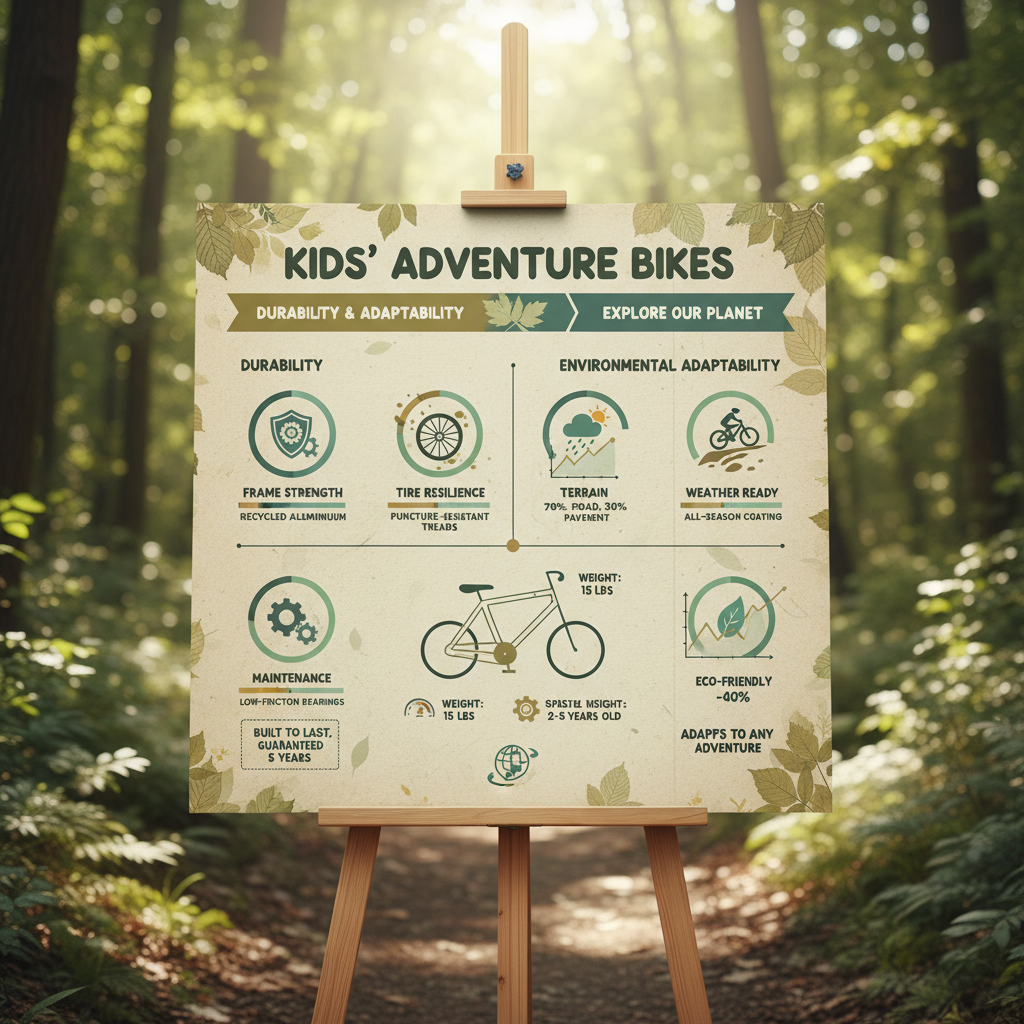
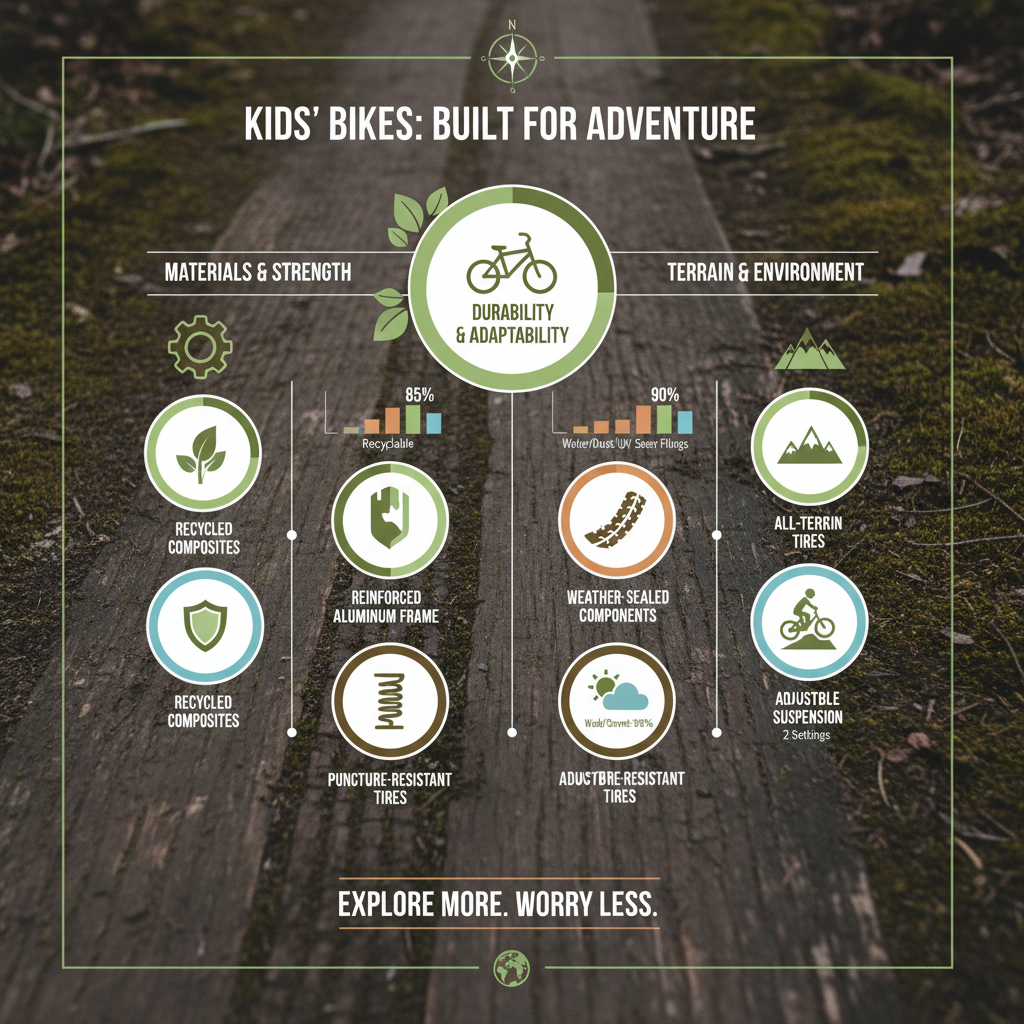
When selecting a bike for kids, durability is paramount. Children are often rough on their possessions, and a bike needs to withstand falls, bumps, and general wear and tear. Frames constructed from steel or aluminum alloy are typically more robust than plastic alternatives, offering a longer lifespan and greater resistance to damage. Checking the quality of welds and the thickness of the frame tubing are important indicators of a bike’s overall strength.
Beyond the frame, consider the durability of components like tires, brakes, and pedals. Solid rubber tires are less prone to punctures than inflatable tires, while well-sealed brake calipers and robust pedals will ensure reliable performance over time. Investing in a durable bike for kids may cost more upfront, but it will ultimately save money in the long run by reducing the need for frequent repairs or replacements.
Understanding the Right Size bike for kids
Choosing the correct size bike for kids is absolutely essential for both safety and enjoyment. A bike that’s too large will be difficult to control, increasing the risk of accidents, while a bike that’s too small will be uncomfortable and hinder the child’s ability to pedal efficiently. Bike sizes are typically determined by wheel diameter, ranging from 12 inches for toddlers to 24 inches for older children.
It's crucial to measure your child’s inseam – the distance from their crotch to the floor – to determine the appropriate frame size. Most bike manufacturers provide size charts based on inseam measurements. A properly sized bike will allow the child to stand over the top tube with a few inches of clearance and comfortably reach the handlebars without overextending.
Avoid the temptation to buy a bike for kids that they can "grow into." It’s better to choose a bike that fits them well now, even if it means replacing it sooner, as a poorly fitted bike can negatively impact their riding experience and safety.
Safety Features of a Quality bike for kids
Safety should be the top priority when choosing a bike for kids. Look for features like effective brakes, reliable steering, and a sturdy frame. Brakes should be easy for small hands to operate, and the steering should be responsive and predictable. A chain guard is also essential to prevent clothing from getting caught in the chain, reducing the risk of injuries.
Additionally, consider the inclusion of safety accessories like a helmet, knee pads, and elbow pads. A properly fitted helmet is non-negotiable and can significantly reduce the severity of head injuries in the event of a fall. Reflectors on the pedals, wheels, and frame increase visibility, especially in low-light conditions. Regularly inspect the bike for loose bolts or worn parts to ensure continued safe operation.
Educating children about bike safety is equally important. Teach them to always wear a helmet, obey traffic laws, and be aware of their surroundings. Supervise young children closely while they are riding and choose safe riding areas away from traffic. A bike for kids with excellent safety features, combined with proper education and supervision, can help ensure a fun and secure riding experience.
Cost Analysis of Different bike for kids Models
The price of a bike for kids can vary significantly depending on the size, features, and brand. Generally, basic models with simpler features start around $100-$200, while more advanced bikes with features like suspension, multiple gears, and higher-quality components can cost $300 or more. Understanding the cost-benefit ratio of different models is crucial for making an informed decision.
Consider your child’s riding habits and skill level when determining how much to spend. If they are just learning to ride, a basic model may be sufficient. However, if they are more experienced and enjoy riding regularly, investing in a higher-quality bike with more features may be worthwhile.
Comparative Cost of bike for kids Models
Global Applications of bike for kids for Child Development
The impact of a bike for kids extends beyond recreation and plays a significant role in child development worldwide. In many developing countries, a bike provides children with a means of transportation to school, allowing them to access education that might otherwise be unavailable. This increased access to education can have a profound impact on their future opportunities.
Furthermore, cycling promotes physical activity and combats childhood obesity, a growing concern globally. Programs that provide bikes to children in underserved communities are increasingly common, aiming to improve their health and well-being. In remote areas, a bike can be a lifeline, enabling children to access healthcare, social services, and other essential resources.
Long-Term Benefits and Sustainable Practices of bike for kids
Investing in a bike for kids offers numerous long-term benefits. Beyond the immediate physical and mental health advantages, cycling instills a sense of independence, responsibility, and environmental awareness. Children who cycle regularly are more likely to develop healthy habits that last a lifetime.
Sustainable practices are also becoming increasingly important. Choosing bikes made from recycled materials or supporting brands committed to environmentally friendly manufacturing processes can reduce the environmental impact. Encouraging bike maintenance and repair, rather than replacement, promotes resource conservation.
Ultimately, a bike for kids is more than just a mode of transportation; it's a tool for empowerment, health, and sustainability.
Future Trends and Innovation in bike for kids Technology
The world of bike for kids technology is constantly evolving. Electric bikes designed for children are gaining popularity, providing assistance with pedaling and making it easier to tackle hills or longer distances. Lightweight materials like carbon fiber are being used to create bikes that are easier for children to handle.
Smart bikes equipped with GPS tracking and safety features are also emerging, allowing parents to monitor their child’s location and receive alerts in case of an accident. Future innovations may include adaptive bikes that automatically adjust to the child’s size and skill level, and virtual reality integrations that enhance the riding experience.
As technology continues to advance, we can expect to see even more innovative and exciting bike for kids options that promote safety, fun, and healthy lifestyles.
Summary of Key Considerations for bike for kids
| Frame Material |
Brake Type |
Wheel Size (Inches) |
Average Price Range (USD) |
| Steel |
Coaster Brakes |
12 |
$100-$150 |
| Aluminum |
V-Brakes |
16 |
$150-$250 |
| Aluminum Alloy |
Hand Brakes |
20 |
$200-$350 |
| Carbon Fiber |
Disc Brakes |
24 |
$400-$600+ |
| Steel |
Coaster Brakes |
14 |
$120-$180 |
| Aluminum |
V-Brakes |
18 |
$200-$300 |
FAQS
Most children are ready to start learning to ride a bike without training wheels between the ages of 4 and 7. This varies greatly depending on the child's individual development and coordination. Before removing training wheels, ensure the child can comfortably balance on a balance bike or coast with their feet up. Start in a safe, flat area and provide plenty of encouragement and supervision.
It’s crucial to check your child’s bike for kids before each ride. Inspect the tires for proper inflation and wear, ensure the brakes are functioning correctly, and check that the handlebars and seat are securely fastened. Regularly lubricate the chain and inspect for any loose or damaged parts. A quick safety check can prevent accidents and ensure a safe riding experience.
A balance bike doesn’t have pedals, allowing children to learn balance and steering by pushing off the ground with their feet. This develops their coordination and confidence before transitioning to a pedal bike. Traditional bikes with pedals require children to learn balance, pedaling, and steering simultaneously, which can be more challenging. Balance bikes are often recommended as a first bike for toddlers.
Choosing the right helmet is paramount. Ensure the helmet fits snugly but comfortably, sitting level on the head and covering the forehead. Adjust the straps so that they form a “V” under the ears and the chin strap is securely fastened. Look for a helmet that meets safety standards (CPSC certified). Replace the helmet after any impact, even if there is no visible damage.
Electric bikes for kids can be safe when used responsibly and with proper supervision. It’s important to choose a model with adjustable speed limits and ensure the child understands the controls and safety features. Always insist on wearing a helmet and provide clear instructions on safe riding practices. Electric bikes should be used in appropriate areas, away from heavy traffic.
Make cycling fun! Plan family bike rides, explore local parks and trails, and create a positive and encouraging environment. Celebrate small successes and avoid putting too much pressure on the child. Lead by example and show them the joy of cycling. A supportive and enjoyable experience will foster a lifelong love of biking.
Conclusion
From fostering independence and physical activity to promoting environmental awareness, the benefits of a bike for kids are far-reaching. Selecting the right bike involves considering factors like durability, size, safety features, and cost, while understanding the evolving landscape of bike technology opens up exciting possibilities for the future. A carefully chosen bike can be a source of joy, adventure, and valuable life skills for years to come.
As we look ahead, embracing sustainable practices, prioritizing safety innovations, and fostering a love of cycling from a young age will be crucial. By investing in quality bikes for kids and promoting responsible riding habits, we can empower the next generation to embrace a healthy, active, and sustainable lifestyle. Visit our website at www.zhongzhoubike.com to explore our range of high-quality bike for kids and find the perfect ride for your little one.

 English
  Afrikaans
  Albanian
  Amharic
  Arabic
  Armenian
  Azerbaijani
  Basque
  Belarusian
  Bengali
  Bosnian
  Bulgarian
  Catalan
  Cebuano
  Corsican
  Croatian
  Czech
Czech  Danish
  Dutch
Dutch  Esperanto
  Estonian
  Finnish
  French
  Frisian
  Galician
  Georgian
  German
  Greek
Greek  Gujarati
  Haitian Creole
  Hausa
Hausa  Hawaiian
  Hebrew
  Hindi
Hindi  Miao
Miao  Hungarian
  Icelandic
  Igbo
Igbo  Indonesian
  Irish
Irish  Italian
  Japanese
  Javanese
  Kannada
  Kazakh
  Khmer
Khmer  Rwandese
  Korean
  Kurdish
  Kyrgyz
  Lao
Lao  Latin
Latin  Latvian
  Lithuanian
  Luxembourgish
  Macedonian
  Malgashi
  Malay
Malay  Malayalam
  Maltese
  Maori
Maori  Marathi
  Mongolian
  Myanmar
  Nepali
  Norwegian
  Norwegian
  Occitan
  Pashto
  Persian
  Polish
  Portuguese
  Punjabi
  Romanian
  Russian
  Samoan
  Scottish Gaelic
  Serbian
  Sesotho
  Shona
Shona  Sindhi
  Sinhala
  Slovak
  Slovenian
  Somali
  Spanish
  Sundanese
  Swahili
  Swedish
  Tagalog
  Tajik
Tajik  Tamil
Tamil  Tatar
Tatar  Telugu
  Thai
Thai  Turkish
  Turkmen
  Ukrainian
  Urdu
Urdu  Uighur
  Uzbek
Uzbek  Vietnamese
  Welsh
Welsh  Bantu
Bantu  Yiddish
  Yoruba
  Zulu
Zulu