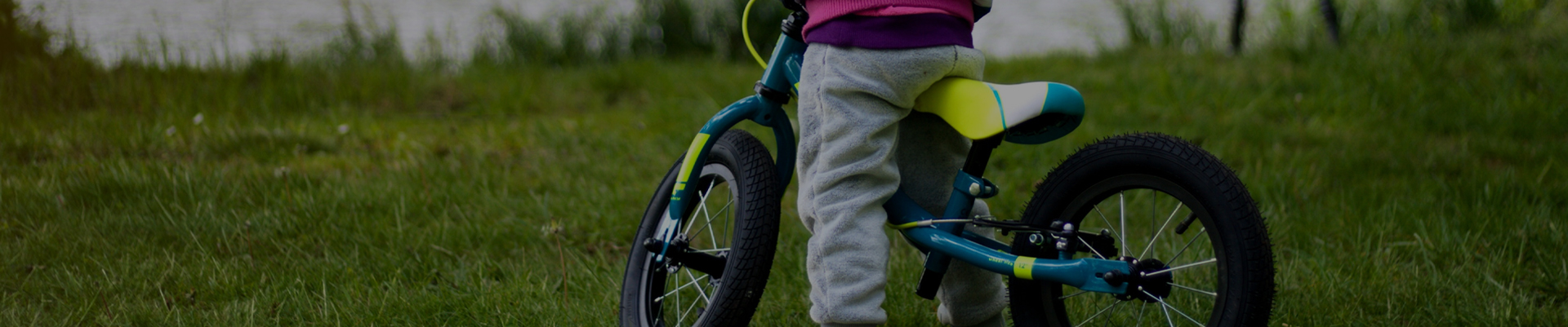
Durable and Safe Scooter for Kid – Expert Insight & Comparison
Scooter for Kid: A Trusty Ride Through Playtime
Having spent well over a decade working around industrial equipment, I never quite expected to find myself fascinated by something as seemingly simple as a scooter for kid. Yet, oddly enough, these tiny rides are a marvel of design and engineering in their own right — especially when you consider how they’re tested for safety and longevity before ever reaching the hands of excited youngsters.
Let me share a bit of what I know about these kids’ scooters, stuff I’ve picked up chatting with engineers and observing market trends. You see, the materials used — usually robust aluminum alloys or reinforced plastics — have to strike a balance between weight and strength. A lightweight ride makes it easier for small kids to manage, but it can't be flimsy. In real terms, this means manufacturers run extensive durability tests, simulating everything from sharp turns to bumps on rough pavement.
One thing I’ve noticed is the steady shift toward customization and modular parts. Parents love choices, and kids often want to jazz up their scooters with colorful grips or extra layers of safety features. Some vendors offer adjustable handlebars, allowing the scooter to "grow" with the child for a year or two – which frankly makes a lot of sense if you want to get more bang for your buck.
Here’s a quick glance at a typical scooter for kid’s specs, just so you get an idea of what these products entail:
| Specification | Details |
|---|---|
| Material | Aluminum alloy frame with PU wheels |
| Maximum Weight Capacity | 50 kg (110 lbs) |
| Age Range | 3 to 8 years |
| Handlebar Height | Adjustable: 60-80 cm |
| Braking System | Rear foot brake |
| Weight | 3.5 kg (7.7 lbs) |
Of course, not all scooters are created equal. I’ve seen some impressive variations depending on the vendor’s focus on safety certifications, warranty coverage, and the finesse of their customer service. Here’s a little comparison I whipped up comparing three well-known suppliers — it’s kind of what I’d look at if I were picking a scooter for a family member:
| Vendor | Safety Certifications | Warranty | Customization Options | Price Range |
|---|---|---|---|---|
| Zhongzhou Bike | EN 71, ASTM F963 | 2 years | Yes (color & parts) | $$ |
| ScootMaster | ASTM F963 | 1 year | Limited (grips only) | $ |
| KidGlide | EN 71 | 3 years | No | $$$ |
To wrap this up with a little story — a colleague’s six-year-old recently got a bright green scooter from Zhongzhou Bike, and what struck me was the kid’s confidence the first time he tried it. The scooter didn’t feel heavy or clunky, and the adjustable handlebar was a hit with his rapid growth spurt in mind.
Honestly, choosing the right scooter for a child isn’t just about flashy colors or the lowest price. It’s about feeling that quiet assurance this toy will last, perform reliably, and keep little riders safe. So when you consider a scooter for kid, think durability, certifications, and yes, a bit of fun.
In the end, it’s these little machines that build big memories — and maybe a few scraped knees along the way, but that’s childhood, isn’t it?
References:
1. ASTM International safety specs for kids’ scooters
2. EN 71 Toy Safety Directive documents
3. Interviews with manufacturing engineers in children's mobility products
-
Electric Scooter Age 3 Safe Introduction to Early Mobility GuideNewsApr.16,2026
-
Is an Electric Scooter Age 4 Safe Complete Parents GuideNewsApr.09,2026
-
Choosing the Best Electric Scooter for a 9 Year Old Rider's SafetyNewsApr.07,2026
-
Comprehensive Guide to Choosing the Best Electric Scooter Ages 6 UpNewsApr.04,2026
-
Choosing the Best Electric Scooter for 6yr Old Riders A Comprehensive GuideNewsMar.31,2026
-
The Ultimate Guide to Choosing an Electric Scooter for Age 10 RidersNewsMar.28,2026
-
Choosing the Ideal Electric Scooter for Age 12 A Comprehensive Buyers GuideNewsMar.26,2026
Related Products
-
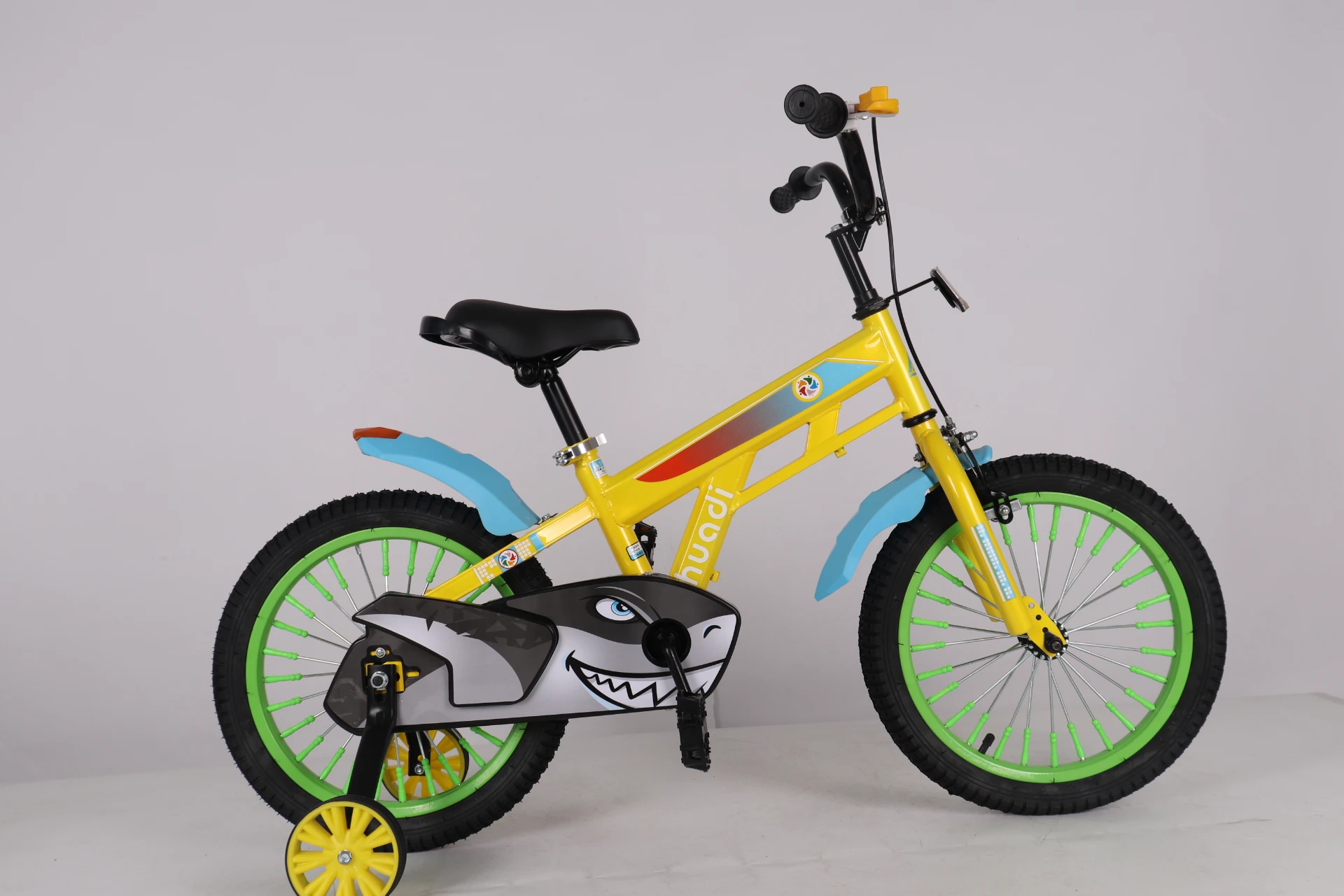
High quality kids bike children bicycle cycle cheap children bicycle with training wheel for sale
-
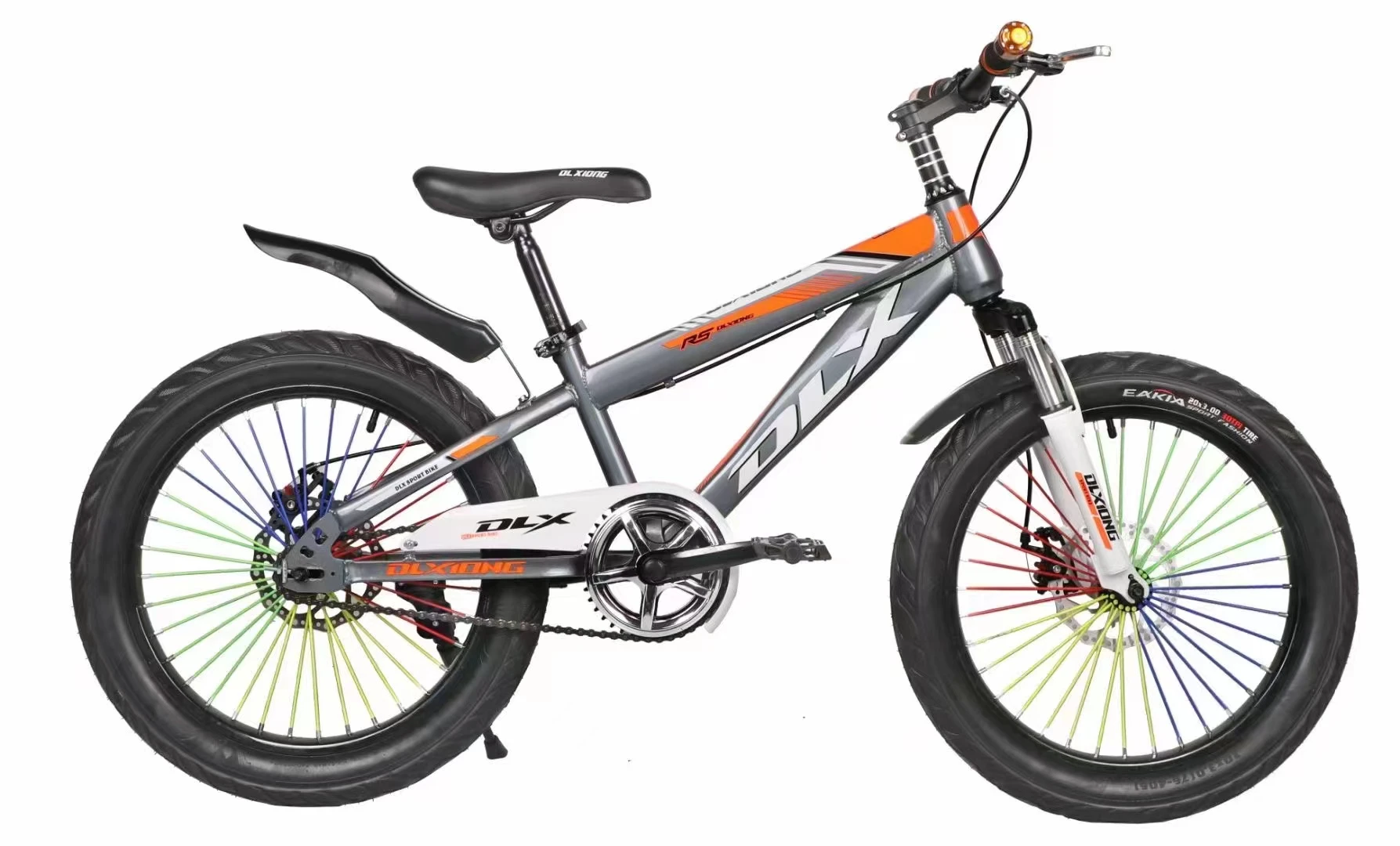
OEM 20 inch mountain bike children bikeVariable speed mountain bike suitable for student sports
-
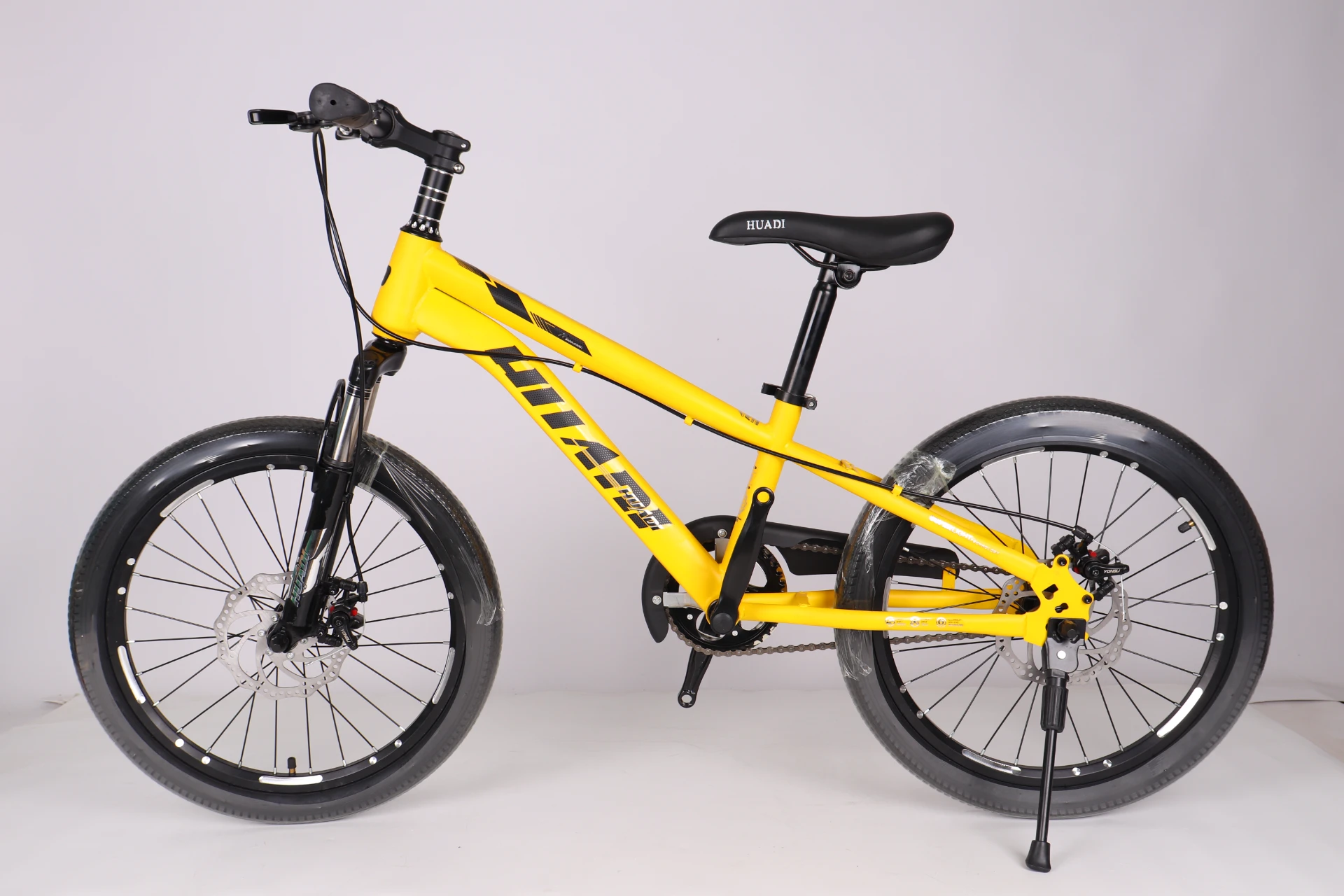
18 20 22 inch Children bike mountain bikes for 13 year old boy cycle for class 5 bicycle for 10year old boy kids
-
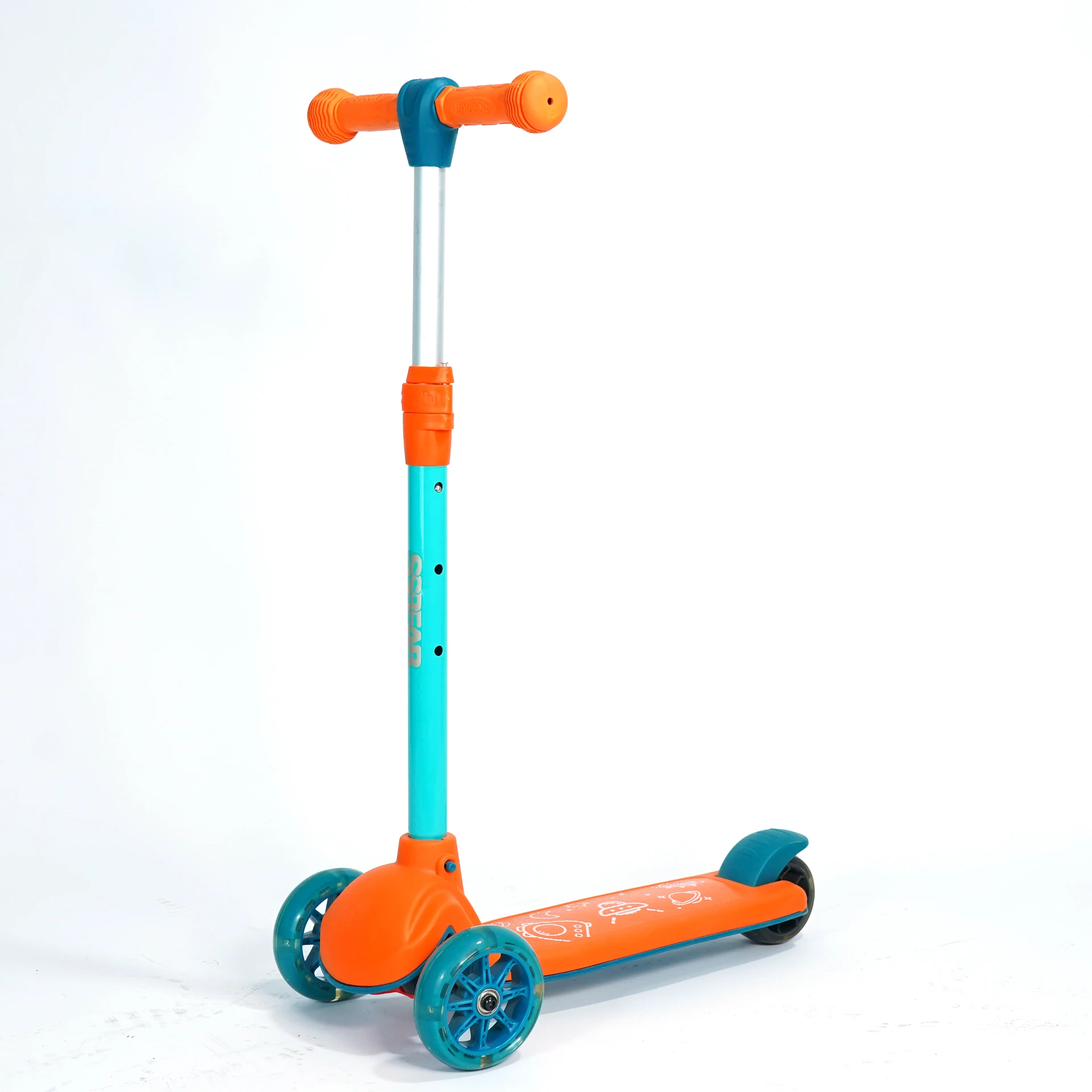
Hot Sale Kids Scooter 3 Pu Light-Up Wheel Kick Scooter For 3-6 Year Olds
-
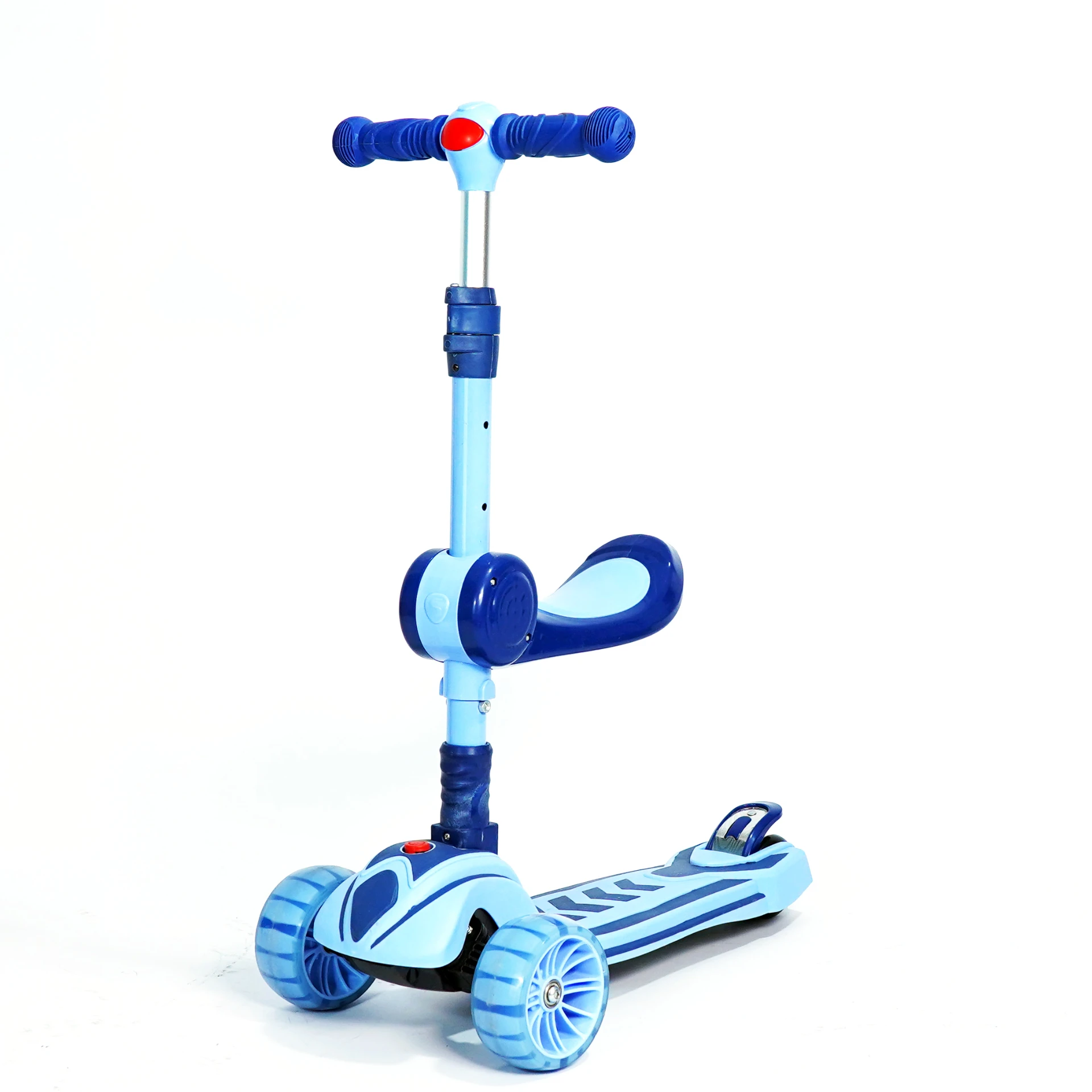
EU Child 3 To 10 Years Baby Soccer Kick Scooters & Foot Scooters For Kids Boys
-
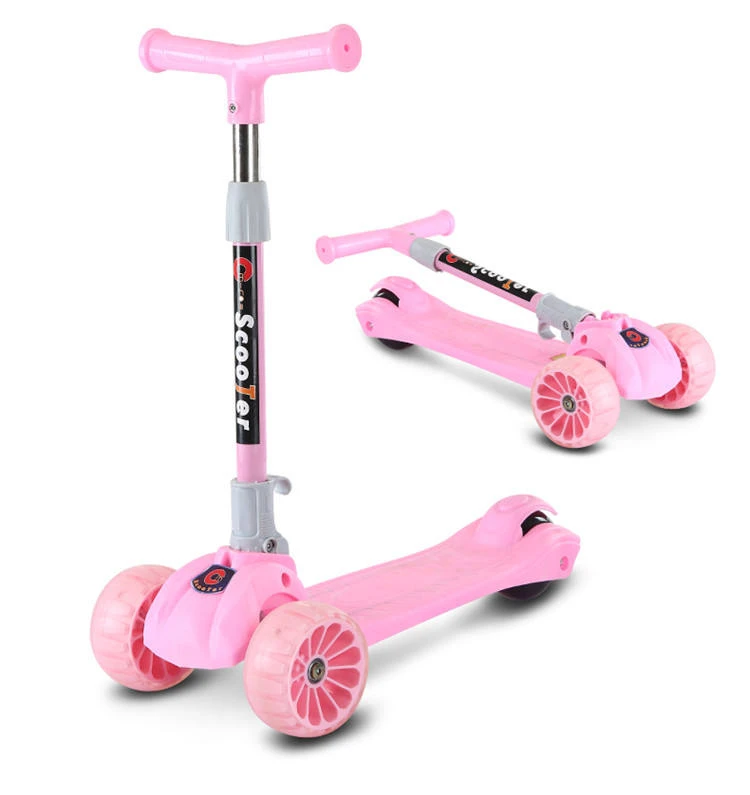
Factory Sale Kid Scooter Foot scooter Kids Kick scooter For Toddler.
-
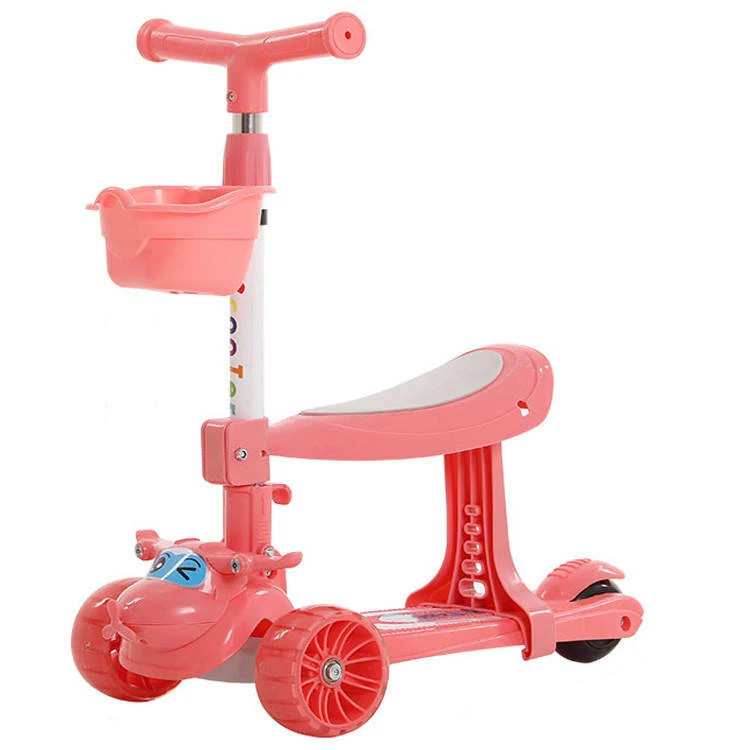
Best Seller Multifunctional Folding Kid Kick 3 Wheels Children Foot Scooter Foldable Baby Kid Scooters
-
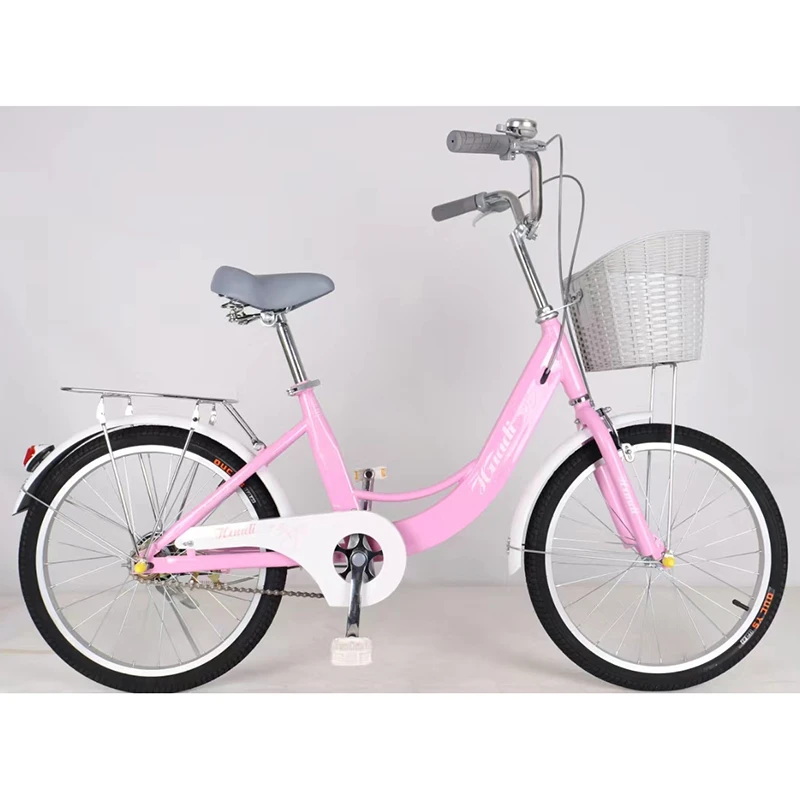
Hot sale kids bikes OEM custom cheap baby children bicycle bike beautiful cycle for girls kids
 Afrikaans
 Albanian
 Amharic
 Arabic
 Armenian
 Azerbaijani
 Basque
 Belarusian
 Bengali
 Bosnian
 Bulgarian
 Catalan
 Cebuano
 Corsican
 Croatian
 Czech
Czech
 Danish
 Dutch
Dutch
 Esperanto
 Estonian
 Finnish
 French
 Frisian
 Galician
 Georgian
 German
 Greek
Greek
 Gujarati
 Haitian Creole
 Hausa
Hausa
 Hawaiian
 Hebrew
 Hindi
Hindi
 Miao
Miao
 Hungarian
 Icelandic
 Igbo
Igbo
 Indonesian
 Irish
Irish
 Italian
 Japanese
 Javanese
 Kannada
 Kazakh
 Khmer
Khmer
 Rwandese
 Korean
 Kurdish
 Kyrgyz
 Lao
Lao
 Latin
Latin
 Latvian
 Lithuanian
 Luxembourgish
 Macedonian
 Malgashi
 Malay
Malay
 Malayalam
 Maltese
 Maori
Maori
 Marathi
 Mongolian
 Myanmar
 Nepali
 Norwegian
 Norwegian
 Occitan
 Pashto
 Persian
 Polish
 Portuguese
 Punjabi
 Romanian
 Russian
 Samoan
 Scottish Gaelic
 Serbian
 Sesotho
 Shona
Shona
 Sindhi
 Sinhala
 Slovak
 Slovenian
 Somali
 Spanish
 Sundanese
 Swahili
 Swedish
 Tagalog
 Tajik
Tajik
 Tamil
Tamil
 Tatar
Tatar
 Telugu
 Thai
Thai
 Turkish
 Turkmen
 Ukrainian
 Urdu
Urdu
 Uighur
 Uzbek
Uzbek
 Vietnamese
 Welsh
Welsh
 Bantu
Bantu
 Yiddish
 Yoruba
 Zulu
Zulu
 English