
Durable Scooter for Big Kid – Reliable & Adjustable Models
Scooter for Big Kid: Durable, Practical, and Built to Last
Having spent over a decade in the industrial equipment sector, I’ve seen firsthand how design and functionality evolve when the end users’ needs are truly understood. Weird as it may sound, scooters for big kids fall into this category more often than you'd expect. They’re not just playthings — they’re semi-serious pieces of tech and engineering that need to balance durability, safety, and a bit of cool factor.
Now, when looking for a scooter for big kid (and I do mean "big" — teenagers or even young adults who want something that can actually hold their weight), a few details jump out. The frame materials, weight capacity, wheel quality, and braking system all matter greatly. Frankly, the hype about flashy colors or extra LED lights tends to fade quickly when the scooter itself wobbles or struggles under 120+ pounds.
In real terms, I often recommend aluminum frames. They’re lightweight yet sturdy — kind of the sweet spot in scooter manufacturing. Steel, although heavier, offers more raw strength but can feel cumbersome. And then there's magnesium or alloys, which sound fancy but often drive up costs without a visible usability improvement for most users.
Speaking of which, here’s a quick rundown of a typical big kid scooter's specs that you’d want to check before deciding:
| Specification | Typical Value |
|---|---|
| Frame Material | Aluminum Alloy |
| Weight Capacity | Up to 150 lbs (68 kg) |
| Wheel Size | 200 mm PU wheels |
| Braking System | Rear foot brake + hand brake (optional) |
| Deck Material | Non-slip grip tape coated aluminum |
| Handlebar Height | Adjustable 90-110 cm |
Now, why does all this matter? Well, it’s quite straightforward — a solid scooter for big kid is often the difference between an everyday nuisance and a genuinely fun and reliable ride. I’ve personally seen dozens of models over the years and noticed that those with adjustable and ergonomic handlebars tend to improve comfort dramatically for taller kids — probably something most parents underestimate.
Also, wheel size is often overlooked but is key. Bigger wheels smooth out rough pavement and cracks, while smaller wheels make the scooter more agile but harsher on the ride. There was a young teenager I sold one to who called back a week later — the bigger wheel set really made a noticeable difference riding through his neighborhood's uneven sidewalks. Kind of a small detail, but it sticks with you.
Taking it from a vendor standpoint, here’s a quick comparison table I’ve compiled based on common players in this market. It underlines what brands prioritize — which is handy when choosing, given that not every “big kid” scooter is quite the same.
| Vendor | Max Weight | Material | Adjustable Height | Price Range |
|---|---|---|---|---|
| Zhongzhou Bike | 150 lbs | Aluminum Alloy | Yes (90-110 cm) | $$$ |
| Urban Moves | 130 lbs | Steel Frame | No | $$ |
| ProScoot | 160 lbs | Mg Alloy | Yes (85-105 cm) | $$$$ |
Trustworthiness is key with these scooters — you want something that has gone through proper quality testing, including load testing, brake checks, and durability under different weather conditions. Zhongzhou Bike, which I've linked above, is known in the industry for solid reliability and reasonable pricing, which is why it often pops up in my recommendations. They do a great job offering true specs — no inflated marketing numbers, which you know sometimes happens in the gadget world.
In closing, if you're shopping for a scooter for big kid, remember: focus on build quality, weight capacity, and adjustability. These are the things that really matter when you want something that lasts and doesn’t frustrate after a couple of weeks. As tech and materials improve, I suppose we’ll be seeing even better models soon — but at the moment, this mix of solid aluminum frames and quality brakes can't be beaten for the price. It’s like industrial equipment: no shortcuts if you want reliability.
Just my two cents from years of testing and working among industrial gear—sometimes the simplest things get complicated, but a good scooter is one you barely think about, just ride.
References:
1. Industry load and durability standards, ASTM F2641-20.
2. Zhongzhou Bike official product specs 2023.
3. User reviews and real-world testing reports collected 2022-2023.
-
Electric Scooter Age 3 Safe Introduction to Early Mobility GuideNewsApr.16,2026
-
Is an Electric Scooter Age 4 Safe Complete Parents GuideNewsApr.09,2026
-
Choosing the Best Electric Scooter for a 9 Year Old Rider's SafetyNewsApr.07,2026
-
Comprehensive Guide to Choosing the Best Electric Scooter Ages 6 UpNewsApr.04,2026
-
Choosing the Best Electric Scooter for 6yr Old Riders A Comprehensive GuideNewsMar.31,2026
-
The Ultimate Guide to Choosing an Electric Scooter for Age 10 RidersNewsMar.28,2026
-
Choosing the Ideal Electric Scooter for Age 12 A Comprehensive Buyers GuideNewsMar.26,2026
Related Products
-
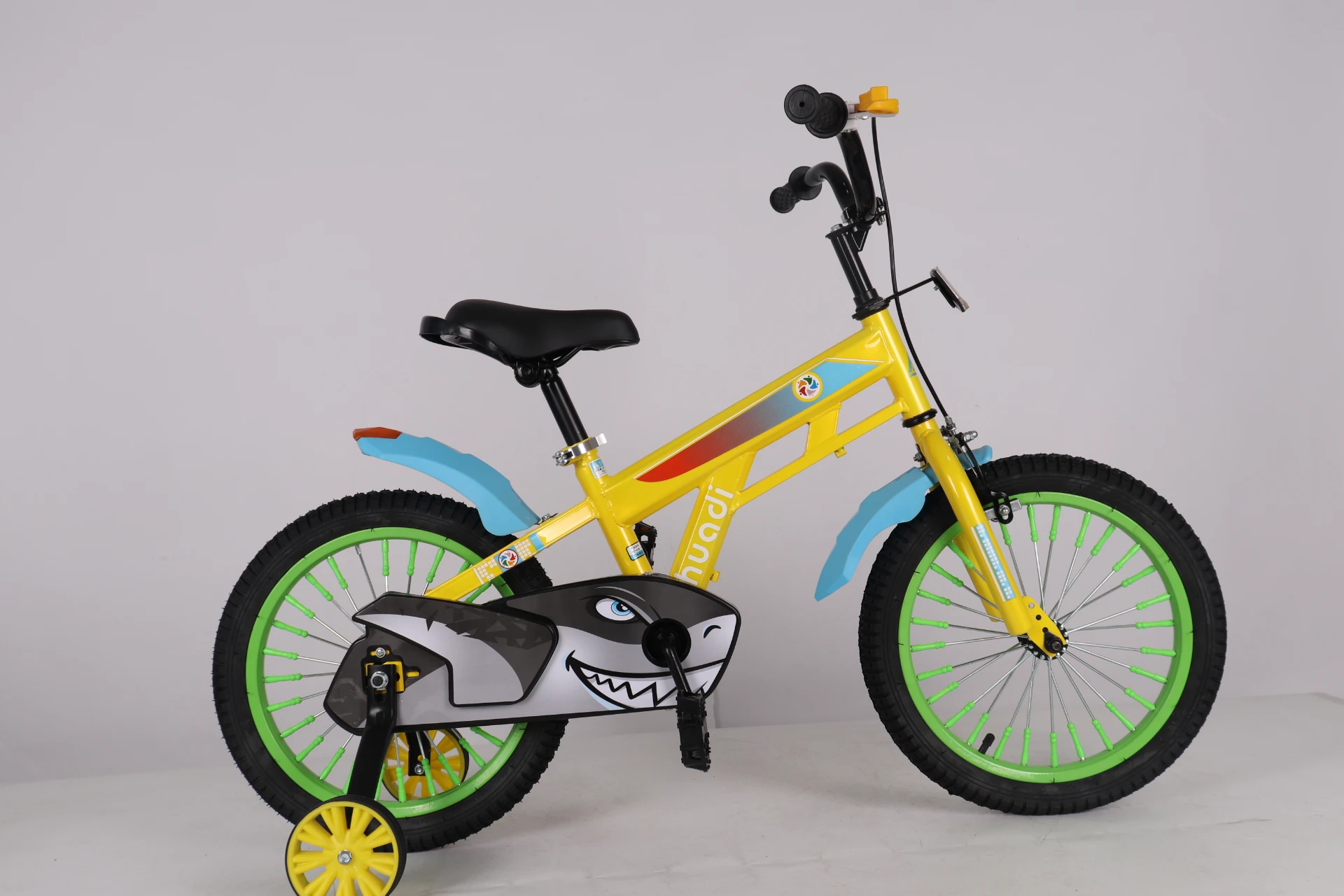
High quality kids bike children bicycle cycle cheap children bicycle with training wheel for sale
-
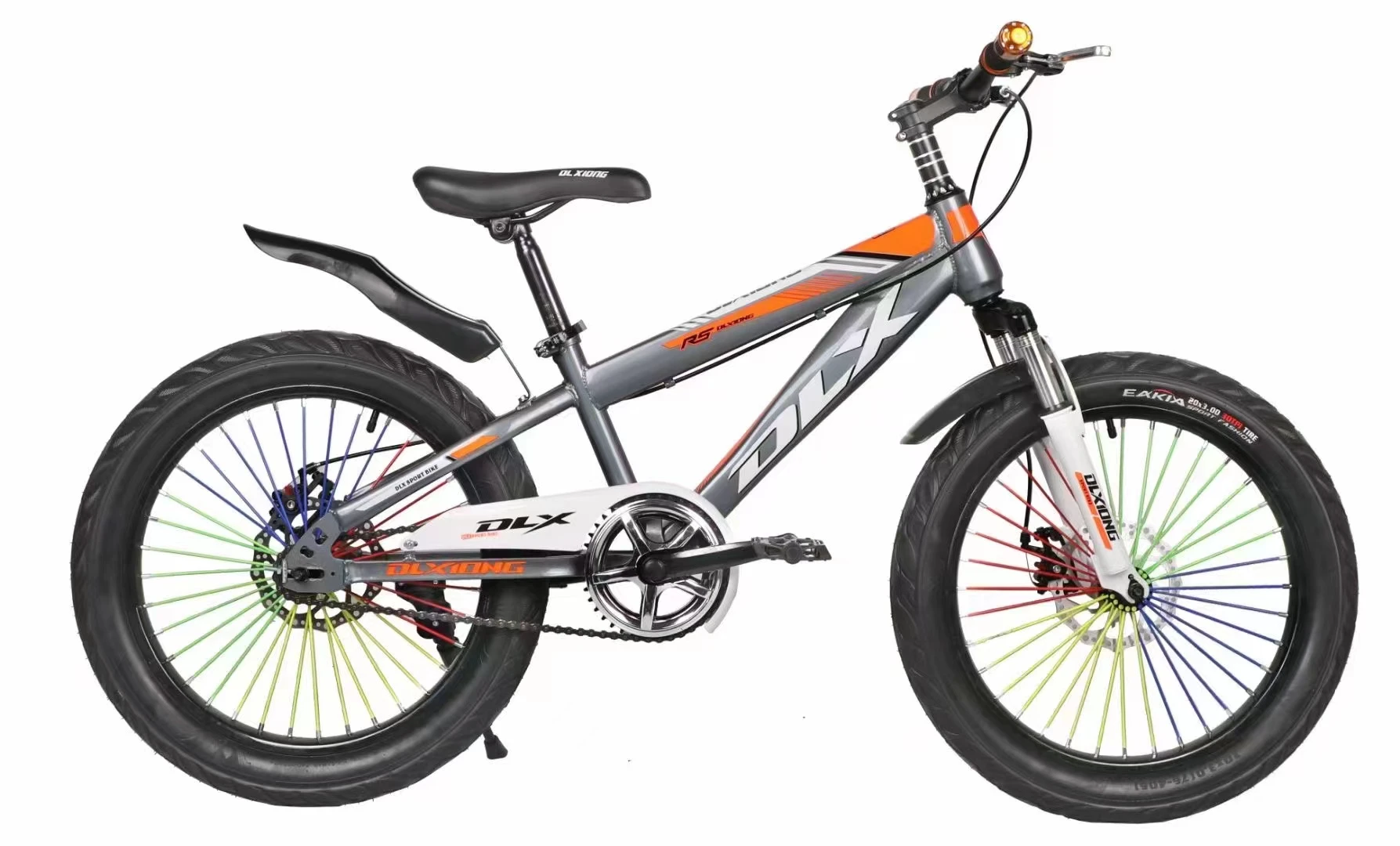
OEM 20 inch mountain bike children bikeVariable speed mountain bike suitable for student sports
-
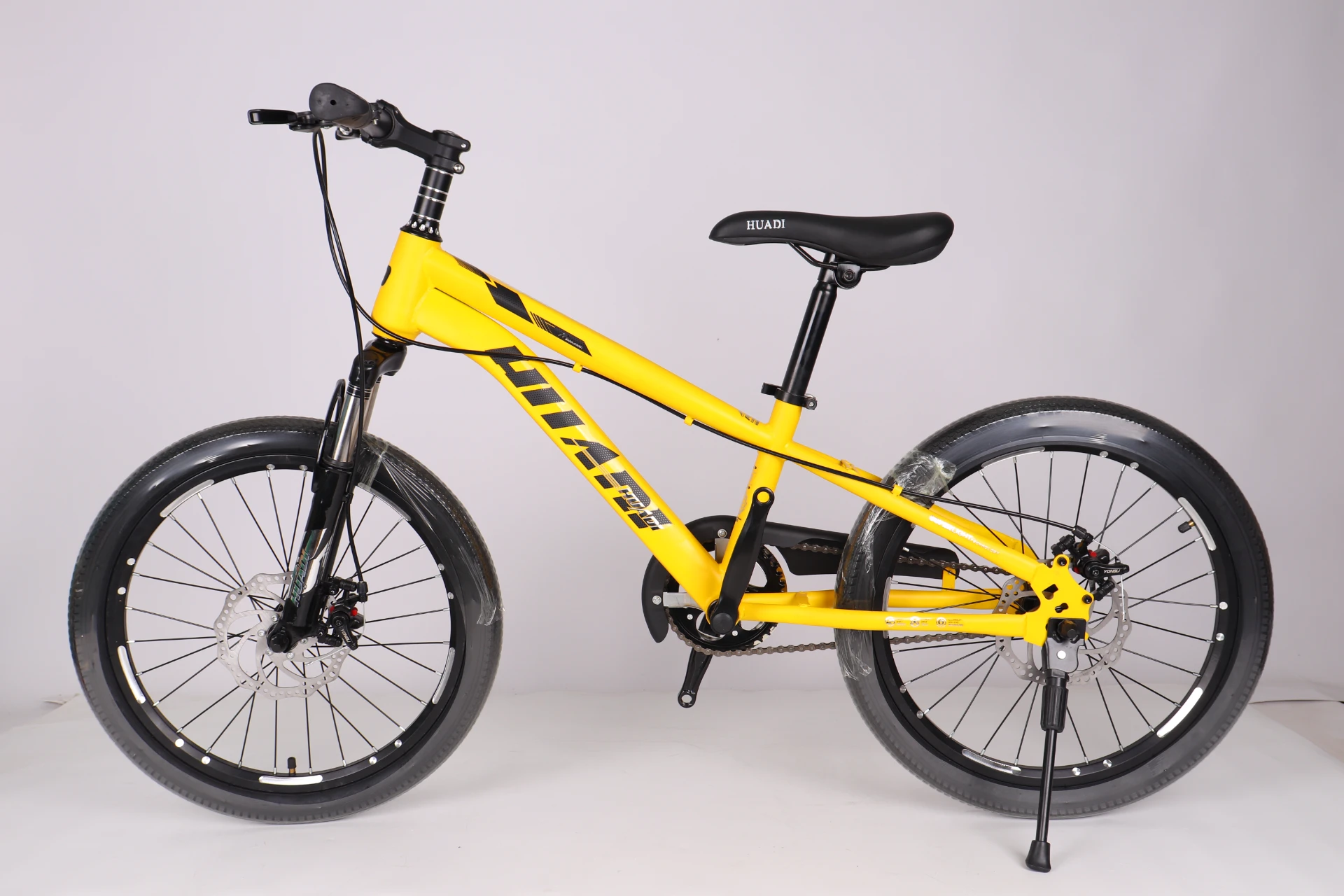
18 20 22 inch Children bike mountain bikes for 13 year old boy cycle for class 5 bicycle for 10year old boy kids
-
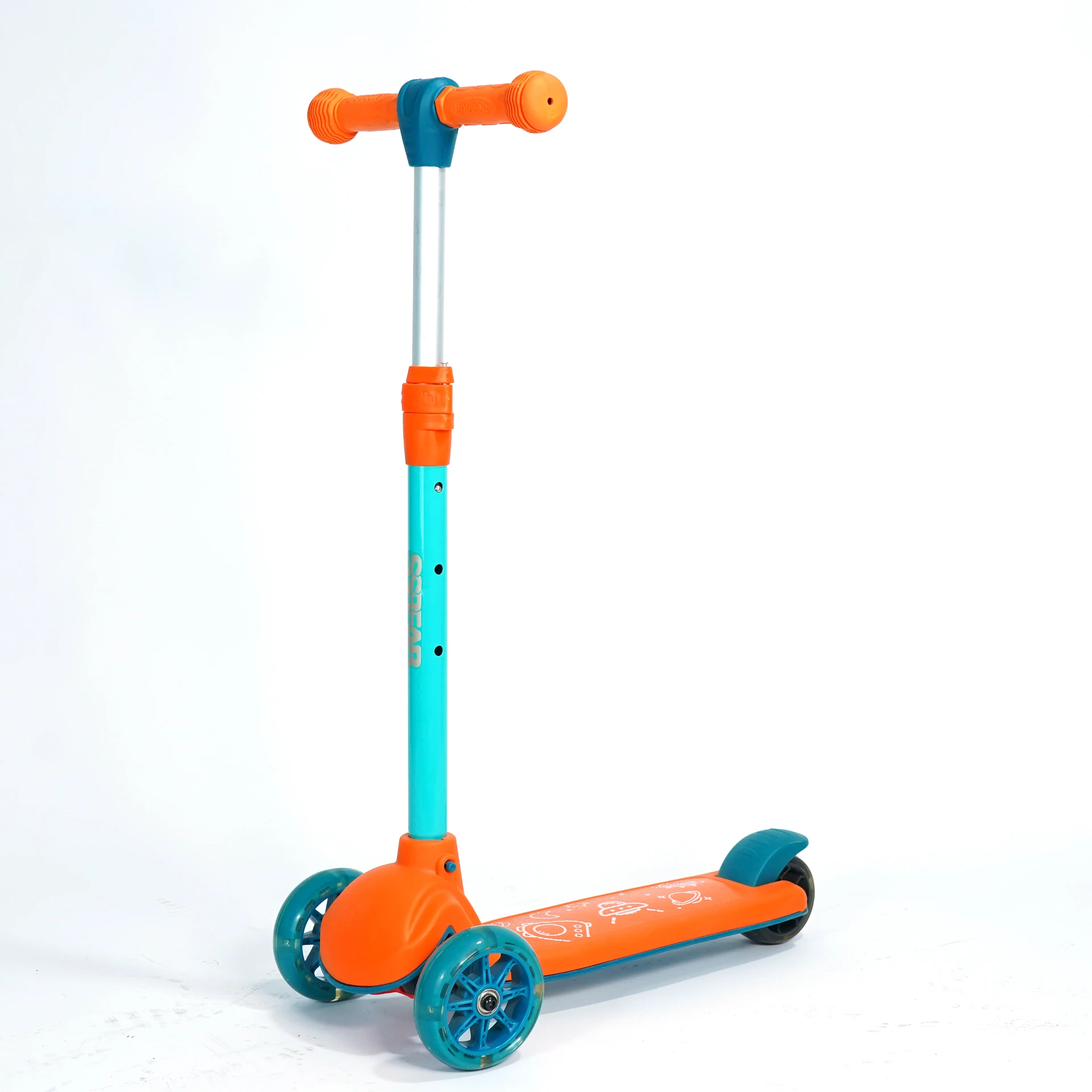
Hot Sale Kids Scooter 3 Pu Light-Up Wheel Kick Scooter For 3-6 Year Olds
-
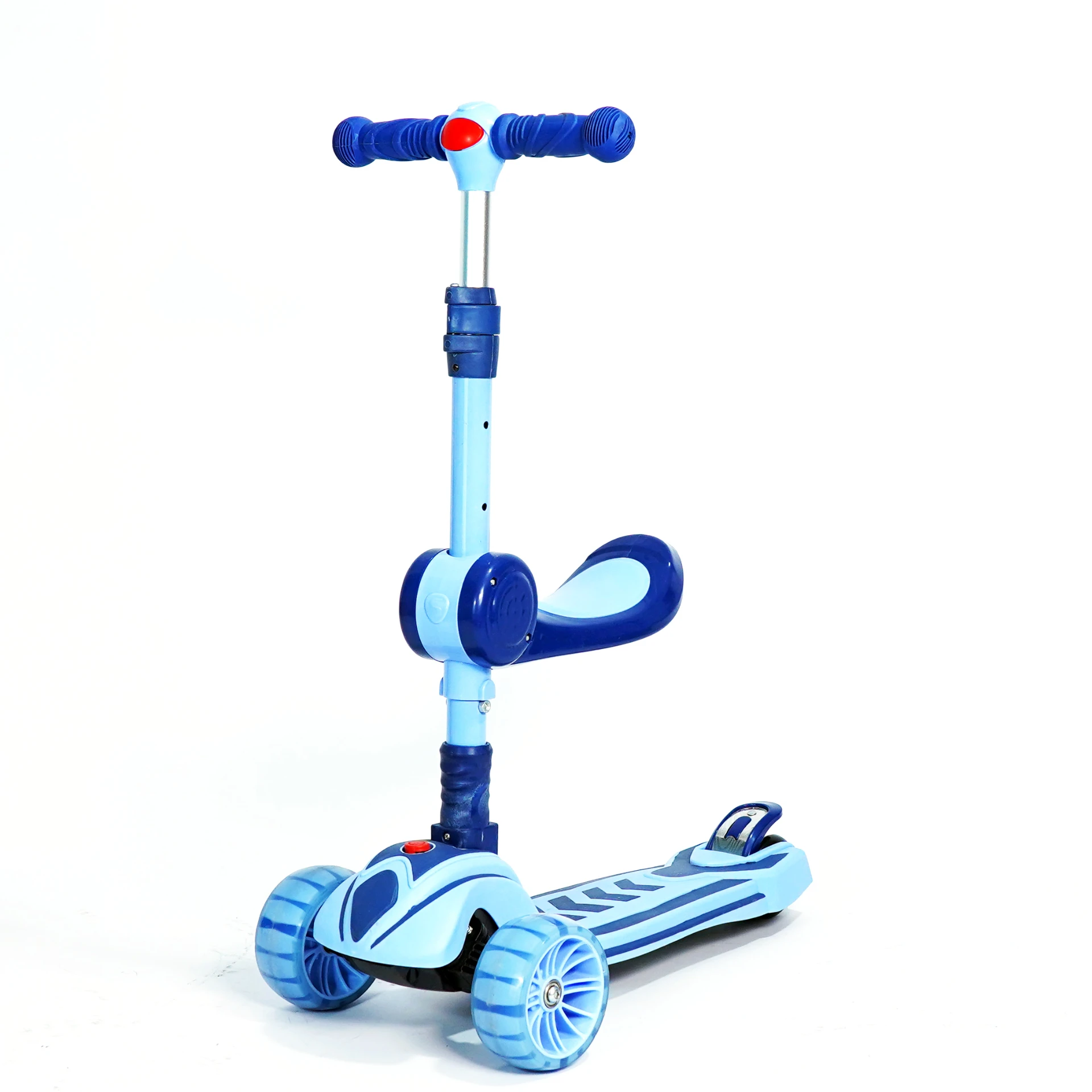
EU Child 3 To 10 Years Baby Soccer Kick Scooters & Foot Scooters For Kids Boys
-
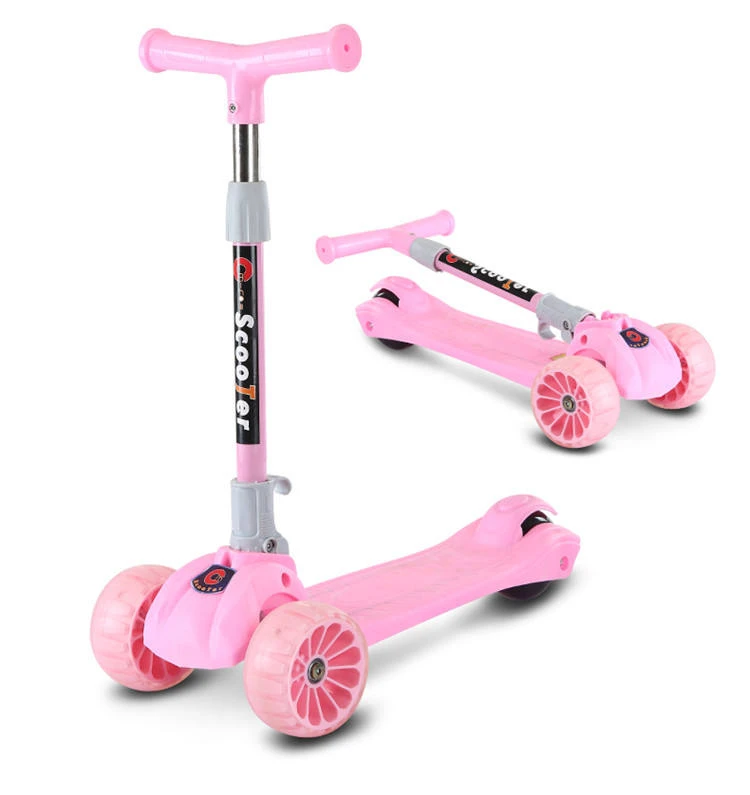
Factory Sale Kid Scooter Foot scooter Kids Kick scooter For Toddler.
-
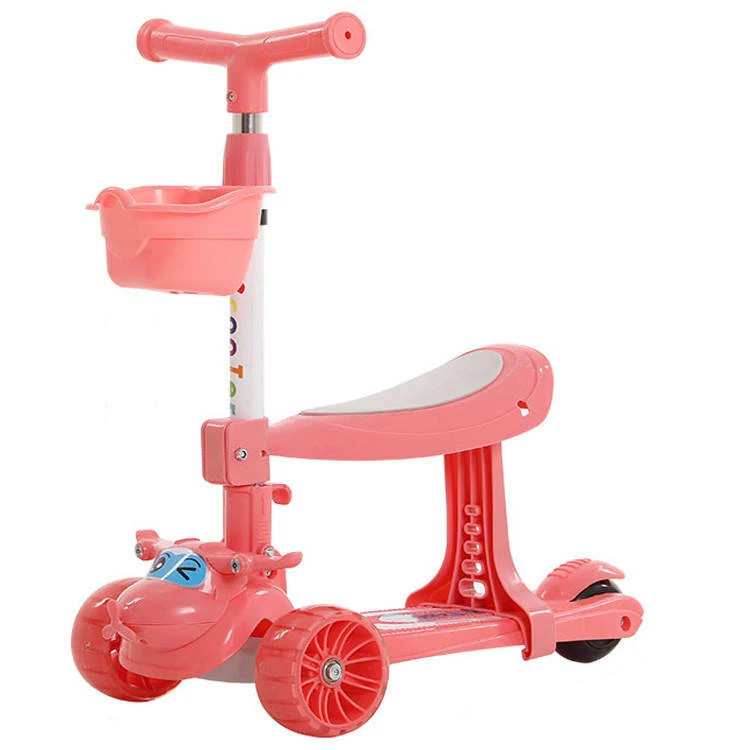
Best Seller Multifunctional Folding Kid Kick 3 Wheels Children Foot Scooter Foldable Baby Kid Scooters
-
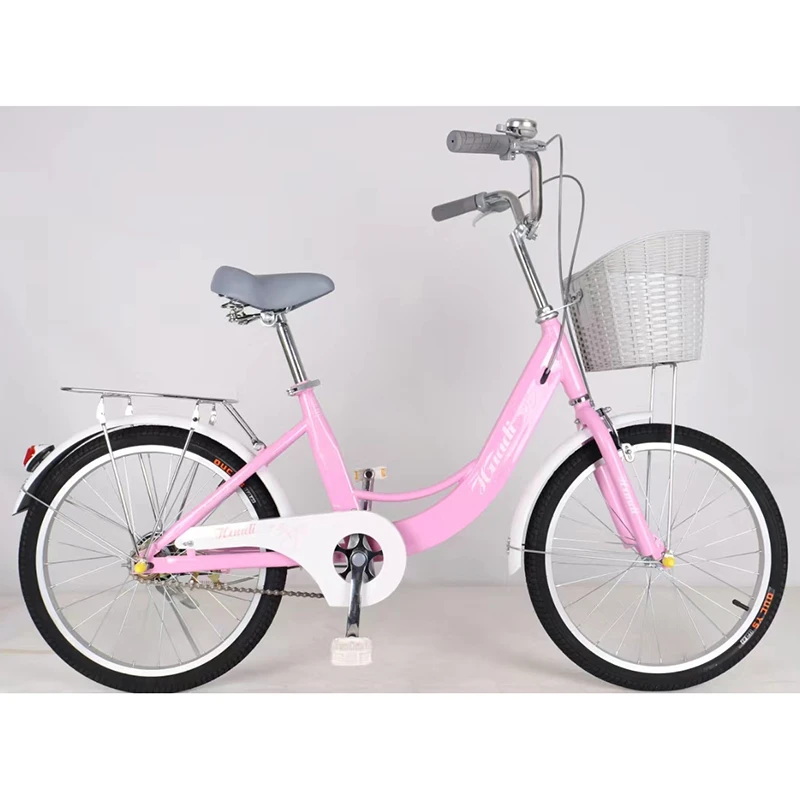
Hot sale kids bikes OEM custom cheap baby children bicycle bike beautiful cycle for girls kids
 Afrikaans
 Albanian
 Amharic
 Arabic
 Armenian
 Azerbaijani
 Basque
 Belarusian
 Bengali
 Bosnian
 Bulgarian
 Catalan
 Cebuano
 Corsican
 Croatian
 Czech
Czech
 Danish
 Dutch
Dutch
 Esperanto
 Estonian
 Finnish
 French
 Frisian
 Galician
 Georgian
 German
 Greek
Greek
 Gujarati
 Haitian Creole
 Hausa
Hausa
 Hawaiian
 Hebrew
 Hindi
Hindi
 Miao
Miao
 Hungarian
 Icelandic
 Igbo
Igbo
 Indonesian
 Irish
Irish
 Italian
 Japanese
 Javanese
 Kannada
 Kazakh
 Khmer
Khmer
 Rwandese
 Korean
 Kurdish
 Kyrgyz
 Lao
Lao
 Latin
Latin
 Latvian
 Lithuanian
 Luxembourgish
 Macedonian
 Malgashi
 Malay
Malay
 Malayalam
 Maltese
 Maori
Maori
 Marathi
 Mongolian
 Myanmar
 Nepali
 Norwegian
 Norwegian
 Occitan
 Pashto
 Persian
 Polish
 Portuguese
 Punjabi
 Romanian
 Russian
 Samoan
 Scottish Gaelic
 Serbian
 Sesotho
 Shona
Shona
 Sindhi
 Sinhala
 Slovak
 Slovenian
 Somali
 Spanish
 Sundanese
 Swahili
 Swedish
 Tagalog
 Tajik
Tajik
 Tamil
Tamil
 Tatar
Tatar
 Telugu
 Thai
Thai
 Turkish
 Turkmen
 Ukrainian
 Urdu
Urdu
 Uighur
 Uzbek
Uzbek
 Vietnamese
 Welsh
Welsh
 Bantu
Bantu
 Yiddish
 Yoruba
 Zulu
Zulu
 English