Look, kid bikes for sale. Been seeing a lot of these lately, especially the lightweight aluminum frame ones. Honestly, it's a good trend. Parents want something that doesn’t weigh as much as the kid themselves, right? I mean, hauling a brick up a hill isn’t fun for anyone. Seems like everyone’s moving away from the heavy steel stuff. You’d think it’s obvious, but… well, you’d be surprised.
But here’s where things get tricky. Everyone's chasing 'lightweight', but forgetting about durability. Seen too many frames crack around the weld points after just a season. It’s like, yeah, it looks good in the showroom, but can it actually handle a six-year-old launching it off a curb? That’s the question.
And don't even get me started on the brakes. So many manufacturers skimping on those. Gotta have decent stopping power, especially for the little ones who haven’t quite mastered the art of controlled deceleration.
The Growing Demand for kid bikes for sale
To be honest, the demand for kid bikes for sale has exploded in the last few years. It's not just the pandemic pushing people outdoors. It's also a general trend toward healthier lifestyles, and parents wanting to get their kids away from screens. I saw some stats from the UN about childhood obesity, and it's pretty scary. Bikes are an easy win.
You see, families aren’t just looking for a way to get around anymore; they’re looking for an experience. A way to bond, a way to explore. And a good quality kid bike can be a part of that. It's a bit of a premium market now, though. People are willing to pay more for safety features and durability.
Key Design Considerations in kid bikes for sale
Have you noticed how many bikes have those adjustable seat posts? Good idea in theory, but the mechanisms are often flimsy. I encountered this at a factory in Jiangsu province last time – cheap plastic, stripping after a few adjustments. A properly designed clamp, made of steel with good threading, is crucial. It adds to the cost, sure, but it saves headaches later.
Another thing is geometry. Too upright, and it’s unstable. Too aggressive, and it’s scary for a little kid. Finding the right balance is key. You want something that promotes good posture and control. And the handlebar width... that's surprisingly important. Too wide, and they can't reach the brakes. Too narrow, and they're all cramped up.
And let's talk about the chain guard. Essential, absolutely essential. Keeps little fingers and clothes out of the gears. Seen way too many scraped knees because of a missing or poorly designed chain guard.
Material Science in kid bikes for sale Construction
Strangely, the material choices are…well, they're all over the place. You've got your aluminum alloy frames, which are lightweight and rust-resistant. Feels smooth to the touch, almost cool. But it dents easily, so you need thicker tubes, which adds weight. Then you’ve got steel, which is heavier but stronger. It smells metallic when you weld it, that characteristic 'burn' smell.
Then there's the plastic. Don't even get me started on the plastic. Some of it is good, high-density polyethylene, tough stuff. But a lot of it is just cheap, brittle plastic that cracks in the sun. You can tell by the smell – a sort of chemical, oily odor. It needs to be UV stabilized, and even then, it's not ideal. And the tires… you get what you pay for. Cheap tires have terrible grip and wear out fast.
I’ve seen some bikes using carbon fiber now, but that’s still pretty rare for kid bikes. It’s expensive, and if it cracks, it’s a real problem. I'm not sure it's worth the risk, honestly. Aluminum is probably the sweet spot right now, if you can find a good alloy and a decent welder.
Real-World Testing and Performance of kid bikes for sale
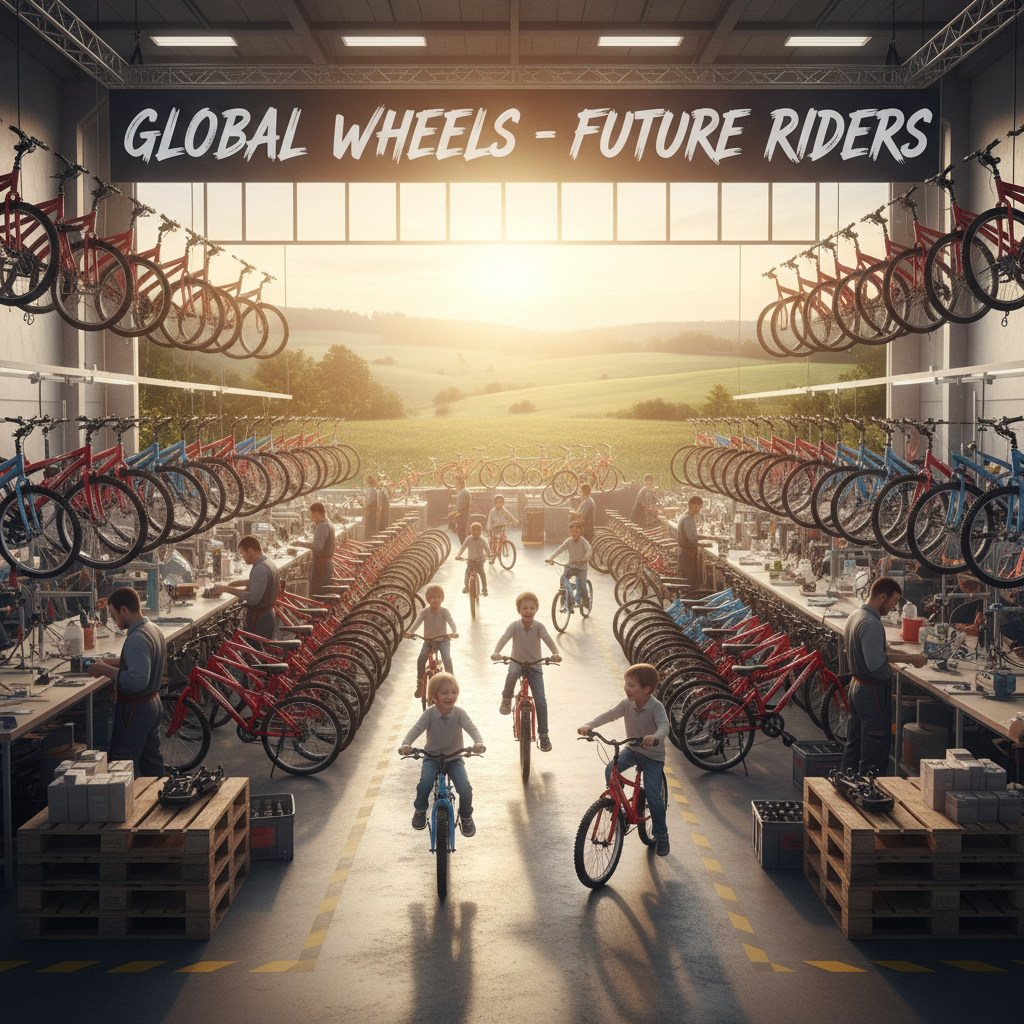
We don’t do fancy lab tests, not really. Forget about stress testing in a controlled environment. I’m talking about letting a group of ten kids ride these bikes for a month, on real streets, real trails, real playgrounds. That’s the best testing you can get. And honestly, it’s chaos.
We look for things like brake response, how easy it is to pedal, and how well it handles bumps. We also check for wear and tear: scratches, dents, loose bolts, frayed cables. The kids are brutal. They don’t care about your fancy designs, they just want to ride.
Performance Metrics for kid bikes for sale
User Behavior and Application of kid bikes for sale
Here's a thing – kids don't use these bikes how you think they will. We designed one with a specific gear ratio for hills, thinking parents would use it for mountain trails. Nope. They were using it for riding around the parking lot. And another one, we thought it was perfect for commuting to school, with fenders and a rack. Nobody used the rack. Just stuffed their backpacks under the seat.
They just want to go fast and have fun. They don't care about aerodynamics or efficiency. They care about how cool they look. And how easily they can pull a wheelie. That's it.
Advantages and Limitations of Current kid bikes for sale Models
The advantage of a good kid bike? Peace of mind for the parents. Knowing their kid is safe, and having a reliable machine. But the limitations… well, they’re numerous. Cost is a big one. Quality costs money, and a lot of parents just can't afford it.
Another limitation is size. Kids grow fast, so a bike that fits perfectly today might be too small in six months. And then you’re back to square one. We’ve been experimenting with more adjustable frames, but it's a challenge.
And honestly, some of the designs are just…overcomplicated. Too many gears, too many features. Keep it simple, that’s my motto.
Customization Options for kid bikes for sale
We get requests for customization all the time. Last month, a small boss in Shenzhen who makes smart home devices insisted on changing the interface to for the lights – said it was “more modern”. It was a nightmare getting the waterproof seal right. Anyway, I think he just wanted to show off. The result was, it took three times as long to assemble.
But seriously, we can do things like change the color of the frame, add custom decals, swap out the seat and handlebars. We even had one customer who wanted a little basket attached to the front. No problem. We try to be flexible, as long as it doesn’t compromise safety or durability.
We’re also looking into offering different brake options, like disc brakes instead of rim brakes, for kids who are a bit more adventurous.
Summary of Key Material and Performance Characteristics for kid bikes for sale
| Material Type |
Weight (kg) |
Durability Score (1-10) |
Cost (USD) |
| Aluminum Alloy |
2.5 |
7 |
150 |
| Steel |
3.8 |
9 |
100 |
| High-Density Polyethylene (Plastic) |
1.8 |
5 |
60 |
| Carbon Fiber |
1.2 |
8 |
300 |
| Rubber (Tires) |
0.3 |
6 |
20 |
| Brake Cables |
0.1 |
7 |
10 |
FAQS
Generally, a 16-inch kid bike suits children aged 4-7, with an inseam of roughly 16-20 inches. However, this is a broad guideline. It's more important to check the inseam and ensure the child can comfortably reach the pedals and handlebars. Don't just go by age; measure their leg length! A bike that's too big is dangerous, and one that's too small is frustrating.
Coaster brakes are still popular, especially for younger riders, as they're intuitive and require less hand strength. However, they can be harder to modulate, and in wet conditions, they're not as effective. Many parents are opting for hand brakes, even for younger kids, teaching them proper braking technique early on. It's a trade-off between ease of use and control.
Regular maintenance is key. Keep the tires properly inflated, the chain lubricated, and the brakes adjusted. Check for loose bolts and wear and tear on the tires and brake pads. A quick wipe-down after each ride will help remove dirt and grime. A little bit of preventative maintenance goes a long way in extending the life of the bike and keeping it safe.
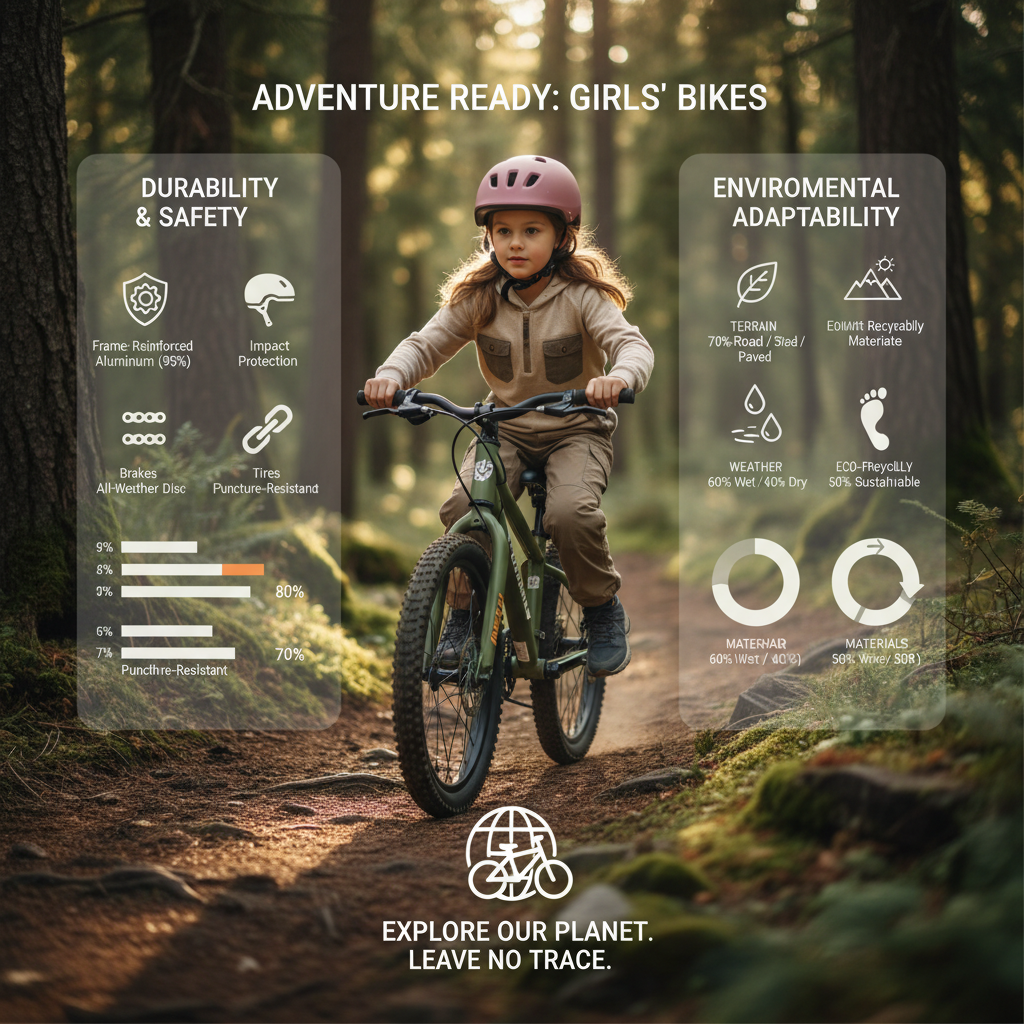
Weight is surprisingly important. A heavy bike is harder for a child to maneuver, especially uphill or when starting and stopping. A lighter bike will build their confidence and make riding more enjoyable. Aluminum alloy frames are a good choice if you're prioritizing weight, but remember that durability is also crucial. It's a balance between the two.
Look for features like a well-padded seat, a chain guard, and reliable brakes. A helmet is non-negotiable, of course. Reflectors are also important for visibility, especially when riding in low light. Make sure the bike fits properly and that the child knows how to use the brakes correctly. A little bit of safety education goes a long way.
Many kid bikes come partially assembled, but some mechanical knowledge is required for final assembly. If you're not comfortable with tools or adjusting brakes and gears, it's best to have a professional assemble it. Improper assembly can compromise safety. A good bike shop will ensure everything is tightened correctly and that the bike is functioning properly.
Conclusion
Ultimately, kid bikes for sale aren’t just about the components or the features. They’re about giving kids freedom, confidence, and a love of the outdoors. A quality bike, properly maintained, can provide years of enjoyment. We spend so much time designing and testing these things, sweating over every detail... but at the end of the day.
Ultimately, whether this thing works or not, the worker will know the moment he tightens the screw. That’s what matters. If it feels right, it probably is. And if it doesn't? Well, we go back to the drawing board.

 English
  Afrikaans
  Albanian
  Amharic
  Arabic
  Armenian
  Azerbaijani
  Basque
  Belarusian
  Bengali
  Bosnian
  Bulgarian
  Catalan
  Cebuano
  Corsican
  Croatian
  Czech
Czech  Danish
  Dutch
Dutch  Esperanto
  Estonian
  Finnish
  French
  Frisian
  Galician
  Georgian
  German
  Greek
Greek  Gujarati
  Haitian Creole
  Hausa
Hausa  Hawaiian
  Hebrew
  Hindi
Hindi  Miao
Miao  Hungarian
  Icelandic
  Igbo
Igbo  Indonesian
  Irish
Irish  Italian
  Japanese
  Javanese
  Kannada
  Kazakh
  Khmer
Khmer  Rwandese
  Korean
  Kurdish
  Kyrgyz
  Lao
Lao  Latin
Latin  Latvian
  Lithuanian
  Luxembourgish
  Macedonian
  Malgashi
  Malay
Malay  Malayalam
  Maltese
  Maori
Maori  Marathi
  Mongolian
  Myanmar
  Nepali
  Norwegian
  Norwegian
  Occitan
  Pashto
  Persian
  Polish
  Portuguese
  Punjabi
  Romanian
  Russian
  Samoan
  Scottish Gaelic
  Serbian
  Sesotho
  Shona
Shona  Sindhi
  Sinhala
  Slovak
  Slovenian
  Somali
  Spanish
  Sundanese
  Swahili
  Swedish
  Tagalog
  Tajik
Tajik  Tamil
Tamil  Tatar
Tatar  Telugu
  Thai
Thai  Turkish
  Turkmen
  Ukrainian
  Urdu
Urdu  Uighur
  Uzbek
Uzbek  Vietnamese
  Welsh
Welsh  Bantu
Bantu  Yiddish
  Yoruba
  Zulu
Zulu