Finding the perfect balance between portability and performance is a common challenge for parents in today's fast-paced urban environments. As families move more frequently between home, school, and outdoor activities, the demand for versatile mobility solutions for children has surged. A high-quality kids bike provides not only a means of transport but a critical tool for developing motor skills and physical confidence.
In the global automotive and transport equipment industry, the trend toward compact design is not limited to adult commuters. The integration of lightweight alloys and ergonomic engineering has allowed manufacturers to create robust frames that do not sacrifice safety for size. This evolution ensures that children can enjoy the thrill of riding while parents benefit from easier storage and transport.
When selecting a folding kids bike, it is essential to look beyond the aesthetics and focus on material integrity and safety certifications. From the choice of air tires for better grip to the availability of various brake systems, every technical detail contributes to a child's safety and the product's long-term durability.
Global Relevance of Portable Kids Mobility
Across the globe, the shift toward sustainable urban living has placed a premium on compact transport. In densely populated cities, where storage space is limited and public transport is the primary mode of travel, the ability to easily transport a child's bicycle is a significant advantage. This global trend aligns with ISO standards for safety and ergonomics, ensuring that compact designs do not compromise the structural integrity required for young riders.
The challenge often lies in balancing the weight of the bike with its strength. By employing advanced materials such as aluminium and magnesium alloys, the industry has moved toward products that are lightweight enough for parents to carry yet strong enough to withstand the rigors of daily use. This intersection of engineering and practicality is what drives the current demand for portable children's cycling solutions.
Defining the Modern Kids Bike Framework
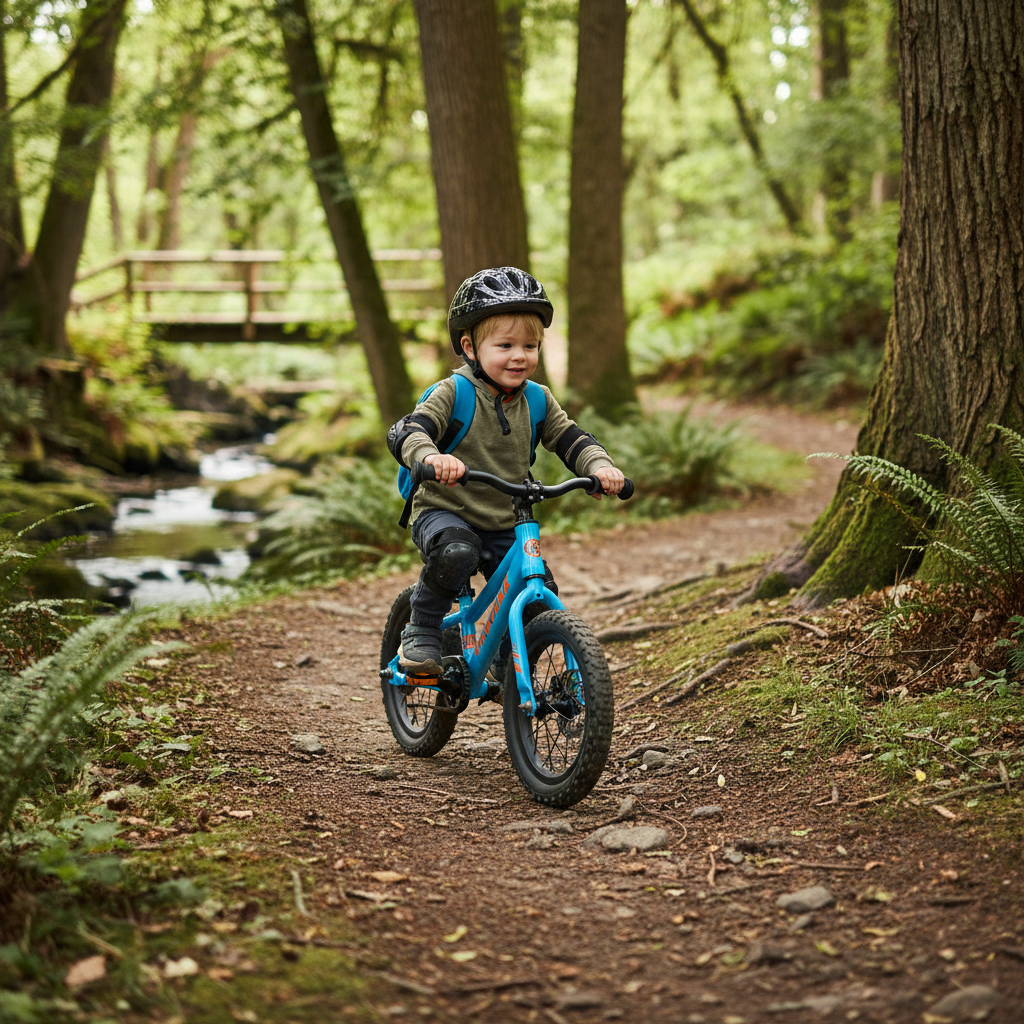
A modern kids bike is more than just a scaled-down version of an adult bicycle; it is a specialized piece of equipment designed for the physiological needs of children aged 2 to 6 years. These bikes are engineered to facilitate balance, coordination, and recreation, serving as the first introduction to independent mobility. The framework typically focuses on a low center of gravity to prevent tipping and a lightweight build to ensure the child can handle the bike with ease.
In the context of the transport equipment manufacturing industry, these bikes are categorized by their wheel sizes—typically 12", 14", 16", and 18"—to match the growth stages of the child. The integration of different frame materials, from classic steel to high-tech magnesium alloys, allows for a range of product tiers that cater to different market needs, from basic recreational use to more advanced MTB (Mountain Bike) styles for kids.
The primary goal of these designs is to remove the barriers to activity. By focusing on "exercise balance" as a core function, manufacturers create products that help children transition from stability to fluid movement. Whether it is a classic model or a rugged MTB version, the emphasis remains on safety, ease of assembly (often provided in SKD or CKD formats), and a comfortable ride through ergonomic saddles.
Core Components for Durability and Safety
The durability of a folding kids bike starts with the frame material. Steel offers unmatched robustness, while aluminium and magnesium alloys provide a superior strength-to-weight ratio, making the bike easier for a 2-6 year old to maneuver. The fork and rim materials are carefully selected to ensure that the bike can handle the bumps and bruises typical of early learning stages.
Safety is further enhanced by the variety of braking systems available. Depending on the intended use and market grade, options range from simple Caliper and Drum brakes to more responsive V-Brakes and Disc brakes. This flexibility allows parents to choose a braking system that matches their child's strength and the terrain they will be encountering.
Finally, the choice of tires plays a pivotal role in the riding experience. Air tires provide maximum cushioning and grip for various surfaces, whereas EVA tires offer a puncture-proof, low-maintenance alternative. Combined with a comfortable saddle, these components ensure that the folding kids bike remains a joy to ride rather than a chore.
Engineering Factors in Kids Bike Performance
The performance of a child's bicycle is measured by its stability, weight distribution, and the efficiency of its mechanical components. Engineering a bike that can accommodate children from 2 to 6 years requires a deep understanding of pediatric ergonomics. The transition from a 12" wheel to an 18" wheel must be seamless, ensuring that the bike remains proportionate to the child's height and reach.
Moreover, the manufacturing process—ranging from 85% SKD (Semi-Knocked Down) to 100% CKD (Completely Knocked Down)—impacts how the product is delivered and assembled. Strict QC (Quality Control) teams inspect raw materials and finished goods to ensure that every weld and joint meets rigorous safety standards, minimizing the risk of failure during use.
Comparative Performance Ratings for Kids Bike Configurations
Real-World Applications and Use Cases
In urban residential areas, these bikes are frequently used for short trips to local parks or for daily exercise in gated communities. The ability to choose from a wide range of colors—red, black, blue, yellow, silver, and pink—allows children to personalize their ride, increasing their engagement and excitement about staying active.
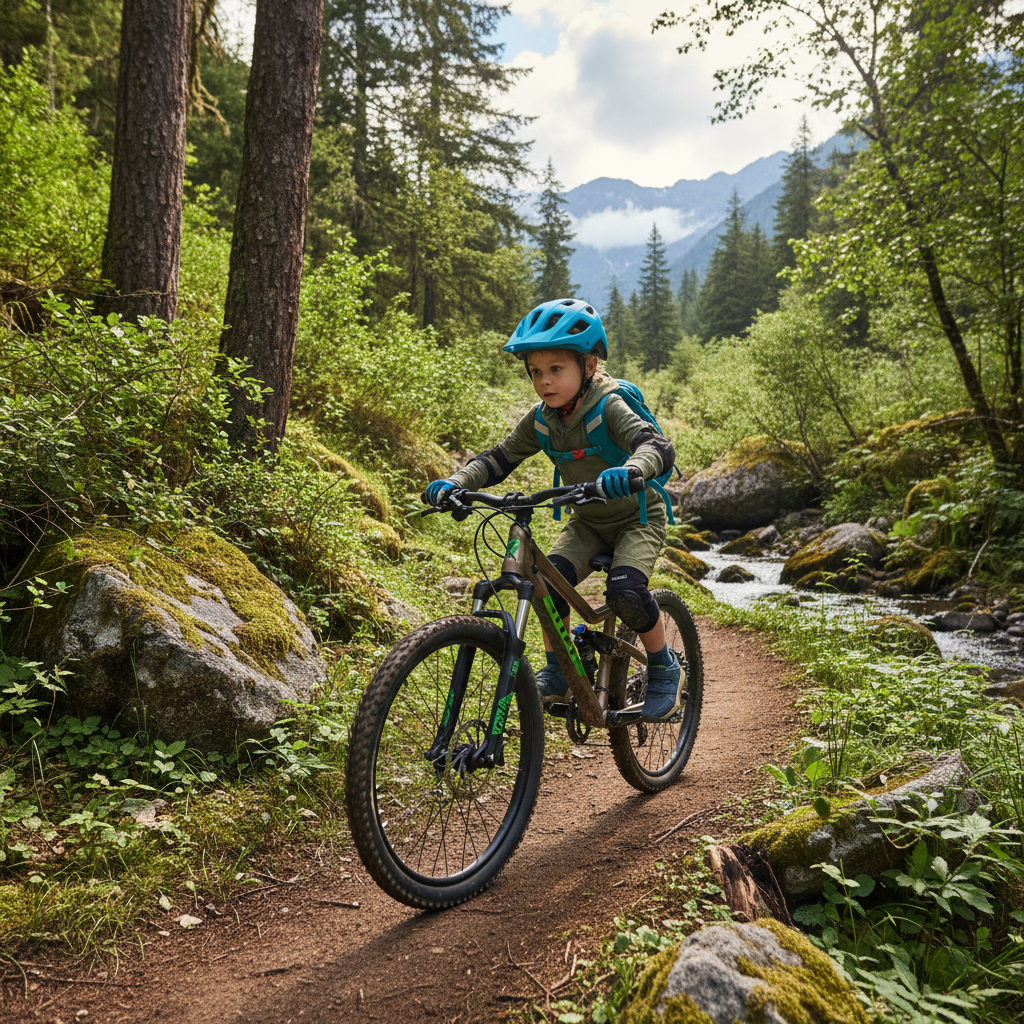
Beyond the city, the MTB Kids Bike variant is applied in more rugged terrains, such as suburban trails or countryside paths. These models are designed to handle uneven ground, providing a durable platform for children to explore nature while developing their balance and strength in a controlled, safe environment.
Long-Term Value and Developmental Benefits
Investing in a high-quality kids bike provides long-term value by supporting a child's physical development during a critical growth window. The process of learning to ride helps develop proprioception—the body's ability to perceive its own position in space—and strengthens the core muscles and cardiovascular system.
From an emotional perspective, mastering a bicycle fosters a sense of independence and achievement. The confidence a child gains from navigating their environment on two wheels often translates into other areas of their life, such as school and social interactions, promoting a proactive and adventurous mindset.
Furthermore, the versatility of these bikes ensures they remain useful throughout the early childhood years. With different wheel sizes and adjustable components, these products grow with the child, reducing the frequency of replacement and providing a sustainable approach to childhood recreation.
Future Innovations in Children's Cycling
The future of the children's bike industry is leaning heavily toward "green" materials and smarter manufacturing. We are seeing a shift toward carbon-neutral production processes and the use of recycled alloys to reduce the environmental footprint of each unit. Digital transformation in the factory, including automated QC and precision welding, ensures higher consistency and safety.
Another emerging trend is the integration of modularity. Future designs may allow for easier frame extensions or component upgrades, extending the lifecycle of the bike even further as the child grows. This shift toward sustainability reduces waste and provides better economic value for the consumer.
Automation in the assembly process (SKD/CKD) is also evolving to make the "out-of-the-box" experience even simpler for parents. With a focus on "zero-tool" assembly and intuitive designs, the barrier to getting a child on a bike is lower than ever, encouraging more families to embrace an active lifestyle.
Analysis of Kids Bike Material and Specification Efficiency
| Frame Material |
Weight Grade |
Durability Score |
Primary Use Case |
| Steel |
Heavy |
10/10 |
High-impact learning |
| Aluminium Alloy |
Medium |
8/10 |
Urban commuting |
| Magnesium Alloy |
Light |
7/10 |
Easy transport/Portability |
| Steel (MTB) |
Heavy |
9/10 |
Off-road exploration |
| Aluminium (MTB) |
Medium |
8/10 |
Light trail riding |
| Composite Mix |
Light |
6/10 |
Recreational indoor/outdoor |
FAQS
For a 3-year-old, a 12" wheel size is generally the most appropriate starting point. It provides a manageable height and weight that allows the child to touch the ground comfortably, which is essential for building confidence and balance during their first riding experiences.
Air tires provide better shock absorption and superior grip on various terrains, making them ideal for outdoor adventures, though they require occasional inflation. EVA tires are foam-filled, meaning they never go flat and require zero maintenance, making them perfect for urban use and parents who prefer convenience.
Yes, magnesium alloys are engineered to provide a high strength-to-weight ratio. While they may feel lighter than steel, they are designed to withstand the typical stresses of children's play. Our strict QC team ensures that all alloy frames meet safety standards before leaving the factory.
Absolutely. We offer professional design services to handle intricate sticker and logo designs. Whether you are a brand owner or looking for a specific aesthetic, we can customize the appearance of the bike to meet your exact requirements.
For absolute beginners, Caliper or Coaster brakes are common as they are intuitive. However, for children moving toward MTB styles or higher speeds, V-Brakes or Disc brakes are recommended for their increased stopping power and reliability.
We typically provide 5-layer brown boxes for maximum protection, though color boxes are available upon request. Assembly levels vary from 85% SKD to 100% CKD, allowing you to choose the balance between shipping volume and assembly time.
Conclusion
The evolution of the folding kids bike and similar portable mobility solutions reflects a broader industry commitment to combining safety, durability, and convenience. By selecting the right frame materials and braking systems, parents can provide their children with a tool that not only encourages physical activity but also fosters a lifelong love for cycling.
As we look toward the future, the integration of sustainable materials and smarter engineering will continue to redefine the standards of children's transport. We encourage parents and distributors to prioritize quality-controlled manufacturing to ensure a safe and rewarding experience for the next generation of riders. Visit our website for more information: www.zhongzhoubike.com




 English
 Afrikaans
 Albanian
 Amharic
 Arabic
 Armenian
 Azerbaijani
 Basque
 Belarusian
 Bengali
 Bosnian
 Bulgarian
 Catalan
 Cebuano
 Corsican
 Croatian
 Czech
 Danish
 Dutch
 Esperanto
 Estonian
 Finnish
 French
 Frisian
 Galician
 Georgian
 German
 Greek
 Gujarati
 Haitian Creole
 Hausa
 Hawaiian
 Hebrew
 Hindi
 Miao
 Hungarian
 Icelandic
 Igbo
 Indonesian
 Irish
 Italian
 Japanese
 Javanese
 Kannada
 Kazakh
 Khmer
 Rwandese
 Korean
 Kurdish
 Kyrgyz
 Lao
 Latin
 Latvian
 Lithuanian
 Luxembourgish
 Macedonian
 Malgashi
 Malay
 Malayalam
 Maltese
 Maori
 Marathi
 Mongolian
 Myanmar
 Nepali
 Norwegian
 Norwegian
 Occitan
 Pashto
 Persian
 Polish
 Portuguese
 Punjabi
 Romanian
 Russian
 Samoan
 Scottish Gaelic
 Serbian
 Sesotho
 Shona
 Sindhi
 Sinhala
 Slovak
 Slovenian
 Somali
 Spanish
 Sundanese
 Swahili
 Swedish
 Tagalog
 Tajik
 Tamil
 Tatar
 Telugu
 Thai
 Turkish
 Turkmen
 Ukrainian
 Urdu
 Uighur
 Uzbek
 Vietnamese
 Welsh
 Bantu
 Yiddish
 Yoruba
 Zulu