
Kids Micro Scooter: A Durable and Safe Ride for Young Riders
Exploring the Kids Micro Scooter: What Makes It Stand Out
Having worked around industrial equipment and manufacturing for over a decade, I’ve come to appreciate the little details that often fly under the radar — especially when products are designed for kids. Take, for example, the kids micro scooter. Oddly enough, what seems like a simple ride-on toy packs in quite a bit of engineering thought and safety considerations.
You might wonder, “How complex can a scooter be?” Well, if you’ve ever seen one up close, especially the newer models, you’ll notice the quality materials used — aluminum alloys, polyurethane wheels, and non-slip decks. These choices aren’t just for aesthetics; they drastically affect durability and user experience. I remember a conversation with a product engineer who posited that kids’ scooters are kind of like mini industrial conveyors — they need to endure repetitive stress and rough handling without failing unexpectedly.
In real terms, manufacturers run those scooters through rigorous testing: weight bearing, impact resistance, and wheel endurance. Frankly, I was surprised to learn just how much stress a typical three-year-old can bring to bear on a tiny frame during playtime. Safety isn’t just a buzzword here; it’s a necessity baked into every weld and joint.
Here’s a snapshot of typical specifications you’ll find on a popular kids micro scooter model, reflecting common industry standards:
| Specification | Detail |
|---|---|
| Material | Aluminum alloy frame, PU wheels |
| Age Range | 2 to 5 years |
| Weight Capacity | Up to 50 lbs (22.7 kg) |
| Deck Size | 12 x 5 inches |
| Wheel Diameter | 4 inches |
| Weight of Scooter | 4.5 lbs (2.05 kg) |
| Brakes | Rear fender foot brake |
Now, when buyers choose these scooters, they often face multiple suppliers that look, frankly, pretty similar from a specs sheet. In my years of reviewing equipment, the best way to compare is by looking not just at specs but at usability and build quality, which is why I’ve laid out a quick vendor comparison here.
| Vendor | Material Quality | Safety Features | Price Range | Warranty |
|---|---|---|---|---|
| Zhongzhou Bike | High-grade aluminum, PU wheels | Certified rear brake system, smooth edges | $35 - $45 | 1 year |
| ScootPro | Standard aluminum alloy | Basic foot brake, reflective stickers | $30 - $40 | 6 months |
| PlayRide | Aluminum frame, EVA wheels | Rear brake, padded handlebar | $40 - $50 | 1 year |
I suppose one reason the kids micro scooter remains popular is its balance of quality and affordability. I’ve often recommended it to friends with toddlers—they comment on how light and easy it is for little hands to control while still feeling sturdy and well-built. One parent told me their kid zoomed around the neighborhood confidently within days, which, frankly, highlights the intuitive design behind these scooters.
In terms of customization, you’ll see models with adjustable handlebar heights, sometimes even colorful decals or stickers for personalization. Little touches, but they go a long way in encouraging kids to ride regularly and safely.
As with any children’s rideable, adult supervision and wearing helmets is a must. That part — oddly enough — isn’t always intuitive to younger kids, but it makes all the difference between a fun ride and a trip to the ER.
Overall, I like that something as “simple” as a kids micro scooter actually reflects careful engineering, material science, and real-world testing. It reminds me that even everyday products carry the imprint of skilled hands and thoughtful design.
Perhaps next time you see a kid scooting past, take a moment to appreciate the little marvel beneath their feet.
References
- Industry standards for children's ride-on toys, ASTM International
- Material durability reports, Aluminum Association, 2022
- User safety reviews and feedback from parents on popular micro scooter models
-
Electric Scooter Age 3 Safe Introduction to Early Mobility GuideNewsApr.16,2026
-
Is an Electric Scooter Age 4 Safe Complete Parents GuideNewsApr.09,2026
-
Choosing the Best Electric Scooter for a 9 Year Old Rider's SafetyNewsApr.07,2026
-
Comprehensive Guide to Choosing the Best Electric Scooter Ages 6 UpNewsApr.04,2026
-
Choosing the Best Electric Scooter for 6yr Old Riders A Comprehensive GuideNewsMar.31,2026
-
The Ultimate Guide to Choosing an Electric Scooter for Age 10 RidersNewsMar.28,2026
-
Choosing the Ideal Electric Scooter for Age 12 A Comprehensive Buyers GuideNewsMar.26,2026
Related Products
-
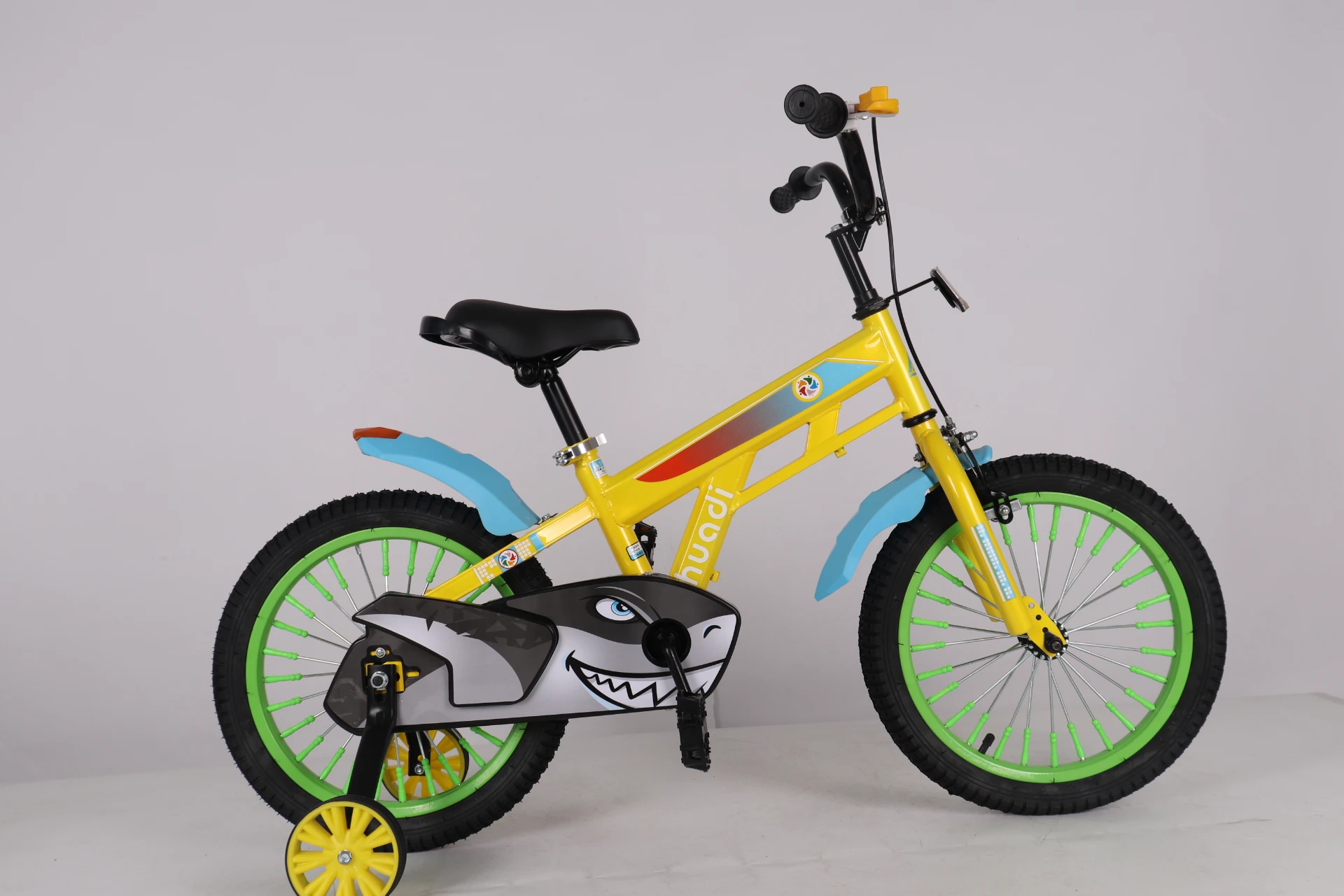
High quality kids bike children bicycle cycle cheap children bicycle with training wheel for sale
-
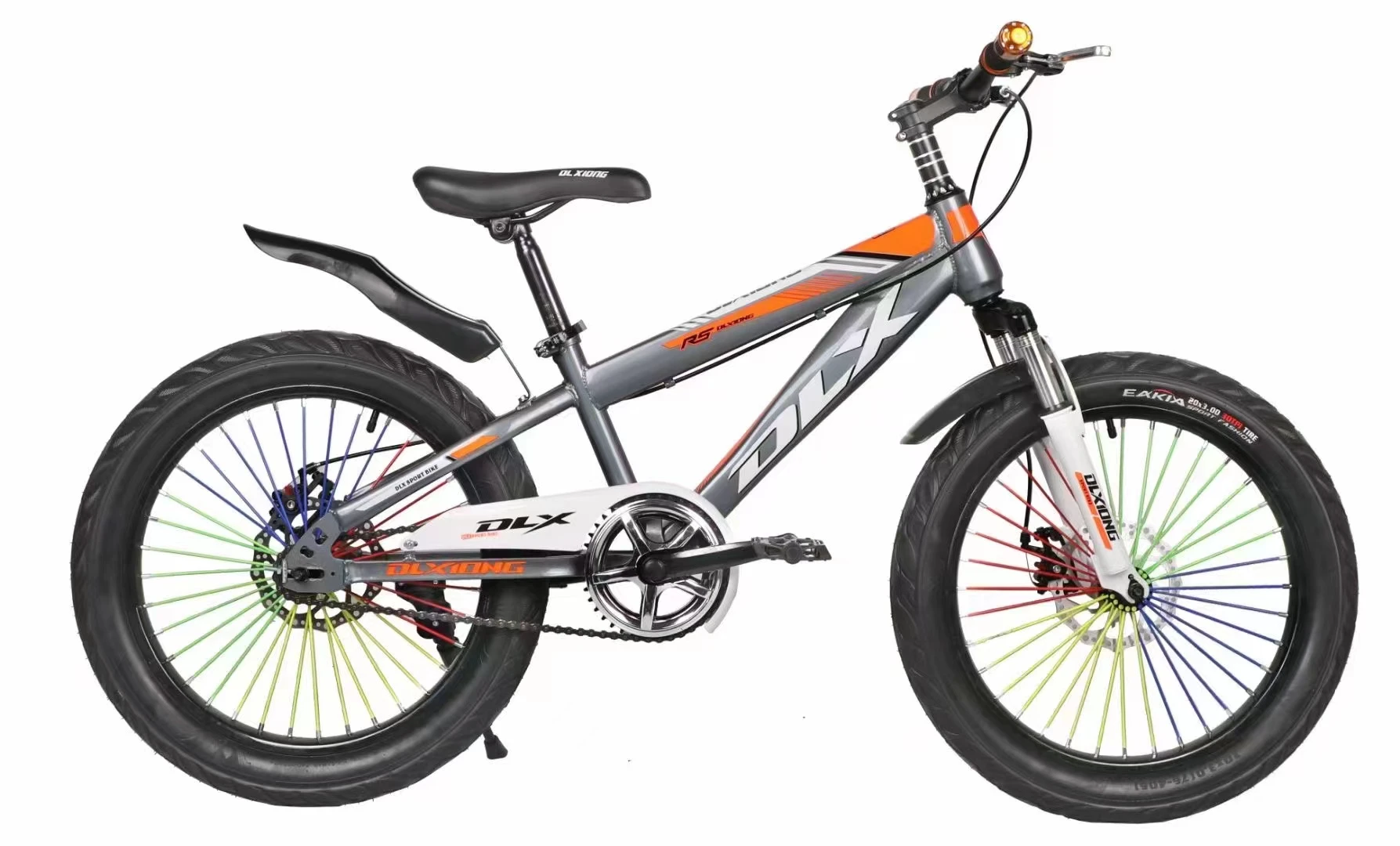
OEM 20 inch mountain bike children bikeVariable speed mountain bike suitable for student sports
-
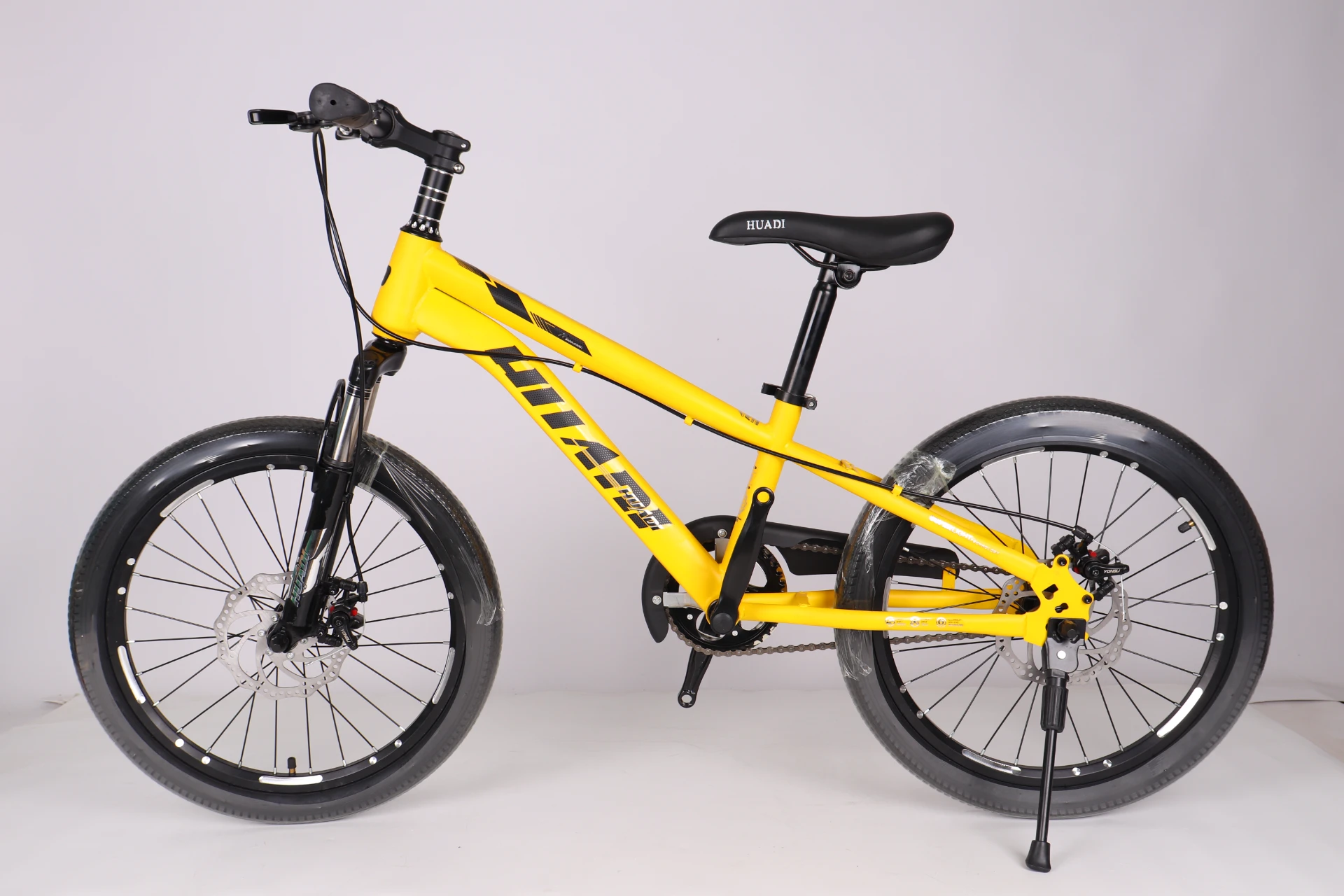
18 20 22 inch Children bike mountain bikes for 13 year old boy cycle for class 5 bicycle for 10year old boy kids
-
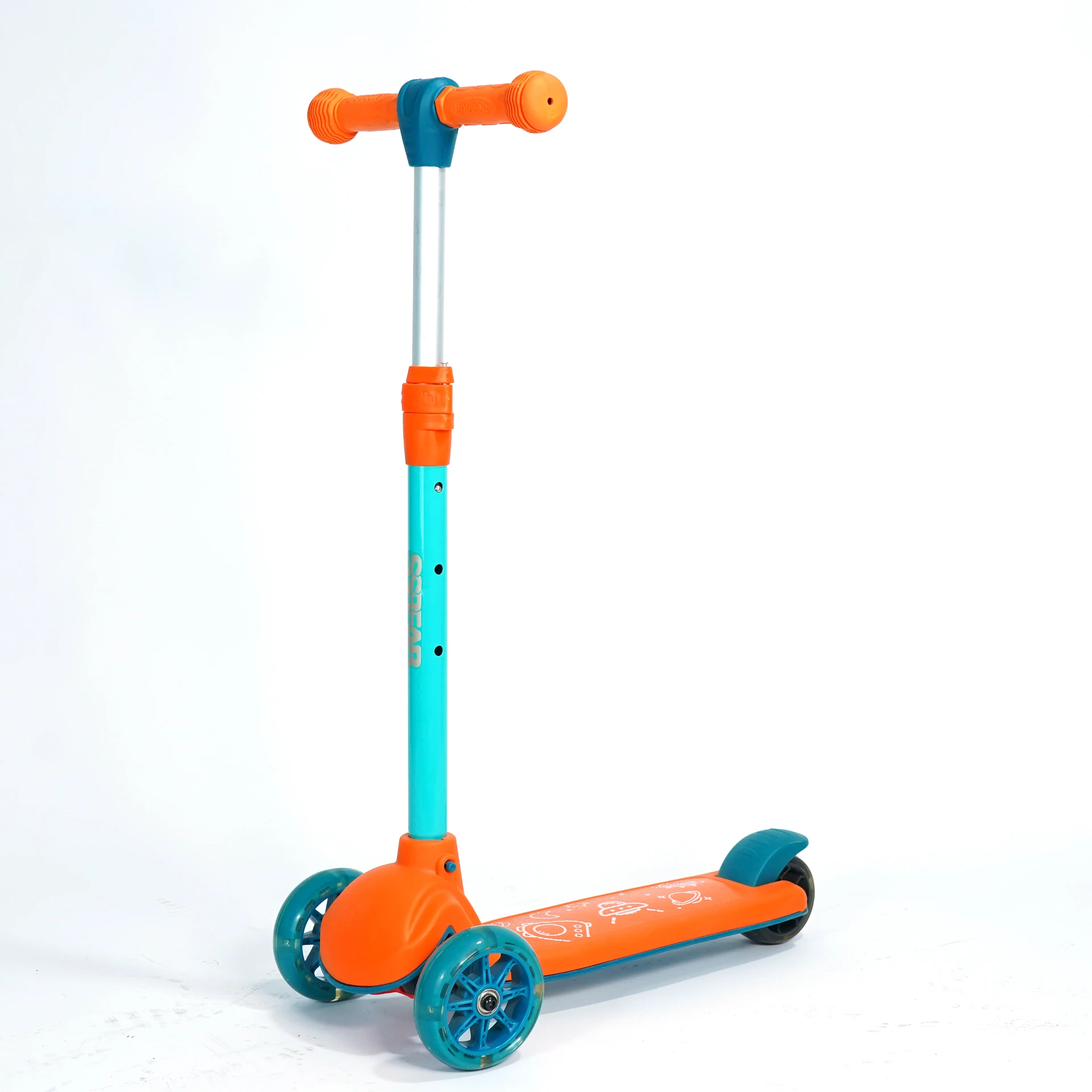
Hot Sale Kids Scooter 3 Pu Light-Up Wheel Kick Scooter For 3-6 Year Olds
-
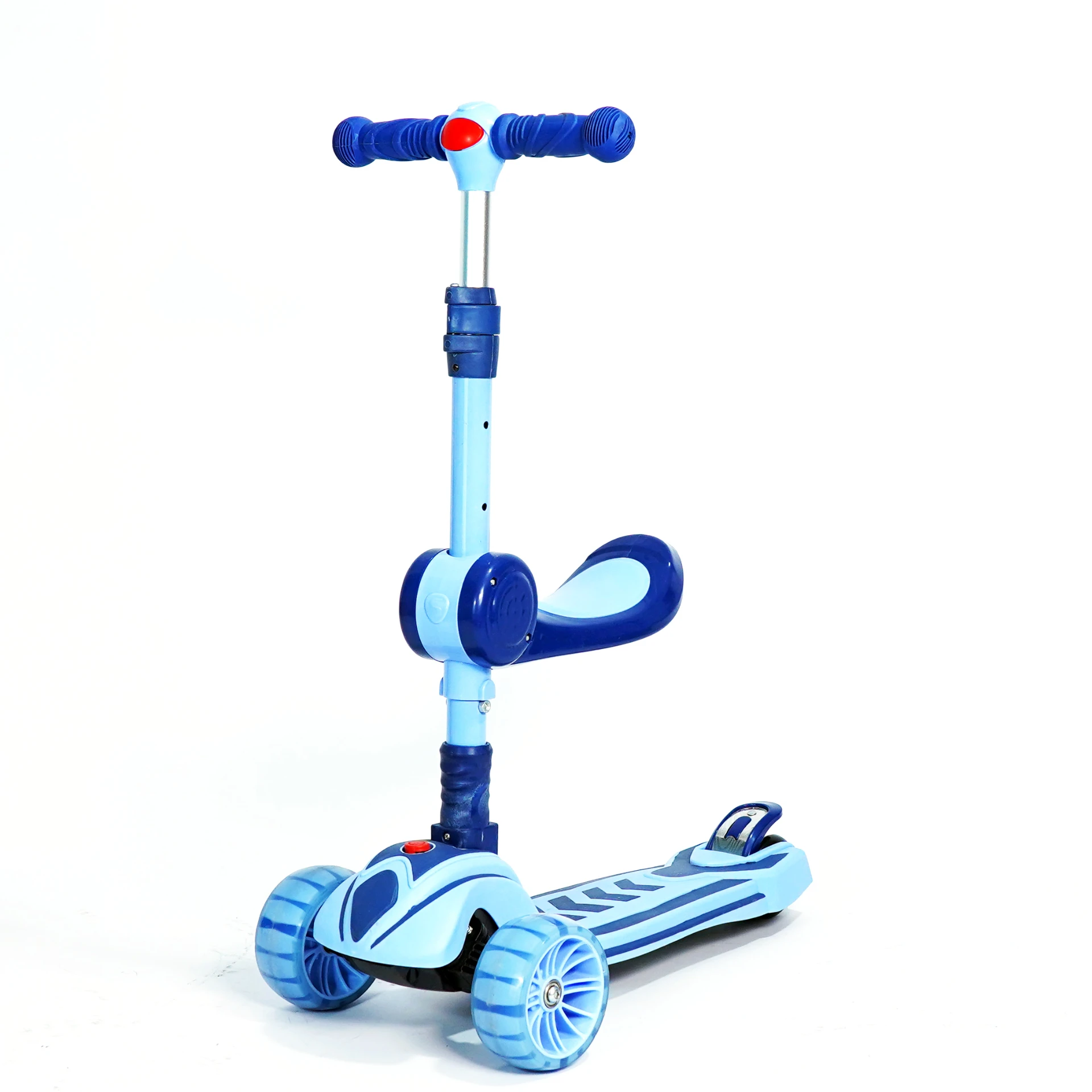
EU Child 3 To 10 Years Baby Soccer Kick Scooters & Foot Scooters For Kids Boys
-
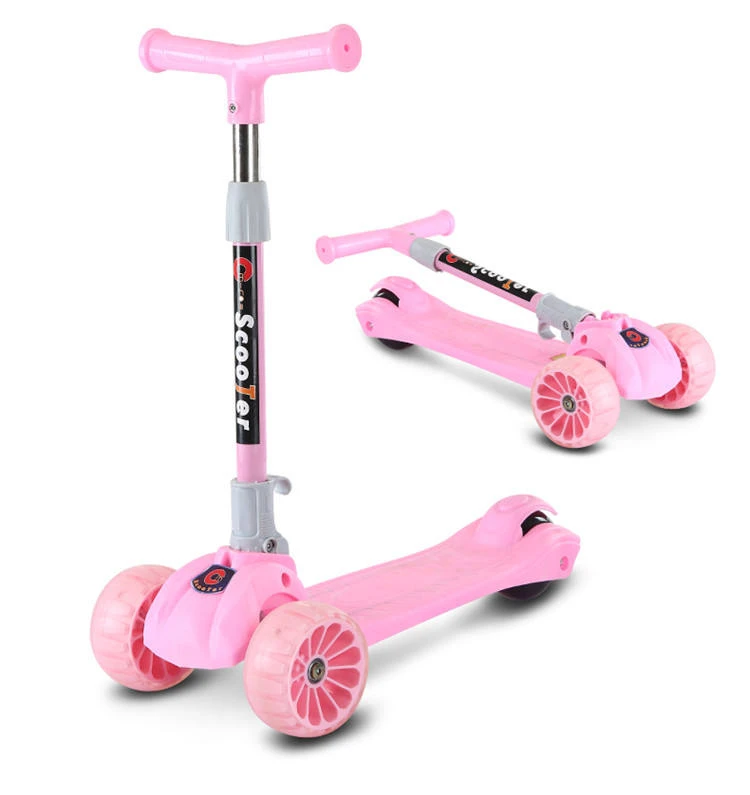
Factory Sale Kid Scooter Foot scooter Kids Kick scooter For Toddler.
-
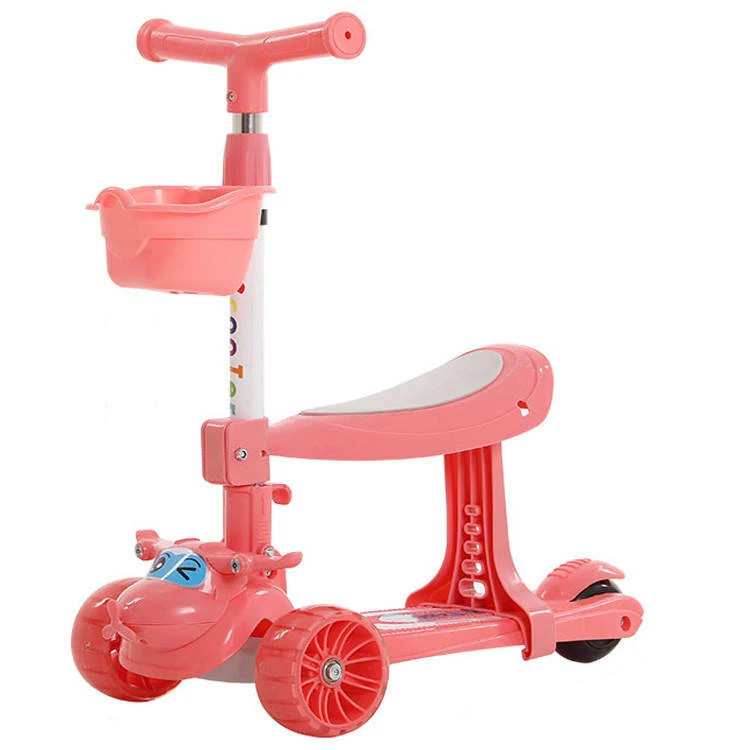
Best Seller Multifunctional Folding Kid Kick 3 Wheels Children Foot Scooter Foldable Baby Kid Scooters
-
Hot sale kids bikes OEM custom cheap baby children bicycle bike beautiful cycle for girls kids
 Afrikaans
 Albanian
 Amharic
 Arabic
 Armenian
 Azerbaijani
 Basque
 Belarusian
 Bengali
 Bosnian
 Bulgarian
 Catalan
 Cebuano
 Corsican
 Croatian
 Czech
Czech
 Danish
 Dutch
Dutch
 Esperanto
 Estonian
 Finnish
 French
 Frisian
 Galician
 Georgian
 German
 Greek
Greek
 Gujarati
 Haitian Creole
 Hausa
Hausa
 Hawaiian
 Hebrew
 Hindi
Hindi
 Miao
Miao
 Hungarian
 Icelandic
 Igbo
Igbo
 Indonesian
 Irish
Irish
 Italian
 Japanese
 Javanese
 Kannada
 Kazakh
 Khmer
Khmer
 Rwandese
 Korean
 Kurdish
 Kyrgyz
 Lao
Lao
 Latin
Latin
 Latvian
 Lithuanian
 Luxembourgish
 Macedonian
 Malgashi
 Malay
Malay
 Malayalam
 Maltese
 Maori
Maori
 Marathi
 Mongolian
 Myanmar
 Nepali
 Norwegian
 Norwegian
 Occitan
 Pashto
 Persian
 Polish
 Portuguese
 Punjabi
 Romanian
 Russian
 Samoan
 Scottish Gaelic
 Serbian
 Sesotho
 Shona
Shona
 Sindhi
 Sinhala
 Slovak
 Slovenian
 Somali
 Spanish
 Sundanese
 Swahili
 Swedish
 Tagalog
 Tajik
Tajik
 Tamil
Tamil
 Tatar
Tatar
 Telugu
 Thai
Thai
 Turkish
 Turkmen
 Ukrainian
 Urdu
Urdu
 Uighur
 Uzbek
Uzbek
 Vietnamese
 Welsh
Welsh
 Bantu
Bantu
 Yiddish
 Yoruba
 Zulu
Zulu
 English