
Light Up Kick Scooter: Durable, Safe & Bright Urban Ride
Why the light up kick scooter is Changing Urban Mobility
Working in industrial equipment for over a decade, I’ve seen plenty of innovations come and go. But one thing that’s genuinely caught my eye recently is the light up kick scooter. Yes, those sleek, zippy scooters with built-in LED lights that almost look like something out of a sci-fi movie—but frankly, they’re making quite an impact on how we think about urban transportation.
From manufacturing floors to city streets, there’s a growing appreciation for these scooters. Oddly enough, their success boils down to a few smart decisions about materials and design that most folks don’t hear about. For instance, many models use aircraft-grade aluminum alloy frames instead of just steel, which makes them both lightweight and remarkably sturdy. You really feel that quality when you kick off—the scooter responds with a smooth, lively glide.
And then there’s the lighting system. It might sound like a gimmick at first, but integrated LED lights increase visibility, which is crucial when you’re darting through early morning or evening commutes. Many engineers I’ve talked to say these lights aren’t just aesthetic; they meet strict safety standards, including water and impact resistance. So rain or shine, your ride stays bright.
Now, it’s not just about specs and features. In real terms, how the scooter feels and adapts to everyday riders matters tremendously. For example, customization options have expanded—adjustable handlebars, changeable light colors, and even smart app integration to track speed and battery life (yes, some scooters are electric hybrids, but that’s another story). Personalization is more than a luxury; it’s a way to make the scooter feel like an extension of yourself.
I recall one story from a colleague who introduced his kids to these scooters. The kids love them, especially the light-up effect during their twilight rides around the neighborhood—parents feel more secure, kids have fun, and the scooters... well, they keep doing their job reliably. It’s these small moments that really underscore why these products resonate beyond just industrial specs.
| Feature | Details |
|---|---|
| Frame Material | Aircraft-Grade Aluminum Alloy |
| Lighting | Integrated Full-Deck LED + Front & Rear Lights |
| Weight | Approx. 6.5 kg (14.3 lbs) |
| Maximum Load | Up to 100 kg (220 lbs) |
| Wheel Size | 8-inch PU with shock absorption |
| Safety Certification | CE & RoHS Compliant |
| Lighting Modes | Static, Flashing, Color Change |
Of course, not all providers are created equal. The market is quite competitive, and from my experience talking to folks at trade shows and in supplier meetings, there’s a clear division between the big players and smaller innovators. Here’s a quick comparison of some leading vendors I’ve examined closely:
| Vendor | Material Quality | Lighting Technology | Price Range | Customization Options |
|---|---|---|---|---|
| Zhongzhou Bike | High-grade aluminum alloy | Integrated full-deck LED, multi-mode | $$$ | Handlebar height & LED colors |
| UrbanGlide | Standard aluminum | Front and rear lights only | $$ | Limited customization |
| PulseRide | Aluminum alloy with carbon fiber accents | Full spectrum LED, app-controlled | $$$$ | Extensive, including suspension |
As you can see, Zhongzhou Bike strikes a fine balance. Their scooters are robust, use first-rate materials, and the lighting is genuinely top-notch without pushing the price into luxury territory. That’s important if you’re sourcing for a fleet or retail, where value and reliability are king.
To sum it up, if you’re looking at urban transport or just want a dependable, fun, and safe way to get around town, these light up kick scooters are an option worth considering. They merge practical engineering with playful design—a surprising combo that really works.
Reflecting on all this, it feels like the scooter market retains a sense of youthful energy despite its technical complexities. Watching the innovations grow and pairing them with user stories has been a rewarding part of my career.
References:
1. Industry safety standards CE & RoHS compliance documents.
2. Conversations with manufacturing engineers and product designers at trade expos.
3. Customer feedback compiled from urban transport pilot programs.
-
Electric Scooter Age 3 Safe Introduction to Early Mobility GuideNewsApr.16,2026
-
Is an Electric Scooter Age 4 Safe Complete Parents GuideNewsApr.09,2026
-
Choosing the Best Electric Scooter for a 9 Year Old Rider's SafetyNewsApr.07,2026
-
Comprehensive Guide to Choosing the Best Electric Scooter Ages 6 UpNewsApr.04,2026
-
Choosing the Best Electric Scooter for 6yr Old Riders A Comprehensive GuideNewsMar.31,2026
-
The Ultimate Guide to Choosing an Electric Scooter for Age 10 RidersNewsMar.28,2026
-
Choosing the Ideal Electric Scooter for Age 12 A Comprehensive Buyers GuideNewsMar.26,2026
Related Products
-
High quality kids bike children bicycle cycle cheap children bicycle with training wheel for sale
-
OEM 20 inch mountain bike children bikeVariable speed mountain bike suitable for student sports
-
18 20 22 inch Children bike mountain bikes for 13 year old boy cycle for class 5 bicycle for 10year old boy kids
-
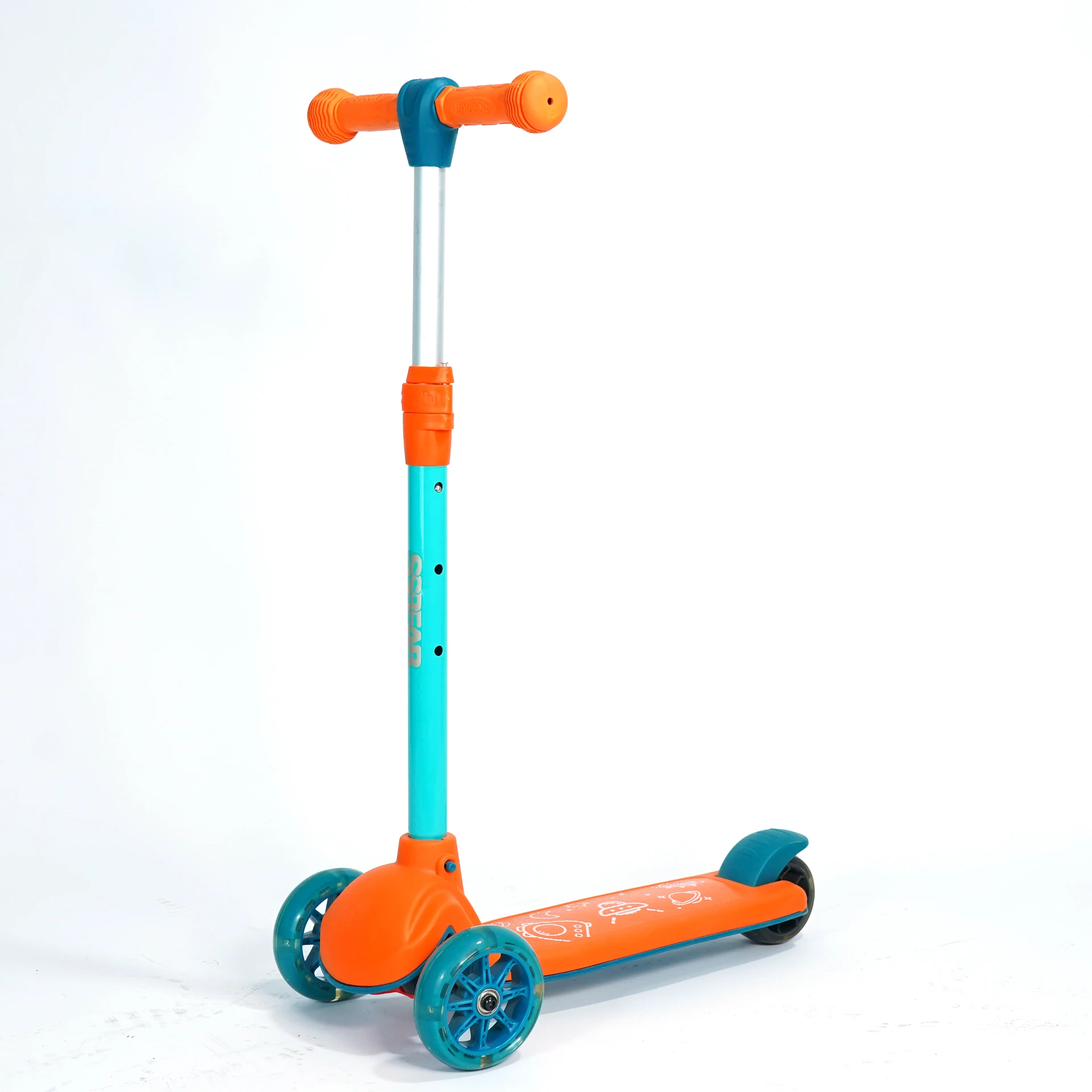
Hot Sale Kids Scooter 3 Pu Light-Up Wheel Kick Scooter For 3-6 Year Olds
-
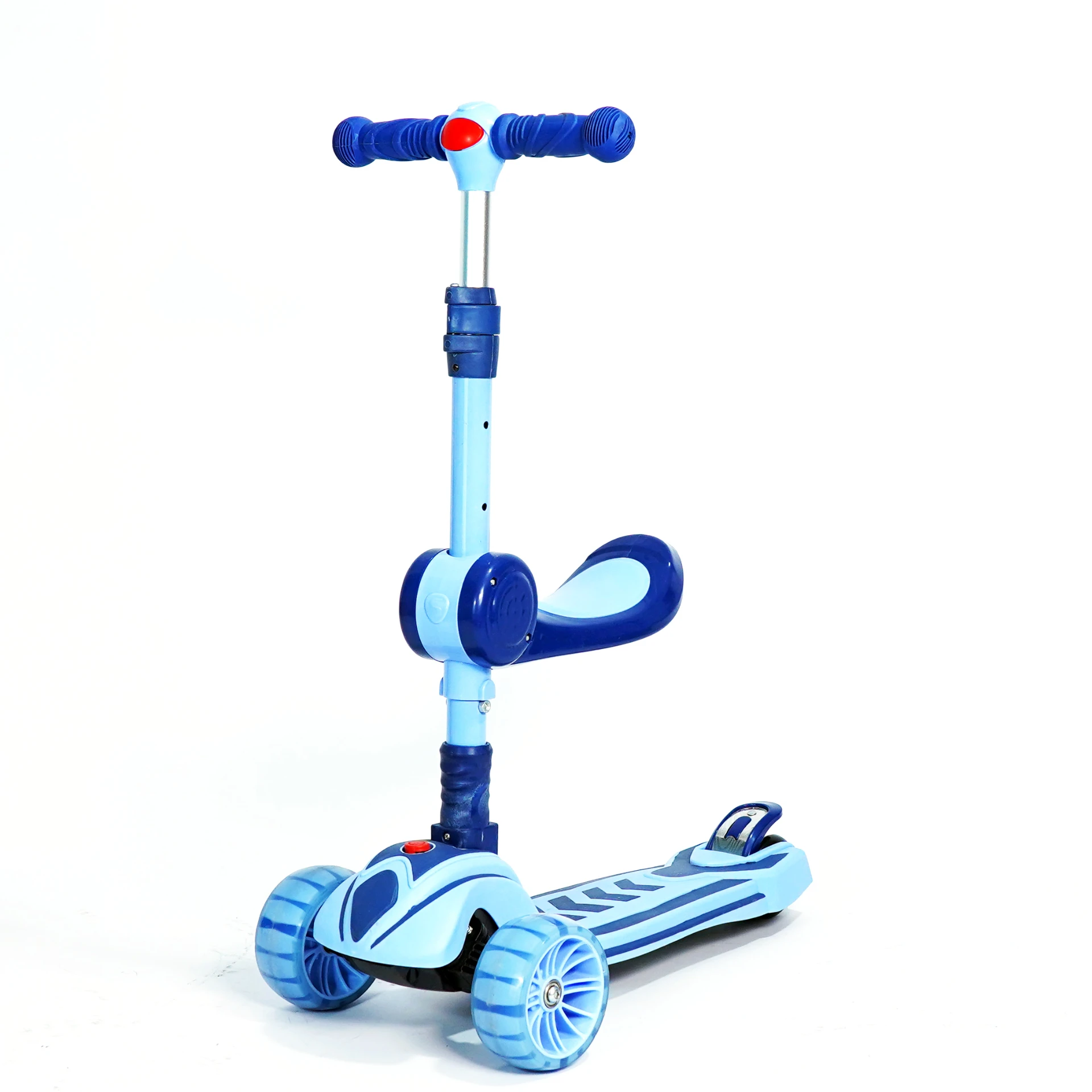
EU Child 3 To 10 Years Baby Soccer Kick Scooters & Foot Scooters For Kids Boys
-
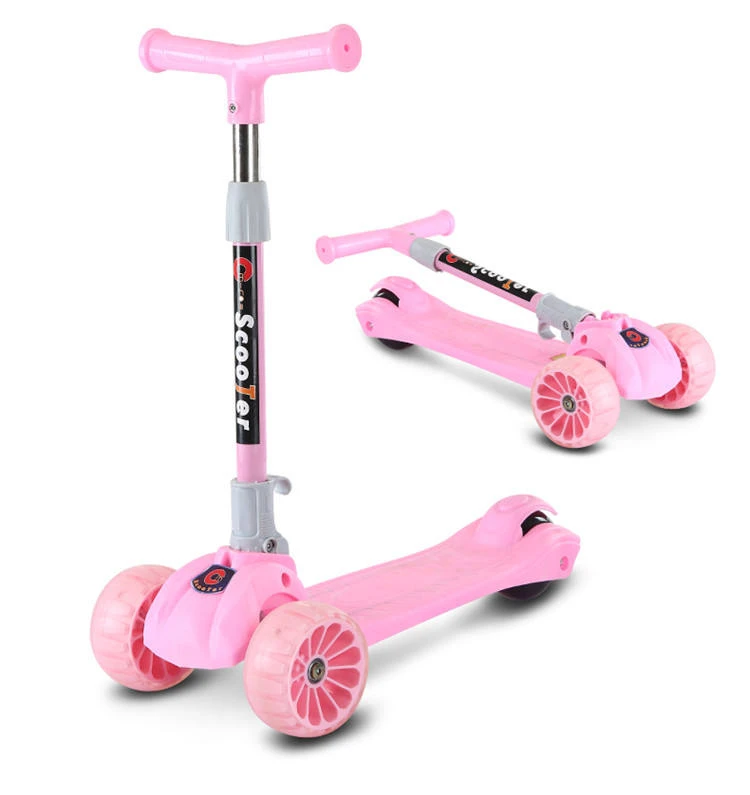
Factory Sale Kid Scooter Foot scooter Kids Kick scooter For Toddler.
-
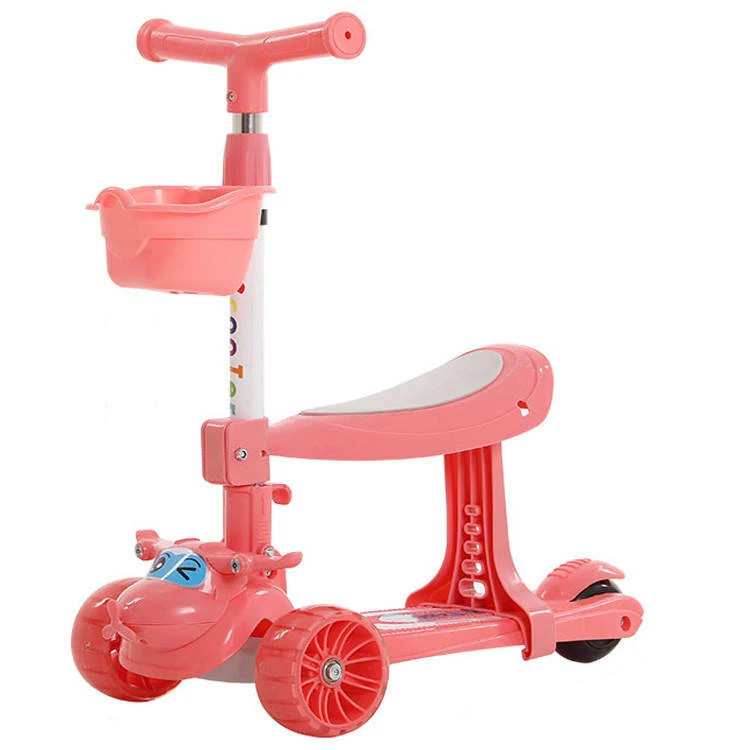
Best Seller Multifunctional Folding Kid Kick 3 Wheels Children Foot Scooter Foldable Baby Kid Scooters
-
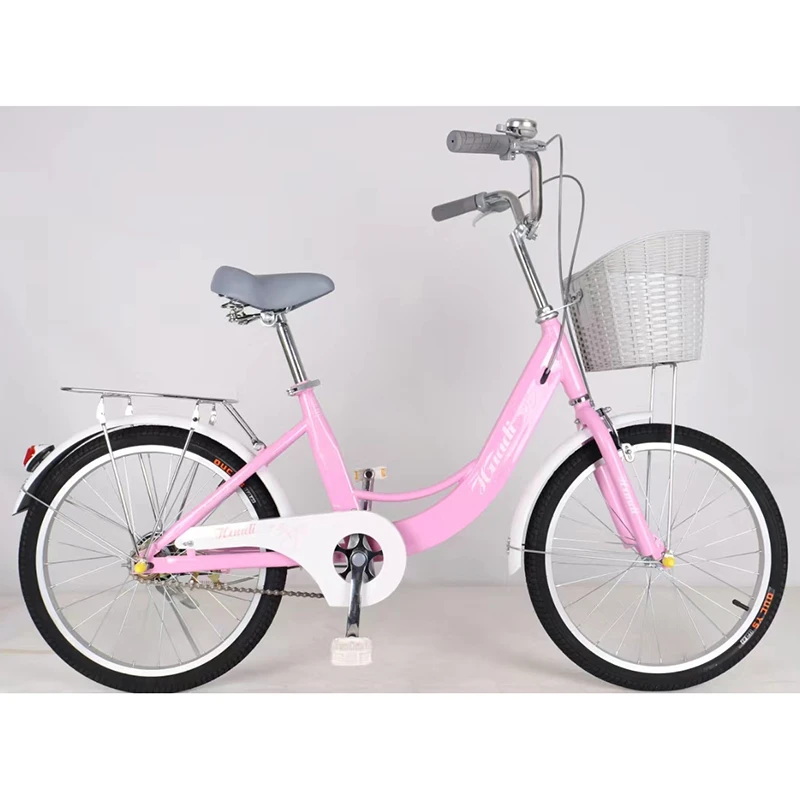
Hot sale kids bikes OEM custom cheap baby children bicycle bike beautiful cycle for girls kids
 Afrikaans
 Albanian
 Amharic
 Arabic
 Armenian
 Azerbaijani
 Basque
 Belarusian
 Bengali
 Bosnian
 Bulgarian
 Catalan
 Cebuano
 Corsican
 Croatian
 Czech
Czech
 Danish
 Dutch
Dutch
 Esperanto
 Estonian
 Finnish
 French
 Frisian
 Galician
 Georgian
 German
 Greek
Greek
 Gujarati
 Haitian Creole
 Hausa
Hausa
 Hawaiian
 Hebrew
 Hindi
Hindi
 Miao
Miao
 Hungarian
 Icelandic
 Igbo
Igbo
 Indonesian
 Irish
Irish
 Italian
 Japanese
 Javanese
 Kannada
 Kazakh
 Khmer
Khmer
 Rwandese
 Korean
 Kurdish
 Kyrgyz
 Lao
Lao
 Latin
Latin
 Latvian
 Lithuanian
 Luxembourgish
 Macedonian
 Malgashi
 Malay
Malay
 Malayalam
 Maltese
 Maori
Maori
 Marathi
 Mongolian
 Myanmar
 Nepali
 Norwegian
 Norwegian
 Occitan
 Pashto
 Persian
 Polish
 Portuguese
 Punjabi
 Romanian
 Russian
 Samoan
 Scottish Gaelic
 Serbian
 Sesotho
 Shona
Shona
 Sindhi
 Sinhala
 Slovak
 Slovenian
 Somali
 Spanish
 Sundanese
 Swahili
 Swedish
 Tagalog
 Tajik
Tajik
 Tamil
Tamil
 Tatar
Tatar
 Telugu
 Thai
Thai
 Turkish
 Turkmen
 Ukrainian
 Urdu
Urdu
 Uighur
 Uzbek
Uzbek
 Vietnamese
 Welsh
Welsh
 Bantu
Bantu
 Yiddish
 Yoruba
 Zulu
Zulu
 English