
Light Up Tri Scooter – Safe, Stylish, and Sustainable Mobility Solutions
Everything You Need to Know About the Light Up Tri Scooter
The light up tri scooter is an increasingly popular innovation in personal mobility, blending style, safety, and practicality. As urban environments become more congested and eco-conscious transportation alternatives gather momentum, these scooters offer an approachable answer for kids and adults alike. In this article, we’ll explore why understanding light up tri scooters matters globally and why they stand out in mobility solutions today.
Introduction: Why the Light Up Tri Scooter is Gaining Global Attention
Urban population growth is driving the demand for lightweight, efficient transportation. According to the United Nations World Population Prospects, over 55% of people live in cities today, a figure expected to rise to 68% by 2050. That means more people seeking smart, compact mobility options that reduce traffic congestion and carbon footprints.
Light up tri scooters, with their three-wheeled design for greater stability and integrated LED lighting features for visibility, respond to key challenges: safety in low-light environments and ease of learning to ride. This combination makes them appealing, especially for younger users and urban commuters who want secure, fun alternatives to traditional bikes or cars.
What Exactly is a Light Up Tri Scooter?
At its core, a light up tri scooter is a three-wheeled scooter equipped with illuminating lights—usually vibrant LEDs—that enhance visibility and add a bit of flair. Unlike two-wheel scooters, the third wheel adds extra balance, often helping beginners or children maintain stability. The lighting often runs along the deck or wheels, turning the scooter into a glowing companion especially useful during dusk or nighttime rides.
These scooters have found their place not only as toys but as practical tools in last-mile urban mobility, recreational activities, and even community safety programs.
Core Aspects of Light Up Tri Scooters
1. Stability and Safety
The tri-wheel design distributes weight more evenly, reducing falls and improving balance. Paired with bright, energy-efficient LED lighting, riders are easier to spot during low-visibility hours—vital in urban traffic.
2. Durability and Materials
Most models use lightweight aluminum or steel frames for longevity and portability. Decks often include anti-slip surfaces, making rides safer in wet conditions.
3. Battery and Lighting Technology
LED lights are powered by rechargeable or replaceable batteries. Advances in LED efficiency have allowed longer-lasting illumination without adding bulk. Some models even offer customizable light modes or colors.
4. Cost and Accessibility
Because of their simplicity and fewer parts than electric scooters, light up tri scooters tend to hit the sweet spot between affordability and quality, making them accessible for many families and schools.
5. Environmental Benefits
By promoting non-motorized personal transport, these scooters contribute to reducing greenhouse gas emissions and urban noise pollution.
Light Up Tri Scooter Specs At A Glance
| Feature | Specification |
|---|---|
| Wheels | 3 polyurethane wheels, 120 mm front, 80 mm rear |
| Lighting | Integrated LED strips on deck & wheels, rechargeable battery |
| Max Load Capacity | Up to 90 kg (198 lbs) |
| Frame Material | Aluminum with anti-slip grip deck |
| Weight | Approximately 3.5 kg (7.7 lbs) |
| Age Range | 3 to 10 years (though many models suit adults too) |
Global Vendors Comparison
Choosing the right light up tri scooter means weighing options carefully. Here’s a quick look at top brands in the industry:
| Brand | Price Range | Unique Feature | Warranty |
|---|---|---|---|
| GlowRide | $60 - $90 | Customizable LED color zones | 1 year |
| TriLight Scooters | $70 - $100 | Water-resistant frame and lights | 2 years |
| UrbanGlow | $80 - $110 | Rechargeable LED hub wheels | 18 months |
Global Applications and Use Cases
Light up tri scooters are as versatile as they are fun. In many European cities — think Amsterdam or Copenhagen — they’re used by kids to get around safely on sidewalks and parks. Schools often incorporate them into physical education programs for motor skills development. In sprawling urban areas of Asia, nighttime visibility provided by these scooters enhances child safety outdoors.
Furthermore, some NGOs have introduced them into community programs to promote outdoor activity and reduce screen time, bolstering both physical and mental health in younger demographics. Oddly enough, in some cases, these scooters are also integrated into bike-share programs to encourage eco-friendly transit, especially in suburbs where roads aren’t always bike-friendly but can accommodate three-wheelers better.
Advantages and Long-Term Value of Light Up Tri Scooters
- Enhanced safety: Stability plus visibility minimizes accidents.
- Cost-effective: They are priced accessibly without compromising quality.
- Environmentally friendly: No emissions, and durable parts mean fewer replacements.
- Engagement and learning: They encourage kids to develop balance and coordination early.
- Social impact: Promote active lifestyles and community interaction.
A friend recently remarked that “riding a light up tri scooter feels like a magical experience for kids — the glowing lights make it almost futuristic, while the design keeps it safe.” This emotional resonance is not something many products achieve so effortlessly.
Future Trends & Innovations
The world of light up tri scooters is evolving quickly. Manufacturers are experimenting with solar-powered LED lights where the battery replenishes on the go in daylight. Others incorporate smart technology — think Bluetooth-enabled lights that sync to music or apps tracking scooter usage and maintenance.
Material advances include biodegradable plastics for light components and ultra-light weight titanium frames to boost portability. Urban planners also show rising interest in integrating these scooters into “smart city” transport networks, offering charging stations and designated routes—making them even more integral to daily commuting.
Challenges & Solutions
No product is perfect, of course. The main challenges light up tri scooters face include battery life limitations, weather vulnerability for the electrical parts, and lack of regulations in some countries governing their use on sidewalks versus streets. Many brands address these with waterproof casings, longer-lasting lithium batteries, and offering modular parts for easier repairs.
Expert consensus suggests ongoing education for parents and users about safety practices, plus city infrastructure accommodating these devices, will solve many early roadblocks.
Frequently Asked Questions About Light Up Tri Scooters
Q1: How safe are light up tri scooters for young children compared to traditional scooters?
A1: Generally, light up tri scooters offer enhanced stability due to their three-wheel design, reducing the risk of tipping and falls. The integrated lighting improves visibility during dusk or dawn, which adds a layer of safety parents appreciate. Still, supervision and protective gear are essential.
Q2: Can the LED lights run continuously, and how are they powered?
A2: Most light up tri scooters feature rechargeable batteries for their LED lights, typically offering several hours of continuous lighting. Recharge cycles range from 2 to 4 hours depending on the model. Some recent models offer replaceable batteries or solar charging options.
Q3: Are these scooters suitable for both indoor and outdoor use?
A3: Absolutely. While they work well on smooth indoor surfaces, their sturdy wheels and durable decks are designed primarily for outdoor environments such as sidewalks, parks, and asphalt. Water-resistant models handle light rain or puddles better.
Q4: How do light up tri scooters compare environmentally to electric scooters?
A4: Light up tri scooters typically do not have motors, so their environmental footprint is lower, especially in terms of energy consumption and maintenance. Electric scooters consume electricity for propulsion, whereas tri scooters mainly use battery power solely for lights, making them greener in some scenarios.
Q5: Where can I find quality light up tri scooters?
A5: Trusted brands like GlowRide, TriLight Scooters, and UrbanGlow are widely available online and through specialty retailers. For options and updates, check reputable stores or visit light up tri scooter products.
Conclusion: Why Consider a Light Up Tri Scooter?
In the long run, light up tri scooters offer a durable, fun, and safe mobility choice for younger riders and urban dwellers seeking eco-friendly alternatives. By combining practical safety features with modern lighting, they strike a balance between innovation and everyday usability. If you’re on the lookout for a scooter that feels personal, bright, and stable, these are well worth exploring.
Ready to light up your ride? Visit our website and discover the latest models tailored for safety and style.
Quick takeaway: The light up tri scooter is more than a toy — it’s a practical step towards safer, sustainable, and stylish urban mobility.
-
Electric Scooter Age 3 Safe Introduction to Early Mobility GuideNewsApr.16,2026
-
Is an Electric Scooter Age 4 Safe Complete Parents GuideNewsApr.09,2026
-
Choosing the Best Electric Scooter for a 9 Year Old Rider's SafetyNewsApr.07,2026
-
Comprehensive Guide to Choosing the Best Electric Scooter Ages 6 UpNewsApr.04,2026
-
Choosing the Best Electric Scooter for 6yr Old Riders A Comprehensive GuideNewsMar.31,2026
-
The Ultimate Guide to Choosing an Electric Scooter for Age 10 RidersNewsMar.28,2026
-
Choosing the Ideal Electric Scooter for Age 12 A Comprehensive Buyers GuideNewsMar.26,2026
Related Products
-
High quality kids bike children bicycle cycle cheap children bicycle with training wheel for sale
-
OEM 20 inch mountain bike children bikeVariable speed mountain bike suitable for student sports
-
18 20 22 inch Children bike mountain bikes for 13 year old boy cycle for class 5 bicycle for 10year old boy kids
-
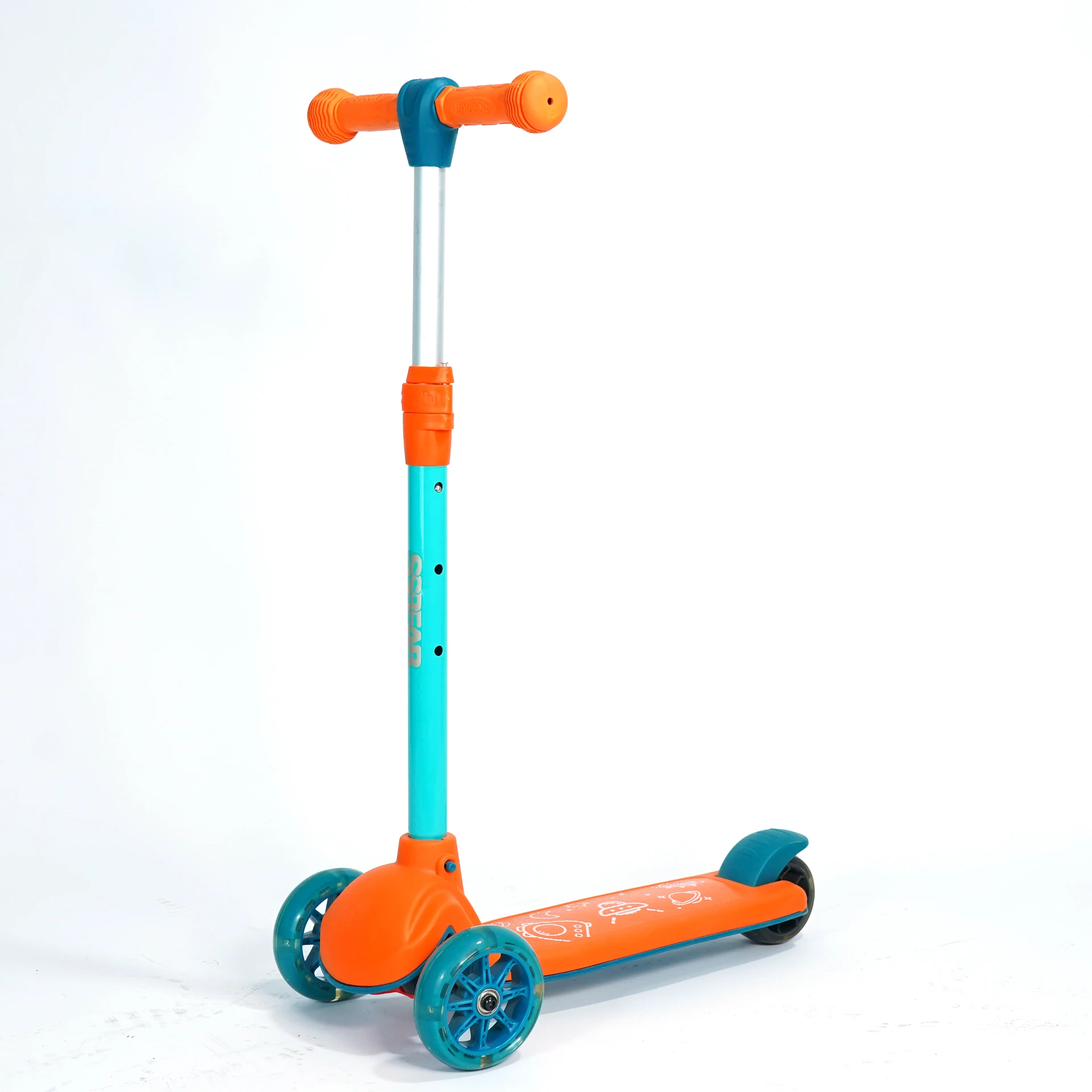
Hot Sale Kids Scooter 3 Pu Light-Up Wheel Kick Scooter For 3-6 Year Olds
-
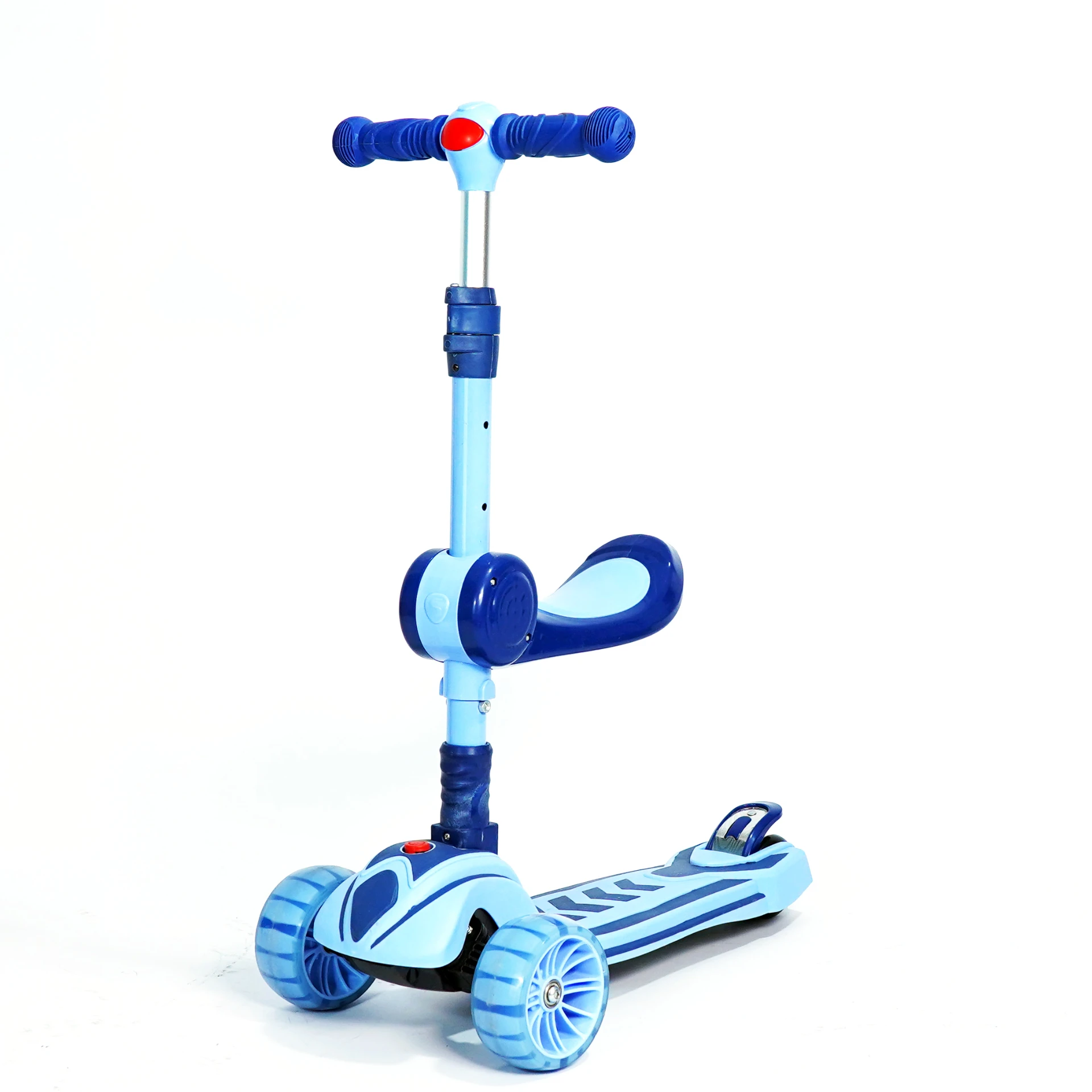
EU Child 3 To 10 Years Baby Soccer Kick Scooters & Foot Scooters For Kids Boys
-
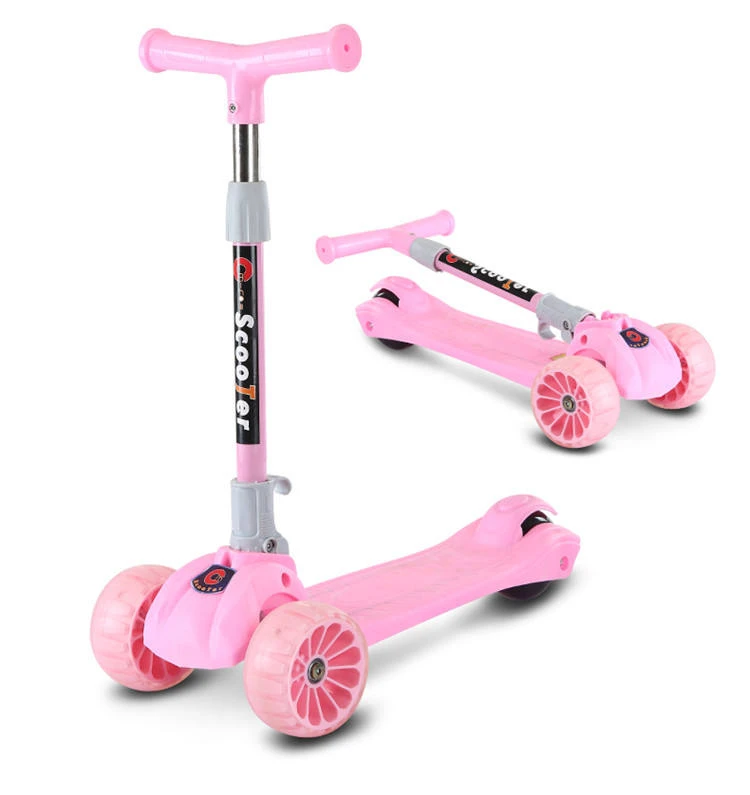
Factory Sale Kid Scooter Foot scooter Kids Kick scooter For Toddler.
-
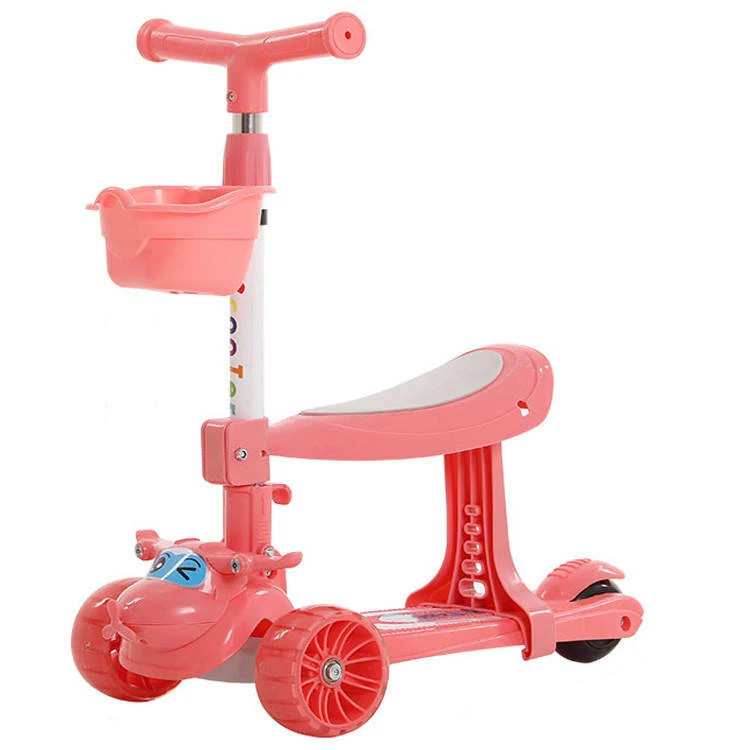
Best Seller Multifunctional Folding Kid Kick 3 Wheels Children Foot Scooter Foldable Baby Kid Scooters
-
Hot sale kids bikes OEM custom cheap baby children bicycle bike beautiful cycle for girls kids
 Afrikaans
 Albanian
 Amharic
 Arabic
 Armenian
 Azerbaijani
 Basque
 Belarusian
 Bengali
 Bosnian
 Bulgarian
 Catalan
 Cebuano
 Corsican
 Croatian
 Czech
Czech
 Danish
 Dutch
Dutch
 Esperanto
 Estonian
 Finnish
 French
 Frisian
 Galician
 Georgian
 German
 Greek
Greek
 Gujarati
 Haitian Creole
 Hausa
Hausa
 Hawaiian
 Hebrew
 Hindi
Hindi
 Miao
Miao
 Hungarian
 Icelandic
 Igbo
Igbo
 Indonesian
 Irish
Irish
 Italian
 Japanese
 Javanese
 Kannada
 Kazakh
 Khmer
Khmer
 Rwandese
 Korean
 Kurdish
 Kyrgyz
 Lao
Lao
 Latin
Latin
 Latvian
 Lithuanian
 Luxembourgish
 Macedonian
 Malgashi
 Malay
Malay
 Malayalam
 Maltese
 Maori
Maori
 Marathi
 Mongolian
 Myanmar
 Nepali
 Norwegian
 Norwegian
 Occitan
 Pashto
 Persian
 Polish
 Portuguese
 Punjabi
 Romanian
 Russian
 Samoan
 Scottish Gaelic
 Serbian
 Sesotho
 Shona
Shona
 Sindhi
 Sinhala
 Slovak
 Slovenian
 Somali
 Spanish
 Sundanese
 Swahili
 Swedish
 Tagalog
 Tajik
Tajik
 Tamil
Tamil
 Tatar
Tatar
 Telugu
 Thai
Thai
 Turkish
 Turkmen
 Ukrainian
 Urdu
Urdu
 Uighur
 Uzbek
Uzbek
 Vietnamese
 Welsh
Welsh
 Bantu
Bantu
 Yiddish
 Yoruba
 Zulu
Zulu
 English