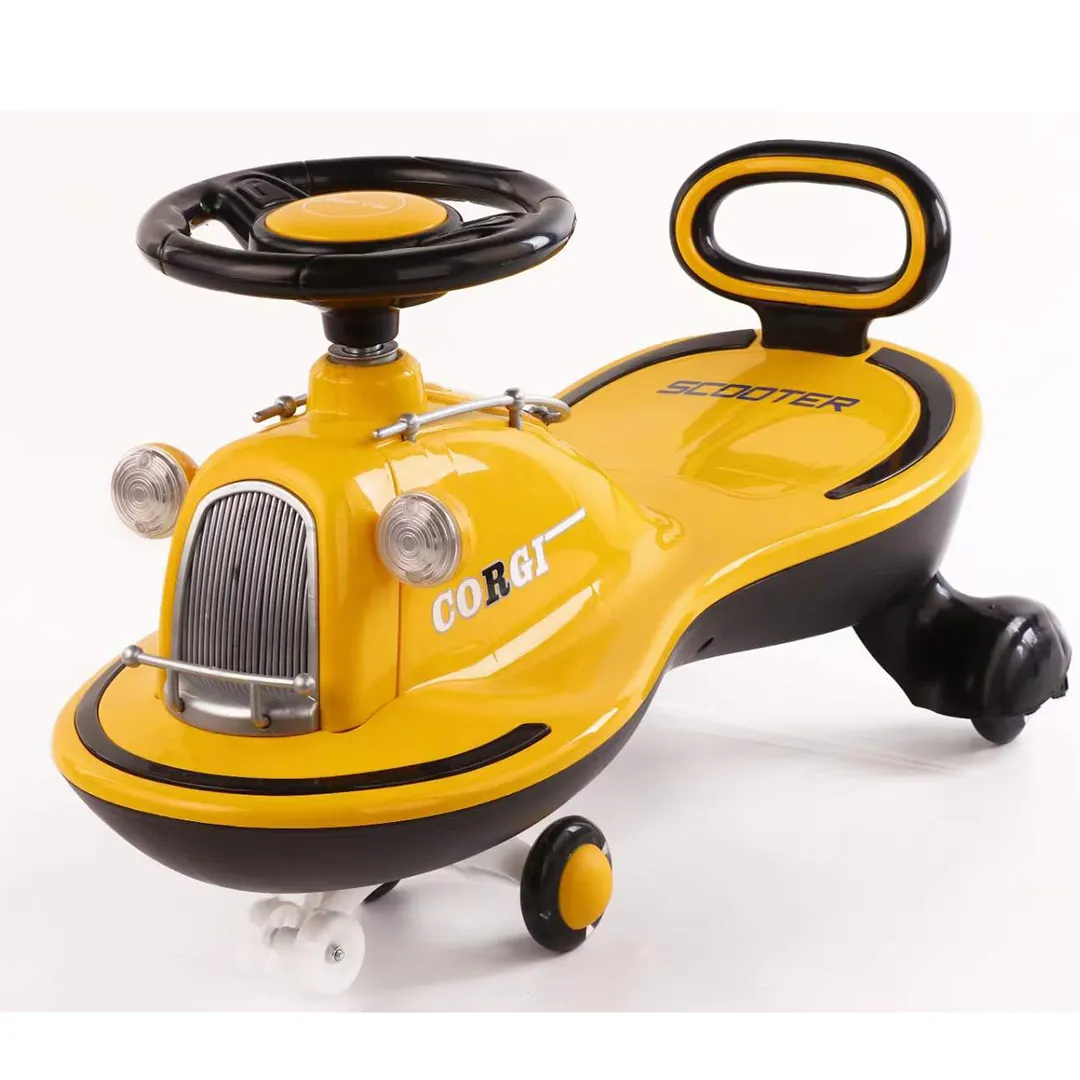

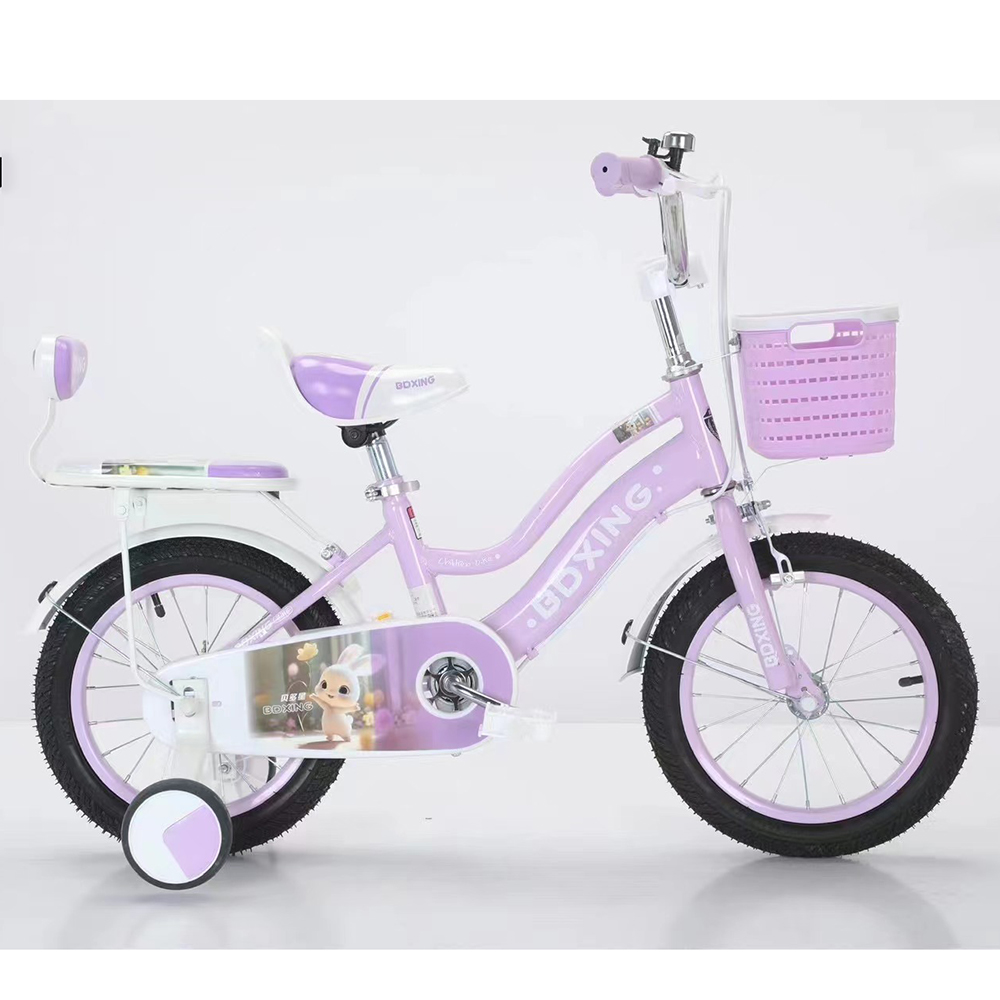
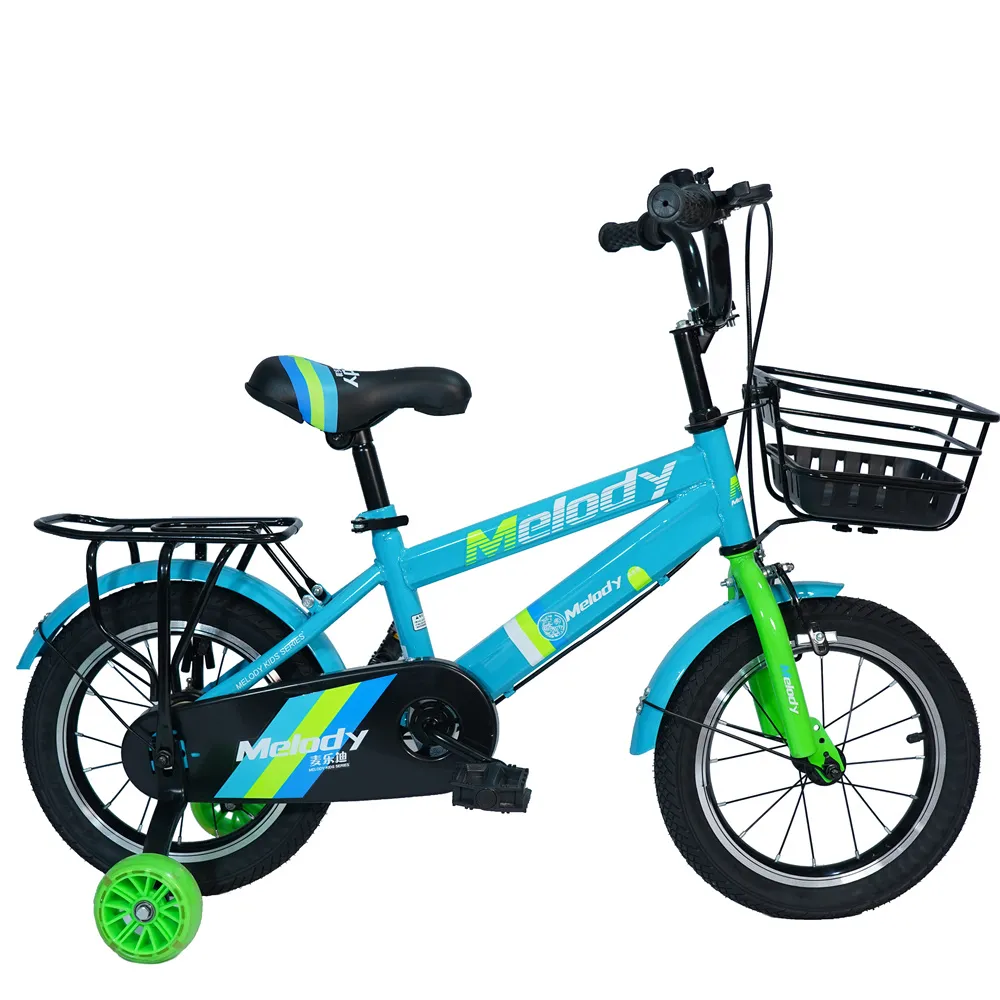
In Mali, the demand for children's transportation is shaped by a unique combination of rapid urbanization in cities like Bamako and the expansive, unpaved terrains of rural provinces. For many families, bikes for kids serve not only as recreational tools but as essential means of short-distance mobility. The environmental conditions—characterized by high temperatures and sandy soils—require frames that are resistant to corrosion and mechanical wear, making high-grade manufacturing a priority for local importers.
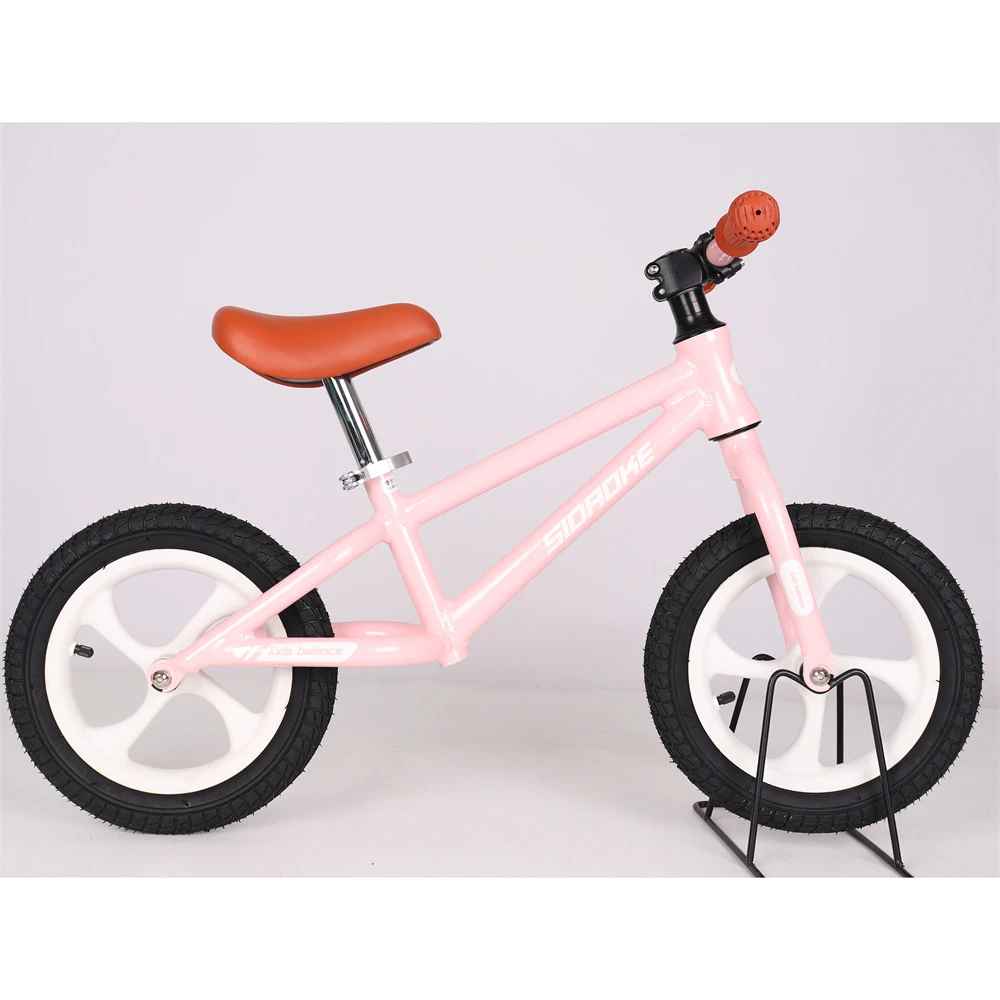
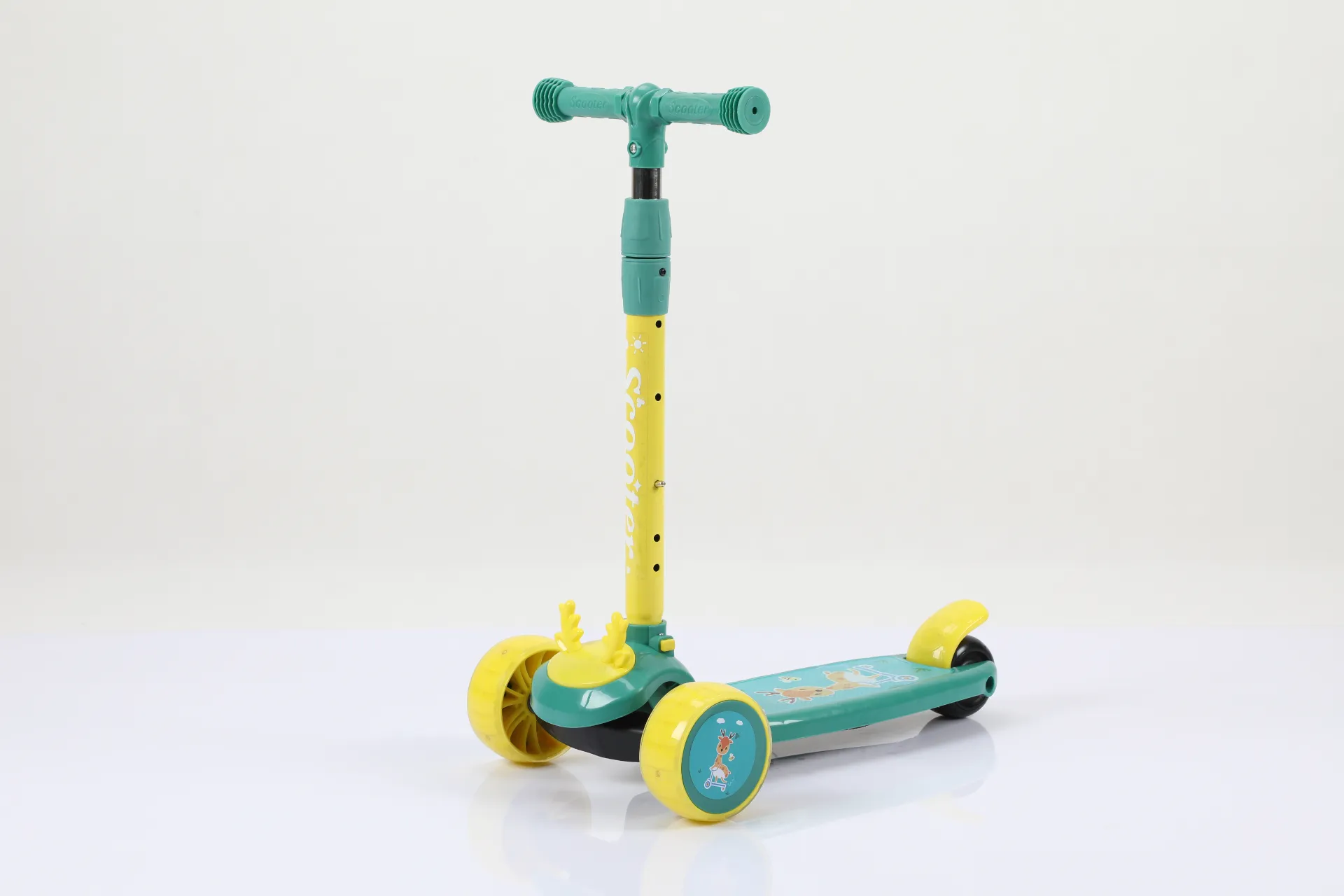
The market is currently seeing a shift toward developmental toys. There is an increasing interest in the kids balance bike, which helps toddlers develop motor skills and equilibrium before transitioning to pedal bikes. This trend reflects a growing awareness among urban parents regarding early childhood development and the importance of physical activity in a safe, controlled manner, driving the need for products that meet international safety standards like CE and ASTM.
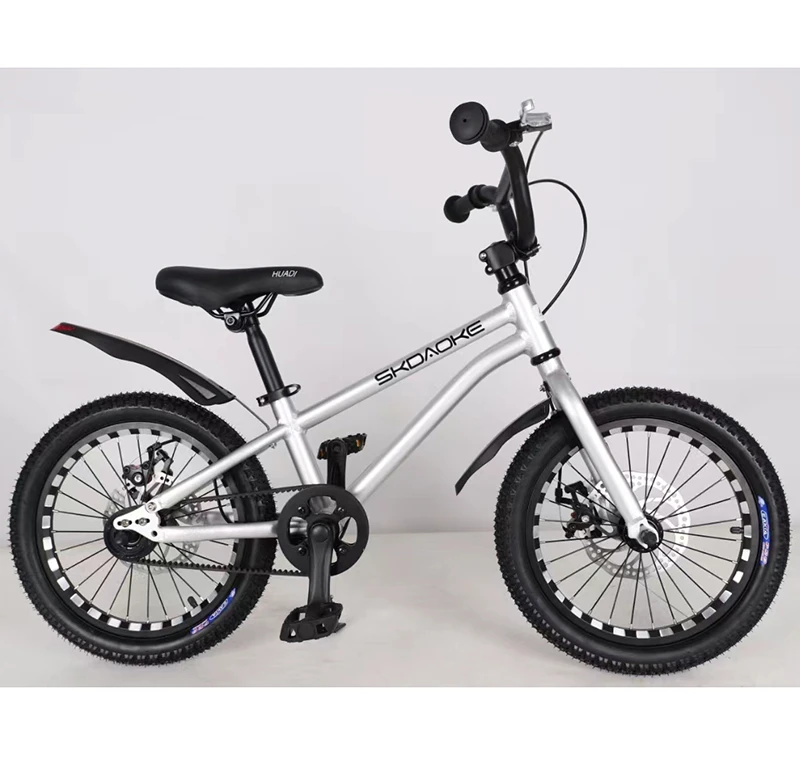
From a procurement perspective, distributors in the region prioritize a stable supply chain that can deliver fully assembled and tested units. As the local retail sector evolves, there is a clear move toward diversifying product lines to include specialized options, such as a kids mountain bike, to accommodate the rugged outskirts of residential areas. Ensuring that these products are both cost-effective and durable is the key to capturing long-term value in the West African bicycle industry.
 English
 Afrikaans
 Albanian
 Amharic
 Arabic
 Armenian
 Azerbaijani
 Basque
 Belarusian
 Bengali
 Bosnian
 Bulgarian
 Catalan
 Cebuano
 Corsican
 Croatian
 Czech
 Danish
 Dutch
 Esperanto
 Estonian
 Finnish
 French
 Frisian
 Galician
 Georgian
 German
 Greek
 Gujarati
 Haitian Creole
 Hausa
 Hawaiian
 Hebrew
 Hindi
 Miao
 Hungarian
 Icelandic
 Igbo
 Indonesian
 Irish
 Italian
 Japanese
 Javanese
 Kannada
 Kazakh
 Khmer
 Rwandese
 Korean
 Kurdish
 Kyrgyz
 Lao
 Latin
 Latvian
 Lithuanian
 Luxembourgish
 Macedonian
 Malgashi
 Malay
 Malayalam
 Maltese
 Maori
 Marathi
 Mongolian
 Myanmar
 Nepali
 Norwegian
 Norwegian
 Occitan
 Pashto
 Persian
 Polish
 Portuguese
 Punjabi
 Romanian
 Russian
 Samoan
 Scottish Gaelic
 Serbian
 Sesotho
 Shona
 Sindhi
 Sinhala
 Slovak
 Slovenian
 Somali
 Spanish
 Sundanese
 Swahili
 Swedish
 Tagalog
 Tajik
 Tamil
 Tatar
 Telugu
 Thai
 Turkish
 Turkmen
 Ukrainian
 Urdu
 Uighur
 Uzbek
 Vietnamese
 Welsh
 Bantu
 Yiddish
 Yoruba
 Zulu