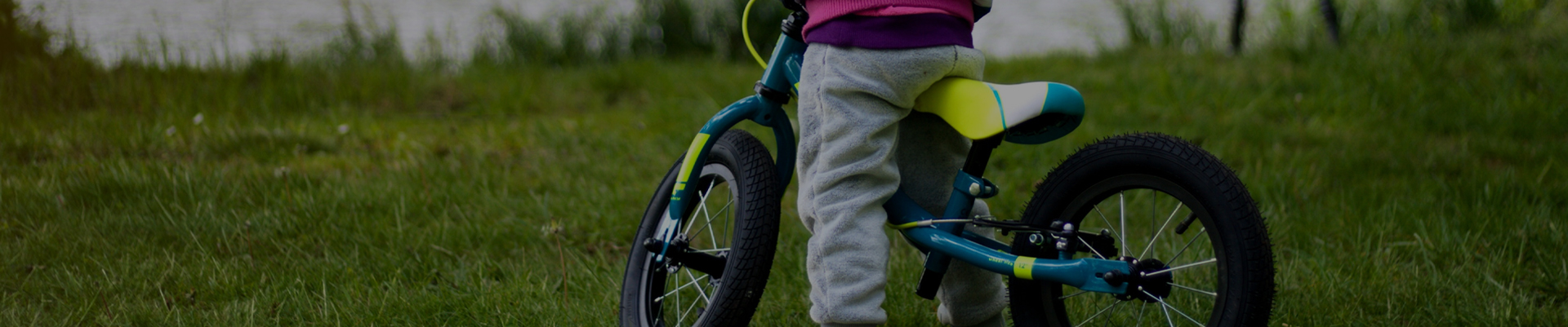
What is a Basic Swing Car Ride On? Benefits, Uses & Future Trends Explained
Understanding the Basic Swing Car Ride On: A Simple Yet Significant Tool
At first glance, the phrase basic swing car ride on might conjure images of simple children’s toys or nifty ride-on gadgets. But there's more to it than that—especially when you consider its global relevance in mobility, safety, and even industry applications. Globally, understanding basic swing car ride ons provides insight into affordable mobility solutions for children, the developmental benefits of such toys, and how innovation in this space reflects broader trends in design, safety, and manufacturing.
Millions of families worldwide rely on swing car ride ons as a means to develop coordination, balance, and motor skills in kids — which, frankly, forms the backbone of early physical learning. Plus, the simplicity and cost efficiency of these devices make them popular globally, cutting across socioeconomic boundaries.
Mini takeaway: The basic swing car ride on is more than just a toy; it's a key player in childhood development and an indicator of effective, affordable design worldwide.
Global Context: Why Basic Swing Car Ride Ons Matter
According to data from UNICEF and the World Bank, active play is critical for children’s growth globally. But access to quality toys that support physical and cognitive development remains uneven: many regions face economically-driven shortages of engaging, safe, and affordable play equipment. This is where the basic swing car ride on stands out.
Oddly enough, despite their low-tech nature, these ride ons represent a convergence of materials science, ergonomic design, and child safety standards (ISO 8124, for example, outlines toy safety requirements used worldwide). The real challenge? How to produce ride ons at scale without compromising durability or safety — especially in developing markets.
Mini takeaway: These ride ons address a global gap in accessible, safe play options, making them a critical product in international childcare markets.
What is a Basic Swing Car Ride On?
Simply put, a basic swing car ride on is a child-sized, seat-and-wheel toy that a child can sit on and propel forward by swinging or rocking motions. Usually made from sturdy plastic or light metals, they require no pedals or batteries — just basic human effort channeled into movement.
It's both a toy and a developmental tool, helping kids gain coordination, strength, and balance while having fun. In humanitarian contexts, these devices sometimes double as low-cost mobility tools for children with minor disabilities.
Mini takeaway: These ride ons blend simplicity and function, helping children physically engage with their environment.
Core Components of a Basic Swing Car Ride On
1. Durability
Durability is vital. Materials like reinforced polypropylene plastics and powder-coated steel frames help withstand rough play — which kids are naturally inclined to. In real terms, durability extends product life and keeps costs low over years of use.
2. Safety Features
Safety doesn’t mean bells and whistles. Rounded edges, secure seats, and stable wheelbases reduce tipping risk. Many designs also include non-toxic finishes to meet international toy safety norms.
3. Ergonomics
Proper ergonomic design ensures the ride ons support healthy posture and are comfortable enough to encourage continued use. Adjustable seat heights or handle grips are nice-to-haves in higher-end models.
4. Scalability of Production
Mass manufacturing techniques, like injection molding, allow vendors to meet global demand efficiently. Scalability also helps accessibility in economically challenged regions.
5. Cost Efficiency
Keeping production and material costs low is essential. Most basic models retail affordably, ensuring wide availability.
Mini takeaway: Balancing durability, safety, ergonomics, and cost defines a successful ride on design.
Global Applications & Use Cases
- Developing Markets: In regions such as Southeast Asia and Sub-Saharan Africa, affordable basic swing car ride ons fill a crucial gap in early childhood education and play—acting as tools for physical therapy as well.
- Rehabilitation Centers: Some organizations use swing car ride ons therapeutically to help children rebuild motor skills after injury.
- Urban Playgrounds & Daycares: Globally, child care providers use these toys to engage kids actively indoors or outdoors, encouraging motor skill development.
- Post-Disaster Relief: Interestingly, NGOs include simple toys like these in relief kits to restore normalcy and joy for children in traumatic environments.
Mini takeaway: Their affordability and multifunctionality make basic swing car ride ons an internationally recognized asset in both play and rehabilitation settings.
Advantages & Long-Term Value
What stands out about basic swing car ride ons? Cost-effective production and use combined with high play value. Their sustainability factor is significant too: most models use recyclable plastics and require no batteries, lowering environmental impact over time.
Beyond the logic of cost and materials, there’s an emotional component: kids feel a sense of freedom and joy, safety, and achievement as they learn to propel and steer — that simple independence can be unforgettable. Parents and caregivers appreciate reliable, low-maintenance toys that enrich development at minimal expense. Plus, manufacturers note high customer trust due to decades of proven designs.
Product Specifications
| Specification | Basic Swing Car Ride On |
|---|---|
| Material | Reinforced polypropylene plastic with steel frame |
| Weight Capacity | Up to 50 kg (110 lbs) |
| Dimensions | Approx. 50 cm (L) x 30 cm (W) x 35 cm (H) |
| Safety Compliance | ISO 8124-1:2018 Certified |
| Typical Retail Price | $20 - $40 USD |
Vendor Comparison
| Vendor | Price Range | Safety Standards | Material Quality | Shipping Regions |
|---|---|---|---|---|
| Global Kids Toys Ltd. | $25 - $35 | ISO 8124, ASTM F963 | High-grade polypropylene | Worldwide |
| PlayMotion International | $20 - $30 | ISO 8124 | Standard polypropylene | Asia, Europe |
| SafeRide Toys | $30 - $40 | ISO 8124, EN71 | Recycled polypropylene | North America, Europe |
Future Trends & Innovations
The future of basic swing car ride ons is quietly exciting. Many manufacturers are exploring eco-friendly materials — recycled plastics or bioplastics — to make production more sustainable. There's also a subtle shift toward ergonomic enhancements that grow with the child, like adjustable seat heights or modular attachments.
Digital integration remains limited, as the charm lies in simplicity. However, some high-end models now incorporate GPS trackers or smartphone-linked safety alerts, reflecting wider trends in “smart” toys. Frankly, the biggest innovation seems to be how these simple devices fit into bigger conversations about sustainability, safety, and childhood development worldwide.
Mini takeaway: While staying simple, basic swing car ride ons are evolving with eco-conscious production and modest tech features.
Common Challenges & Innovative Solutions
One notable challenge with basic swing car ride ons is balancing affordability with safety and durability—cheap plastics risk cracking, but high-end materials drive up prices. Rest assured, many companies now employ advanced polymers that enhance toughness without inflating costs.
Another issue: limited availability in rural or economically disadvantaged areas. NGOs and local manufacturers are partnering to create community-based production hubs, reducing import costs and improving access.
Lastly, user education around safe play is vital. Many vendors supply clear safety instructions and videos, addressing misuse risks in homes or playgrounds.
Frequently Asked Questions About Basic Swing Car Ride Ons
- 1. What makes basic swing car ride ons better than other ride-on toys?
- They require no batteries or pedals, reducing complexity and maintenance. Their simple swinging motion encourages natural balance development and can be safer for young kids.
- 2. How long can a basic swing car ride on last under typical use?
- With durable materials and proper care, many last several years, even getting handed down to siblings. ISO-certified products undergo rigorous testing to ensure longevity.
- 3. Are these ride ons suitable for children with minor physical disabilities?
- Yes, in many cases. The low-to-the-ground design and ease of propulsion make them accessible, and some manufacturers offer modified versions with added support.
- 4. Can I find eco-friendly versions of basic swing car ride ons?
- Increasingly so. Brands are adopting recycled plastics and sustainable manufacturing, though these models may be priced slightly higher.
- 5. Where can I buy reliable basic swing car ride ons?
- Check trusted vendors like basic swing car ride on suppliers that comply with ISO toy safety standards and offer transparent product specs.
Conclusion & Call to Action
In summary, the basic swing car ride on is quietly essential—more than a toy, it’s a developmental aid, a symbol of accessible design, and a global bridge across economic and geographic divides. Its affordability and simplicity make it a classic, and its future promises eco-conscious evolution. For families, NGOs, educators, or manufacturers seeking trusted, safe, and effective ride on toys, understanding these basics is invaluable.
Curious to learn more or wanting to source high-quality ride ons? Feel free to visit our partner site here: basic swing car ride on.
Final thought: Sometimes, it’s the simplest rides that take us the furthest.
References:
-
Electric Scooter Age 3 Safe Introduction to Early Mobility GuideNewsApr.16,2026
-
Is an Electric Scooter Age 4 Safe Complete Parents GuideNewsApr.09,2026
-
Choosing the Best Electric Scooter for a 9 Year Old Rider's SafetyNewsApr.07,2026
-
Comprehensive Guide to Choosing the Best Electric Scooter Ages 6 UpNewsApr.04,2026
-
Choosing the Best Electric Scooter for 6yr Old Riders A Comprehensive GuideNewsMar.31,2026
-
The Ultimate Guide to Choosing an Electric Scooter for Age 10 RidersNewsMar.28,2026
-
Choosing the Ideal Electric Scooter for Age 12 A Comprehensive Buyers GuideNewsMar.26,2026
Related Products
-
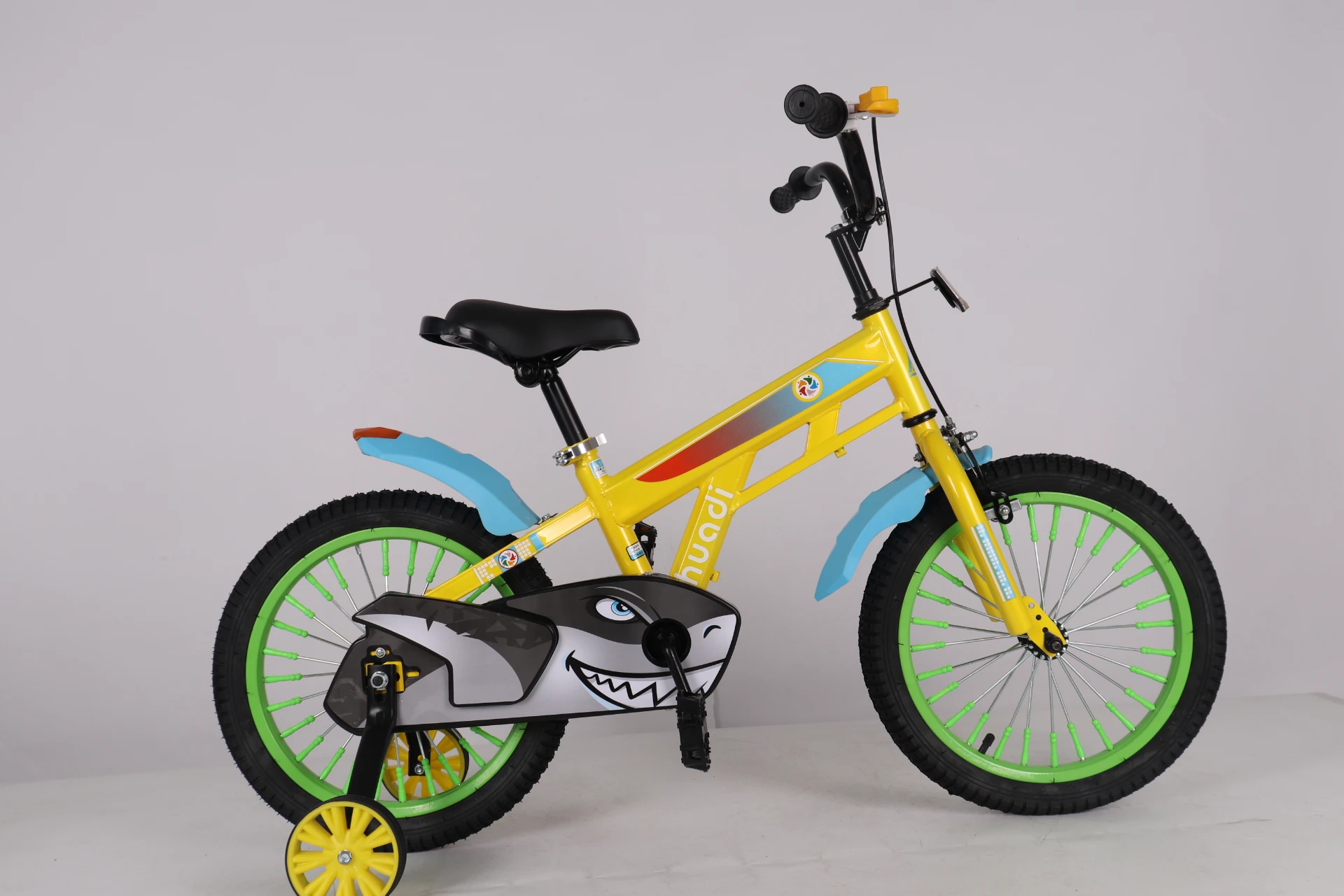
High quality kids bike children bicycle cycle cheap children bicycle with training wheel for sale
-
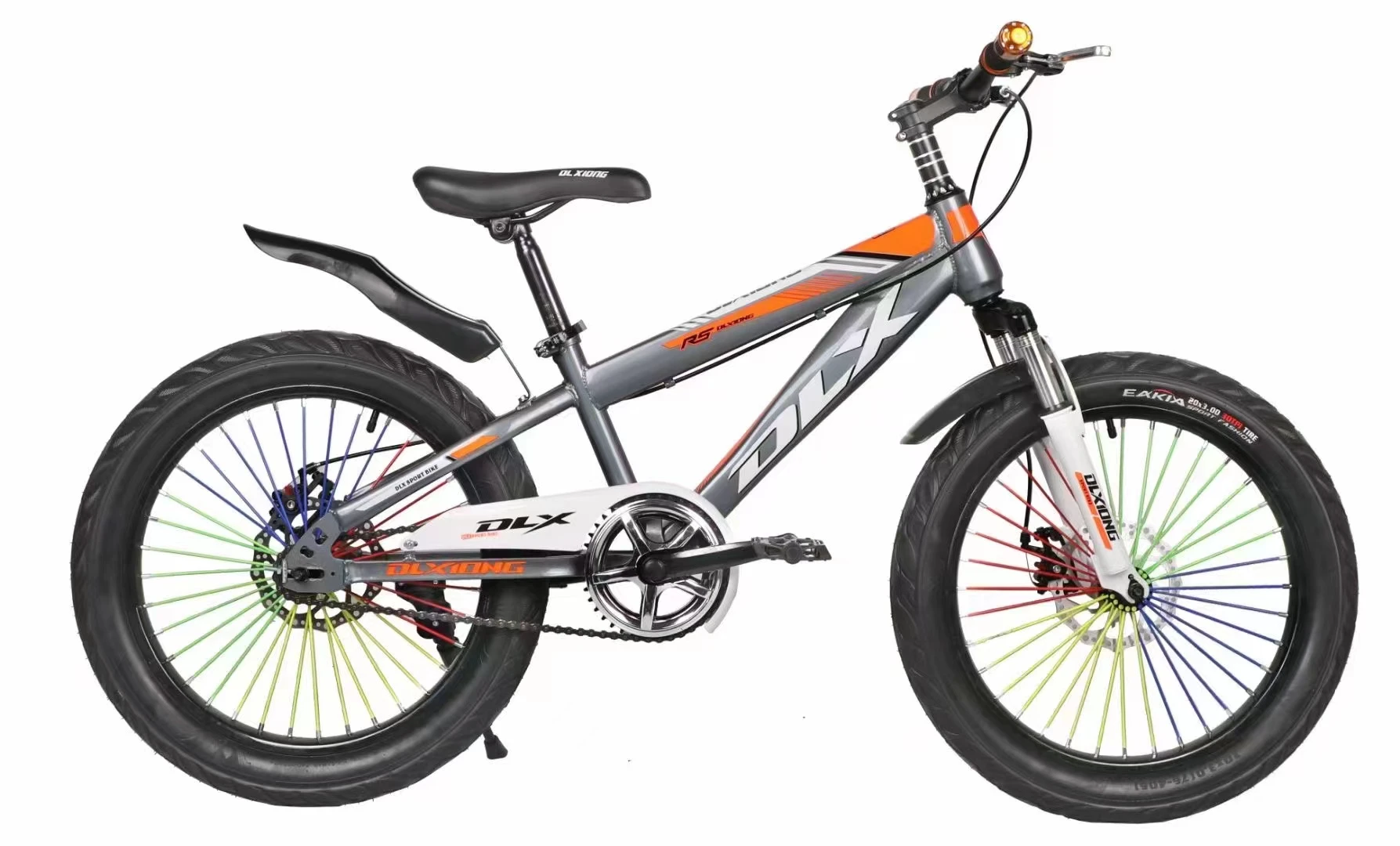
OEM 20 inch mountain bike children bikeVariable speed mountain bike suitable for student sports
-
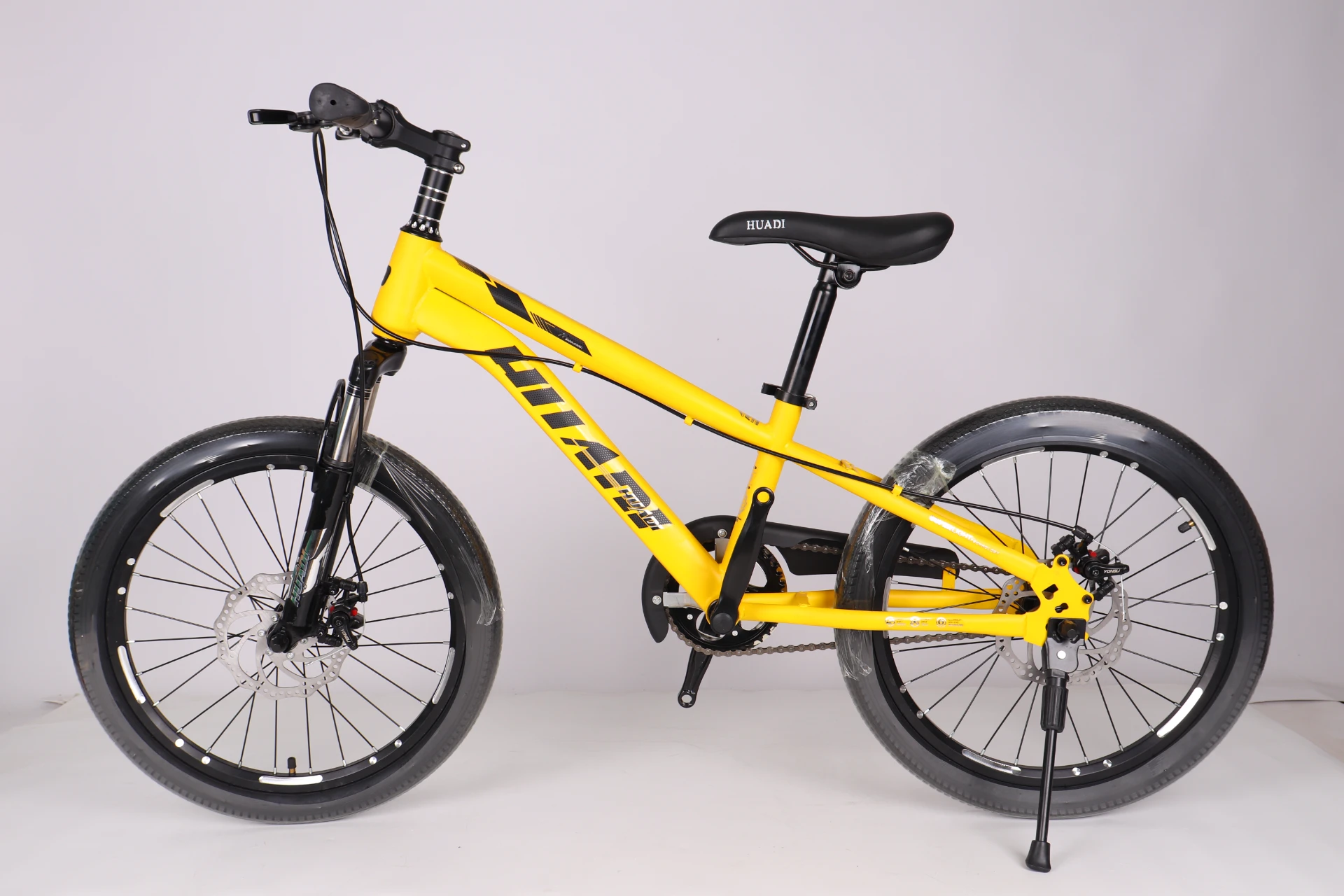
18 20 22 inch Children bike mountain bikes for 13 year old boy cycle for class 5 bicycle for 10year old boy kids
-
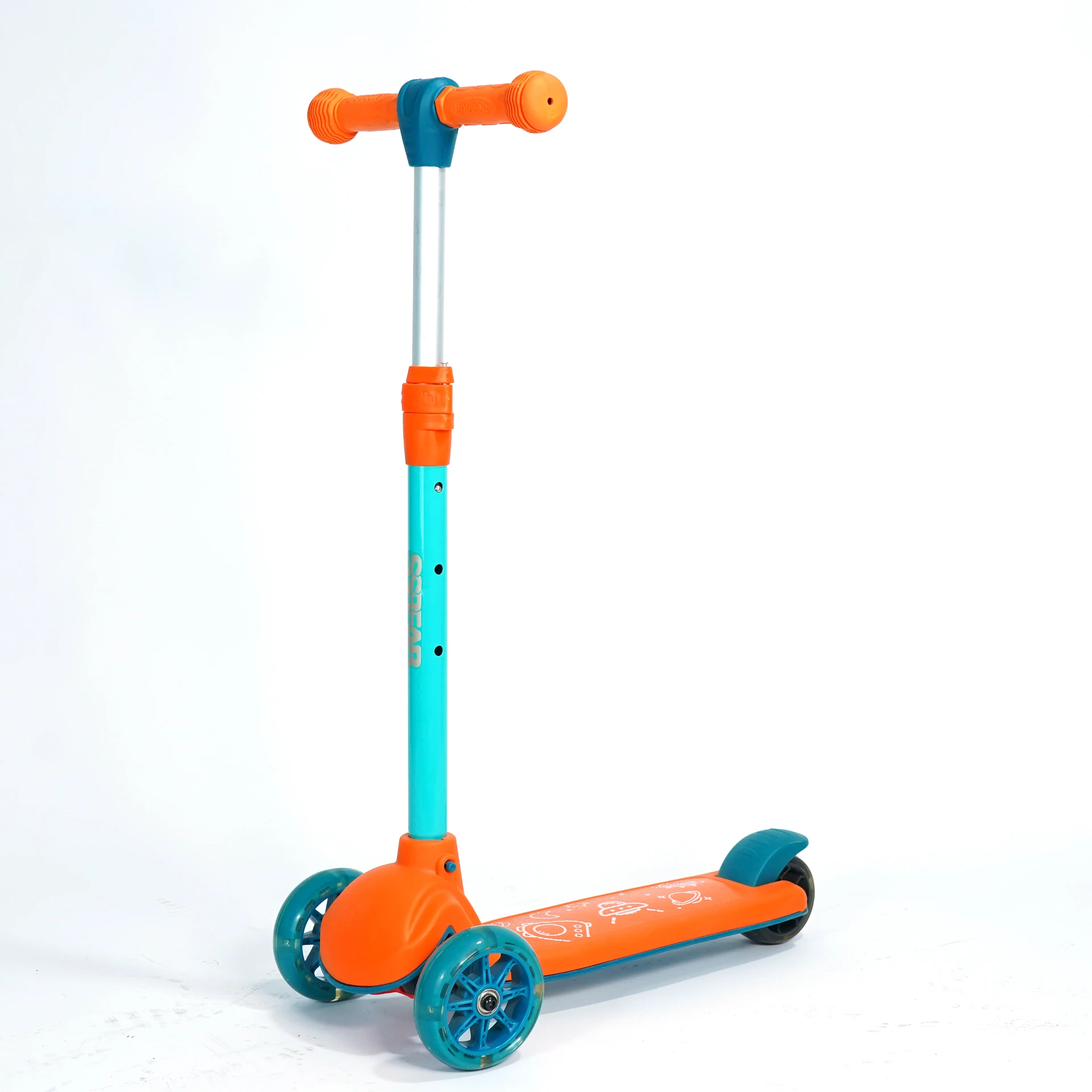
Hot Sale Kids Scooter 3 Pu Light-Up Wheel Kick Scooter For 3-6 Year Olds
-
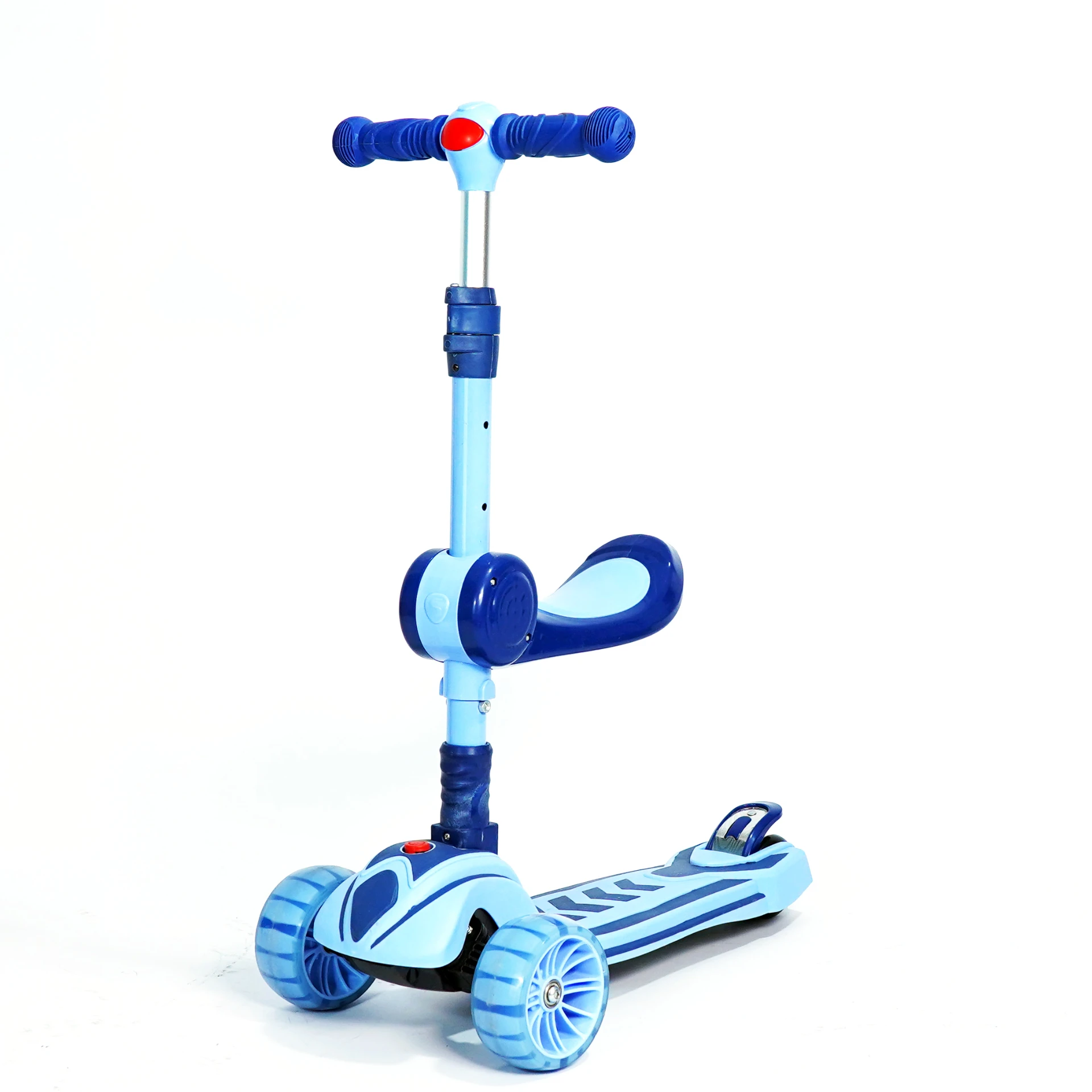
EU Child 3 To 10 Years Baby Soccer Kick Scooters & Foot Scooters For Kids Boys
-
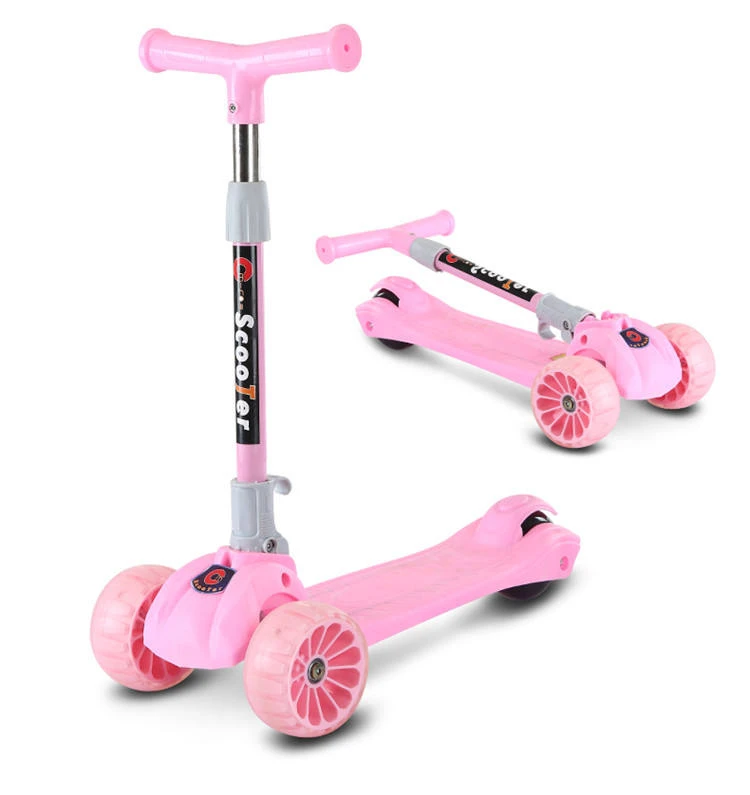
Factory Sale Kid Scooter Foot scooter Kids Kick scooter For Toddler.
-
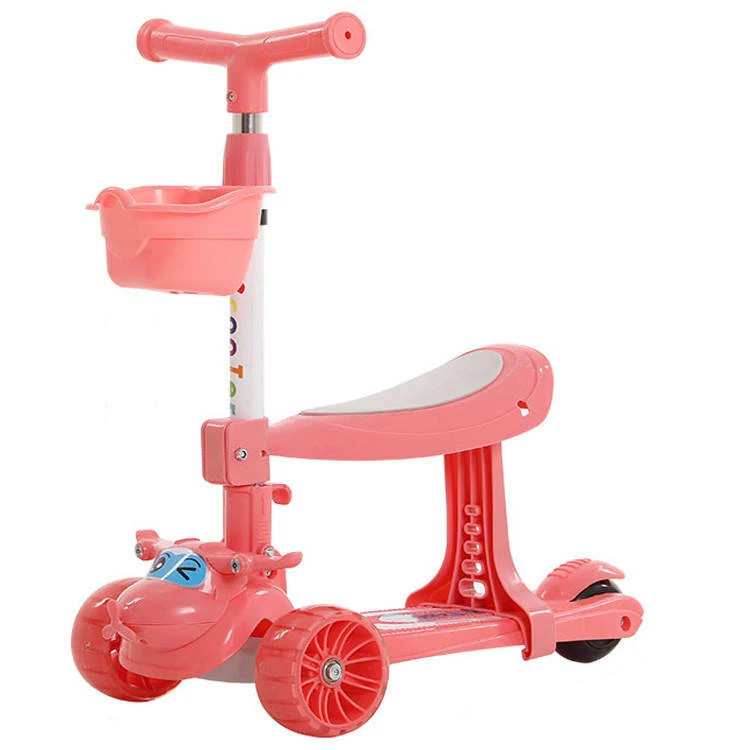
Best Seller Multifunctional Folding Kid Kick 3 Wheels Children Foot Scooter Foldable Baby Kid Scooters
-
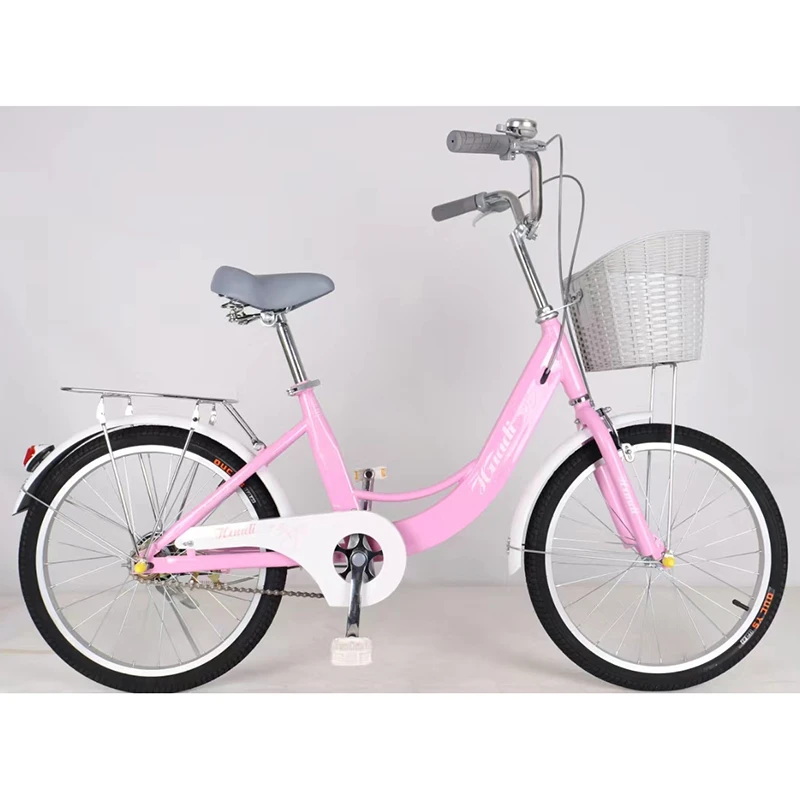
Hot sale kids bikes OEM custom cheap baby children bicycle bike beautiful cycle for girls kids
 Afrikaans
 Albanian
 Amharic
 Arabic
 Armenian
 Azerbaijani
 Basque
 Belarusian
 Bengali
 Bosnian
 Bulgarian
 Catalan
 Cebuano
 Corsican
 Croatian
 Czech
Czech
 Danish
 Dutch
Dutch
 Esperanto
 Estonian
 Finnish
 French
 Frisian
 Galician
 Georgian
 German
 Greek
Greek
 Gujarati
 Haitian Creole
 Hausa
Hausa
 Hawaiian
 Hebrew
 Hindi
Hindi
 Miao
Miao
 Hungarian
 Icelandic
 Igbo
Igbo
 Indonesian
 Irish
Irish
 Italian
 Japanese
 Javanese
 Kannada
 Kazakh
 Khmer
Khmer
 Rwandese
 Korean
 Kurdish
 Kyrgyz
 Lao
Lao
 Latin
Latin
 Latvian
 Lithuanian
 Luxembourgish
 Macedonian
 Malgashi
 Malay
Malay
 Malayalam
 Maltese
 Maori
Maori
 Marathi
 Mongolian
 Myanmar
 Nepali
 Norwegian
 Norwegian
 Occitan
 Pashto
 Persian
 Polish
 Portuguese
 Punjabi
 Romanian
 Russian
 Samoan
 Scottish Gaelic
 Serbian
 Sesotho
 Shona
Shona
 Sindhi
 Sinhala
 Slovak
 Slovenian
 Somali
 Spanish
 Sundanese
 Swahili
 Swedish
 Tagalog
 Tajik
Tajik
 Tamil
Tamil
 Tatar
Tatar
 Telugu
 Thai
Thai
 Turkish
 Turkmen
 Ukrainian
 Urdu
Urdu
 Uighur
 Uzbek
Uzbek
 Vietnamese
 Welsh
Welsh
 Bantu
Bantu
 Yiddish
 Yoruba
 Zulu
Zulu
 English