
What Is a Swing Vehicle? Uses, Benefits & Global Impact Explained
The Swing Vehicle: Revolutionizing Mobility and Global Transport
What exactly is a swing vehicle, and why does it feel like it’s quietly transforming transportation across various sectors worldwide? Well, the term “swing vehicle” might not yet ring bells outside certain technical circles, but its applications ripple across industry, humanitarian aid, and even emerging green technologies. Understanding swing vehicles matters globally because they hold keys to enhanced efficiency, adaptability, and sustainability in transport logistics — a field challenged by rising environmental pressures and fluctuating infrastructure.
In this article, I’m diving into what swing vehicles are, why industries rely on them, and how their unique features make them such a valuable solution in a world where movement equals progress. Ready to explore the nuts and bolts? Let’s swing in.
Global Context: Why Swing Vehicles Are Gaining Momentum
The global transportation sector contributes roughly 24% of direct CO2 emissions from fuel combustion, according to the International Energy Agency. So, innovations that improve vehicle versatility and reduce environmental footprints have become a priority. Swing vehicles help address these challenges by offering modularity and multi-terrain capabilities, which in turn optimize fuel use and operational flexibility.
Interestingly, in developing regions where infrastructure might be inconsistent or underdeveloped, swing vehicles enable continued mobility without costly road upgrades. They’re a front-line solution for NGOs delivering services or goods in remote areas — providing what I’d call a “bridge” between traditional transport and off-road demands.
What Is a Swing Vehicle?
To put it simply, a swing vehicle is a type of transport unit characterized by its ability to “swing” or rotate certain components, often the rear segment or cargo platform, to adjust its configuration dynamically. This design enables enhanced maneuverability, expanded cargo versatility, or modular transformations, depending on the use-case.
It’s kind of like having a Swiss army knife on wheels — able to shift shape or function with relative ease. In humanitarian or industrial settings, this adaptability means fewer specialized vehicles are needed, saving costs and space.
Core Components and Key Factors Behind Swing Vehicles
1. Modularity
Many swing vehicles feature interchangeable parts, making it straightforward to swap modules for different missions, from cargo hauling to passenger transport.
2. Maneuverability
The “swing” mechanism typically allows tighter turning radii or repositioning of loads for improved stability, especially on uneven or rough terrain.
3. Durability and Build Quality
Given the demanding environments these vehicles operate in, manufacturers prioritize heavy-duty frames and corrosion-resistant materials to ensure longevity.
4. Scalability
From smaller utility versions to full-sized industrial configurations, swing vehicles can be scaled to meet needs ranging from local deliveries to large construction projects.
5. Cost Efficiency
Reducing the fleet diversity and maintenance complexity lowers lifecycle costs — a major factor that organizations appreciate.
Global Applications & Use Cases of Swing Vehicles
- Disaster Relief: After earthquakes or floods, swing vehicles transport supplies through debris-filled or damaged roads, benefiting agencies like the UN Office for the Coordination of Humanitarian Affairs.
- Mining & Industrial Sites: Harsh terrains demand modular, tough vehicles; swing vehicles provide that adaptability.
- Urban Delivery in Congested Areas: Smaller swing vehicle variants enable quick, precise cargo offloading in tight city streets, minimizing delays.
- Military & Defense: Versatile configurations assist troop and equipment movement in variable environments worldwide.
For instance, a relief organization using swing vehicles in Southeast Asia reported a 30% faster distribution of medical supplies compared to conventional trucks — a detail reflecting the efficiency impact in life-critical operations.
Advantages & Long-Term Value of Swing Vehicles
Beyond the obvious logistical benefits, swing vehicles carry social and environmental virtues:
- Sustainability: By optimizing routes and reducing unnecessary trips, they cut emissions substantially.
- Safety: The design accommodates load shifting, reducing risk during transport over unstable ground.
- Innovation: Their modularity encourages ongoing technological integration, from electric drivetrains to IoT telematics.
- Social Impact: In post-disaster settings, reliable transportation restores dignity and access to essential services — a reminder that tech can profoundly affect lives.
Future Trends & Innovations in Swing Vehicles
We’re seeing exciting shifts as the automotive and transport industries embrace:
- Green Energy: Electric and hybrid swing vehicle prototypes aim to halve carbon footprints.
- Automation: Self-driving capabilities promise further efficiency and safety gains in challenging terrains.
- Advanced Materials: Carbon fiber and composites reduce weight without compromising strength.
It’s clear that the swing vehicle concept will continue evolving, integrating sustainability with digital tech to meet ever-stricter environmental standards worldwide.
Challenges & Solutions in Deploying Swing Vehicles
It’s not all smooth roads, though. Challenges include:
- Initial Costs: The complexity of swing mechanisms can elevate upfront investment.
- Maintenance: Specialized parts require trained technicians, which can be scarce in remote regions.
- Standardization: Without universal standards, interoperability across fleets becomes tricky.
Experts suggest partnering with vendors offering comprehensive training and parts support. Moreover, emerging open standards initiatives aim to harmonize design specs, which may solve interoperability issues down the line.
Product Specification Table: Typical Swing Vehicle Model
| Specification | Details |
|---|---|
| Length | 6.5 meters |
| Payload Capacity | 3,000 kg |
| Swing Angle | Up to 90 degrees |
| Drive Train | Diesel / Electric Hybrid |
| Terrain Capability | Off-road & urban |
Vendor Comparison Table: Leading Swing Vehicle Manufacturers
| Company | Pricing | Customization Options | Global Reach | After-sales Support |
|---|---|---|---|---|
| AutoSwing Motors | $$$ | High | Europe, Asia | Comprehensive |
| TerraFlex Vehicles | $$ | Medium | North America | Moderate |
| SwingTech Solutions | $$$ | Very High | Global | Extensive, including training |
Frequently Asked Questions About Swing Vehicles
- What makes swing vehicles more adaptable than traditional trucks?
- Thanks to their rotating or modular parts, swing vehicles can adjust to different cargo sizes, terrains, and roles without needing multiple specialized vehicles — cutting costs and increasing flexibility.
- Are swing vehicles suitable for urban logistics?
- Absolutely. Many swing vehicles are designed with tight maneuverability and compact dimensions to navigate congested streets — ideal for last-mile delivery challenges.
- How eco-friendly are modern swing vehicles?
- With many models incorporating hybrid or fully electric drivetrains, and their efficiency in reducing redundant trips, swing vehicles contribute notably to lowering transport emissions.
- Can NGOs source swing vehicles for disaster response internationally?
- Yes. Leading suppliers offer export-ready models and provide logistical support, including training and maintenance programs, streamlining international deployment.
- What maintenance challenges should be expected?
- While the swing mechanisms add mechanical complexity, regular training for staff and strong vendor support can minimize downtime and repair costs.
Conclusion: The Lasting Impact of Swing Vehicles
In real terms, swing vehicles represent a harmony of engineering innovation and practical problem-solving. They answer the need for versatile, durable transport across terrains, industries, and urgent situations worldwide. Looking ahead, as sustainability and digital technologies converge with these vehicles’ modular design, their role will only deepen.
If you’re looking to embrace the future of transport solutions, check out the swing vehicle offerings at Zhongzhou Bike — where efficiency meets adaptability.
Mini takeaway: Swing vehicles aren’t just machines; they’re enablers of connection, progress, and resilience in an uncertain world.
References:
-
Electric Scooter Age 3 Safe Introduction to Early Mobility GuideNewsApr.16,2026
-
Is an Electric Scooter Age 4 Safe Complete Parents GuideNewsApr.09,2026
-
Choosing the Best Electric Scooter for a 9 Year Old Rider's SafetyNewsApr.07,2026
-
Comprehensive Guide to Choosing the Best Electric Scooter Ages 6 UpNewsApr.04,2026
-
Choosing the Best Electric Scooter for 6yr Old Riders A Comprehensive GuideNewsMar.31,2026
-
The Ultimate Guide to Choosing an Electric Scooter for Age 10 RidersNewsMar.28,2026
-
Choosing the Ideal Electric Scooter for Age 12 A Comprehensive Buyers GuideNewsMar.26,2026
Related Products
-
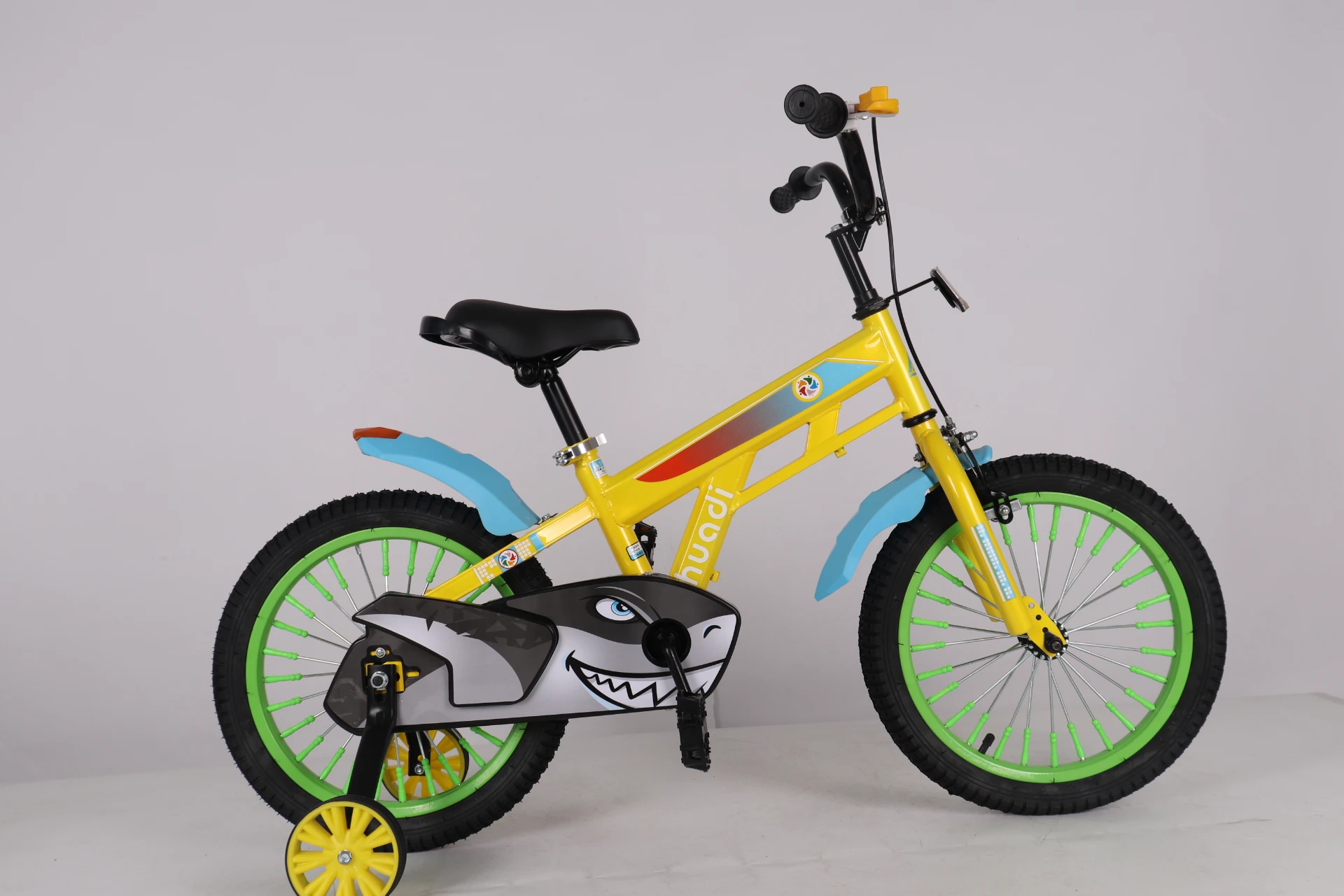
High quality kids bike children bicycle cycle cheap children bicycle with training wheel for sale
-
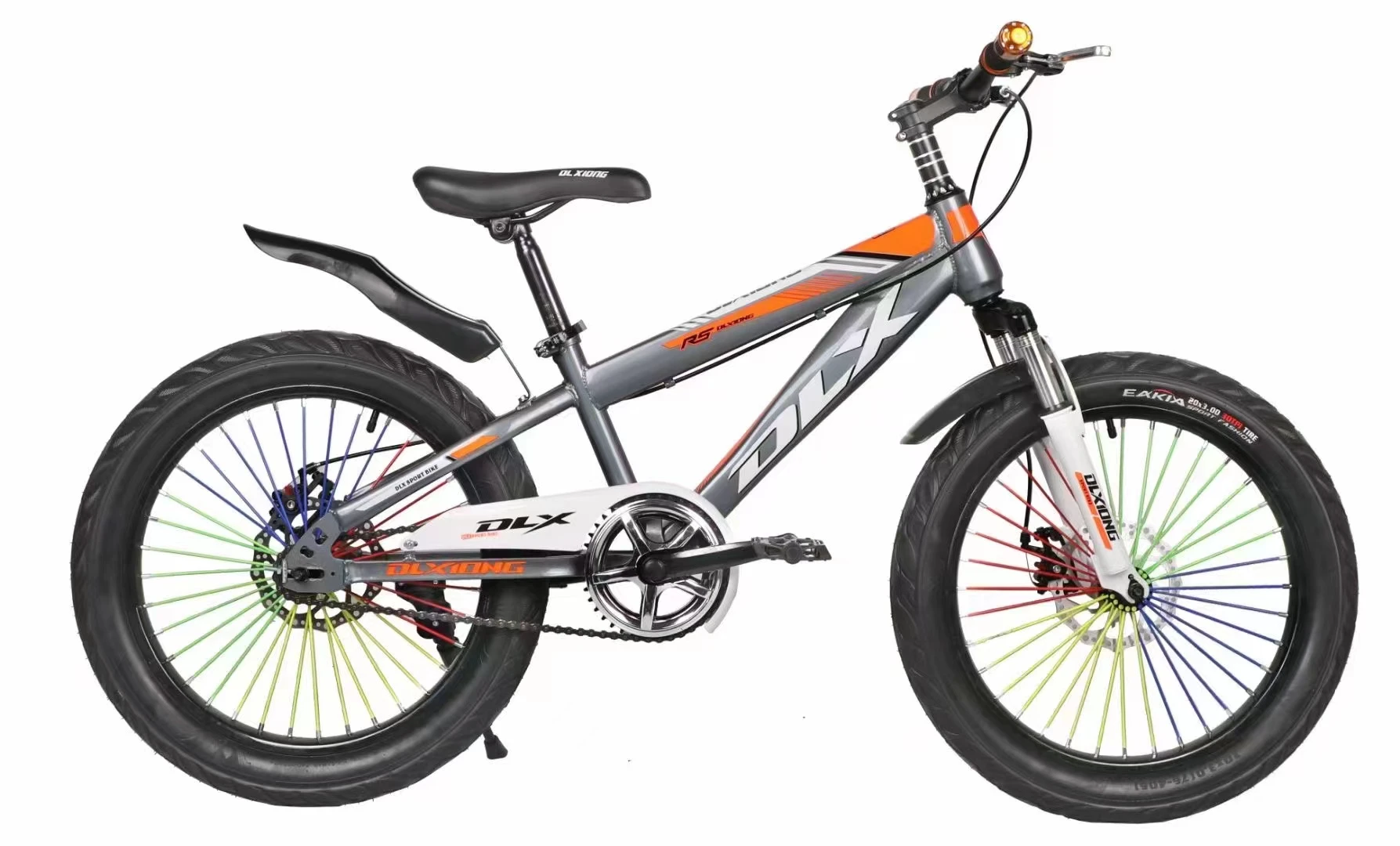
OEM 20 inch mountain bike children bikeVariable speed mountain bike suitable for student sports
-
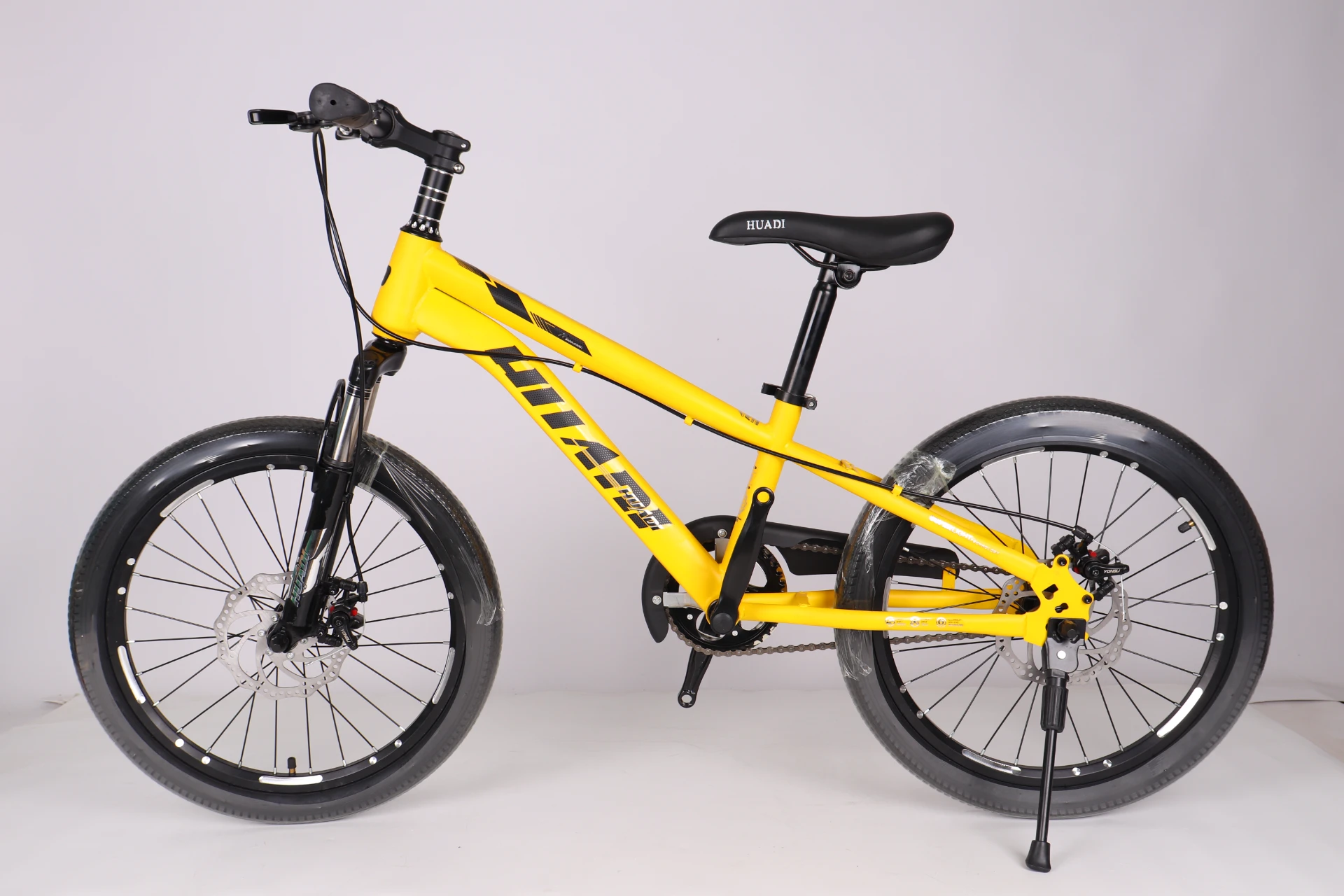
18 20 22 inch Children bike mountain bikes for 13 year old boy cycle for class 5 bicycle for 10year old boy kids
-
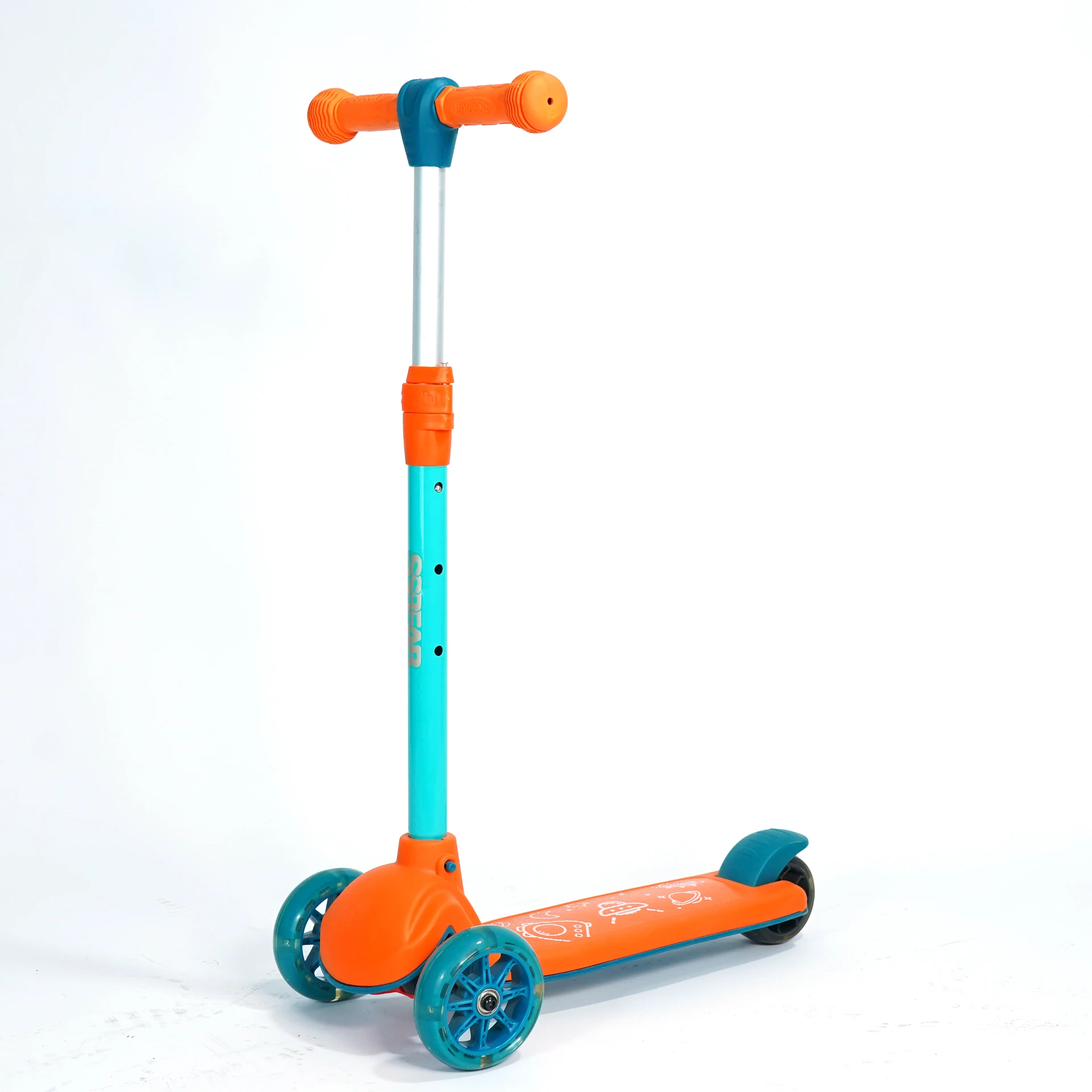
Hot Sale Kids Scooter 3 Pu Light-Up Wheel Kick Scooter For 3-6 Year Olds
-

EU Child 3 To 10 Years Baby Soccer Kick Scooters & Foot Scooters For Kids Boys
-

Factory Sale Kid Scooter Foot scooter Kids Kick scooter For Toddler.
-
Best Seller Multifunctional Folding Kid Kick 3 Wheels Children Foot Scooter Foldable Baby Kid Scooters
-
Hot sale kids bikes OEM custom cheap baby children bicycle bike beautiful cycle for girls kids
 Afrikaans
 Albanian
 Amharic
 Arabic
 Armenian
 Azerbaijani
 Basque
 Belarusian
 Bengali
 Bosnian
 Bulgarian
 Catalan
 Cebuano
 Corsican
 Croatian
 Czech
Czech
 Danish
 Dutch
Dutch
 Esperanto
 Estonian
 Finnish
 French
 Frisian
 Galician
 Georgian
 German
 Greek
Greek
 Gujarati
 Haitian Creole
 Hausa
Hausa
 Hawaiian
 Hebrew
 Hindi
Hindi
 Miao
Miao
 Hungarian
 Icelandic
 Igbo
Igbo
 Indonesian
 Irish
Irish
 Italian
 Japanese
 Javanese
 Kannada
 Kazakh
 Khmer
Khmer
 Rwandese
 Korean
 Kurdish
 Kyrgyz
 Lao
Lao
 Latin
Latin
 Latvian
 Lithuanian
 Luxembourgish
 Macedonian
 Malgashi
 Malay
Malay
 Malayalam
 Maltese
 Maori
Maori
 Marathi
 Mongolian
 Myanmar
 Nepali
 Norwegian
 Norwegian
 Occitan
 Pashto
 Persian
 Polish
 Portuguese
 Punjabi
 Romanian
 Russian
 Samoan
 Scottish Gaelic
 Serbian
 Sesotho
 Shona
Shona
 Sindhi
 Sinhala
 Slovak
 Slovenian
 Somali
 Spanish
 Sundanese
 Swahili
 Swedish
 Tagalog
 Tajik
Tajik
 Tamil
Tamil
 Tatar
Tatar
 Telugu
 Thai
Thai
 Turkish
 Turkmen
 Ukrainian
 Urdu
Urdu
 Uighur
 Uzbek
Uzbek
 Vietnamese
 Welsh
Welsh
 Bantu
Bantu
 Yiddish
 Yoruba
 Zulu
Zulu
 English