Is an Electric Scooter Age 4 Safe Complete Parents Guide
Is an Electric Scooter Age 4 Safe? A Complete Parents' Guide
Finding the perfect first ride for a young child is an exciting milestone. When searching for an electric scooter age 4, parents often balance the desire for fun with the necessity of safety. At age four, children are developing their gross motor skills and balance, making it a transitional period from three-wheeled stability to more independent movement. This guide explores how to choose a model that supports development without compromising security, ensuring your child's first experience with electric mobility is joyful and safe.
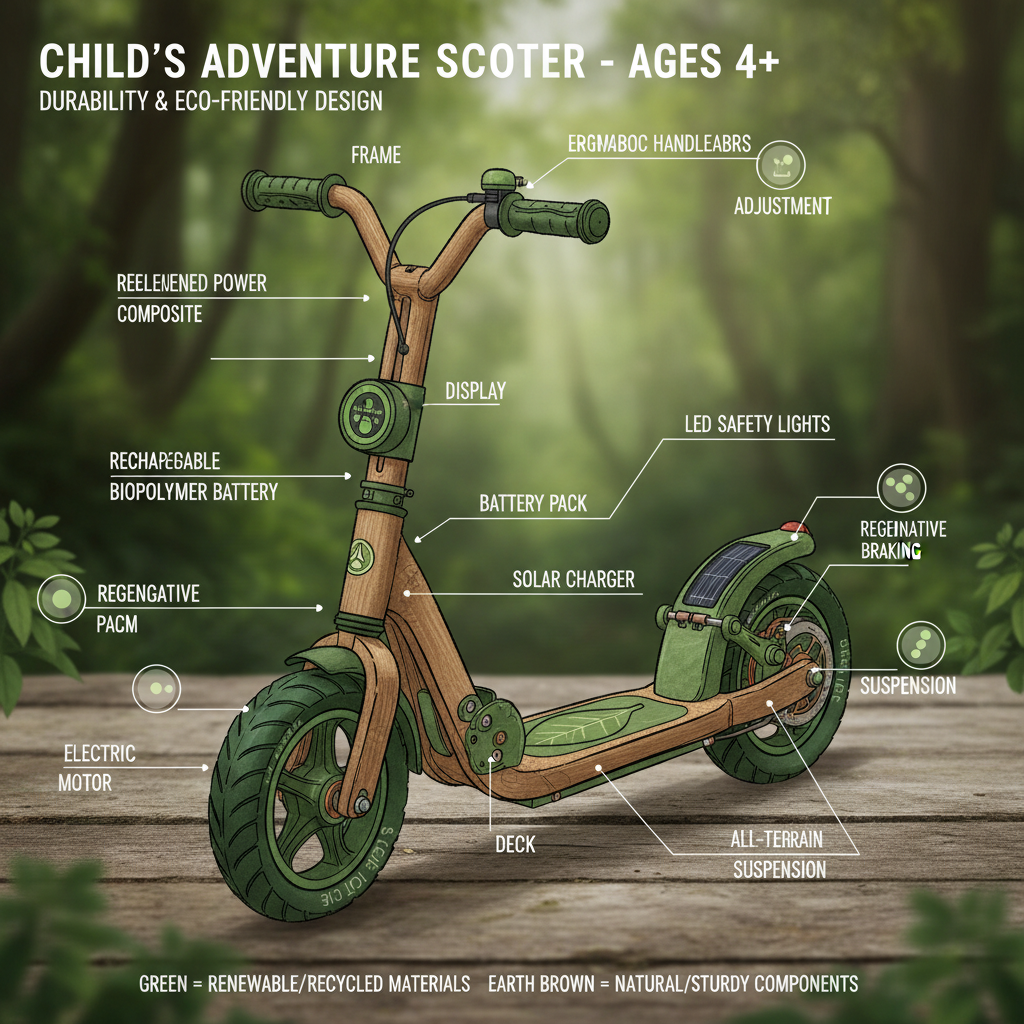
Key Safety Features for an Electric Scooter Age 4
Safety is the non-negotiable priority for any child's ride. For a 4-year-old, the scooter should feature a low center of gravity to prevent tipping. Speed limiters are essential; a child this age should not be traveling at high speeds. Look for models with gradual acceleration rather than jerky movements, which can cause a child to lose balance. Additionally, a reliable braking system—preferably a combination of a foot brake and a hand brake—is crucial for emergency stops. Choosing a high-quality electric scooter age 4 from a reputable manufacturer ensures that these safety standards are met through rigorous testing.
Safety Checklist: Priority features include speed caps (usually 3-5 mph), non-toxic materials, wide decks for stability, and bright LED lights for visibility during evening play.
Developmental Benefits of Early Electric Riding
Beyond the thrill, using an electric scooter helps children refine their coordination. Steering a vehicle requires spatial awareness and quick decision-making, which are vital cognitive skills. When children operate an electric scooter age 4, they learn the concept of cause and effect through the throttle and brake. It also encourages outdoor activity, reducing screen time and promoting physical health. By mastering a motorized scooter, children build the confidence needed to transition to bicycles or other sports in the future, fostering a lifelong love for active movement.
Comparing Scooter Types for Electric Scooter Age 4 Options
Not all scooters are created equal. For a 4-year-old, the choice usually falls between three-wheel (tri-scooters) and two-wheel models. While two-wheelers offer more agility, three-wheelers provide the stability necessary for those still mastering their balance. Below is a detailed comparison to help you decide which configuration best suits your child's current skill level.
Maintenance Tips for Your Child's Scooter
To ensure the longevity of an electric scooter age 4, regular maintenance is a must. First, check the tire pressure or wheel integrity weekly to ensure a smooth ride. Second, keep the charging port clean and free of debris to avoid electrical issues. Third, tighten any loose bolts or screws that may have vibrated loose during play. Avoid exposing the battery to extreme temperatures, and always store the scooter in a dry environment. By implementing a simple maintenance routine, you ensure that the scooter remains a safe and reliable tool for your child's adventure.
Technical Specifications for the Ideal Child's Scooter
When browsing through technical sheets, it is easy to get overwhelmed by numbers. However, for a child's model, certain specs are more important than others. For instance, a weight capacity of 50-80kg ensures the scooter can grow with the child. A battery life of 40-60 minutes per charge is usually sufficient for a 4-year-old's attention span. The following table outlines the ideal technical specifications to look for when purchasing a premium child's electric ride.
Conclusion: Making the Right Choice for Your Child
Choosing an electric scooter age 4 is about more than just a gift; it is about providing a safe environment for a child to explore and grow. By focusing on stability, speed control, and quality construction, you can ensure that your child enjoys the thrill of riding while staying protected. Remember that adult supervision and proper safety gear, such as helmets and knee pads, are essential additions to any scooter purchase. Invest in quality, prioritize safety, and watch your child's confidence soar.
Frequently Asked Questions (FAQs)
Is it too early for a 4-year-old to use an electric scooter?
Not necessarily, provided the scooter is specifically designed for that age group. A child-specific electric scooter has lower speeds and more stability than adult models. At age 4, children have the coordination to handle simple throttles. However, it is critical that the scooter has a "trainer" mode or a very low speed cap to prevent accidents. Always start in a flat, enclosed area away from traffic to allow the child to get used to the feeling of motorized movement under adult guidance.
What safety gear is required for an electric scooter age 4?
The most important piece of equipment is a certified helmet that fits snugly. Because 4-year-olds are still developing their balance, we also strongly recommend knee pads, elbow pads, and wrist guards. Even at low speeds, a small tumble can lead to scrapes. Ensuring your child wears the correct gear not only prevents injury but also teaches them the importance of safety habits from a young age. You can find high-quality accessory recommendations and compatible gear on the Zhongzhoubike website.
How long does the battery usually last on a child's electric scooter?
Typically, a battery for a child's scooter provides between 40 to 90 minutes of continuous riding time on a single charge. The actual duration depends on the child's weight and the terrain they are riding on. To maintain battery health, avoid letting the battery drain completely to 0% and avoid charging it immediately after a ride while the battery is still warm. Most modern chargers include an auto-shutoff feature to prevent overcharging, which is a key safety feature for home use.
Can a 4-year-old handle a 2-wheel electric scooter?
While some 4-year-olds have exceptional balance, the majority benefit significantly from a 3-wheel design. A 2-wheel electric scooter requires a level of core strength and equilibrium that many children only develop around age 5 or 6. If you choose a 2-wheel model, ensure it is extremely lightweight and that you provide intensive supervision. For most parents, starting with a 3-wheel electric scooter age 4 provides a safer learning curve and a more confident experience for the child.
-
Electric Scooter Age 3 Safe Introduction to Early Mobility GuideNewsApr.16,2026
-
Choosing the Best Electric Scooter for a 9 Year Old Rider's SafetyNewsApr.07,2026
-
Comprehensive Guide to Choosing the Best Electric Scooter Ages 6 UpNewsApr.04,2026
-
Choosing the Best Electric Scooter for 6yr Old Riders A Comprehensive GuideNewsMar.31,2026
-
The Ultimate Guide to Choosing an Electric Scooter for Age 10 RidersNewsMar.28,2026
-
Choosing the Ideal Electric Scooter for Age 12 A Comprehensive Buyers GuideNewsMar.26,2026
-
Choosing the Best Electric Scooter for Age 7 A Comprehensive GuideNewsMar.24,2026
Related Products
-
High quality kids bike children bicycle cycle cheap children bicycle with training wheel for sale
-
OEM 20 inch mountain bike children bikeVariable speed mountain bike suitable for student sports
-
18 20 22 inch Children bike mountain bikes for 13 year old boy cycle for class 5 bicycle for 10year old boy kids
-
Hot Sale Kids Scooter 3 Pu Light-Up Wheel Kick Scooter For 3-6 Year Olds
-
EU Child 3 To 10 Years Baby Soccer Kick Scooters & Foot Scooters For Kids Boys
-
Factory Sale Kid Scooter Foot scooter Kids Kick scooter For Toddler.
-
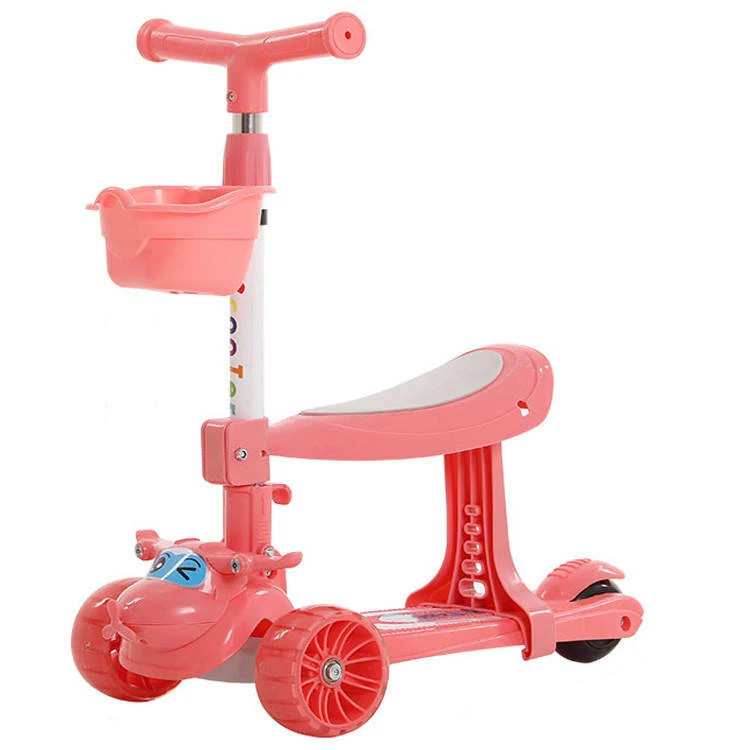
Best Seller Multifunctional Folding Kid Kick 3 Wheels Children Foot Scooter Foldable Baby Kid Scooters
-
Hot sale kids bikes OEM custom cheap baby children bicycle bike beautiful cycle for girls kids
 Afrikaans
 Albanian
 Amharic
 Arabic
 Armenian
 Azerbaijani
 Basque
 Belarusian
 Bengali
 Bosnian
 Bulgarian
 Catalan
 Cebuano
 Corsican
 Croatian
 Czech
Czech
 Danish
 Dutch
Dutch
 Esperanto
 Estonian
 Finnish
 French
 Frisian
 Galician
 Georgian
 German
 Greek
Greek
 Gujarati
 Haitian Creole
 Hausa
Hausa
 Hawaiian
 Hebrew
 Hindi
Hindi
 Miao
Miao
 Hungarian
 Icelandic
 Igbo
Igbo
 Indonesian
 Irish
Irish
 Italian
 Japanese
 Javanese
 Kannada
 Kazakh
 Khmer
Khmer
 Rwandese
 Korean
 Kurdish
 Kyrgyz
 Lao
Lao
 Latin
Latin
 Latvian
 Lithuanian
 Luxembourgish
 Macedonian
 Malgashi
 Malay
Malay
 Malayalam
 Maltese
 Maori
Maori
 Marathi
 Mongolian
 Myanmar
 Nepali
 Norwegian
 Norwegian
 Occitan
 Pashto
 Persian
 Polish
 Portuguese
 Punjabi
 Romanian
 Russian
 Samoan
 Scottish Gaelic
 Serbian
 Sesotho
 Shona
Shona
 Sindhi
 Sinhala
 Slovak
 Slovenian
 Somali
 Spanish
 Sundanese
 Swahili
 Swedish
 Tagalog
 Tajik
Tajik
 Tamil
Tamil
 Tatar
Tatar
 Telugu
 Thai
Thai
 Turkish
 Turkmen
 Ukrainian
 Urdu
Urdu
 Uighur
 Uzbek
Uzbek
 Vietnamese
 Welsh
Welsh
 Bantu
Bantu
 Yiddish
 Yoruba
 Zulu
Zulu
 English