Kids' bikes are more than just a source of fun and exercise; they're a crucial part of childhood development, fostering independence, coordination, and a lifelong love of physical activity. Globally, access to safe and reliable kids' bikes can greatly improve a child’s quality of life, enabling them to commute to school, participate in recreational activities, and explore their surroundings. Understanding the nuances of kids’ bikes, from their construction to their safety features, is vital for parents, educators, and policymakers alike.
The global market for kids' bikes is a substantial one, projected to continue its growth in the coming years. Factors driving this growth include rising disposable incomes in developing nations, increasing awareness of the health benefits of cycling, and innovative designs that cater to a wider range of ages and skill levels. However, challenges remain, including ensuring affordability, promoting safety standards, and addressing the environmental impact of manufacturing and disposal.
Investing in well-designed and appropriately sized kids' bikes is an investment in the future generation, supporting their physical and mental well-being, and paving the way for a healthier and more sustainable lifestyle. Choosing the right kids' bike can empower children and open up a world of possibilities.
Introduction to kids' bikes
The world of kids' bikes is surprisingly diverse, encompassing everything from balance bikes for toddlers to geared mountain bikes for older children. Understanding the different types of bikes, their features, and appropriate sizing is crucial for ensuring a safe and enjoyable riding experience. The right bike fosters confidence and encourages a lifelong love of cycling.
Modern kids' bikes are built with safety as a top priority, incorporating features like responsive brakes, lightweight frames, and protective components. Manufacturers are constantly innovating to create bikes that are not only fun to ride but also promote healthy development and responsible cycling habits.
Defining kids' bikes
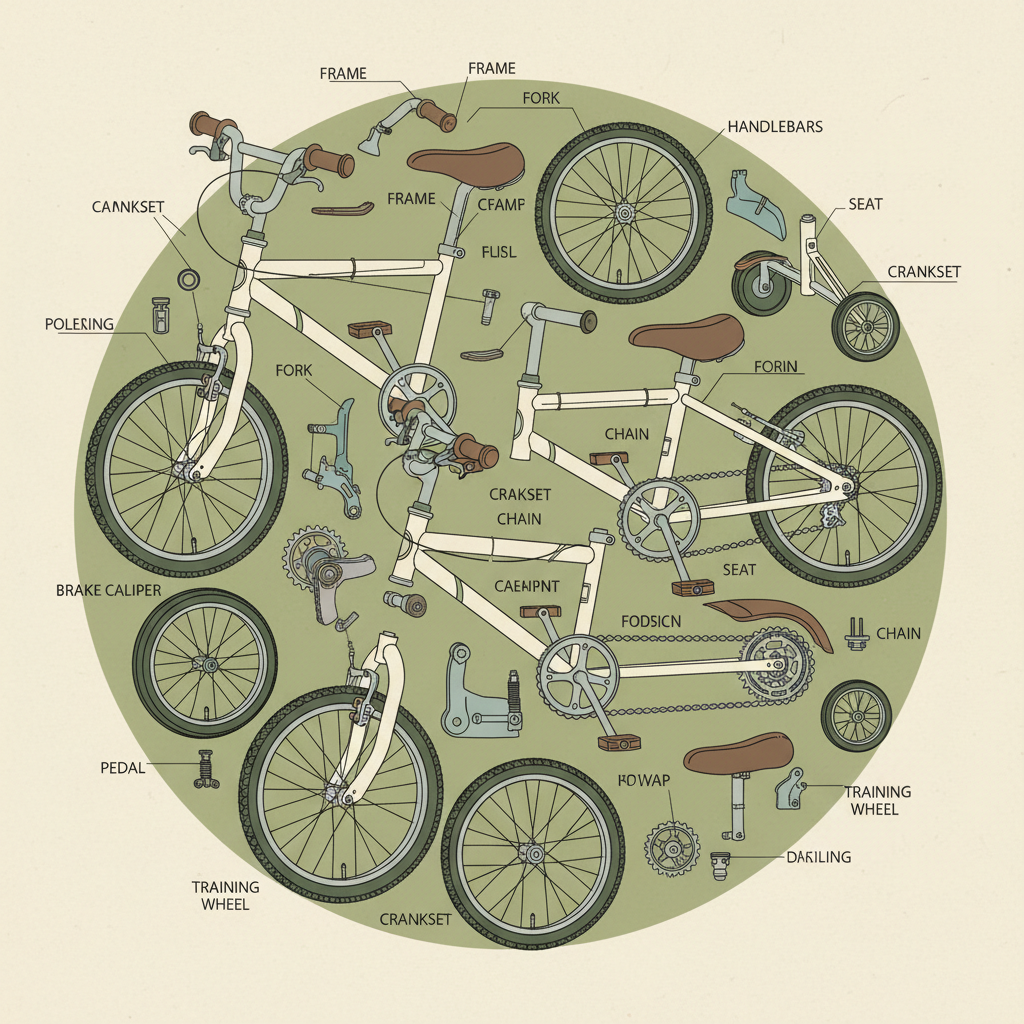
Simply put, kids' bikes are bicycles designed specifically for children. However, the definition goes beyond just size; they are engineered to accommodate a child’s developing physical abilities and smaller stature. This includes proportionally smaller components—cranks, handlebars, and saddles—and often a lighter frame weight for easier handling.
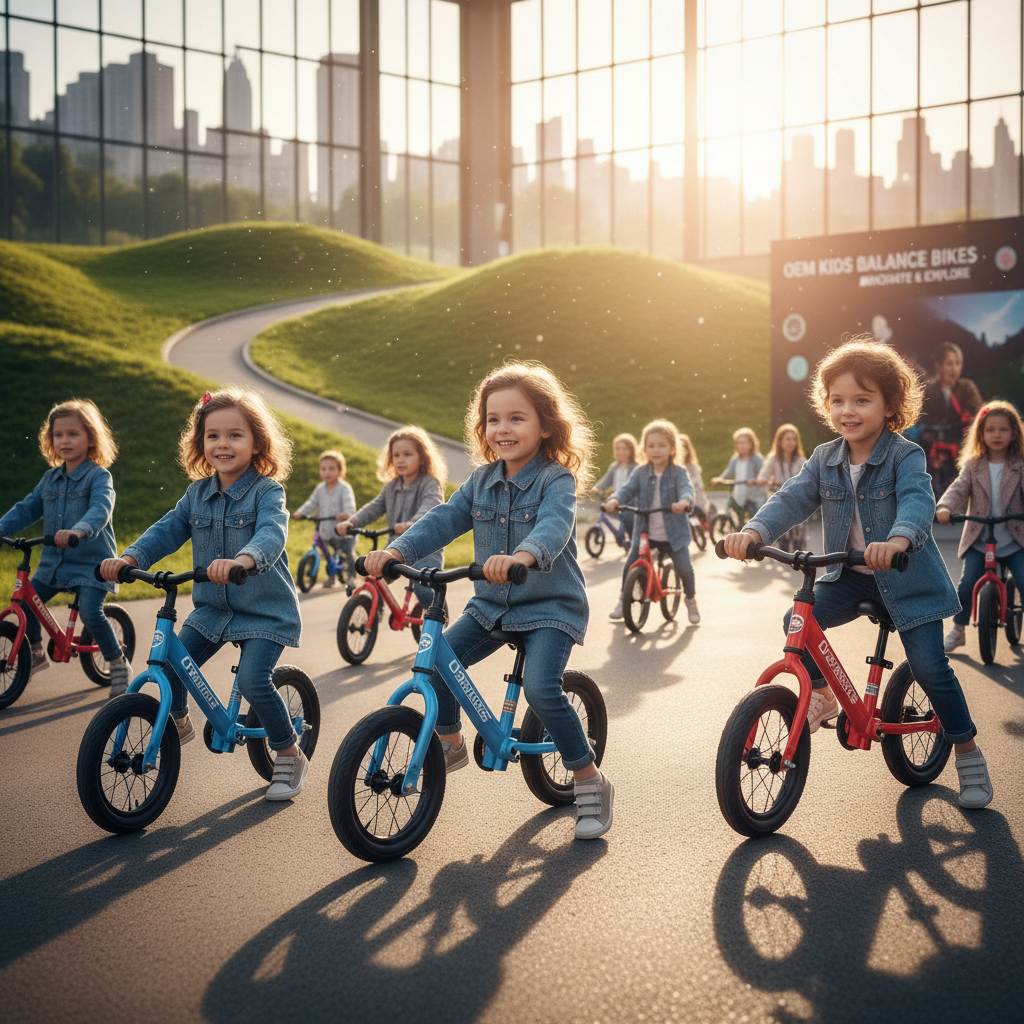
The evolution of kids' bikes reflects a growing understanding of child development. Early bikes were often simply scaled-down versions of adult bikes, which were difficult for young children to control. Now, we see specialized designs like balance bikes (bikes without pedals) that help toddlers learn to steer and balance, laying the foundation for future cycling skills.
In the modern industry, the production of kids' bikes is heavily regulated, with safety standards like those set by the ISO (International Organization for Standardization) playing a vital role. These standards ensure that kids’ bikes meet specific requirements for braking, steering, and structural integrity, minimizing the risk of accidents.
Core Components of kids' bikes
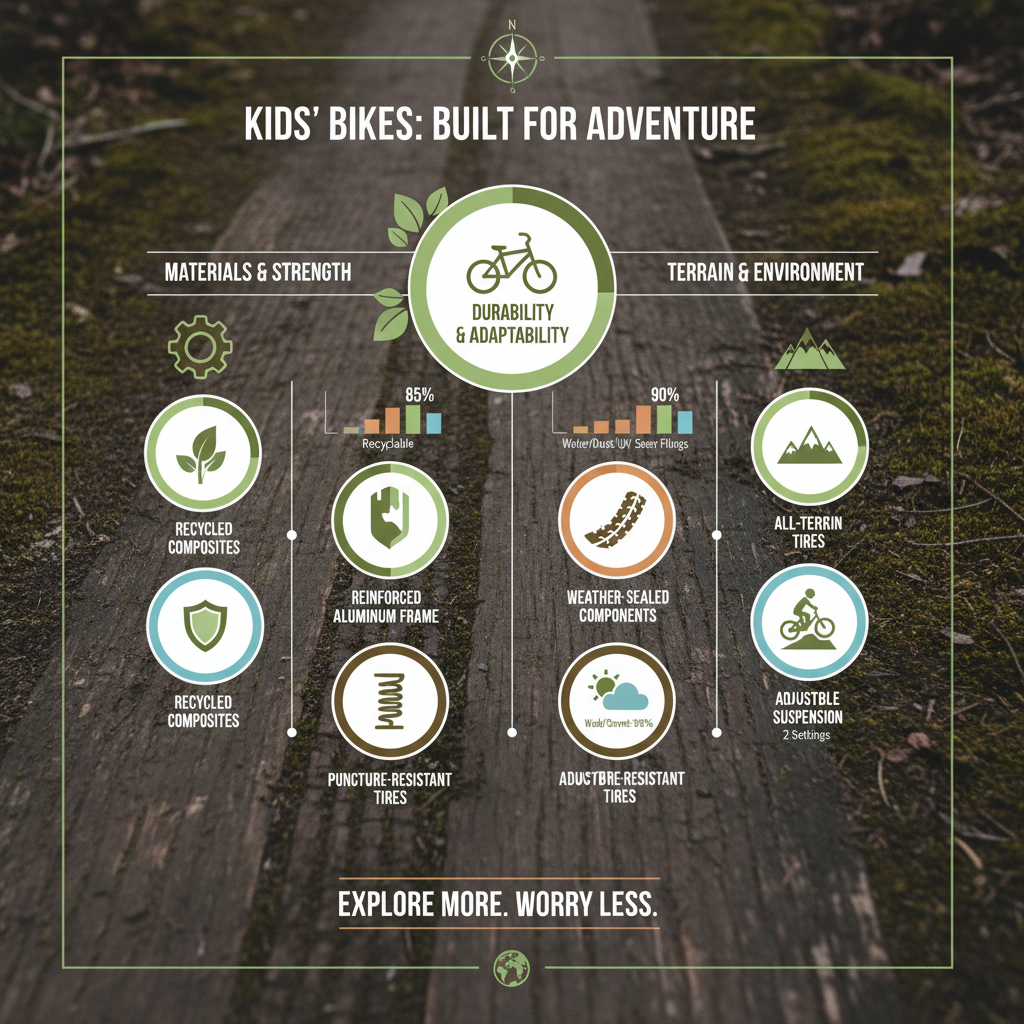
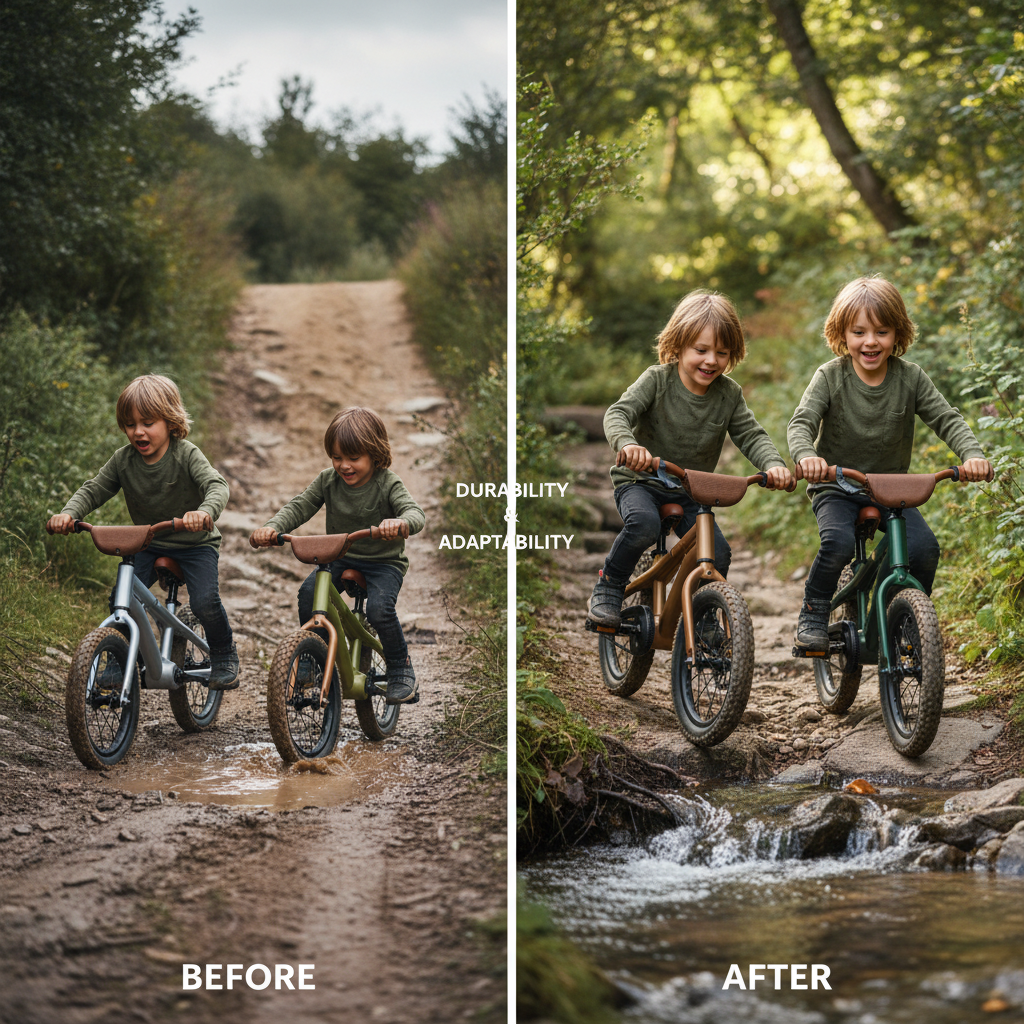
Several key factors determine the quality and suitability of a kids' bike. First, Durability is paramount. Kids are notoriously hard on their belongings, so a bike must be able to withstand bumps, scrapes, and general wear and tear. Frames made from aluminum alloy or high-tensile steel are common choices, offering a good balance of strength and weight.
Secondly, Sizing is crucial. A bike that is too large or too small will be difficult for a child to control and can lead to injury. Bike sizing is typically based on wheel diameter (e.g., 12", 16", 20") and inseam height. Proper fit ensures comfortable pedaling and easy handling.
Third, Braking Systems must be reliable and easy for small hands to operate. Coaster brakes (pedal-back brakes) are common on smaller bikes, while hand brakes become more prevalent as children grow. Adjustable brake levers are essential for accommodating different hand sizes. Fourthly, Weight is a significant factor. Lighter bikes are easier for children to maneuver and control.
Global Applications of kids' bikes
The benefits of kids' bikes extend far beyond recreational use. In many countries, they provide a vital means of transportation, allowing children to travel to school safely and independently. This is particularly important in rural areas where public transportation is limited.
Organizations around the world are utilizing kids' bikes in educational programs, teaching children about road safety, bike maintenance, and the importance of physical activity. These programs not only promote healthy lifestyles but also empower children with valuable life skills.
In post-disaster relief operations, kids' bikes can provide a sense of normalcy and independence for children affected by trauma. They offer a way to regain a sense of control and connect with their communities. Similarly, in remote industrial zones, bikes can enable children to access educational resources and opportunities.
Kids' Bike Feature Performance
Advantages of kids' bikes
The benefits of kids’ bikes are numerous. From a cost perspective, they represent a relatively affordable form of transportation compared to carpools or public transport. Long-term, investing in a good quality bike can save families money on fuel and parking. Moreover, cycling is a sustainable mode of transportation, reducing carbon emissions and promoting environmental responsibility.
Socially, kids’ bikes foster independence and self-confidence. Learning to ride a bike is a significant milestone in a child’s development, building their sense of accomplishment and resilience. Emotionally, cycling provides a sense of freedom and joy.
Future Trends in kids' bikes
We're seeing a growing trend towards electric kids' bikes, particularly for older children tackling longer distances or challenging terrain. These bikes provide an extra boost of power, making cycling more accessible and enjoyable. Another trend is the increased use of lightweight materials like carbon fiber and titanium in bike frames.
Digital integration is also becoming more common, with some bikes featuring built-in GPS tracking, speed sensors, and smartphone connectivity. These features can enhance safety and provide valuable data for monitoring a child’s cycling activity. Furthermore, designers are focusing on creating more adjustable bikes, allowing them to grow with the child and reducing the need for frequent replacements.
Sustainability is a major driver of innovation, with manufacturers exploring the use of recycled materials and eco-friendly manufacturing processes. The future of kids’ bikes is likely to be characterized by a blend of technology, sustainability, and a continued focus on safety and performance.
Challenges and Solutions for kids' bikes
One of the biggest challenges is ensuring affordability. High-quality kids' bikes can be expensive, putting them out of reach for some families. Solutions include government subsidies, charitable initiatives, and the development of more affordable bike designs.
Another challenge is maintaining safety standards, particularly with the rise of online marketplaces and counterfeit products. Increased regulation and consumer education are crucial for addressing this issue. Furthermore, promoting proper bike fit and helmet use is essential for minimizing the risk of injuries.
Finally, addressing the environmental impact of manufacturing and disposal is a growing concern. Manufacturers can adopt more sustainable practices, such as using recycled materials, reducing waste, and designing bikes for longevity and repairability.
A Summary of Challenges and Potential Solutions
| Challenge |
Impact on kids' bikes |
Potential Solution |
Implementation Difficulty (1-10) |
| High Cost |
Limited access for low-income families |
Subsidies, used bike programs |
6 |
| Safety Concerns |
Risk of injuries from faulty bikes |
Stricter safety regulations, quality control |
8 |
| Poor Fit |
Difficulty controlling the bike |
Professional bike fitting services |
5 |
| Counterfeit Products |
Low quality, potential safety hazards |
Increased monitoring of online marketplaces |
7 |
| Environmental Impact |
Waste from manufacturing and disposal |
Sustainable materials, recycling programs |
6 |
| Lack of Infrastructure |
Limited bike lanes and safe cycling routes |
Investment in cycling infrastructure |
9 |
FAQS
Most children are ready for a balance bike between 18 months and 3 years of age. The key is to ensure they have the leg strength and coordination to comfortably sit on the bike and propel themselves forward with their feet. Balance bikes help children develop crucial balancing skills before transitioning to a pedal bike, making the learning process much smoother and more intuitive. A properly sized bike is essential for this stage, allowing their feet to comfortably reach the ground.
Choosing the correct size is crucial for safety and enjoyment. Instead of going by age, measure your child’s inseam (the distance from their crotch to the floor). Bike sizes are typically based on wheel diameter (12", 16", 20", 24"). Consult a sizing chart, readily available online or at bike shops, matching your child’s inseam to the appropriate wheel size. Remember, it’s better to err on the slightly smaller side than too large, allowing for better control.
Essential safety features include responsive brakes that are easy for small hands to operate, a lightweight frame for better maneuverability, and a properly fitted helmet. Ensure the bike has chain guards to prevent clothing from getting caught and consider padded handlebars for added protection. Regularly inspect the bike for any loose parts or damage.
Coaster brakes (pedal-back brakes) are often easier for younger children to learn, as they’re intuitive and don’t require hand strength. However, as children get older and develop more coordination, hand brakes offer more precise control. Many bikes now come with both types, allowing for a gradual transition. It's essential to teach children how to use either type of brake effectively and safely.
Regular maintenance is key to ensuring your child’s bike remains safe and functional. A basic check should be done weekly, including tire pressure, brake function, and chain lubrication. A professional service is recommended at least once a year, or more frequently if the bike is used heavily. This will involve a thorough inspection of all components and adjustments as needed.
The lifespan of a kids’ bike depends on its quality, how often it's used, and how well it's maintained. Generally, a good quality bike can last through multiple children if properly cared for. However, children outgrow bikes relatively quickly, so you may need to upgrade every 1-2 years as they grow. Consider buying used bikes or participating in bike swap events to reduce costs and promote sustainability.
Conclusion
In conclusion, kids' bikes offer a wealth of benefits, from promoting physical and mental well-being to fostering independence and environmental responsibility. Understanding the core components, global applications, and future trends in kids’ bike design is crucial for making informed choices that support a child’s development and a sustainable future. Investing in quality bikes and prioritizing safety are paramount.
Looking ahead, continued innovation in materials, technology, and design will further enhance the safety, accessibility, and sustainability of kids' bikes. By addressing the challenges of affordability and infrastructure, we can ensure that all children have the opportunity to experience the joy and benefits of cycling. Visit our website today to explore our range of high-quality kids' bikes: www.zhongzhoubike.com.

 English
  Afrikaans
  Albanian
  Amharic
  Arabic
  Armenian
  Azerbaijani
  Basque
  Belarusian
  Bengali
  Bosnian
  Bulgarian
  Catalan
  Cebuano
  Corsican
  Croatian
  Czech
Czech  Danish
  Dutch
Dutch  Esperanto
  Estonian
  Finnish
  French
  Frisian
  Galician
  Georgian
  German
  Greek
Greek  Gujarati
  Haitian Creole
  Hausa
Hausa  Hawaiian
  Hebrew
  Hindi
Hindi  Miao
Miao  Hungarian
  Icelandic
  Igbo
Igbo  Indonesian
  Irish
Irish  Italian
  Japanese
  Javanese
  Kannada
  Kazakh
  Khmer
Khmer  Rwandese
  Korean
  Kurdish
  Kyrgyz
  Lao
Lao  Latin
Latin  Latvian
  Lithuanian
  Luxembourgish
  Macedonian
  Malgashi
  Malay
Malay  Malayalam
  Maltese
  Maori
Maori  Marathi
  Mongolian
  Myanmar
  Nepali
  Norwegian
  Norwegian
  Occitan
  Pashto
  Persian
  Polish
  Portuguese
  Punjabi
  Romanian
  Russian
  Samoan
  Scottish Gaelic
  Serbian
  Sesotho
  Shona
Shona  Sindhi
  Sinhala
  Slovak
  Slovenian
  Somali
  Spanish
  Sundanese
  Swahili
  Swedish
  Tagalog
  Tajik
Tajik  Tamil
Tamil  Tatar
Tatar  Telugu
  Thai
Thai  Turkish
  Turkmen
  Ukrainian
  Urdu
Urdu  Uighur
  Uzbek
Uzbek  Vietnamese
  Welsh
Welsh  Bantu
Bantu  Yiddish
  Yoruba
  Zulu
Zulu