
Little Kids Scooter – Durable, Safe & Designed for Fun
Why the Little Kids Scooter Continues to Buzz in the Industrial Equipment World
Having spent over a decade working within the industrial equipment sector, you might wonder why a simple little kids scooter would catch my eye. Oddly enough, there’s something deceptively complex about these small rides that makes them fascinating from a manufacturing and engineering perspective.
At first glance, scooters designed for kids seem straightforward — lightweight frames, simple wheels, and a handlebar. But in reality, a lot goes into ensuring safety, durability, and fun. It’s not just a plastic toy; it’s a carefully engineered piece of equipment that needs to pass multiple tests for strength, balance, and material integrity. I suppose with kids involved, the stakes feel higher.
In real terms, these scooters marry innovation with practicality. For example, the choice of materials is crucial. Many manufacturers lean toward aluminum alloy frames because they’re both sturdy and lightweight. This combination allows the scooter to hold up under rough play, without becoming a burden for the little riders. It reminds me of a vendor meeting where engineers debated the pros and cons of ABS plastic versus aluminum — ABS was lighter but compromised longevity.
Another interesting tidbit is the design of the wheels. Many scooters use polyurethane wheels that absorb shocks well and provide smoother rides over pavement, but they have to be carefully tested against the risk of slipping especially in wet conditions. Many engineers I know appreciate the nuance in tuning wheel hardness — too soft and they wear out quickly, too hard and the ride gets rough.
Key Specifications of a Typical Little Kids Scooter
| Specification | Details |
|---|---|
| Frame Material | Aluminum Alloy |
| Wheel Type | Polyurethane, 120mm diameter |
| Max Load | 50 kg (110 lbs) |
| Recommended Age | 2 - 5 years |
| Handlebar Height | Adjustable 53-60 cm |
| Brake Type | Rear foot brake |
Customization options are another aspect I like to highlight here. Several manufacturers provide interchangeability on grips, wheels, and even colors — though thanks to safety standards, these custom elements are thoroughly tested. One of my favorite client success stories involved a scooter that came with themed decals for kids who wanted to personalize their ride without compromising function.
Comparison of Leading Vendors in Little Kids Scooters
| Vendor | Material Quality | Safety Certifications | Customization | Price Range |
|---|---|---|---|---|
| Vendor A | High-grade aluminum alloy | EN 71, ASTM F963 | Limited colors | $45 - $60 |
| Vendor B | Reinforced ABS with aluminum parts | EN 71 only | Full custom decals | $40 - $55 |
| Vendor C | Premium aerospace-grade aluminum | EN 71, ASTM F963, ISO 8124 | Custom grips & colors | $65 - $80 |
Of course, no product is perfect. As I noted from visits to production lines, balancing cost, safety, and aesthetic appeal turns out to be a constant juggling act. Still, the little kids scooter remains a delightful example of how industrial design meets everyday joy. I remember watching a toddler's face light up when they took their first ride — it really brings home why quality and care in design are so important.
So, if you’re scouting for a solid scooter that’s engineered with an experienced hand, make sure these key aspects — material integrity, safety certifications, customization, and smart design — are on your checklist.
Frankly, working so closely with this sector has made me appreciate how a “simple” kids’ scooter is anything but simple behind the scenes.
References:
- European Committee for Standardization, EN 71 Safety Standards
- ASTM International, ASTM F963 Toy Safety
- Interviews with manufacturers and product engineers (2018-2023)
Simple rides, big engineering — it's a fun world.
-
Electric Scooter Age 3 Safe Introduction to Early Mobility GuideNewsApr.16,2026
-
Is an Electric Scooter Age 4 Safe Complete Parents GuideNewsApr.09,2026
-
Choosing the Best Electric Scooter for a 9 Year Old Rider's SafetyNewsApr.07,2026
-
Comprehensive Guide to Choosing the Best Electric Scooter Ages 6 UpNewsApr.04,2026
-
Choosing the Best Electric Scooter for 6yr Old Riders A Comprehensive GuideNewsMar.31,2026
-
The Ultimate Guide to Choosing an Electric Scooter for Age 10 RidersNewsMar.28,2026
-
Choosing the Ideal Electric Scooter for Age 12 A Comprehensive Buyers GuideNewsMar.26,2026
Related Products
-
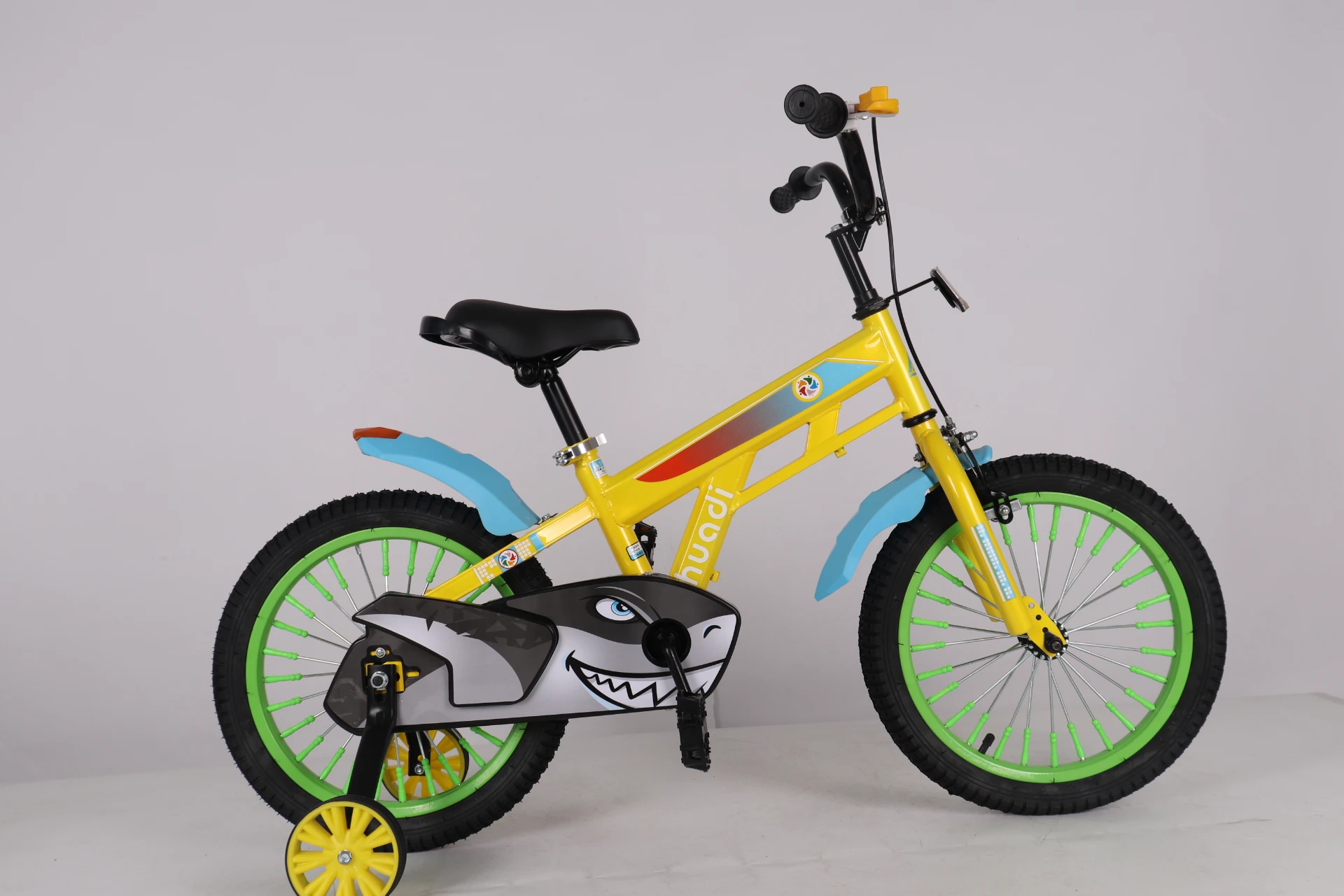
High quality kids bike children bicycle cycle cheap children bicycle with training wheel for sale
-
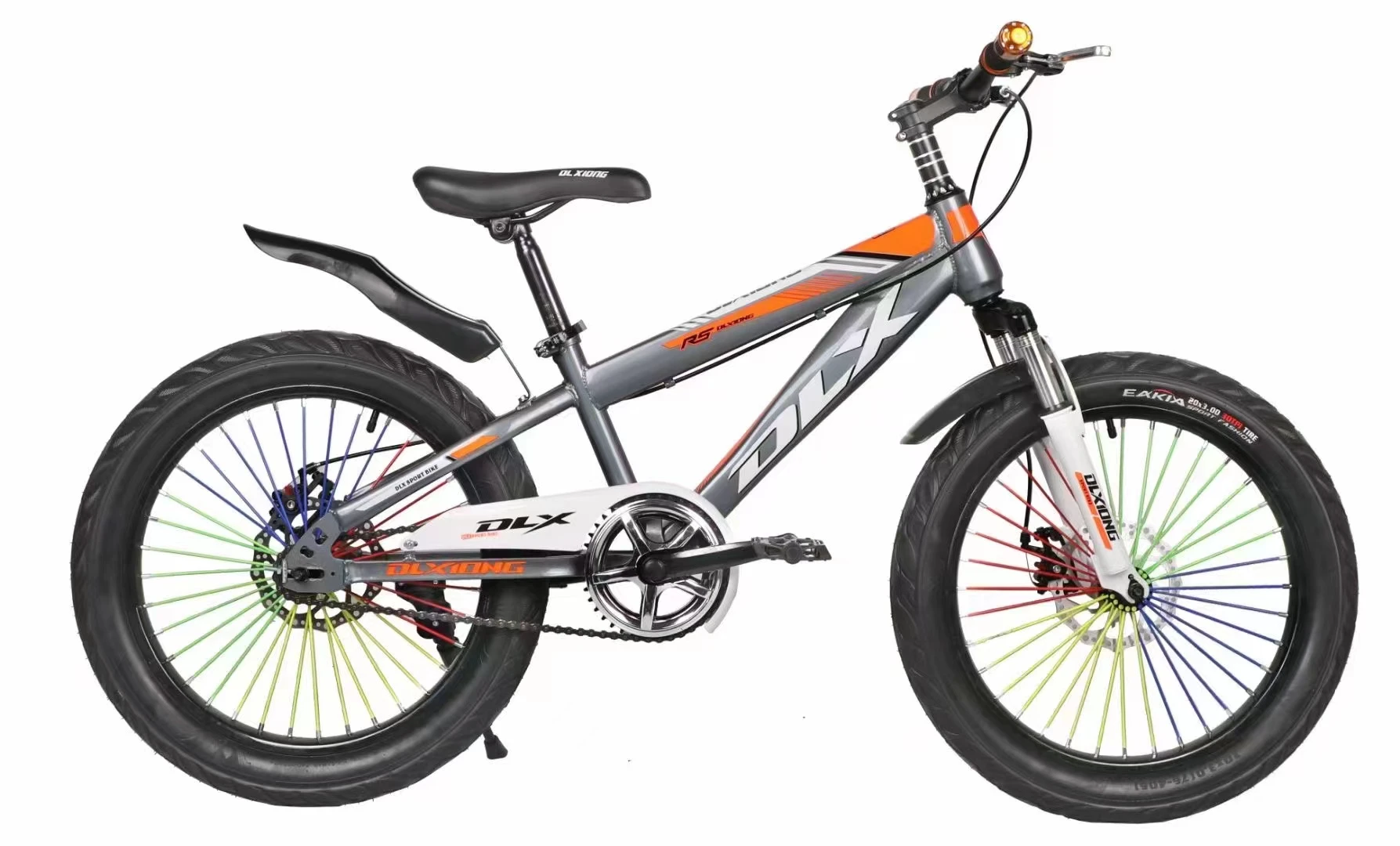
OEM 20 inch mountain bike children bikeVariable speed mountain bike suitable for student sports
-
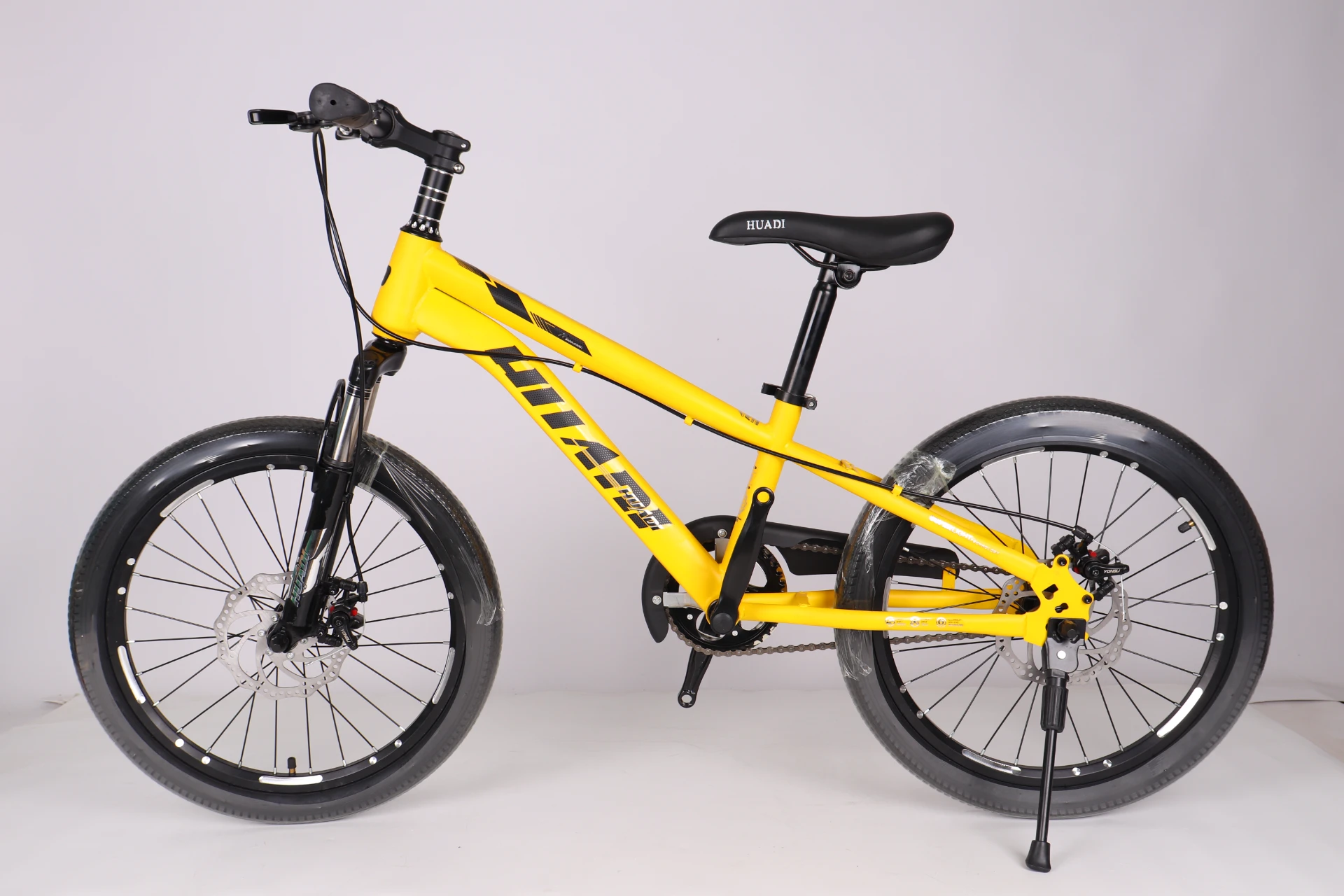
18 20 22 inch Children bike mountain bikes for 13 year old boy cycle for class 5 bicycle for 10year old boy kids
-
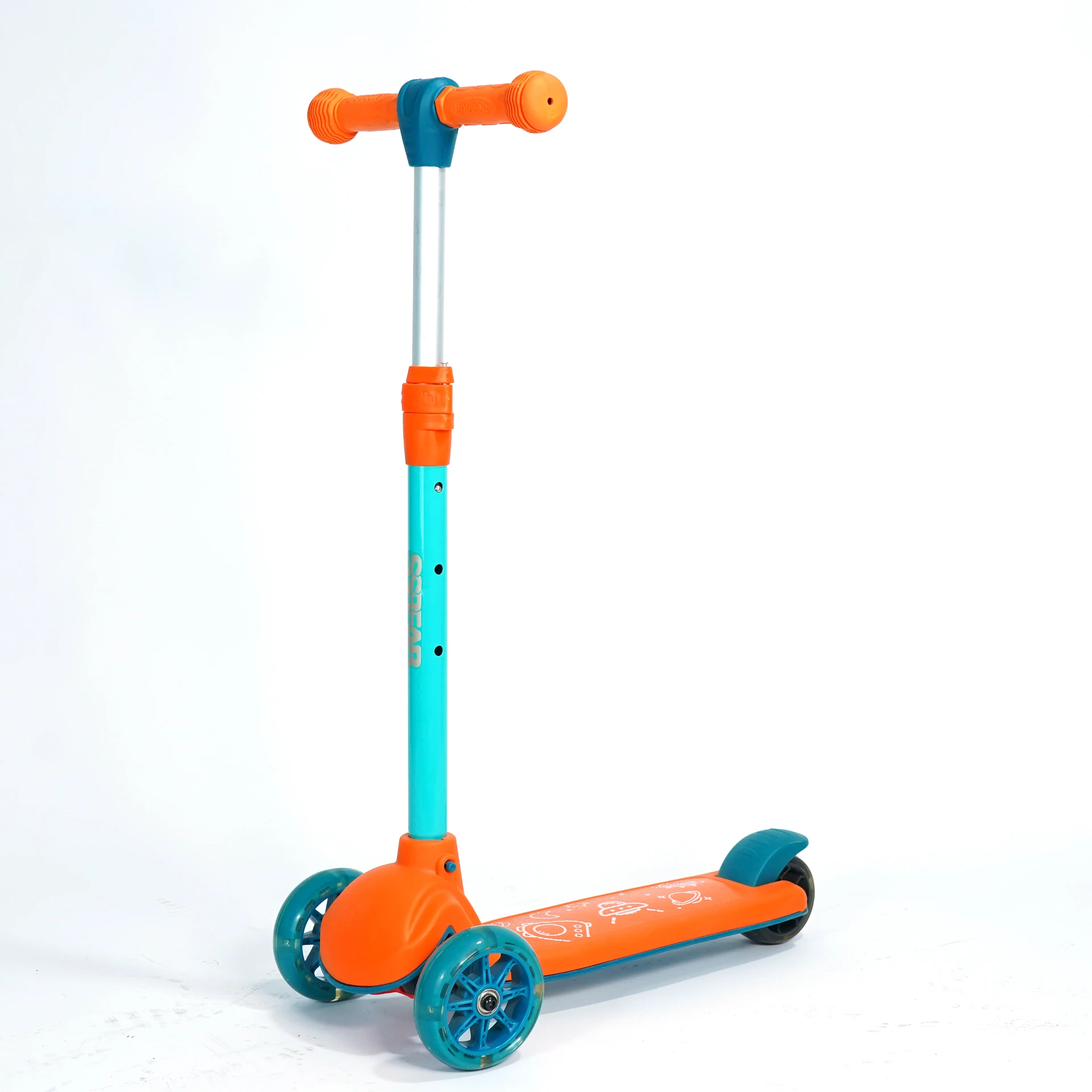
Hot Sale Kids Scooter 3 Pu Light-Up Wheel Kick Scooter For 3-6 Year Olds
-
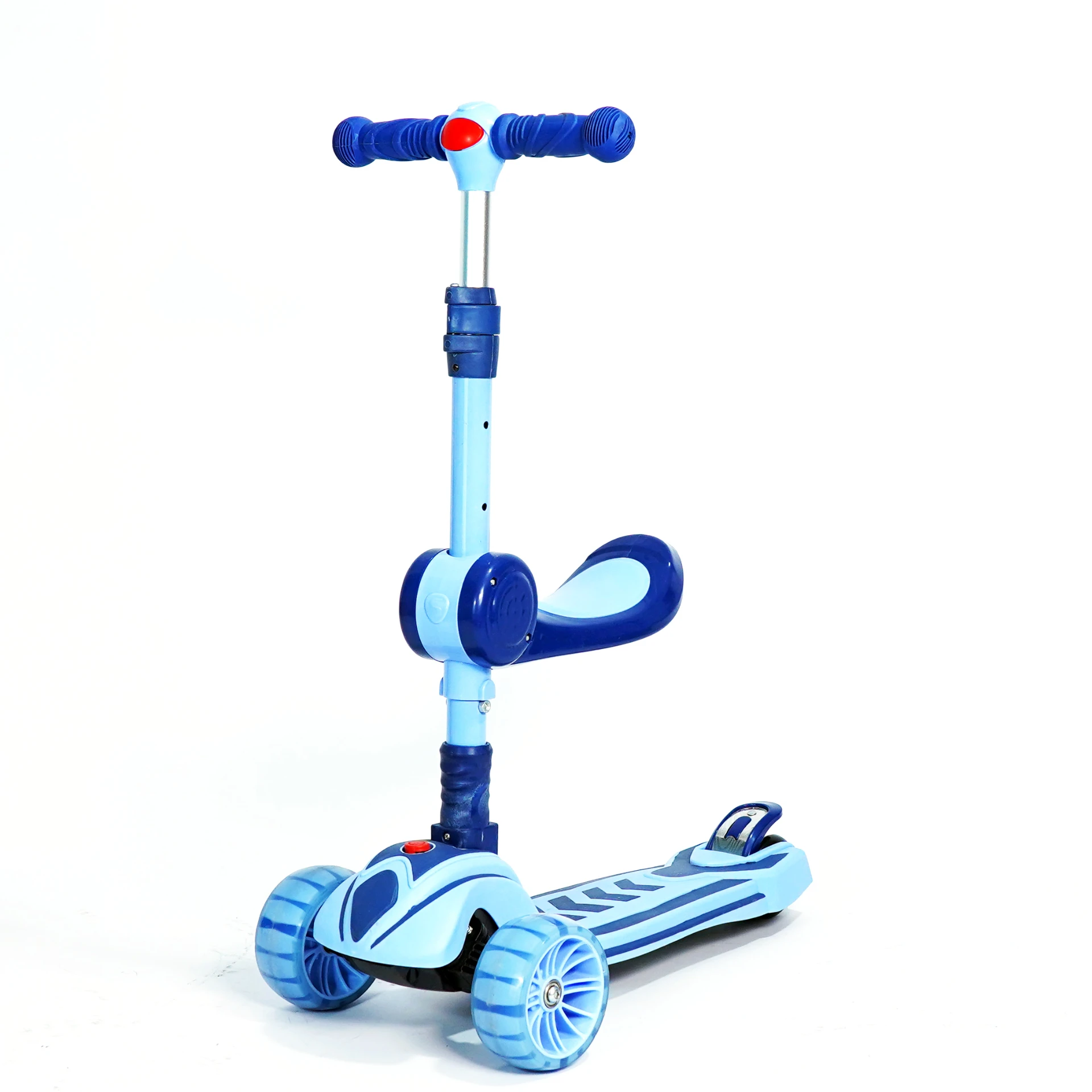
EU Child 3 To 10 Years Baby Soccer Kick Scooters & Foot Scooters For Kids Boys
-
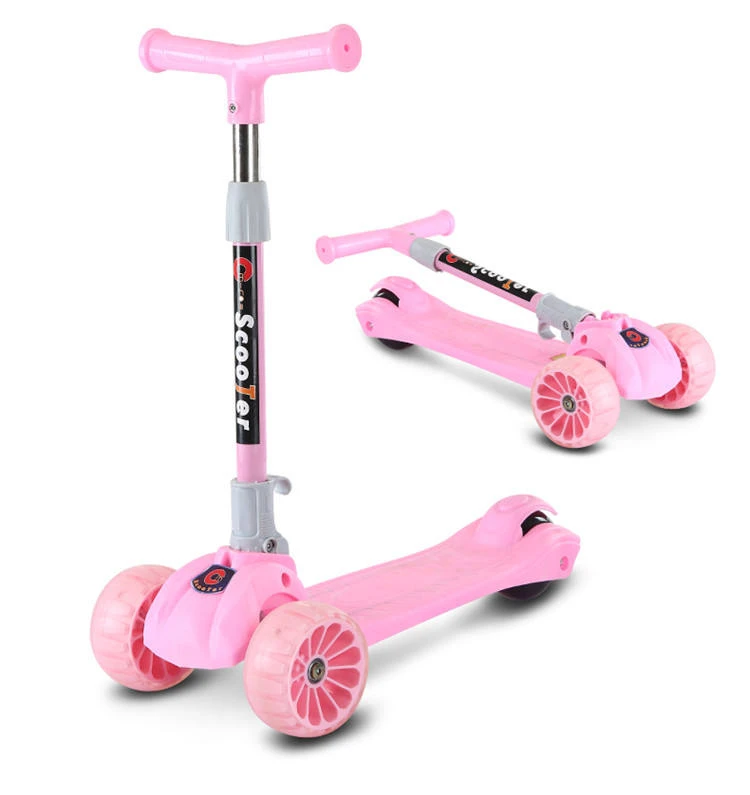
Factory Sale Kid Scooter Foot scooter Kids Kick scooter For Toddler.
-
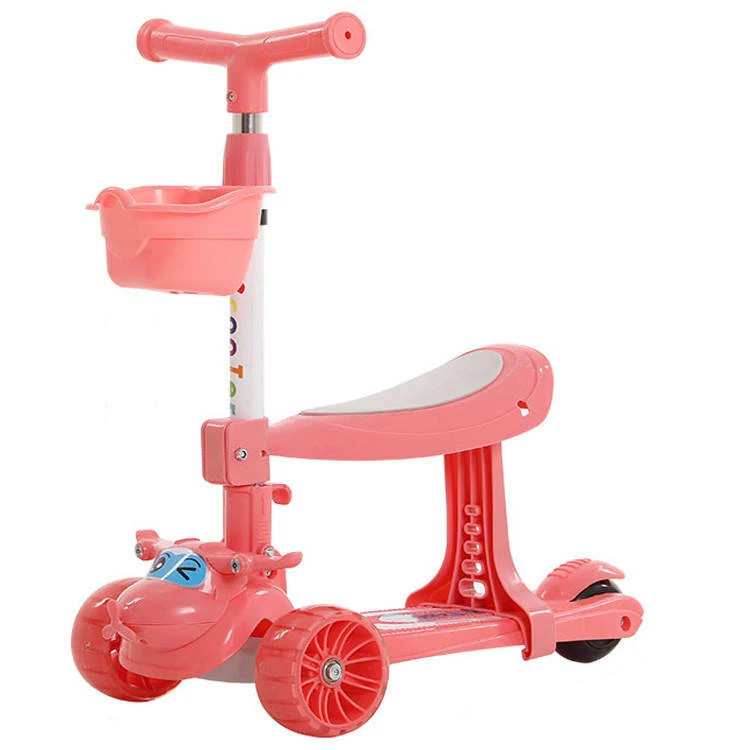
Best Seller Multifunctional Folding Kid Kick 3 Wheels Children Foot Scooter Foldable Baby Kid Scooters
-
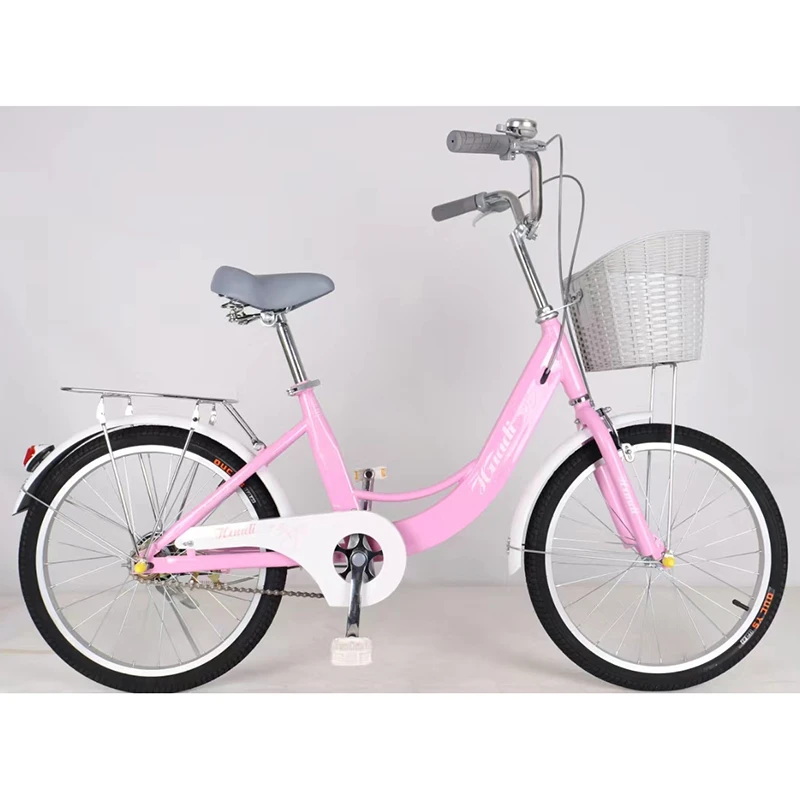
Hot sale kids bikes OEM custom cheap baby children bicycle bike beautiful cycle for girls kids
 Afrikaans
 Albanian
 Amharic
 Arabic
 Armenian
 Azerbaijani
 Basque
 Belarusian
 Bengali
 Bosnian
 Bulgarian
 Catalan
 Cebuano
 Corsican
 Croatian
 Czech
Czech
 Danish
 Dutch
Dutch
 Esperanto
 Estonian
 Finnish
 French
 Frisian
 Galician
 Georgian
 German
 Greek
Greek
 Gujarati
 Haitian Creole
 Hausa
Hausa
 Hawaiian
 Hebrew
 Hindi
Hindi
 Miao
Miao
 Hungarian
 Icelandic
 Igbo
Igbo
 Indonesian
 Irish
Irish
 Italian
 Japanese
 Javanese
 Kannada
 Kazakh
 Khmer
Khmer
 Rwandese
 Korean
 Kurdish
 Kyrgyz
 Lao
Lao
 Latin
Latin
 Latvian
 Lithuanian
 Luxembourgish
 Macedonian
 Malgashi
 Malay
Malay
 Malayalam
 Maltese
 Maori
Maori
 Marathi
 Mongolian
 Myanmar
 Nepali
 Norwegian
 Norwegian
 Occitan
 Pashto
 Persian
 Polish
 Portuguese
 Punjabi
 Romanian
 Russian
 Samoan
 Scottish Gaelic
 Serbian
 Sesotho
 Shona
Shona
 Sindhi
 Sinhala
 Slovak
 Slovenian
 Somali
 Spanish
 Sundanese
 Swahili
 Swedish
 Tagalog
 Tajik
Tajik
 Tamil
Tamil
 Tatar
Tatar
 Telugu
 Thai
Thai
 Turkish
 Turkmen
 Ukrainian
 Urdu
Urdu
 Uighur
 Uzbek
Uzbek
 Vietnamese
 Welsh
Welsh
 Bantu
Bantu
 Yiddish
 Yoruba
 Zulu
Zulu
 English