
Durable Micro Scooter for Kids – Safe, Lightweight & Fun Rides
Micro Scooter for Kids: The Little Ride That Makes a Big Difference
After spending more than a decade working closely with industrial equipment — from rugged machines to precision tools — I’ve seen countless gadgets designed with purpose and care. Oddly enough, some of the same principles apply when we talk about micro scooter for kids. Those tiny rides might seem simple, but the design, materials, and craftsmanship behind a good micro scooter actually matter a great deal. Frankly, when we’re talking about children’s toys — especially those intended for outdoor activity — safety, durability, and usability can't just be afterthoughts.
The micro scooter trend picked up steam in the early 2000s, and I suppose what really hooked me was the blend of industrial design with playful function. The frame is usually made from lightweight aluminum alloy — sturdy yet nimble — and the wheels are crafted from polyurethane for smooth rides on pavement. What struck me early on is how the engineers behind these scooters obsess over tiny tolerances. It's not just “a toy.” It’s a kid’s first balance facilitator, their initiation into outdoor mobility.
Testing, naturally, is rigorous. We’re talking about repeated impact tests and load-bearing checks. Kids can be rough — I’ve seen scooters survive scratches, twists, and at times, a TNT-like bounce after a trick gone wrong. I remember a client telling me how one of their children’s scooters withstood a six-foot drop without a scratch. That kind of robustness is reassuring because it means the scooter isn’t just lightweight but reliably safe.
One thing I’ve noticed in recent years is the emphasis on customization. Parents want colors and styles that reflect their kiddo’s personality, while engineers still aim for ergonomics — adjustable handlebar heights, non-slip decks, and easy folding mechanisms. Some scooters even feature shock absorbers for bumpier surfaces, which frankly surprised me. It’s a nod to how this “simple ride” has matured into a nuanced product balancing fun and engineering.
Usage-wise, micro scooters suit kids roughly between two and eight years old. Their compact design encourages balance development, motor skill improvement, and frankly, a bit of fresh-air joy in a tech-heavy childhood. I recall chatting with an occupational therapist who said micro scooters are actually a fantastic tool for kids emerging from physical therapy — helping them regain coordination in a way that feels like play instead of work.
Key Product Specifications
| Feature | Specification |
|---|---|
| Material | Aluminum alloy frame |
| Wheels | PU (polyurethane), 120mm front & rear |
| Weight Capacity | Up to 50 kg (110 lbs) |
| Adjustable Handlebar Height | 60cm to 90cm |
| Braking System | Rear foot brake |
| Foldability | Yes, quick fold for storage |
Comparison Between Leading Micro Scooter Vendors
| Vendor | Material Quality | Safety Features | Customization Options | Price Range |
|---|---|---|---|---|
| Zhongzhou Bike | High-grade aluminum alloy | Child-lock brakes, reflective decals | Colors & handlebar grips | $$ |
| ScootEase | Aluminum alloy with reinforced joints | Rear brake with LED lights | Custom decals & adjustable height | $$$ |
| KidGlide | Stainless steel frame | Foot brake & safety wrist strap | Limited color range | $ |
In real terms, picking the right micro scooter for a child boils down to striking a balance between durability, safety, and fun. This micro scooter for kids by Zhongzhou Bike, for example, blends sturdy engineering with kid-friendly features — the kind you can trust after years of machinery background.
I once visited a family whose young son had a scooter that doubled as his morning motivator — a quick ride around the block before breakfast. His parents valued not just the design, but how the scooter encouraged independence in a safe and joyful way. It's funny how something so “simple” can spark that kind of childhood magic.
If you ask me, the humble micro scooter represents a small but meaningful intersection of play and purposeful engineering — and that’s why it deserves a bit more respect than just “a kid’s toy.”
– Written by a seasoned industrial equipment expert with years of hands-on experience.
References:
1. ASTM F2641-18 Consumer Product Safety Standard for Riding Toys
2. Industry reports on child mobility devices, 2023
3. Occupational therapy insights on motor skill development
-
Electric Scooter Age 3 Safe Introduction to Early Mobility GuideNewsApr.16,2026
-
Is an Electric Scooter Age 4 Safe Complete Parents GuideNewsApr.09,2026
-
Choosing the Best Electric Scooter for a 9 Year Old Rider's SafetyNewsApr.07,2026
-
Comprehensive Guide to Choosing the Best Electric Scooter Ages 6 UpNewsApr.04,2026
-
Choosing the Best Electric Scooter for 6yr Old Riders A Comprehensive GuideNewsMar.31,2026
-
The Ultimate Guide to Choosing an Electric Scooter for Age 10 RidersNewsMar.28,2026
-
Choosing the Ideal Electric Scooter for Age 12 A Comprehensive Buyers GuideNewsMar.26,2026
Related Products
-
High quality kids bike children bicycle cycle cheap children bicycle with training wheel for sale
-
OEM 20 inch mountain bike children bikeVariable speed mountain bike suitable for student sports
-
18 20 22 inch Children bike mountain bikes for 13 year old boy cycle for class 5 bicycle for 10year old boy kids
-
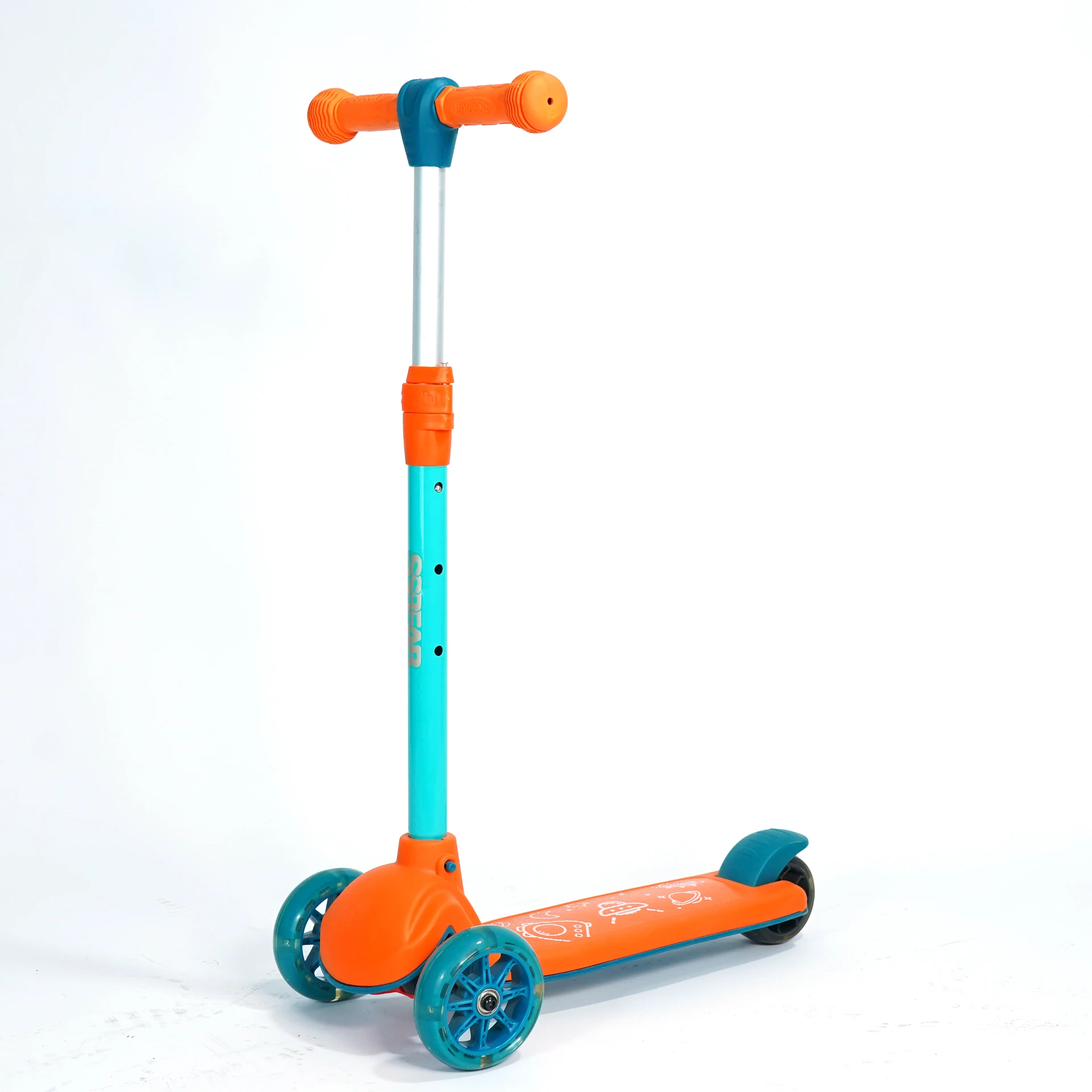
Hot Sale Kids Scooter 3 Pu Light-Up Wheel Kick Scooter For 3-6 Year Olds
-
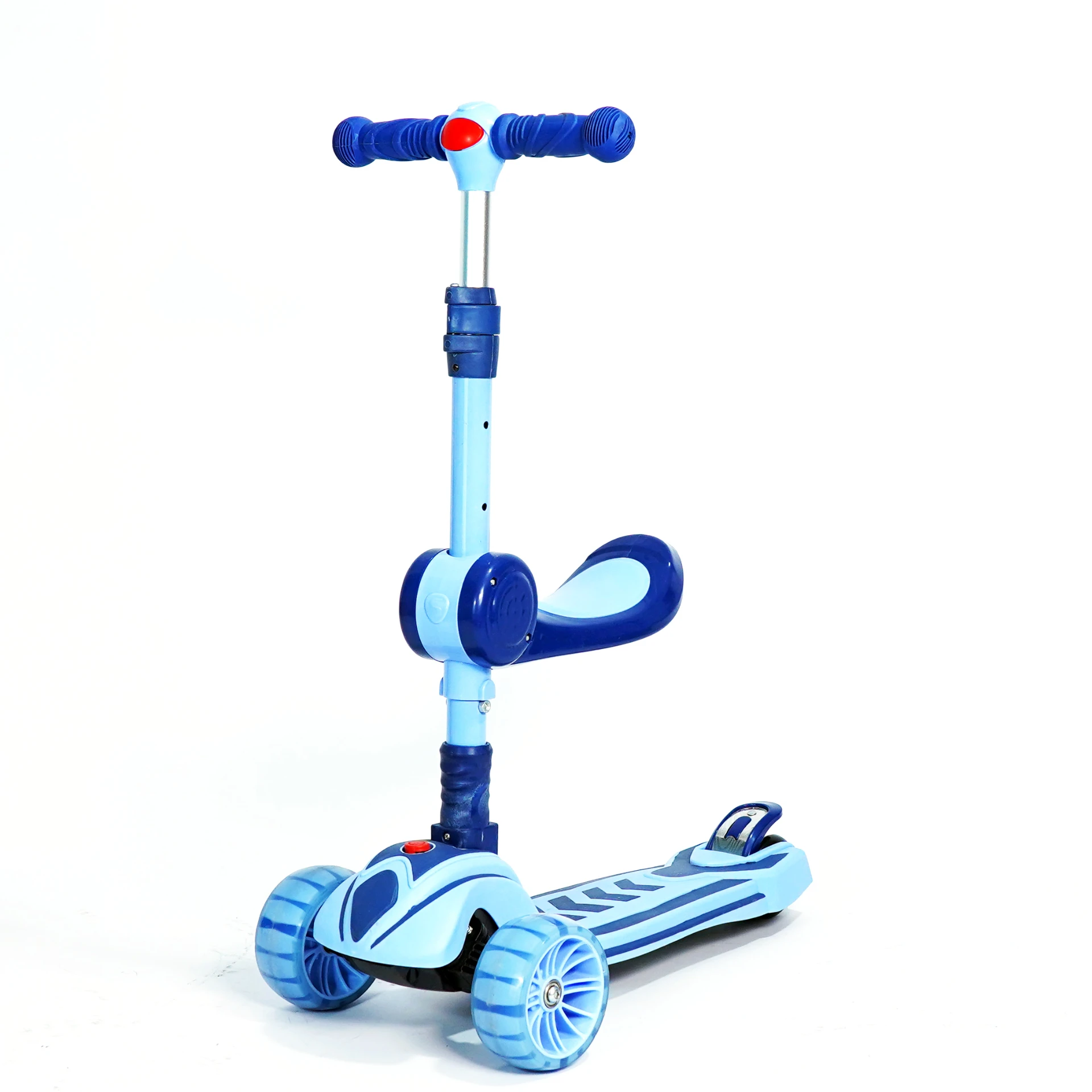
EU Child 3 To 10 Years Baby Soccer Kick Scooters & Foot Scooters For Kids Boys
-
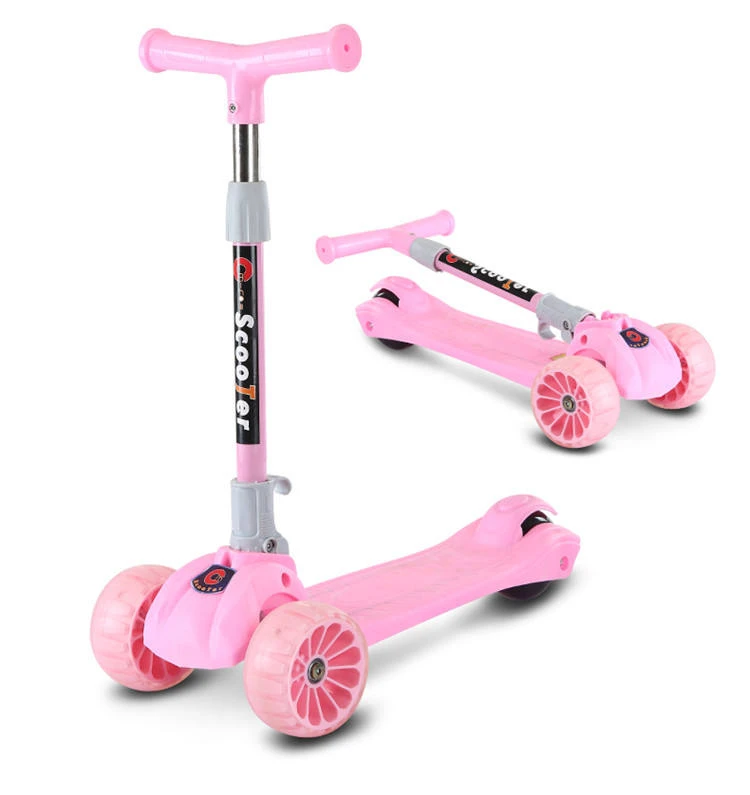
Factory Sale Kid Scooter Foot scooter Kids Kick scooter For Toddler.
-
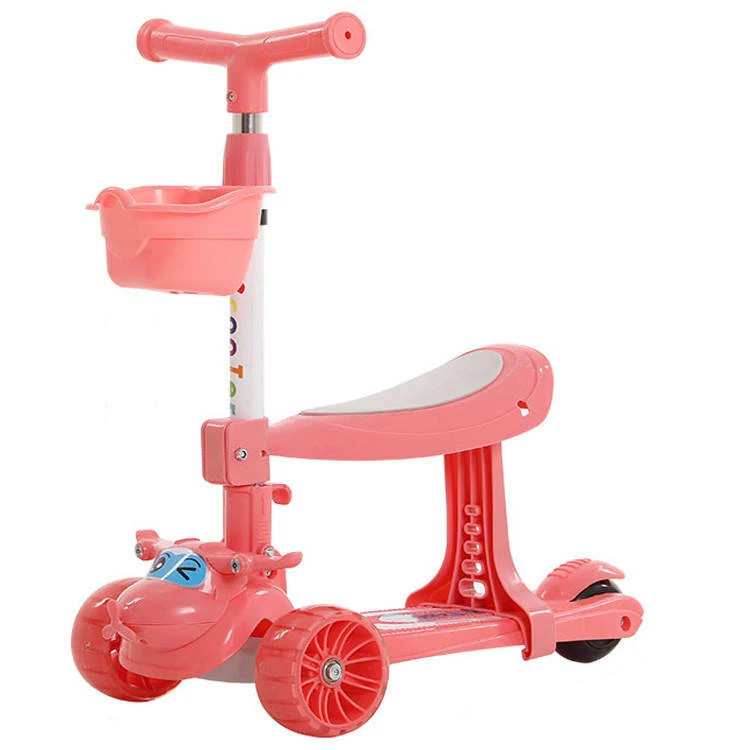
Best Seller Multifunctional Folding Kid Kick 3 Wheels Children Foot Scooter Foldable Baby Kid Scooters
-
Hot sale kids bikes OEM custom cheap baby children bicycle bike beautiful cycle for girls kids
 Afrikaans
 Albanian
 Amharic
 Arabic
 Armenian
 Azerbaijani
 Basque
 Belarusian
 Bengali
 Bosnian
 Bulgarian
 Catalan
 Cebuano
 Corsican
 Croatian
 Czech
Czech
 Danish
 Dutch
Dutch
 Esperanto
 Estonian
 Finnish
 French
 Frisian
 Galician
 Georgian
 German
 Greek
Greek
 Gujarati
 Haitian Creole
 Hausa
Hausa
 Hawaiian
 Hebrew
 Hindi
Hindi
 Miao
Miao
 Hungarian
 Icelandic
 Igbo
Igbo
 Indonesian
 Irish
Irish
 Italian
 Japanese
 Javanese
 Kannada
 Kazakh
 Khmer
Khmer
 Rwandese
 Korean
 Kurdish
 Kyrgyz
 Lao
Lao
 Latin
Latin
 Latvian
 Lithuanian
 Luxembourgish
 Macedonian
 Malgashi
 Malay
Malay
 Malayalam
 Maltese
 Maori
Maori
 Marathi
 Mongolian
 Myanmar
 Nepali
 Norwegian
 Norwegian
 Occitan
 Pashto
 Persian
 Polish
 Portuguese
 Punjabi
 Romanian
 Russian
 Samoan
 Scottish Gaelic
 Serbian
 Sesotho
 Shona
Shona
 Sindhi
 Sinhala
 Slovak
 Slovenian
 Somali
 Spanish
 Sundanese
 Swahili
 Swedish
 Tagalog
 Tajik
Tajik
 Tamil
Tamil
 Tatar
Tatar
 Telugu
 Thai
Thai
 Turkish
 Turkmen
 Ukrainian
 Urdu
Urdu
 Uighur
 Uzbek
Uzbek
 Vietnamese
 Welsh
Welsh
 Bantu
Bantu
 Yiddish
 Yoruba
 Zulu
Zulu
 English