The world of children's bicycles is a vibrant and ever-growing market, fueled by a global emphasis on healthy lifestyles and active play. Finding the right childrens bike for sale can be a significant decision for parents, impacting their child's physical development, confidence, and enjoyment of outdoor activities. This market isn't just about recreation; it's about providing safe, reliable, and appropriately sized transportation for young riders.
Globally, the demand for quality childrens bikes is consistently high, driven by rising disposable incomes in developing nations and a renewed focus on child wellbeing in established economies. According to market research, the global children's bicycle market is projected to reach billions of dollars in the coming years, demonstrating a strong and sustained growth trajectory. Access to a good childrens bike for sale contributes to a child's independence and allows for exploration, learning, and social interaction.
Understanding the nuances of the childrens bike for sale market—from frame materials and safety features to appropriate sizing and price points—is crucial for both consumers and retailers. A well-informed purchase ensures a positive experience for the child and fosters a lifelong love of cycling. Choosing the right bike isn't just about getting from point A to point B; it's about building memories and promoting a healthy lifestyle.
The Importance of Childrens Bike for Sale
A childrens bike for sale isn't merely a toy; it’s an investment in a child’s physical and mental wellbeing. It promotes cardiovascular health, strengthens muscles, and improves coordination and balance. Early exposure to cycling instills a sense of freedom and adventure, encouraging children to explore their surroundings and engage in outdoor activities.
Beyond physical benefits, owning a bike fosters independence and responsibility. Children learn to maintain their bikes, follow safety rules, and navigate their environment with increasing confidence. This contributes to their overall development and helps build essential life skills.
Defining Childrens Bike for Sale
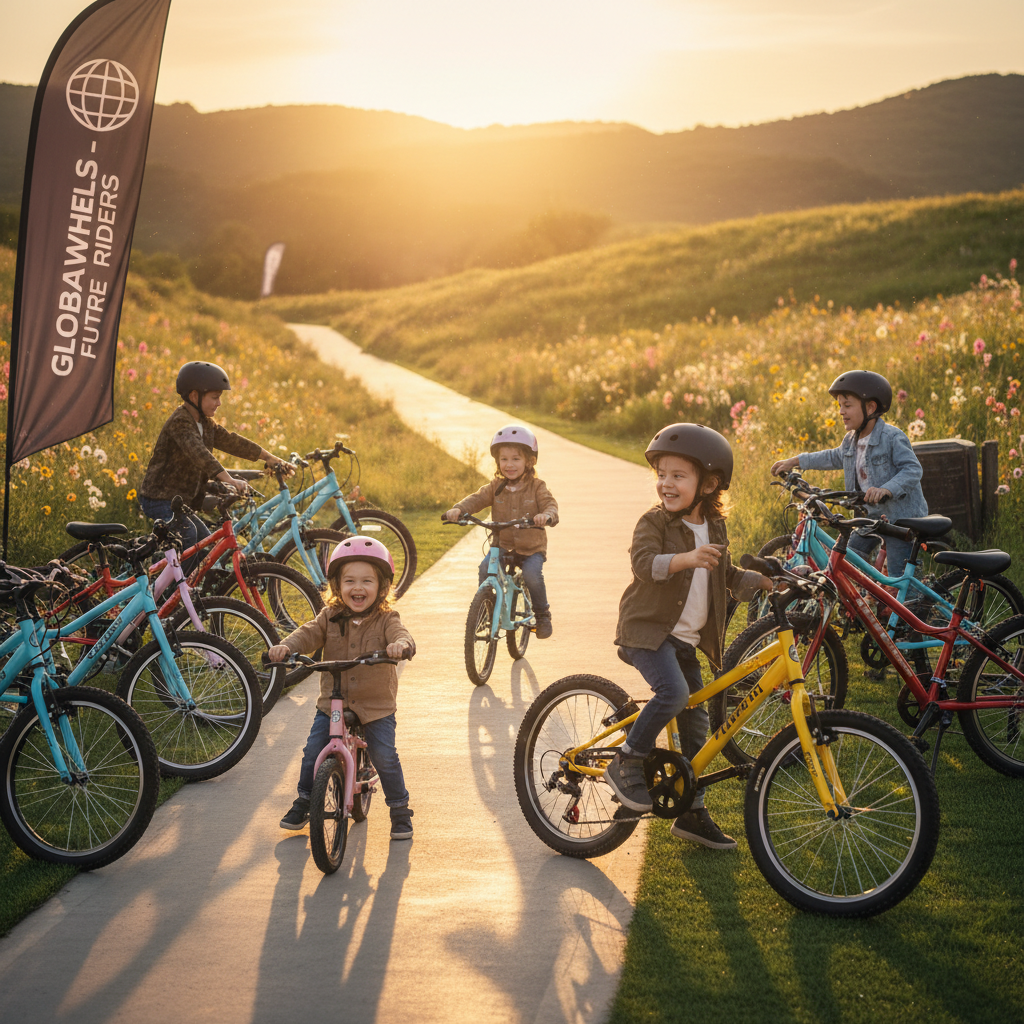
A childrens bike for sale encompasses a broad range of bicycles specifically designed for children, typically categorized by wheel size and age group. These bikes differ significantly from adult bicycles in terms of frame geometry, component sizing, and safety features, prioritizing a comfortable and secure riding experience for young riders.
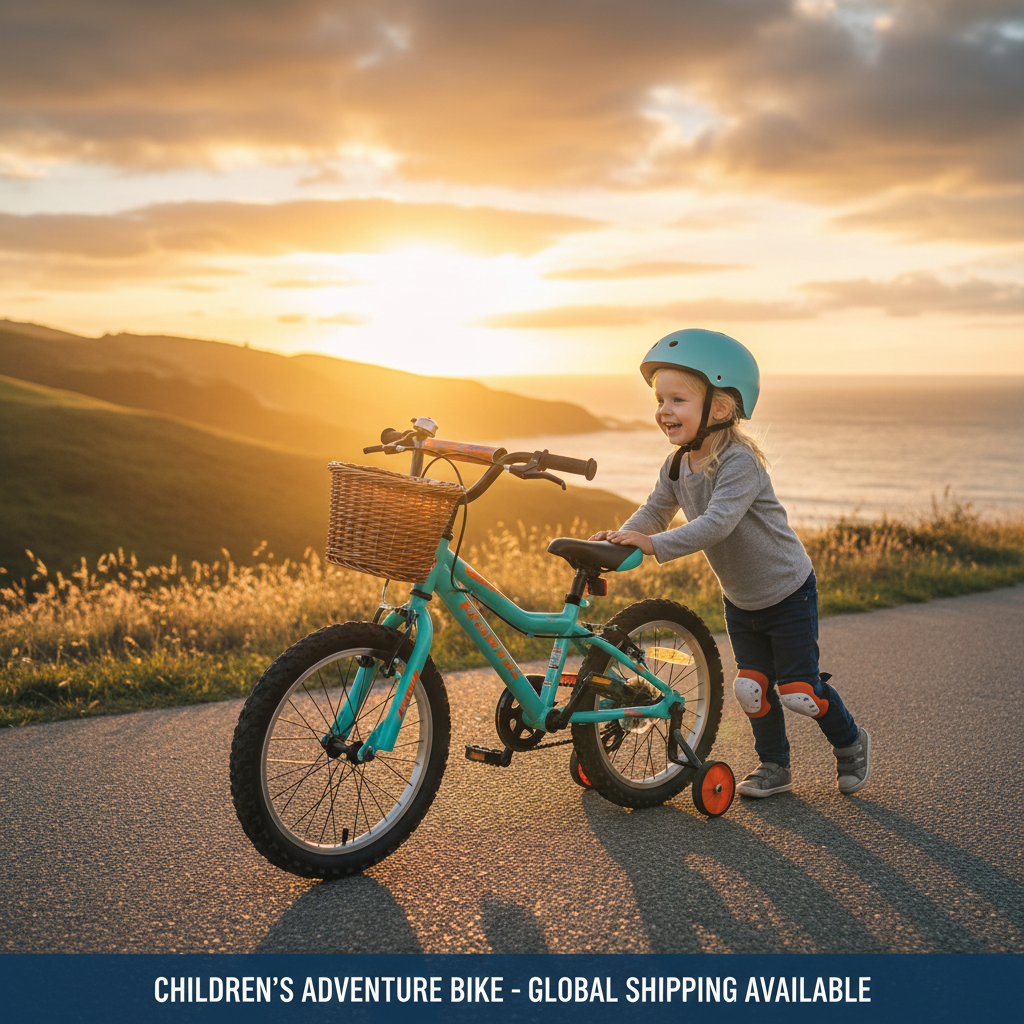
The definition extends beyond the bicycle itself to include essential safety equipment such as helmets, knee pads, and elbow pads. A complete ‘childrens bike for sale’ package often includes these items, ensuring a child is fully protected during their cycling adventures.
Modern childrens bikes incorporate innovative designs and materials, focusing on lightweight frames, easy-to-use components, and adjustable features to accommodate a child's growth. This evolution reflects a commitment to providing children with the best possible cycling experience.
Key Factors When Purchasing a Childrens Bike
When considering a childrens bike for sale, several key factors come into play. Firstly, sizing is paramount. A bike that is too large or too small can be dangerous and uncomfortable. Choosing a bike based on the child's inseam, rather than just their age, is the most accurate approach.
Secondly, frame material impacts weight and durability. Aluminum frames are lightweight and rust-resistant, while steel frames are more affordable but heavier. Brake type is also crucial; coaster brakes (pedal backwards to brake) are simpler for younger children, while hand brakes offer more control as they grow.
Finally, safety features such as chain guards, handlebar padding, and reflective elements are essential. Prioritizing quality components and a reputable brand ensures the bike meets safety standards and provides a reliable riding experience.
Global Applications of Childrens Bike for Sale
The applications of a childrens bike for sale extend far beyond recreational use. In many countries, bicycles are a primary mode of transportation, and childrens bikes enable young students to safely commute to school.
Charitable organizations often donate bicycles to children in developing countries, providing them with access to education, healthcare, and economic opportunities. These bikes can drastically reduce travel time and improve the quality of life for recipients.
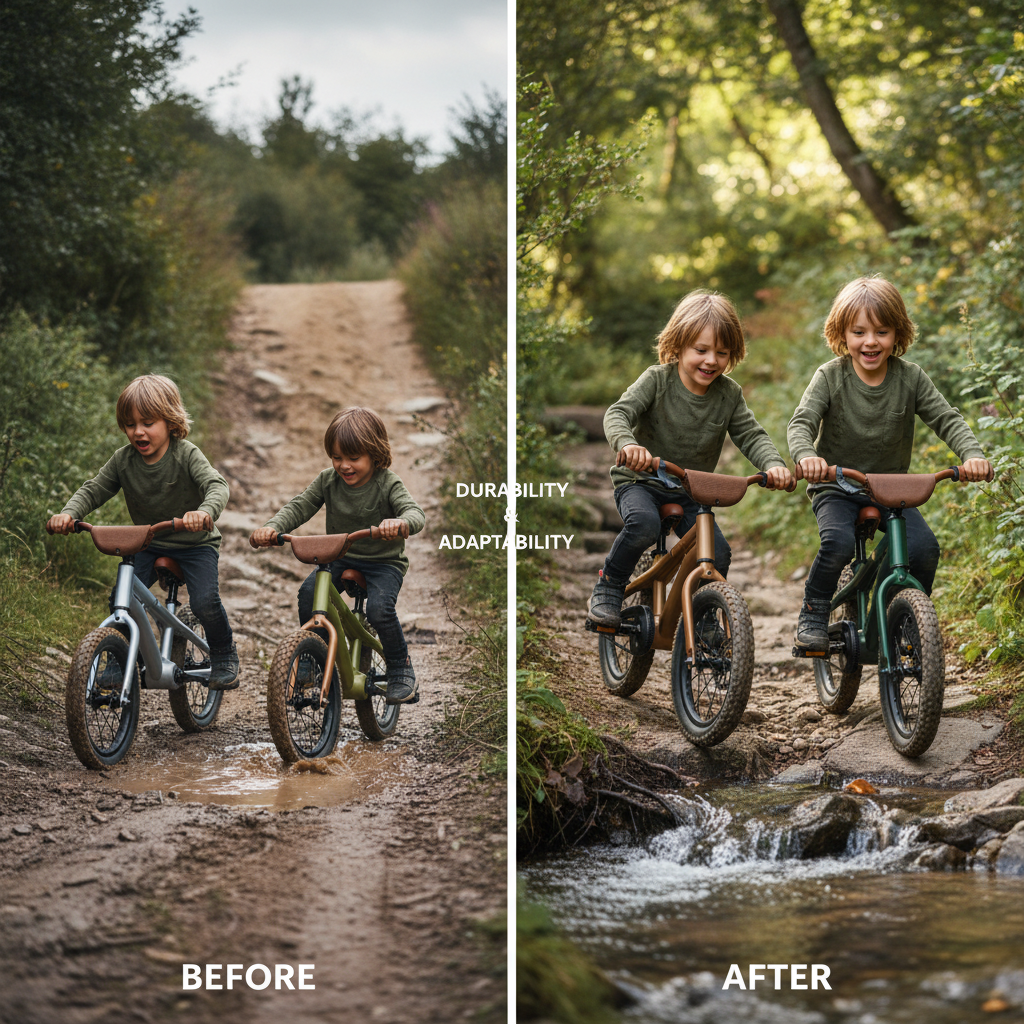
Furthermore, the growing popularity of family cycling holidays has increased the demand for high-quality childrens bikes capable of handling longer distances and varied terrains.
Childrens Bike for Sale – Feature Preference Ratings
Advantages and Long-Term Value
Investing in a quality childrens bike for sale offers numerous advantages. Cost-effectively, a well-maintained bike can last through multiple children, reducing the need for frequent replacements.
The long-term health benefits are significant, promoting physical activity and a lifelong love of fitness. Furthermore, the development of independence and responsibility fosters confidence and self-esteem in children.
Future Trends in Childrens Bike Design
The future of childrens bike for sale design is focused on sustainability and innovation. Manufacturers are increasingly utilizing recycled materials and developing eco-friendly production processes.
Electric-assist childrens bikes are emerging as a potential trend, offering a boost for longer rides or challenging terrain. Smart bike technologies, incorporating features like GPS tracking and parental controls, are also gaining traction.
Personalization and customization will likely become more prevalent, allowing parents to tailor bikes to their child’s individual needs and preferences.
Challenges and Solutions in the Industry
A key challenge facing the childrens bike for sale industry is ensuring affordability without compromising safety or quality. Rising material costs and supply chain disruptions can drive up prices, making bikes less accessible to some families.
Another challenge is addressing sizing inconsistencies between brands, making it difficult for parents to find the right fit. Industry standardization efforts and improved online sizing guides can help alleviate this issue.
Finally, promoting safe cycling practices through education and awareness campaigns is crucial to minimizing injuries and maximizing the benefits of cycling.
Analysis of Key Challenges and Proposed Solutions
| Challenge Area |
Severity (1-10) |
Current Mitigation Strategies |
Proposed Solutions |
| Price Accessibility |
8 |
Bulk discounts, budget models |
Government subsidies, second-hand bike programs |
| Sizing Standardization |
7 |
Detailed size charts, customer reviews |
Industry-wide sizing standards, 3D body scanning |
| Supply Chain Disruptions |
6 |
Diversified sourcing, increased inventory |
Local manufacturing, shorter supply chains |
| Safety Concerns |
9 |
Safety standards, quality control |
Enhanced helmet technology, cycling education |
| Sustainability of Materials |
5 |
Use of aluminum, some recycled content |
Increased use of bio-based plastics, circular economy models |
| Lack of Awareness of Bike Maintenance |
6 |
Basic maintenance guides, repair shops |
Online tutorials, workshops, mobile bike repair services |
FAQS
Determining the right size childrens bike is crucial for safety and comfort. Instead of relying solely on age, measure your child's inseam (from crotch to the floor). Bike manufacturers provide size charts based on inseam measurements. Generally, a child should be able to comfortably stand over the bike with both feet flat on the ground, with a few inches of clearance between the top tube and their crotch.
Coaster brakes (pedal backwards to brake) are typically easier for very young children to grasp, as they are intuitive and require less hand strength. However, as children develop more coordination and strength, hand brakes offer more control and are essential for transitioning to adult bicycles. Many bikes offer both types of brakes.
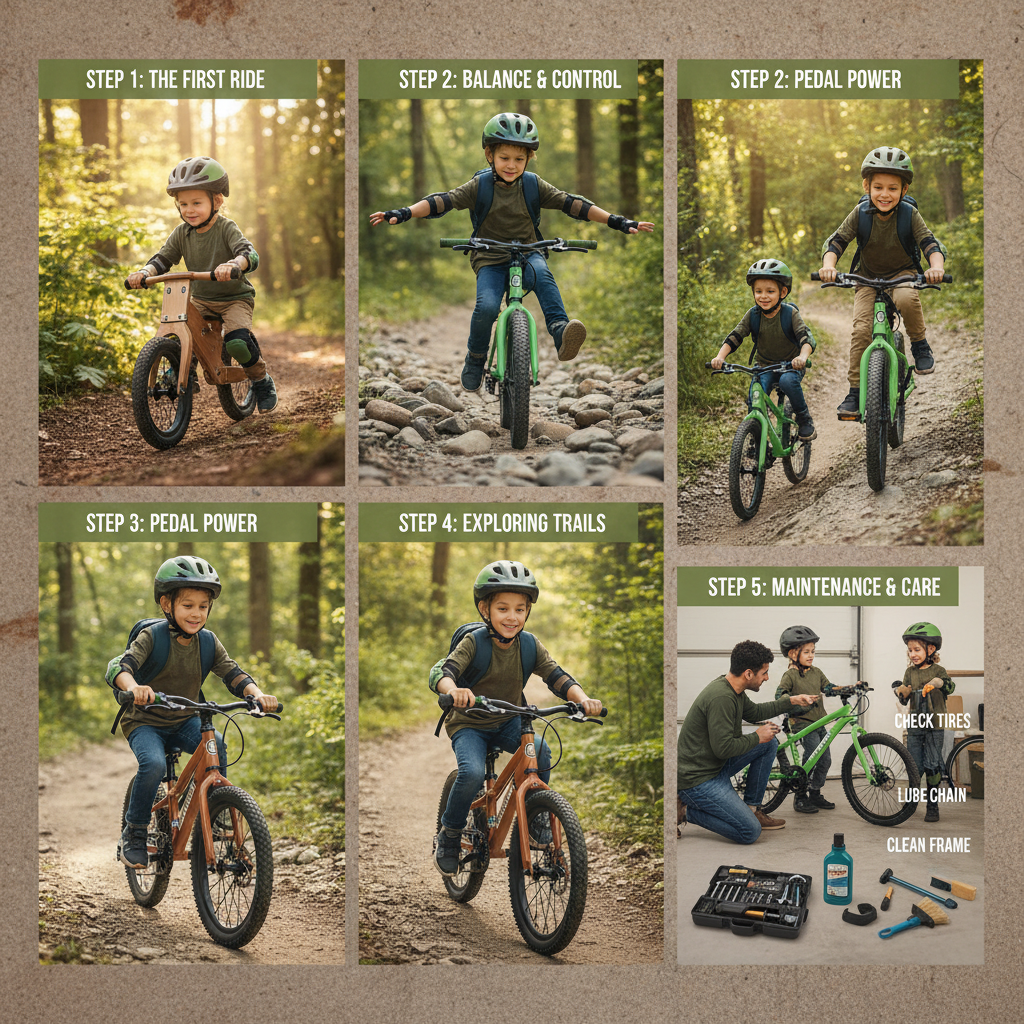
Regular maintenance is vital for keeping your child’s bike safe and functioning properly. A basic inspection should be performed weekly, checking tire pressure, brake function, and chain lubrication. A more thorough service, including adjusting brakes and gears, should be done at least twice a year, or more frequently if the bike is used heavily.
A properly fitted helmet is the single most important safety item. Knee and elbow pads are also highly recommended, especially for beginner riders. Brightly colored clothing and reflective accessories enhance visibility, and a bell or horn can alert pedestrians and other cyclists. Always supervise young children when they are riding.
Aluminum frames are significantly lighter than steel frames, making the bike easier for a child to handle and maneuver. Aluminum is also rust-resistant, requiring less maintenance. Steel frames are more affordable and durable, but their added weight can make cycling more challenging for younger riders.
Store the bike in a dry, sheltered location to protect it from the elements. Avoid storing it in direct sunlight, as this can damage the tires and paint. If storing for an extended period, lubricate the chain and tires, and consider covering the bike to prevent dust accumulation.
Conclusion
In conclusion, the childrens bike for sale market offers a diverse range of options to cater to every child’s needs and abilities. Prioritizing safety, proper sizing, and quality components is paramount. Investing in a well-maintained bike provides not only a fun and engaging activity but also significant physical and developmental benefits.
Looking ahead, innovations in materials, design, and technology will continue to shape the future of childrens bikes. Embracing sustainability and promoting safe cycling practices are crucial for ensuring that all children have access to the joy and benefits of riding a bicycle. Visit our website at www.zhongzhoubike.com to explore our wide selection of children's bikes today!

 English
  Afrikaans
  Albanian
  Amharic
  Arabic
  Armenian
  Azerbaijani
  Basque
  Belarusian
  Bengali
  Bosnian
  Bulgarian
  Catalan
  Cebuano
  Corsican
  Croatian
  Czech
Czech  Danish
  Dutch
Dutch  Esperanto
  Estonian
  Finnish
  French
  Frisian
  Galician
  Georgian
  German
  Greek
Greek  Gujarati
  Haitian Creole
  Hausa
Hausa  Hawaiian
  Hebrew
  Hindi
Hindi  Miao
Miao  Hungarian
  Icelandic
  Igbo
Igbo  Indonesian
  Irish
Irish  Italian
  Japanese
  Javanese
  Kannada
  Kazakh
  Khmer
Khmer  Rwandese
  Korean
  Kurdish
  Kyrgyz
  Lao
Lao  Latin
Latin  Latvian
  Lithuanian
  Luxembourgish
  Macedonian
  Malgashi
  Malay
Malay  Malayalam
  Maltese
  Maori
Maori  Marathi
  Mongolian
  Myanmar
  Nepali
  Norwegian
  Norwegian
  Occitan
  Pashto
  Persian
  Polish
  Portuguese
  Punjabi
  Romanian
  Russian
  Samoan
  Scottish Gaelic
  Serbian
  Sesotho
  Shona
Shona  Sindhi
  Sinhala
  Slovak
  Slovenian
  Somali
  Spanish
  Sundanese
  Swahili
  Swedish
  Tagalog
  Tajik
Tajik  Tamil
Tamil  Tatar
Tatar  Telugu
  Thai
Thai  Turkish
  Turkmen
  Ukrainian
  Urdu
Urdu  Uighur
  Uzbek
Uzbek  Vietnamese
  Welsh
Welsh  Bantu
Bantu  Yiddish
  Yoruba
  Zulu
Zulu