
Durable Swingcars for Industrial Load Handling | Zhongzhou Bike
The Real Deal on Swingcars: What You Should Know
Having spent a good chunk of my career circling around the industrial equipment sector, it's fair to say I've seen a lot of machines come and go. Some are overhyped; others, quietly brilliant. Swingcars fall into that latter category for me. They’re uncomplicated yet versatile pieces of equipment that possibly don’t get the spotlight they deserve.
So let’s dig into what makes these swingcars tick—and why industry folks keep coming back to them. If you haven’t encountered one before, think of a swingcar as a kind of mobile platform or carrier, designed to move heavy loads in tight, awkward spaces where traditional forklifts or cranes might struggle. It feels like a small detail in the grand scheme but trust me, it can transform logistics on a factory floor or construction site.
Construction and Design: Built for Practicality
Generally, swingcars are made with robust steel frames—it has to be tough, right? The welds are usually tested to resist the constant jolts and torque experienced during load carrying. Interestingly, some models incorporate abrasion-resistant steels, lengthening lifespan markedly. For anyone who’s managed equipment, that’s music to the ears, since downtime or frequent replacements can kill productivity.
Another thing I noticed over the years is how the suspension system varies between models. Some have rigid mounts, while others use swing or pivot arms that technically absorb shocks better. It’s a subtle difference but can mean the swingcar handles uneven terrain more gracefully. Imagine moving heavy items over slightly rough ground—and you’ll start to appreciate the engineering choices.
Specifications At a Glance
| Specification | Details |
|---|---|
| Load Capacity | Up to 10,000 kg |
| Frame Material | High-strength steel with optional abrasion-resistant coating |
| Dimensions (L×W×H) | Varies; typical 2.5m × 1.5m × 1.2m |
| Suspension Type | Swing arm or rigid mount |
| Mobility | Manual push, motorized versions available |
How Do Swingcars Stack Up Against Other Options?
Frankly, in many ways, swingcars fill the middle ground between forklifts and fixed conveyors. They don’t need an operator like forklifts do, which cuts labor costs, but they also give better maneuverability in tight spaces compared to conveyors. For whatever reason, this nuance is often overlooked outside the industry.
| Feature | Swingcar | Forklift | Conveyor |
|---|---|---|---|
| Operator Required | No (manual or motorized) | Yes | No |
| Load Flexibility | High—customized carriers possible | Medium, forklift forks limited by shape | Low—limited to belt size and speed |
| Space Efficiency | Excellent in tight spaces | Moderate, due to turning radius | Poor, fixed installation |
| Maintenance | Low, simpler mechanics | High, diesel/electric engines | Medium, belt and motor upkeep |
A Quick Customer Anecdote
One story that sticks with me is from a steel fabrication shop I visited a while back. Their workflow was cramped, and they struggled with transporting sheets between cutting and welding stations efficiently. They switched to a swingcar system customized with smaller decks and reinforced steel frames. The owner told me that what used to take two workers and a forklift now could be done with just one person using the swingcar, freeing up labor and improving safety. It sounds almost mundane but in real terms, that’s a game-changer in such environments.
Of course, no equipment is perfect. You do have to consider factors like load shape, floor conditions, and whether your operation justifies the investment. But, oddly enough, I’ve noticed swingcars often have the best cost-to-benefit ratio when evaluated over three to five years.
If you’re curious for more details or want to see some of the latest models in action, I recommend taking a look at Zhongzhou Bike’s offerings. They’re known for durable builds and options that suit a range of industries, from construction to manufacturing.
At the end of the day, swingcars may not be the flashiest part of industrial logistics, but they sure are one of the most practical. And if you’ve handled them for long, you kind of develop a quiet respect.
Takeaway: Sometimes, the best tool is the one that quietly fits in and gets the job done without fuss.
References:
1. Industry Equipment Review, “Evolution of Swingcars in Logistics,” 2022.
2. Fabrication Shop Visit Notes, 2023.
3. Zhongzhou Bike Product Catalog, 2024.
-
Electric Scooter Age 3 Safe Introduction to Early Mobility GuideNewsApr.16,2026
-
Is an Electric Scooter Age 4 Safe Complete Parents GuideNewsApr.09,2026
-
Choosing the Best Electric Scooter for a 9 Year Old Rider's SafetyNewsApr.07,2026
-
Comprehensive Guide to Choosing the Best Electric Scooter Ages 6 UpNewsApr.04,2026
-
Choosing the Best Electric Scooter for 6yr Old Riders A Comprehensive GuideNewsMar.31,2026
-
The Ultimate Guide to Choosing an Electric Scooter for Age 10 RidersNewsMar.28,2026
-
Choosing the Ideal Electric Scooter for Age 12 A Comprehensive Buyers GuideNewsMar.26,2026
Related Products
-
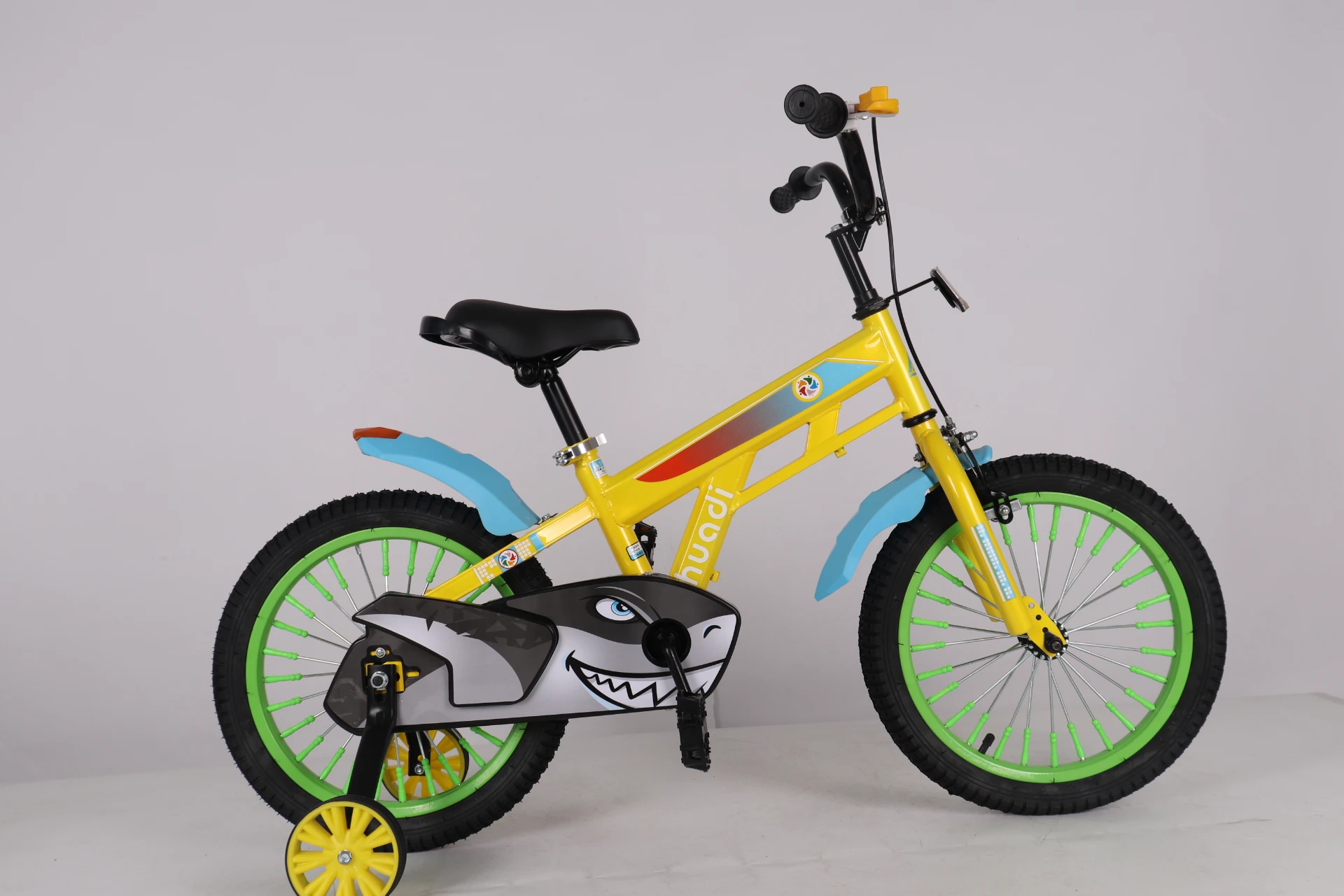
High quality kids bike children bicycle cycle cheap children bicycle with training wheel for sale
-
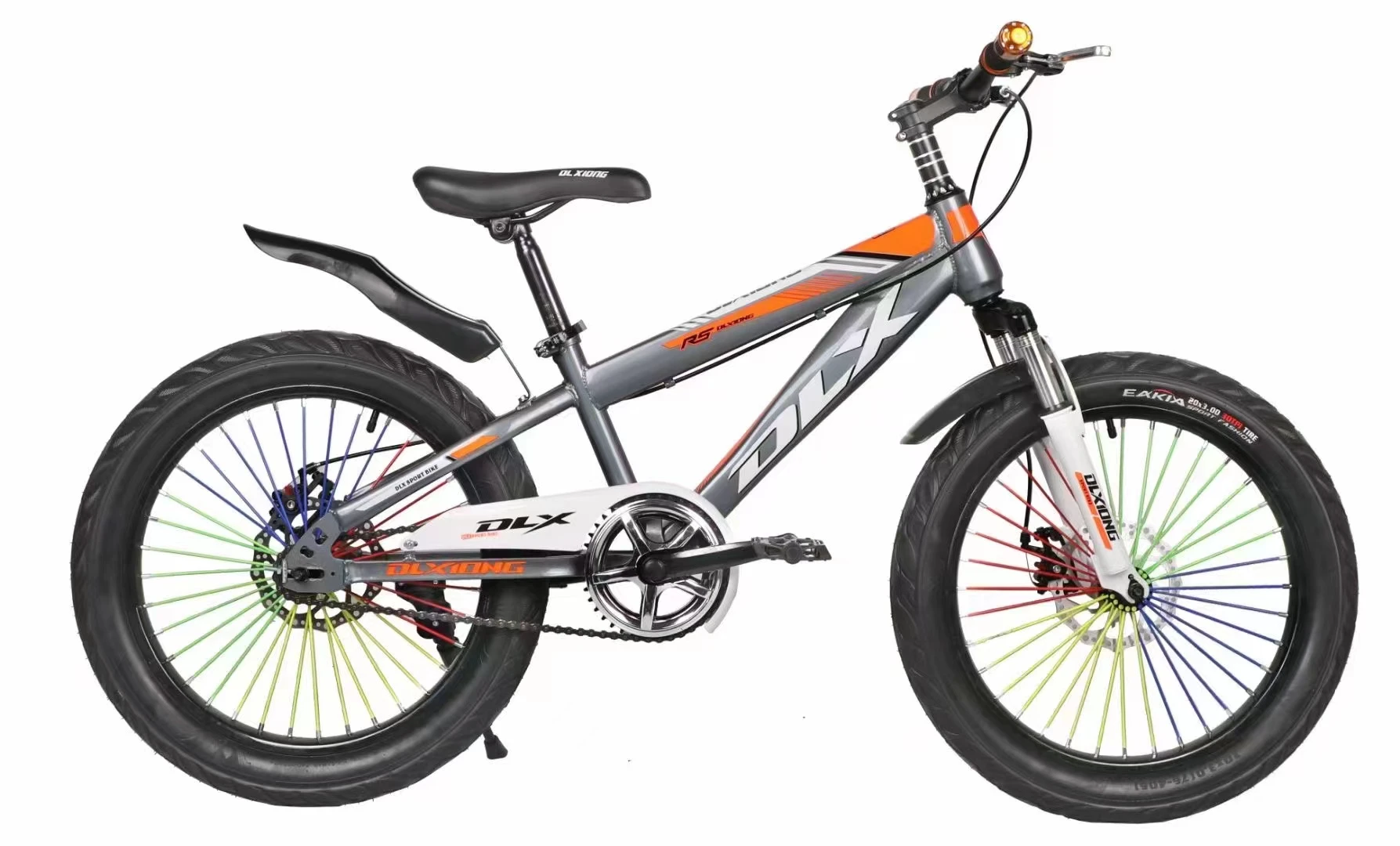
OEM 20 inch mountain bike children bikeVariable speed mountain bike suitable for student sports
-
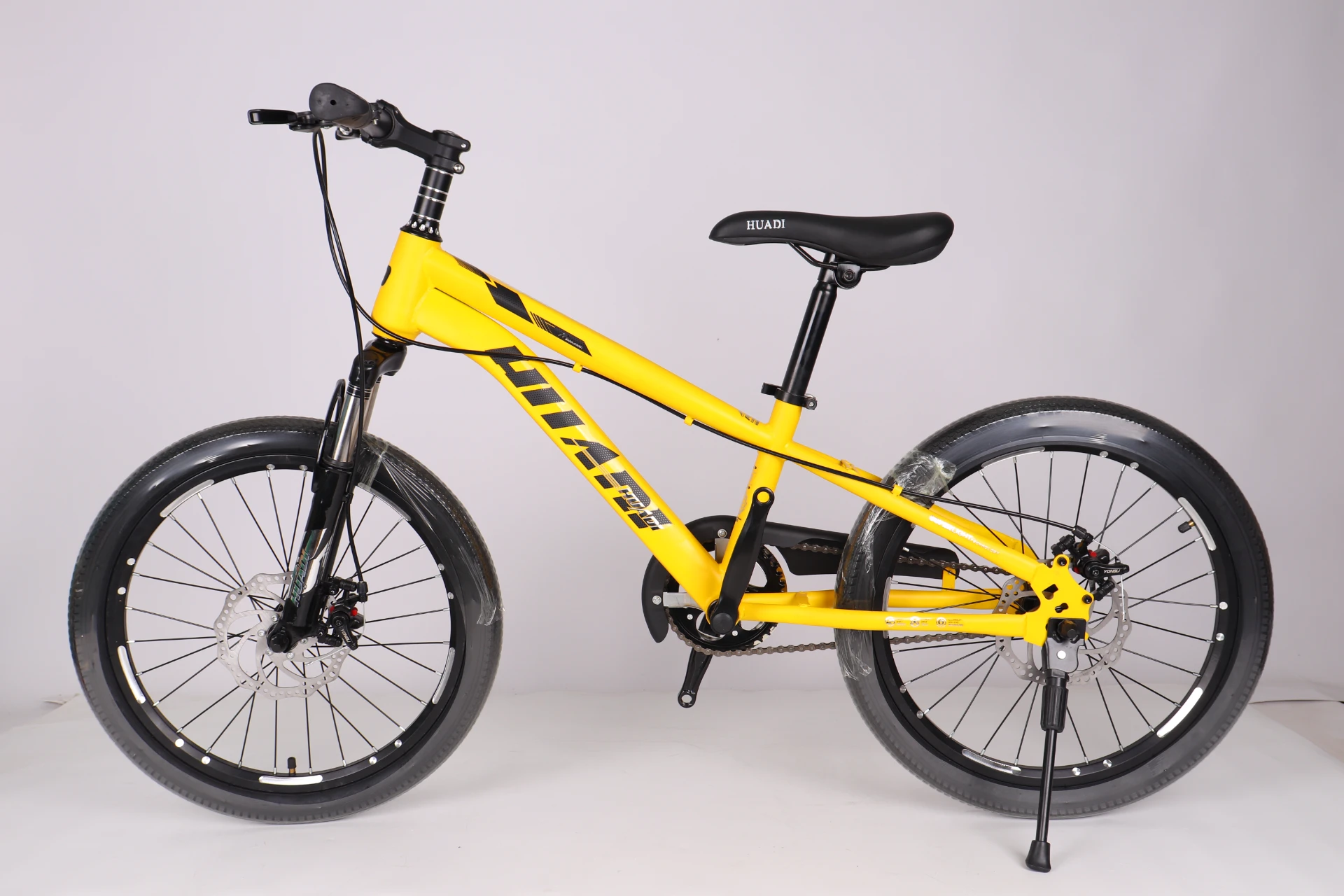
18 20 22 inch Children bike mountain bikes for 13 year old boy cycle for class 5 bicycle for 10year old boy kids
-
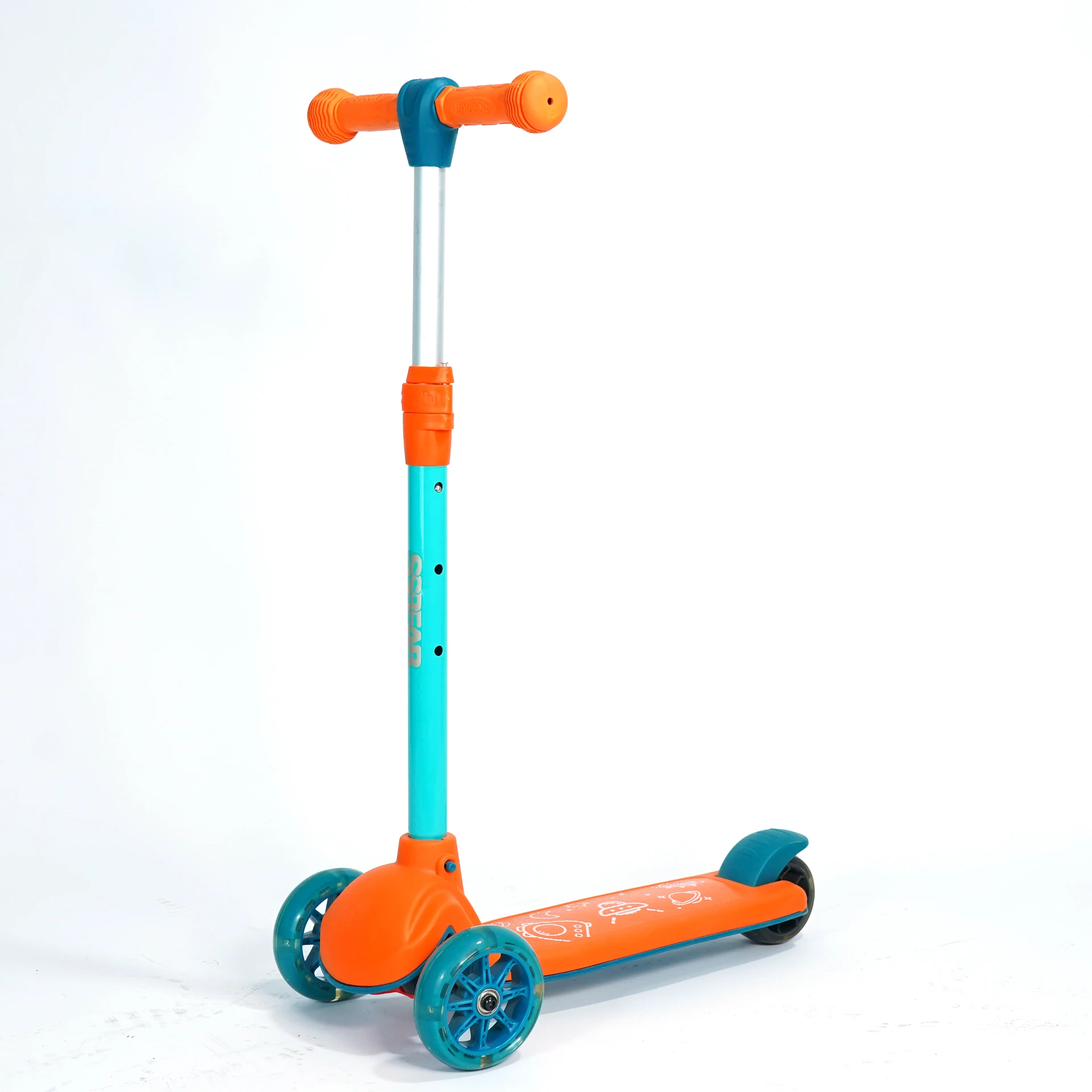
Hot Sale Kids Scooter 3 Pu Light-Up Wheel Kick Scooter For 3-6 Year Olds
-
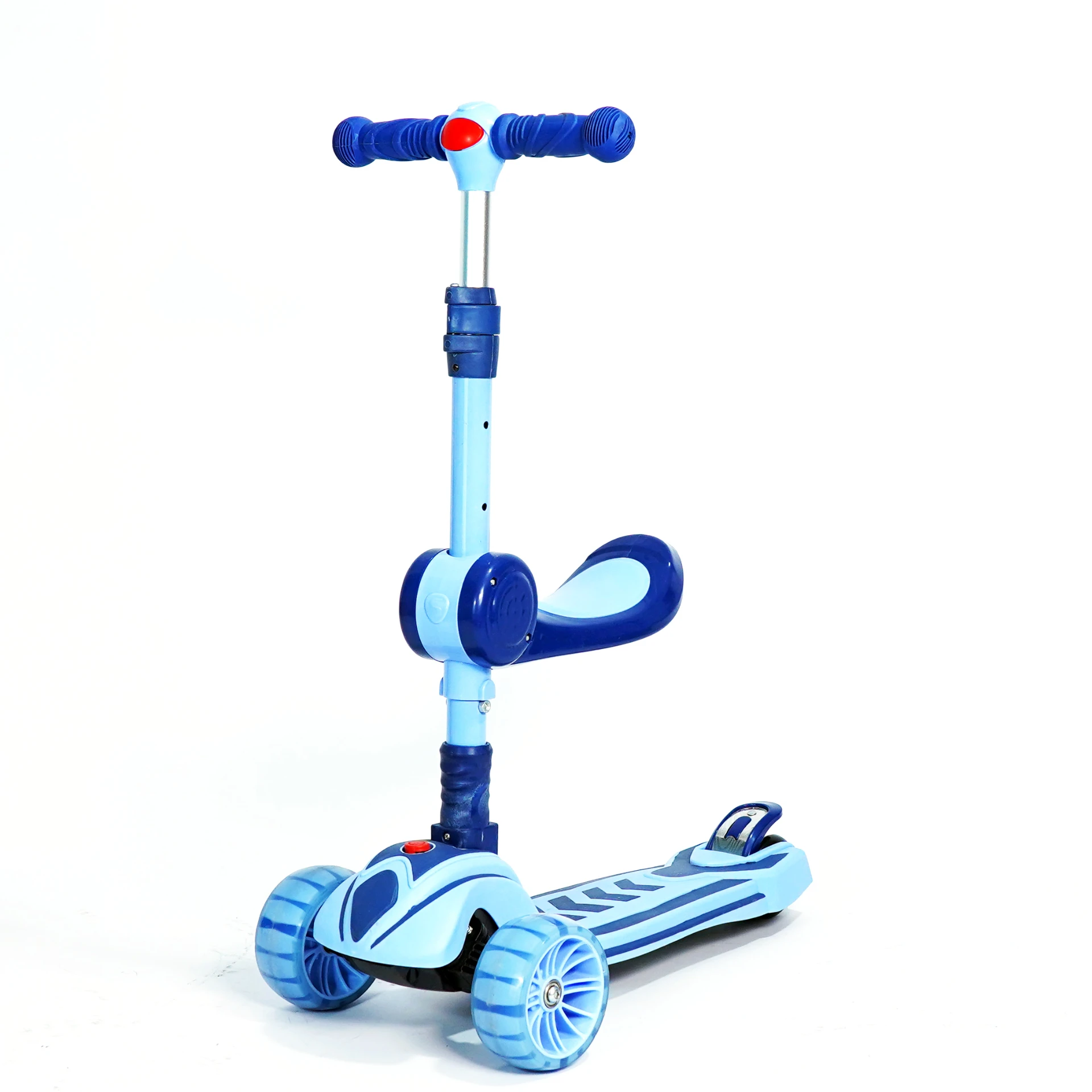
EU Child 3 To 10 Years Baby Soccer Kick Scooters & Foot Scooters For Kids Boys
-
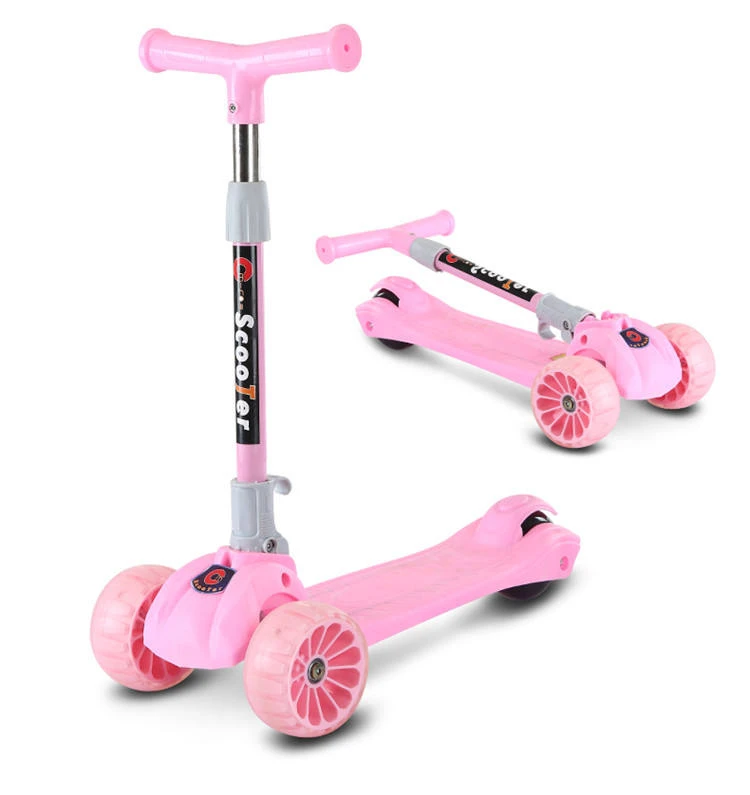
Factory Sale Kid Scooter Foot scooter Kids Kick scooter For Toddler.
-
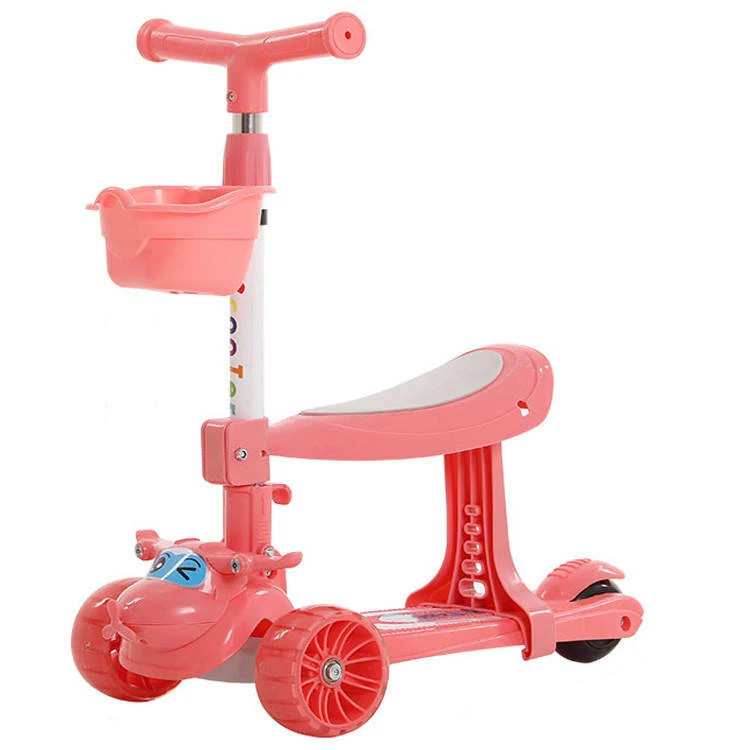
Best Seller Multifunctional Folding Kid Kick 3 Wheels Children Foot Scooter Foldable Baby Kid Scooters
-
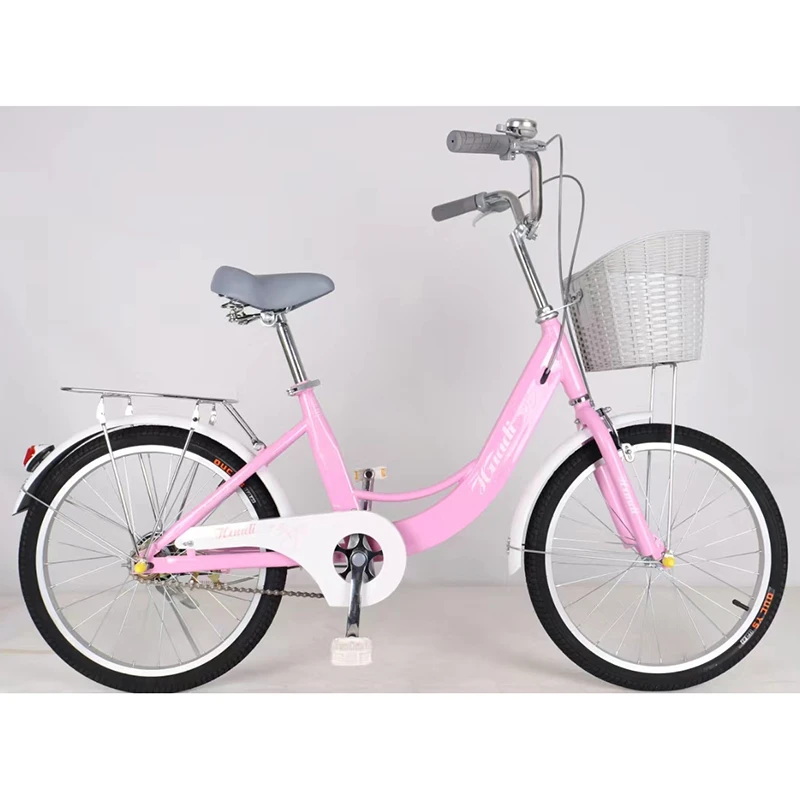
Hot sale kids bikes OEM custom cheap baby children bicycle bike beautiful cycle for girls kids
 Afrikaans
 Albanian
 Amharic
 Arabic
 Armenian
 Azerbaijani
 Basque
 Belarusian
 Bengali
 Bosnian
 Bulgarian
 Catalan
 Cebuano
 Corsican
 Croatian
 Czech
Czech
 Danish
 Dutch
Dutch
 Esperanto
 Estonian
 Finnish
 French
 Frisian
 Galician
 Georgian
 German
 Greek
Greek
 Gujarati
 Haitian Creole
 Hausa
Hausa
 Hawaiian
 Hebrew
 Hindi
Hindi
 Miao
Miao
 Hungarian
 Icelandic
 Igbo
Igbo
 Indonesian
 Irish
Irish
 Italian
 Japanese
 Javanese
 Kannada
 Kazakh
 Khmer
Khmer
 Rwandese
 Korean
 Kurdish
 Kyrgyz
 Lao
Lao
 Latin
Latin
 Latvian
 Lithuanian
 Luxembourgish
 Macedonian
 Malgashi
 Malay
Malay
 Malayalam
 Maltese
 Maori
Maori
 Marathi
 Mongolian
 Myanmar
 Nepali
 Norwegian
 Norwegian
 Occitan
 Pashto
 Persian
 Polish
 Portuguese
 Punjabi
 Romanian
 Russian
 Samoan
 Scottish Gaelic
 Serbian
 Sesotho
 Shona
Shona
 Sindhi
 Sinhala
 Slovak
 Slovenian
 Somali
 Spanish
 Sundanese
 Swahili
 Swedish
 Tagalog
 Tajik
Tajik
 Tamil
Tamil
 Tatar
Tatar
 Telugu
 Thai
Thai
 Turkish
 Turkmen
 Ukrainian
 Urdu
Urdu
 Uighur
 Uzbek
Uzbek
 Vietnamese
 Welsh
Welsh
 Bantu
Bantu
 Yiddish
 Yoruba
 Zulu
Zulu
 English