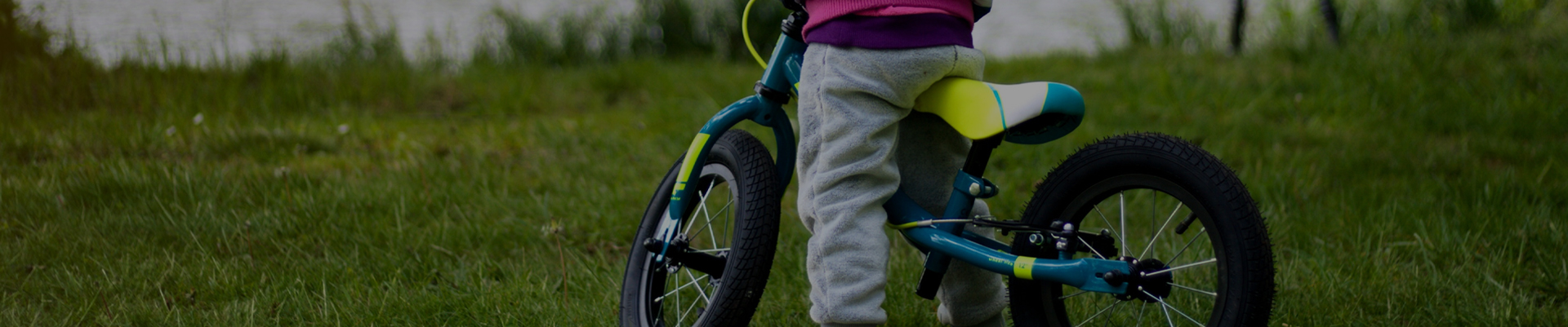
Kids Riding Scooter: Durable & Safe Scooters for Growing Adventurers
Why Kids Riding Scooter Is More Than Just Play
Coming from years embedded in industrial equipment — yeah, heavy machinery and all that — talking about kids riding scooters might seem a bit off-topic at first. Yet oddly enough, there’s a lot that connects the dots between rugged design, materials engineering, and something as playful as a child’s scooter. It’s funny how precision and safety don’t just belong to gigantic machines; they’re needed even in something small and fun.
Kids riding scooter has grown tremendously. It’s not just a fad anymore; it’s part of developing balance, coordination, and even social skills. In real terms, a well-designed scooter has to hit the right balance between being lightweight and sturdy — and frankly, that’s no small feat at industrial specs level. The frame often uses aluminum or high-grade steel alloys, materials that won’t bend or snap during a vigorous ride.
One thing I've noticed in evaluating kids’ scooters over the years: manufacturers test these rides to the brink. Think load-bearing tests, stress cycles on the wheels, and even surface finish testing — all to ensure kids don’t get dents or worse, accidents. Many engineers I’ve worked with say the biggest challenge is designing a scooter that is easy to maneuver for a small child but is durable enough to withstand real-world abuse (as you probably remember from your own childhood days…).
Take customization — not just the colors and stickers (though kids love those) — but adjustable handlebar heights, non-slip decks, and shock-absorbing wheels. These features make a real difference in how a scooter feels and performs daily. I’ve seen parents come back time and again for scooters from trusted brands simply because the build quality and safety features surpassed cheaper imitations.
| Feature | Specification |
|---|---|
| Material | Aluminum alloy frame with rubber deck |
| Wheel diameter | 100-125 mm polyurethane wheels |
| Weight capacity | Up to 50 kg (110 lbs) |
| Adjustable handlebar height | 65-85 cm |
| Safety features | Rear brake, non-slip deck, shock absorption |
One story sticks out to me. A local family I know had been switching between generic scooters, and their kid kept complaining about wobbly rides. When they finally got one from a recommended line — which, by the way, you can find linked in that keyword above — the kid was instantly more confident. They even started riding to school with their friends, which showed how a good scooter goes beyond mere toy status.
| Brand | Build Quality | Safety Features | Price Range | Warranty |
|---|---|---|---|---|
| Zhongzhou Bike | High-grade aluminum, robust frame | Non-slip deck, rear brake, shock absorption | $$$ | 2 years |
| Generic Brand X | Mixed metals, lighter frame | Basic brake, limited grip | $ | 6 months |
| Premium Scoots | Carbon fiber composite frame | Advanced shock absorption, hand brakes | $$$$ | 3 years |
In the end, investing in a quality scooter is about more than just the immediate fun. It’s about safety, durability, and giving kids a tool to explore the outdoors with confidence. Plus, you get the peace of mind that comes from a product with a sound industrial engineering background, not some throwaway thing. If you browse the site linked in the keyword above, you’ll see models that combine those practical elements with child-friendly design. That’s a combo I wholeheartedly endorse.
And whether you’re a parent or an engineer like me, you know that scooters represent the start of so many childhood adventures. It feels like a small ride but can really shape big memories.
Takeaway? Kids riding scooter isn’t just play; it’s a carefully engineered stepping stone to growth.
- Industrial design principles in toys, Journal of Design Engineering, 2021
- Materials testing for children's ride-on products, Safety Standards Review, 2019
- Parental trust in durable children’s scooters, Consumer Reports, 2022
-
Electric Scooter Age 3 Safe Introduction to Early Mobility GuideNewsApr.16,2026
-
Is an Electric Scooter Age 4 Safe Complete Parents GuideNewsApr.09,2026
-
Choosing the Best Electric Scooter for a 9 Year Old Rider's SafetyNewsApr.07,2026
-
Comprehensive Guide to Choosing the Best Electric Scooter Ages 6 UpNewsApr.04,2026
-
Choosing the Best Electric Scooter for 6yr Old Riders A Comprehensive GuideNewsMar.31,2026
-
The Ultimate Guide to Choosing an Electric Scooter for Age 10 RidersNewsMar.28,2026
-
Choosing the Ideal Electric Scooter for Age 12 A Comprehensive Buyers GuideNewsMar.26,2026
Related Products
-
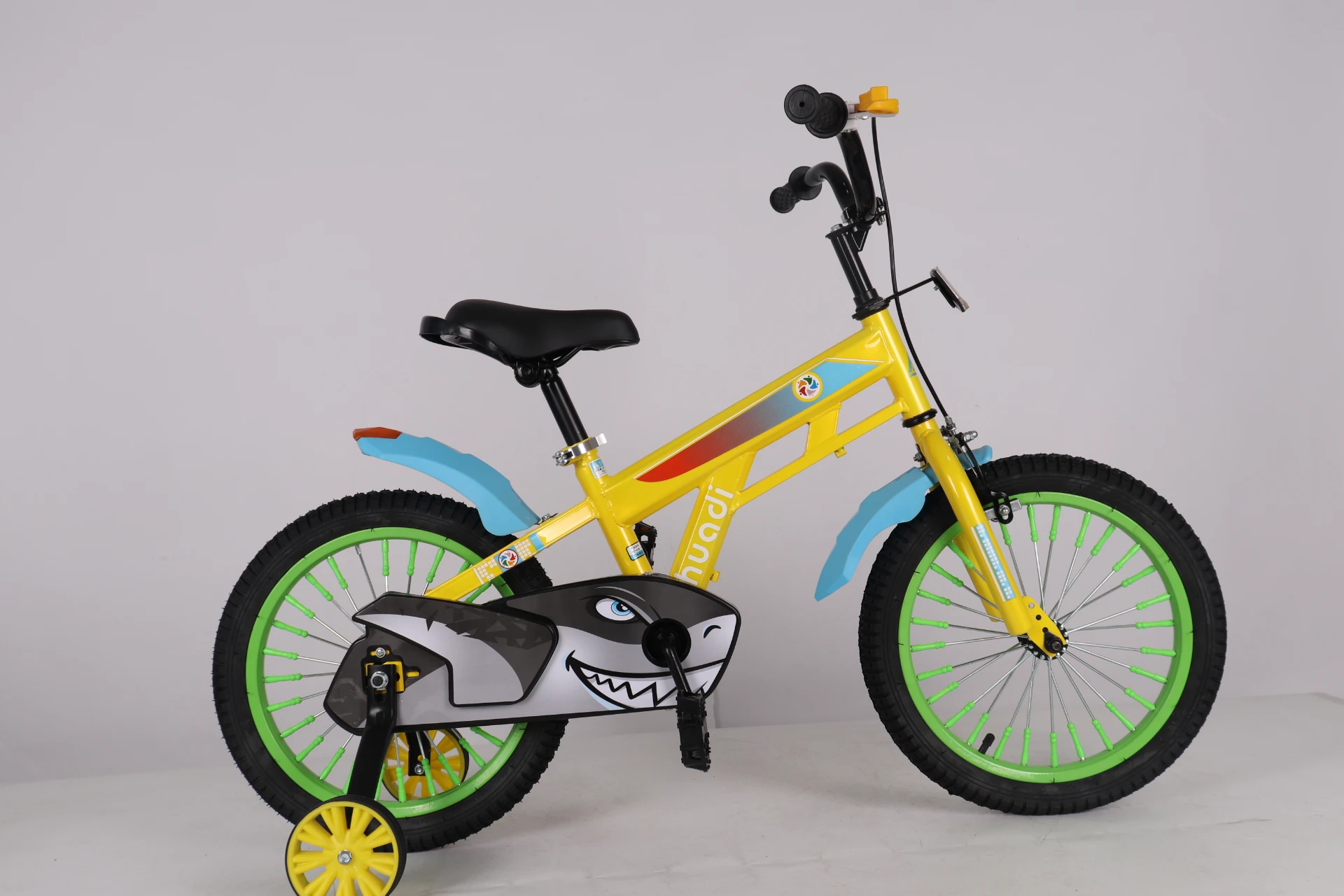
High quality kids bike children bicycle cycle cheap children bicycle with training wheel for sale
-
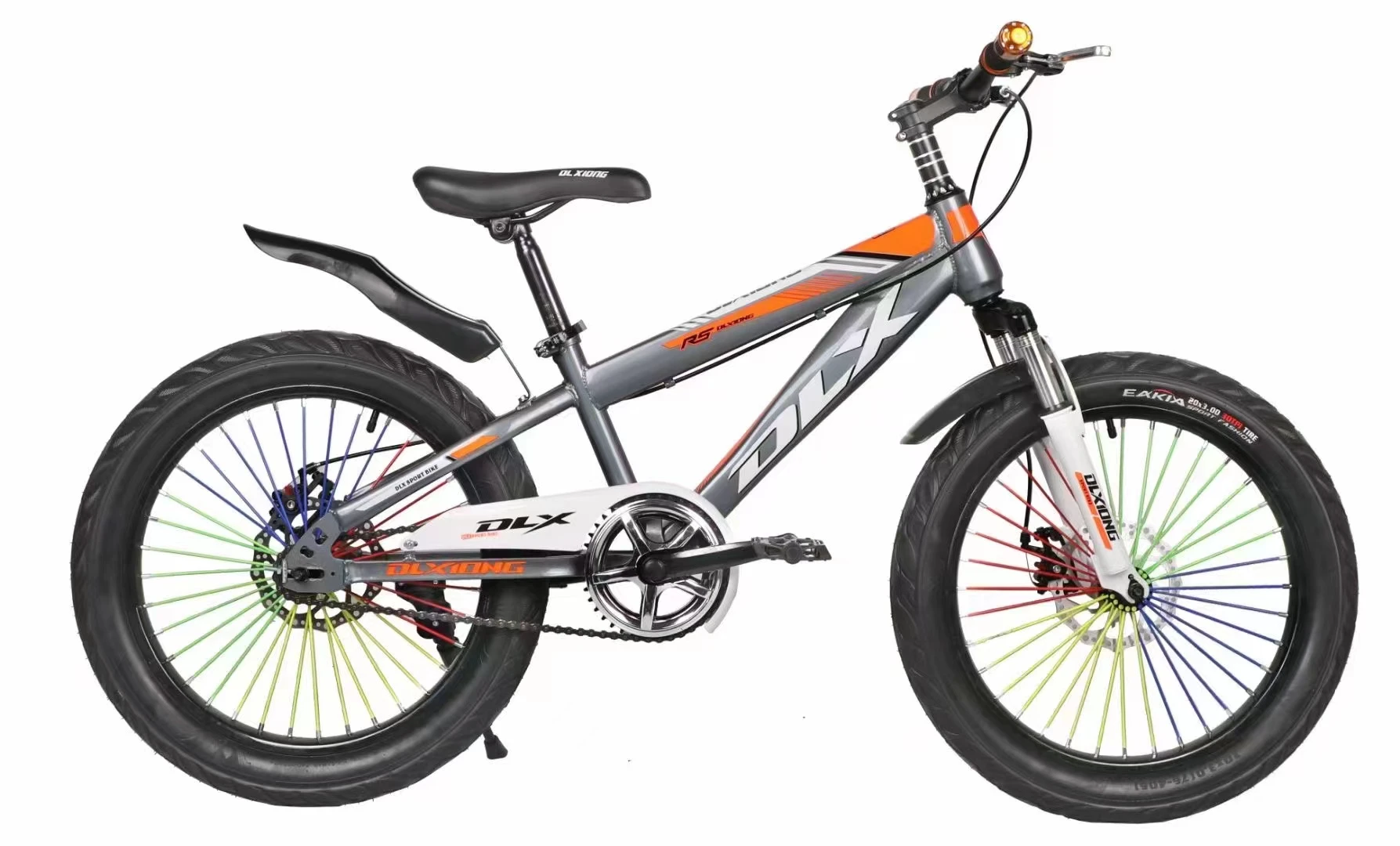
OEM 20 inch mountain bike children bikeVariable speed mountain bike suitable for student sports
-
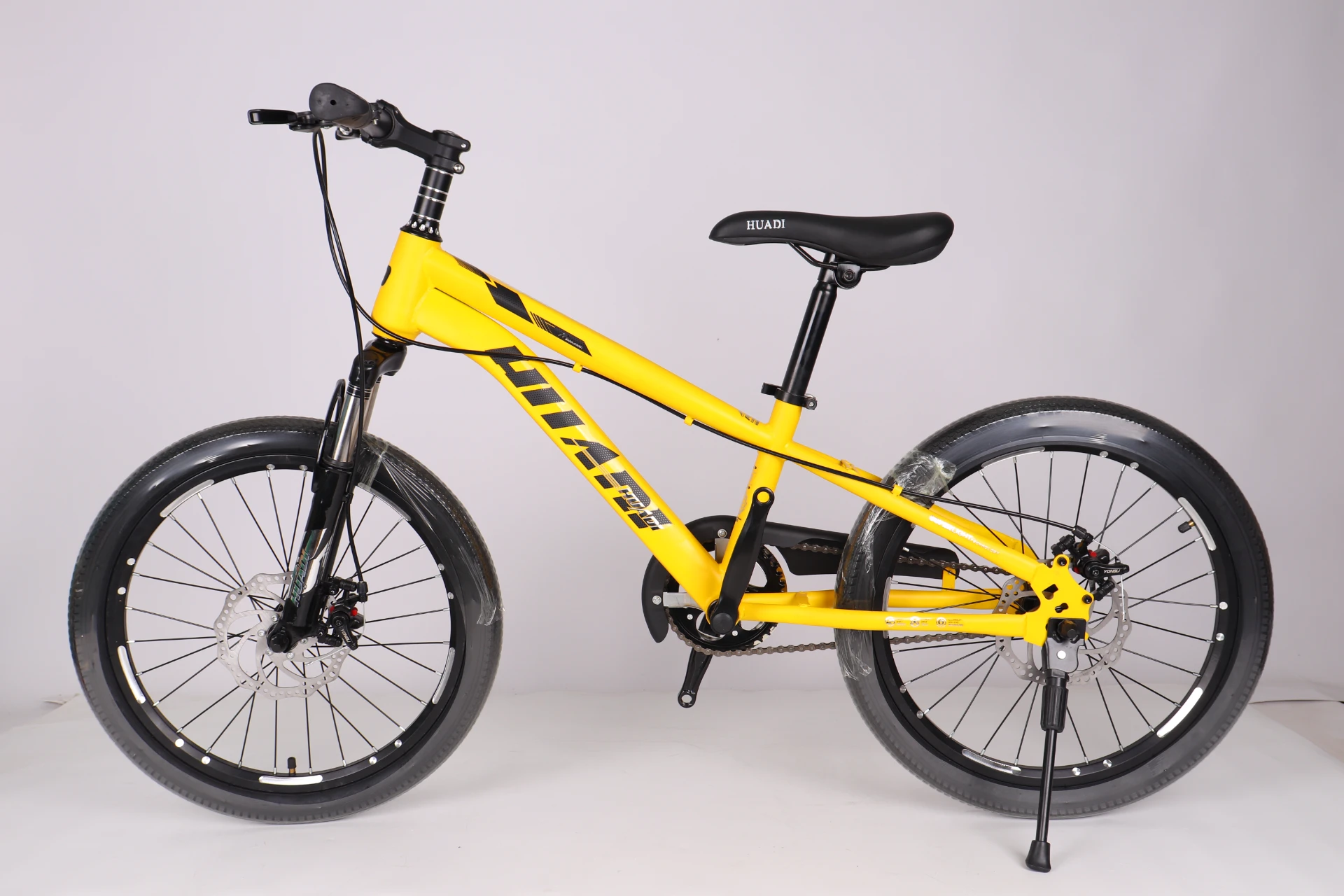
18 20 22 inch Children bike mountain bikes for 13 year old boy cycle for class 5 bicycle for 10year old boy kids
-
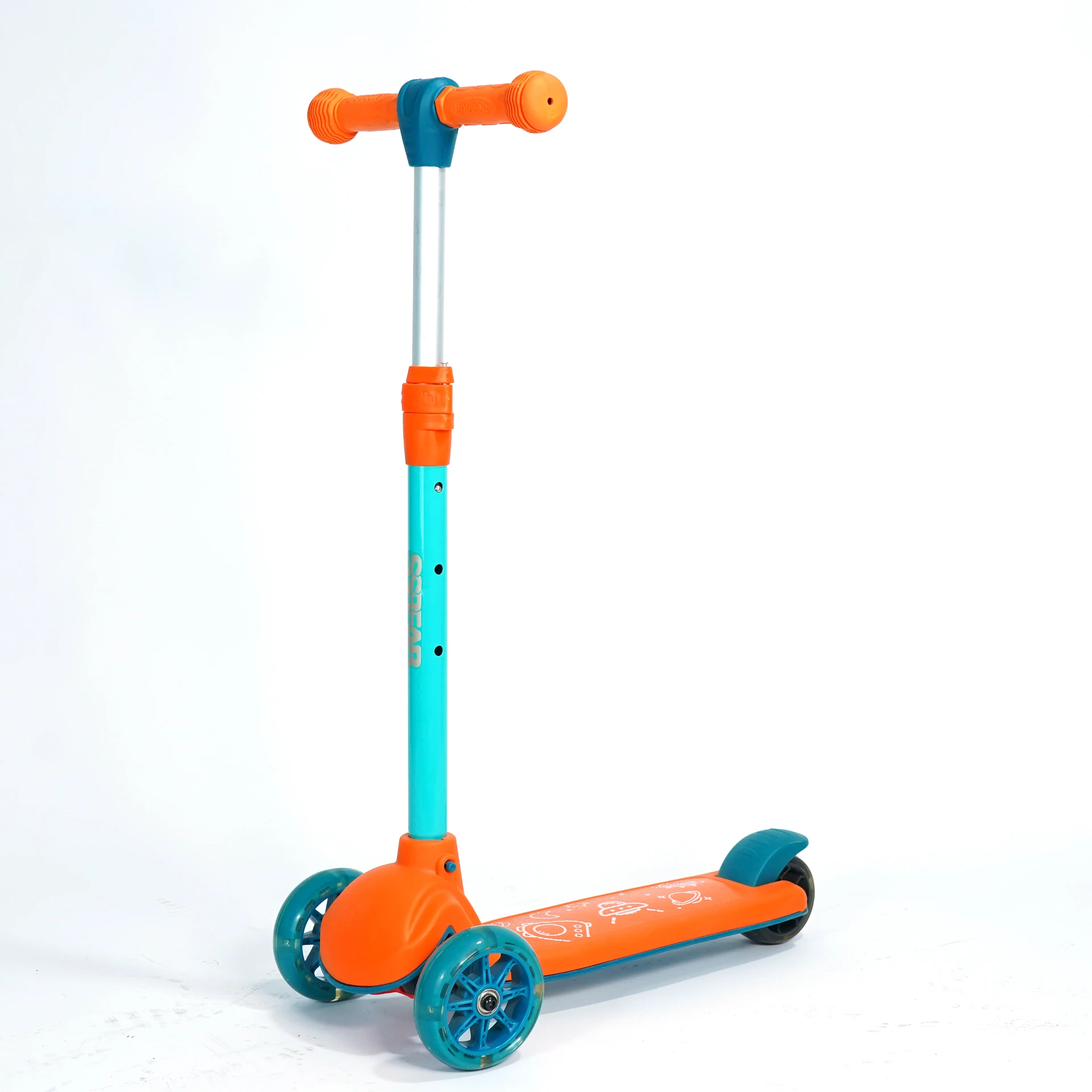
Hot Sale Kids Scooter 3 Pu Light-Up Wheel Kick Scooter For 3-6 Year Olds
-
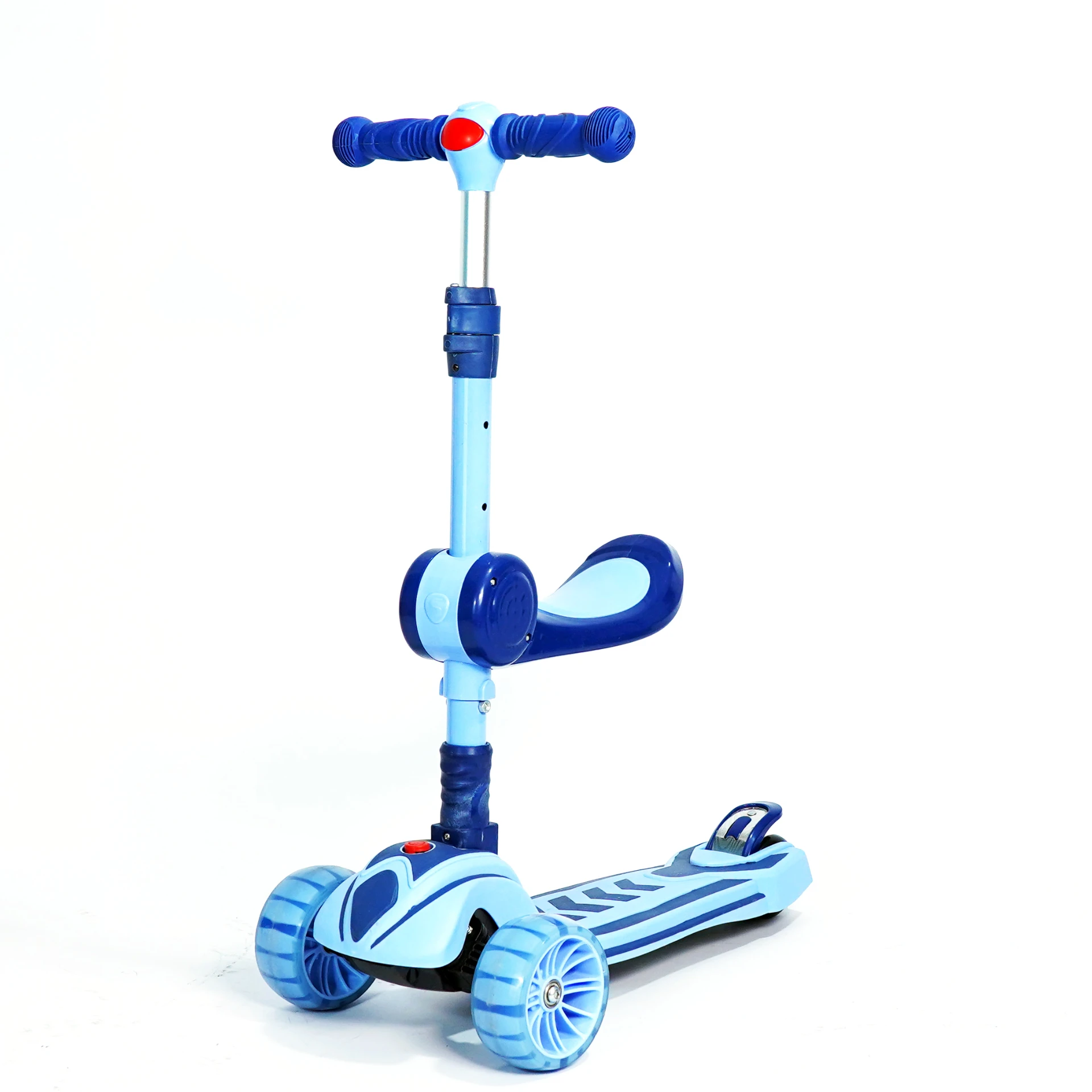
EU Child 3 To 10 Years Baby Soccer Kick Scooters & Foot Scooters For Kids Boys
-
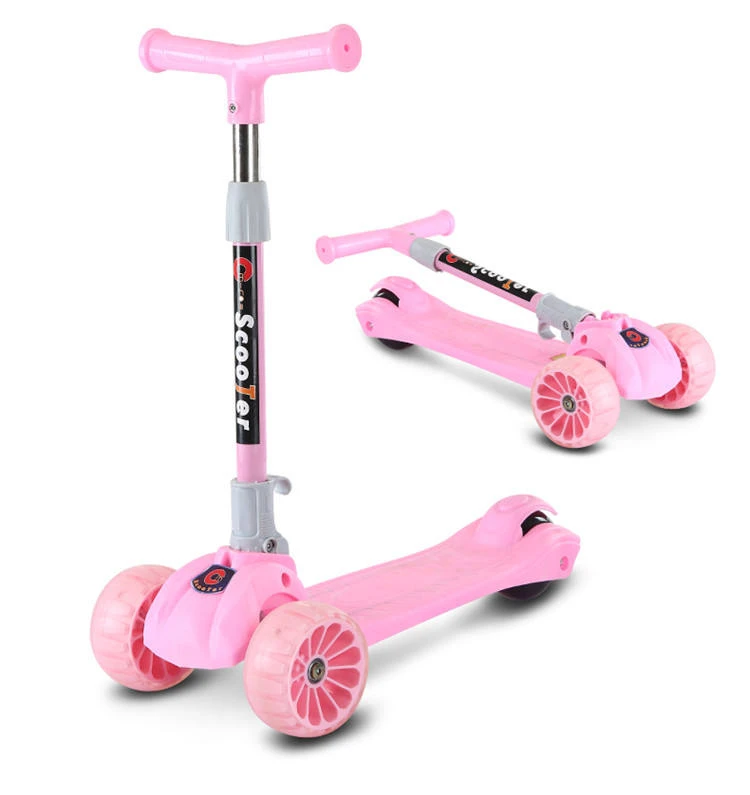
Factory Sale Kid Scooter Foot scooter Kids Kick scooter For Toddler.
-
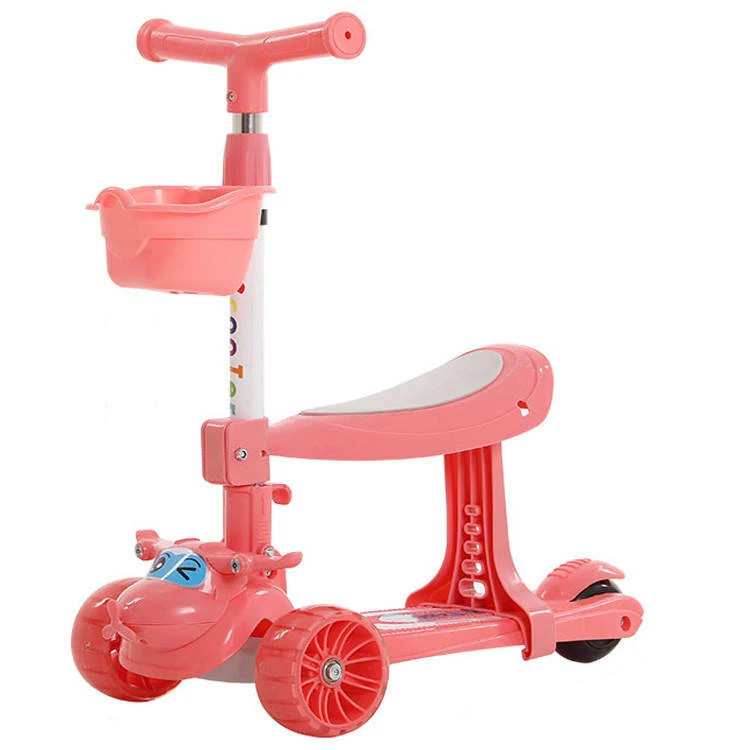
Best Seller Multifunctional Folding Kid Kick 3 Wheels Children Foot Scooter Foldable Baby Kid Scooters
-
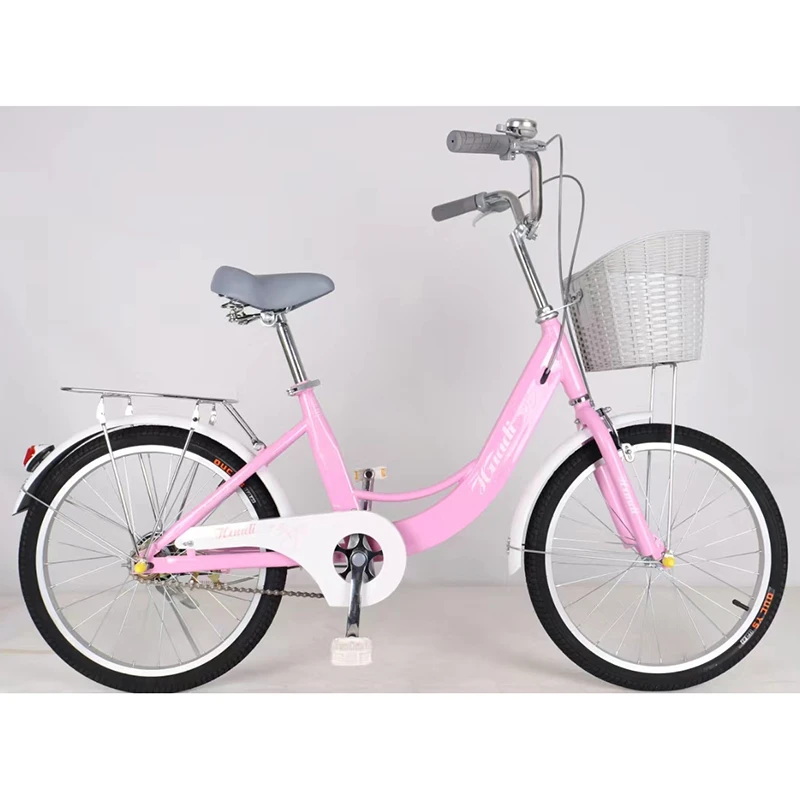
Hot sale kids bikes OEM custom cheap baby children bicycle bike beautiful cycle for girls kids
 Afrikaans
 Albanian
 Amharic
 Arabic
 Armenian
 Azerbaijani
 Basque
 Belarusian
 Bengali
 Bosnian
 Bulgarian
 Catalan
 Cebuano
 Corsican
 Croatian
 Czech
Czech
 Danish
 Dutch
Dutch
 Esperanto
 Estonian
 Finnish
 French
 Frisian
 Galician
 Georgian
 German
 Greek
Greek
 Gujarati
 Haitian Creole
 Hausa
Hausa
 Hawaiian
 Hebrew
 Hindi
Hindi
 Miao
Miao
 Hungarian
 Icelandic
 Igbo
Igbo
 Indonesian
 Irish
Irish
 Italian
 Japanese
 Javanese
 Kannada
 Kazakh
 Khmer
Khmer
 Rwandese
 Korean
 Kurdish
 Kyrgyz
 Lao
Lao
 Latin
Latin
 Latvian
 Lithuanian
 Luxembourgish
 Macedonian
 Malgashi
 Malay
Malay
 Malayalam
 Maltese
 Maori
Maori
 Marathi
 Mongolian
 Myanmar
 Nepali
 Norwegian
 Norwegian
 Occitan
 Pashto
 Persian
 Polish
 Portuguese
 Punjabi
 Romanian
 Russian
 Samoan
 Scottish Gaelic
 Serbian
 Sesotho
 Shona
Shona
 Sindhi
 Sinhala
 Slovak
 Slovenian
 Somali
 Spanish
 Sundanese
 Swahili
 Swedish
 Tagalog
 Tajik
Tajik
 Tamil
Tamil
 Tatar
Tatar
 Telugu
 Thai
Thai
 Turkish
 Turkmen
 Ukrainian
 Urdu
Urdu
 Uighur
 Uzbek
Uzbek
 Vietnamese
 Welsh
Welsh
 Bantu
Bantu
 Yiddish
 Yoruba
 Zulu
Zulu
 English