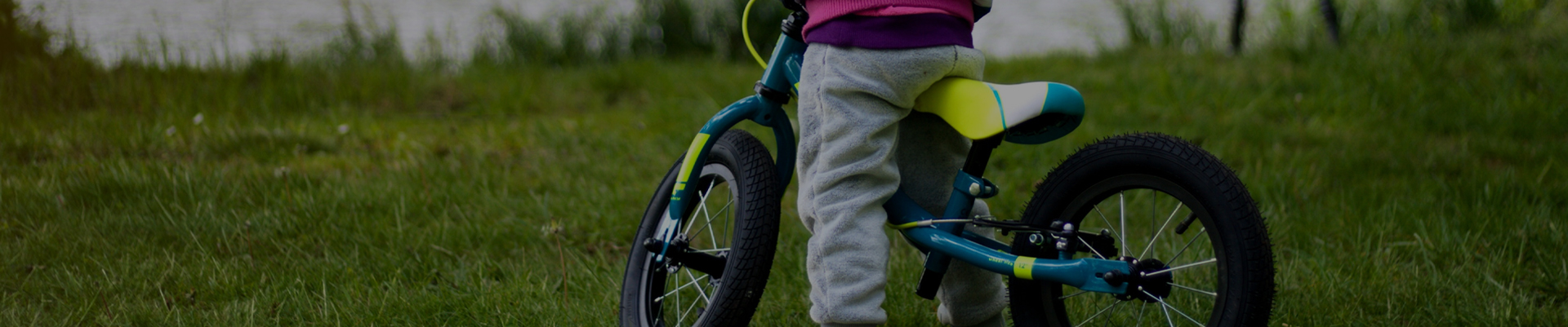
Kids Three Wheel Scooter – Safe, Stable & Fun for Young Riders
Kids Three Wheel Scooter: A Simple Ride, A Big Adventure
You know, having spent over a decade in the industrial equipment sector, I never thought I’d find myself talking in-depth about kids’ scooters. And yet, here we are – talking kids three wheel scooter models, which, frankly, surprisingly mirror some of the design and safety challenges we face in big machinery, just… on a much smaller scale.
Oddly enough, these scooters blend lightweight design with sturdy materials—sort of an engineering balancing act I've admired over the years. The challenge? Making sure they’re safe and stable enough for little riders but also easy to handle and fun. Trust me, from what I’ve seen, it’s a craft that takes more tweaking than you’d expect.
In real terms, a kids three wheel scooter carries the advantage of stability over the traditional two-wheeled version. Parents often tell me that it feels like “training wheels” for balance but without crutches. For kids developing their coordination, this really matters. The wider base and dual front wheels help distribute weight more evenly, which means fewer surprises during those first rides—less of that scary tipping over, you know?
There’s a story I can’t help but share: a friend’s daughter, a perpetual worrier, timid at first. She got a three wheel scooter and, within weeks, was zooming around the park, proud and confident. Sometimes, the smallest design decisions—the width of the deck, the grip on the handlebar—make all the difference between fear and freedom.
Key Product Specs – What to Look For
| Feature | Specification | Why It Matters |
|---|---|---|
| Wheels | Two front, one rear (PU material) | Ensures stability & smooth ride |
| Deck | Non-slip, wide base | Improves balance and safety |
| Materials | Aluminum frame with plastic trims | Lightweight yet durable |
| Adjustable Handlebar | Multiple height settings | Grows with the child |
| Weight Limit | Up to 50 kg (110 lbs) | Supports various ages |
Now, from an industry standpoint, quality testing is no joke on these scooters. Many engineers I’ve spoken with stress that materials—even tiny components like bearings—are tested rigorously for longevity and safety. It’s reassuring, especially when your kid’s wobbling all over the neighborhood.
Comparing Top Vendors: What Sets Them Apart?
| Brand | Price Range | Materials Used | Adjustability | Unique Feature |
|---|---|---|---|---|
| Zhongzhou Bike | $40-$70 | High-grade aluminum + PU wheels | 3 height settings | Durable, foldable design |
| ScootMaster | $60-$90 | Steel frame, EVA wheels | 2 height settings | Shock absorption tech |
| KidGlide | $35-$50 | Aluminum & plastic | Fixed handlebar height | Lightweight and colorful |
Frankly, picking the right brand depends on your priorities: if it’s adjustability and durability you want, the Zhongzhou Bike line ticks those boxes quite reliably. I’d lean towards that if I were buying a gift for a cautious kid learning the ropes.
At the end of the day, what sticks with me most is how even a “simple” kids three wheel scooter packs so much design thought and safety engineering. When I handled these scooters in person, it felt like a small but very real gearshift toward safer, more active childhoods. It’s these little machines that might just spark life-long habits of balance, coordination, and simple joy outdoors.
So, if you’re browsing for a scooter that promises fun but also peace of mind, definitely check out the options at kids three wheel scooter sites. I suppose it’s a modest investment in precious childhood moments—and frankly, that’s worth it.
Reflections: When industries as distinct as heavy equipment and children’s toys converge in unexpected ways, it’s a reminder that good design – safe, functional, and user-friendly – transcends size and application.
References:
1. Industry safety standards for children’s toys, Consumer Product Safety Commission (CPSC).
2. Material durability studies in lightweight aluminum for scooters, Journal of Engineering Design, 2021.
3. Customer usage patterns in early childhood active play, Child Development Research, 2023.
-
Electric Scooter Age 3 Safe Introduction to Early Mobility GuideNewsApr.16,2026
-
Is an Electric Scooter Age 4 Safe Complete Parents GuideNewsApr.09,2026
-
Choosing the Best Electric Scooter for a 9 Year Old Rider's SafetyNewsApr.07,2026
-
Comprehensive Guide to Choosing the Best Electric Scooter Ages 6 UpNewsApr.04,2026
-
Choosing the Best Electric Scooter for 6yr Old Riders A Comprehensive GuideNewsMar.31,2026
-
The Ultimate Guide to Choosing an Electric Scooter for Age 10 RidersNewsMar.28,2026
-
Choosing the Ideal Electric Scooter for Age 12 A Comprehensive Buyers GuideNewsMar.26,2026
Related Products
-
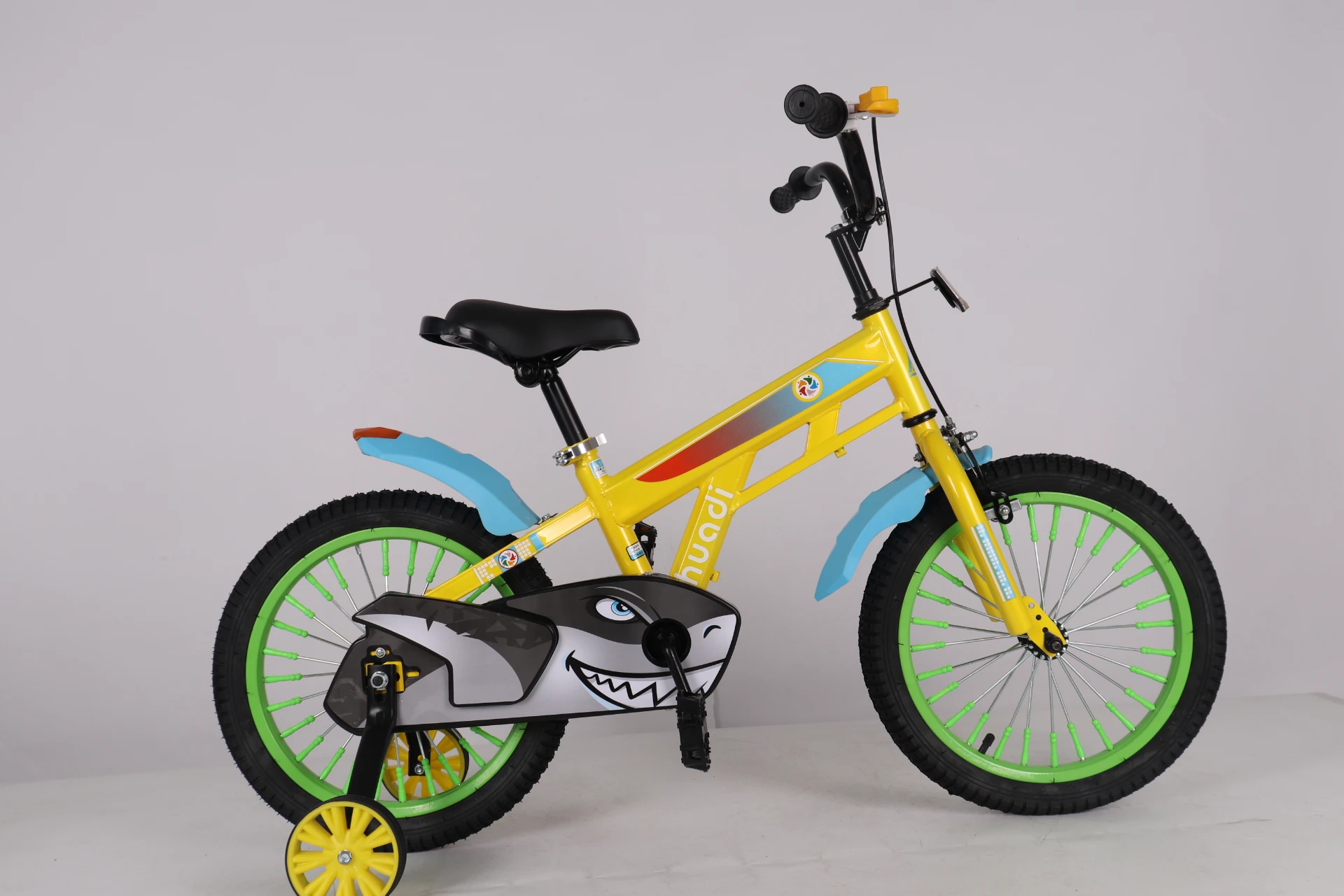
High quality kids bike children bicycle cycle cheap children bicycle with training wheel for sale
-
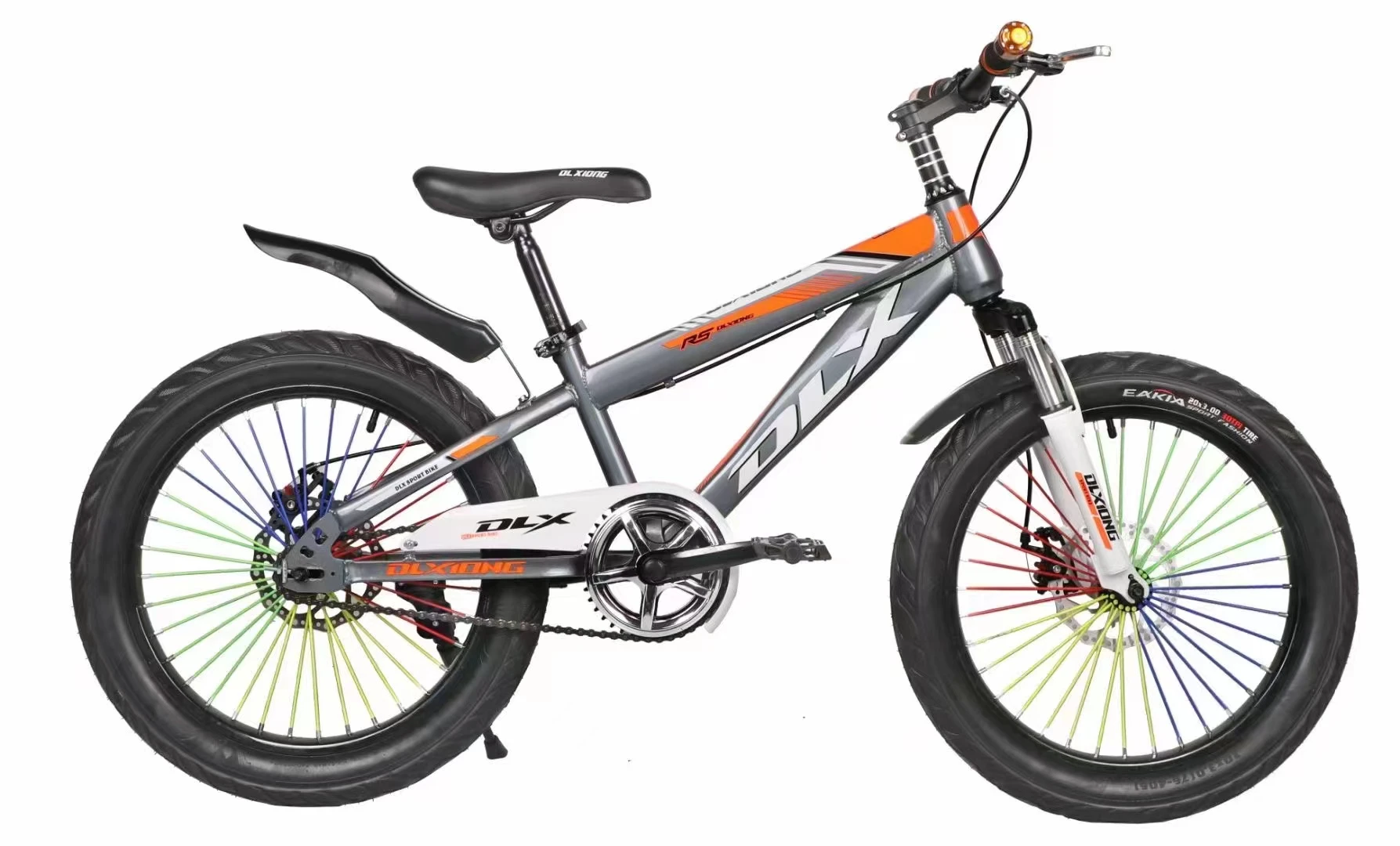
OEM 20 inch mountain bike children bikeVariable speed mountain bike suitable for student sports
-
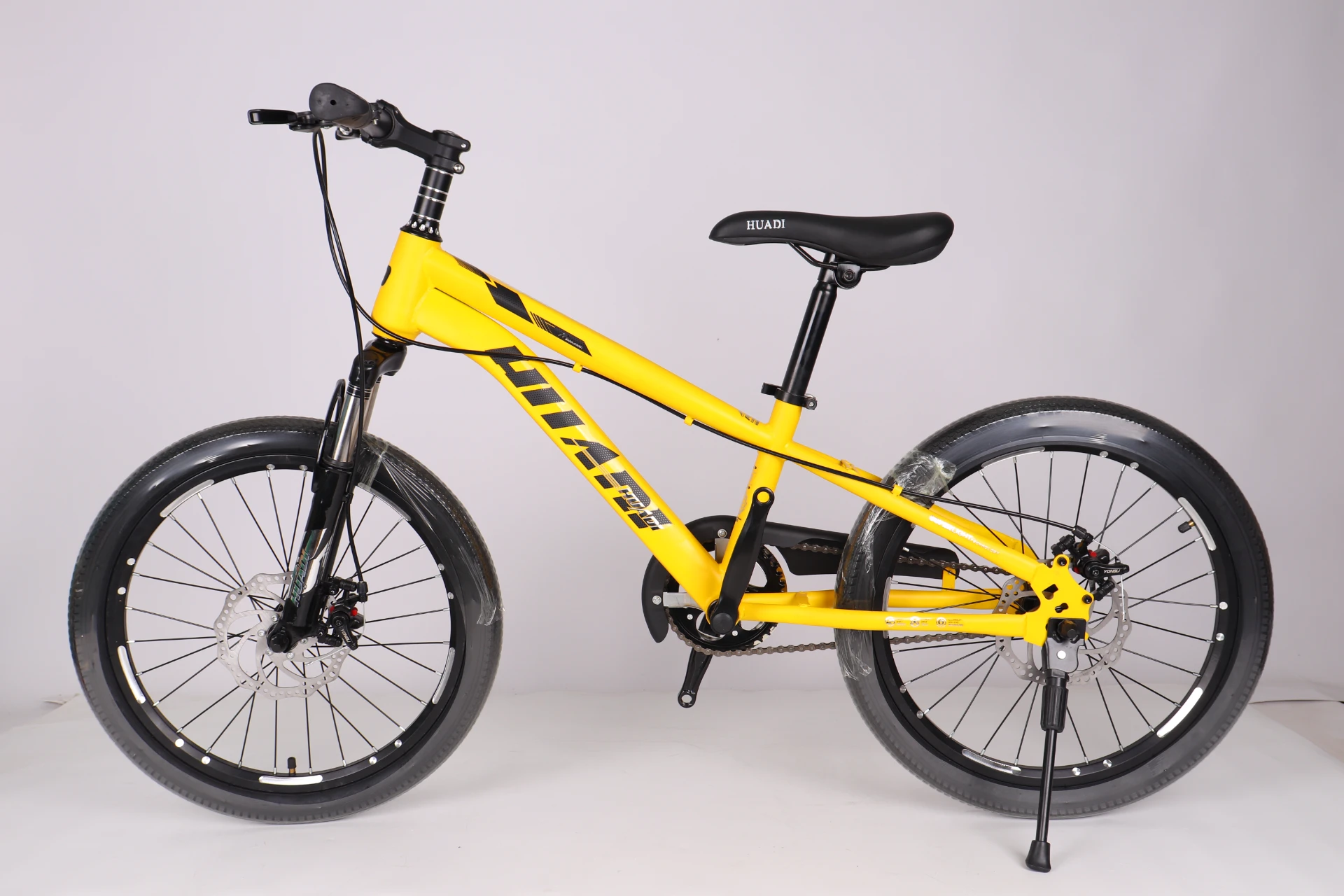
18 20 22 inch Children bike mountain bikes for 13 year old boy cycle for class 5 bicycle for 10year old boy kids
-
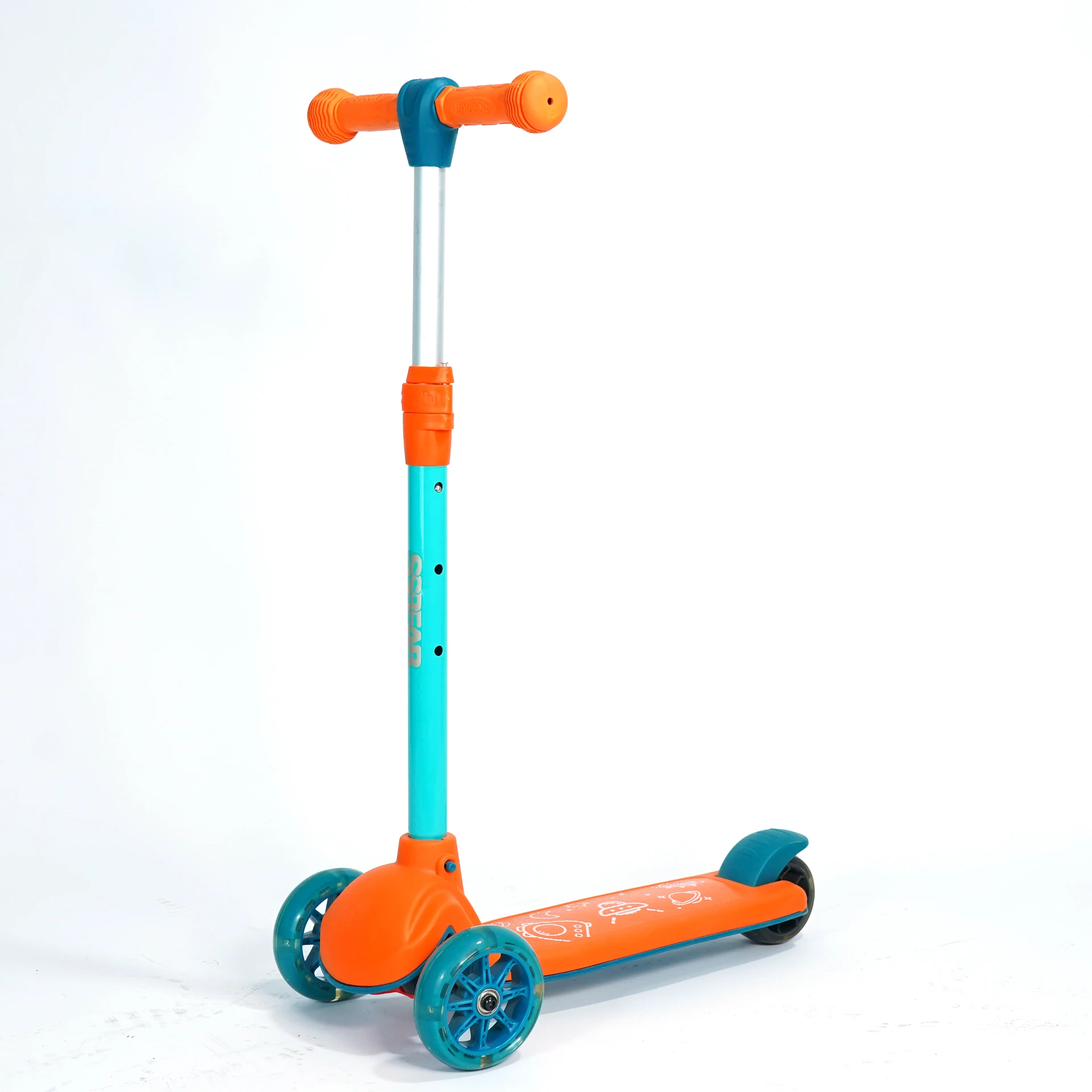
Hot Sale Kids Scooter 3 Pu Light-Up Wheel Kick Scooter For 3-6 Year Olds
-
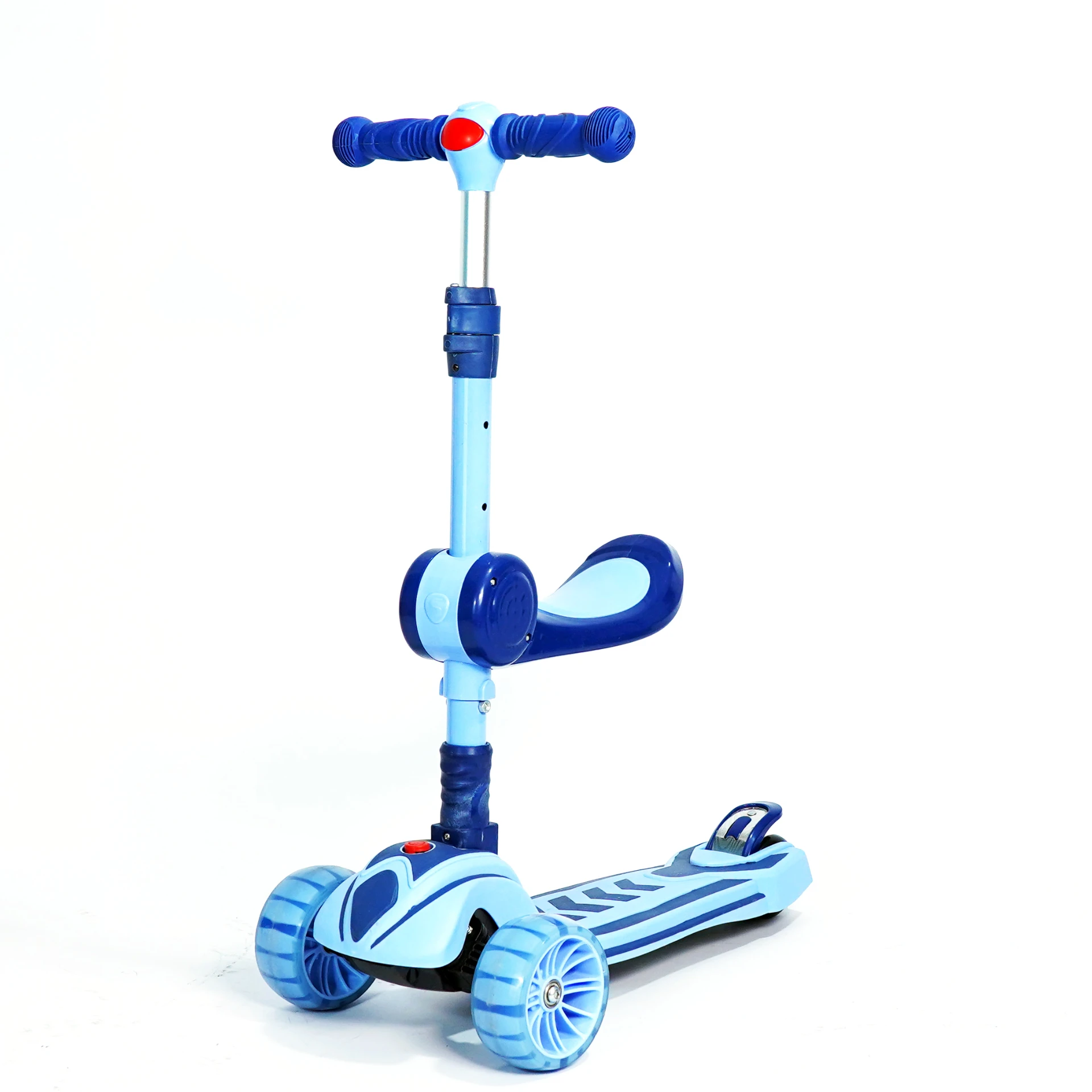
EU Child 3 To 10 Years Baby Soccer Kick Scooters & Foot Scooters For Kids Boys
-
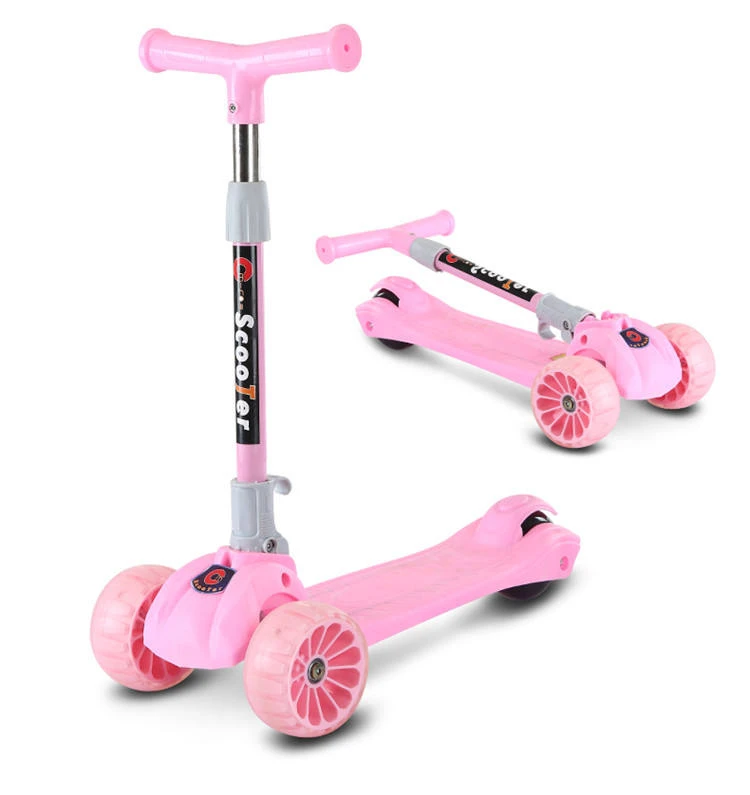
Factory Sale Kid Scooter Foot scooter Kids Kick scooter For Toddler.
-
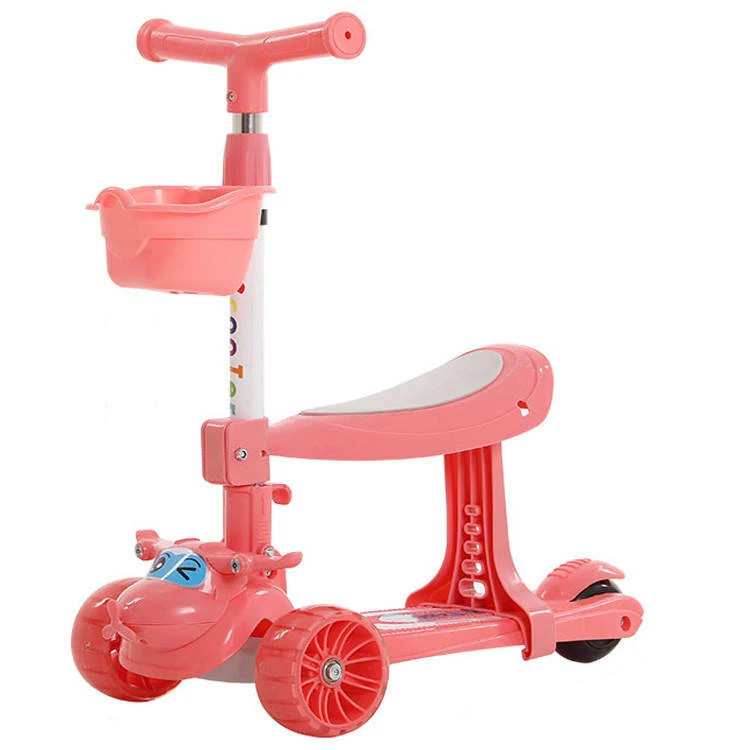
Best Seller Multifunctional Folding Kid Kick 3 Wheels Children Foot Scooter Foldable Baby Kid Scooters
-
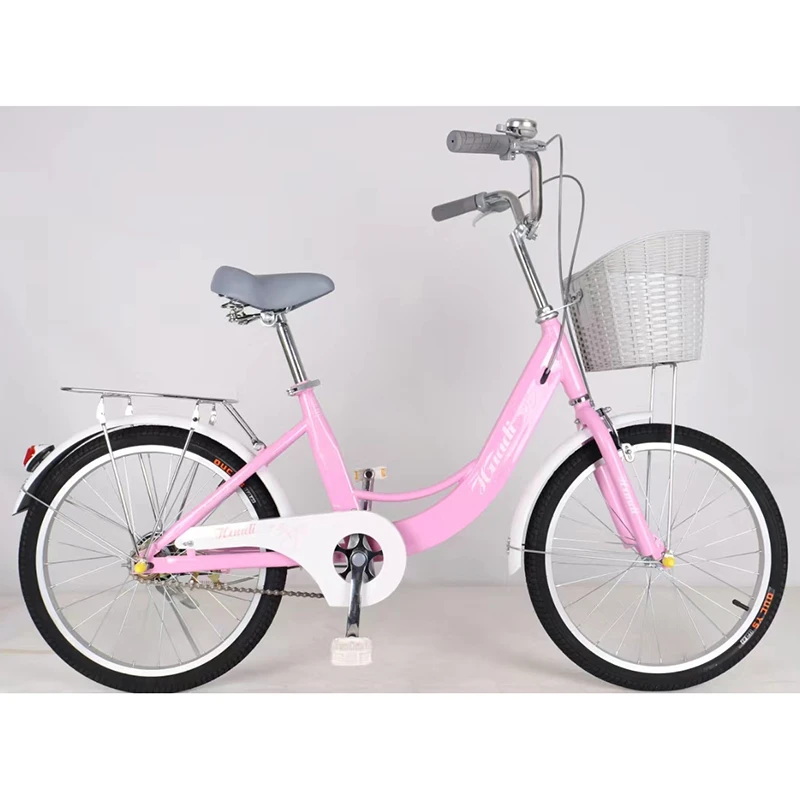
Hot sale kids bikes OEM custom cheap baby children bicycle bike beautiful cycle for girls kids
 Afrikaans
 Albanian
 Amharic
 Arabic
 Armenian
 Azerbaijani
 Basque
 Belarusian
 Bengali
 Bosnian
 Bulgarian
 Catalan
 Cebuano
 Corsican
 Croatian
 Czech
Czech
 Danish
 Dutch
Dutch
 Esperanto
 Estonian
 Finnish
 French
 Frisian
 Galician
 Georgian
 German
 Greek
Greek
 Gujarati
 Haitian Creole
 Hausa
Hausa
 Hawaiian
 Hebrew
 Hindi
Hindi
 Miao
Miao
 Hungarian
 Icelandic
 Igbo
Igbo
 Indonesian
 Irish
Irish
 Italian
 Japanese
 Javanese
 Kannada
 Kazakh
 Khmer
Khmer
 Rwandese
 Korean
 Kurdish
 Kyrgyz
 Lao
Lao
 Latin
Latin
 Latvian
 Lithuanian
 Luxembourgish
 Macedonian
 Malgashi
 Malay
Malay
 Malayalam
 Maltese
 Maori
Maori
 Marathi
 Mongolian
 Myanmar
 Nepali
 Norwegian
 Norwegian
 Occitan
 Pashto
 Persian
 Polish
 Portuguese
 Punjabi
 Romanian
 Russian
 Samoan
 Scottish Gaelic
 Serbian
 Sesotho
 Shona
Shona
 Sindhi
 Sinhala
 Slovak
 Slovenian
 Somali
 Spanish
 Sundanese
 Swahili
 Swedish
 Tagalog
 Tajik
Tajik
 Tamil
Tamil
 Tatar
Tatar
 Telugu
 Thai
Thai
 Turkish
 Turkmen
 Ukrainian
 Urdu
Urdu
 Uighur
 Uzbek
Uzbek
 Vietnamese
 Welsh
Welsh
 Bantu
Bantu
 Yiddish
 Yoruba
 Zulu
Zulu
 English