
Micro Kid Scooter Review – Durable & Safe Lightweight Ride
Why the Micro Kid Scooter Stands Out in the Industrial Equipment Market
Working in the industrial equipment sector for what feels like ages, I’ve witnessed trends and products come and go. But when it comes to children’s mobility devices, especially scooters, the Micro Kid Scooter has piqued my interest for good reason. It's not just a toy; it’s a clever blend of thoughtful engineering and practical design that stands out far beyond the cluttered shelves of mass-produced scooters.
In real terms, the design ethos behind this kid scooter taps a balance between safety, durability, and usability that engineers in industrial sectors truly appreciate. When you think about it, these scooters have to withstand rough use — kids aren’t exactly gentle users — so materials and build quality matter immensely.
Many engineers I know, myself included, have admired how Micro utilizes lightweight yet robust aluminium for the frame. This keeps the scooter nimble and easy for little hands to control, yet it can handle the occasional bumps and scrapes from everyday play. Oddly enough, it’s this attention to material science that makes the scooter both suitable for toddlers and reliable enough for parents who want safety without sacrificing fun.
Micro Kid Scooter Product Specifications
| Specification | Details |
|---|---|
| Weight | Approx. 2.7 kg (6 lbs) |
| Recommended Age | 2 - 5 years |
| Frame Material | Aircraft-grade aluminium |
| Wheels | Polyurethane, shock-absorbent |
| Handlebar Height | Adjustable from 22” to 27” |
| Max Weight Load | 20 kg (44 lbs) |
I once had a customer share a little story that stuck with me. Their three-year-old daughter, initially hesitant around the scooter, quickly gained confidence thanks to how smoothly the Micro’s steering mechanism responds. The kid was able to handle curves and small inclines safely, which frankly, reassured the parents as well.
That smooth steering assembly is simple yet robust — something often overlooked in cheaper models. And in the industrial sector, where reliability rules, such details aren’t just “nice to have,” they’re deal-breakers.
Vendor Comparison: Micro Kid Scooter Versus Competitors
| Feature | Micro Kid Scooter | Brand X | Brand Y |
|---|---|---|---|
| Build Material | Aircraft-grade aluminium | Plastic & steel mix | Steel frame |
| Weight | 2.7 kg | 4.5 kg | 3.9 kg |
| Adjustable Handlebar | Yes (22”-27”) | No | Yes (20”-25”) |
| Wheel Type | Shock-absorbent polyurethane | Hard plastic | Rubber (non-shock absorbing) |
| Price Range | $$$ (mid-range) | $ (budget) | $$ (entry-level) |
Customization options are also something that, frankly, few competitors do well. Micro offers various handlebar grips, colors, and even deck graphics — small things that appeal to kids and parents alike. Some might see this as trivial, but from a user experience perspective, it matters. Kids feel proud riding a scooter that’s “theirs.”
Testing and quality control processes are usually opaque in this sector, but with Micro, I’ve seen multiple reports assuring compliance with European and US safety standards. It’s not just hype; it’s verifiable. Which is something I lean on heavily when recommending gear in an industrial or consumer setting.
All said, for parents on the lookout for a reliable, user-friendly, and thoughtfully designed scooter for their toddlers, this scooter checks a surprising number of boxes — and then some. It's a reminder that good industrial design isn't always complex; sometimes it’s about listening carefully to your users and respecting materials and manufacturing discipline.
So, if you find yourself browsing for a kid’s scooter that reflects solid expertise and detailed engineering, the Micro Kid Scooter definitely deserves a look.
And here’s a little takeaway — sometimes, the smallest ride can teach the biggest lessons about quality and design.
- ISO 8124-1:2018 - Safety of Toys standards
- Consumer Product Safety Commission (CPSC) guidelines
- Material Testing Reports from Micro Mobility Systems AG
-
Electric Scooter Age 3 Safe Introduction to Early Mobility GuideNewsApr.16,2026
-
Is an Electric Scooter Age 4 Safe Complete Parents GuideNewsApr.09,2026
-
Choosing the Best Electric Scooter for a 9 Year Old Rider's SafetyNewsApr.07,2026
-
Comprehensive Guide to Choosing the Best Electric Scooter Ages 6 UpNewsApr.04,2026
-
Choosing the Best Electric Scooter for 6yr Old Riders A Comprehensive GuideNewsMar.31,2026
-
The Ultimate Guide to Choosing an Electric Scooter for Age 10 RidersNewsMar.28,2026
-
Choosing the Ideal Electric Scooter for Age 12 A Comprehensive Buyers GuideNewsMar.26,2026
Related Products
-
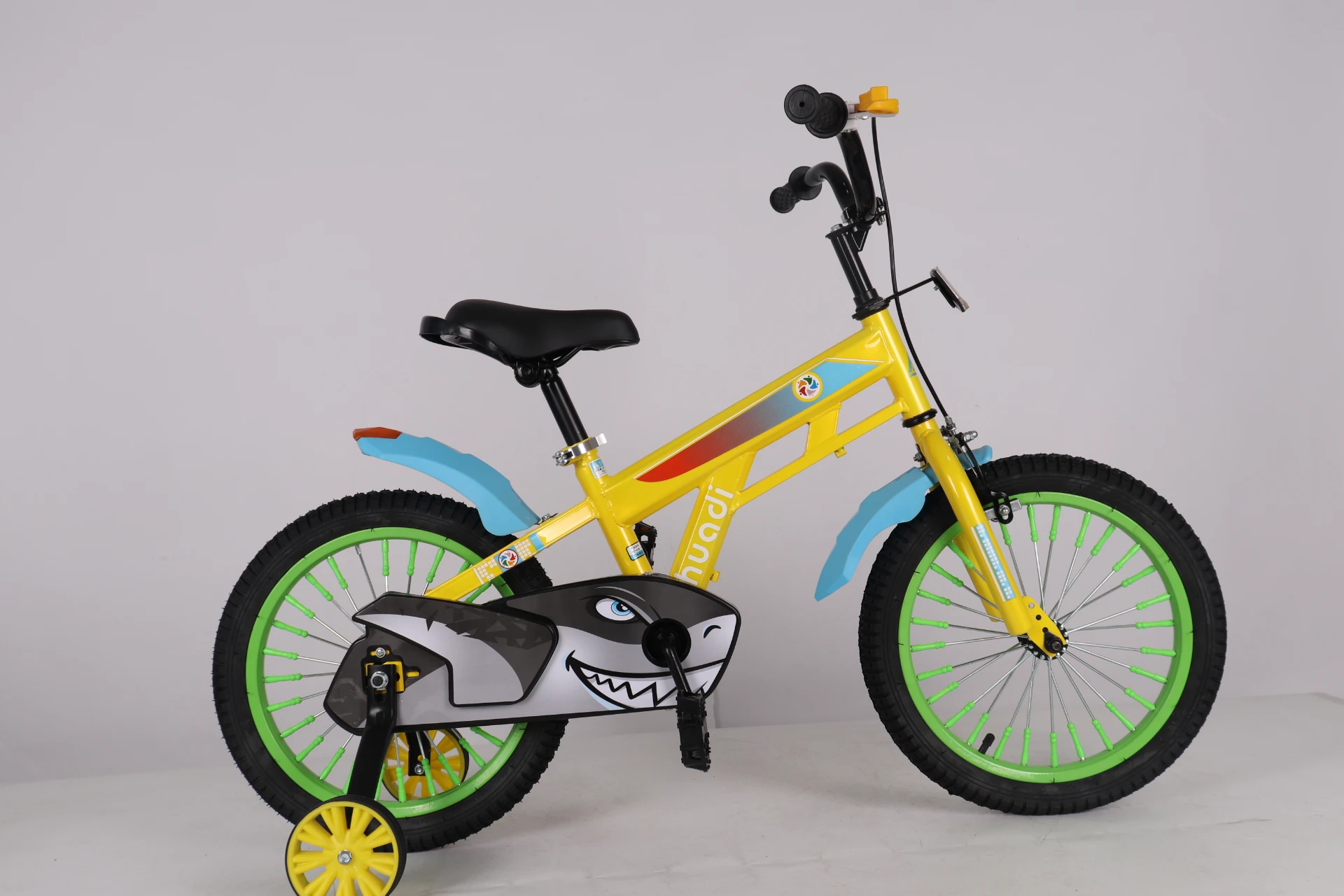
High quality kids bike children bicycle cycle cheap children bicycle with training wheel for sale
-
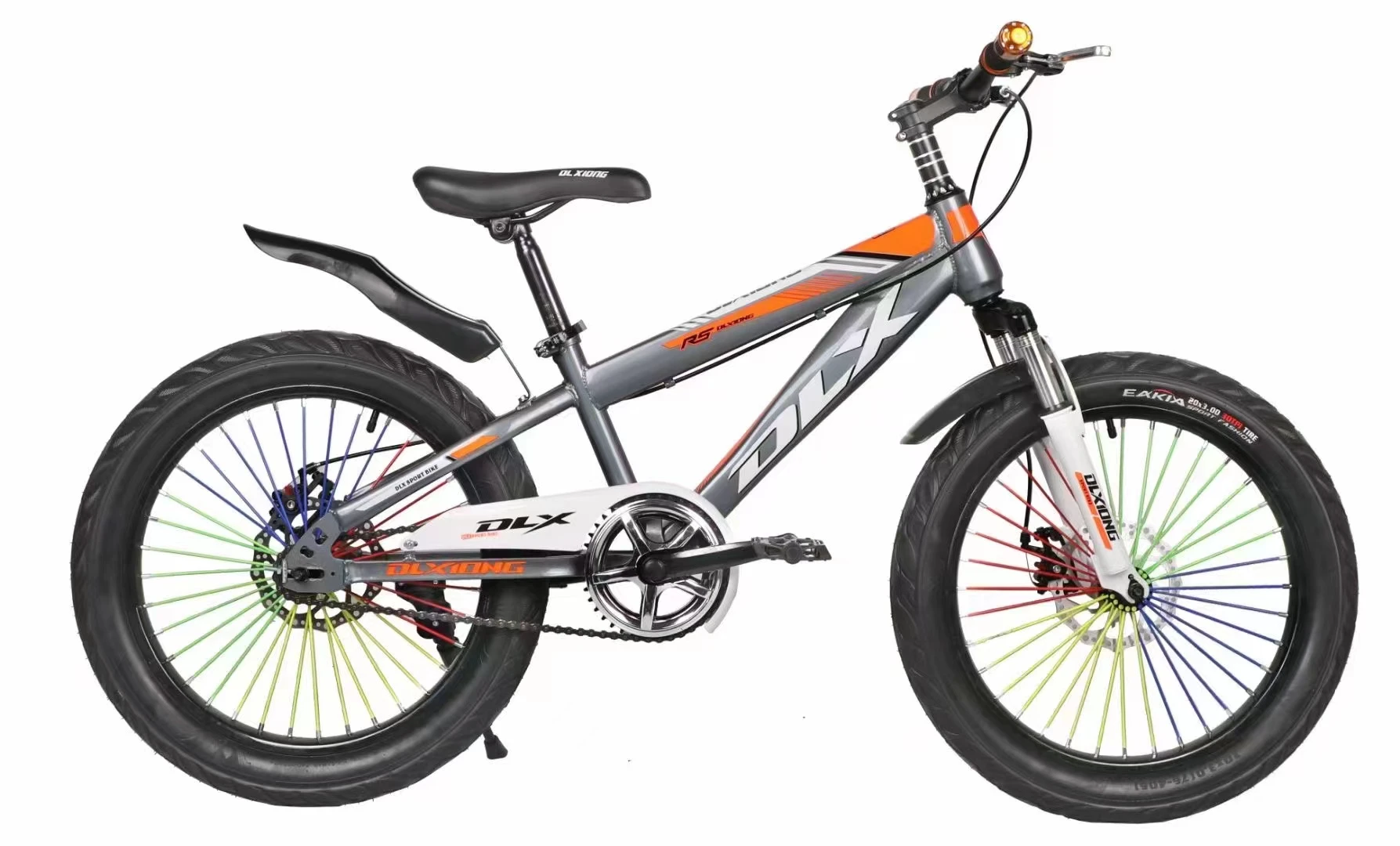
OEM 20 inch mountain bike children bikeVariable speed mountain bike suitable for student sports
-
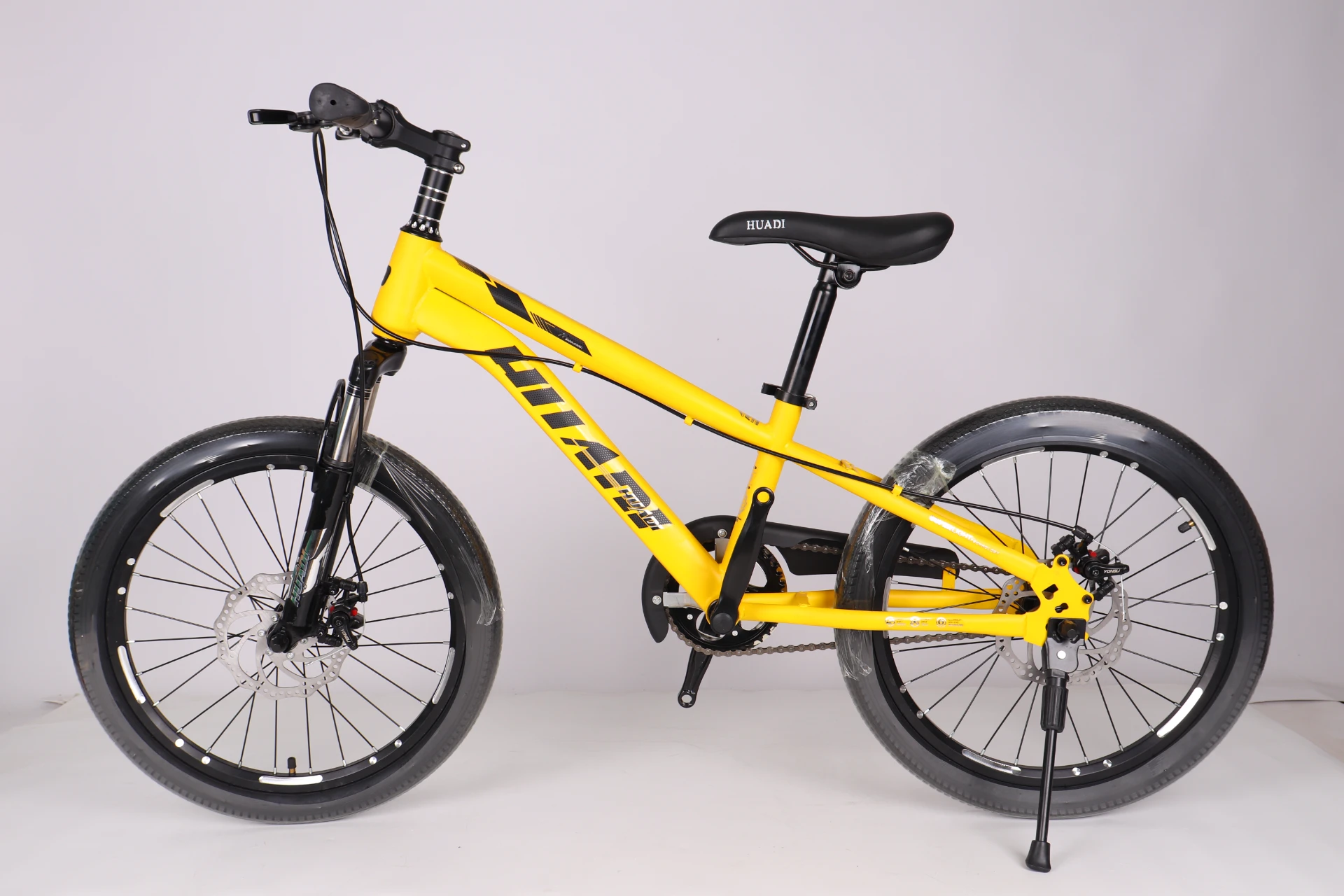
18 20 22 inch Children bike mountain bikes for 13 year old boy cycle for class 5 bicycle for 10year old boy kids
-
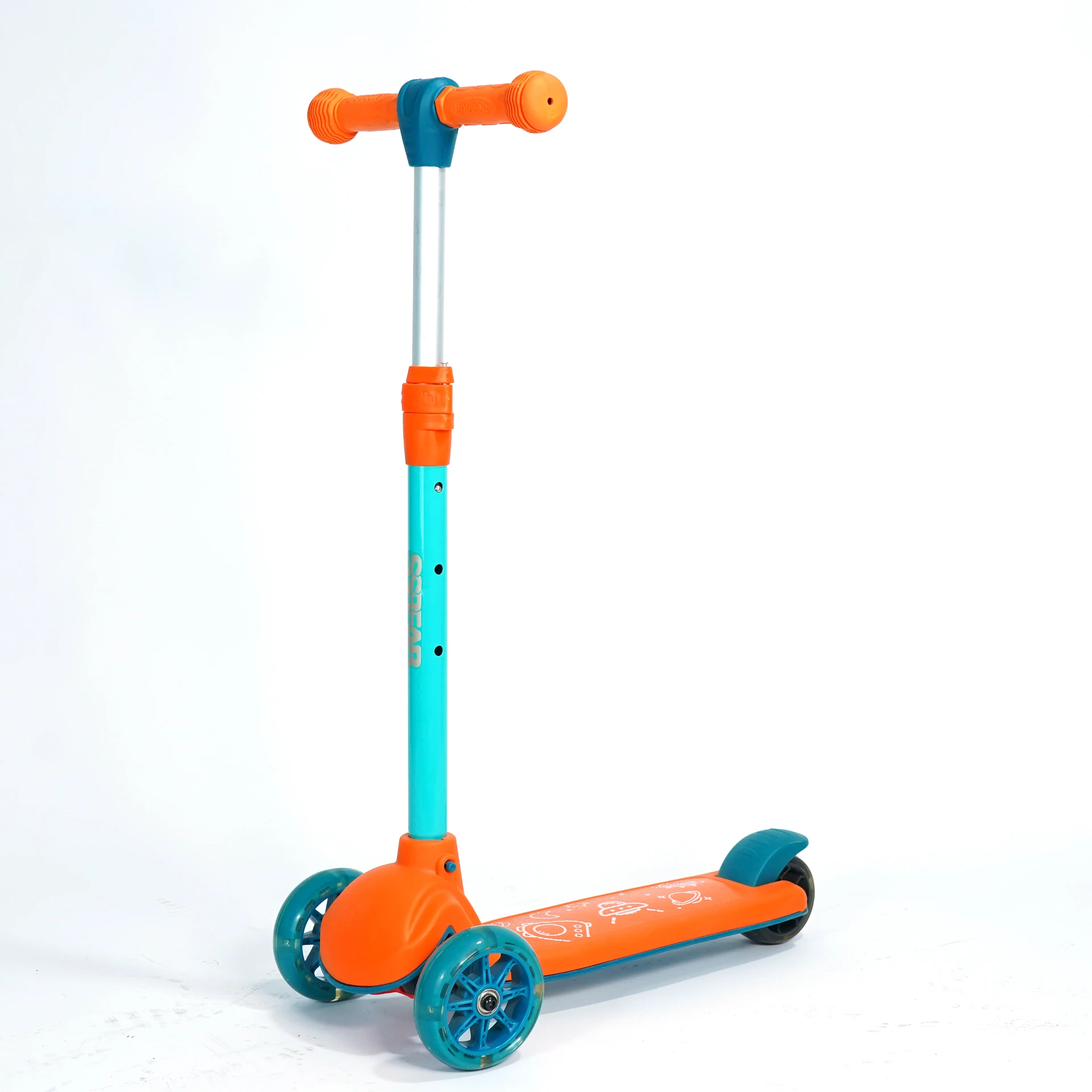
Hot Sale Kids Scooter 3 Pu Light-Up Wheel Kick Scooter For 3-6 Year Olds
-
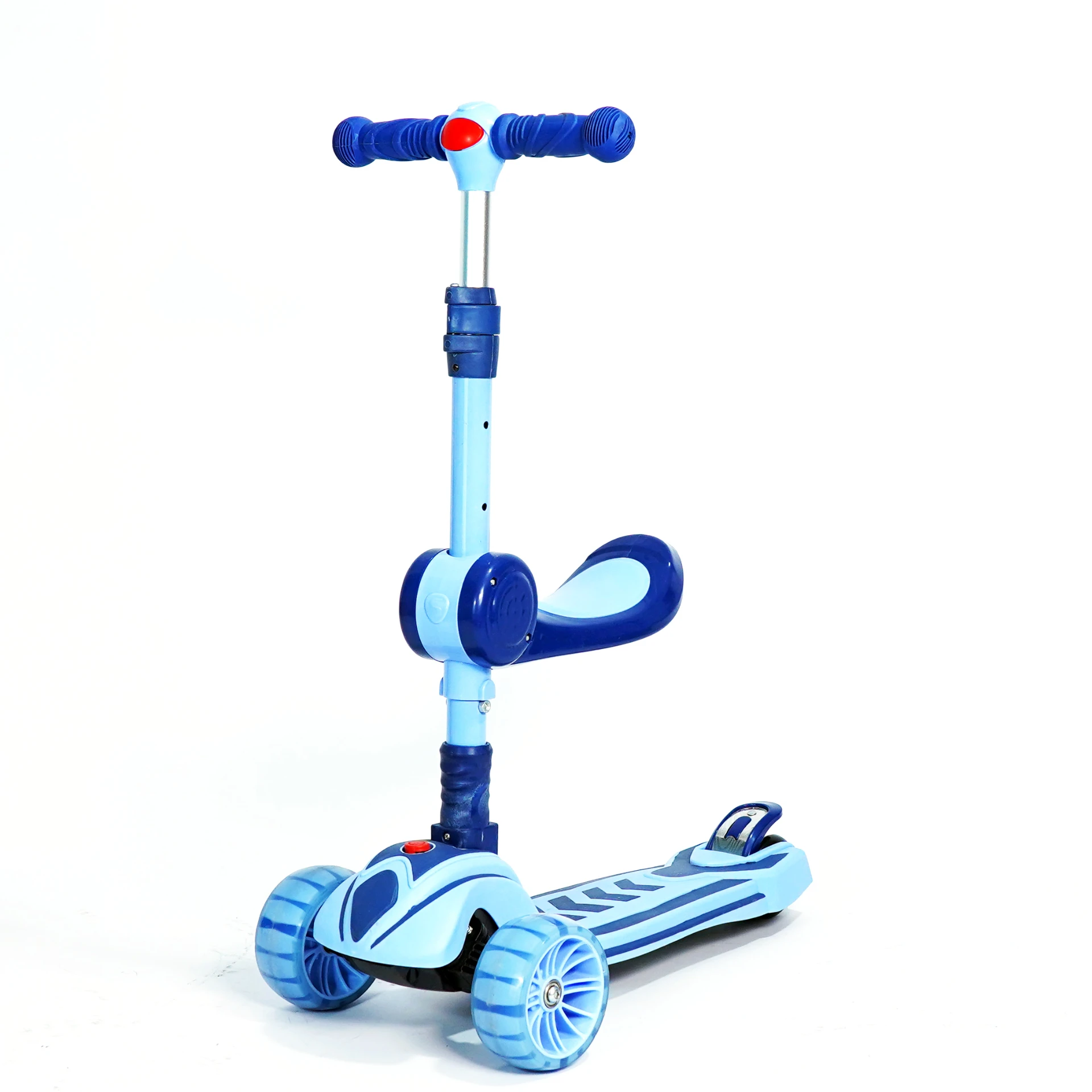
EU Child 3 To 10 Years Baby Soccer Kick Scooters & Foot Scooters For Kids Boys
-
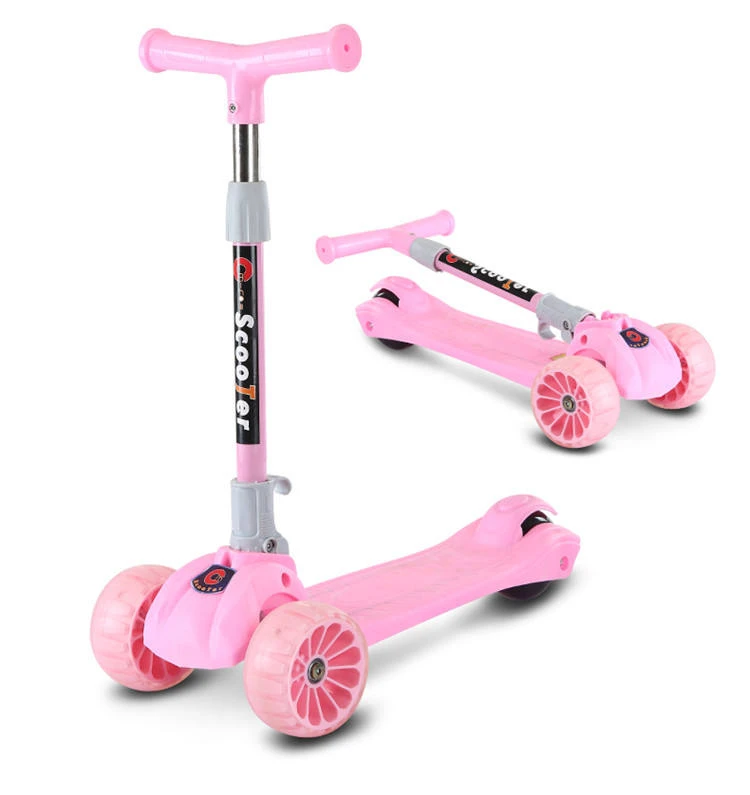
Factory Sale Kid Scooter Foot scooter Kids Kick scooter For Toddler.
-
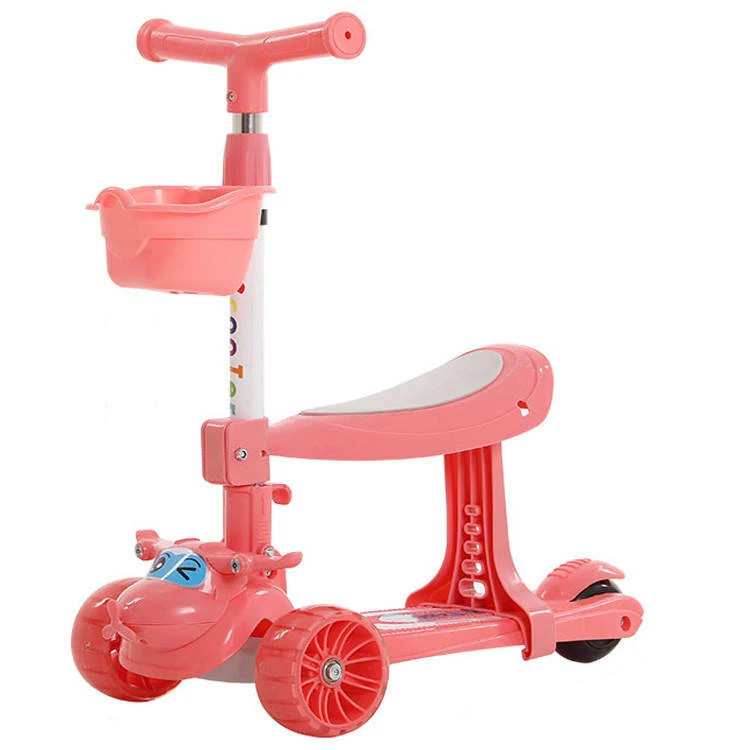
Best Seller Multifunctional Folding Kid Kick 3 Wheels Children Foot Scooter Foldable Baby Kid Scooters
-
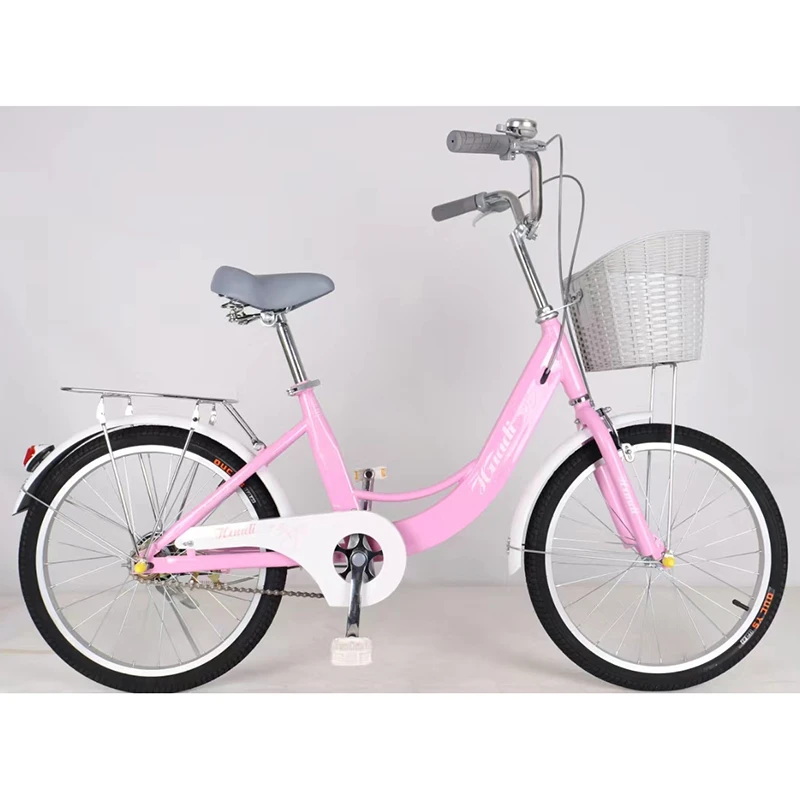
Hot sale kids bikes OEM custom cheap baby children bicycle bike beautiful cycle for girls kids
 Afrikaans
 Albanian
 Amharic
 Arabic
 Armenian
 Azerbaijani
 Basque
 Belarusian
 Bengali
 Bosnian
 Bulgarian
 Catalan
 Cebuano
 Corsican
 Croatian
 Czech
Czech
 Danish
 Dutch
Dutch
 Esperanto
 Estonian
 Finnish
 French
 Frisian
 Galician
 Georgian
 German
 Greek
Greek
 Gujarati
 Haitian Creole
 Hausa
Hausa
 Hawaiian
 Hebrew
 Hindi
Hindi
 Miao
Miao
 Hungarian
 Icelandic
 Igbo
Igbo
 Indonesian
 Irish
Irish
 Italian
 Japanese
 Javanese
 Kannada
 Kazakh
 Khmer
Khmer
 Rwandese
 Korean
 Kurdish
 Kyrgyz
 Lao
Lao
 Latin
Latin
 Latvian
 Lithuanian
 Luxembourgish
 Macedonian
 Malgashi
 Malay
Malay
 Malayalam
 Maltese
 Maori
Maori
 Marathi
 Mongolian
 Myanmar
 Nepali
 Norwegian
 Norwegian
 Occitan
 Pashto
 Persian
 Polish
 Portuguese
 Punjabi
 Romanian
 Russian
 Samoan
 Scottish Gaelic
 Serbian
 Sesotho
 Shona
Shona
 Sindhi
 Sinhala
 Slovak
 Slovenian
 Somali
 Spanish
 Sundanese
 Swahili
 Swedish
 Tagalog
 Tajik
Tajik
 Tamil
Tamil
 Tatar
Tatar
 Telugu
 Thai
Thai
 Turkish
 Turkmen
 Ukrainian
 Urdu
Urdu
 Uighur
 Uzbek
Uzbek
 Vietnamese
 Welsh
Welsh
 Bantu
Bantu
 Yiddish
 Yoruba
 Zulu
Zulu
 English