
Crazy Scooter: The Future of Urban Mobility and Sustainable Transport
Understanding the Crazy Scooter: Revolutionizing Urban Mobility and Beyond
In today's rapidly urbanizing world, transportation solutions are evolving faster than ever. One such innovation making waves globally is the crazy scooter. It may sound quirky, but these nimble vehicles are actually reshaping how people commute, tackle last-mile delivery, and even support disaster response in some places. Why does it matter? Because crazy scooters aren't just novel gadgets—they hold the key to greener, more efficient, and affordable urban mobility worldwide.
Global Context: Why Crazy Scooters Are Gaining Momentum
Urban areas are expanding at breakneck speed. According to the United Nations, by 2050, nearly 68% of the global population will live in cities—up from 55% in 2018 (1). This demographic shift strains existing transportation networks, increasing congestion, pollution, and commuting times.
Enter the crazy scooter. These electric or hybrid-powered two-wheelers offer a compact, energy-efficient alternative for short-range travel, especially in dense cityscapes where cars falter. Studies from the International Transport Forum suggest micro-mobility devices, including scooters, can reduce car trips by up to 30% in urban centers (2).
Yet with all these benefits, challenges remain: safety concerns, battery disposal, and infrastructure limitations threaten widespread adoption. Understanding the design and applications of crazy scooters is more crucial than ever.
Defining the Crazy Scooter: More Than Just a Fun Ride
Put simply, a crazy scooter is a lightweight, often electric-powered, compact vehicle designed primarily for individual transport. They range from foldable models to rugged designs suited for off-road or industrial use.
But the “crazy” isn’t just about style or speed—it often refers to innovative features like enhanced suspension systems, modular components, or advanced safety tech that pushes the envelope beyond typical scooters.
In industry terms, these scooters help bridge gaps in public transit, offer eco-friendly delivery solutions, and even aid humanitarian logistics by providing access where traditional vehicles can’t.
Key Components That Define Crazy Scooters
- Durability: Many models use reinforced aluminum or carbon fiber frames. This ensures they can handle frequent usage and varied terrain, extending lifespan.
- Battery Technology: Lithium-ion batteries dominate, offering fast recharge times and decent range—often 20 to 40 miles per charge.
- Portability: Foldability and lightweight design make them easy to carry into offices, subways, or elevators, enhancing usability for commuters.
- Safety Enhancements: Integrated LED lights, anti-lock brakes, and sometimes shock absorbers improve ride safety, which is critical given rising traffic interactions.
- Smart Features: Many crazy scooters now connect with smartphones, enabling GPS tracking, ride analytics, and anti-theft systems.
Each of these components plays a part in practical, everyday use, ensuring the scooter fits into the complex puzzle of urban life.
Product Specifications of a Popular Crazy Scooter Model
| Specification | Details |
|---|---|
| Frame Material | Aerospace-grade Aluminum Alloy |
| Max Speed | 25 mph (40 km/h) |
| Battery Range | 35 miles (56 km) per charge |
| Weight | 27 lbs (12.3 kg) |
| Folding Mechanism | Quick-release lever, under 5 seconds folding time |
| Smart Features | Mobile app connectivity, GPS, trip analytics |
Global Applications & Use Cases
The versatility of the crazy scooter means it’s adopted worldwide across various sectors:
- Urban commuters: In mega-cities like Tokyo and New York, individuals use them to cover “last mile” from transit stations to offices.
- Logistics and delivery: Companies, especially in Europe and Asia, deploy scooters to navigate congested streets for food and parcel delivery, speeding up turnaround.
- Disaster relief: In remote or damaged areas, crazy scooters provide quick transport for medical supplies or personnel, where larger vehicles can’t pass.
- Tourism & Recreation: Some cities offer shared crazy scooters at tourist spots to improve accessibility and reduce car traffic.
It’s somewhat thrilling how a simple concept spreads—urban planners and NGOs alike vouch for their utility beyond just fun.
Advantages & Long-Term Value
What makes crazy scooters a compelling choice? Let’s look beyond just novelty:
- Cost efficiency: They’re cheaper to buy and maintain than cars or motorcycles, making personal transport accessible.
- Sustainability: Electric-powered scooters produce zero tailpipe emissions, helping cities improve air quality.
- Social impact: They can democratize mobility, especially in areas lacking robust public transit.
- Safety & trust: Enhanced features reduce accident risks, and their simplicity builds rider confidence.
Plus, they feel liberating. I noticed in some user reviews how owning a crazy scooter rekindles a sense of joy and independence—oddly enough, that’s just as important as practical benefits.
Vendor Comparison
| Feature / Vendor | ScootX | UrbanGlide | VoltRider |
|---|---|---|---|
| Top Speed | 20 mph | 24 mph | 25 mph |
| Weight | 30 lbs | 28 lbs | 27 lbs |
| Battery Range | 25 miles | 30 miles | 35 miles |
| Price | $799 | $899 | $949 |
| Smart Features | Basic app control | GPS, anti-theft lock | Full app suite with diagnostics |
Future Trends & Innovations in Crazy Scooters
Looking ahead, the market for crazy scooters looks bright, if a bit wild:
- Battery tech improvements: Solid-state batteries promise longer life and safer charging.
- Green energy integration: Solar recharging stations and regenerative braking will boost sustainability.
- AI and automation: Some companies experiment with self-balancing and collision avoidance systems.
- Policy & Infrastructure: Cities like Amsterdam and Singapore are building dedicated micro-mobility lanes, encouraging safer, broader use.
It's a fast-moving field—and frankly, exciting to see such rapid growth in something that once felt like niche hobby gear.
Common Challenges & Ways Forward
No innovation is without hurdles. Crazy scooters face:
- Safety issues: Collisions with pedestrians and vehicles remain a concern.
- Battery disposal: Environmental impacts if not recycled properly.
- Regulatory gaps: Speed limits, parking zones, and licensing vary wildly by city.
Innovatively, companies and cities are collaborating on standards and infrastructure upgrades. User education campaigns and smart tech integration (like geofencing) also help mitigate risks. There’s a clear path forward, but it requires cooperation and patience.
FAQ: Frequently Asked Questions About Crazy Scooters
- What makes a crazy scooter different from a typical electric scooter?
- Crazy scooters usually feature enhanced durability, smart safety tech, and innovative design elements like modular frames or extended battery range. They’re built not just for casual rides but also rugged, practical uses.
- How long does a crazy scooter battery typically last?
- Most lithium-ion batteries provide between 20 to 40 miles per charge, depending on terrain and rider weight. Proper maintenance can extend battery lifespan to several years (usually 2–3 years).
- Are crazy scooters environmentally friendly?
- Yes, electric crazy scooters emit no direct pollution. However, battery production and disposal have environmental impacts, so recycling and sustainable sourcing are crucial.
- Can I use a crazy scooter internationally?
- Import regulations vary by country. Many vendors offer compliance certificates, but it’s wise to check local road laws before travel. Some cities might require helmets or restrict speeds.
- What safety features should I look for in a crazy scooter?
- Look for LED lights, robust brakes (preferably anti-lock), shock absorbers, and smartphone connectivity for alerts. A solid frame and good tires also boost safety.
Conclusion
In real terms, the crazy scooter is far more than a trendy gadget—it’s a practical, sustainable, and innovative transport solution shaping the future of urban mobility. Whether you need fast last-mile commuting or look to reduce your carbon footprint, crazy scooters offer a compelling choice.
If you want to explore options or find a perfect match for your needs, visit our website: crazy scooter. Who knows? Your next ride might just be a little crazier—and a lot smarter.
- United Nations, World Urbanization Prospects (2018). population.un.org/wup/
- International Transport Forum, Micro-mobility and Urban Transport (2020). itf-oecd.org
- ISO 4210, Safety Requirements for Scooters and E-scooters (latest edition).
-
Electric Scooter Age 3 Safe Introduction to Early Mobility GuideNewsApr.16,2026
-
Is an Electric Scooter Age 4 Safe Complete Parents GuideNewsApr.09,2026
-
Choosing the Best Electric Scooter for a 9 Year Old Rider's SafetyNewsApr.07,2026
-
Comprehensive Guide to Choosing the Best Electric Scooter Ages 6 UpNewsApr.04,2026
-
Choosing the Best Electric Scooter for 6yr Old Riders A Comprehensive GuideNewsMar.31,2026
-
The Ultimate Guide to Choosing an Electric Scooter for Age 10 RidersNewsMar.28,2026
-
Choosing the Ideal Electric Scooter for Age 12 A Comprehensive Buyers GuideNewsMar.26,2026
Related Products
-
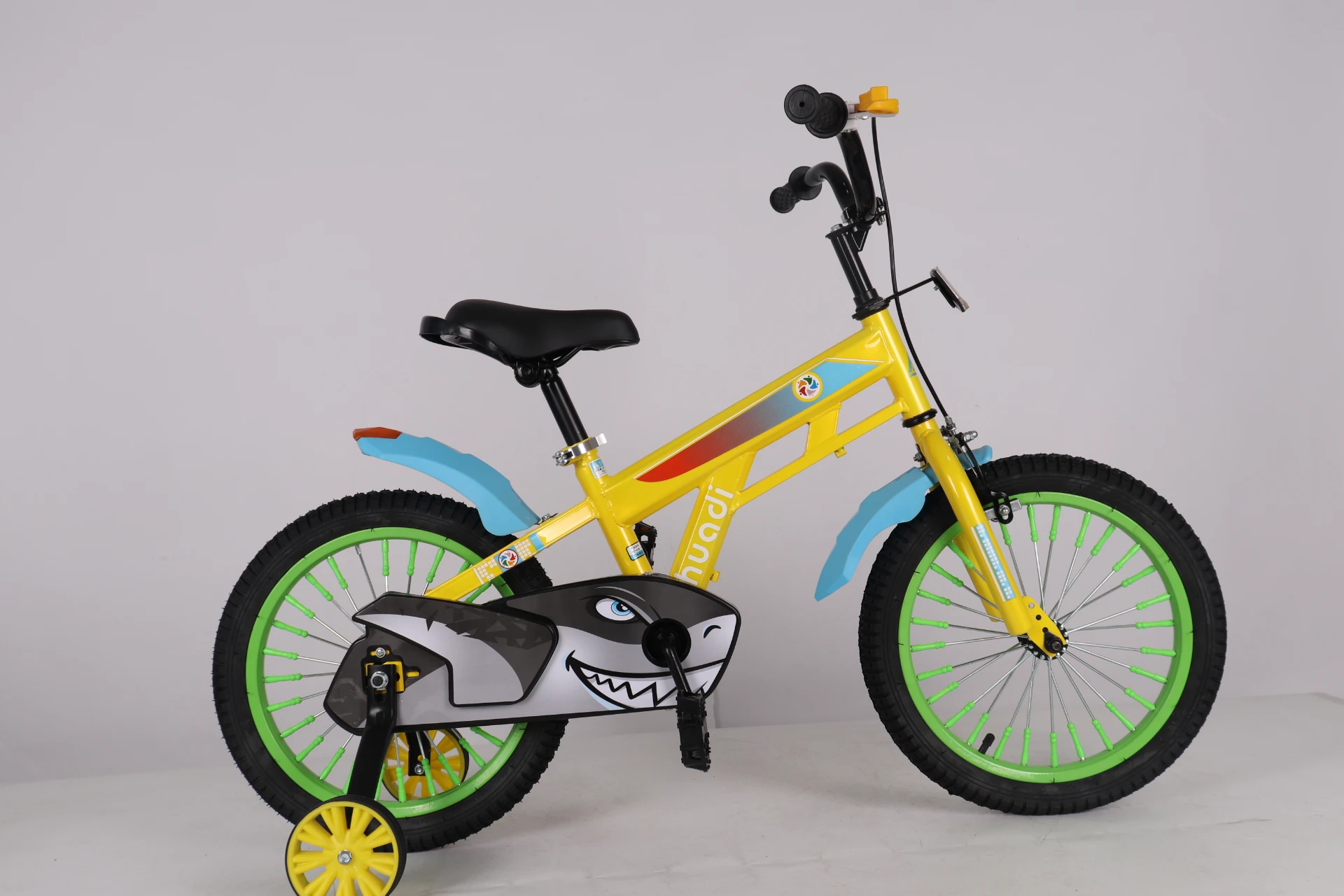
High quality kids bike children bicycle cycle cheap children bicycle with training wheel for sale
-
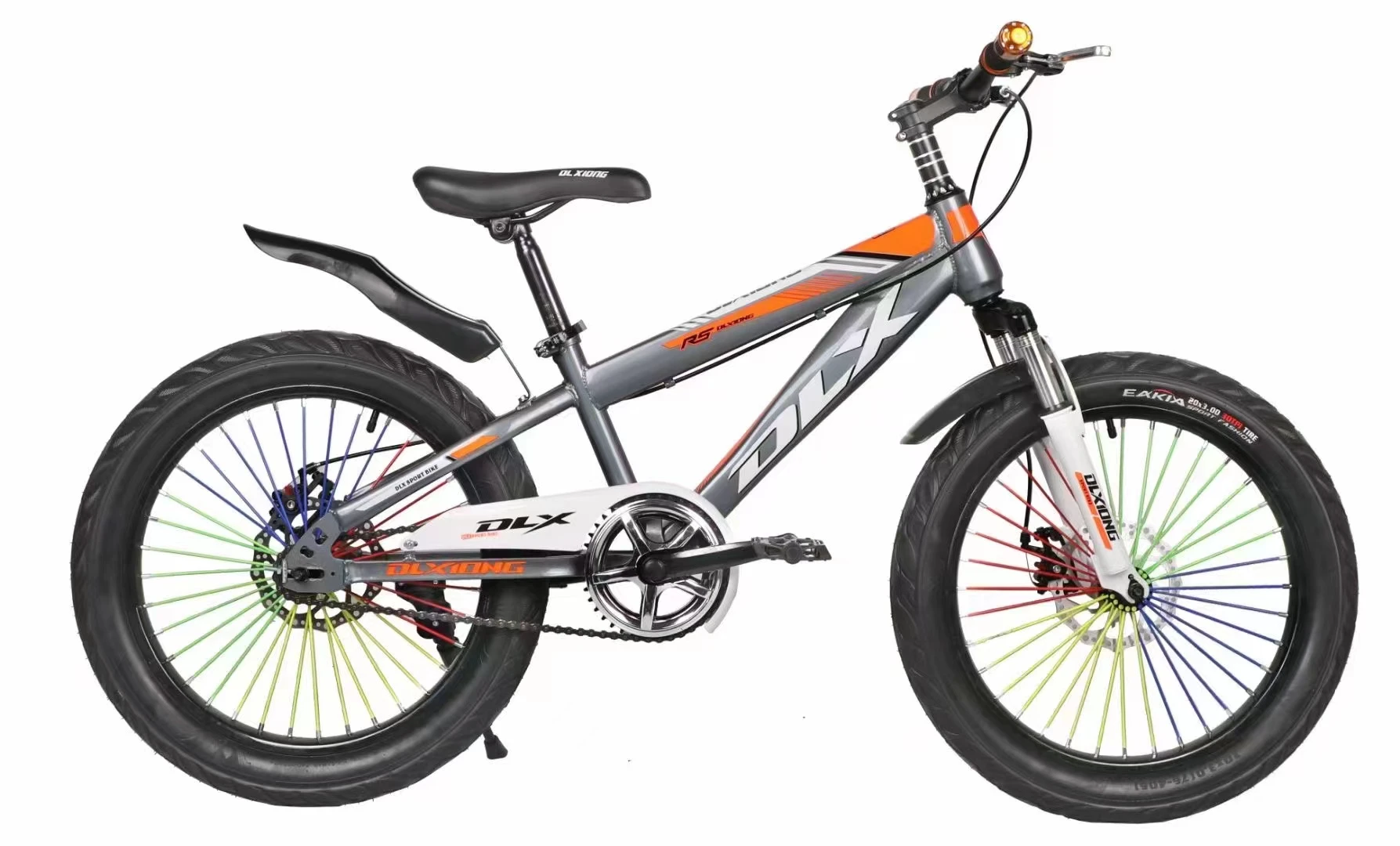
OEM 20 inch mountain bike children bikeVariable speed mountain bike suitable for student sports
-
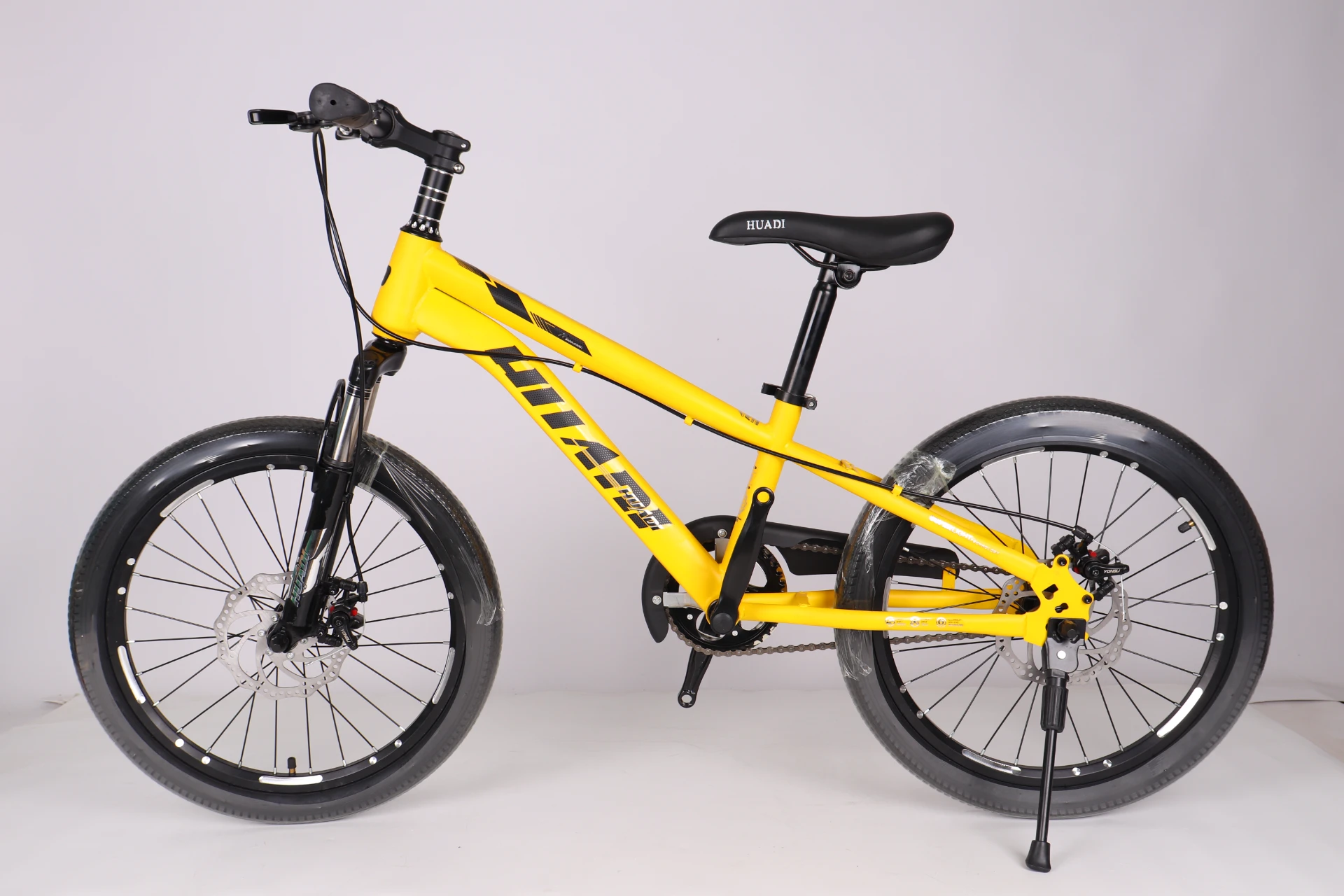
18 20 22 inch Children bike mountain bikes for 13 year old boy cycle for class 5 bicycle for 10year old boy kids
-
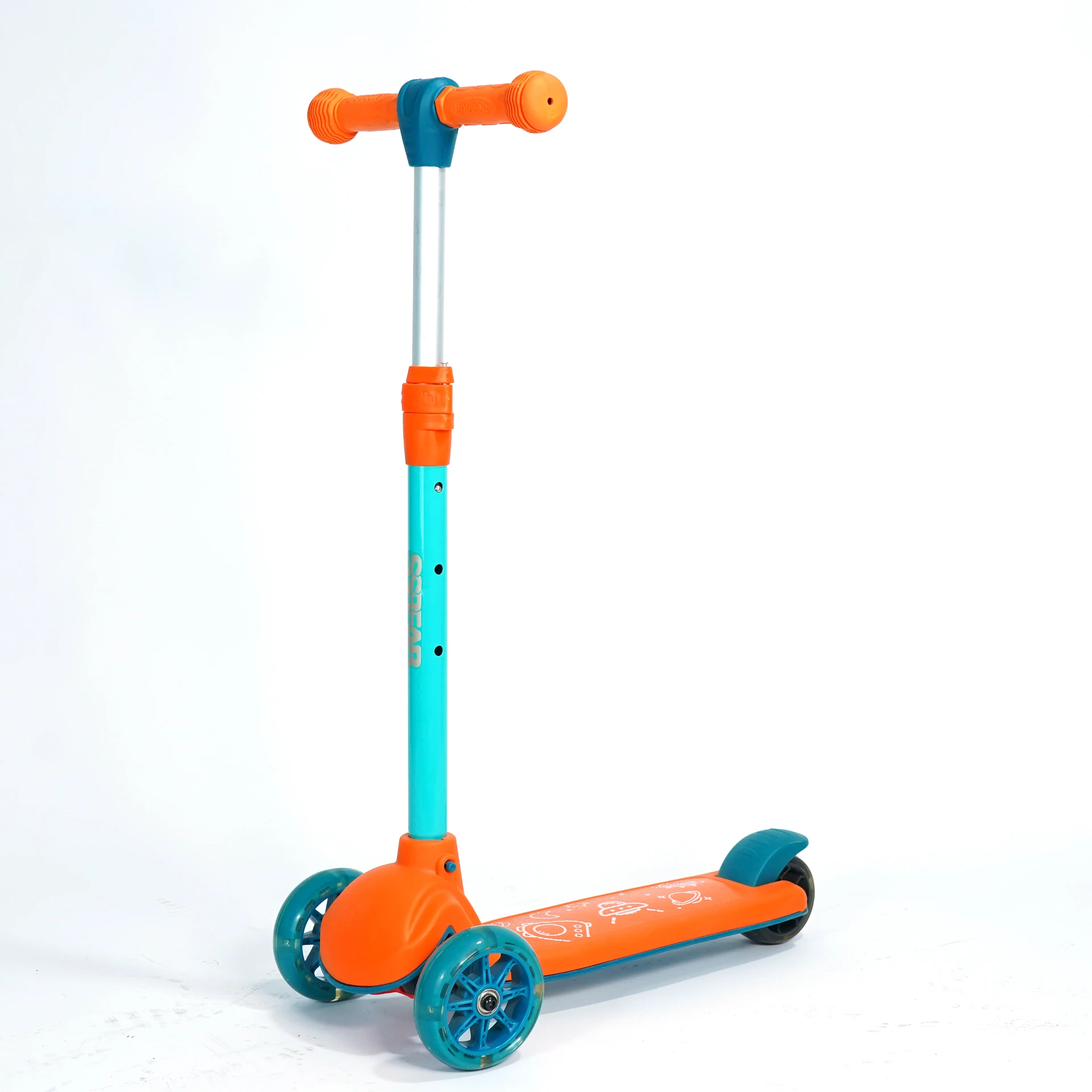
Hot Sale Kids Scooter 3 Pu Light-Up Wheel Kick Scooter For 3-6 Year Olds
-

EU Child 3 To 10 Years Baby Soccer Kick Scooters & Foot Scooters For Kids Boys
-
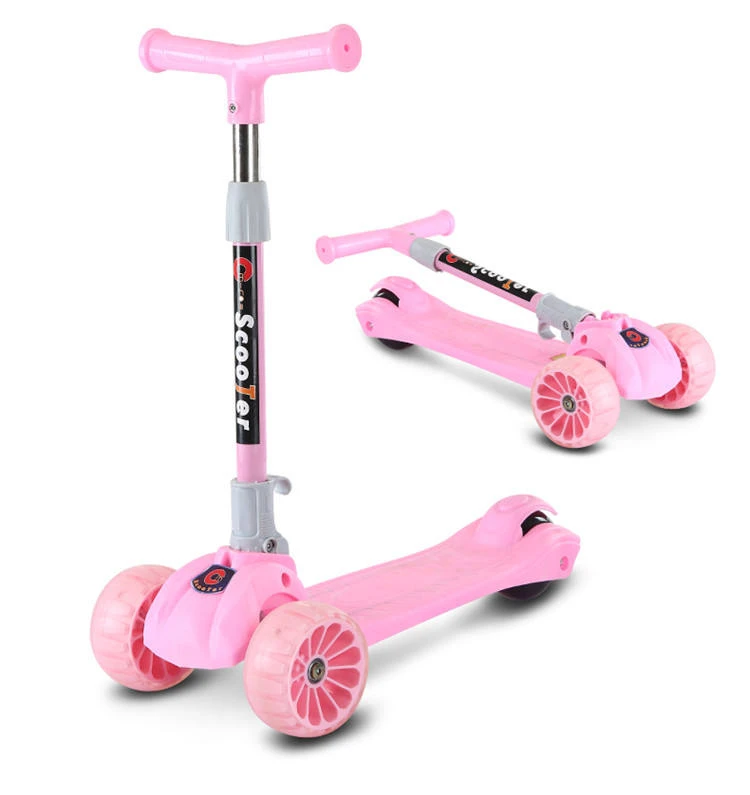
Factory Sale Kid Scooter Foot scooter Kids Kick scooter For Toddler.
-

Best Seller Multifunctional Folding Kid Kick 3 Wheels Children Foot Scooter Foldable Baby Kid Scooters
-
Hot sale kids bikes OEM custom cheap baby children bicycle bike beautiful cycle for girls kids
 Afrikaans
 Albanian
 Amharic
 Arabic
 Armenian
 Azerbaijani
 Basque
 Belarusian
 Bengali
 Bosnian
 Bulgarian
 Catalan
 Cebuano
 Corsican
 Croatian
 Czech
Czech
 Danish
 Dutch
Dutch
 Esperanto
 Estonian
 Finnish
 French
 Frisian
 Galician
 Georgian
 German
 Greek
Greek
 Gujarati
 Haitian Creole
 Hausa
Hausa
 Hawaiian
 Hebrew
 Hindi
Hindi
 Miao
Miao
 Hungarian
 Icelandic
 Igbo
Igbo
 Indonesian
 Irish
Irish
 Italian
 Japanese
 Javanese
 Kannada
 Kazakh
 Khmer
Khmer
 Rwandese
 Korean
 Kurdish
 Kyrgyz
 Lao
Lao
 Latin
Latin
 Latvian
 Lithuanian
 Luxembourgish
 Macedonian
 Malgashi
 Malay
Malay
 Malayalam
 Maltese
 Maori
Maori
 Marathi
 Mongolian
 Myanmar
 Nepali
 Norwegian
 Norwegian
 Occitan
 Pashto
 Persian
 Polish
 Portuguese
 Punjabi
 Romanian
 Russian
 Samoan
 Scottish Gaelic
 Serbian
 Sesotho
 Shona
Shona
 Sindhi
 Sinhala
 Slovak
 Slovenian
 Somali
 Spanish
 Sundanese
 Swahili
 Swedish
 Tagalog
 Tajik
Tajik
 Tamil
Tamil
 Tatar
Tatar
 Telugu
 Thai
Thai
 Turkish
 Turkmen
 Ukrainian
 Urdu
Urdu
 Uighur
 Uzbek
Uzbek
 Vietnamese
 Welsh
Welsh
 Bantu
Bantu
 Yiddish
 Yoruba
 Zulu
Zulu
 English