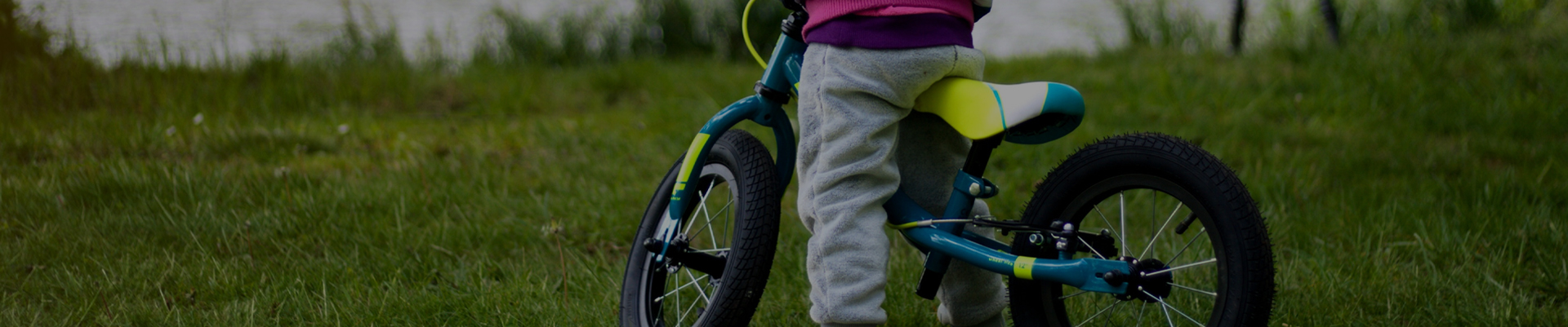
Best Scooter for Kids: Safe & Durable Kids’ Scooters Reviewed
Scooter for Kids: Safe, Fun, and Engineered with Care
Having spent more than a decade in the industrial equipment sector, it’s always fascinating to see how engineering principles trickle down into everyday products — like the humble scooter for kids. They might seem simple, but the design and safety considerations behind these scooters are quite detailed. Frankly, it feels like a niche where comfort, durability, and kid-safe engineering collide.
In real terms, kids’ scooters are not just smaller versions of adult models. Materials are more carefully chosen—I’ve noticed many engineers say the frame alloys often shift towards aluminum and reinforced plastics to reduce weight without sacrificing strength. You want a ride that can handle rough play but still stays lightweight enough for a child to easily maneuver.
Oddly enough, brake systems on kids’ scooters sometimes surprise you. Most use a rear foot brake, which feels intuitive and low-maintenance, but others add hand brakes for better control. From what I gathered working alongside industrial designers, this is a balance between safety and simplicity. Too many controls on a scooter might confuse the little ones.
Now, here’s a quick breakdown of typical specs you might find on a quality scooter for kids, based on what’s trending in the market and industry standards:
| Specification | Typical Value |
|---|---|
| Frame Material | Aluminum alloy + reinforced plastic |
| Wheel Diameter | 120 mm to 145 mm |
| Recommended Age | 3 to 8 years |
| Max Load Capacity | 50 kg (approx. 110 lbs) |
| Brake Type | Rear foot brake (sometimes hand brake) |
| Deck Height | 6 to 10 cm |
Of course, not every scooter is built equal — manufacturers vary a lot by price and design philosophy. It’s something I’ve observed firsthand during equipment sourcing meetings over the years. Some vendors prioritize ultra-light frames, while others lean heavily on ruggedness or flashy colors and graphics.
| Vendor | Material Quality | Safety Features | Price Range (USD) |
|---|---|---|---|
| Brand A | High-grade aluminum alloy | Rear foot brake, non-slip deck | $40 – $60 |
| Brand B | Plastic composite frame | Foot brake, optional hand brake | $30 – $50 |
| Brand C | Mixed metal and plastic build | Dual brakes, adjustable handlebar | $50 – $75 |
I remember one client story where a parent was thrilled about how their child took to a scooter designed by one reputed manufacturer. The lightweight frame made it easy for the kid to carry it after school, and the smooth turning radius encouraged confidence instead of fear. It’s moments like those that really highlight the importance of thoughtful design and field-tested specs.
When choosing a scooter for kids, consider not only price but also build quality and safety certifications. Checking for slip-resistant decks and brake reliability can be a literal lifesaver. In the industrial equipment world, we say: always choose a product with proven field durability — and that certainly applies here.
Takeaway: A kid’s scooter is a neat little piece of engineering, balancing fun and safety — and it pays to know what goes into it before you buy.
References:
1. Industry Safety Standards for Children’s Recreational Equipment, ASTM International
2. Material Science of Recreational Products, Journal of Industrial Design, 2022
3. Consumer Reports on Kids Scooter Performance, 2023
-
Electric Scooter Age 3 Safe Introduction to Early Mobility GuideNewsApr.16,2026
-
Is an Electric Scooter Age 4 Safe Complete Parents GuideNewsApr.09,2026
-
Choosing the Best Electric Scooter for a 9 Year Old Rider's SafetyNewsApr.07,2026
-
Comprehensive Guide to Choosing the Best Electric Scooter Ages 6 UpNewsApr.04,2026
-
Choosing the Best Electric Scooter for 6yr Old Riders A Comprehensive GuideNewsMar.31,2026
-
The Ultimate Guide to Choosing an Electric Scooter for Age 10 RidersNewsMar.28,2026
-
Choosing the Ideal Electric Scooter for Age 12 A Comprehensive Buyers GuideNewsMar.26,2026
Related Products
-
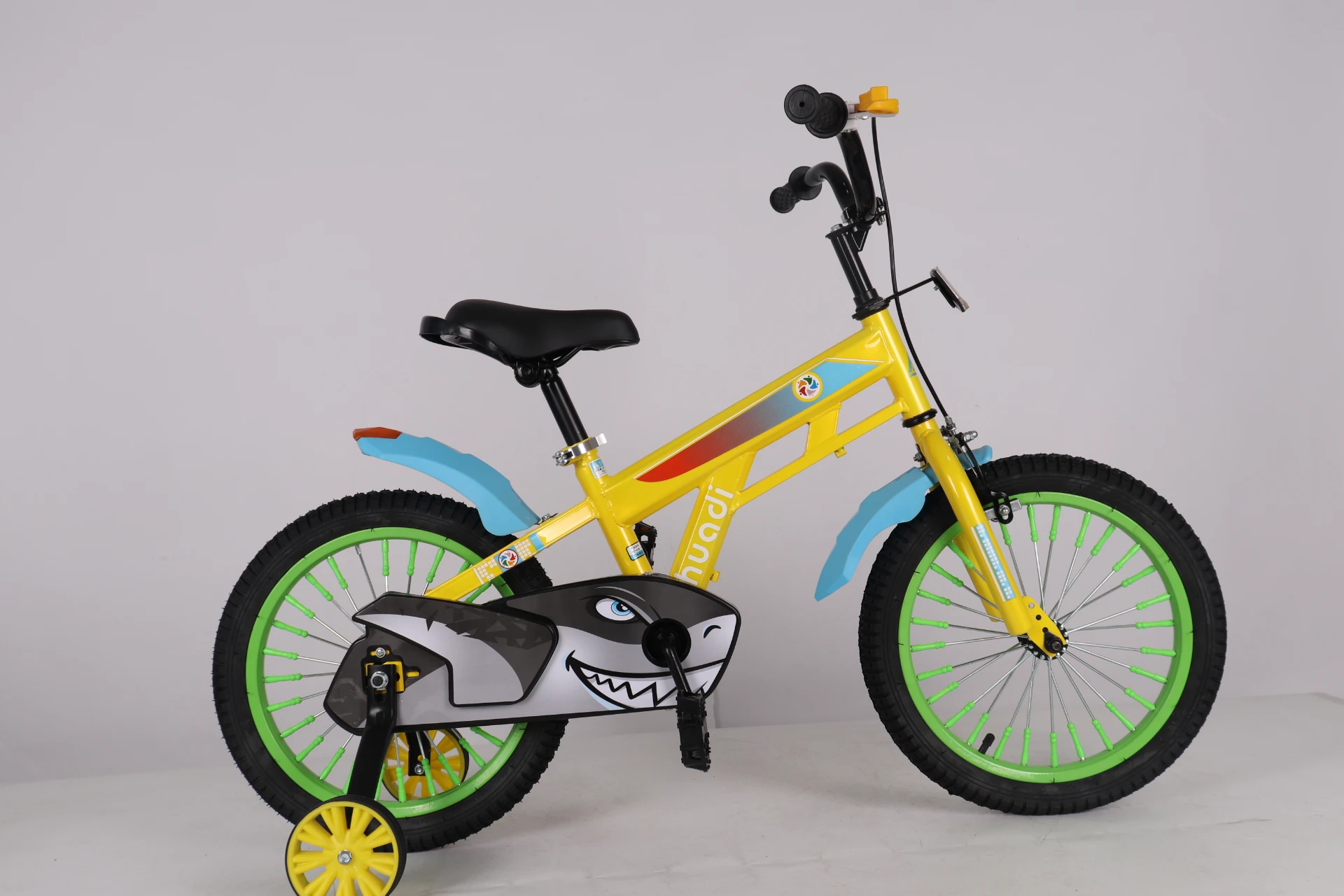
High quality kids bike children bicycle cycle cheap children bicycle with training wheel for sale
-
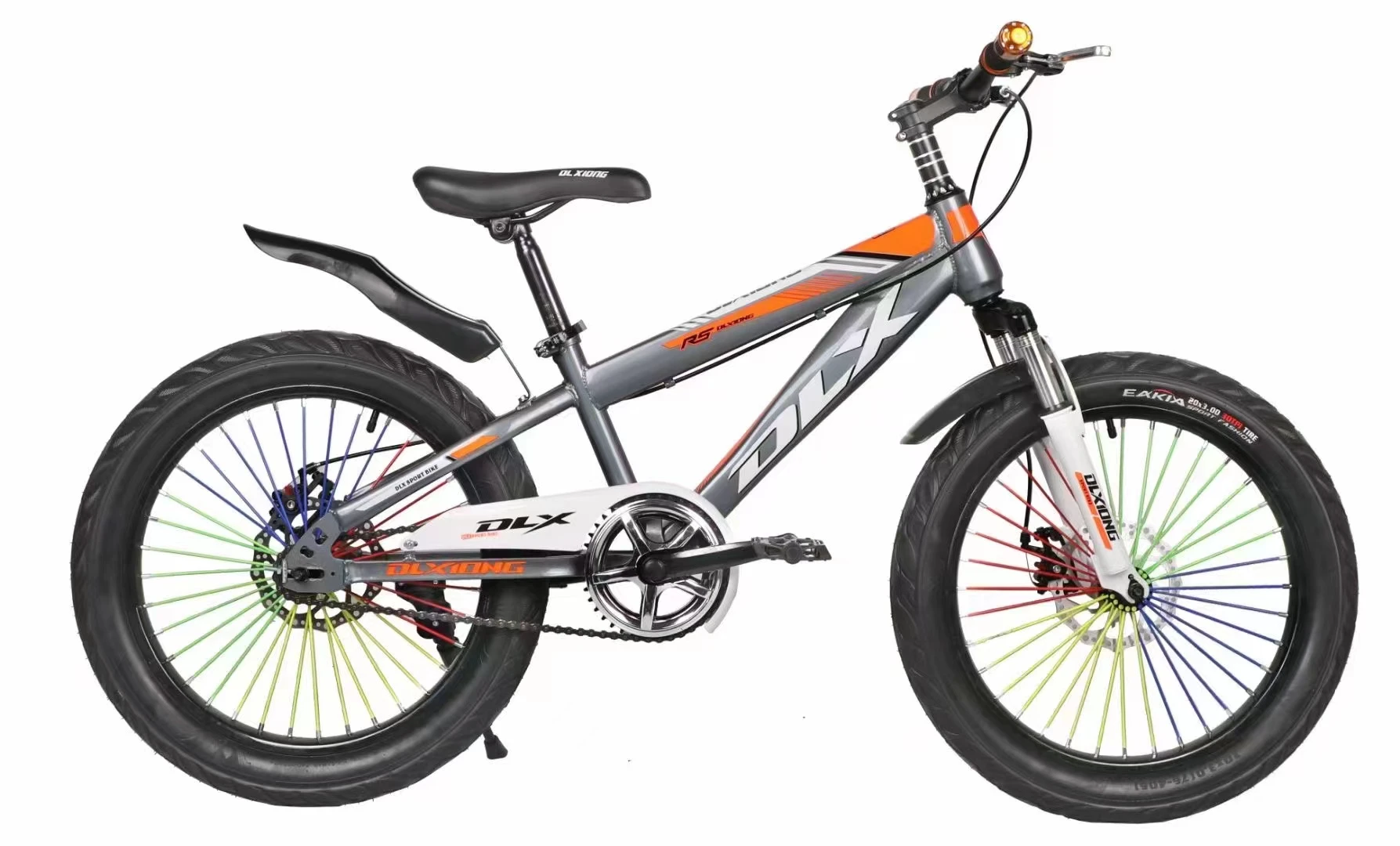
OEM 20 inch mountain bike children bikeVariable speed mountain bike suitable for student sports
-
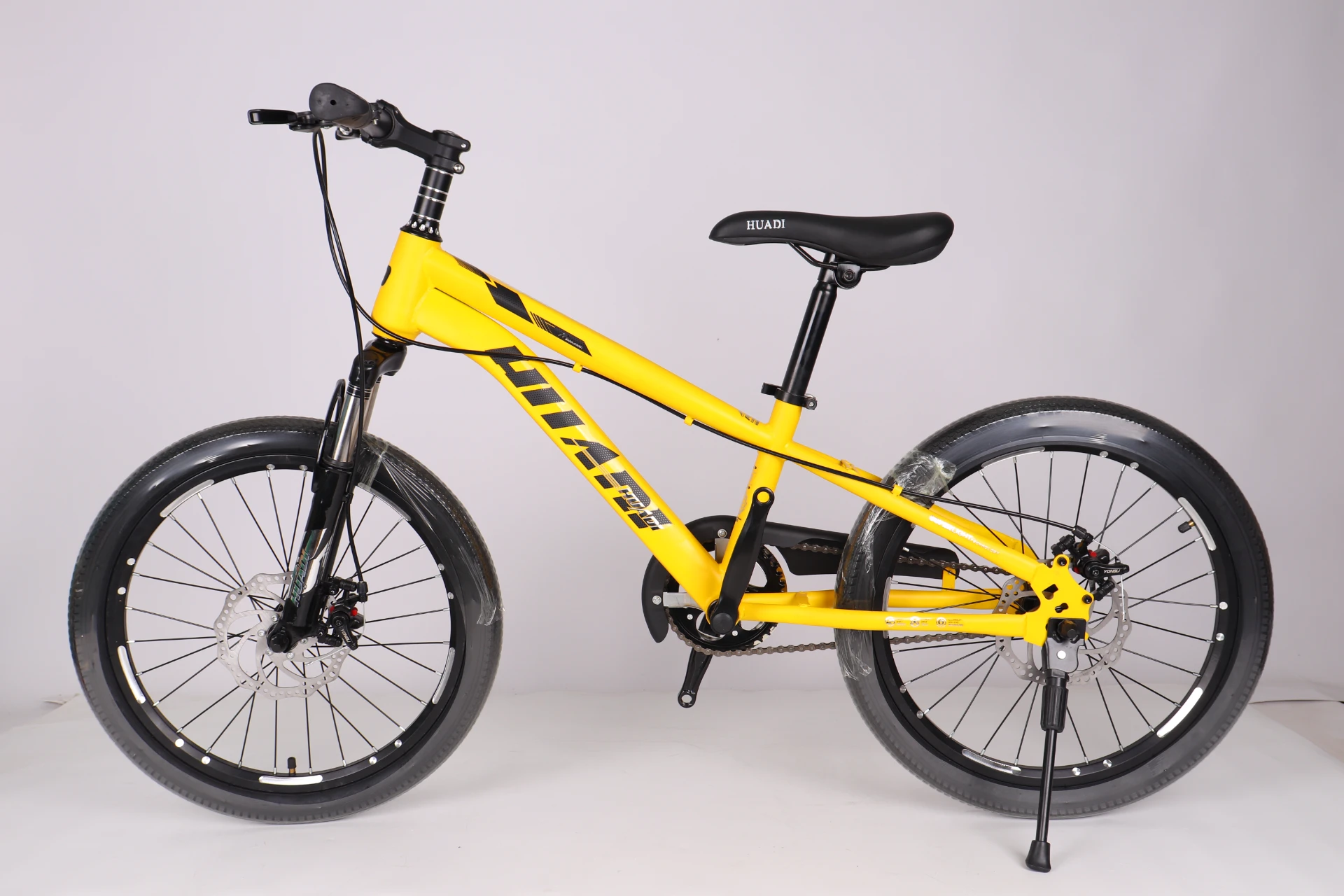
18 20 22 inch Children bike mountain bikes for 13 year old boy cycle for class 5 bicycle for 10year old boy kids
-
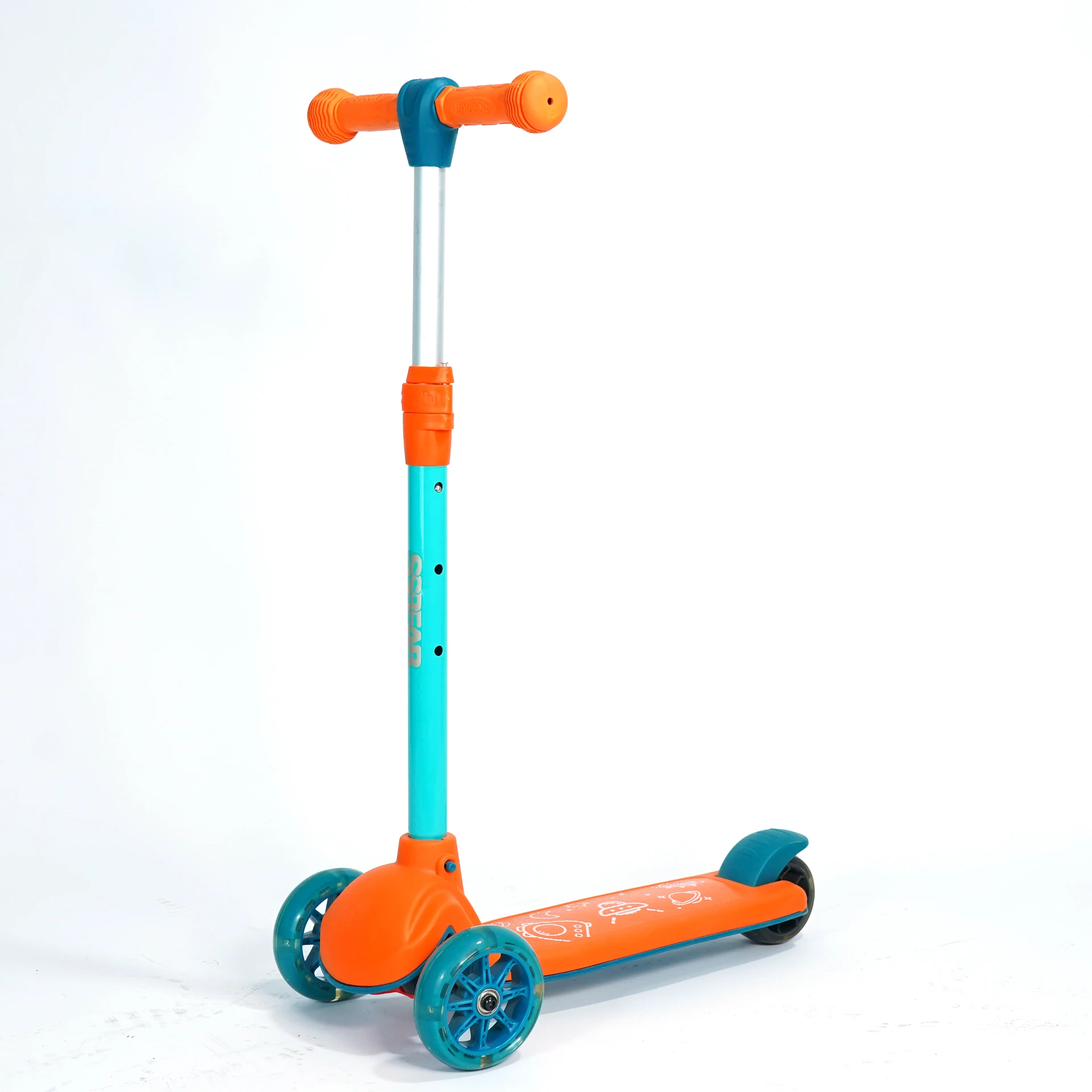
Hot Sale Kids Scooter 3 Pu Light-Up Wheel Kick Scooter For 3-6 Year Olds
-
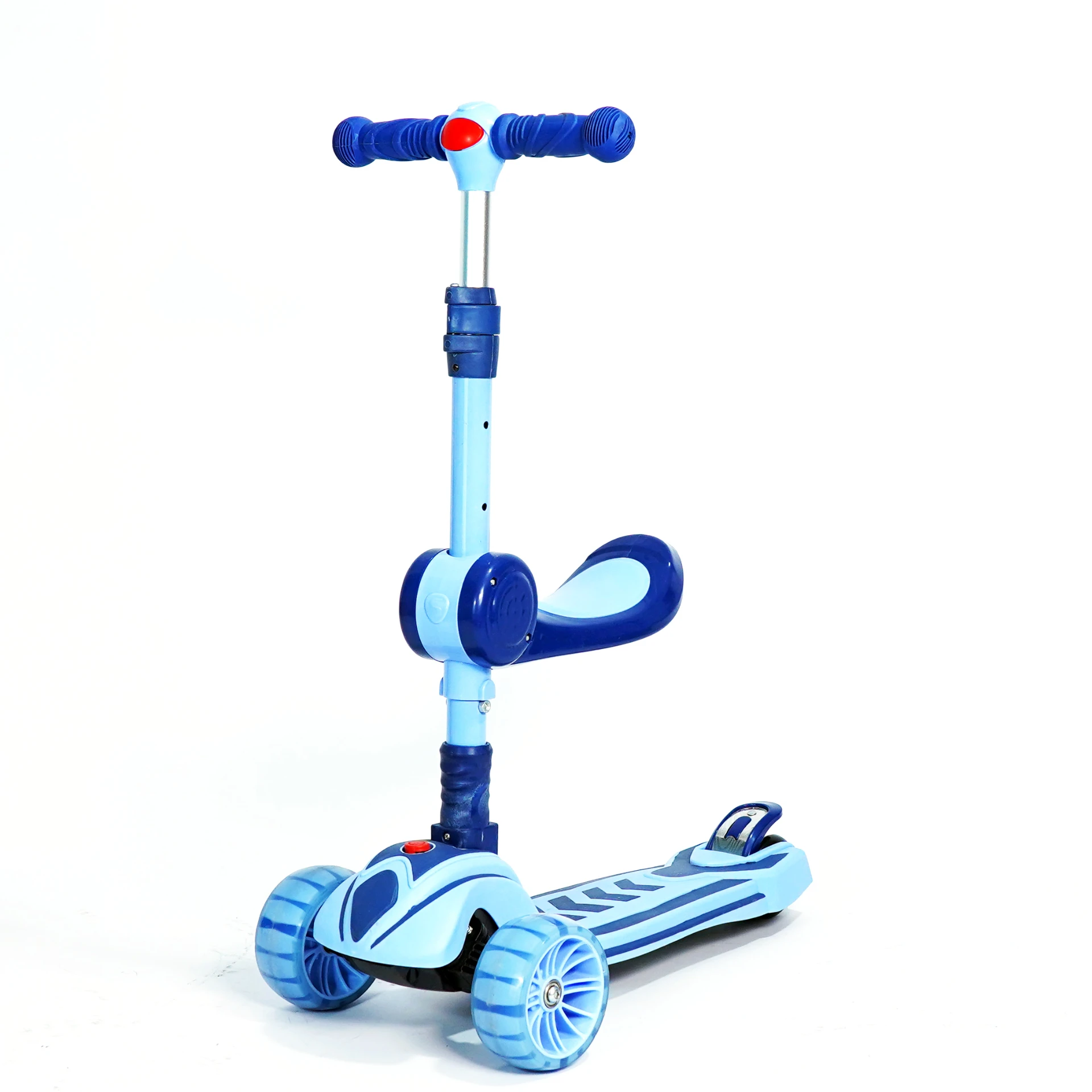
EU Child 3 To 10 Years Baby Soccer Kick Scooters & Foot Scooters For Kids Boys
-
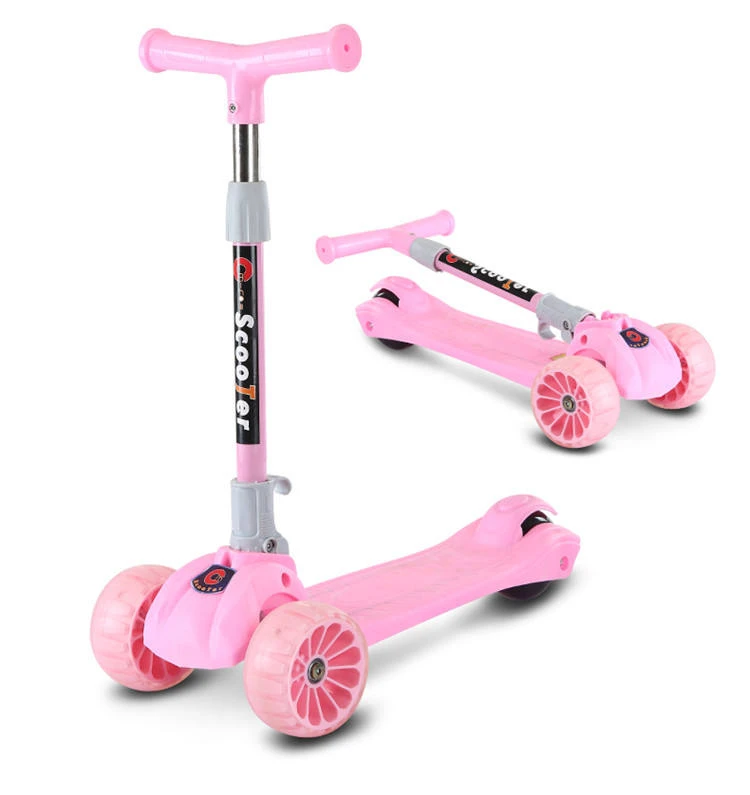
Factory Sale Kid Scooter Foot scooter Kids Kick scooter For Toddler.
-
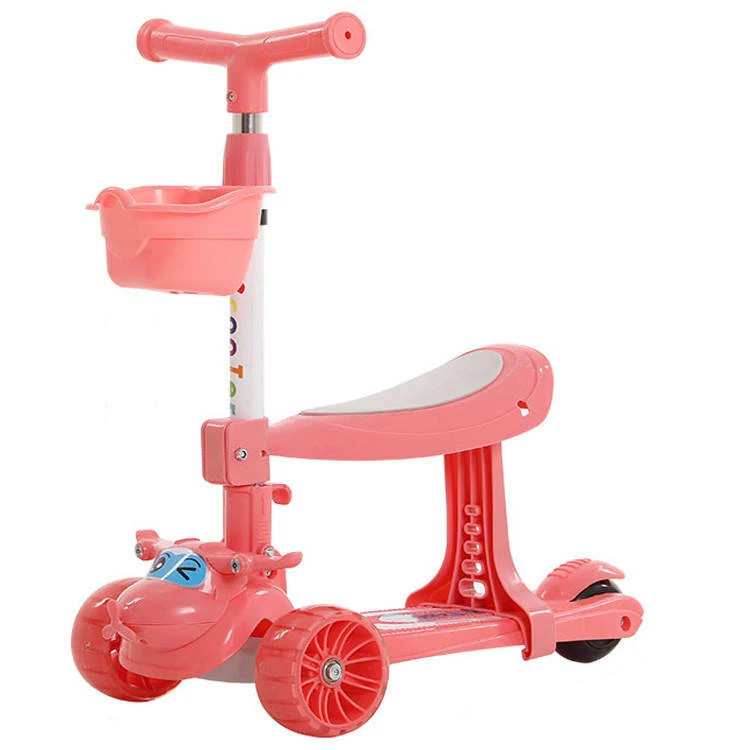
Best Seller Multifunctional Folding Kid Kick 3 Wheels Children Foot Scooter Foldable Baby Kid Scooters
-
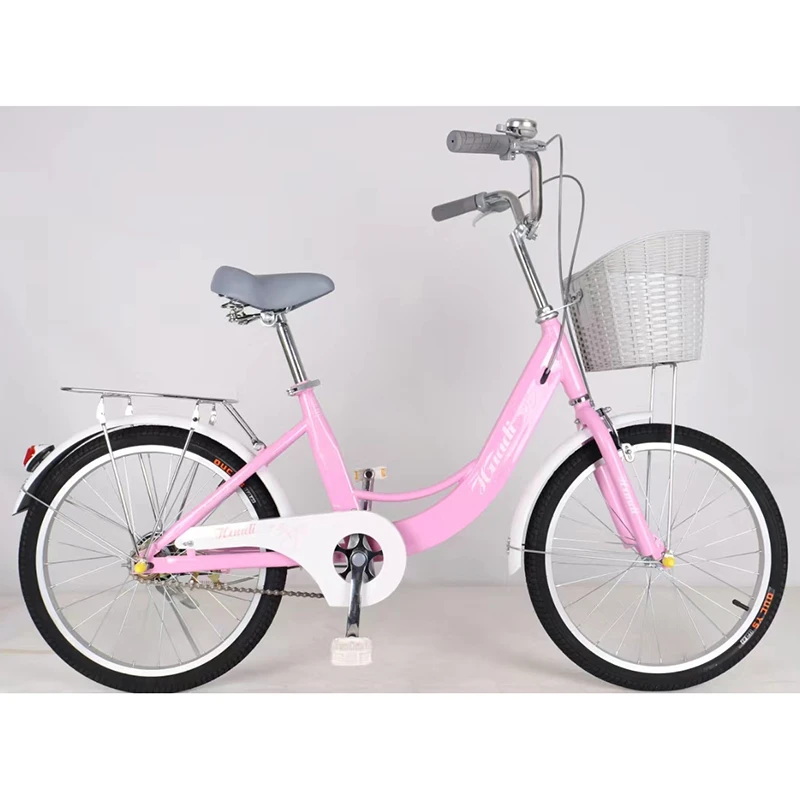
Hot sale kids bikes OEM custom cheap baby children bicycle bike beautiful cycle for girls kids
 Afrikaans
 Albanian
 Amharic
 Arabic
 Armenian
 Azerbaijani
 Basque
 Belarusian
 Bengali
 Bosnian
 Bulgarian
 Catalan
 Cebuano
 Corsican
 Croatian
 Czech
Czech
 Danish
 Dutch
Dutch
 Esperanto
 Estonian
 Finnish
 French
 Frisian
 Galician
 Georgian
 German
 Greek
Greek
 Gujarati
 Haitian Creole
 Hausa
Hausa
 Hawaiian
 Hebrew
 Hindi
Hindi
 Miao
Miao
 Hungarian
 Icelandic
 Igbo
Igbo
 Indonesian
 Irish
Irish
 Italian
 Japanese
 Javanese
 Kannada
 Kazakh
 Khmer
Khmer
 Rwandese
 Korean
 Kurdish
 Kyrgyz
 Lao
Lao
 Latin
Latin
 Latvian
 Lithuanian
 Luxembourgish
 Macedonian
 Malgashi
 Malay
Malay
 Malayalam
 Maltese
 Maori
Maori
 Marathi
 Mongolian
 Myanmar
 Nepali
 Norwegian
 Norwegian
 Occitan
 Pashto
 Persian
 Polish
 Portuguese
 Punjabi
 Romanian
 Russian
 Samoan
 Scottish Gaelic
 Serbian
 Sesotho
 Shona
Shona
 Sindhi
 Sinhala
 Slovak
 Slovenian
 Somali
 Spanish
 Sundanese
 Swahili
 Swedish
 Tagalog
 Tajik
Tajik
 Tamil
Tamil
 Tatar
Tatar
 Telugu
 Thai
Thai
 Turkish
 Turkmen
 Ukrainian
 Urdu
Urdu
 Uighur
 Uzbek
Uzbek
 Vietnamese
 Welsh
Welsh
 Bantu
Bantu
 Yiddish
 Yoruba
 Zulu
Zulu
 English