Best Scooter for Older Kids – Durable and Safe Options Reviewed
Choosing the Right Scooter for Older Kids: Insights from the Industrial Equipment World
Having worked in the industrial equipment sector for quite a few years, I’ve come across all sorts of products that rely heavily on smart design, durability, and user safety. Oddly enough, scooters for older kids aren't all that different when you look beneath the surface. They might seem like just simple ride-ons, but the engineering, material selection, and testing here really matter — especially for active preteens and teenagers.
Now, before I dive into the technical side, I want to point out a handy resource I often recommend for quality scooters, especially designed for older kids — you can check out their offerings right scooter for older kids. They are one of those vendors who understand that, unlike toddler scooters, older kids need a sturdier design, better materials, and a certain style.
When I first started seeing the rise of scooters aimed at older kids (ages 8 to 15 or so), I noticed manufacturers began emphasizing three core areas: frame strength, deck size, and braking mechanisms. Frankly, it makes sense — these kids aren't just cruising around the block; they're zipping on sidewalks, parks, and sometimes even small ramps, so the scooter must keep up physically and safety-wise.
Why Material and Frame Geometry Matter
Many engineers I’ve spoken with insist that aluminum alloys dominate the market because they strike a fine balance between weight and strength. But there’s always this trade-off: better strength usually means more weight, which older kids may not want because it affects portability. Also, the geometry of the frame, deck width, and handlebar height all play into rider stability. You might find some scooters feature adjustable handlebars, which is great for growth spurts — I saw a supplier recently who markets this as a major selling point.
| Specification | Typical Value |
|---|---|
| Material | 6061 Aluminum Alloy Frame |
| Deck Length | 50 - 55 cm |
| Deck Width | 12 - 15 cm |
| Wheel Diameter | 120 mm (polyurethane) |
| Brake Type | Rear fender foot brake |
| Handlebar Adjustable Height | Yes (75-95 cm) |
| Max Load Capacity | 100 kg |
One thing I always stress to the folks I consult with is the significance of durability testing. These scooters typically undergo rigorous impact, vibration, and fatigue testing — the same kind of procedures we use in heavy equipment parts, just on a smaller scale. The goal is reliability over thousands of rides, which matters when you consider the cost and safety aspect.
Comparing Leading Vendors of Scooters for Older Kids
There are quite a few vendors out there, but from my experience and conversations, focusing on industry reputation, warranty coverage, and product innovation helps. The table below outlines a quick comparison among three popular manufacturers known for their older kids’ scooters:
| Vendor | Material Quality | Weight | Warranty | Price Range (USD) | Notable Feature |
|---|---|---|---|---|---|
| Zhongzhou Bike | 6061 Aluminum Alloy | 3.8 kg | 2 years | $80 - $120 | Adjustable handlebars & reinforced deck |
| Razor | Aluminum & Steel combo | 4.2 kg | 1 year | $90 - $130 | Patented folding mechanism |
| Micro Mobility | Aircraft-grade Aluminum | 3.5 kg | 2 years | $110 - $160 | Ergonomic design & smooth ride |
One of my friends recently bought their 11-year-old a scooter from Zhongzhou Bike. What stuck with me was how their kid found it so easy to ride smoothly after only a few tries, even coming from a slow learner perspective. The adjustable handlebar, combined with a sturdy deck, gave that extra confidence boost. It’s always heartening when a product delivers not only on specs but also on user experience.
Customizing for Older Kids – It’s Not One-Size-Fits-All
In real terms, a scooter for older kids has to be adaptable — not just in handlebar heights but wheels and brakes too. Some kids want speed and performance, others crave comfort or style. Many suppliers now offer modular parts so kids can swap wheels or grips, even upgrade brakes for stunt riding. From a gearhead’s perspective, it’s like tuning up a machine — and honestly, that makes it more appealing to kids as they grow.
Summing it up, scooters in this age group are a small but fascinating intersection of safety engineering, design innovation, and user preferences. If you ever get the chance, watch an older kid glide around on a well-built scooter — there’s a confidence and freedom in the movement that truly reflects good product design. And that? That’s something any industrial equipment pro can appreciate.
In case you want to explore options, remember the earlier scooter for older kids link — it’s a pretty solid place to start.
Takeaway: Investing in a durable, thoughtfully designed scooter can make all the difference in a kid’s ride experience — and, frankly, peace of mind for parents.
- Industry durability standards adapted for kids’ scooters.
- Importance of material choice in lightweight yet strong frames.
- User feedback as critical to product innovation.
-
Electric Scooter Age 3 Safe Introduction to Early Mobility GuideNewsApr.16,2026
-
Is an Electric Scooter Age 4 Safe Complete Parents GuideNewsApr.09,2026
-
Choosing the Best Electric Scooter for a 9 Year Old Rider's SafetyNewsApr.07,2026
-
Comprehensive Guide to Choosing the Best Electric Scooter Ages 6 UpNewsApr.04,2026
-
Choosing the Best Electric Scooter for 6yr Old Riders A Comprehensive GuideNewsMar.31,2026
-
The Ultimate Guide to Choosing an Electric Scooter for Age 10 RidersNewsMar.28,2026
-
Choosing the Ideal Electric Scooter for Age 12 A Comprehensive Buyers GuideNewsMar.26,2026
Related Products
-
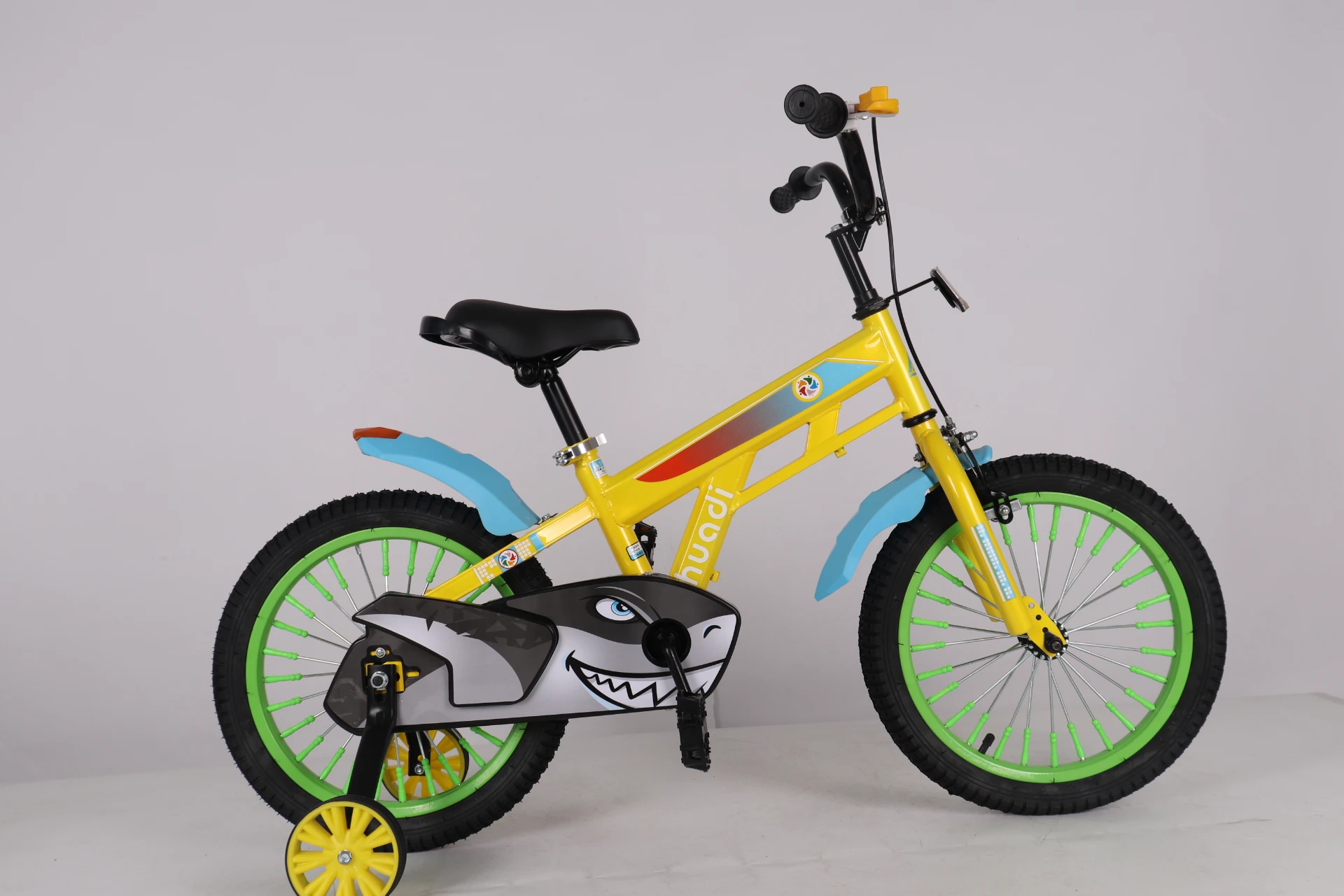
High quality kids bike children bicycle cycle cheap children bicycle with training wheel for sale
-
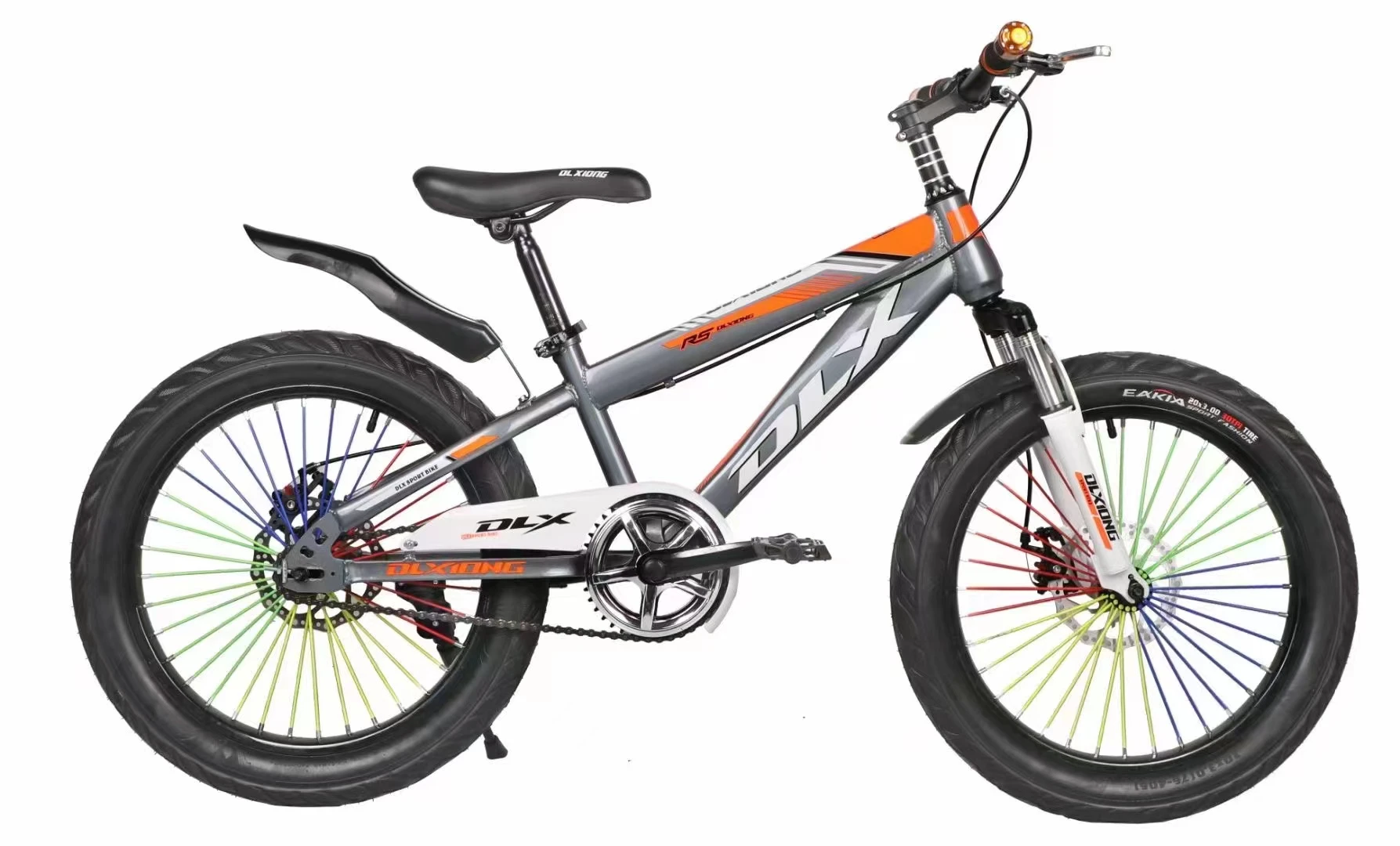
OEM 20 inch mountain bike children bikeVariable speed mountain bike suitable for student sports
-
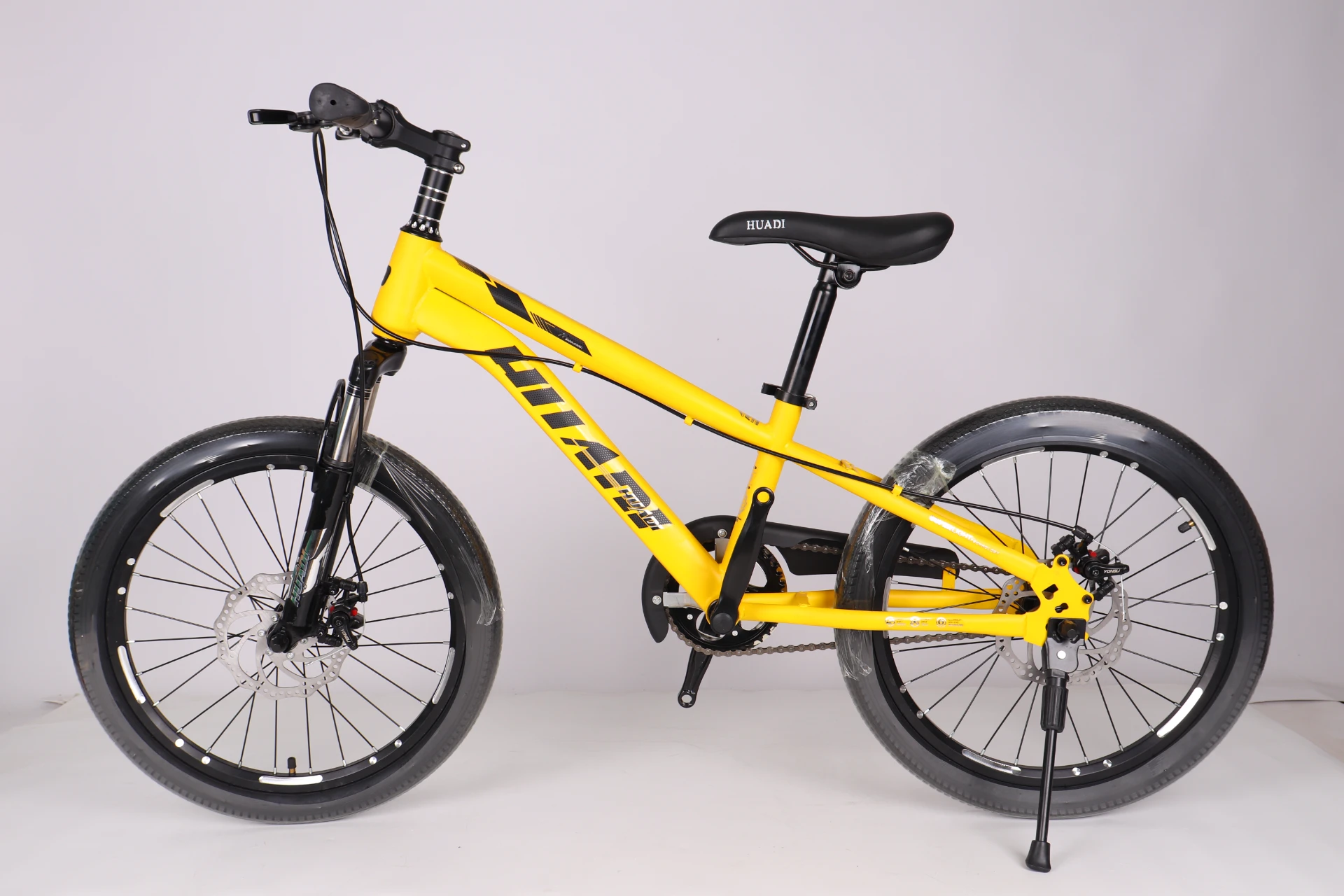
18 20 22 inch Children bike mountain bikes for 13 year old boy cycle for class 5 bicycle for 10year old boy kids
-
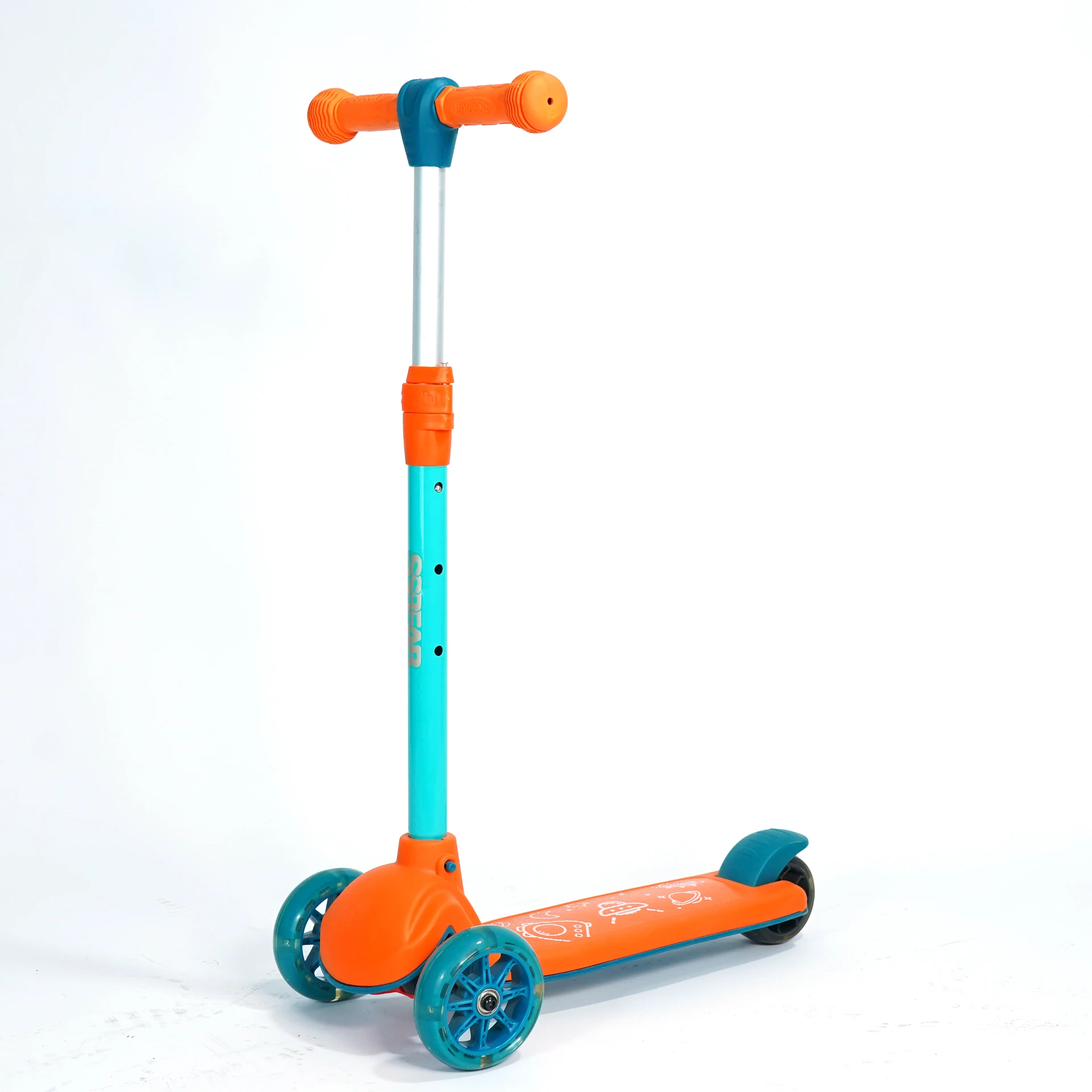
Hot Sale Kids Scooter 3 Pu Light-Up Wheel Kick Scooter For 3-6 Year Olds
-
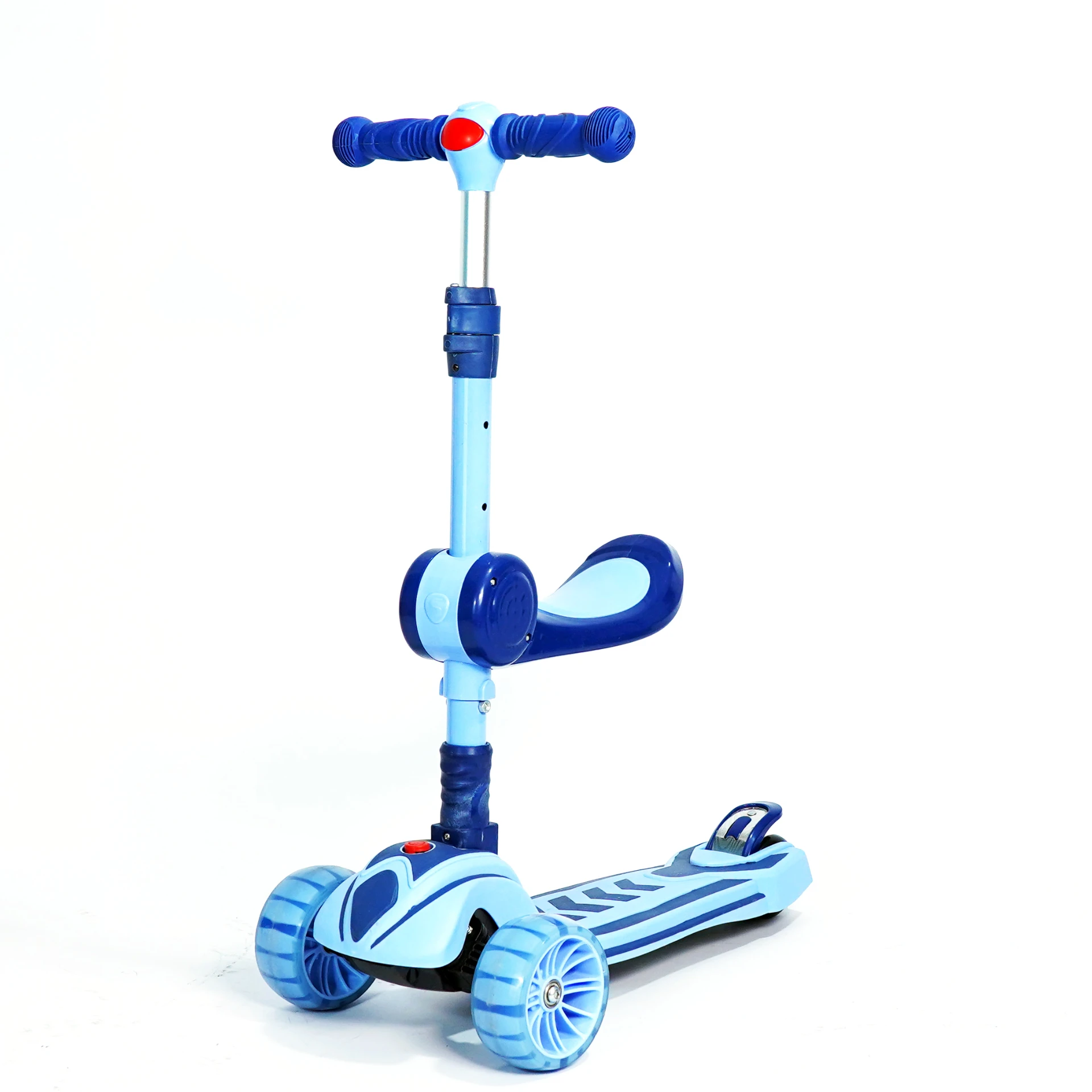
EU Child 3 To 10 Years Baby Soccer Kick Scooters & Foot Scooters For Kids Boys
-
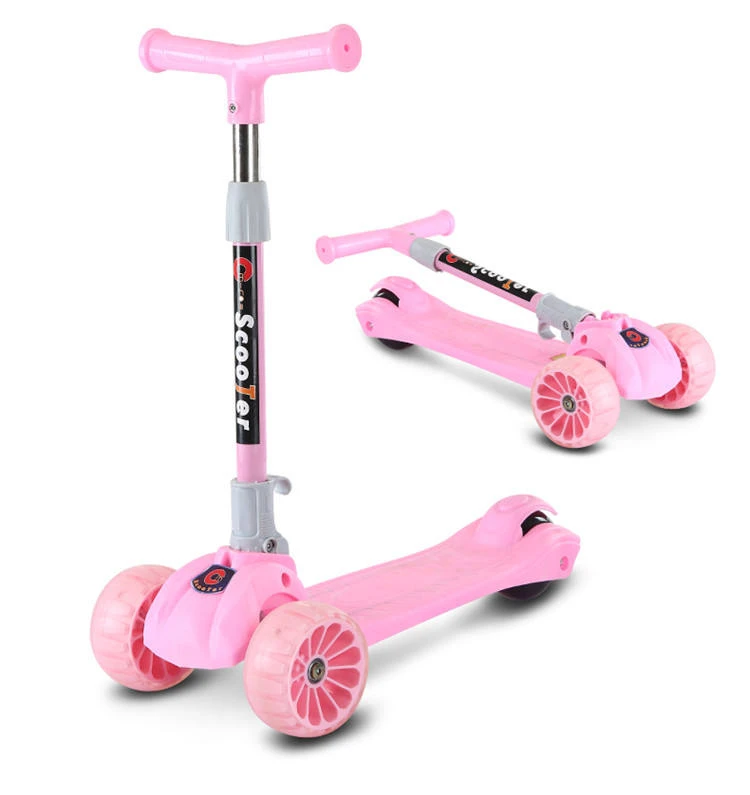
Factory Sale Kid Scooter Foot scooter Kids Kick scooter For Toddler.
-
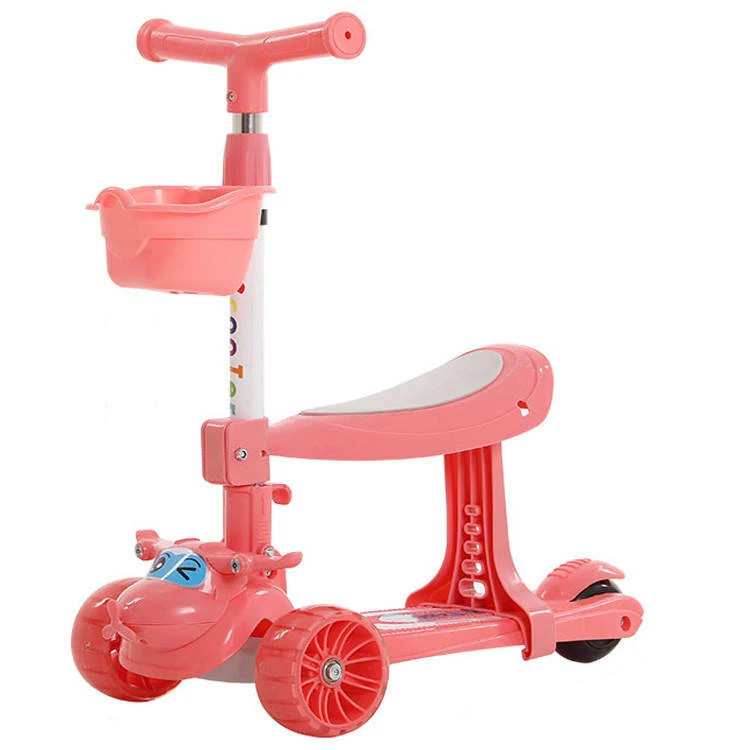
Best Seller Multifunctional Folding Kid Kick 3 Wheels Children Foot Scooter Foldable Baby Kid Scooters
-
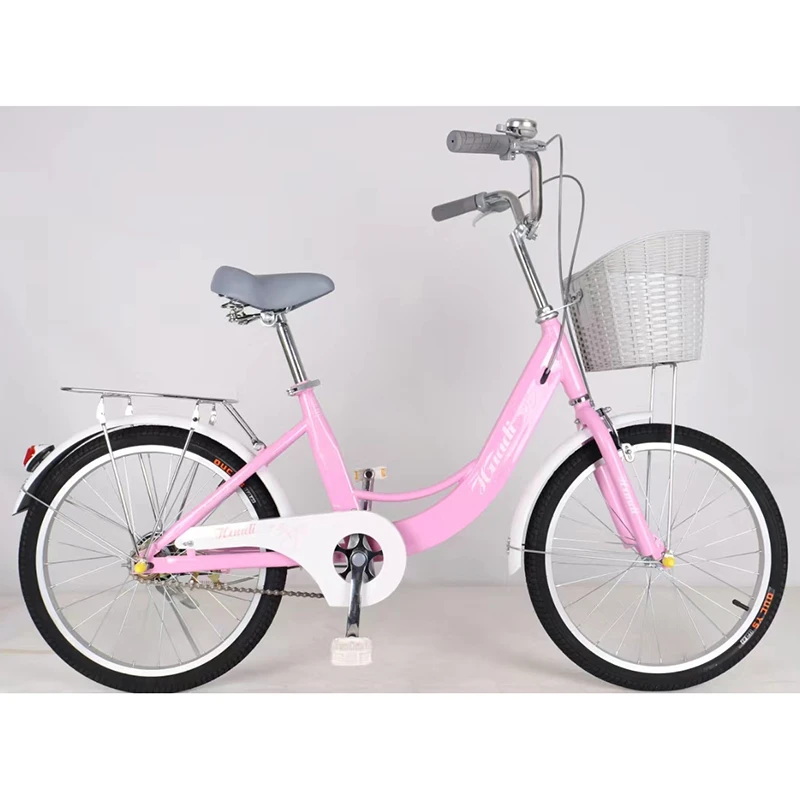
Hot sale kids bikes OEM custom cheap baby children bicycle bike beautiful cycle for girls kids
 Afrikaans
 Albanian
 Amharic
 Arabic
 Armenian
 Azerbaijani
 Basque
 Belarusian
 Bengali
 Bosnian
 Bulgarian
 Catalan
 Cebuano
 Corsican
 Croatian
 Czech
Czech
 Danish
 Dutch
Dutch
 Esperanto
 Estonian
 Finnish
 French
 Frisian
 Galician
 Georgian
 German
 Greek
Greek
 Gujarati
 Haitian Creole
 Hausa
Hausa
 Hawaiian
 Hebrew
 Hindi
Hindi
 Miao
Miao
 Hungarian
 Icelandic
 Igbo
Igbo
 Indonesian
 Irish
Irish
 Italian
 Japanese
 Javanese
 Kannada
 Kazakh
 Khmer
Khmer
 Rwandese
 Korean
 Kurdish
 Kyrgyz
 Lao
Lao
 Latin
Latin
 Latvian
 Lithuanian
 Luxembourgish
 Macedonian
 Malgashi
 Malay
Malay
 Malayalam
 Maltese
 Maori
Maori
 Marathi
 Mongolian
 Myanmar
 Nepali
 Norwegian
 Norwegian
 Occitan
 Pashto
 Persian
 Polish
 Portuguese
 Punjabi
 Romanian
 Russian
 Samoan
 Scottish Gaelic
 Serbian
 Sesotho
 Shona
Shona
 Sindhi
 Sinhala
 Slovak
 Slovenian
 Somali
 Spanish
 Sundanese
 Swahili
 Swedish
 Tagalog
 Tajik
Tajik
 Tamil
Tamil
 Tatar
Tatar
 Telugu
 Thai
Thai
 Turkish
 Turkmen
 Ukrainian
 Urdu
Urdu
 Uighur
 Uzbek
Uzbek
 Vietnamese
 Welsh
Welsh
 Bantu
Bantu
 Yiddish
 Yoruba
 Zulu
Zulu
 English