The world of cycling is constantly evolving, and the demand for high-quality, safe, and engaging bikes for children is steadily increasing. kids road bike are designed to introduce young riders to the thrill of road cycling, fostering a lifelong love of the sport. These bikes aren't simply scaled-down versions of adult bikes; they're specifically engineered with a child's physiology and developing skills in mind, providing a superior riding experience.
Globally, participation in youth cycling is on the rise, driven by a growing awareness of the health benefits of physical activity and a desire to encourage outdoor recreation. This trend is particularly noticeable in countries with established cycling cultures like the Netherlands, Belgium, and Italy, but is also gaining momentum in regions like North America and Asia. The availability of age-appropriate and well-designed kids road bike is crucial to supporting this growth.
Investing in a kids road bike isn't just about purchasing a bicycle; it's about providing a tool for fitness, fun, and personal development. It’s an opportunity to instill confidence, build coordination, and create lasting memories. Furthermore, promoting cycling from a young age can contribute to a more sustainable and environmentally friendly future.
The Importance of Kids Road Bikes
Providing children with access to kids road bike offers numerous benefits, extending beyond physical fitness. These bikes help develop coordination, balance, and spatial awareness. Learning to ride also fosters a sense of independence and accomplishment, boosting a child's self-esteem.
Beyond the individual benefits, promoting cycling at a young age contributes to a healthier and more sustainable lifestyle. It encourages outdoor activity, reduces reliance on motorized transport, and instills an appreciation for the environment.
Understanding Kids Road Bike Design
Unlike mountain bikes designed for rugged terrain, kids road bike are specifically engineered for paved surfaces. This translates to features like narrower tires for reduced rolling resistance, dropped handlebars for an aerodynamic riding position, and lightweight frames for easier handling. Designers carefully consider the proportions and geometry of these bikes to accommodate a child's developing body.
A key difference lies in the gearing. Kids road bikes often feature simpler gear systems with fewer speeds, making it easier for young riders to learn and control shifting. The brakes are also adapted for smaller hands, ensuring effective and safe stopping power.
The overall goal of kids road bike design is to create a bike that is both efficient and enjoyable to ride, encouraging children to explore the world on two wheels. This focus on user experience is paramount, as a comfortable and confidence-inspiring bike is more likely to be ridden regularly.
Key Components of a Kids Road Bike
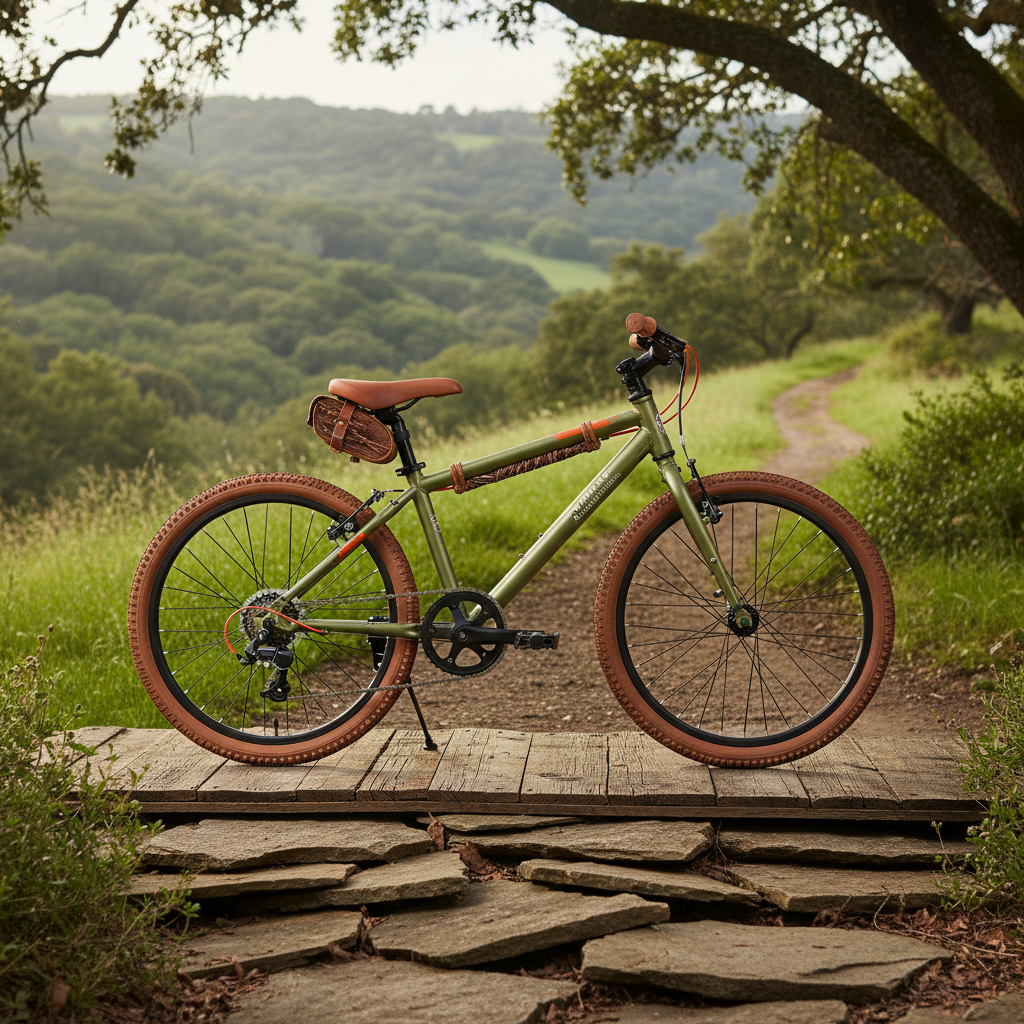
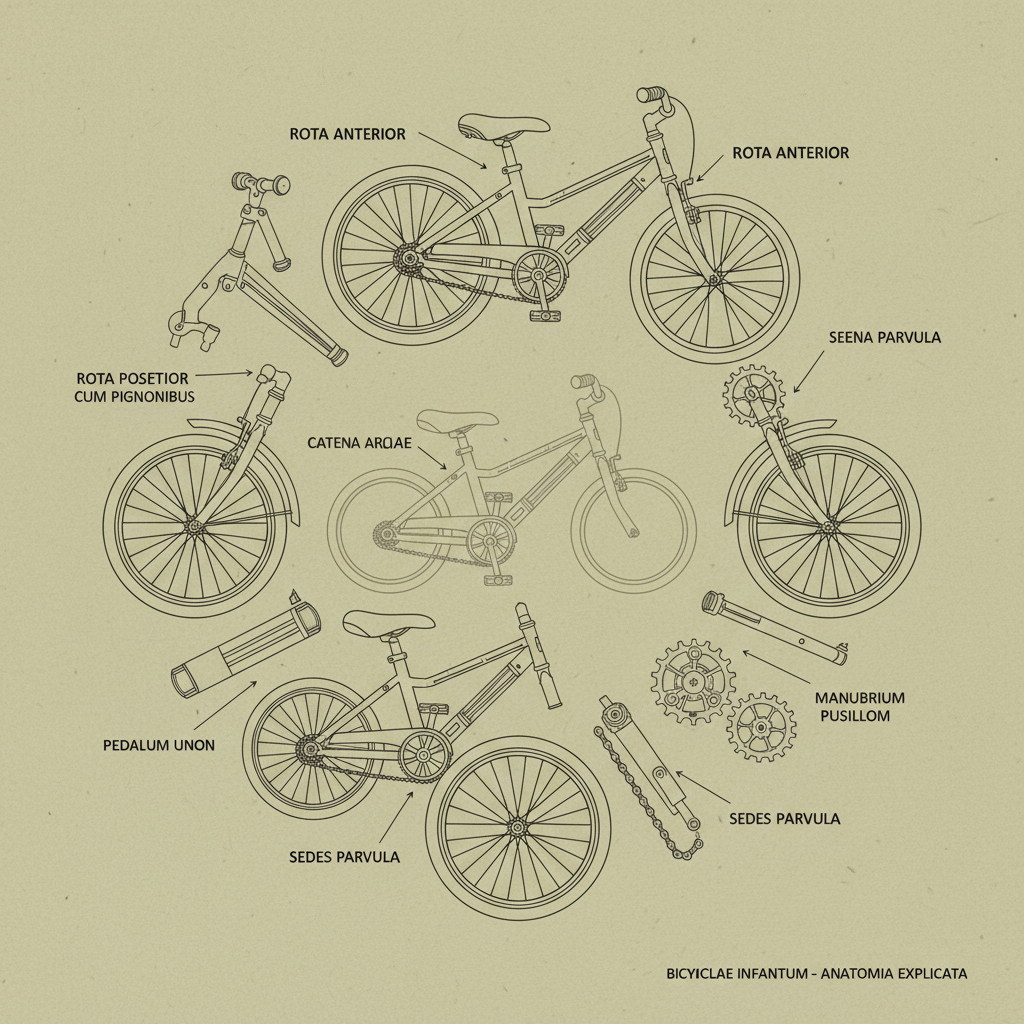
The frame is arguably the most crucial component of any bike, and kids road bike are typically constructed from aluminum alloy for its lightweight and durable properties. The geometry of the frame is tailored to provide a comfortable and efficient riding position for young riders.
The wheels and tires play a vital role in performance. Narrower tires with higher pressure reduce rolling resistance, allowing for faster speeds. The wheel size is carefully selected based on the rider’s age and height, ensuring proper fit and control.
The drivetrain, encompassing the crankset, chain, cassette, and derailleurs, is responsible for transferring power to the wheels. kids road bike generally feature simpler drivetrains with fewer gears, making it easier for young riders to manage shifting.
Performance Metrics and Features
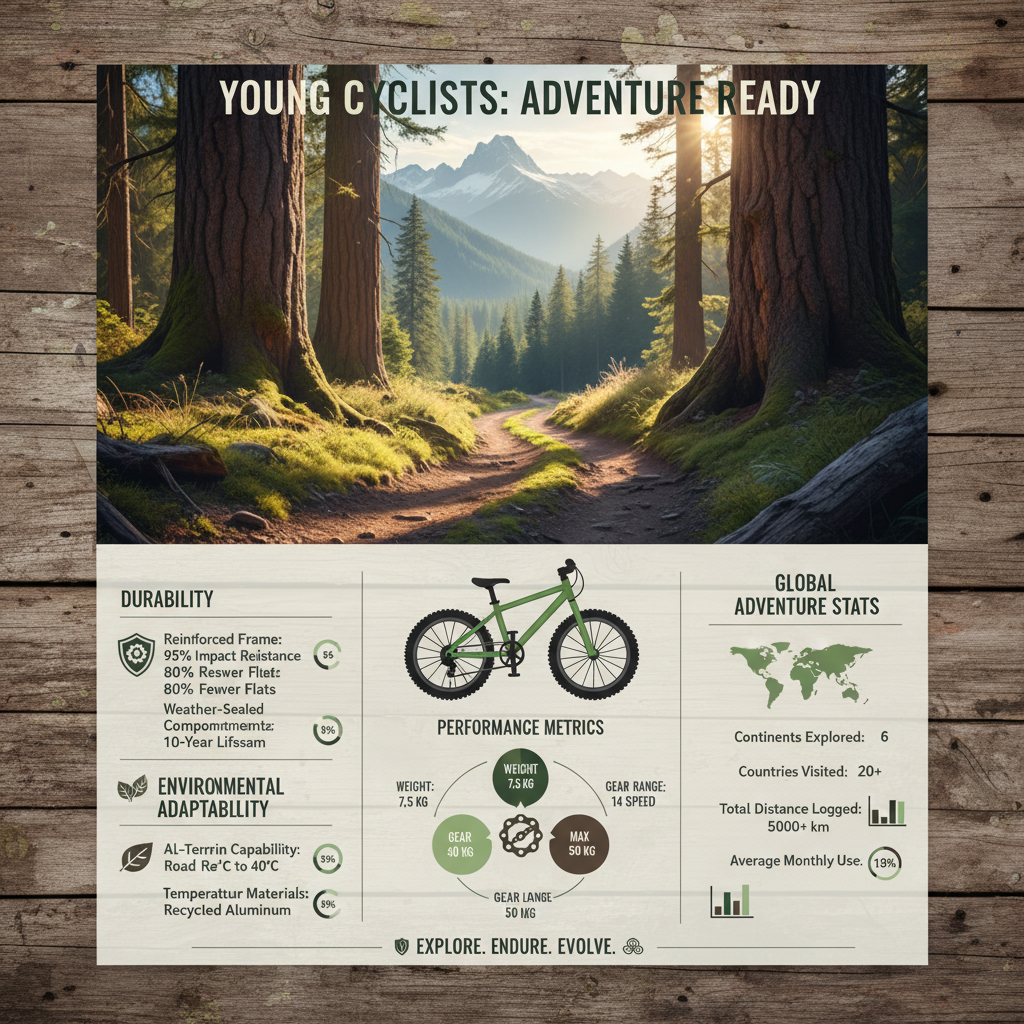
When evaluating kids road bike, several performance metrics are essential. Weight is a key factor, as a lighter bike is easier for a child to handle and accelerate. Frame material and component choices significantly impact weight.
Another important metric is gear range. A wider gear range allows the rider to tackle different terrains and maintain a comfortable cadence. However, it's crucial to balance gear range with simplicity, ensuring the child can easily operate the shifting mechanism.
Kids Road Bike Feature Comparison
Safety Considerations for Young Riders
Safety is paramount when introducing children to road cycling. Always ensure the child wears a properly fitted helmet. Brightly colored clothing and reflective gear enhance visibility, especially in low-light conditions.
Regular bike maintenance, including brake checks and tire inflation, is crucial. Teach children basic road safety rules, such as signaling turns and obeying traffic laws. Supervision is essential, especially for younger or less experienced riders.
Choosing the Right Size Kids Road Bike
Selecting the correct size kids road bike is critical for comfort, control, and safety. Bikes are typically sized by wheel diameter, with common sizes ranging from 16 inches to 24 inches.
A properly sized bike allows the child to comfortably reach the handlebars and pedals without overextending or feeling cramped. It's best to have the child professionally fitted at a bike shop to ensure an optimal fit.
Consider the child’s inseam length when determining the appropriate frame size. A bike that is too large or too small can hinder performance and increase the risk of accidents.
Maintenance and Longevity
Regular maintenance is essential for extending the life of a kids road bike. This includes cleaning the bike regularly, lubricating the chain, checking the brakes, and inflating the tires to the correct pressure.
Store the bike in a dry place to prevent rust and corrosion. Periodically inspect the bike for any loose bolts or damaged components. Promptly address any issues to prevent them from escalating.
With proper care, a well-maintained kids road bike can provide years of enjoyment. It’s an investment in a child’s health, well-being, and love of cycling.
Core Maintenance Practices for Kids Road Bikes
| Maintenance Task |
Frequency |
Difficulty Level (1-5) |
Estimated Time (minutes) |
| Chain Lubrication |
Every 50-100 miles |
1 |
5 |
| Brake Inspection |
Weekly |
2 |
10 |
| Tire Inflation |
Before Each Ride |
1 |
2 |
| Bolt Tightness Check |
Monthly |
3 |
15 |
| Frame Cleaning |
As Needed |
1 |
10 |
| Derailleur Adjustment |
As Needed |
4 |
20 |
FAQS
Typically, children are ready to transition to a road bike around ages 8-12, depending on their size, strength, and coordination. Before a road bike, they should have mastered basic cycling skills on a smaller, more stable bike. It's vital to ensure they can comfortably reach the pedals and handlebars and have sufficient control.
Yes, kids road bikes differ substantially from adult models. They feature smaller frame sizes, shorter crank arms, and simpler gearing to suit a child's physiology. Brakes are also designed for smaller hands. The geometry is adjusted for stability and control, prioritizing comfort and confidence.
Kids grow quickly! You'll likely need to replace a kids road bike every 1-2 years as they outgrow it. Pay attention to whether they are starting to strain to reach the handlebars or pedals, or if the bike feels too small. Proper sizing is key.
A properly fitted helmet is non-negotiable. Brightly colored clothing and reflective gear enhance visibility. Consider padded gloves and eye protection. Teaching your child road safety rules and supervising their rides is crucial.
Disc brakes offer superior stopping power, especially in wet or muddy conditions, compared to traditional rim brakes. They provide more consistent performance and require less hand strength, which is ideal for smaller hands. However, they typically add to the bike's cost.
Regularly clean and lubricate the chain to ensure smooth shifting. Check the derailleur alignment and adjust as needed. Avoid cross-chaining (using extreme gear combinations) as it can wear down the components. A simple degreaser and bike lubricant are essential tools.
Conclusion
In conclusion, investing in a kids road bike is more than just a purchase; it’s an investment in a child’s physical and mental well-being. These bikes provide a platform for developing essential skills, fostering a love of cycling, and promoting a healthy lifestyle. From understanding the key components to prioritizing safety and proper fit, careful consideration will ensure a positive and rewarding experience.
As technology continues to evolve, we can expect even more innovative features and designs in kids road bikes, further enhancing performance and safety. Encouraging cycling from a young age is a vital step towards a more sustainable and active future. Visit our website at www.zhongzhoubike.com to explore our wide selection of kids road bikes and find the perfect ride for your young cyclist!

 English
  Afrikaans
  Albanian
  Amharic
  Arabic
  Armenian
  Azerbaijani
  Basque
  Belarusian
  Bengali
  Bosnian
  Bulgarian
  Catalan
  Cebuano
  Corsican
  Croatian
  Czech
Czech  Danish
  Dutch
Dutch  Esperanto
  Estonian
  Finnish
  French
  Frisian
  Galician
  Georgian
  German
  Greek
Greek  Gujarati
  Haitian Creole
  Hausa
Hausa  Hawaiian
  Hebrew
  Hindi
Hindi  Miao
Miao  Hungarian
  Icelandic
  Igbo
Igbo  Indonesian
  Irish
Irish  Italian
  Japanese
  Javanese
  Kannada
  Kazakh
  Khmer
Khmer  Rwandese
  Korean
  Kurdish
  Kyrgyz
  Lao
Lao  Latin
Latin  Latvian
  Lithuanian
  Luxembourgish
  Macedonian
  Malgashi
  Malay
Malay  Malayalam
  Maltese
  Maori
Maori  Marathi
  Mongolian
  Myanmar
  Nepali
  Norwegian
  Norwegian
  Occitan
  Pashto
  Persian
  Polish
  Portuguese
  Punjabi
  Romanian
  Russian
  Samoan
  Scottish Gaelic
  Serbian
  Sesotho
  Shona
Shona  Sindhi
  Sinhala
  Slovak
  Slovenian
  Somali
  Spanish
  Sundanese
  Swahili
  Swedish
  Tagalog
  Tajik
Tajik  Tamil
Tamil  Tatar
Tatar  Telugu
  Thai
Thai  Turkish
  Turkmen
  Ukrainian
  Urdu
Urdu  Uighur
  Uzbek
Uzbek  Vietnamese
  Welsh
Welsh  Bantu
Bantu  Yiddish
  Yoruba
  Zulu
Zulu