The Ultimate Guide to Electric Scooters for 6 8 Year Olds Ensuring Safe Fun
Electric Scooters for 6-8 Year Olds: A Comprehensive Guide
Choosing the right electric scooter for your 6-8 year old is about balancing fun with safety. These scooters offer a thrilling way for kids to explore, but selecting one requires careful consideration. This guide will explore the key features, safety aspects, and top considerations when purchasing an electric scooter for this age group. We’ll cover speed limits, weight capacities, braking systems, and everything else you need to know to make an informed decision. Providing a safe and enjoyable experience for your child is our priority.
Safety First: Key Considerations When Buying
Safety is paramount when selecting an electric scooter for young children. Look for models with adjustable speed settings, allowing you to control the maximum speed. A sturdy frame and reliable braking system are essential. Consider features like LED lights for visibility and non-slip foot decks. Always ensure the scooter has a weight capacity suitable for your child. It's crucial to insist on helmet use and other protective gear like knee and elbow pads.
Key Safety Features: Adjustable speed settings, reliable braking, sturdy frame, LED lights, non-slip deck, weight capacity check, always wear a helmet.
Understanding Speed Limits and Motor Power
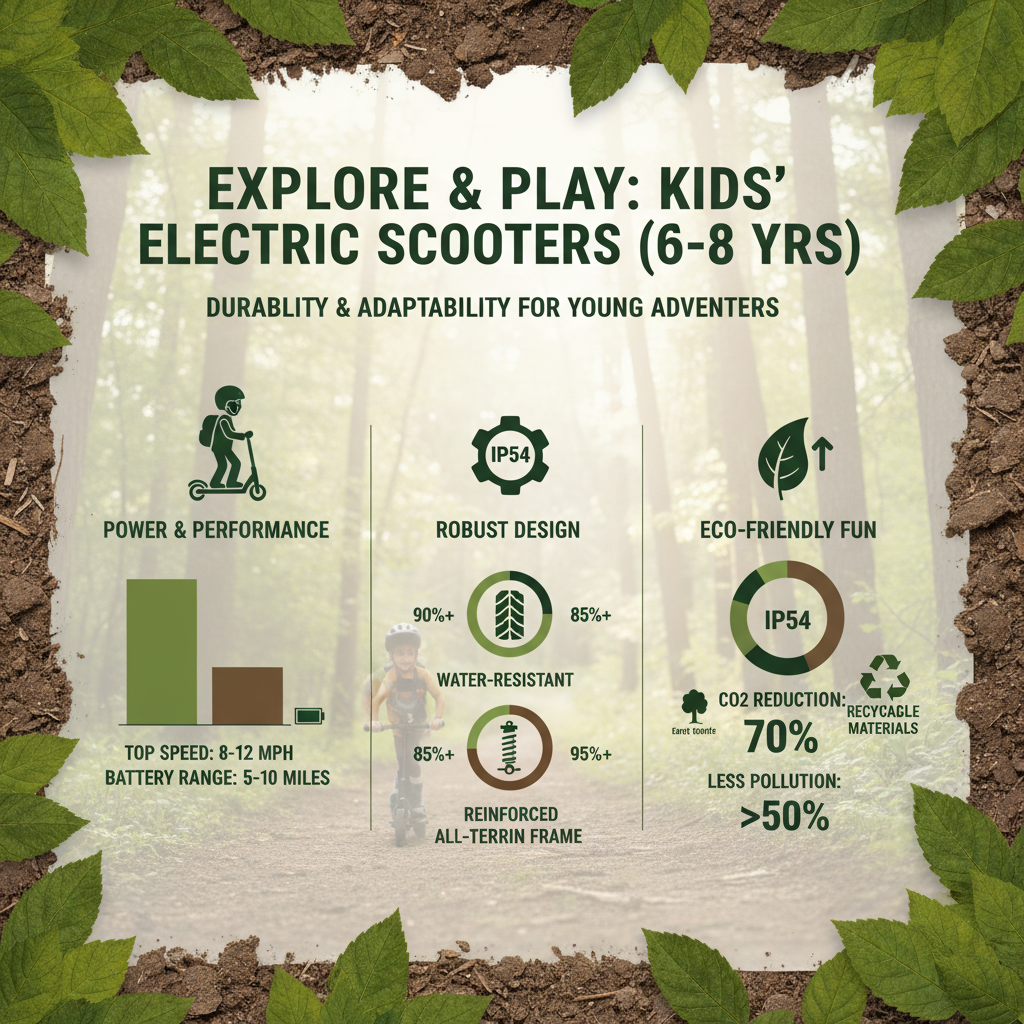
For 6-8 year olds, a maximum speed of 6-8 mph is generally considered safe. Higher speeds increase the risk of accidents. Motor power is also important; lower wattage motors (around 100W-150W) are suitable for this age group, providing sufficient power for gentle acceleration and cruising without being overly powerful. It’s important to balance power with control, ensuring your child can comfortably manage the scooter. Zhongzhou Bike offers models designed specifically with these considerations in mind.
Speed & Power Guidelines:
• Maximum Speed: 6-8 mph
• Motor Power: 100W - 150W
• Prioritize control over high speeds.
Electric Scooters for 6 8 Year Olds: Model Comparison
Comparing different models can help you pinpoint the best option for your child. Consider factors like battery life, scooter weight, and braking mechanisms. Here's a comparison of some popular choices:
Essential Protective Gear
Beyond the scooter’s safety features, protective gear is non-negotiable. A well-fitting helmet is the most important piece of equipment. Knee and elbow pads offer protection against scrapes and bruises. Wrist guards can help prevent injuries in case of falls. Consider brightly colored clothing to enhance visibility. Supervision is key, especially for younger or less experienced riders.
Maintenance and Care Tips
Regular maintenance will extend the life of the scooter and ensure it operates safely. Check the brakes frequently, and keep the tires properly inflated. Clean the scooter regularly with a damp cloth. Store it in a dry place when not in use. Inspect the scooter for any loose parts or damage before each ride. Zhongzhou Bike provides detailed maintenance guides on their website.
Conclusion: Choosing the Right Scooter for Your Child
Selecting an electric scooter for your 6-8 year old involves careful consideration of safety features, speed limits, and overall quality. By prioritizing safety, investing in protective gear, and performing regular maintenance, you can provide your child with a fun and secure riding experience. Don’t hesitate to explore options from reputable brands like Zhongzhou Bike to ensure you’re making the best choice.
Frequently Asked Questions (FAQs)
What is the appropriate weight limit for an electric scooter for a 6-8 year old?
Generally, the weight limit should be between 120-154 lbs for this age group. It's crucial to check the manufacturer’s specifications for each scooter model and ensure your child's weight falls within the recommended range. Exceeding the weight limit can compromise the scooter’s stability and braking performance, increasing the risk of accidents. Always prioritize a scooter that can safely accommodate your child’s weight.
What type of braking system is safest for young children?
Hand-operated brakes are generally recommended for older children with sufficient hand strength and coordination. However, for younger children (6-7 year olds), rear foot brakes are often easier to operate and provide adequate stopping power. Some scooters feature both types of brakes, offering versatility. Ensure your child is thoroughly trained on how to use the braking system properly and practice in a safe, controlled environment.
How often should I charge the scooter’s battery?
Charging frequency depends on usage. It's best to follow the manufacturer's instructions regarding charging. Avoid overcharging the battery, as this can reduce its lifespan. Typically, you should charge the battery after each use or when it's low. Store the scooter in a cool, dry place when not in use, and avoid exposing the battery to extreme temperatures. Regular charging and proper storage will ensure optimal battery performance.
-
Electric Scooter Age 3 Safe Introduction to Early Mobility GuideNewsApr.16,2026
-
Is an Electric Scooter Age 4 Safe Complete Parents GuideNewsApr.09,2026
-
Choosing the Best Electric Scooter for a 9 Year Old Rider's SafetyNewsApr.07,2026
-
Comprehensive Guide to Choosing the Best Electric Scooter Ages 6 UpNewsApr.04,2026
-
Choosing the Best Electric Scooter for 6yr Old Riders A Comprehensive GuideNewsMar.31,2026
-
The Ultimate Guide to Choosing an Electric Scooter for Age 10 RidersNewsMar.28,2026
-
Choosing the Ideal Electric Scooter for Age 12 A Comprehensive Buyers GuideNewsMar.26,2026
Related Products
-
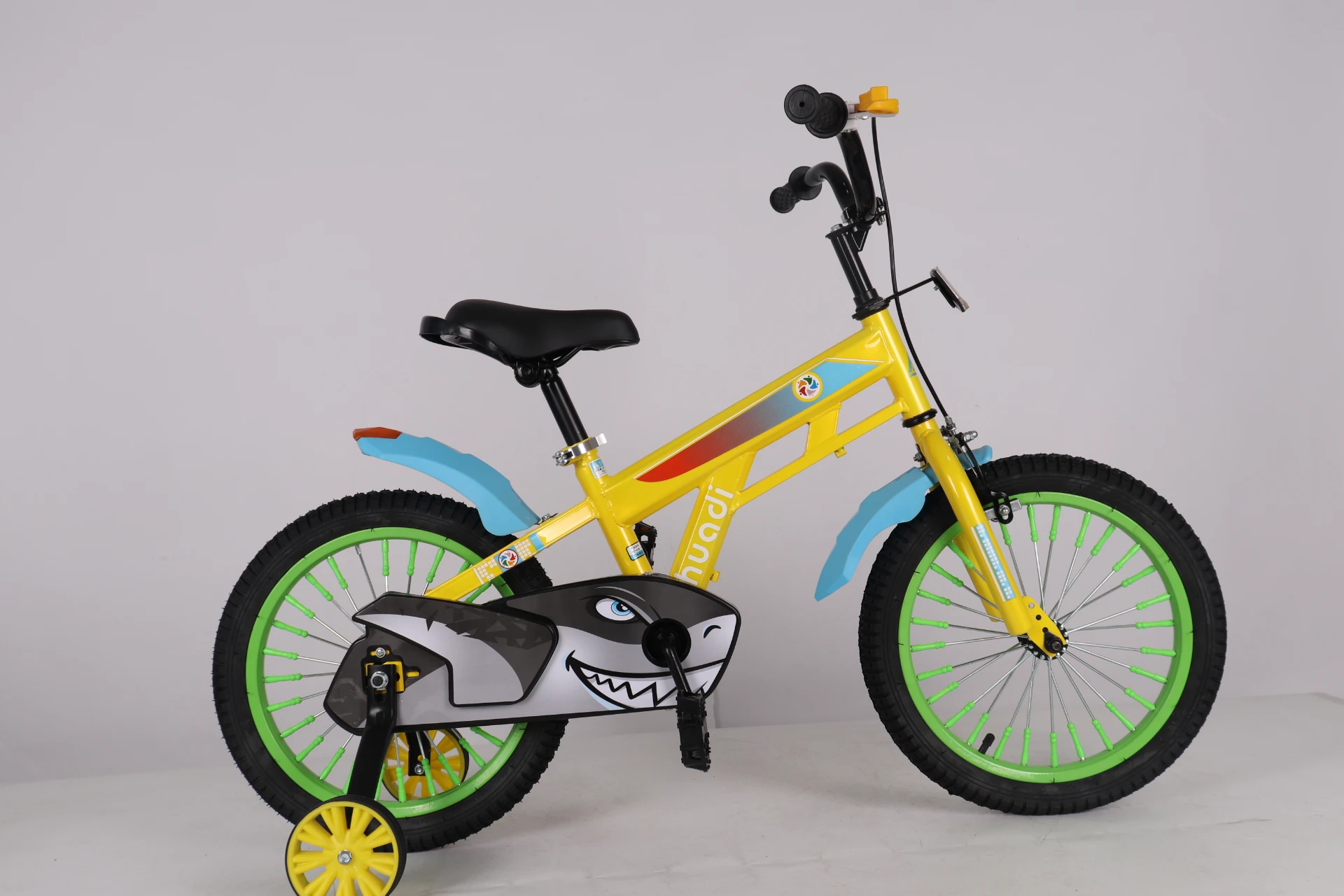
High quality kids bike children bicycle cycle cheap children bicycle with training wheel for sale
-
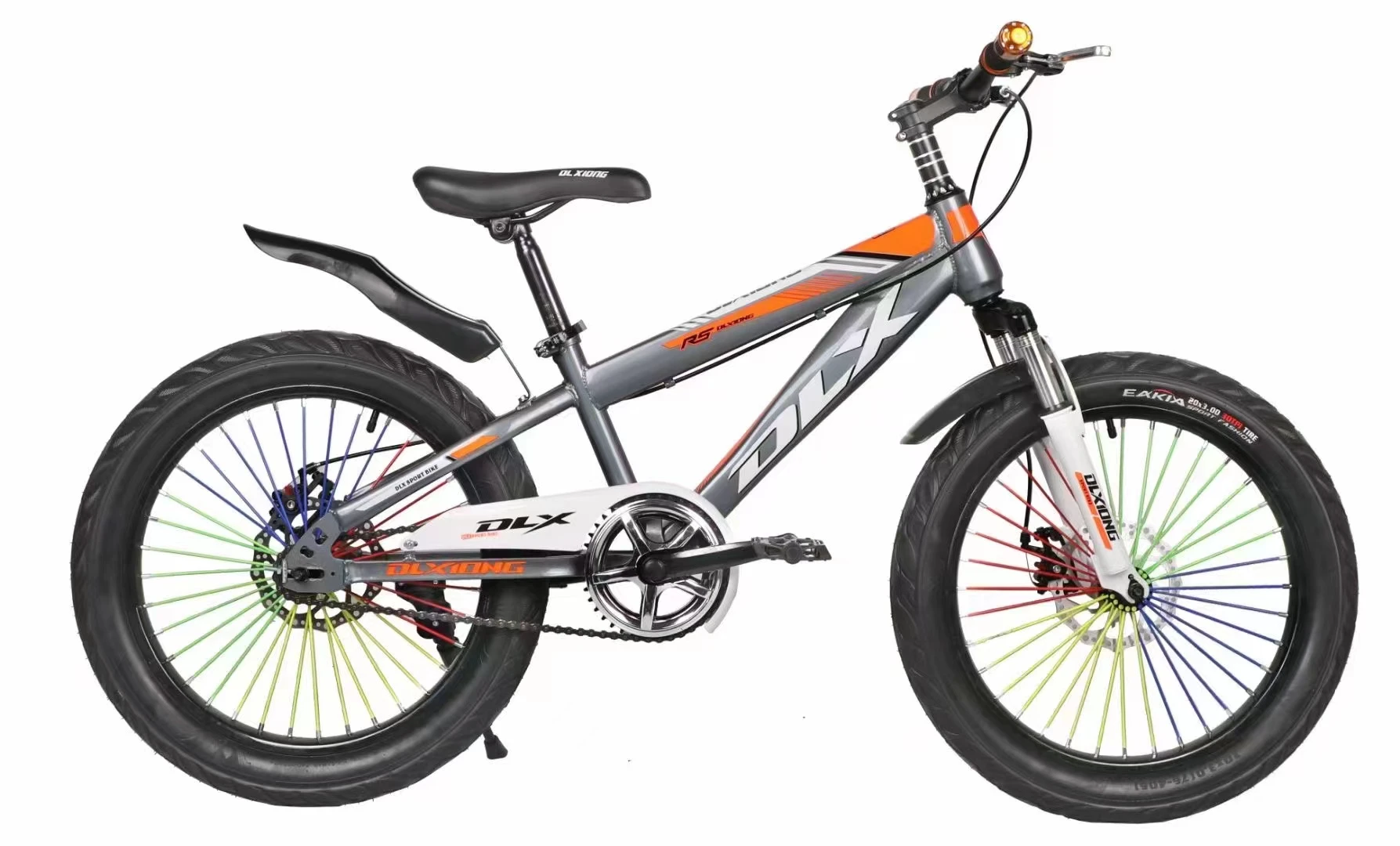
OEM 20 inch mountain bike children bikeVariable speed mountain bike suitable for student sports
-
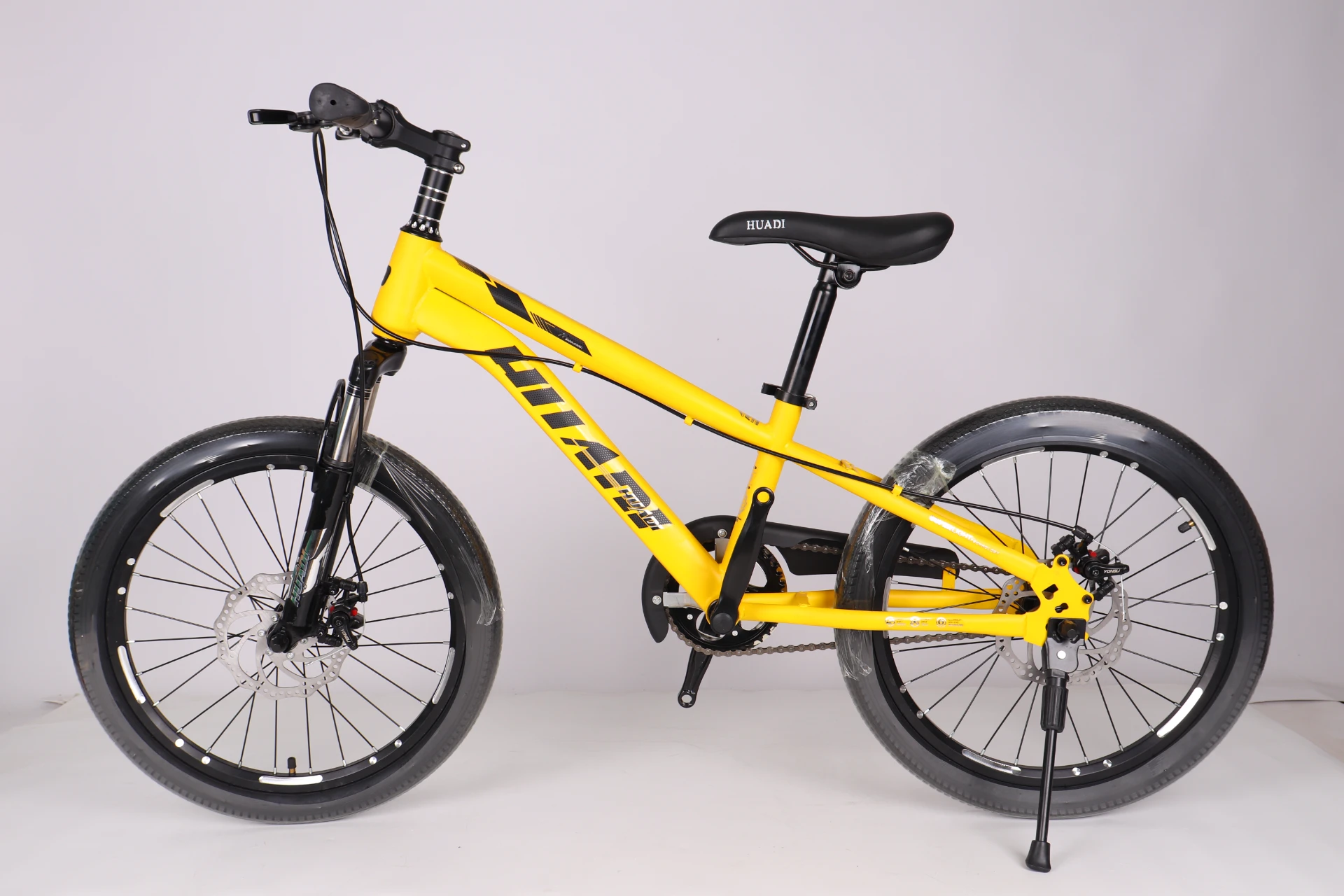
18 20 22 inch Children bike mountain bikes for 13 year old boy cycle for class 5 bicycle for 10year old boy kids
-
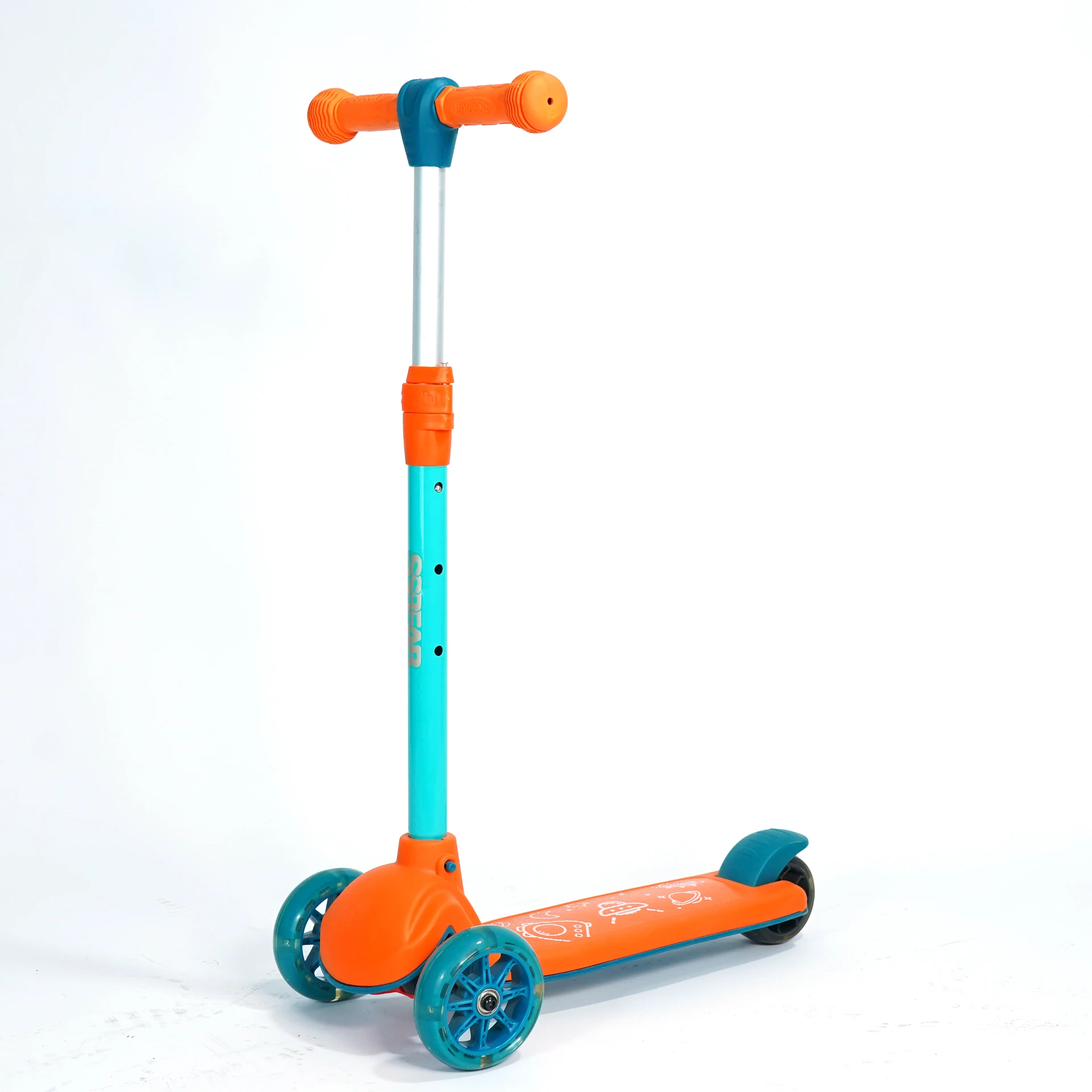
Hot Sale Kids Scooter 3 Pu Light-Up Wheel Kick Scooter For 3-6 Year Olds
-
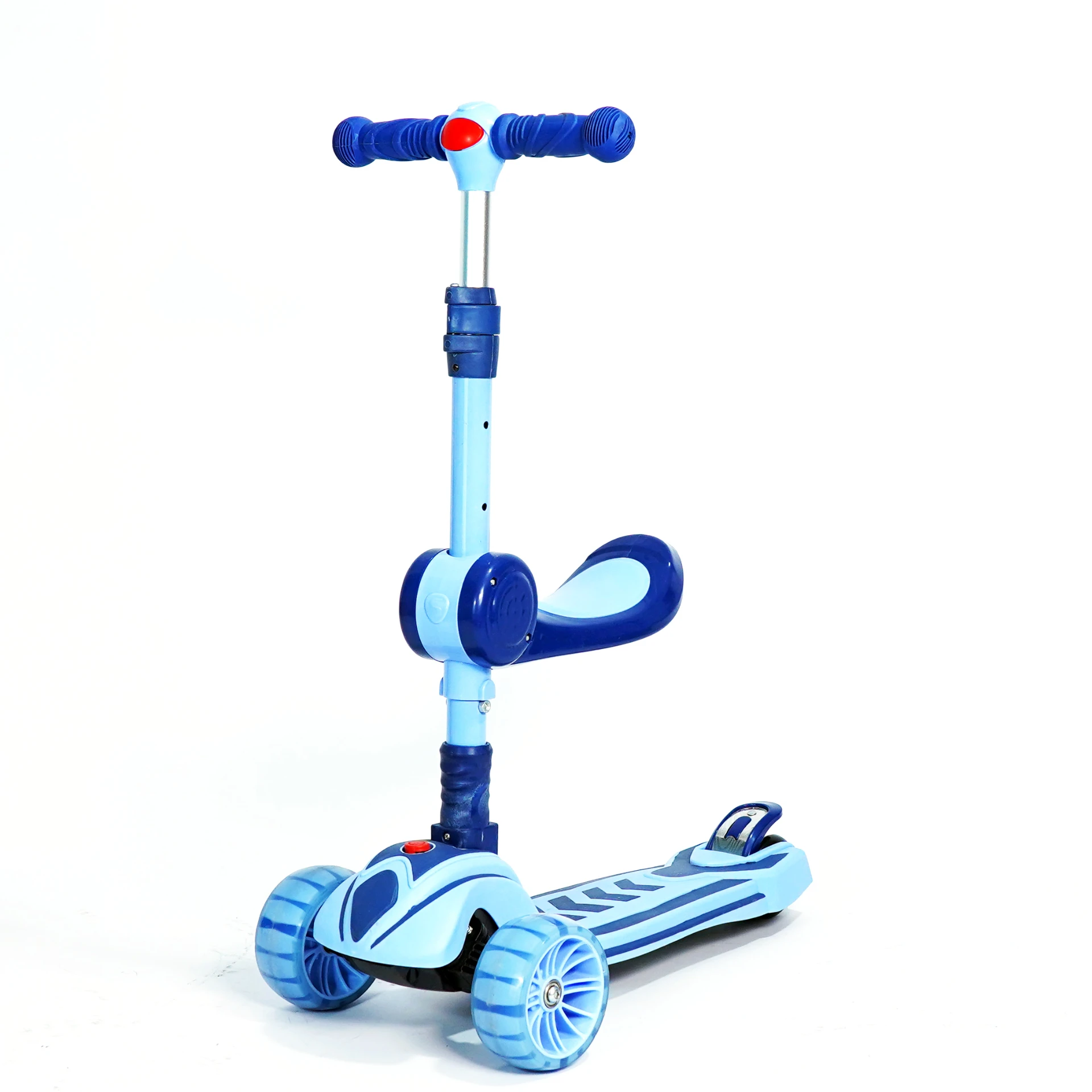
EU Child 3 To 10 Years Baby Soccer Kick Scooters & Foot Scooters For Kids Boys
-
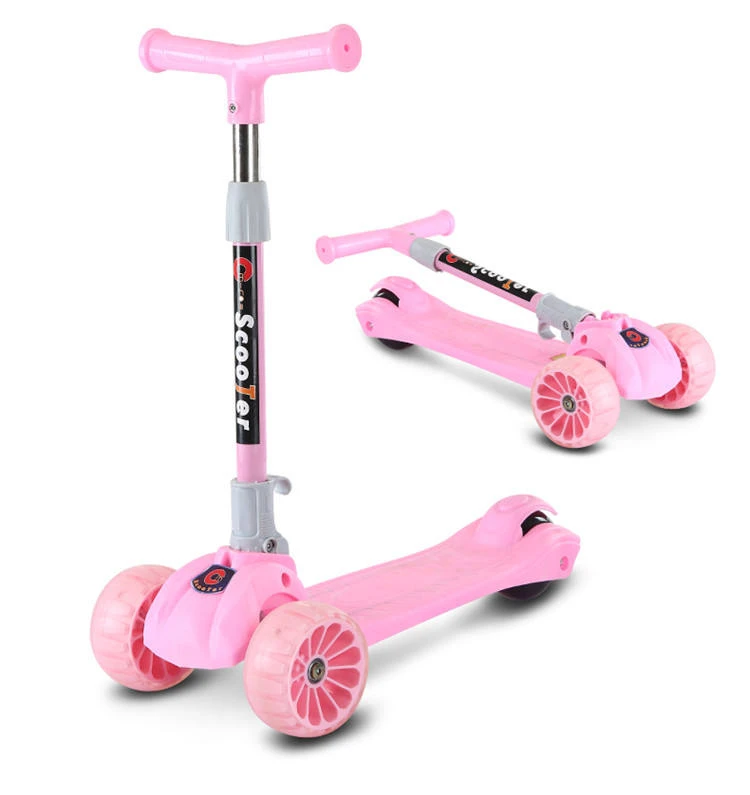
Factory Sale Kid Scooter Foot scooter Kids Kick scooter For Toddler.
-
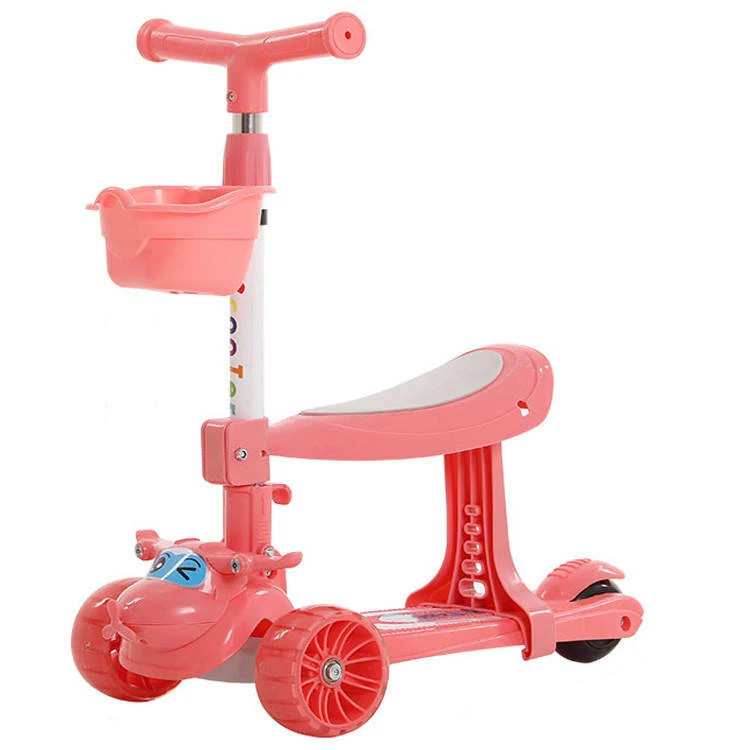
Best Seller Multifunctional Folding Kid Kick 3 Wheels Children Foot Scooter Foldable Baby Kid Scooters
-
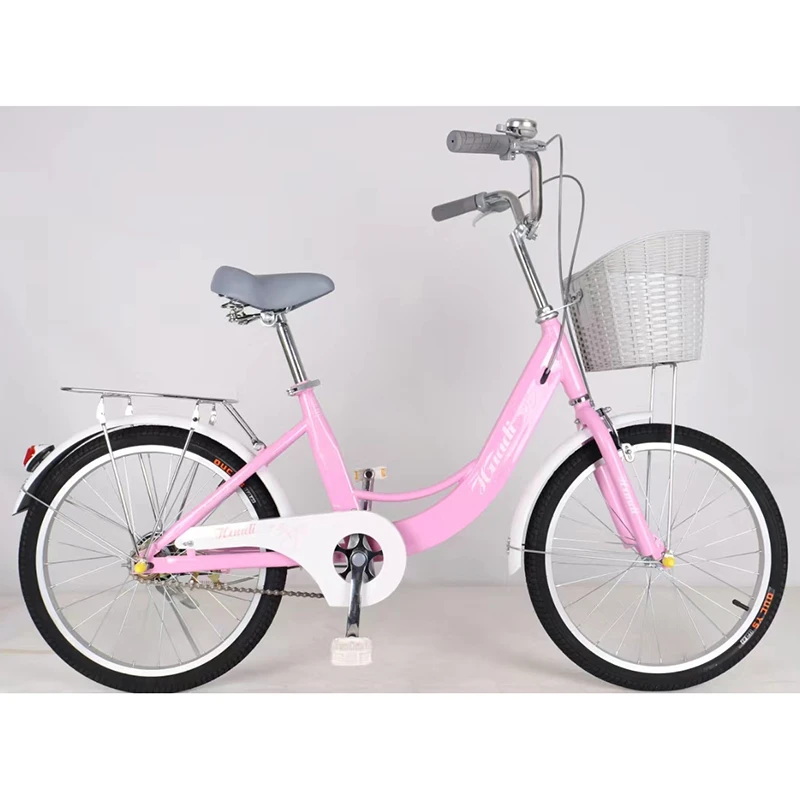
Hot sale kids bikes OEM custom cheap baby children bicycle bike beautiful cycle for girls kids
 Afrikaans
 Albanian
 Amharic
 Arabic
 Armenian
 Azerbaijani
 Basque
 Belarusian
 Bengali
 Bosnian
 Bulgarian
 Catalan
 Cebuano
 Corsican
 Croatian
 Czech
Czech
 Danish
 Dutch
Dutch
 Esperanto
 Estonian
 Finnish
 French
 Frisian
 Galician
 Georgian
 German
 Greek
Greek
 Gujarati
 Haitian Creole
 Hausa
Hausa
 Hawaiian
 Hebrew
 Hindi
Hindi
 Miao
Miao
 Hungarian
 Icelandic
 Igbo
Igbo
 Indonesian
 Irish
Irish
 Italian
 Japanese
 Javanese
 Kannada
 Kazakh
 Khmer
Khmer
 Rwandese
 Korean
 Kurdish
 Kyrgyz
 Lao
Lao
 Latin
Latin
 Latvian
 Lithuanian
 Luxembourgish
 Macedonian
 Malgashi
 Malay
Malay
 Malayalam
 Maltese
 Maori
Maori
 Marathi
 Mongolian
 Myanmar
 Nepali
 Norwegian
 Norwegian
 Occitan
 Pashto
 Persian
 Polish
 Portuguese
 Punjabi
 Romanian
 Russian
 Samoan
 Scottish Gaelic
 Serbian
 Sesotho
 Shona
Shona
 Sindhi
 Sinhala
 Slovak
 Slovenian
 Somali
 Spanish
 Sundanese
 Swahili
 Swedish
 Tagalog
 Tajik
Tajik
 Tamil
Tamil
 Tatar
Tatar
 Telugu
 Thai
Thai
 Turkish
 Turkmen
 Ukrainian
 Urdu
Urdu
 Uighur
 Uzbek
Uzbek
 Vietnamese
 Welsh
Welsh
 Bantu
Bantu
 Yiddish
 Yoruba
 Zulu
Zulu
 English