
Toy Swing Car: Global Importance, Design Insights & Leading Vendors
Toy Swing Car: A Global Perspective on Its Role and Impact
It might seem a simple plaything, but the toy swing car holds more significance than you’d guess. Around the world, this classic children’s vehicle doesn’t just entertain — it plays into childhood development, safety education, and sometimes even community innovation. Understanding how a toy swing car makes a difference globally unveils fascinating insights into design, manufacturing, and consumer trends that reflect broader social and economic patterns. Plus, anyone interested in child safety or early education benefits from knowing what sets top-quality models apart.
Why Does a Toy Swing Car Matter Globally?
According to recent data from the World Bank, the global toy market surpassed $90 billion in 2023, with ride-on toys like the toy swing car making up a growing segment. Particularly in developing regions, a toy swing car can represent much more than a toy — it fosters motor skill development and encourages physical activity, fundamental elements in early childhood evolution endorsed by organizations like UNICEF. However, challenges remain: safety standards vary widely by country, and achieving safe, durable, affordable play vehicles requires innovation and compliance with ISO standards (ISO 8124 for toy safety). The disparity calls for better awareness and accessible information on what constitutes a quality toy swing car.
Defining the Toy Swing Car
Simply put, a toy swing car is a ride-on toy propelled by the rider’s swaying motion instead of pedals or motors. It leans on physics — swinging side to side creates forward momentum. This connection to real-world physics makes these toys unique among ride-ons and offers a soft introduction to concepts of balance and motion. In industrial or educational contexts, similar principles inspire ergonomic designs and energy-efficient movement solutions, subtly linking this humble toy to modern technological trends.
Core Components of a Quality Toy Swing Car
Durability
Because these cars are often used outdoors and endure constant physical stress, materials matter. High-impact plastics and reinforced steel frames extend lifespan and resist damage — important for parents seeking long-term value.
Safety Features
Non-slip handles, stable wheelbases, and rounded edges reduce injury risk. Compliance with ISO and ASTM (American Society for Testing and Materials) standards is key here, creating safer play experiences worldwide.
Ergonomics
Proper seat height and handle positioning make riding comfortable for kids of various ages, balancing thrill with posture – a feature not always appreciated but invaluable for child comfort.
Portability
Lightweight yet sturdy construction allows easy transport and storage, a huge plus for families on the go or institutions with limited storage space.
Design Appeal
From vibrant colors to sleek curves, looks count—especially since children often use the toy as an extension of imaginative play. Brands succeed by blending functionality with style.
Practical Applications and Global Use Cases
- Educational Settings: Schools and daycares worldwide incorporate toy swing cars to develop motor skills and balance.
- Urban Play Areas: In cities from Tokyo to Toronto, these cars offer space-efficient means of active play.
- Post-Disaster Relief Zones: Some NGOs supply robust toy swing cars to foster normalcy and joy for displaced children.
- Remote Communities: Portable and low-tech, these toys provide entertainment where electricity or digital devices aren’t always accessible.
Takeaway: Across continents, the toy swing car fosters development, joy, and practical accessibility.
Advantages and Long-Term Value of Toy Swing Cars
On a practical level, these cars promote physical health by encouraging kids to move naturally. They’re cost-effective compared to expensive electric alternatives and sustainably designed models reduce plastic waste. Emotionally, they inspire confidence as children master control and balance — key milestones parents cherish.
Future Trends and Innovations
Frankly, the toy swing car industry is quietly evolving. Innovations include use of recycled plastics, integration of lightweight titanium alloys for frames, and even “smart” versions equipped with motion sensors that help parents monitor activity remotely. Sustainability is front and center, aligning with global pushes for green manufacturing and reducing carbon footprints under ISO 14000 guidelines.
Challenges and Industry Solutions
The main challenges? Price sensitivity in emerging markets and uneven safety enforcement. Manufacturers respond by offering tiered product lines, providing affordable safety without compromising build quality. Additionally, NGOs partner with vendors to certify products meet international safety benchmarks.
Product Specification Table for a Popular Toy Swing Car Model
| Specification | Details |
|---|---|
| Material | High-impact Polypropylene + Steel Frame |
| Recommended Age | 3 to 8 years |
| Weight Capacity | Up to 50 kg (110 lbs) |
| Dimensions (L×W×H) | 90 × 40 × 50 cm |
| Safety Features | Non-slip handles, anti-tip design, rounded edges |
| Portability | 3.5 kg, foldable for storage |
Vendor Comparison Table
| Vendor | Price Range | Safety Certifications | Customization | Warranty |
|---|---|---|---|---|
| Zhongzhou Bike Co. | $45 - $80 | ISO 8124, ASTM F963 | Colors, decals, frame strength | 3 years |
| Global Toy Co. | $50 - $90 | EN71, ASTM | Limited (color only) | 2 years |
| EcoRide Ltd. | $60 - $100 | ISO 8124, CPSIA | Full custom design available | 5 years |
Frequently Asked Questions About Toy Swing Cars
- Are toy swing cars safe for toddlers under three years old?
- Typically, toy swing cars are recommended for children aged three and up. For toddlers under three, there might be choking risks or control limitations. Always check manufacturer guidelines and look for models with enhanced safety features if you want to introduce younger children.
- How long can a quality toy swing car last with regular use?
- With proper maintenance and under normal use, a durable toy swing car can last several years, often 3 to 5 years. Metal frames and reinforced plastics greatly extend longevity compared to cheaper models that may degrade within a year.
- Is it worth investing in eco-friendly materials for these toys?
- Absolutely. Sustainable plastics and recyclable materials minimize environmental impact, especially important as toys are replaced or outgrown. Some manufacturers offer take-back programs to recycle old units, contributing to circular economies.
- Can toy swing cars be used indoors safely?
- Yes, many models are designed for both indoor and outdoor use, but ensure there is ample space, smooth flooring, and no obstacles. Rubber wheels and anti-tip designs enhance safe indoor operation.
- Where can I find customizable toy swing cars for educational programs?
- Vendors like Zhongzhou Bike Co. offer extensive customization options suitable for educational institutions, including logo printing, color schemes, and ergonomic adjustments tailored to program needs.
Conclusion
The toy swing car may look like simple fun, but it entwines safety, development, innovation, and global market dynamics all in one package. As manufacturers sharpen their focus on quality, sustainability, and customization, these ride-on toys continue to serve children worldwide with joy and practical value. If you're interested in exploring top-quality, customizable models with trusted safety credentials, feel free to visit Zhongzhou Bike Co. – your partner for innovative children’s ride-on toys.
It’s kind of fascinating how something so simple can ripple across so many domains, isn’t it?
- World Bank. “Global Toy Market Report 2023.”
- ISO. “Safety of Toys - Part 1: Safety Aspects Related to Mechanical and Physical Properties, ISO 8124-1.”
- UNICEF. “Child Development and Play.”
-
Electric Scooter Age 3 Safe Introduction to Early Mobility GuideNewsApr.16,2026
-
Is an Electric Scooter Age 4 Safe Complete Parents GuideNewsApr.09,2026
-
Choosing the Best Electric Scooter for a 9 Year Old Rider's SafetyNewsApr.07,2026
-
Comprehensive Guide to Choosing the Best Electric Scooter Ages 6 UpNewsApr.04,2026
-
Choosing the Best Electric Scooter for 6yr Old Riders A Comprehensive GuideNewsMar.31,2026
-
The Ultimate Guide to Choosing an Electric Scooter for Age 10 RidersNewsMar.28,2026
-
Choosing the Ideal Electric Scooter for Age 12 A Comprehensive Buyers GuideNewsMar.26,2026
Related Products
-
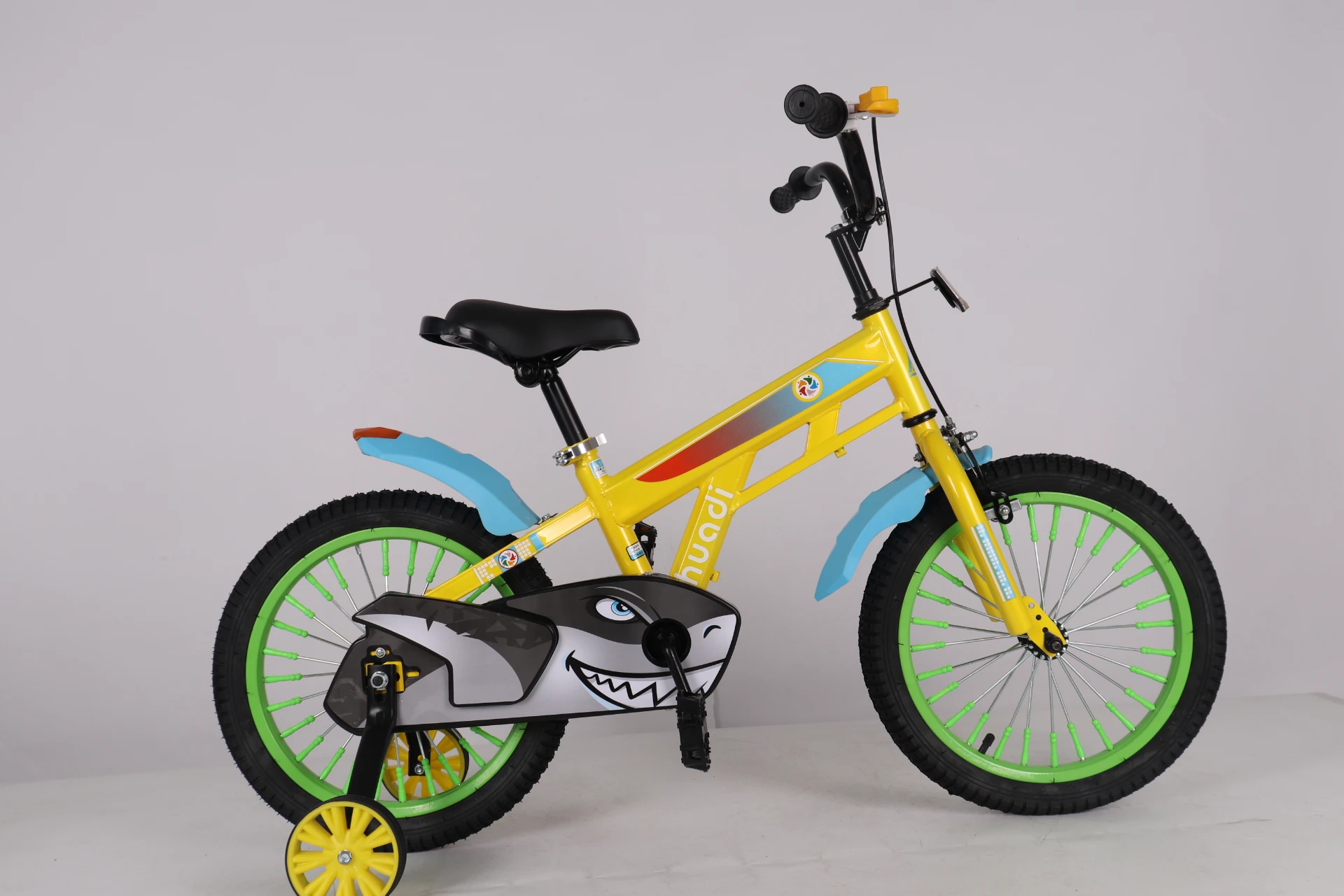
High quality kids bike children bicycle cycle cheap children bicycle with training wheel for sale
-
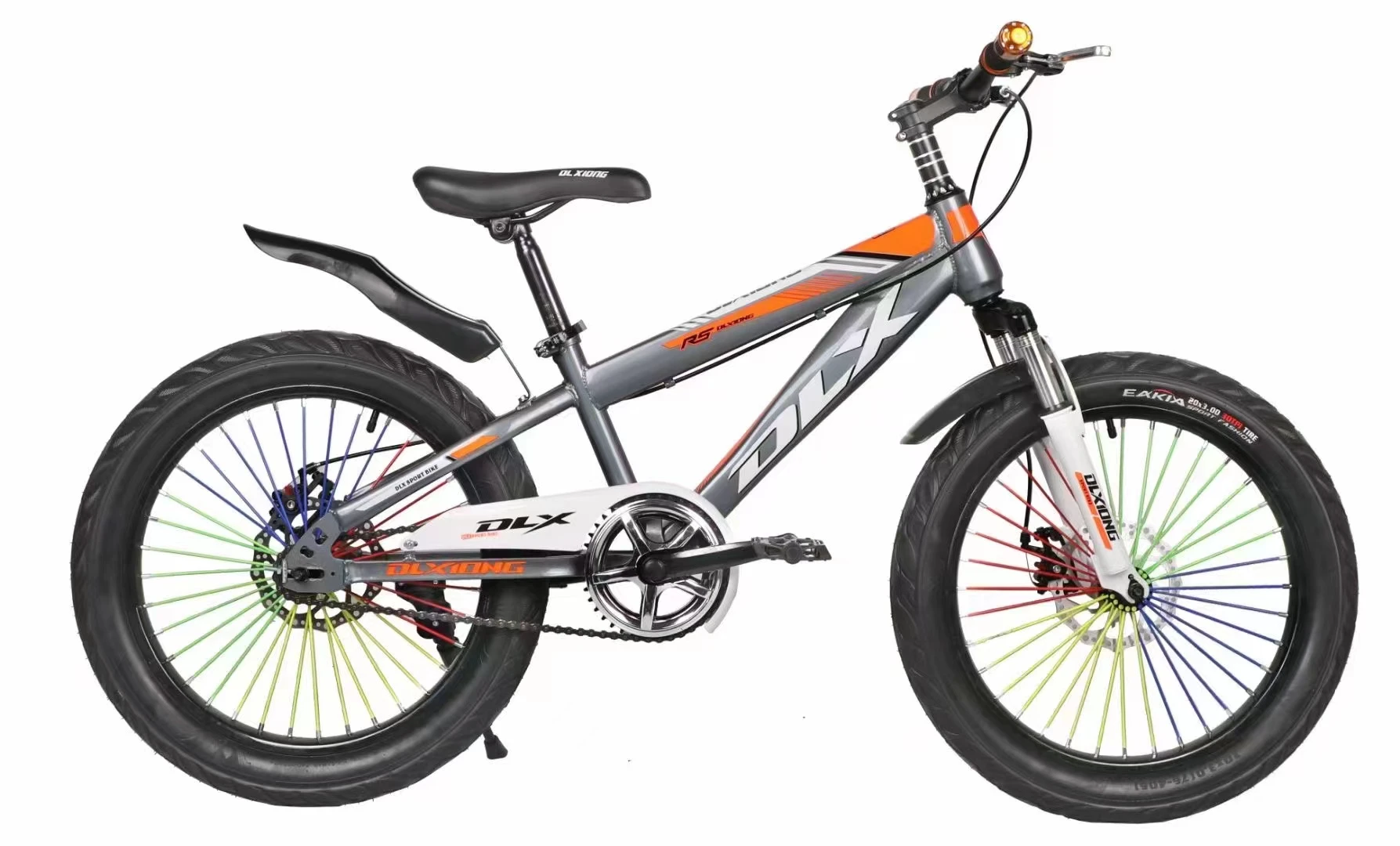
OEM 20 inch mountain bike children bikeVariable speed mountain bike suitable for student sports
-
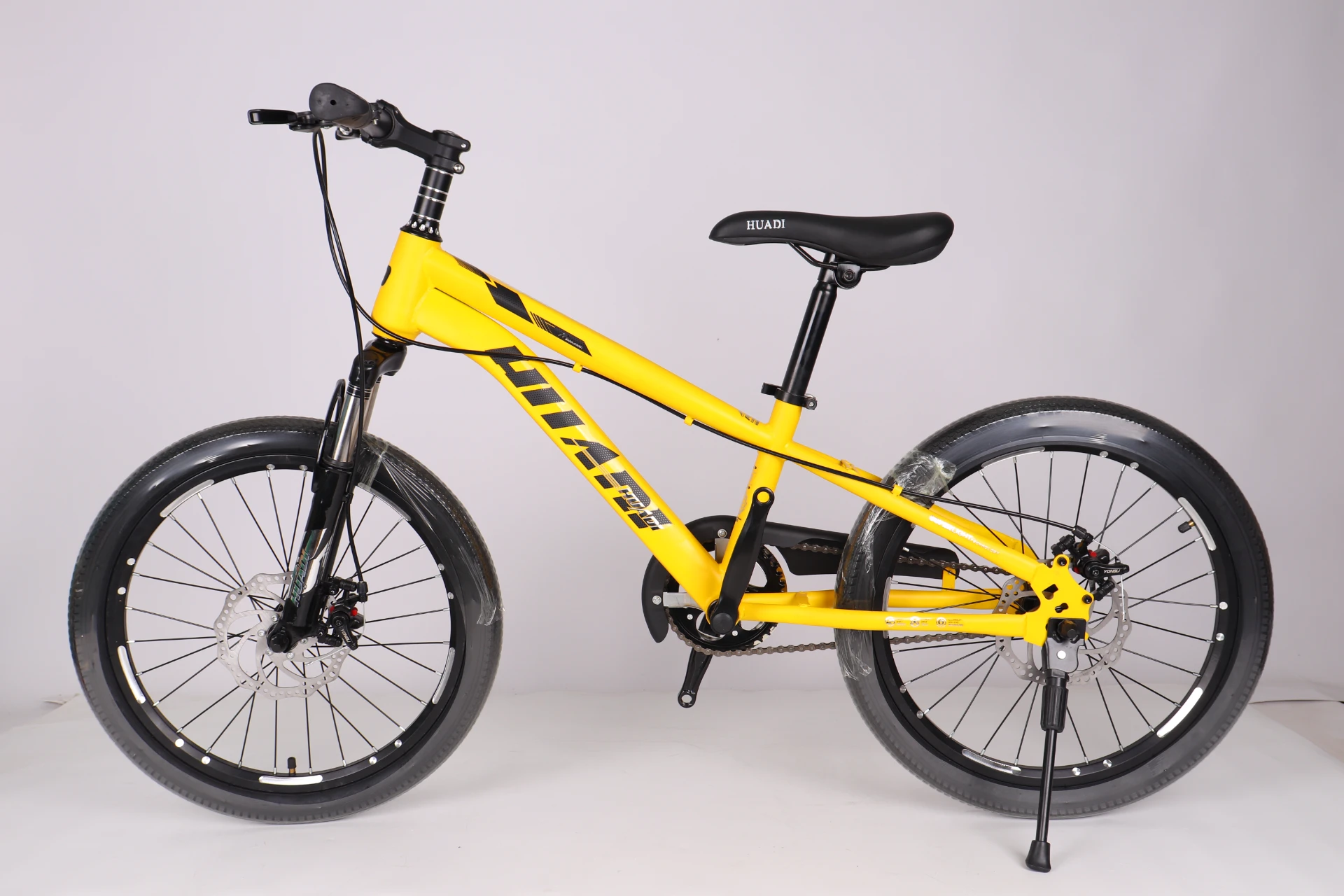
18 20 22 inch Children bike mountain bikes for 13 year old boy cycle for class 5 bicycle for 10year old boy kids
-
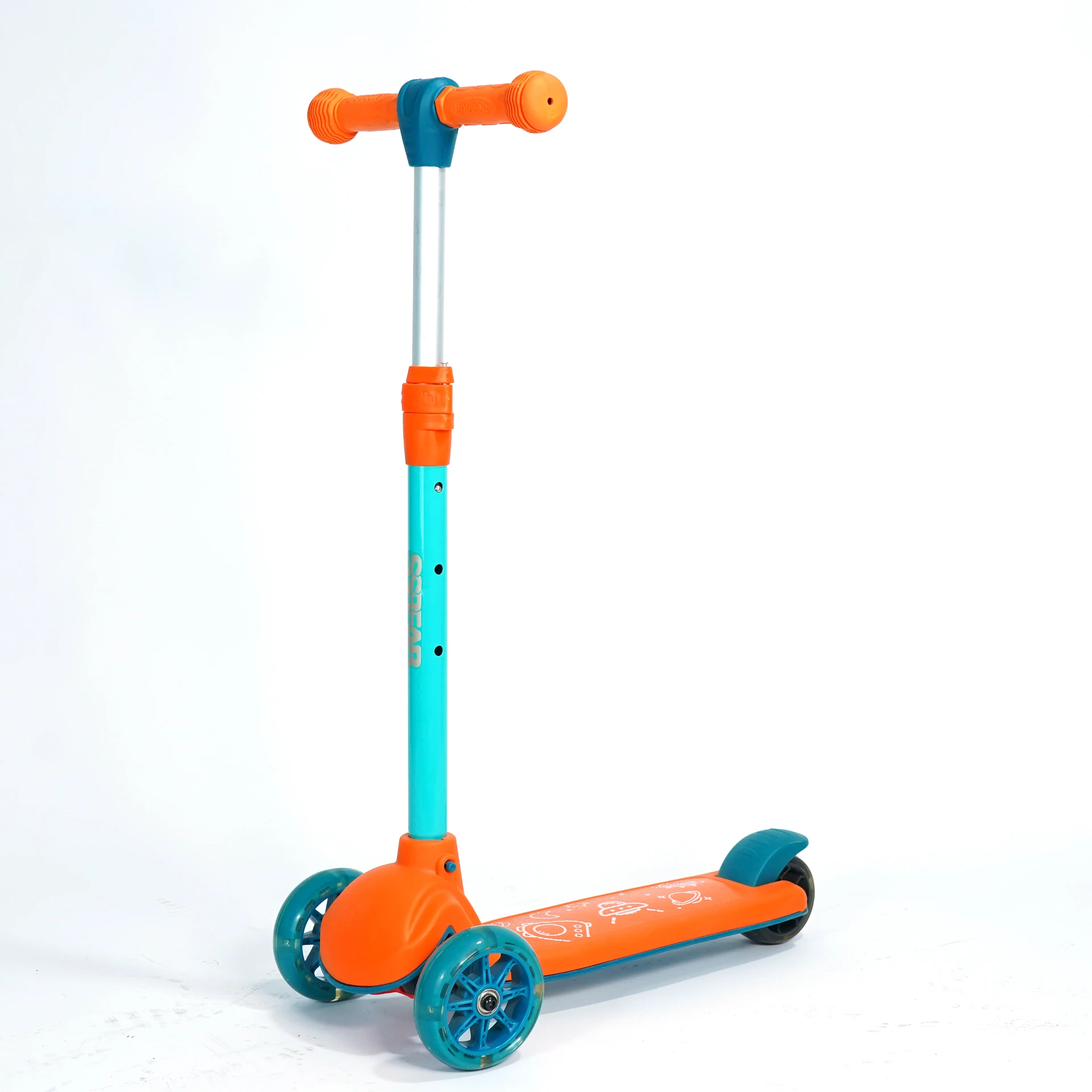
Hot Sale Kids Scooter 3 Pu Light-Up Wheel Kick Scooter For 3-6 Year Olds
-
EU Child 3 To 10 Years Baby Soccer Kick Scooters & Foot Scooters For Kids Boys
-
Factory Sale Kid Scooter Foot scooter Kids Kick scooter For Toddler.
-
Best Seller Multifunctional Folding Kid Kick 3 Wheels Children Foot Scooter Foldable Baby Kid Scooters
-
Hot sale kids bikes OEM custom cheap baby children bicycle bike beautiful cycle for girls kids
 Afrikaans
 Albanian
 Amharic
 Arabic
 Armenian
 Azerbaijani
 Basque
 Belarusian
 Bengali
 Bosnian
 Bulgarian
 Catalan
 Cebuano
 Corsican
 Croatian
 Czech
Czech
 Danish
 Dutch
Dutch
 Esperanto
 Estonian
 Finnish
 French
 Frisian
 Galician
 Georgian
 German
 Greek
Greek
 Gujarati
 Haitian Creole
 Hausa
Hausa
 Hawaiian
 Hebrew
 Hindi
Hindi
 Miao
Miao
 Hungarian
 Icelandic
 Igbo
Igbo
 Indonesian
 Irish
Irish
 Italian
 Japanese
 Javanese
 Kannada
 Kazakh
 Khmer
Khmer
 Rwandese
 Korean
 Kurdish
 Kyrgyz
 Lao
Lao
 Latin
Latin
 Latvian
 Lithuanian
 Luxembourgish
 Macedonian
 Malgashi
 Malay
Malay
 Malayalam
 Maltese
 Maori
Maori
 Marathi
 Mongolian
 Myanmar
 Nepali
 Norwegian
 Norwegian
 Occitan
 Pashto
 Persian
 Polish
 Portuguese
 Punjabi
 Romanian
 Russian
 Samoan
 Scottish Gaelic
 Serbian
 Sesotho
 Shona
Shona
 Sindhi
 Sinhala
 Slovak
 Slovenian
 Somali
 Spanish
 Sundanese
 Swahili
 Swedish
 Tagalog
 Tajik
Tajik
 Tamil
Tamil
 Tatar
Tatar
 Telugu
 Thai
Thai
 Turkish
 Turkmen
 Ukrainian
 Urdu
Urdu
 Uighur
 Uzbek
Uzbek
 Vietnamese
 Welsh
Welsh
 Bantu
Bantu
 Yiddish
 Yoruba
 Zulu
Zulu
 English