
Electric Scooter Age 3 Safe Introduction to Early Mobility Guide
Electric Scooter Age 3: A Safe Introduction to Early Mobility
Introducing a child to the world of balance and motion is an exciting milestone for any parent. Finding the perfect electric scooter age 3 requires a careful balance between fun, safety, and developmental appropriateness. At age three, children are developing their gross motor skills and coordination, making a lightweight, stable scooter an ideal tool for physical growth. In this guide, we will explore how to choose the right model, the safety precautions necessary for toddlers, and why high-quality engineering is essential for your child's first ride.
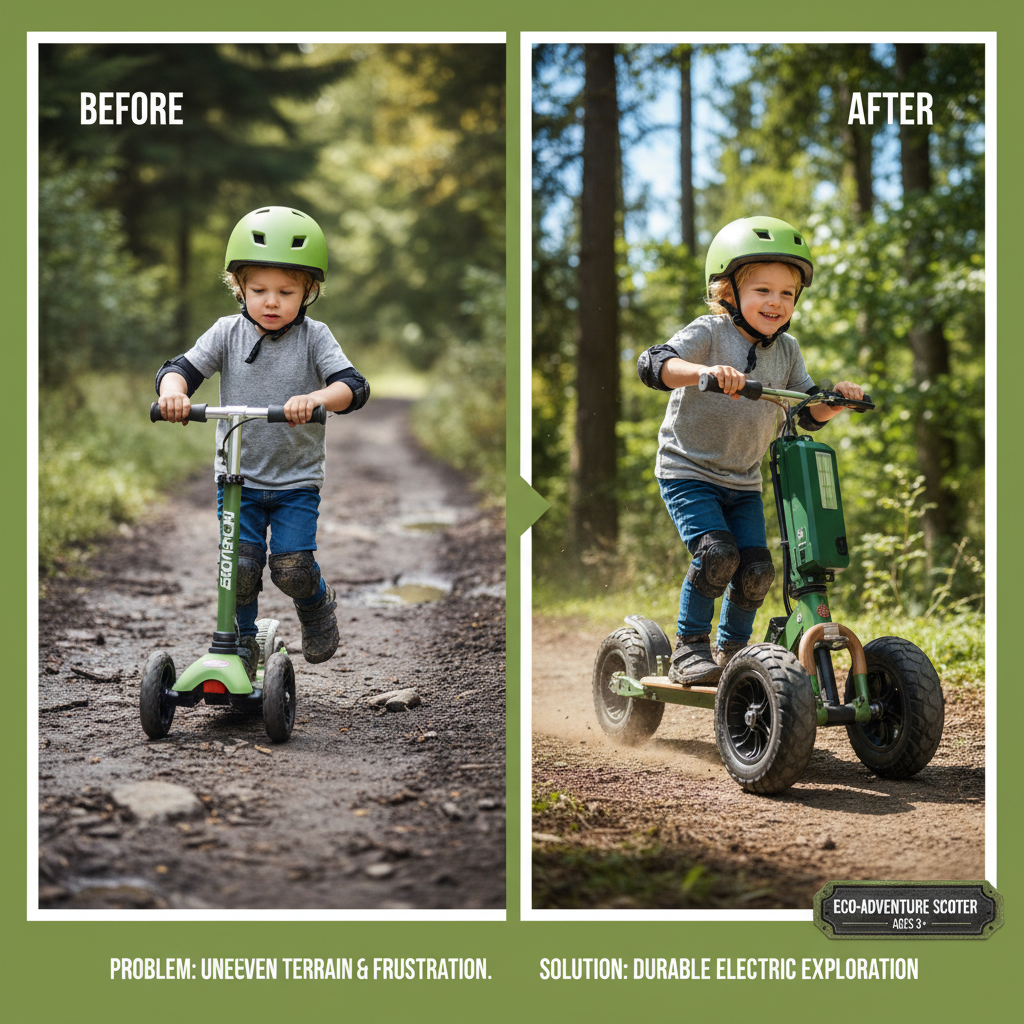
Safety First: Essential Features for a Toddler's Scooter
When shopping for an electric scooter age 3, safety must be the primary consideration. Unlike adult scooters, toddler versions should feature low-speed limiters to prevent sudden acceleration. A wide deck is crucial for stability, providing a sturdy base for children who are still mastering their balance. Additionally, look for intuitive braking systems—either a rear foot brake or a simple hand lever—that are easy for small hands to operate. High-quality materials, such as reinforced aluminum or impact-resistant plastics, ensure the scooter can withstand the inevitable bumps and tumbles of early childhood exploration.
Safety Checklist: Ensure the scooter has a maximum speed of under 3-5 mph, non-toxic materials, a wide stable base, and a battery with an automatic shut-off feature to prevent overheating.
Developmental Benefits of Using an Electric Scooter Age 3
Beyond the thrill of gliding, using an electric scooter age 3 helps children develop critical physical and cognitive skills. The act of steering and maintaining balance engages the core muscles and improves proprioception (the sense of self-movement and body position). Moreover, it encourages outdoor activity, reducing screen time and promoting a healthy lifestyle from a young age. Learning to navigate obstacles and follow simple traffic rules also fosters early problem-solving skills and spatial awareness, preparing them for more complex activities like cycling as they grow older.
Choosing the Right Model: Electric vs. Manual Scooters
Parents often wonder if a motorized option is better than a traditional kick scooter. While manual scooters provide a better workout, an electric model reduces the frustration for children who may struggle with the physical effort of pushing. This allows them to focus more on steering and balance. To help you decide, we have compared the key differences below to ensure you select the best electric scooter age 3 for your family's needs.
Maintenance Tips for Your Electric Scooter Age 3
To ensure the longevity of your electric scooter age 3, regular maintenance is key. First, always check the tire pressure or the condition of the polyurethane wheels to ensure a smooth ride. Second, inspect the charging port for debris and avoid overcharging the battery, as this can reduce its overall lifespan. Lastly, tighten any loose screws and lubricate the steering mechanism occasionally. Keeping the scooter clean from mud and dust not only improves its appearance but also prevents wear and tear on the mechanical components.
Technical Specifications for Toddler Scooters
Understanding the technical side helps parents make an informed purchase. A quality electric scooter age 3 should adhere to specific weight limits and power outputs. Most toddler scooters use a 6V or 12V battery system to keep speeds safe. Below is a typical specification table for a high-standard toddler electric scooter:
Conclusion: Empowering Your Child's Journey
Choosing an electric scooter age 3 is more than just buying a toy; it is about providing a tool for confidence and physical development. By prioritizing safety features, choosing the right specifications, and ensuring consistent adult supervision, you can give your child a joyful and secure introduction to mobility. Invest in quality and safety to ensure that every ride is a step toward a healthier, more active future for your little one.
Frequently Asked Questions (FAQs)
Is it safe for a 3-year-old to use an electric scooter?
Yes, it is safe provided the scooter is specifically designed for that age group. Toddler-specific electric scooters have limited speeds and enhanced stability features. The most critical safety requirement is constant adult supervision and the use of proper protective gear, including a helmet, knee pads, and elbow pads. Always introduce the scooter in a controlled environment, such as a flat driveway or a quiet park, before moving to more open areas.
How long does the battery typically last on a toddler scooter?
Depending on the battery capacity and the child's weight, most electric scooter age 3 models offer between 40 to 90 minutes of continuous ride time per charge. Factors such as terrain incline and the frequency of starting and stopping can affect battery life. We recommend charging the scooter fully before each outing to avoid interruptions during play.
What should I look for in a helmet for a 3-year-old?
A helmet for a toddler should be lightweight, well-ventilated, and most importantly, fit snugly. Look for certifications such as CPSC or EN1078. The helmet should sit level on the head—not tilted back—and the straps should form a "V" shape under the ears. Ensuring a proper fit prevents the helmet from slipping during a fall, providing the maximum protection for the most vulnerable part of the child's body.
How do I teach my child to steer and brake?
Start by letting your child stand on the scooter while you hold the handlebars, gently guiding them. Explain that turning the bars slowly changes the direction. For braking, demonstrate the action clearly—whether it is pressing a lever or stepping on a rear brake. Use "stop" and "go" games to make learning intuitive and fun. Be patient and provide plenty of positive reinforcement to build their confidence as they master the controls of their electric scooter age 3.
-
Is an Electric Scooter Age 4 Safe Complete Parents GuideNewsApr.09,2026
-
Choosing the Best Electric Scooter for a 9 Year Old Rider's SafetyNewsApr.07,2026
-
Comprehensive Guide to Choosing the Best Electric Scooter Ages 6 UpNewsApr.04,2026
-
Choosing the Best Electric Scooter for 6yr Old Riders A Comprehensive GuideNewsMar.31,2026
-
The Ultimate Guide to Choosing an Electric Scooter for Age 10 RidersNewsMar.28,2026
-
Choosing the Ideal Electric Scooter for Age 12 A Comprehensive Buyers GuideNewsMar.26,2026
-
Choosing the Best Electric Scooter for Age 7 A Comprehensive GuideNewsMar.24,2026
Related Products
-
High quality kids bike children bicycle cycle cheap children bicycle with training wheel for sale
-
OEM 20 inch mountain bike children bikeVariable speed mountain bike suitable for student sports
-
18 20 22 inch Children bike mountain bikes for 13 year old boy cycle for class 5 bicycle for 10year old boy kids
-
Hot Sale Kids Scooter 3 Pu Light-Up Wheel Kick Scooter For 3-6 Year Olds
-
EU Child 3 To 10 Years Baby Soccer Kick Scooters & Foot Scooters For Kids Boys
-
Factory Sale Kid Scooter Foot scooter Kids Kick scooter For Toddler.
-
Best Seller Multifunctional Folding Kid Kick 3 Wheels Children Foot Scooter Foldable Baby Kid Scooters
-
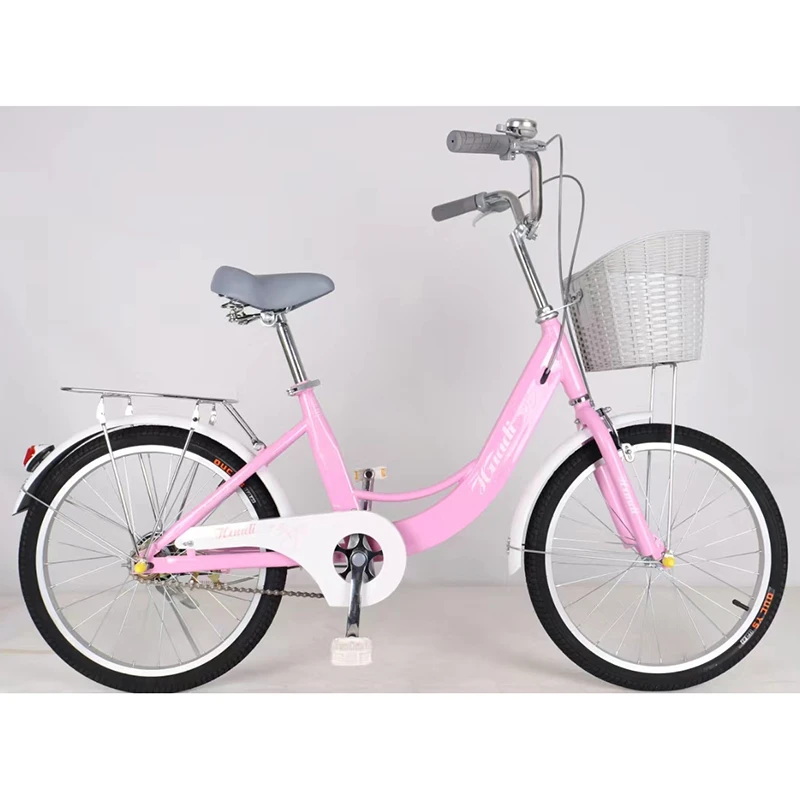
Hot sale kids bikes OEM custom cheap baby children bicycle bike beautiful cycle for girls kids
 Afrikaans
 Albanian
 Amharic
 Arabic
 Armenian
 Azerbaijani
 Basque
 Belarusian
 Bengali
 Bosnian
 Bulgarian
 Catalan
 Cebuano
 Corsican
 Croatian
 Czech
Czech
 Danish
 Dutch
Dutch
 Esperanto
 Estonian
 Finnish
 French
 Frisian
 Galician
 Georgian
 German
 Greek
Greek
 Gujarati
 Haitian Creole
 Hausa
Hausa
 Hawaiian
 Hebrew
 Hindi
Hindi
 Miao
Miao
 Hungarian
 Icelandic
 Igbo
Igbo
 Indonesian
 Irish
Irish
 Italian
 Japanese
 Javanese
 Kannada
 Kazakh
 Khmer
Khmer
 Rwandese
 Korean
 Kurdish
 Kyrgyz
 Lao
Lao
 Latin
Latin
 Latvian
 Lithuanian
 Luxembourgish
 Macedonian
 Malgashi
 Malay
Malay
 Malayalam
 Maltese
 Maori
Maori
 Marathi
 Mongolian
 Myanmar
 Nepali
 Norwegian
 Norwegian
 Occitan
 Pashto
 Persian
 Polish
 Portuguese
 Punjabi
 Romanian
 Russian
 Samoan
 Scottish Gaelic
 Serbian
 Sesotho
 Shona
Shona
 Sindhi
 Sinhala
 Slovak
 Slovenian
 Somali
 Spanish
 Sundanese
 Swahili
 Swedish
 Tagalog
 Tajik
Tajik
 Tamil
Tamil
 Tatar
Tatar
 Telugu
 Thai
Thai
 Turkish
 Turkmen
 Ukrainian
 Urdu
Urdu
 Uighur
 Uzbek
Uzbek
 Vietnamese
 Welsh
Welsh
 Bantu
Bantu
 Yiddish
 Yoruba
 Zulu
Zulu
 English