Regional Analysis
The Children's Mobility Landscape in Kenya
Analyzing the shift toward active childhood development and the demand for durable transport.
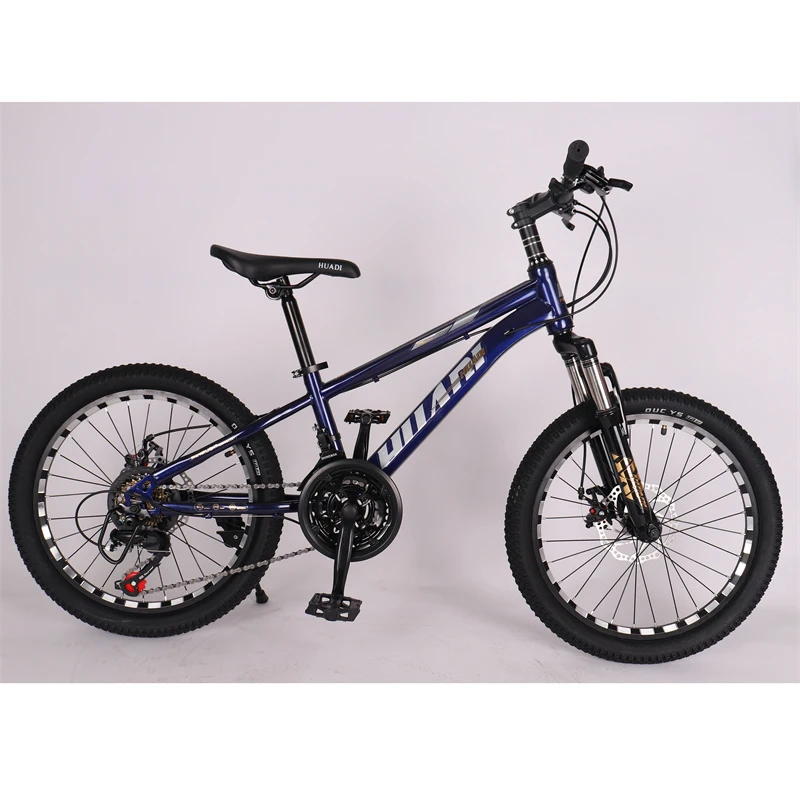
The Kenyan market for kids' bicycles is characterized by a growing urban middle class in cities like Nairobi and Mombasa, where parents increasingly view cycling as a critical tool for physical development and outdoor engagement. However, the regional infrastructure varies significantly; while urban areas offer paved parks, many suburban and rural settings require equipment that can handle unpaved surfaces. This creates a dual demand for lightweight city bikes and more rugged kids mountain bike models that can withstand daily wear and tear without frequent failure.
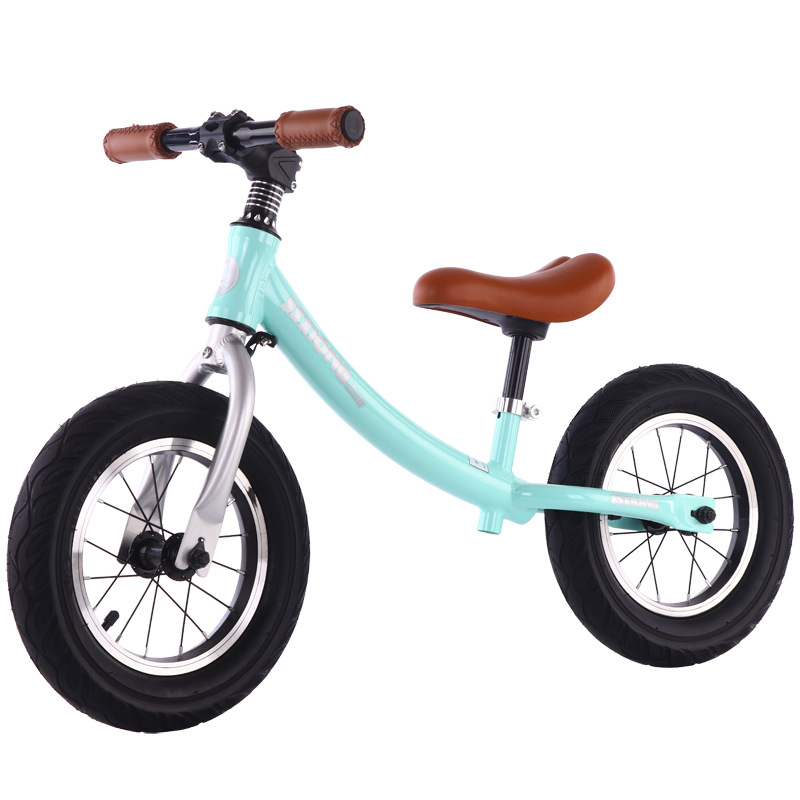
Current trends indicate a strong shift toward early motor-skill development, driving a surge in demand for balance bike for kids. Unlike traditional bicycles with training wheels, balance bikes are being recognized by Kenyan educators and parents as a faster way to teach equilibrium. Additionally, there is a noticeable movement toward "value-engineering"—where consumers seek products that offer international safety certifications (such as CE or ASTM) but remain priced competitively against expensive Western luxury brands.
The primary opportunity in this region lies in the professionalization of the supply chain. There is a clear gap for manufacturers who can provide not just the finished product, but a sustainable ecosystem of spare parts and assembly guides. As the Kenyan government continues to promote health and wellness, the integration of high-quality, affordable kids' bikes into the retail landscape is expected to grow. The constraint remains the volatility of import costs, which favors manufacturers who can optimize logistics and provide bulk OEM solutions for local distributors.
Industry Progress
Evolution of Kids' Bicycle Design
From basic steel frames to ergonomically engineered developmental tools.
Early Stage
Basic Utility
Bicycles were primarily heavy steel frames with minimal safety focus, relying heavily on training wheels for stability.
Growth Phase
Material Innovation
Introduction of lightweight alloys and the emergence of the balance bike concept to replace training wheels.
Current Era
Certified Ergonomics
Modern focus on international safety certifications, ergonomic grips, and age-specific geometry for optimal growth.
The Rise of Balance Training
The transition from training wheels to balance bikes represents a fundamental shift in how children learn to ride. By focusing on balance first and pedaling second, children gain confidence faster and reduce the risk of falls during the learning process.
Safety-First Manufacturing
Global standards like ASTM and CE have moved from being "optional" to "essential." Manufacturers now integrate non-toxic coatings and reinforced joints to meet the stringent requirements of the international export market.
Diversified Mobility Kits
Children's mobility is no longer just about bikes. The inclusion of scooters, trikes, and plasma cars creates a comprehensive "active play" ecosystem that supports various stages of childhood motor development.
Future Outlook
Emerging Trends in Children's Transport
How technology and consumer behavior are reshaping the industry.
Sustainable Material Integration
A shift toward recyclable alloys and eco-friendly paint processes to reduce the environmental footprint of mass-produced toys and bikes.
Hyper-Personalized OEM Designs
Retailers are increasingly demanding custom colors and branding to differentiate their local offerings, driving the need for flexible assembly lines.
Integrated Safety Accessories
Moving toward "safety bundles" where bikes come integrated with high-visibility elements and ergonomic safety gear to encourage parental trust.
Multi-Stage Adaptive Geometry
Development of frames that can be adjusted more extensively to grow with the child, extending the product lifecycle and increasing value.
The convergence of health consciousness and urban planning is making cycling a preferred choice for children's short-distance mobility in Kenya. As more gated communities and planned residential areas emerge, the demand for specialized kids mountain bike options increases, as these environments provide safe but varied terrains for exploration. This shift requires manufacturers to focus on the "user experience" of the child, ensuring that weight-to-strength ratios are optimized for small users.
Furthermore, the digitalization of the supply chain is allowing for more precise inventory management. By utilizing data from regional distributors, manufacturers can now predict peak demand for specific wheel sizes, reducing the incidence of stockouts. The future of the industry lies in this synergy between high-precision manufacturing and responsive, data-driven logistics, ensuring that the right developmental tool reaches the child at the right age.
Application Scenarios
Real-World Use Cases in Kenya
How our products adapt to different Kenyan environments and user needs.
01
Urban Gated Communities in Nairobi
In planned residential areas, children use balance bikes on paved walkways. The local condition involves smooth surfaces but frequent stops and starts. By providing lightweight, ergonomically designed bikes, we ensure toddlers can maneuver easily, promoting independence while parents monitor them within a safe, controlled environment.
02
Suburban Park Exploration
Families often visit public parks where the terrain transitions from grass to gravel. This requires a kids mountain bike with durable tires and a stable frame. Our reinforced alloy construction prevents frame fatigue, allowing children to explore varied landscapes without risking mechanical failure.
03
Coastal Resorts in Mombasa
In sandy and humid coastal environments, corrosion is a major problem for bicycle frames. We utilize specialized coatings and rust-resistant materials in our assembly line, ensuring that the bikes remain durable and visually appealing despite the salt-heavy air and sandy conditions typical of the coast.
04
Educational Play Centers
Private kindergartens use balance bikes as part of their physical education curriculum. The high-frequency use by multiple children requires "commercial-grade" durability. Our ISO-certified production process ensures that these bikes can withstand constant use and frequent assembly/disassembly without losing structural integrity.
05
Regional Retail Distribution
Wholesalers in regional hubs need products that are easy to pack and fast to assemble for the end consumer. By optimizing our KD (Knocked Down) packing method, we reduce shipping volume and provide clear assembly guides, allowing retailers to maximize their shelf space and reduce delivery costs.
Deployment Context
Representative Use Cases
Illustrative perspectives on how our bicycles perform in diverse operational settings.
In an urban retail scenario, operators often find that parents prioritize safety certifications above all else. A typical implementation involves showcasing the CE and ASTM certifications during the sales process, which significantly increases the conversion rate for high-quality children's bikes compared to uncertified alternatives.
From a facility management perspective in a preschool environment, the key requirement is the longevity of the frame under multi-user stress. Using reinforced alloy balance bikes reduces the monthly maintenance frequency, as these frames resist the typical bending seen in entry-level models during daily playground activities.
In the context of regional distribution, the primary value is the consistency of spare parts. When a distributor can guarantee a replacement pedal or brake cable that fits perfectly, it builds long-term customer loyalty and reduces the rate of product returns due to minor wear and tear.
Our Legacy
Xingtai Zhongzhou Bicycle Co., Ltd.
Decades of excellence in the design and manufacture of high-quality children's mobility solutions.
1995
Company Foundation
Xingtai Zhongzhou Bicycle Co., Ltd. was established as a dedicated manufacturer focusing on the integration of bicycle production and export, laying the groundwork for industrial-scale manufacturing.
Growth Phase
Industrial Expansion
The company expanded its operational footprint to 12,000 square meters, establishing two major factories: one dedicated to the precision manufacturing of all bicycle parts and another for the final assembly of bikes and toys.
Certification Era
Global Quality Standards
To ensure international competitiveness, the company achieved ISO: 9001-2000 and CCC quality certifications, while ensuring products meet CE, ASTM F963, and CPSIA standards for safety.
Current
Professionalized Export
Now employing over 300 staff, the company operates a professional sales and export department, providing 24-hour inquiry support and customized OEM solutions for global clients.
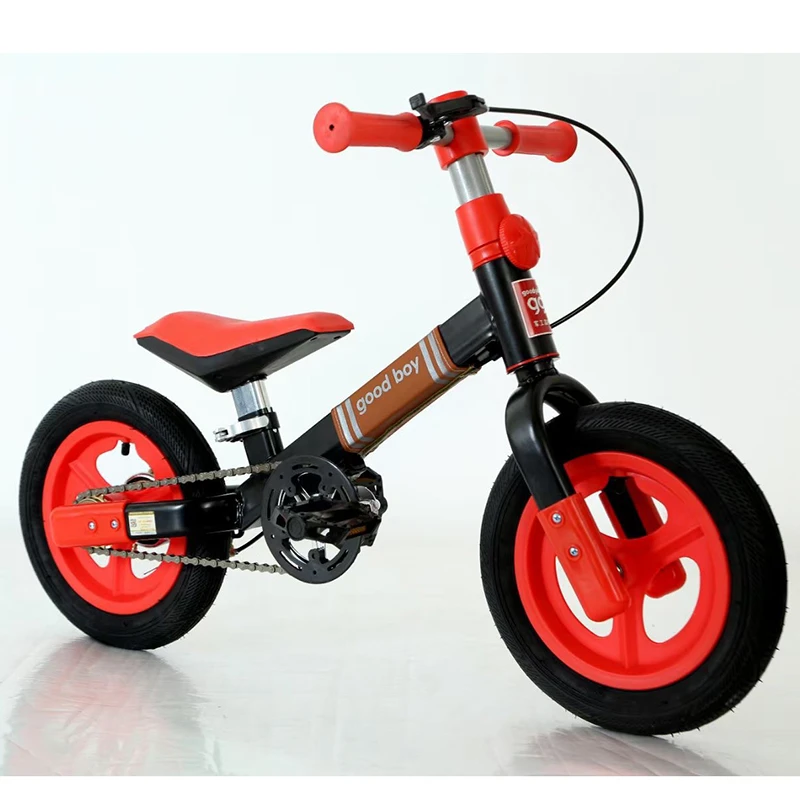
Factory Price 12 inch balance bike for children Baby Cycle Balance Kids Bike kids balance bike
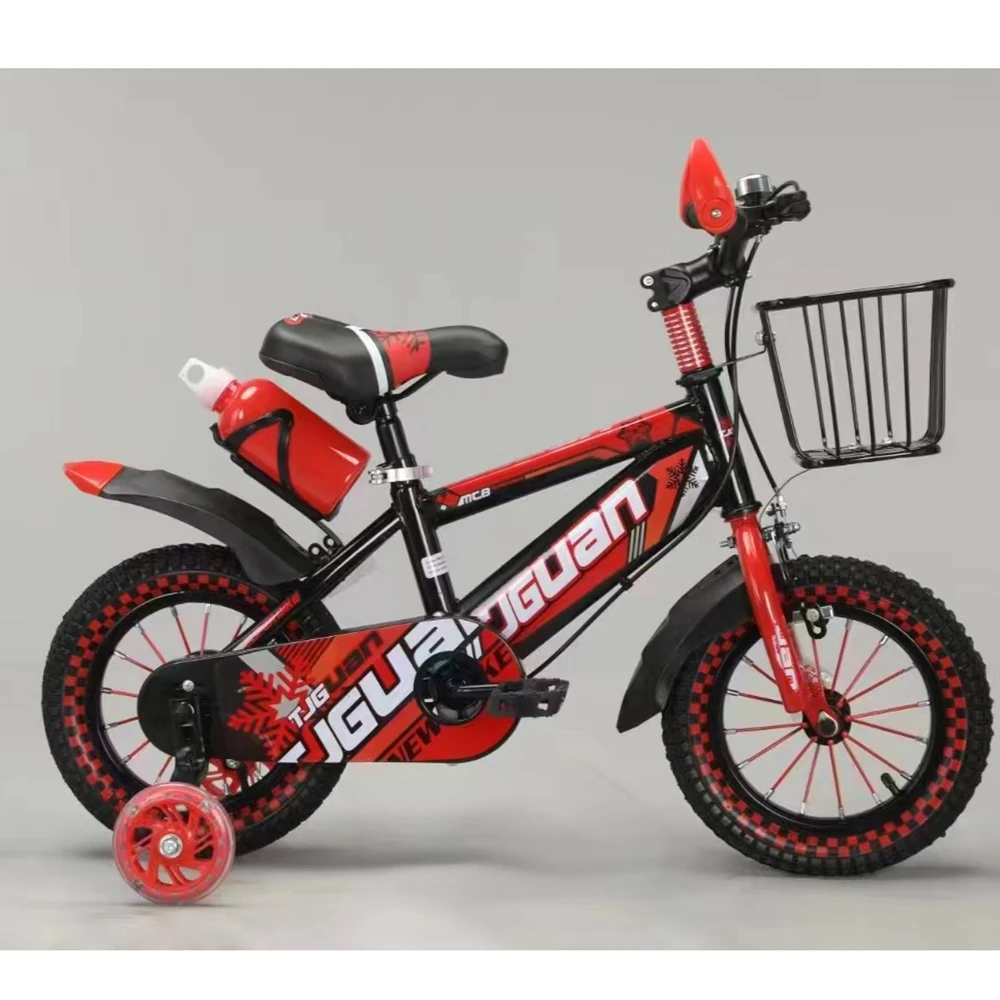
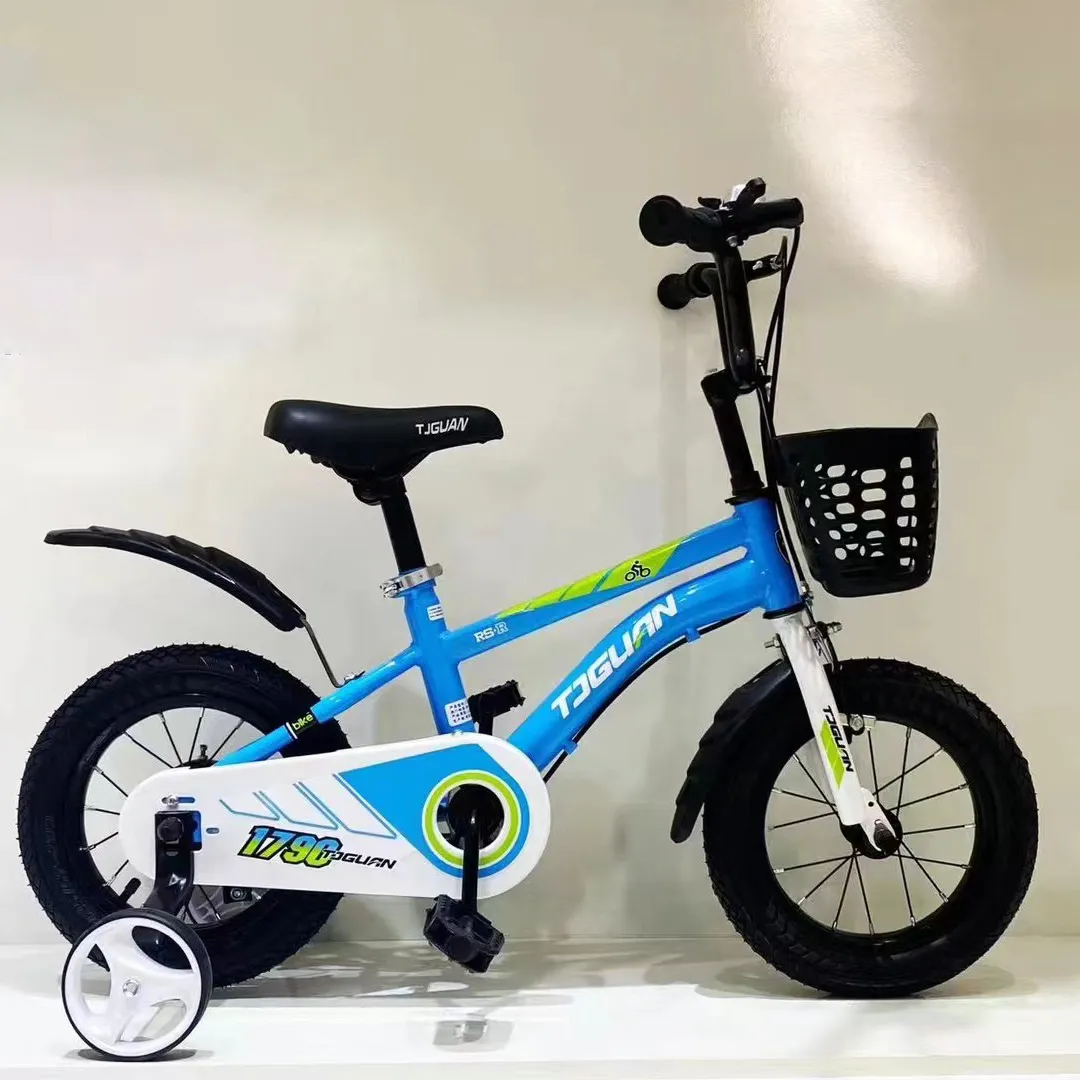
Wholesale New Design Kids Riding Bike Children Bicycle 12''-20'' Kids Bike For 3-12 Years
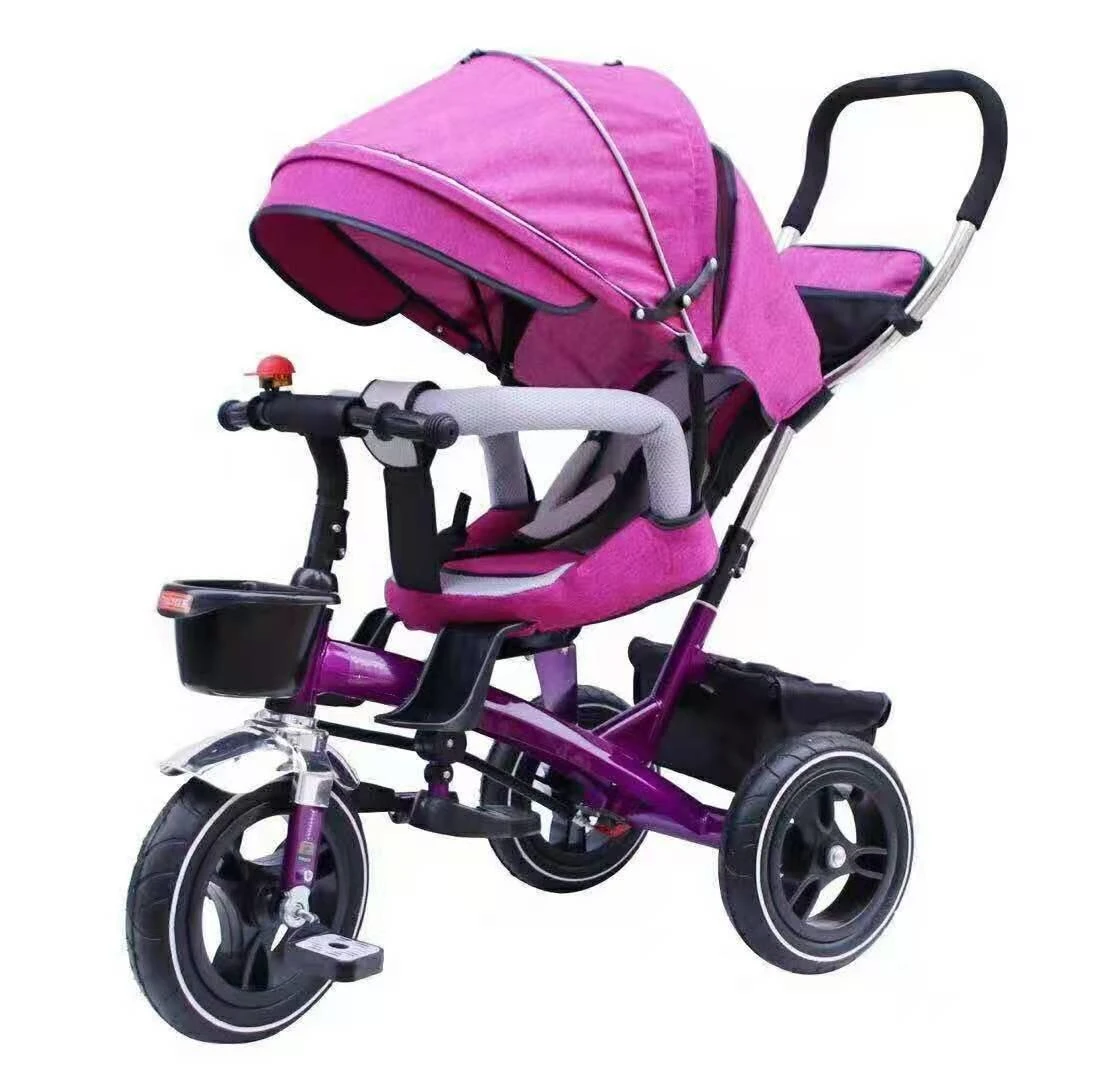
New Children Trike Stroller Pram Bike Rickshaw Twin Baby Tricycle 4 in 1 Hebei Factory Best Quality
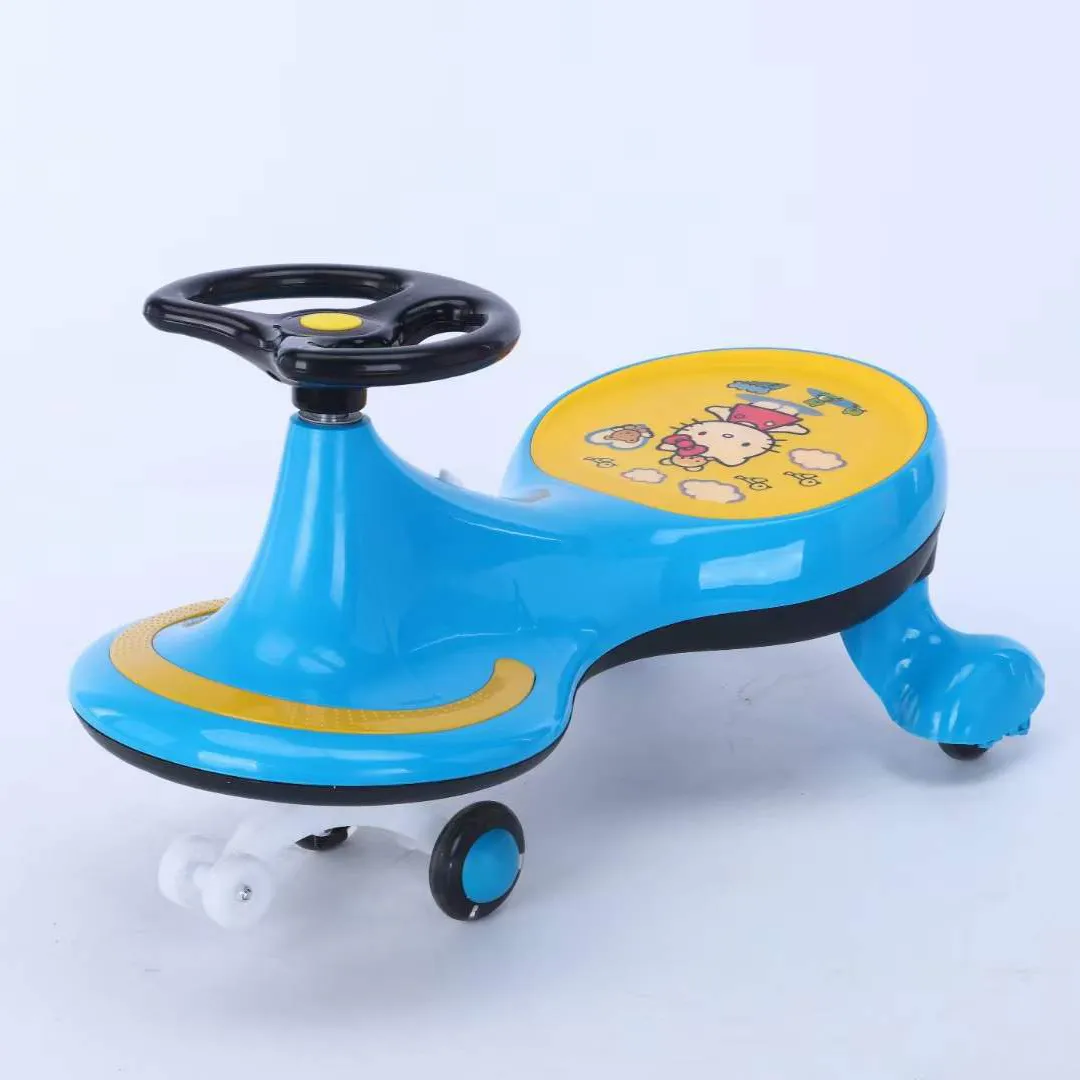
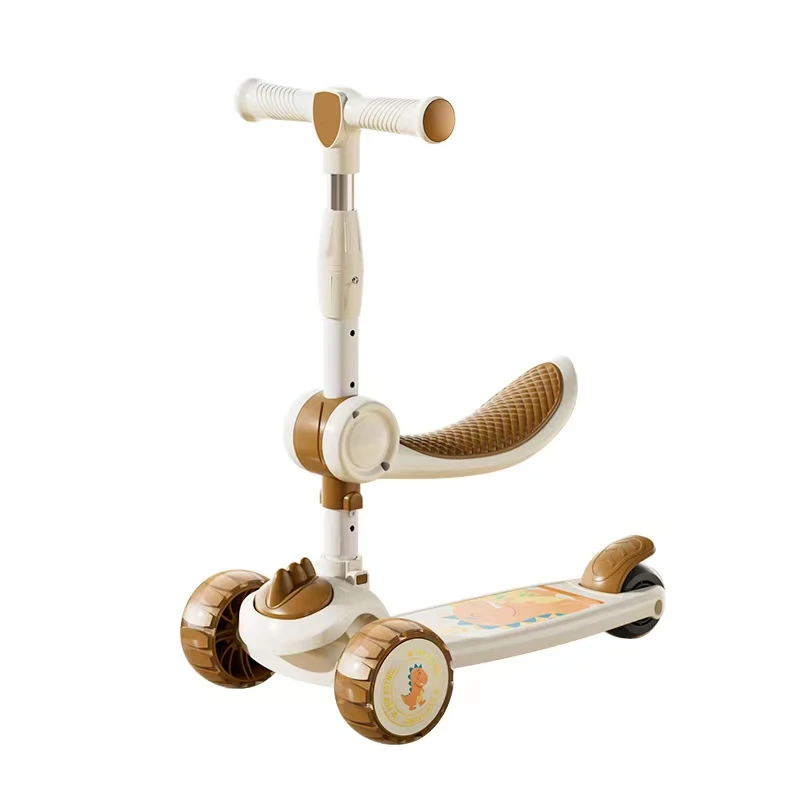
Hot sale Poland design baby swing sliding walking car toys for Children manufacture plastic balance bike
Buyer Guide
Frequently Asked Questions
Essential information for importing and selecting children's bicycles for the Kenyan market.
What are the primary safety certifications I should look for when importing bikes for kids?
You should prioritize CE, ASTM F963, and CPSIA certifications. These international standards ensure that the bicycle is structurally sound, uses non-toxic paints and materials, and lacks sharp edges or pinch points that could injure a child. Our products are fully certified under these standards, providing peace of mind for both importers and end consumers in Kenya.
How do I determine the correct wheel size for different age groups of children?
Typically, balance bikes are ideal for toddlers (ages 1.5 to 3). 12-inch bikes are suited for children aged 2 to 4, 16-inch bikes for ages 4 to 6, and 20-inch mountain bikes for ages 6 and up. However, height is a more accurate measure than age. We recommend providing a size chart to your customers to ensure the child can comfortably touch the ground while seated.
Can you provide OEM customization for local Kenyan brands or retail chains?
Yes, we specialize in OEM services. We can customize frame colors, add your brand logo, and adjust packaging to meet your specific retail requirements. Because we manage both the parts manufacturing and the assembly line, we have the flexibility to implement custom design changes more efficiently than traders who simply source from third parties.
How does a kids balance bike differ from a bike with training wheels in terms of learning?
A balance bike removes the pedals and training wheels, forcing the child to learn the most difficult part of cycling first: balance. Once they can glide confidently, transitioning to a pedal bike is significantly faster. Training wheels, conversely, can create a "false sense of security" and often require a longer, more frustrating transition period when they are finally removed.
What is the typical lead time and shipping process for bulk orders to Kenya?
Lead times vary based on order volume and customization levels, but our professional export team manages the process from our factory to the port. We use optimized KD (Knocked Down) packing to reduce shipping costs and container space. We provide full documentation for customs clearance, ensuring a smooth transition through the port of entry into Kenya.
How do you ensure the quality of the bikes before they are packed for shipment?
Quality control is integrated into every stage. Every single product is fully assembled and carefully tested by our quality assurance team before it is disassembled for packing. This includes checking brake functionality, steering alignment, and frame stability. Our ISO 9001-2000 certification governs this process to ensure zero-defect shipments.
Ready to Partner
Expand Your Retail Portfolio with Certified Kids' Bicycles
Whether you are a large-scale distributor or a specialized toy retailer in Kenya, we provide the manufacturing scale and quality certifications needed to grow your business. Contact us today to discuss custom OEM requirements, bulk pricing, and shipping logistics for your next inventory cycle.
Discuss Your Requirements English
 Afrikaans
 Albanian
 Amharic
 Arabic
 Armenian
 Azerbaijani
 Basque
 Belarusian
 Bengali
 Bosnian
 Bulgarian
 Catalan
 Cebuano
 Corsican
 Croatian
 Czech
 Danish
 Dutch
 Esperanto
 Estonian
 Finnish
 French
 Frisian
 Galician
 Georgian
 German
 Greek
 Gujarati
 Haitian Creole
 Hausa
 Hawaiian
 Hebrew
 Hindi
 Miao
 Hungarian
 Icelandic
 Igbo
 Indonesian
 Irish
 Italian
 Japanese
 Javanese
 Kannada
 Kazakh
 Khmer
 Rwandese
 Korean
 Kurdish
 Kyrgyz
 Lao
 Latin
 Latvian
 Lithuanian
 Luxembourgish
 Macedonian
 Malgashi
 Malay
 Malayalam
 Maltese
 Maori
 Marathi
 Mongolian
 Myanmar
 Nepali
 Norwegian
 Norwegian
 Occitan
 Pashto
 Persian
 Polish
 Portuguese
 Punjabi
 Romanian
 Russian
 Samoan
 Scottish Gaelic
 Serbian
 Sesotho
 Shona
 Sindhi
 Sinhala
 Slovak
 Slovenian
 Somali
 Spanish
 Sundanese
 Swahili
 Swedish
 Tagalog
 Tajik
 Tamil
 Tatar
 Telugu
 Thai
 Turkish
 Turkmen
 Ukrainian
 Urdu
 Uighur
 Uzbek
 Vietnamese
 Welsh
 Bantu
 Yiddish
 Yoruba
 Zulu