
Micro Scooter Kids - Durable & Safe Scooters for Children
Micro Scooter Kids: Why They’re a Small Wonder in Industrial Design
Having spent a good chunk of my career in the industrial equipment sector, I didn’t expect to find myself fascinated by something as humble as a micro scooter kids ride-ons. But oddly enough, that’s exactly what happened. These little scooters are a fantastic example of industrial design applied with precision and care—an exemplar of safety, craftsmanship, and clever engineering all rolled into one.
Now, you might wonder, “Why would someone entrenched in heavy machinery and large equipment care about micro scooters for kids?” Well, it’s the design principles that cross over. The same attention to durability, stability, and materials that we apply in industrial gear is what makes these scooters stand out in their segment.
Take the deck of a typical micro scooter. It’s often made from a composite or aluminum alloy. Why aluminum? Because it’s lightweight – which is critical for kids – and yet, resilient on impact. The grip tape on top? Industrial-grade slip resistance is key here. Frankly, I noticed many manufacturers pull engineering expertise from more heavy-duty industries to enhance such features.
Testing standards for these scooters can be pretty stringent. I recall a vendor telling me they put their kids’ scooters through drop tests from various heights, vibration tests simulating rough pavement, and even corrosion resistance trials. I suppose this is comforting for parents who want their kid's ride to last several seasons, not just a few months.
One fun little story: a colleague’s daughter got a micro scooter for her 5th birthday. Within days, the scooter’s adjustable handlebar length was a hit — it grew with her, quite literally. That’s the kind of thoughtful design that makes these scooters more than just toys; they’re practical, dependable play partners.
Typical Micro Scooter Kids Product Specs
| Feature | Details |
|---|---|
| Age Range | 2 - 6 years |
| Weight Capacity | Up to 50 kg (110 lbs) |
| Material | Aluminum alloy frame with PU wheels |
| Handlebar Type | Adjustable height with soft grips |
| Braking System | Rear fender foot brake |
| Weight | 2.2 kg (4.85 lbs) |
| Safety Certifications | EN71, ASTM F963, CPSIA |
A Quick Comparison of Popular Micro Scooter Brands
| Feature | Brand A | Brand B | Brand C |
|---|---|---|---|
| Price Range | $60-$80 | $55-$75 | $70-$90 |
| Material | Aluminum alloy | Steel frame | Composite materials |
| Adjustable Handlebar | Yes | No | Yes |
| Weight | 2.2 kg | 2.8 kg | 2.5 kg |
| Safety Certifications | EN71, ASTM | CPSC only | EN71, CPSIA |
| Unique Feature | Quick fold mechanism | Extra wide wheels | Replaceable parts kit |
In real terms, choosing a micro scooter for a child isn’t just about flashy colors or the latest gimmicks. It’s about durability, safety, and a bit of joy (because every kid deserves that first ride to feel smooth and effortless). I often think about how these simple designs echo the best practices from decades of industrial material science and testing.
And if I’m honest, seeing the sheer delight on a child’s face as they zip around on a well-made scooter — that’s the best proof any engineer could ask for.
So, if you’re scouting for a reliable, well-crafted micro scooter kids model, I’d suggest giving those with solid specs and certified safety a close look. The ones that fold easily, adjust as your child grows, and stand up to a few scrapes will usually serve you best.
Feel free to check out micro scooter kids options there — they've got a good blend of quality and price, in my experience.
After all, good industrial design is all about smart, simple, lasting solutions—and these scooters deliver exactly that.
References:
1. EN71 Safety Standards for Children's Toys
2. ASTM F963 - Standard Consumer Safety Specification for Toy Safety
3. CPSIA Regulations for Children's Products
-
Electric Scooter Age 3 Safe Introduction to Early Mobility GuideNewsApr.16,2026
-
Is an Electric Scooter Age 4 Safe Complete Parents GuideNewsApr.09,2026
-
Choosing the Best Electric Scooter for a 9 Year Old Rider's SafetyNewsApr.07,2026
-
Comprehensive Guide to Choosing the Best Electric Scooter Ages 6 UpNewsApr.04,2026
-
Choosing the Best Electric Scooter for 6yr Old Riders A Comprehensive GuideNewsMar.31,2026
-
The Ultimate Guide to Choosing an Electric Scooter for Age 10 RidersNewsMar.28,2026
-
Choosing the Ideal Electric Scooter for Age 12 A Comprehensive Buyers GuideNewsMar.26,2026
Related Products
-
High quality kids bike children bicycle cycle cheap children bicycle with training wheel for sale
-
OEM 20 inch mountain bike children bikeVariable speed mountain bike suitable for student sports
-
18 20 22 inch Children bike mountain bikes for 13 year old boy cycle for class 5 bicycle for 10year old boy kids
-
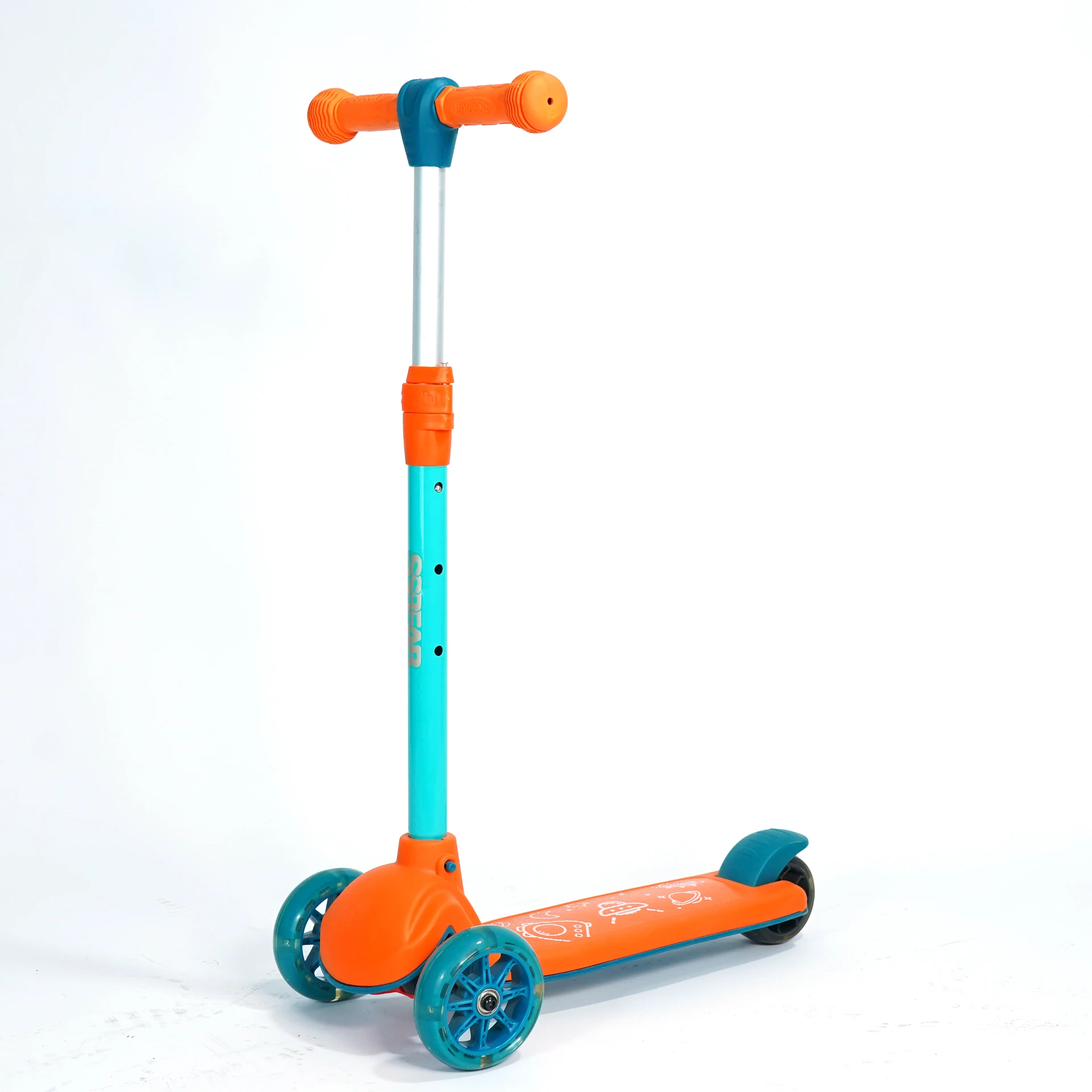
Hot Sale Kids Scooter 3 Pu Light-Up Wheel Kick Scooter For 3-6 Year Olds
-
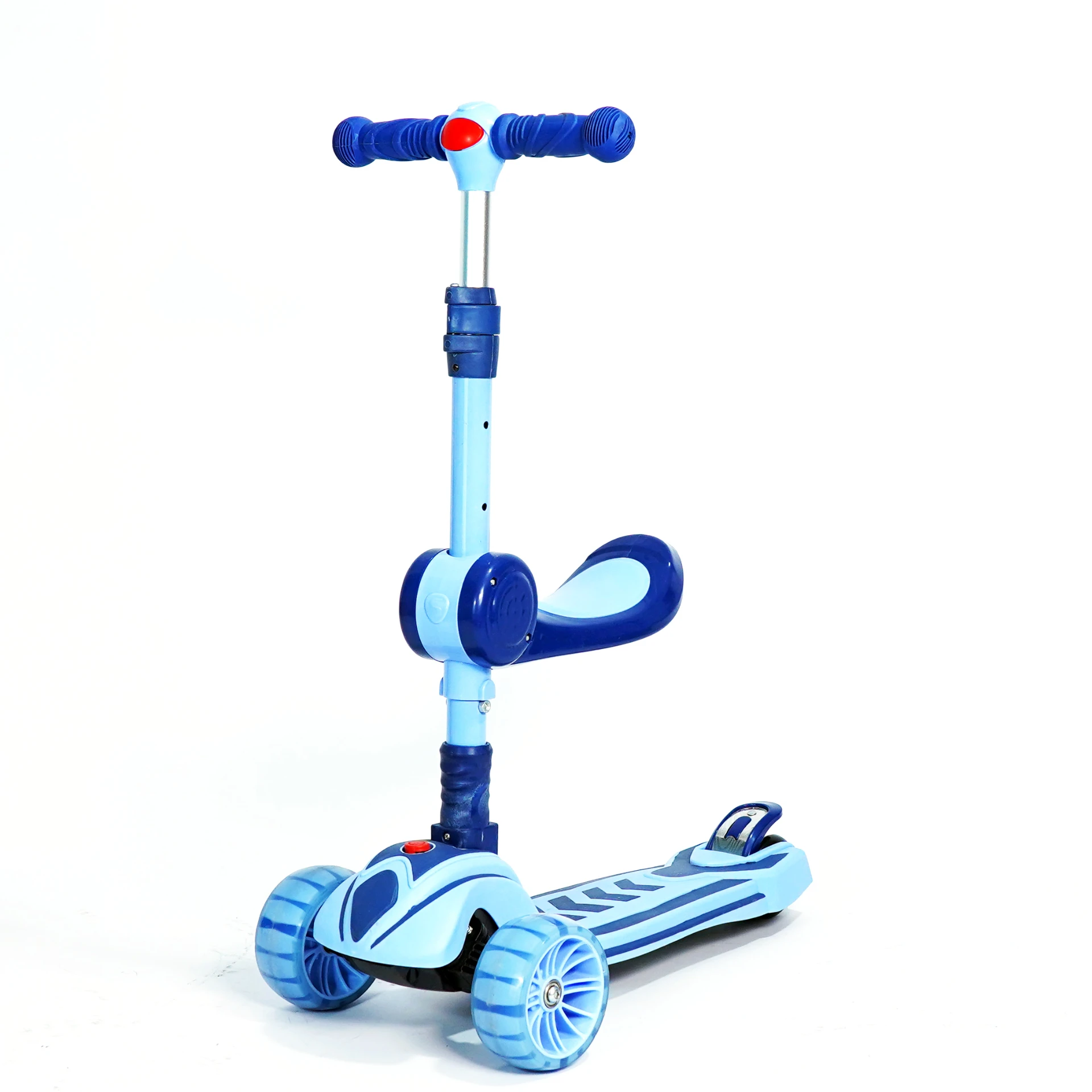
EU Child 3 To 10 Years Baby Soccer Kick Scooters & Foot Scooters For Kids Boys
-
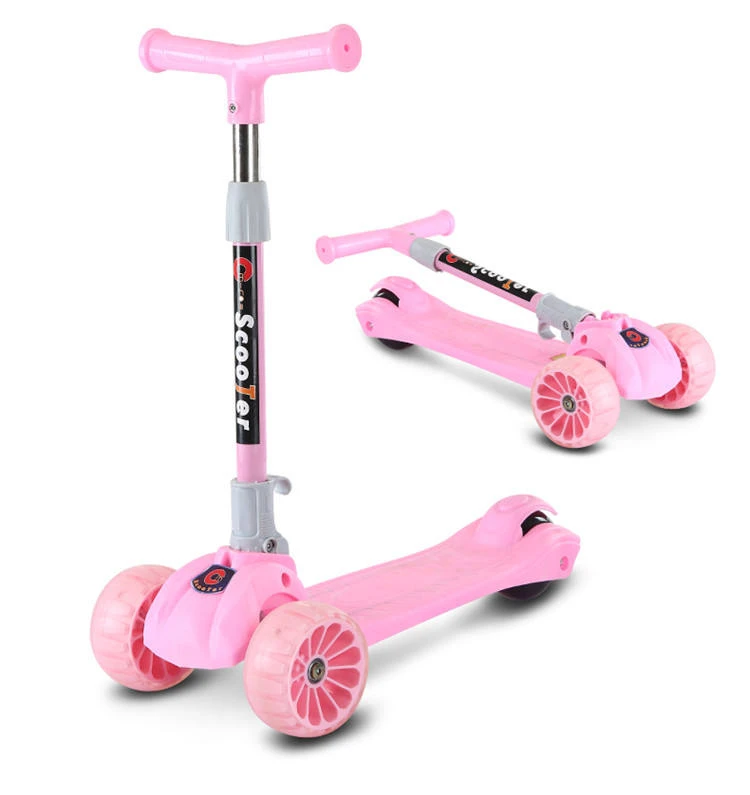
Factory Sale Kid Scooter Foot scooter Kids Kick scooter For Toddler.
-
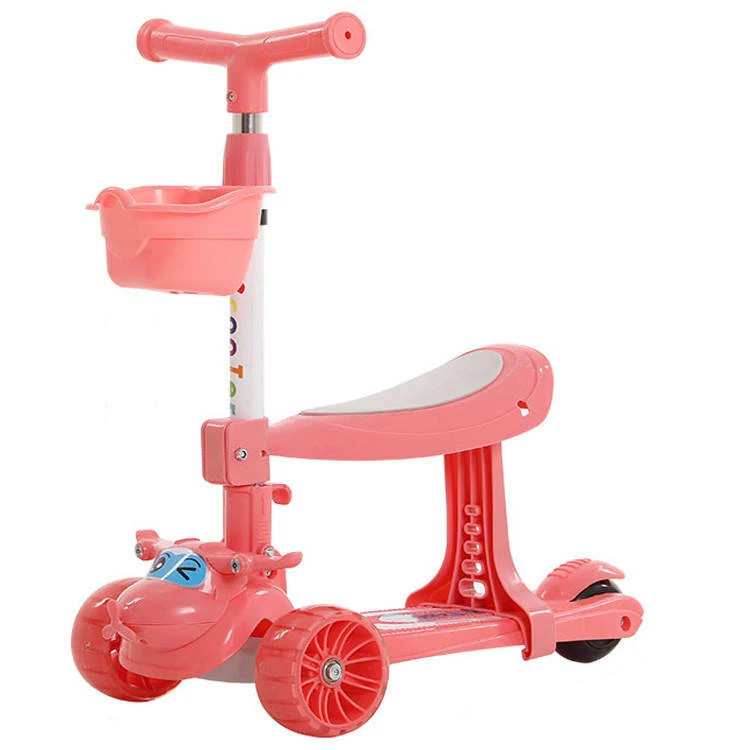
Best Seller Multifunctional Folding Kid Kick 3 Wheels Children Foot Scooter Foldable Baby Kid Scooters
-
Hot sale kids bikes OEM custom cheap baby children bicycle bike beautiful cycle for girls kids
 Afrikaans
 Albanian
 Amharic
 Arabic
 Armenian
 Azerbaijani
 Basque
 Belarusian
 Bengali
 Bosnian
 Bulgarian
 Catalan
 Cebuano
 Corsican
 Croatian
 Czech
Czech
 Danish
 Dutch
Dutch
 Esperanto
 Estonian
 Finnish
 French
 Frisian
 Galician
 Georgian
 German
 Greek
Greek
 Gujarati
 Haitian Creole
 Hausa
Hausa
 Hawaiian
 Hebrew
 Hindi
Hindi
 Miao
Miao
 Hungarian
 Icelandic
 Igbo
Igbo
 Indonesian
 Irish
Irish
 Italian
 Japanese
 Javanese
 Kannada
 Kazakh
 Khmer
Khmer
 Rwandese
 Korean
 Kurdish
 Kyrgyz
 Lao
Lao
 Latin
Latin
 Latvian
 Lithuanian
 Luxembourgish
 Macedonian
 Malgashi
 Malay
Malay
 Malayalam
 Maltese
 Maori
Maori
 Marathi
 Mongolian
 Myanmar
 Nepali
 Norwegian
 Norwegian
 Occitan
 Pashto
 Persian
 Polish
 Portuguese
 Punjabi
 Romanian
 Russian
 Samoan
 Scottish Gaelic
 Serbian
 Sesotho
 Shona
Shona
 Sindhi
 Sinhala
 Slovak
 Slovenian
 Somali
 Spanish
 Sundanese
 Swahili
 Swedish
 Tagalog
 Tajik
Tajik
 Tamil
Tamil
 Tatar
Tatar
 Telugu
 Thai
Thai
 Turkish
 Turkmen
 Ukrainian
 Urdu
Urdu
 Uighur
 Uzbek
Uzbek
 Vietnamese
 Welsh
Welsh
 Bantu
Bantu
 Yiddish
 Yoruba
 Zulu
Zulu
 English