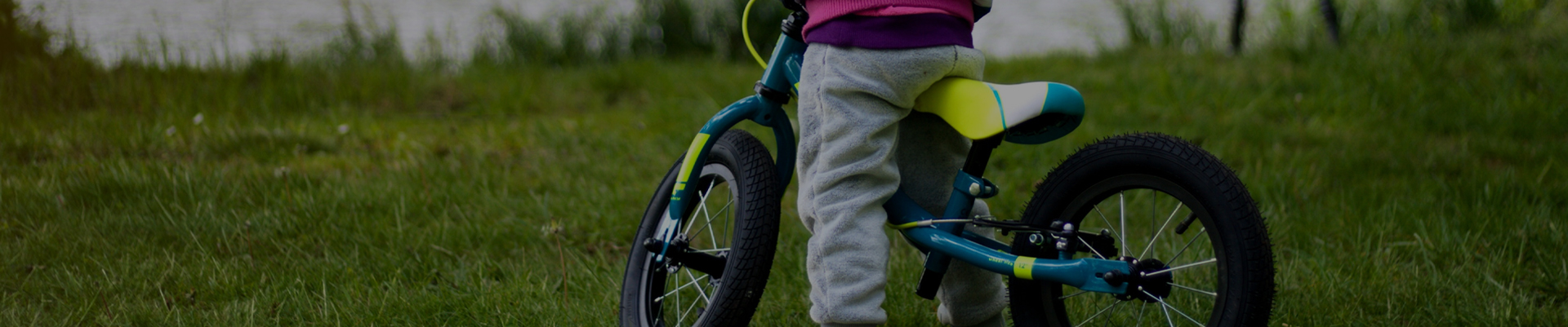
Kids Trick Scooter – Durable, Safe & Fun for Young Riders
Kids Trick Scooter: A Rider's First Step into Urban Freestyle
Having spent a good chunk of my career around industrial equipment—yes, the heavy-duty stuff—you might wonder how I pivot to a topic like the kids trick scooter. Frankly, these scooters intrigue me because their design is a neat blend of robust engineering and playful agility. They're not just toys; they're mini marvels crafted for balance, control, and daredevil stunts—at least in the eyes of enthusiastic youngsters.
If you’ve ever handled industrial gear, you quickly appreciate the value of materials and testing regimes, and honestly, these scooters get a serious dose of that. Most manufacturers aim to strike a balance between sturdy steel alloys in the frame and shock-absorbing wheels—often polyurethane—to protect tiny riders from the jarring realities of pavement tricks. I noticed, for example, that many brands emphasize lightweight builds without compromising durability, which makes all the difference when your kid decides to pull off that tricky tail-whip.
What fascinates me the most is customization. Some scooters allow for adjustable handlebars and funky deck designs, which not only encourage kids' self-expression but also their ergonomic safety. It reminded me of a small customer story: a kid named Ethan, who started with a standard scooter but soon swapped out his wheels for high-grip versions recommended by his local shop. His confidence soared, and so did his tricks—urban skate parks gained a new little star, you could say.
In real terms, the rise of these trick scooters mirrors broader trends in active play. With screen time eating up so many hours, parents increasingly look for toys that promote physical activity, coordination, and confidence. These scooters—well-designed and tested—offer all these benefits while taking some engineering lessons right off the factory floor.
| Feature | Specification |
|---|---|
| Frame Material | Aircraft-grade aluminum or steel alloy |
| Deck Size | 14" - 17" length with anti-slip grip tape |
| Wheels | 100mm - 120mm polyurethane with ABEC-7 bearings |
| Handlebar Height | Adjustable 70cm - 85cm |
| Max Load | Up to 100kg (220 lbs) |
| Brakes | Rear fender foot brake |
Oddly enough, despite the relatively simple design, a few brands really stand out. Here’s a quick vendor comparison I put together from industry reports and firsthand observations:
| Brand | Material Quality | Price Range | Customization | Warranty |
|---|---|---|---|---|
| Zhongzhou Bike | High-grade Aluminum Alloy | $$ | Adjustable Handlebar, Color Options | 2 Years |
| Prodigy Scooters | Steel Alloy Frame | $ - $$ | Limited | 1 Year |
| Urban Flip | Aluminum with Carbon Fiber Reinforcement | $$$ | Full Custom Deck Designs | 3 Years |
It’s clear that Zhongzhou Bike, whose site you’ll find linked above, represents solid value for kids starting to explore the cool tricks and spins. They combine the right mix of affordability, quality, and options. I suppose there’s a sort of parallel here with industrial tools—quality materials and reliable warranties often make all the difference.
To wrap this up—if you’re hunting for a birthday gift or just an excuse to get kids outdoors, a kids trick scooter is a surprisingly smart choice. It’s sturdy yet playful, technical yet approachable—and strangely enough, it sparks tiny engineering curiosity. You can almost hear those little wheels clacking, gearing up for the next big stunt.
Keep an eye out for local demos or shop events too—seeing these scooters in real life really gives you the feel that photos just can’t capture.
Takeaway: In a world leaning heavily digital, kids trick scooters offer a hands-on, physical thrill that’s good for both body and mind.
- Industry reports on scooter safety and materials, 2023
- Customer reviews from urban skate communities
- Zhongzhou Bike manufacturer specifications and warranty policies
-
Electric Scooter Age 3 Safe Introduction to Early Mobility GuideNewsApr.16,2026
-
Is an Electric Scooter Age 4 Safe Complete Parents GuideNewsApr.09,2026
-
Choosing the Best Electric Scooter for a 9 Year Old Rider's SafetyNewsApr.07,2026
-
Comprehensive Guide to Choosing the Best Electric Scooter Ages 6 UpNewsApr.04,2026
-
Choosing the Best Electric Scooter for 6yr Old Riders A Comprehensive GuideNewsMar.31,2026
-
The Ultimate Guide to Choosing an Electric Scooter for Age 10 RidersNewsMar.28,2026
-
Choosing the Ideal Electric Scooter for Age 12 A Comprehensive Buyers GuideNewsMar.26,2026
Related Products
-
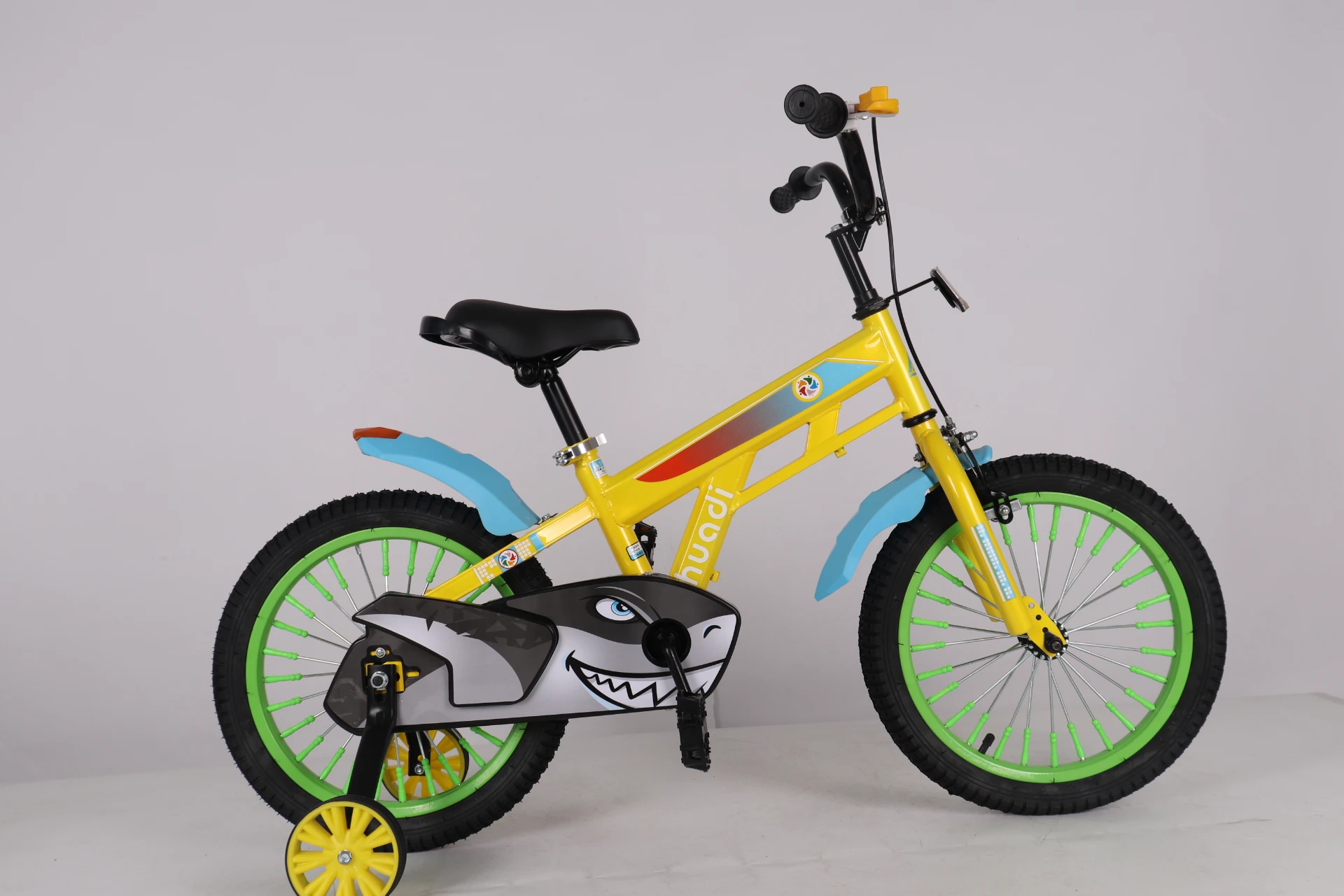
High quality kids bike children bicycle cycle cheap children bicycle with training wheel for sale
-
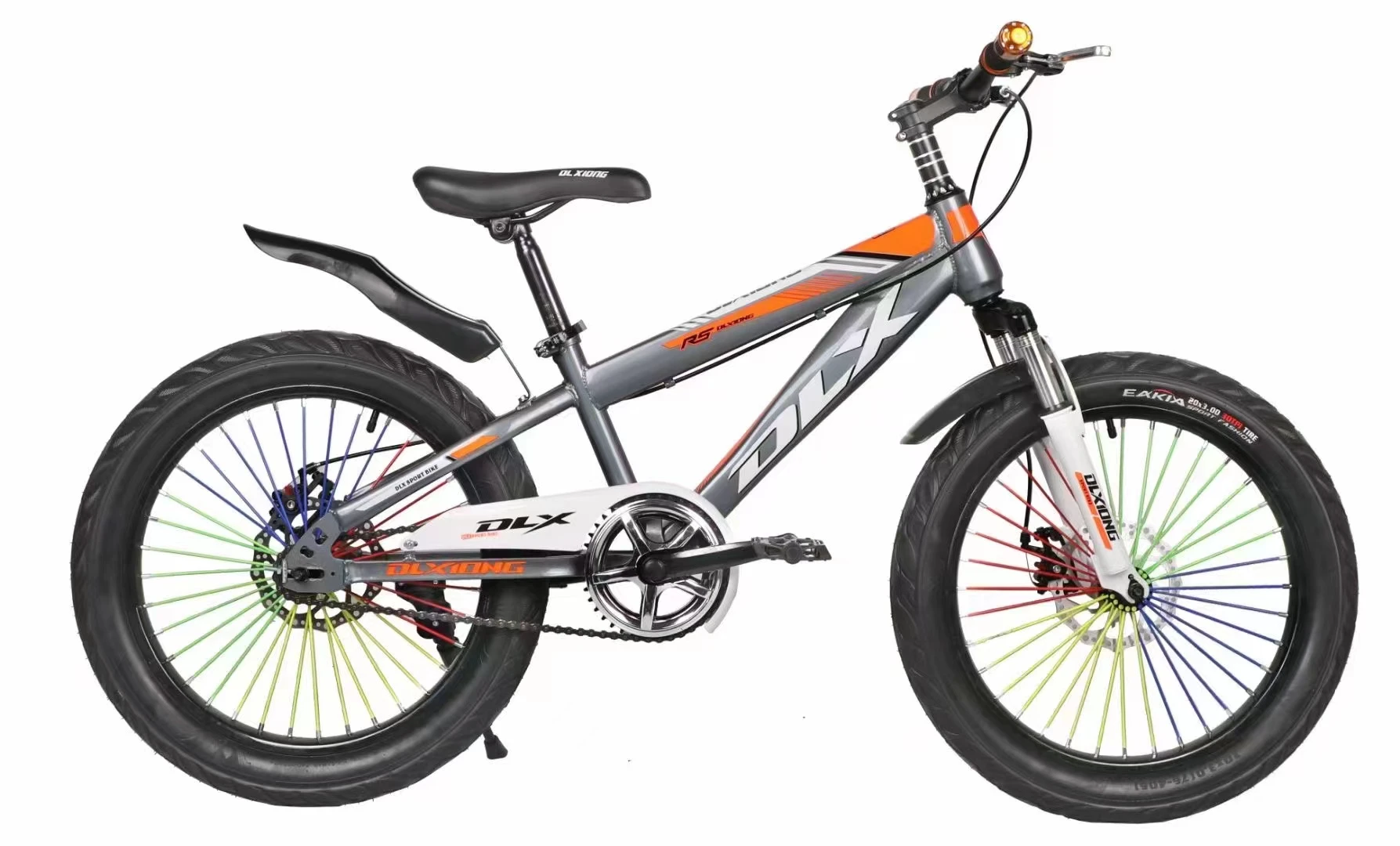
OEM 20 inch mountain bike children bikeVariable speed mountain bike suitable for student sports
-
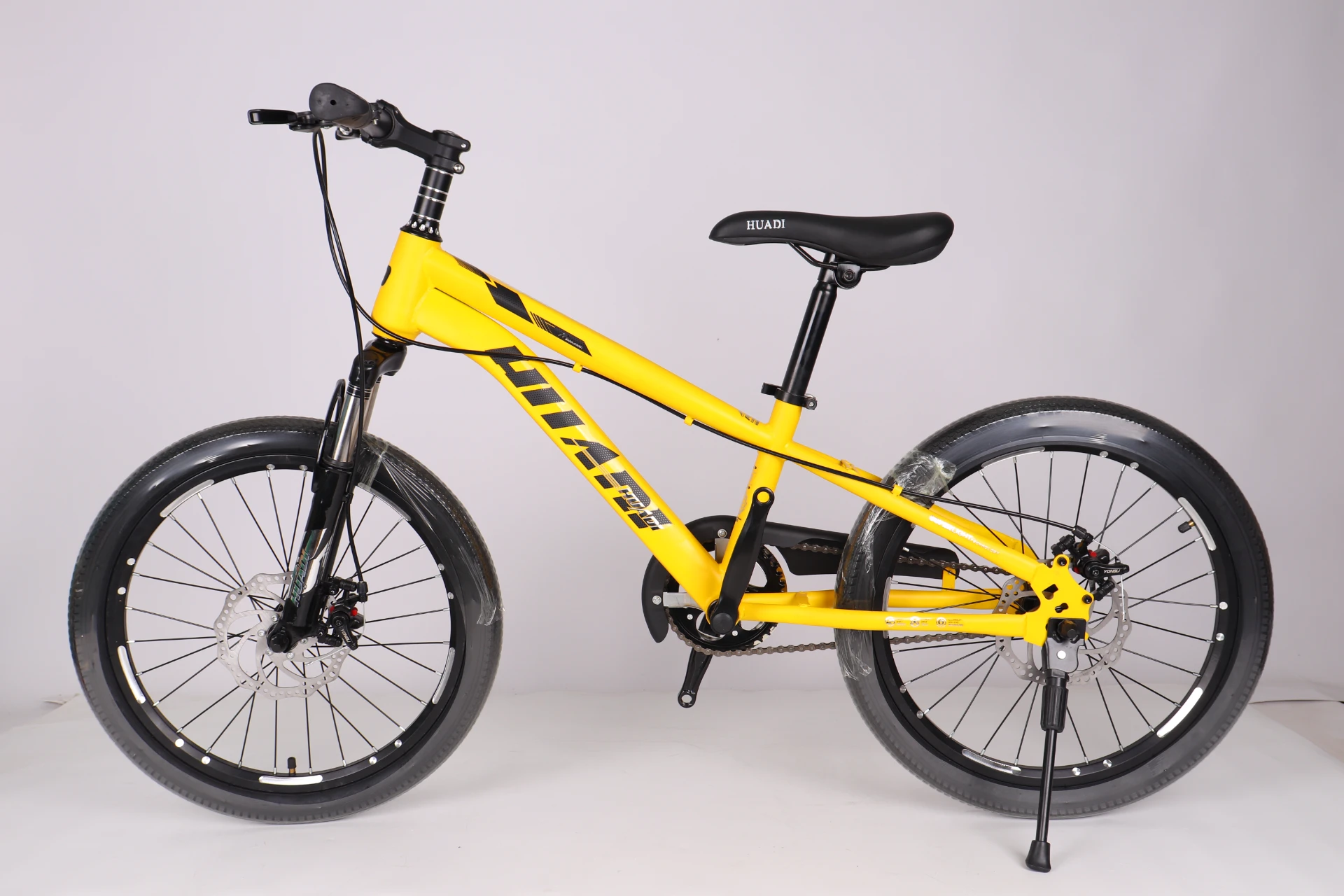
18 20 22 inch Children bike mountain bikes for 13 year old boy cycle for class 5 bicycle for 10year old boy kids
-
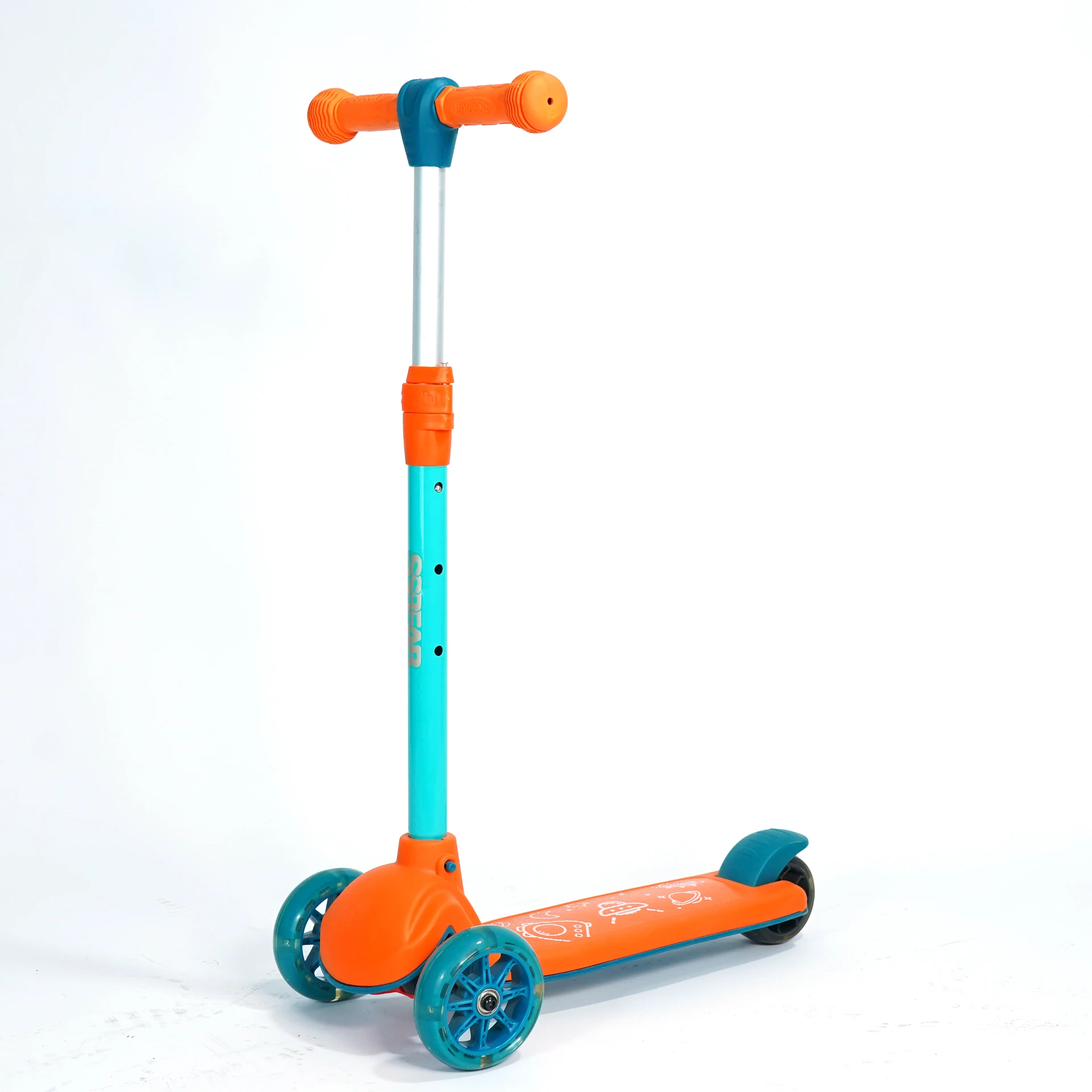
Hot Sale Kids Scooter 3 Pu Light-Up Wheel Kick Scooter For 3-6 Year Olds
-
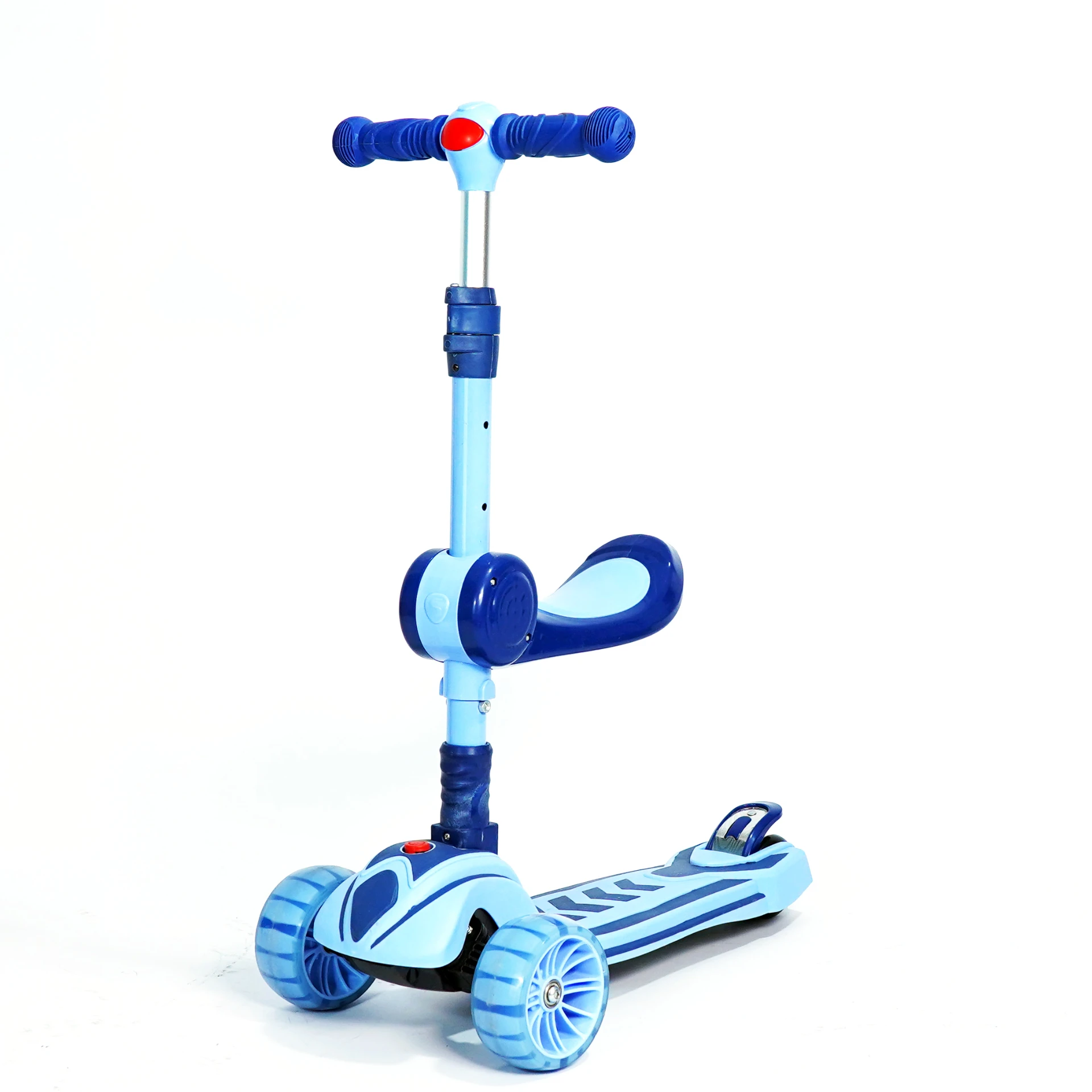
EU Child 3 To 10 Years Baby Soccer Kick Scooters & Foot Scooters For Kids Boys
-
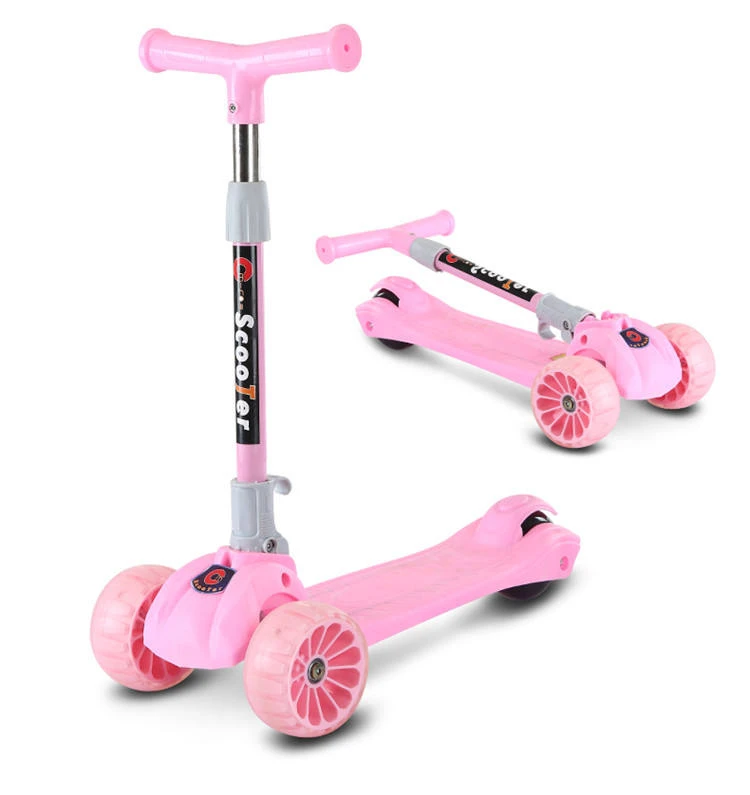
Factory Sale Kid Scooter Foot scooter Kids Kick scooter For Toddler.
-
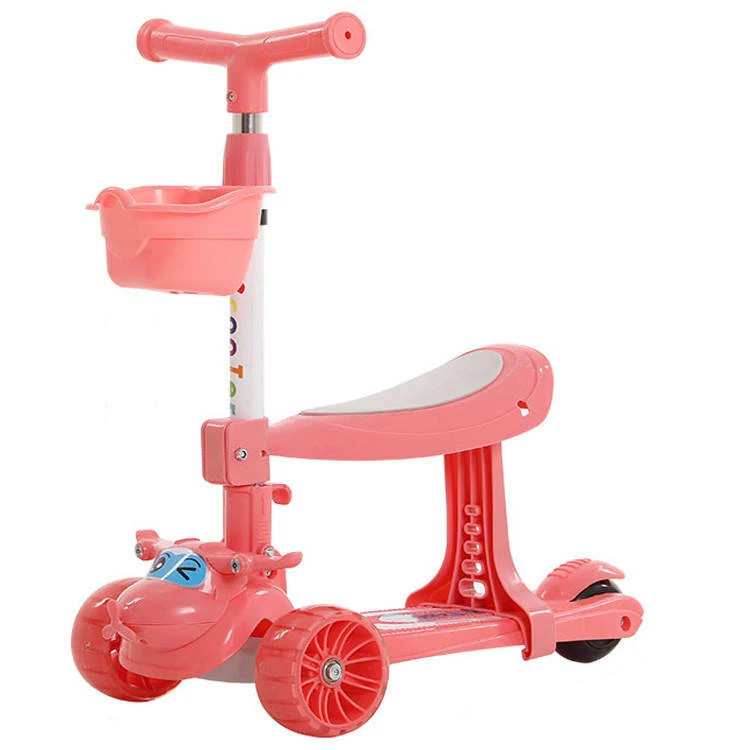
Best Seller Multifunctional Folding Kid Kick 3 Wheels Children Foot Scooter Foldable Baby Kid Scooters
-
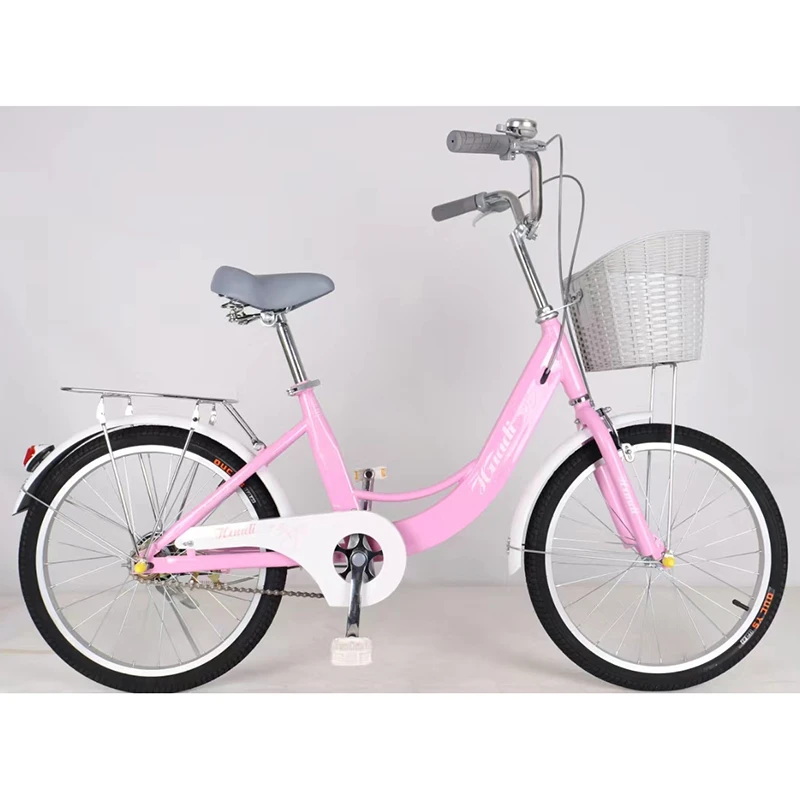
Hot sale kids bikes OEM custom cheap baby children bicycle bike beautiful cycle for girls kids
 Afrikaans
 Albanian
 Amharic
 Arabic
 Armenian
 Azerbaijani
 Basque
 Belarusian
 Bengali
 Bosnian
 Bulgarian
 Catalan
 Cebuano
 Corsican
 Croatian
 Czech
Czech
 Danish
 Dutch
Dutch
 Esperanto
 Estonian
 Finnish
 French
 Frisian
 Galician
 Georgian
 German
 Greek
Greek
 Gujarati
 Haitian Creole
 Hausa
Hausa
 Hawaiian
 Hebrew
 Hindi
Hindi
 Miao
Miao
 Hungarian
 Icelandic
 Igbo
Igbo
 Indonesian
 Irish
Irish
 Italian
 Japanese
 Javanese
 Kannada
 Kazakh
 Khmer
Khmer
 Rwandese
 Korean
 Kurdish
 Kyrgyz
 Lao
Lao
 Latin
Latin
 Latvian
 Lithuanian
 Luxembourgish
 Macedonian
 Malgashi
 Malay
Malay
 Malayalam
 Maltese
 Maori
Maori
 Marathi
 Mongolian
 Myanmar
 Nepali
 Norwegian
 Norwegian
 Occitan
 Pashto
 Persian
 Polish
 Portuguese
 Punjabi
 Romanian
 Russian
 Samoan
 Scottish Gaelic
 Serbian
 Sesotho
 Shona
Shona
 Sindhi
 Sinhala
 Slovak
 Slovenian
 Somali
 Spanish
 Sundanese
 Swahili
 Swedish
 Tagalog
 Tajik
Tajik
 Tamil
Tamil
 Tatar
Tatar
 Telugu
 Thai
Thai
 Turkish
 Turkmen
 Ukrainian
 Urdu
Urdu
 Uighur
 Uzbek
Uzbek
 Vietnamese
 Welsh
Welsh
 Bantu
Bantu
 Yiddish
 Yoruba
 Zulu
Zulu
 English