
Practical Insights on Scooter for Kids Electric – Safety & Quality Focus
Scooter for Kids Electric: A Practical Look from the Industrial Equipment Trenches
Having spent quite a few years in the industrial equipment sector, I must say things like scooter for kids electric catch my eye in interesting ways. At first glance, it’s a simple product —kids love scooters, they want electric versions that feel modern and safe—but if you dig a bit deeper, there’s a lot going on under the hood when it comes to design, manufacturing standards, and user experience.
Funny thing is, people often think industrial know-how doesn't mix with kids’ products. But oddly enough, the engineering and materials used in electric scooters share many similarities with industrial-grade small machines. From the selection of motors to battery management, everything needs to be bulletproof, because safety isn’t optional.
One thing I noticed working around manufacturers is the focus on lightweight yet sturdy materials. Aluminum alloys dominate the frames (they offer good strength-to-weight ratio), while the decks usually have non-slip surfaces, which makes a lot of sense from a usability standpoint. After all, kids are not gentle riders—and frankly, parents want something that won’t break down after a few rides.
Here’s a quick dive into some typical specs for a well-rounded kids' electric scooter I’ve seen gaining traction lately. It’s sort of the sweet spot between performance, safety, and affordability:
| Specification | Typical Value |
|---|---|
| Motor Power | 250W – 350W |
| Battery Type | Lithium-ion, 24V |
| Maximum Speed | 10-15 km/h (6-9 mph) |
| Range | 8–12 km (5–7 miles) |
| Weight | 4.5 – 6 kg (10 – 13 lbs) |
| Load Capacity | 40 – 60 kg (88 – 132 lbs) |
| Braking System | Rear Electronic + Manual Foot Brake |
The range and speed specs above are deliberately moderate. Many manufacturers and safety boards agree that faster scooters are ill-suited for kids under about 8–10 years old. In real terms, it’s a good balance between thrill and control.
When choosing a vendor, it helps to consider more than just specs—we often glance at build quality, warranty terms, and customer service responsiveness. Here’s an informal comparison of some reputed suppliers in the market, showing what stands out:
| Vendor | Frame Material | Battery Warranty | Safety Certifications | Customizable Features |
|---|---|---|---|---|
| Zhongzhou | Aerospace-grade Aluminum | 18 Months | CE, RoHS, FCC | Color, Deck Design |
| ScootX | Aluminum Alloy | 12 Months | CE, UL | Handlebar Height |
| KidVolt | Steel Frame | 24 Months | RoHS, FCC | Battery Capacity Upgrade |
One quick story before wrapping up: I remember inspecting a batch of scooters that had superb engineering but were let down by poor battery management software—leading to reliability issues in the field. It reminded me how sometimes the unseen tech behind the scenes can make or break the product. So, always look beyond the surface. It’s not just about flashy colors or quick speeds; longevity and safety are king here.
In the end, a scooter for kids electric is as much about peace of mind for parents as it is about fun for kids. Balancing modern tech, robust design, and reliable service makes all the difference. If you’re scanning the options, keep an eye on these factors, and you’ll know what’s worth your attention.
Just a little note from the trenches: durability often beats bells and whistles—kids can be rough, you know. So, invest in the core quality first.
Thanks for sticking with me through this little exploration. I hope it’s useful next time you’re on the lookout for a solid electric scooter for the younger ones.
—Mark R., Industrial Equipment Veteran
- Safety standards by international regulatory bodies (CE, RoHS, FCC)
- Industry insights from scooter manufacturing field visits, 2022-2023
- Customer feedback analysis from top kids’ scooter vendors
-
Electric Scooter Age 3 Safe Introduction to Early Mobility GuideNewsApr.16,2026
-
Is an Electric Scooter Age 4 Safe Complete Parents GuideNewsApr.09,2026
-
Choosing the Best Electric Scooter for a 9 Year Old Rider's SafetyNewsApr.07,2026
-
Comprehensive Guide to Choosing the Best Electric Scooter Ages 6 UpNewsApr.04,2026
-
Choosing the Best Electric Scooter for 6yr Old Riders A Comprehensive GuideNewsMar.31,2026
-
The Ultimate Guide to Choosing an Electric Scooter for Age 10 RidersNewsMar.28,2026
-
Choosing the Ideal Electric Scooter for Age 12 A Comprehensive Buyers GuideNewsMar.26,2026
Related Products
-
High quality kids bike children bicycle cycle cheap children bicycle with training wheel for sale
-
OEM 20 inch mountain bike children bikeVariable speed mountain bike suitable for student sports
-
18 20 22 inch Children bike mountain bikes for 13 year old boy cycle for class 5 bicycle for 10year old boy kids
-
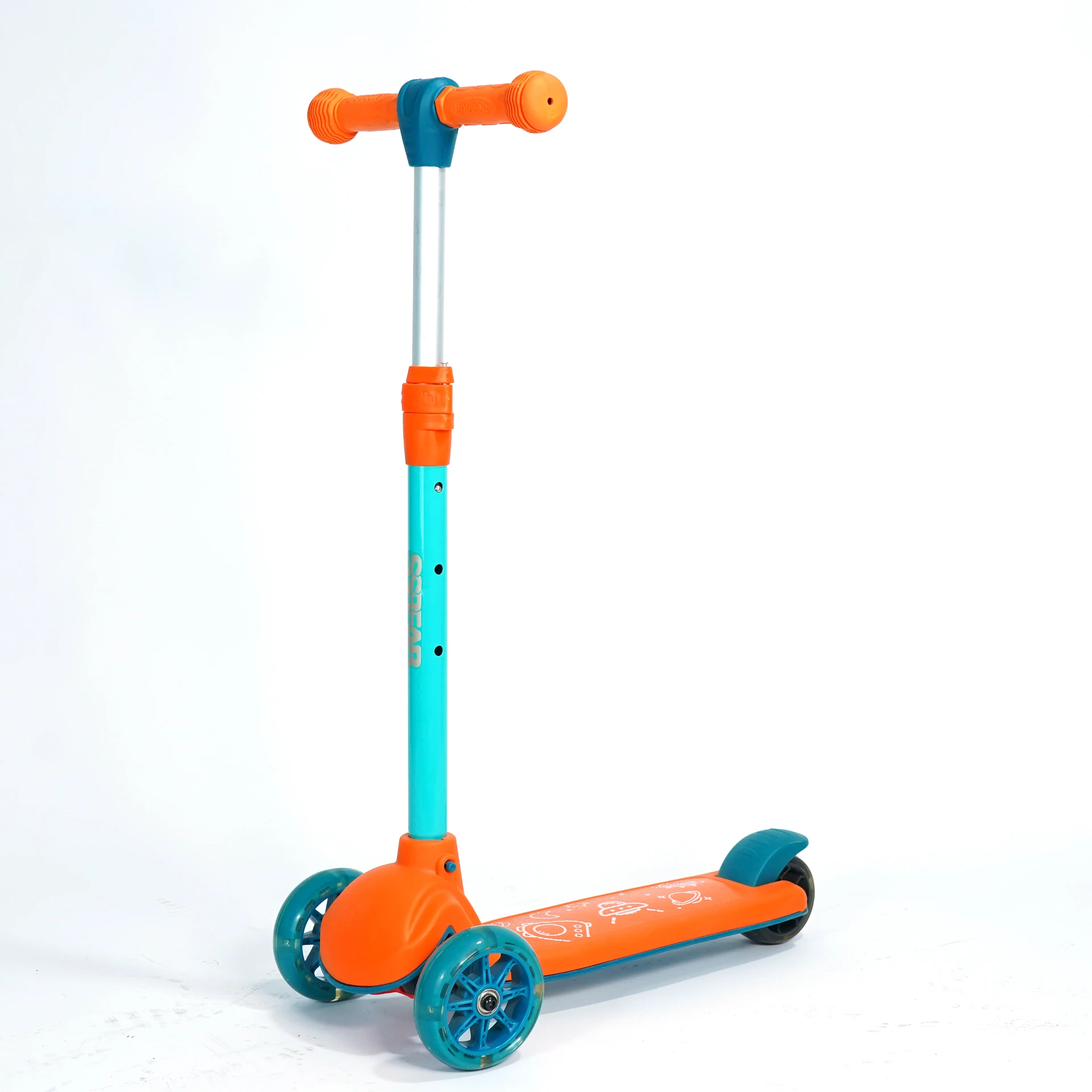
Hot Sale Kids Scooter 3 Pu Light-Up Wheel Kick Scooter For 3-6 Year Olds
-
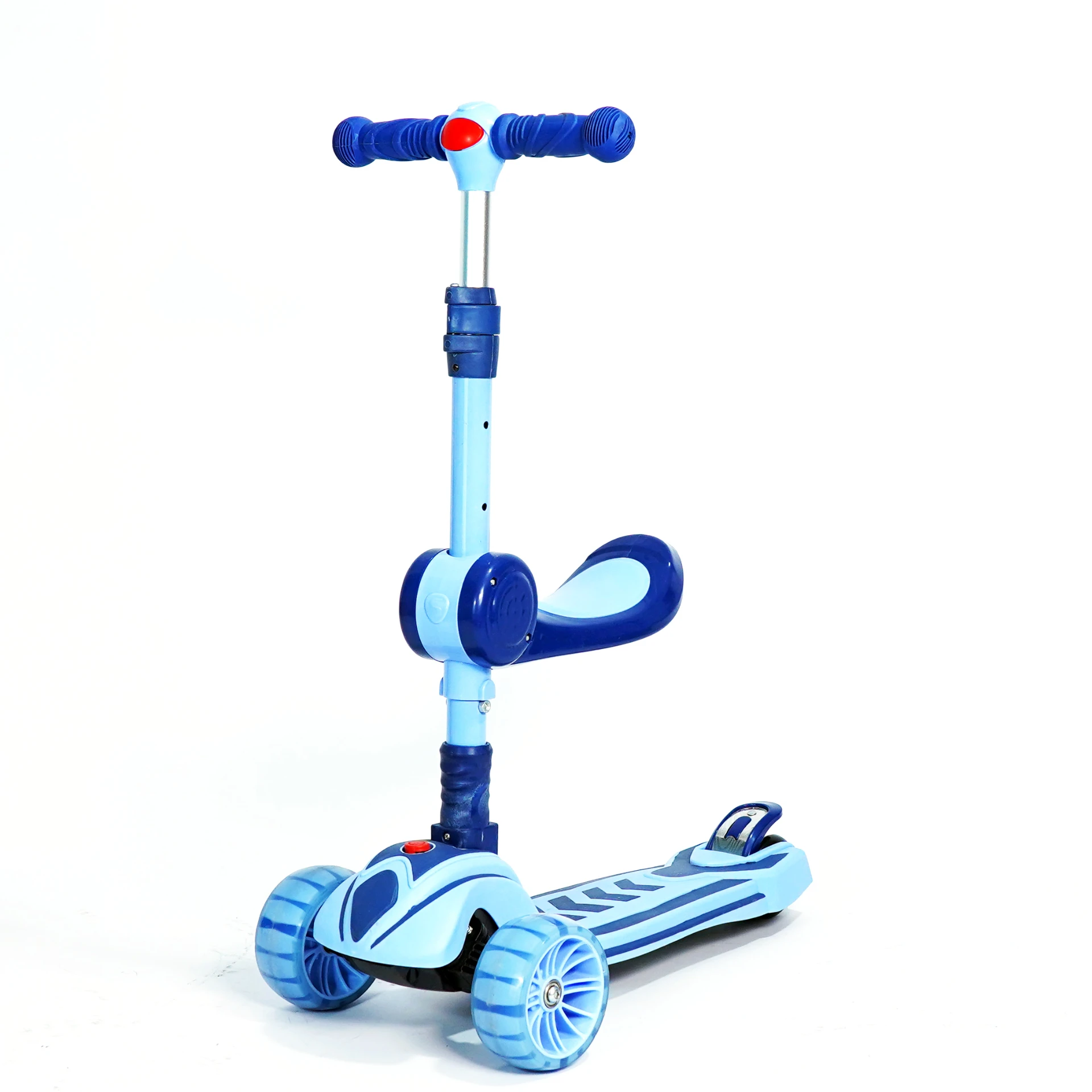
EU Child 3 To 10 Years Baby Soccer Kick Scooters & Foot Scooters For Kids Boys
-
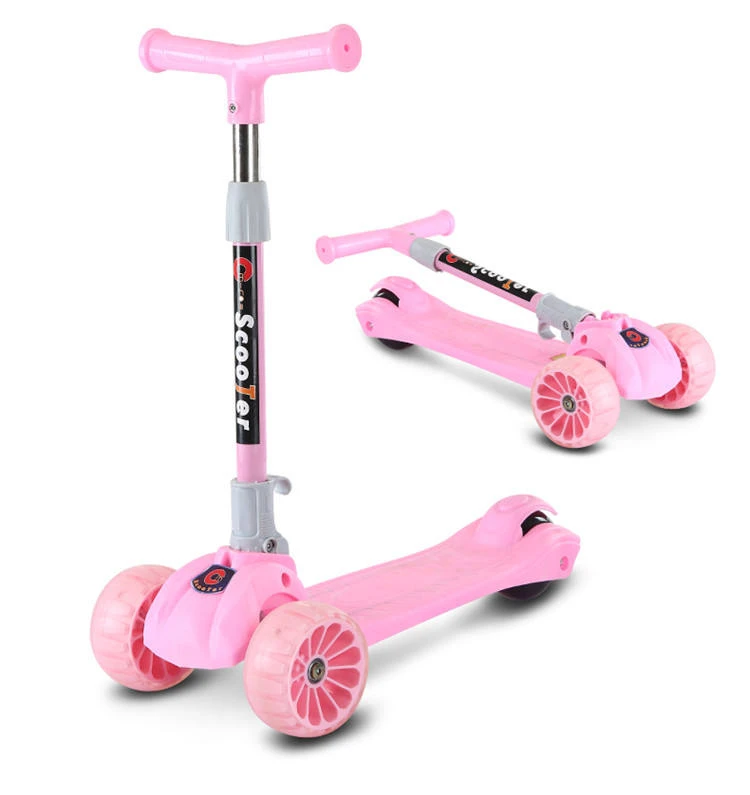
Factory Sale Kid Scooter Foot scooter Kids Kick scooter For Toddler.
-
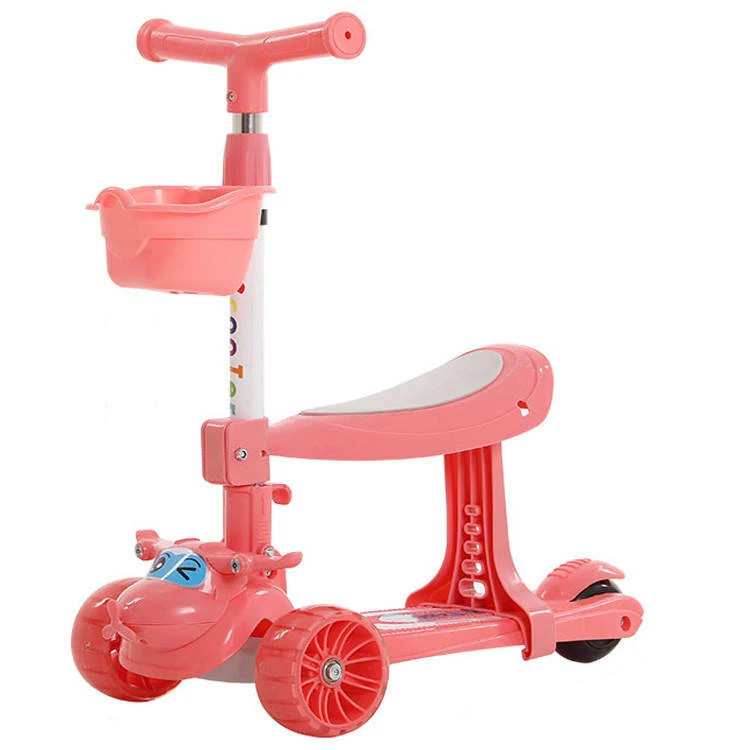
Best Seller Multifunctional Folding Kid Kick 3 Wheels Children Foot Scooter Foldable Baby Kid Scooters
-
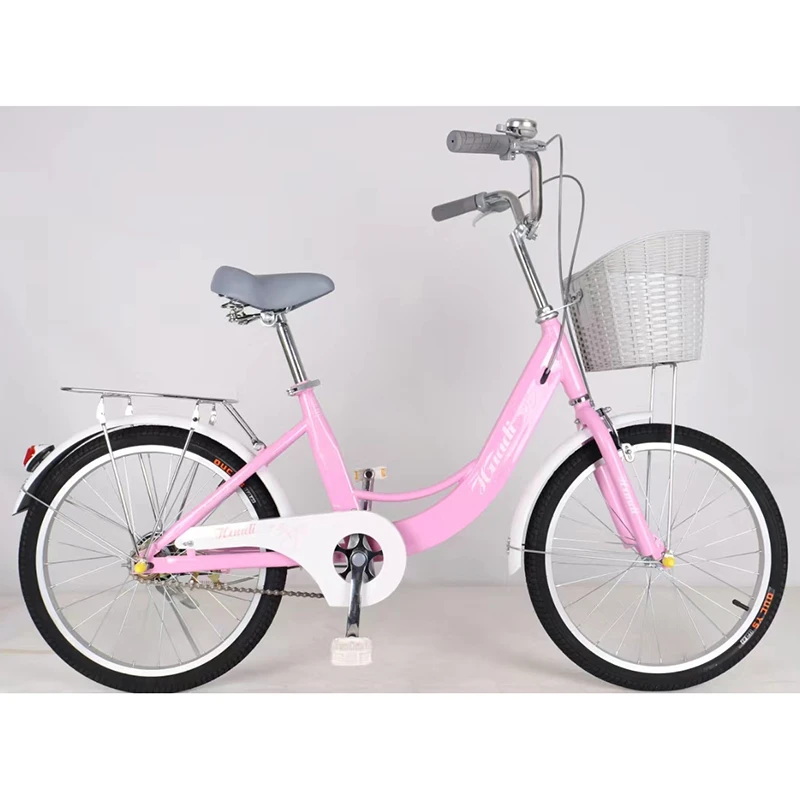
Hot sale kids bikes OEM custom cheap baby children bicycle bike beautiful cycle for girls kids
 Afrikaans
 Albanian
 Amharic
 Arabic
 Armenian
 Azerbaijani
 Basque
 Belarusian
 Bengali
 Bosnian
 Bulgarian
 Catalan
 Cebuano
 Corsican
 Croatian
 Czech
Czech
 Danish
 Dutch
Dutch
 Esperanto
 Estonian
 Finnish
 French
 Frisian
 Galician
 Georgian
 German
 Greek
Greek
 Gujarati
 Haitian Creole
 Hausa
Hausa
 Hawaiian
 Hebrew
 Hindi
Hindi
 Miao
Miao
 Hungarian
 Icelandic
 Igbo
Igbo
 Indonesian
 Irish
Irish
 Italian
 Japanese
 Javanese
 Kannada
 Kazakh
 Khmer
Khmer
 Rwandese
 Korean
 Kurdish
 Kyrgyz
 Lao
Lao
 Latin
Latin
 Latvian
 Lithuanian
 Luxembourgish
 Macedonian
 Malgashi
 Malay
Malay
 Malayalam
 Maltese
 Maori
Maori
 Marathi
 Mongolian
 Myanmar
 Nepali
 Norwegian
 Norwegian
 Occitan
 Pashto
 Persian
 Polish
 Portuguese
 Punjabi
 Romanian
 Russian
 Samoan
 Scottish Gaelic
 Serbian
 Sesotho
 Shona
Shona
 Sindhi
 Sinhala
 Slovak
 Slovenian
 Somali
 Spanish
 Sundanese
 Swahili
 Swedish
 Tagalog
 Tajik
Tajik
 Tamil
Tamil
 Tatar
Tatar
 Telugu
 Thai
Thai
 Turkish
 Turkmen
 Ukrainian
 Urdu
Urdu
 Uighur
 Uzbek
Uzbek
 Vietnamese
 Welsh
Welsh
 Bantu
Bantu
 Yiddish
 Yoruba
 Zulu
Zulu
 English