
Comprehensive Guide to Toy Scooters: Safety, Features & Global Trends
Understanding the Toy Scooter: An Essential Guide for Enthusiasts and Parents
At first glance, a toy scooter might seem like just a fun gadget for kids to zip around the neighborhood. But look a little closer, and you find a globally popular product that blends childhood play, urban mobility trends, and safety innovation all rolled into one compact frame. This small rideable toy carries surprisingly big benefits when it comes to childhood development, sustainable transport trends, and even industry-wide safety standards.
Why Toy Scooters Matter Globally
The toy scooter market isn’t just a niche—it’s part of a sprawling global industry powered by urban densification, increasing parental focus on outdoor play, and a growing awareness of eco-friendly alternatives for short-range transport. According to a 2023 report by the International Standards Organization (ISO), the demand for safe, durable mobility toys has surged by nearly 15% worldwide over the last five years. This demand reflects broader societal shifts, like rising childhood obesity concerns and the search for greener, more approachable forms of exercise for kids.
Interestingly, the toy scooter sector also grapples with real challenges: durability under varied environmental conditions, ensuring safety standards meet evolving regulations, and keeping costs accessible for diverse markets. We’ll dig into these elements and explore why understanding the ins and outs of toy scooters is valuable both practically and culturally.
What Is a Toy Scooter?
Simply put, a toy scooter is a small, human-powered vehicle designed primarily for children’s recreational use. It typically consists of a handlebar, deck, and wheels, allowing kids to propel themselves by pushing one foot against the ground. But more than just playthings, toy scooters symbolize a stepping stone to independent motor skills development, balance, and confidence building.
In industry terms, these scooters are crafted with a balance between lightweight materials—like aluminum or reinforced plastic—and safety-certified components such as non-slip decks and shock-absorbent wheels. Some high-end models even come equipped with foldable mechanisms for portability, which aligns with the global trend of compact urban living.
Key Components: What Makes a Great Toy Scooter?
Durability
Durability is paramount: children are notoriously tough on their things, so manufacturers aim for strong frames that withstand wear, weather, and rough handling. Durable components keep repair and replacement costs down, which is a big plus for parents.
Safety Features
From handlebar grips to wheel brakes, every part is scrutinized to reduce injury risks. Industry certification bodies like ASTM International ensure safety standards remain consistent globally.
Mobility and Maneuverability
A quality toy scooter offers a smooth ride and responsive turning, which introduces kids to spatial awareness and control.
Cost Efficiency
There’s a competitive balance between affordability and quality. In some regions, toy scooters are surprisingly affordable without compromising safety, which helps boost inclusion.
Design Appeal
Kids want bright, fun designs—manufacturers recognize this and often incorporate popular themes or customizable decals to enhance appeal.
Product Specifications Table
| Feature | Standard Range | Premium Model |
|---|---|---|
| Material | Aluminum frame | Reinforced steel + rubberized deck |
| Weight Limit | 50 kg (110 lbs) | 70 kg (154 lbs) |
| Wheel Diameter | 120 mm | 145 mm |
| Brake Type | Rear foot brake | Rear and hand brake combination |
| Foldable | No | Yes |
Global Applications: More Than Just Play
Sure, kids zoom around parks and sidewalks, but toy scooters are surprisingly global tools. In European cities, for example, they're sometimes incorporated into early childhood education programs encouraging outdoor activity. In places like Japan, where urban space is tight, foldable toy scooters double as convenient travel companions. On the humanitarian front, especially in developing countries, affordable toy scooters offer a safe mode of transit for young children, sometimes even replacing bicycles, which are more costly and complex to maintain.
In short, toy scooters find niches not only in recreation but also in promoting childhood physical health, sustainable transportation, and even urban planning experiments aimed at reducing car congestion through younger generations.
Vendor Comparison: Popular Toy Scooter Brands
| Brand | Price Range | Safety Certification | Special Features |
|---|---|---|---|
| FunGlide | $40 - $60 | ASTM F963 | Bright LED wheels |
| ScootStar | $55 - $85 | EN 14619 | Foldable design, rubber deck |
| KiddieCruiser | $30 - $50 | CPSC Compliant | Lightweight, adjustable handlebar |
Advantages & Long-Term Value
The toy scooter offers more than just fun. Its advantages ripple into health benefits — improving balance, coordination, and encouraging outdoor exercise. For parents, it's a cost-effective way to nurture independence. Emotionally, a toy scooter can become an extension of a child’s exploration and creativity, which is kind of magical to witness.
Environmentally speaking, promoting scooters over motorized toys reduces carbon footprints from early on, aligning with the global push for sustainability. Reliability-wise, a well-made toy scooter is a long-term companion rather than a disposable fad.
Future Trends & Innovations
Looking ahead, expect toy scooters to evolve with smarter materials—like recycled polymers and ultralight alloys—to improve sustainability and durability. Digital integration also looms; think built-in GPS for safety or Bluetooth trackers to help parents keep tabs. There's chatter in the industry about adding foldable electric assist for older kids to blend play with urban micro-mobility trends.
Moreover, regulatory bodies are increasingly encouraging manufacturers to use eco-friendly certifications and enhance user education on safety—a purely positive move.
Challenges & Solutions
That said, challenges remain: Accessibility varies greatly by region, especially where costs push toys beyond average budgets. Sometimes resale value is limited, causing wastefulness. Weather resistance is another hurdle — rain and rough terrain can degrade parts quickly.
Fortunately, manufacturers and NGOs are trying innovative approaches like modular parts for easy repair, community sharing programs, and materials testing aligned with ISO safety and eco-standards to tackle these concerns head-on.
FAQ: Frequently Asked Questions About Toy Scooters
- Q: What age range is best for riding a toy scooter?
A: Most toy scooters are designed for children aged 3 to 10 years, but size and weight limits vary. Always check manufacturer guidelines and supervise younger riders. - Q: Are toy scooters safe for beginners?
A: Yes, especially those with certified braking systems and non-slip decks. Wearing helmets and pads is highly recommended for all skill levels. - Q: How do I maintain my child's toy scooter?
A: Regularly check the wheels and brakes for wear, keep it clean, and tighten screws. Proper maintenance extends lifespan and safety. - Q: Can toy scooters be customized?
A: Many brands offer colored decks, decals, and accessory kits. Customization encourages kids' creativity and ownership.
Conclusion
In real terms, the humble toy scooter is so much more than a child's pastime — it represents a bridge between play, health, sustainability, and urban lifestyle trends. Its growing global footprint attests to its relevance, and innovations promise an exciting road ahead.
Want to explore the best in toy scooters? Check out this selection of quality toy scooter products and find the perfect fit for your child’s next adventure.
That’s the ride for now—hope you found your bearings on the world of toy scooters!
References
-
Electric Scooter Age 3 Safe Introduction to Early Mobility GuideNewsApr.16,2026
-
Is an Electric Scooter Age 4 Safe Complete Parents GuideNewsApr.09,2026
-
Choosing the Best Electric Scooter for a 9 Year Old Rider's SafetyNewsApr.07,2026
-
Comprehensive Guide to Choosing the Best Electric Scooter Ages 6 UpNewsApr.04,2026
-
Choosing the Best Electric Scooter for 6yr Old Riders A Comprehensive GuideNewsMar.31,2026
-
The Ultimate Guide to Choosing an Electric Scooter for Age 10 RidersNewsMar.28,2026
-
Choosing the Ideal Electric Scooter for Age 12 A Comprehensive Buyers GuideNewsMar.26,2026
Related Products
-
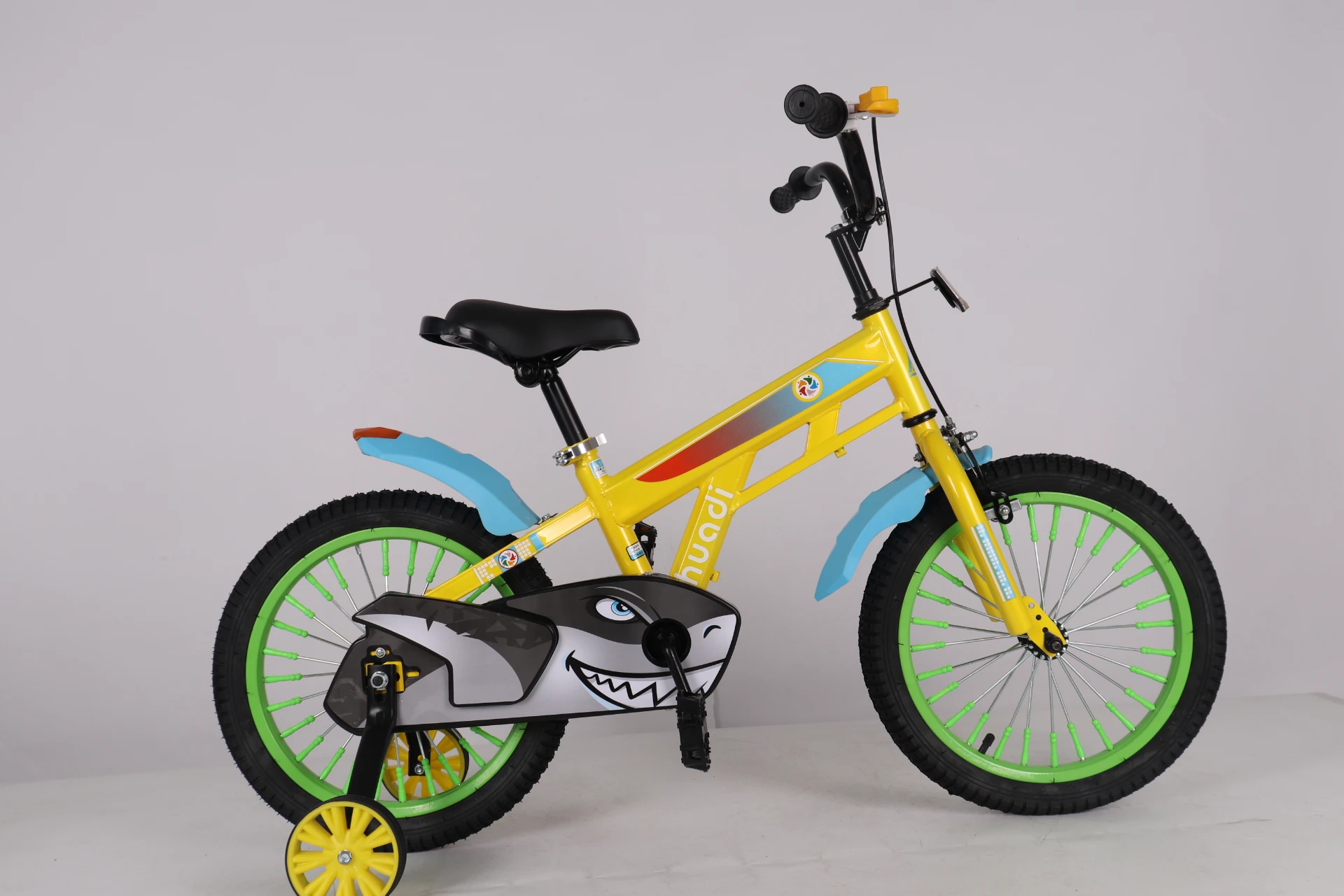
High quality kids bike children bicycle cycle cheap children bicycle with training wheel for sale
-
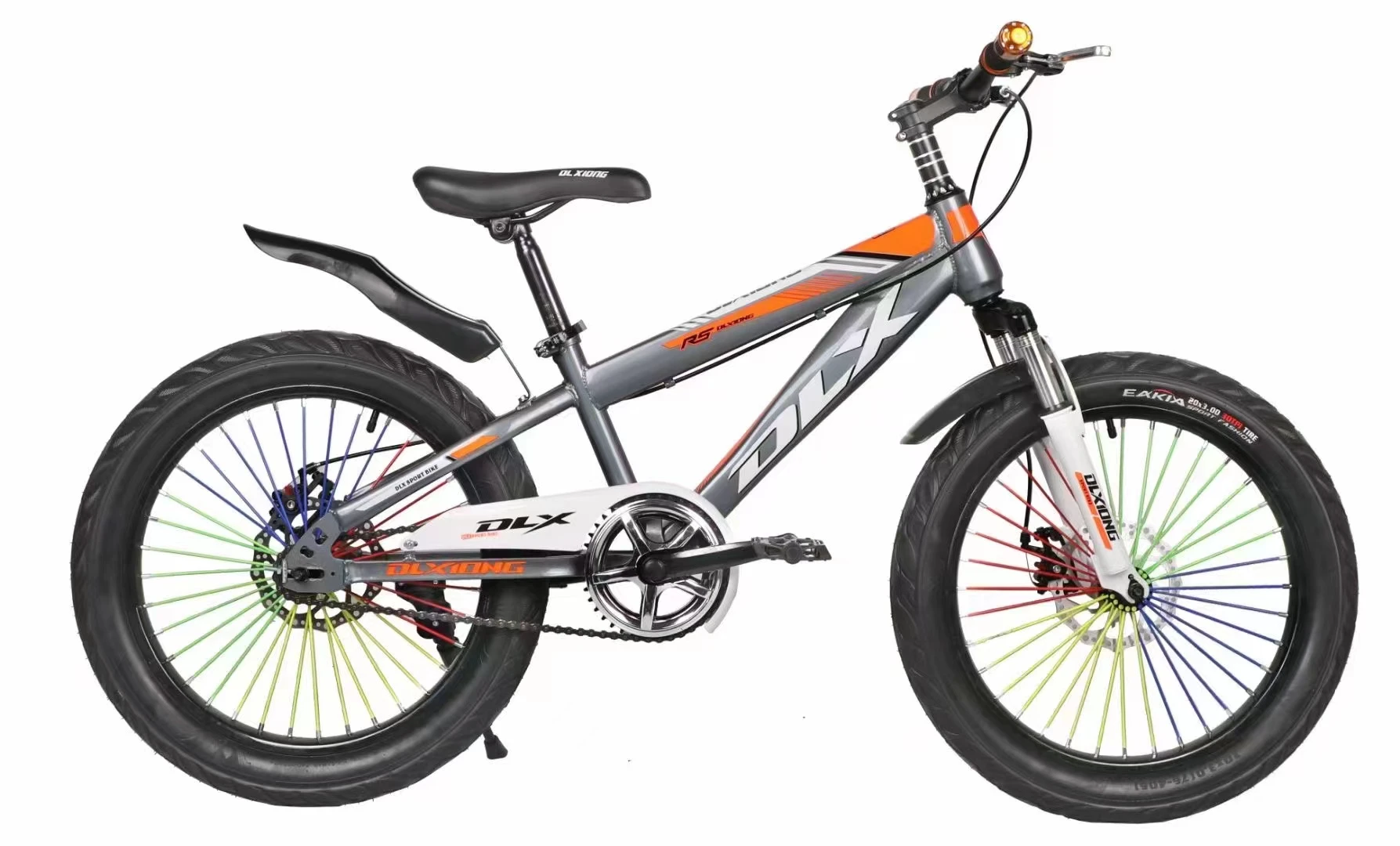
OEM 20 inch mountain bike children bikeVariable speed mountain bike suitable for student sports
-
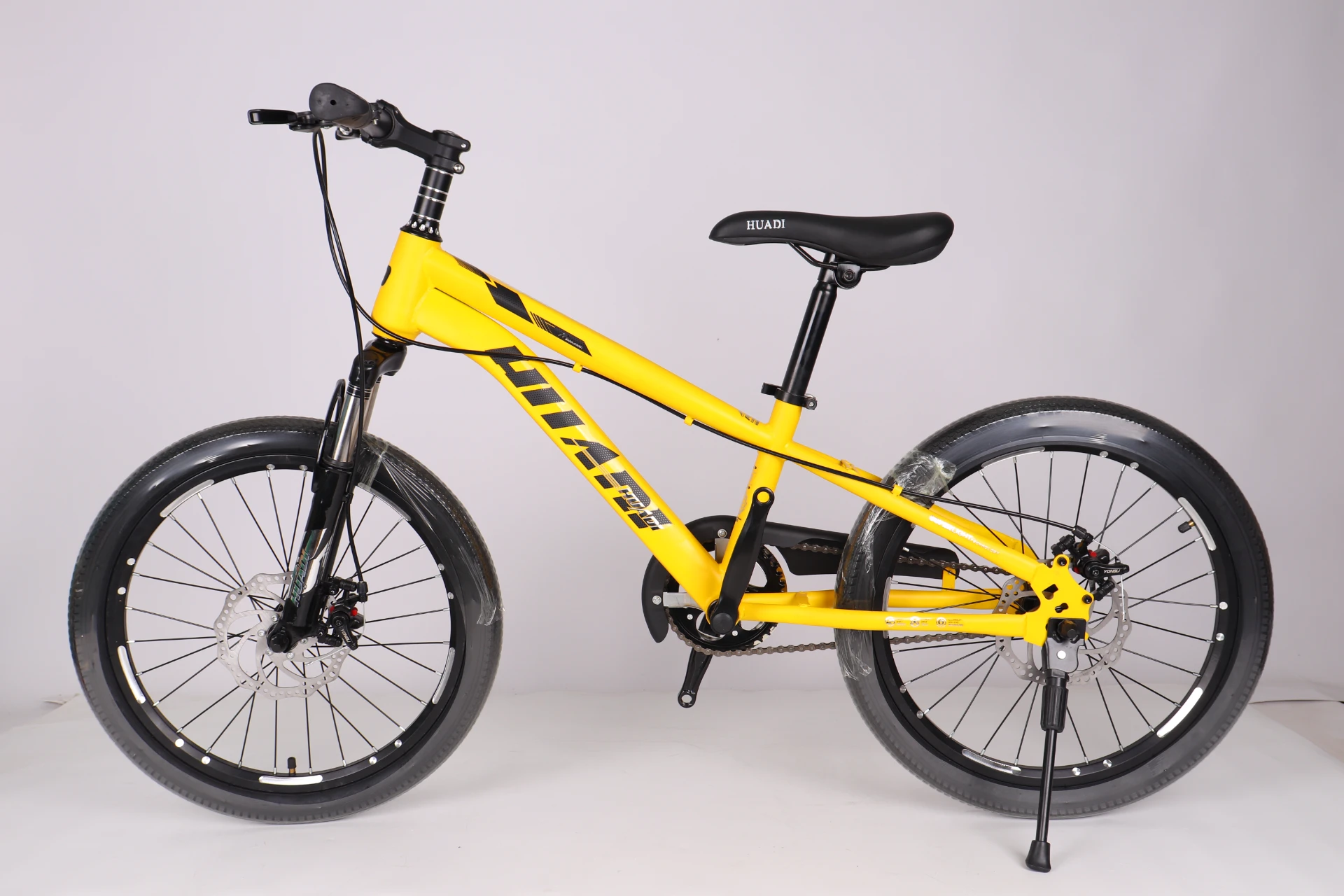
18 20 22 inch Children bike mountain bikes for 13 year old boy cycle for class 5 bicycle for 10year old boy kids
-
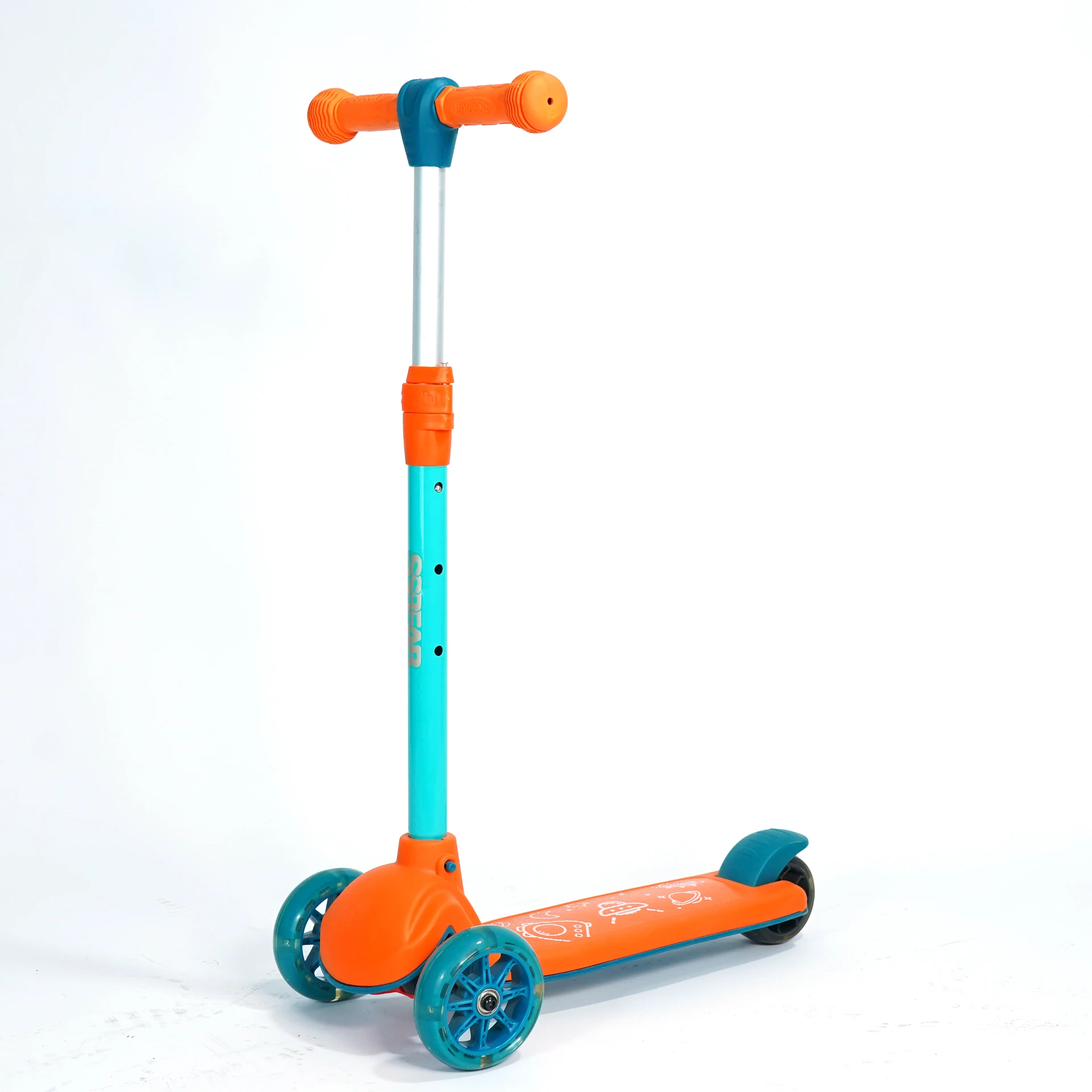
Hot Sale Kids Scooter 3 Pu Light-Up Wheel Kick Scooter For 3-6 Year Olds
-
EU Child 3 To 10 Years Baby Soccer Kick Scooters & Foot Scooters For Kids Boys
-
Factory Sale Kid Scooter Foot scooter Kids Kick scooter For Toddler.
-
Best Seller Multifunctional Folding Kid Kick 3 Wheels Children Foot Scooter Foldable Baby Kid Scooters
-
Hot sale kids bikes OEM custom cheap baby children bicycle bike beautiful cycle for girls kids
 Afrikaans
 Albanian
 Amharic
 Arabic
 Armenian
 Azerbaijani
 Basque
 Belarusian
 Bengali
 Bosnian
 Bulgarian
 Catalan
 Cebuano
 Corsican
 Croatian
 Czech
Czech
 Danish
 Dutch
Dutch
 Esperanto
 Estonian
 Finnish
 French
 Frisian
 Galician
 Georgian
 German
 Greek
Greek
 Gujarati
 Haitian Creole
 Hausa
Hausa
 Hawaiian
 Hebrew
 Hindi
Hindi
 Miao
Miao
 Hungarian
 Icelandic
 Igbo
Igbo
 Indonesian
 Irish
Irish
 Italian
 Japanese
 Javanese
 Kannada
 Kazakh
 Khmer
Khmer
 Rwandese
 Korean
 Kurdish
 Kyrgyz
 Lao
Lao
 Latin
Latin
 Latvian
 Lithuanian
 Luxembourgish
 Macedonian
 Malgashi
 Malay
Malay
 Malayalam
 Maltese
 Maori
Maori
 Marathi
 Mongolian
 Myanmar
 Nepali
 Norwegian
 Norwegian
 Occitan
 Pashto
 Persian
 Polish
 Portuguese
 Punjabi
 Romanian
 Russian
 Samoan
 Scottish Gaelic
 Serbian
 Sesotho
 Shona
Shona
 Sindhi
 Sinhala
 Slovak
 Slovenian
 Somali
 Spanish
 Sundanese
 Swahili
 Swedish
 Tagalog
 Tajik
Tajik
 Tamil
Tamil
 Tatar
Tatar
 Telugu
 Thai
Thai
 Turkish
 Turkmen
 Ukrainian
 Urdu
Urdu
 Uighur
 Uzbek
Uzbek
 Vietnamese
 Welsh
Welsh
 Bantu
Bantu
 Yiddish
 Yoruba
 Zulu
Zulu
 English