
Quality Toy Scooters for Sale – Insider Industrial Equipment Insights
Toy Scooters for Sale: Insights from an Industrial Equipment Insider
Having spent years knee-deep in the industrial equipment sector, I’ve seen my fair share of product designs, materials experimentation, and quality tests. Oddly enough, when it comes to toy scooters for sale, there’s actually quite a bit in common — especially when it’s about balancing durability, safety, and cost. It’s easy to overlook the engineering behind these little wheeled wonders, but if you stop and think, they’re a technical marvel in miniature.
For starters, a toy scooter isn’t just a plastic runway for kids to zoom around. The materials are thoughtfully chosen for strength, flexibility, and safety. Aluminum alloys often make an appearance because they’re lightweight but tough, which means a scooter can survive the rough-and-tumble of a playground without feeling like a brick to carry around. Frankly, it reminds me of working with certain industrial bikes and lightweight machinery — the tradeoffs in materials science are eerily similar.
You might ask what’s trending in this space. Lately, manufacturers are leaning toward eco-friendly materials and non-toxic paints, which is reassuring. In real terms, this means less health risk and a smaller footprint, both of which parents appreciate. Plus, there’s always the push toward easier customization — kids want their scooters to reflect personality, and vendors respond with decals, adjustable handles, and even modular parts.
Speaking of vendors, I’ve noticed a few key players offering various specs and price points. Here’s a simple comparison table I put together — it’s not exhaustive but should help spot the bigger differences.
| Vendor | Material | Price Range | Customization | Safety Certs |
|---|---|---|---|---|
| ZhongzhouBike | Aluminum Alloy & ABS | $25-$40 | Decals, Colors, Handle Height | EN71, ASTM F963 |
| KiddiGlide | Steel Frame & EVA Wheels | $20-$35 | Colors, Pattern Decals | CPSC |
| PlayMotion Co. | Plastic Composite & Rubber | $15-$30 | Limited Colors | EN71 |
Now, getting into the nuts and bolts, here’s what a solid toy scooter model might look like specs-wise — again, reflecting my years handling industrial equipment but downsized for kiddie use:
| Specification | Details |
|---|---|
| Frame Material | 6061 Aluminum Alloy |
| Deck Size | 12 x 4.5 inches |
| Wheel Type | PU with ABEC-7 Bearings |
| Weight Capacity | Up to 44 lbs (20 kg) |
| Adjustable Handle Height | 22-28 inches |
| Safety Features | Non-slip Deck; Rear Fender Brake |
One thing I never underestimate is the importance of rigorous quality control. From my experience, it’s the difference between a fun ride and a recall nightmare. Safety certifications don’t just look good on paper — they’re a reflection of ongoing testing standards, drop-tests, and wear evaluations. I remember visiting a vendor’s line where each scooter had to pass a 50-kilogram pressure test on the deck alone before shipping. A simple detail but it speaks volumes about reliability.
On a lighter note, I once heard from a distributor who shared a funny customer story: a 4-year-old so obsessed with her scooter she named it “Zoomer” and insisted on riding it everywhere — even in the rain. The parents praised the scooter’s build quality since it took months of rough outdoor play with hardly a scratch. Those kinds of anecdotes are worth their weight in gold — they tell you what really matters beyond specs and charts.
When you shop for toy scooters for sale, keep an eye on those little things: material strength, handlebar adjustability, wheel quality, and obviously, safety certifications. They all add up to a product that’s kid-friendly, durable, and frankly, fun to use. You might find yourself unexpectedly interested in engineering details — kind of a win-win, right?
In the end, the best toy scooters combine sound engineering with child-safe design – the kind of product any seasoned industrial professional can respect. And aside from impressions and specs, it’s always rewarding to see these designs bring joy and confidence to the youngest riders out there.
Happy scooting!
References:
- ASTM International Standards on Toy Safety
- EN71 European Toy Safety Norms
- Manufacturer Quality Control Procedures, Industrial Equipment Review, 2023
-
Electric Scooter Age 3 Safe Introduction to Early Mobility GuideNewsApr.16,2026
-
Is an Electric Scooter Age 4 Safe Complete Parents GuideNewsApr.09,2026
-
Choosing the Best Electric Scooter for a 9 Year Old Rider's SafetyNewsApr.07,2026
-
Comprehensive Guide to Choosing the Best Electric Scooter Ages 6 UpNewsApr.04,2026
-
Choosing the Best Electric Scooter for 6yr Old Riders A Comprehensive GuideNewsMar.31,2026
-
The Ultimate Guide to Choosing an Electric Scooter for Age 10 RidersNewsMar.28,2026
-
Choosing the Ideal Electric Scooter for Age 12 A Comprehensive Buyers GuideNewsMar.26,2026
Related Products
-
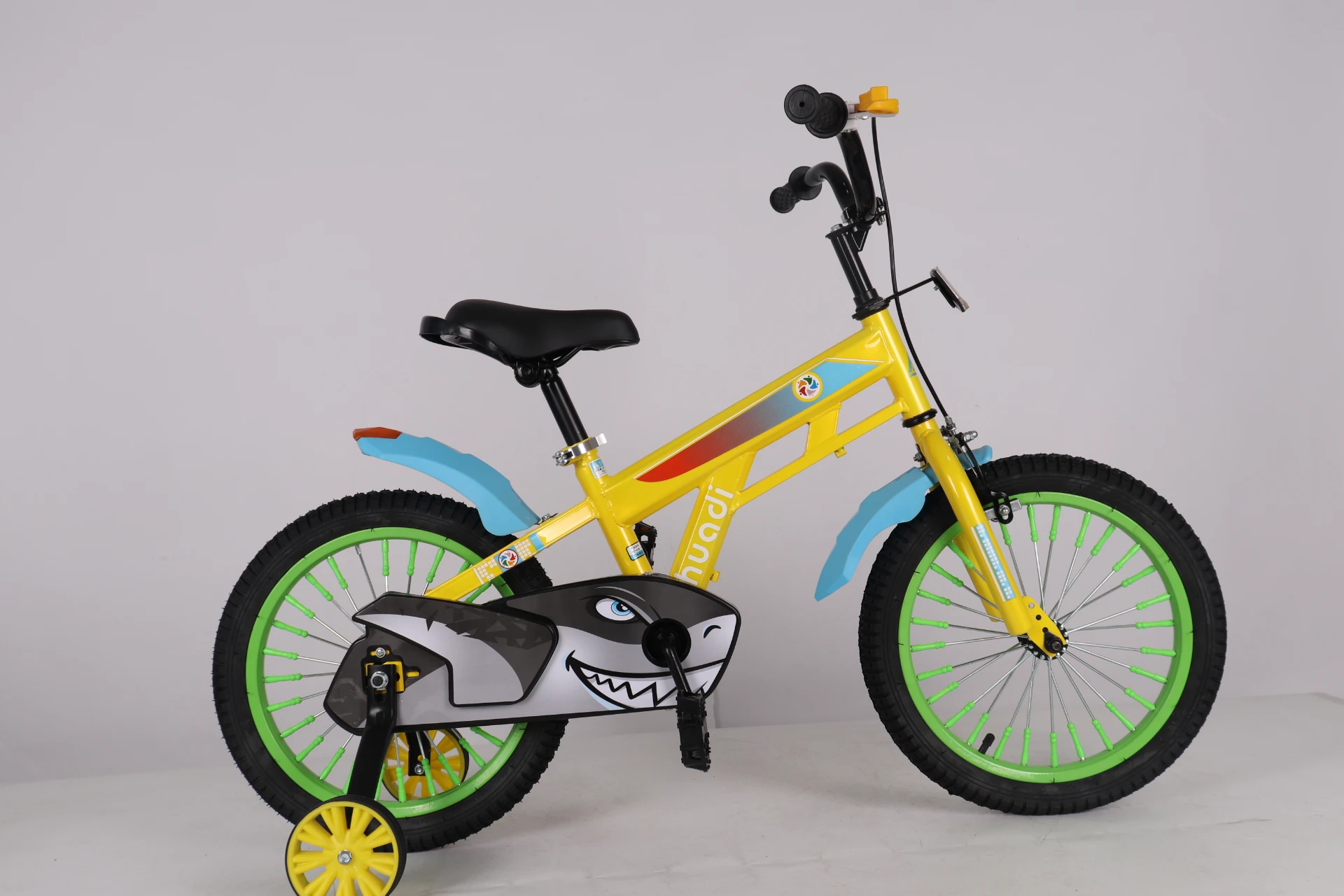
High quality kids bike children bicycle cycle cheap children bicycle with training wheel for sale
-
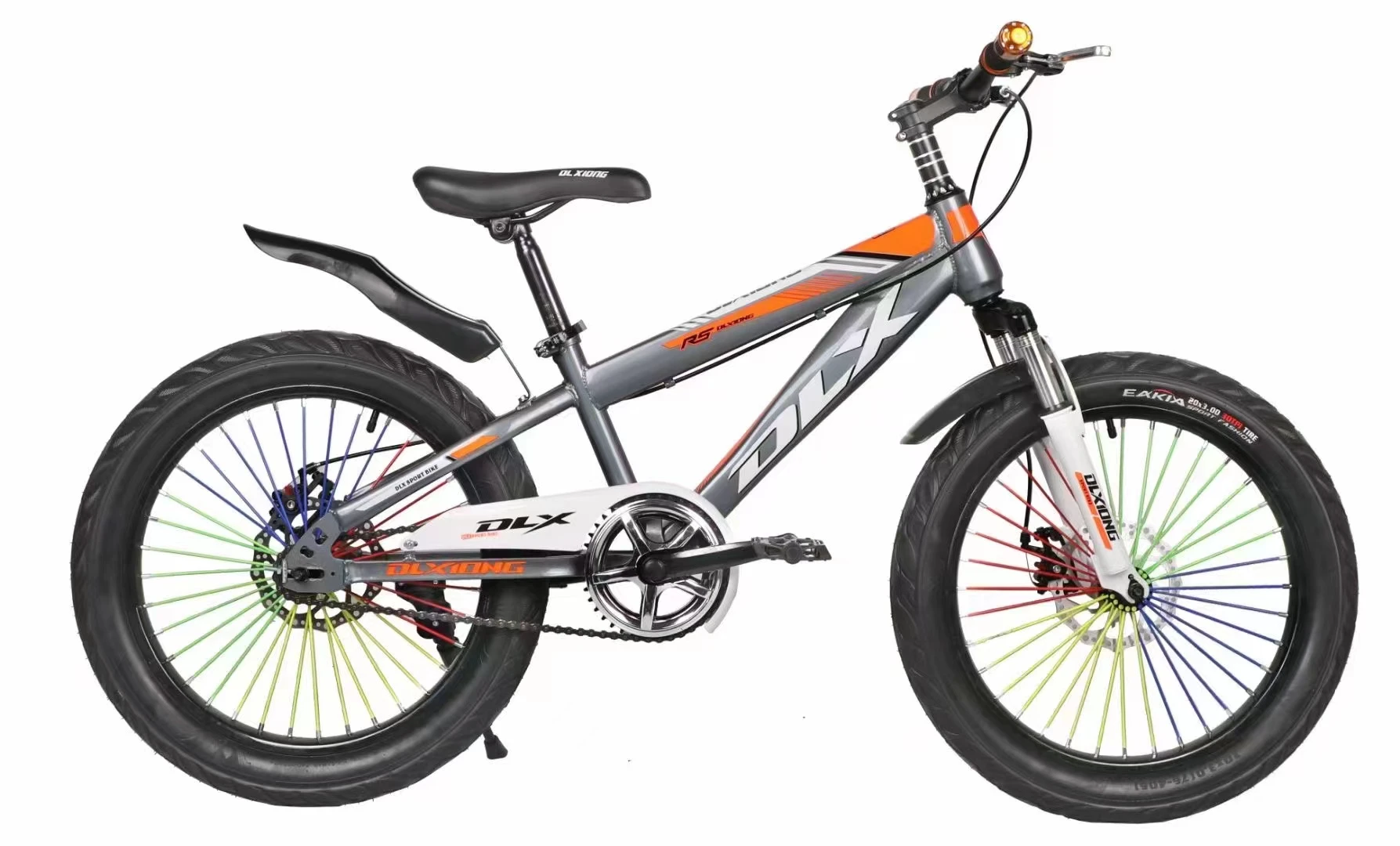
OEM 20 inch mountain bike children bikeVariable speed mountain bike suitable for student sports
-
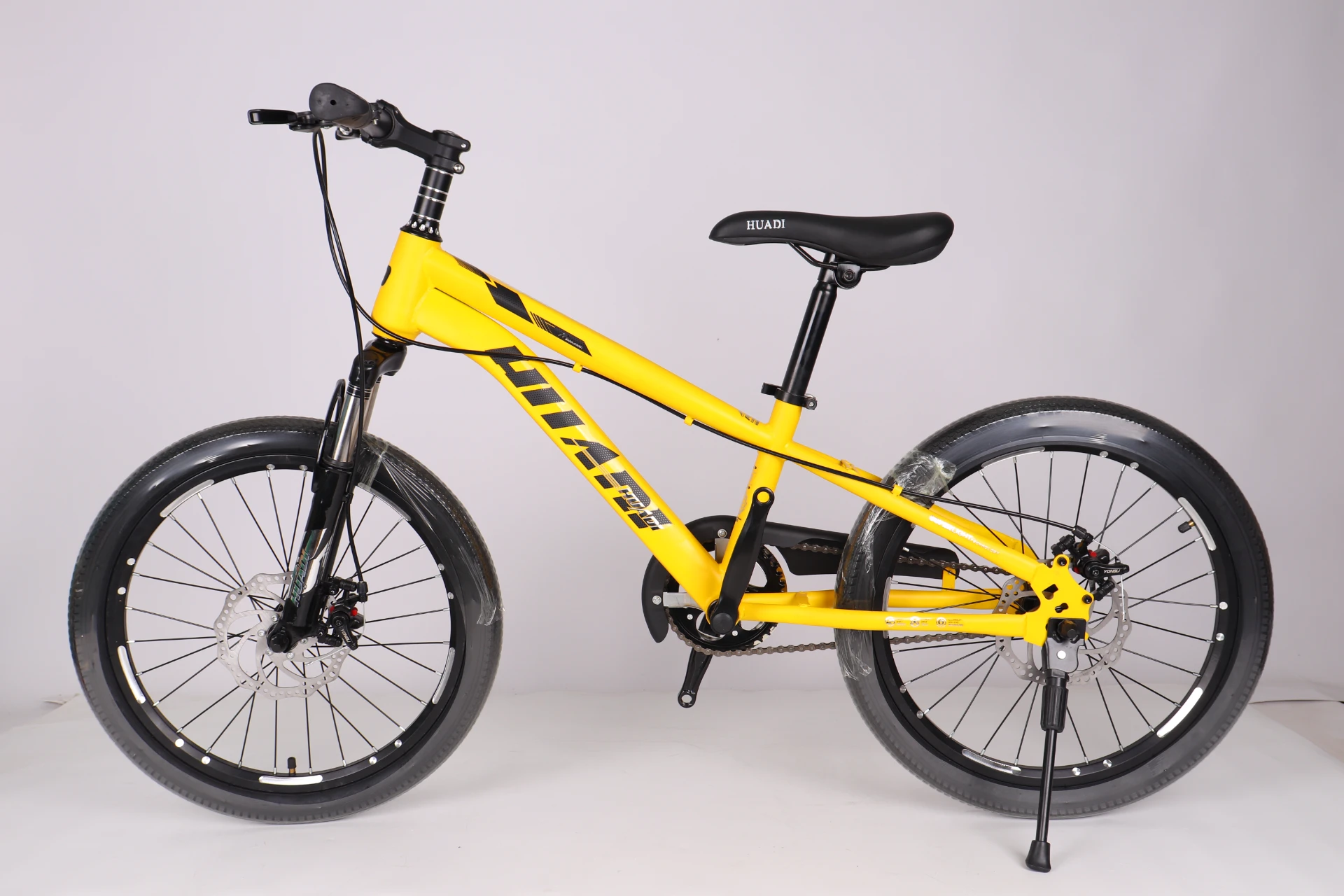
18 20 22 inch Children bike mountain bikes for 13 year old boy cycle for class 5 bicycle for 10year old boy kids
-
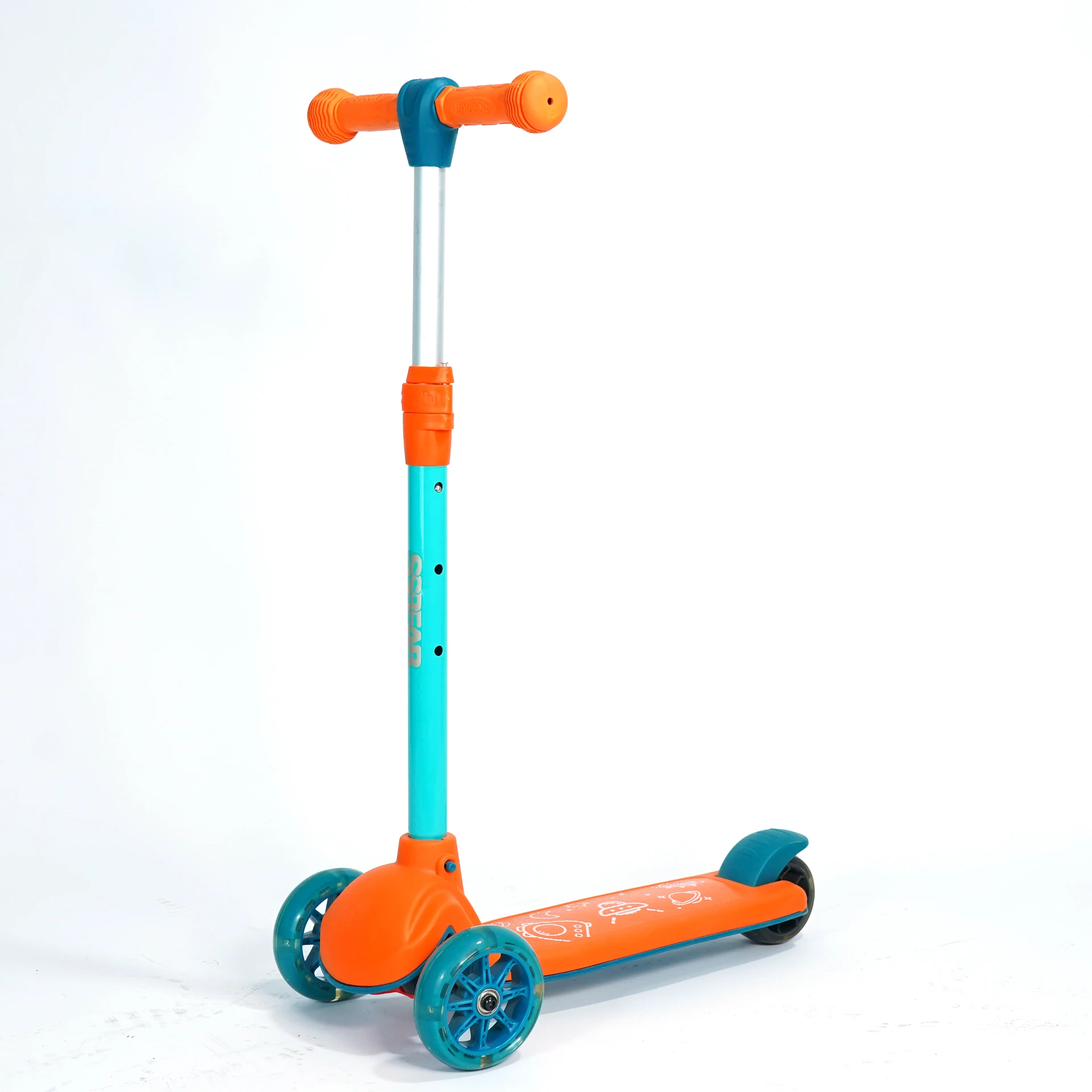
Hot Sale Kids Scooter 3 Pu Light-Up Wheel Kick Scooter For 3-6 Year Olds
-
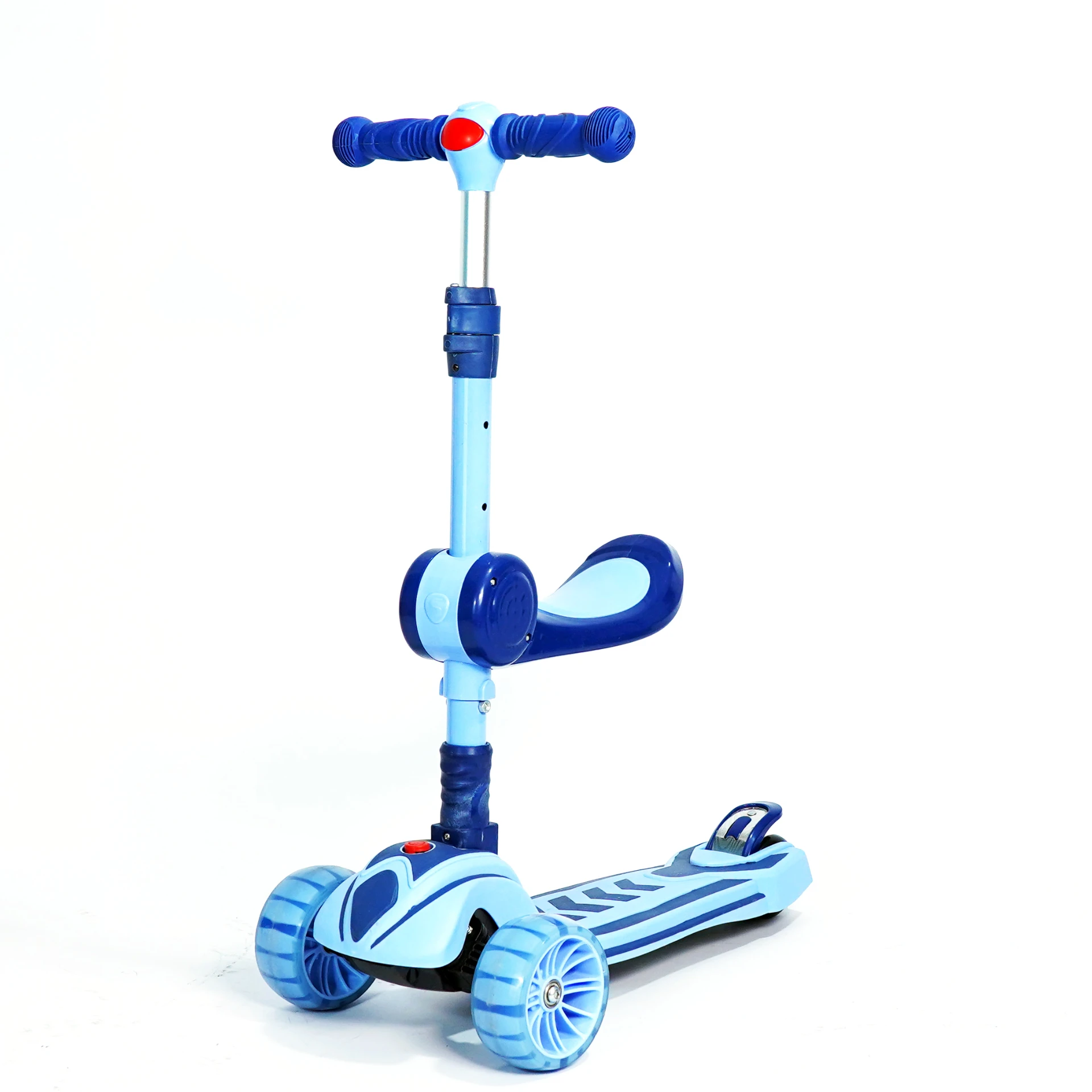
EU Child 3 To 10 Years Baby Soccer Kick Scooters & Foot Scooters For Kids Boys
-
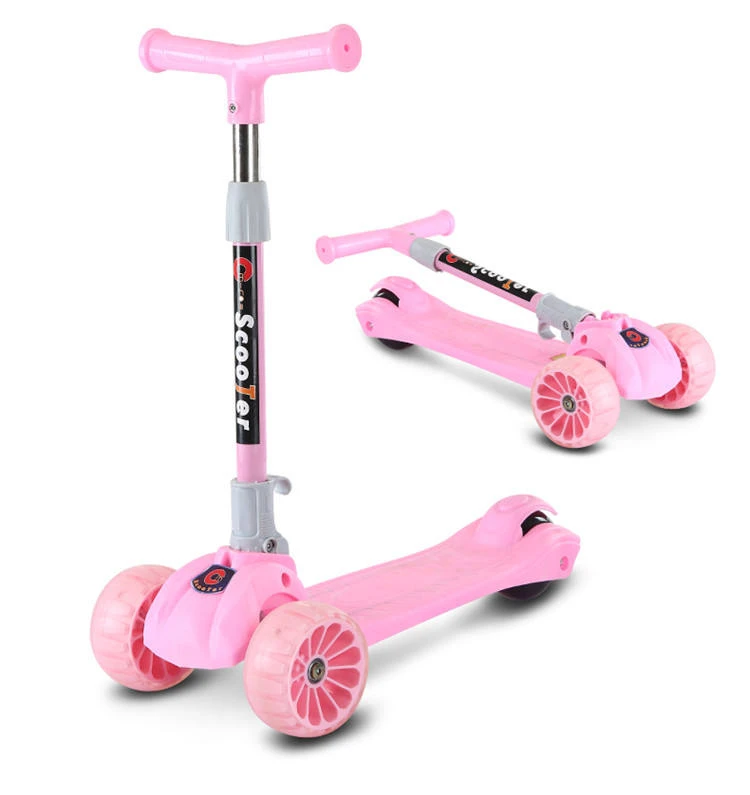
Factory Sale Kid Scooter Foot scooter Kids Kick scooter For Toddler.
-
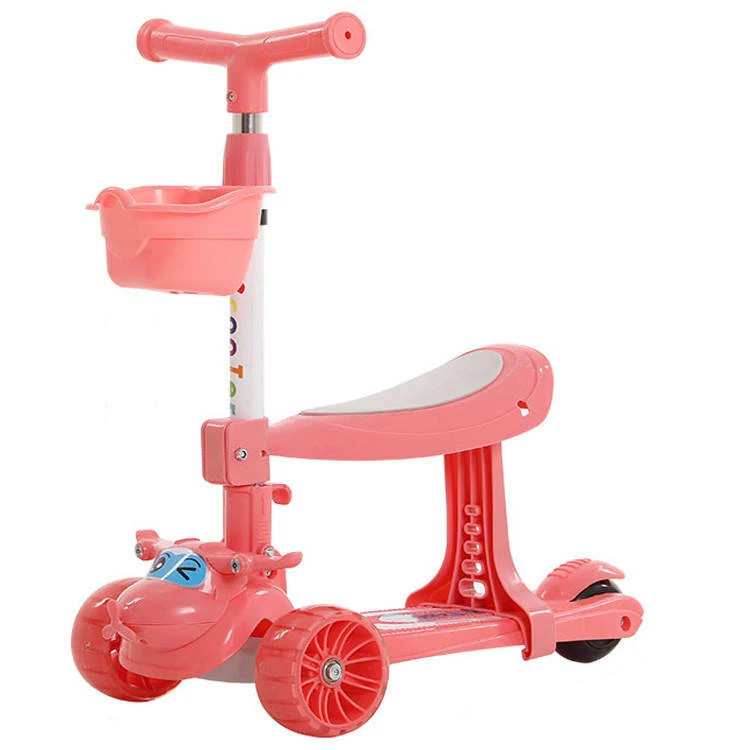
Best Seller Multifunctional Folding Kid Kick 3 Wheels Children Foot Scooter Foldable Baby Kid Scooters
-
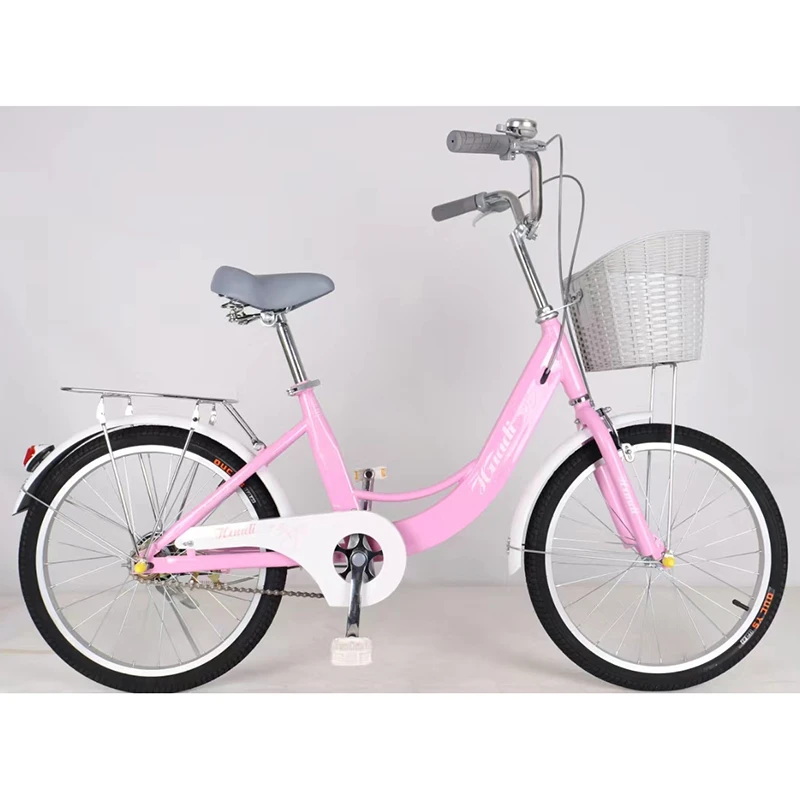
Hot sale kids bikes OEM custom cheap baby children bicycle bike beautiful cycle for girls kids
 Afrikaans
 Albanian
 Amharic
 Arabic
 Armenian
 Azerbaijani
 Basque
 Belarusian
 Bengali
 Bosnian
 Bulgarian
 Catalan
 Cebuano
 Corsican
 Croatian
 Czech
Czech
 Danish
 Dutch
Dutch
 Esperanto
 Estonian
 Finnish
 French
 Frisian
 Galician
 Georgian
 German
 Greek
Greek
 Gujarati
 Haitian Creole
 Hausa
Hausa
 Hawaiian
 Hebrew
 Hindi
Hindi
 Miao
Miao
 Hungarian
 Icelandic
 Igbo
Igbo
 Indonesian
 Irish
Irish
 Italian
 Japanese
 Javanese
 Kannada
 Kazakh
 Khmer
Khmer
 Rwandese
 Korean
 Kurdish
 Kyrgyz
 Lao
Lao
 Latin
Latin
 Latvian
 Lithuanian
 Luxembourgish
 Macedonian
 Malgashi
 Malay
Malay
 Malayalam
 Maltese
 Maori
Maori
 Marathi
 Mongolian
 Myanmar
 Nepali
 Norwegian
 Norwegian
 Occitan
 Pashto
 Persian
 Polish
 Portuguese
 Punjabi
 Romanian
 Russian
 Samoan
 Scottish Gaelic
 Serbian
 Sesotho
 Shona
Shona
 Sindhi
 Sinhala
 Slovak
 Slovenian
 Somali
 Spanish
 Sundanese
 Swahili
 Swedish
 Tagalog
 Tajik
Tajik
 Tamil
Tamil
 Tatar
Tatar
 Telugu
 Thai
Thai
 Turkish
 Turkmen
 Ukrainian
 Urdu
Urdu
 Uighur
 Uzbek
Uzbek
 Vietnamese
 Welsh
Welsh
 Bantu
Bantu
 Yiddish
 Yoruba
 Zulu
Zulu
 English