Finding the right set of wheels for your little one isn't just about picking a color or a cool design. It's about safety, proper fit, and building a foundation for a lifetime of active fun. Good bikes for kids are an investment in their physical and mental well-being, encouraging exploration, confidence, and independence. From balance bikes for toddlers to geared bikes for older children, choosing wisely is crucial. It’s what I tell parents every time I’m at a youth event helping with bike safety checks.
The global market for children’s bicycles is substantial and growing, fueled by increasing awareness of the benefits of physical activity and a rising disposable income in many parts of the world. According to a report by Statista, the bicycle market is expected to reach $80.78 billion by 2028. This growth isn't just about leisure; it's also linked to sustainable transportation initiatives and encouraging eco-friendly habits from a young age. The UN Sustainable Development Goals emphasize the importance of healthy lifestyles and sustainable cities, and bikes play a key role in both.
But a growing market also means a wider range of quality – and a lot of bikes that just don’t cut it when it comes to safety or durability. That’s where understanding what truly constitutes good bikes for kids becomes paramount. It's not simply about the lowest price point; it's about finding a bike built to last, designed for a child’s developing body, and equipped with features that prioritize safety and ease of use. You see a lot of flimsy things out there, and a cheap bike can end up costing a parent more in the long run with repairs and replacements.
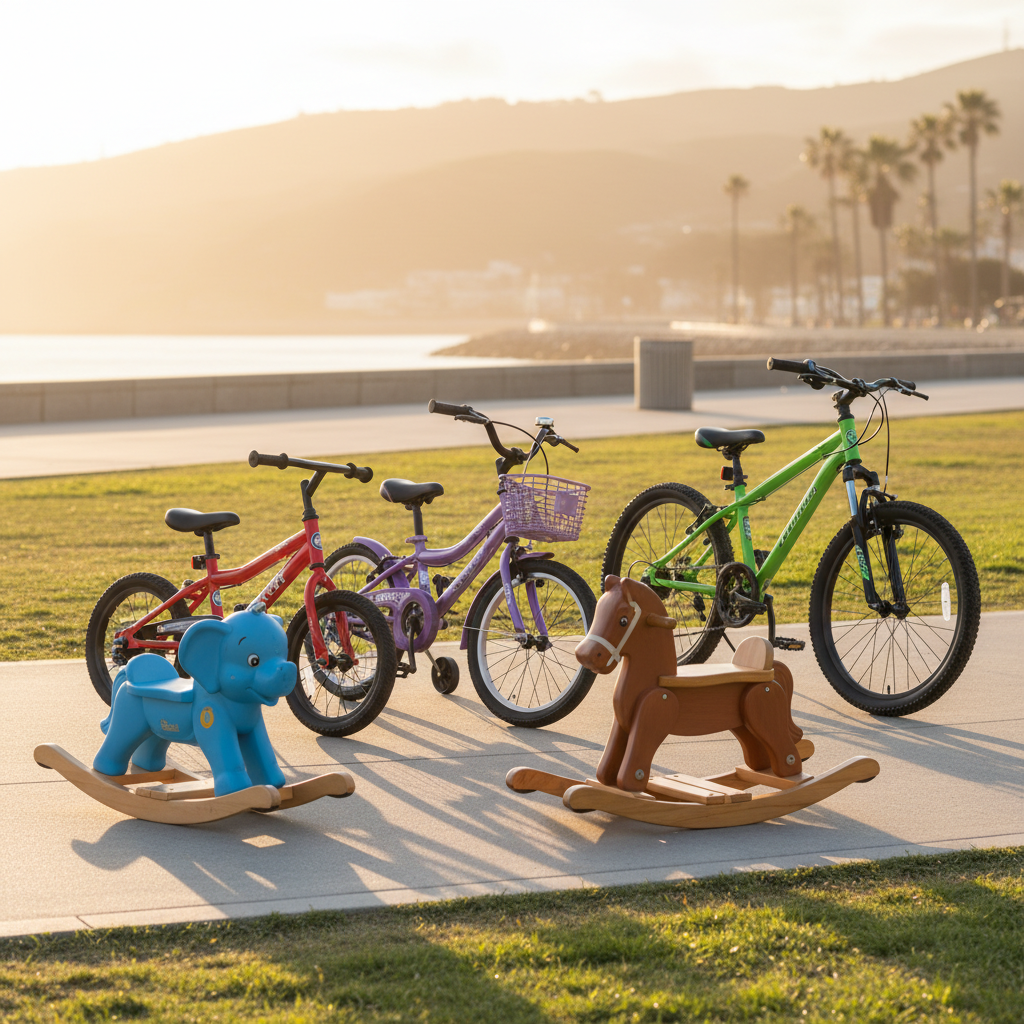
Defining Good Bikes for Kids
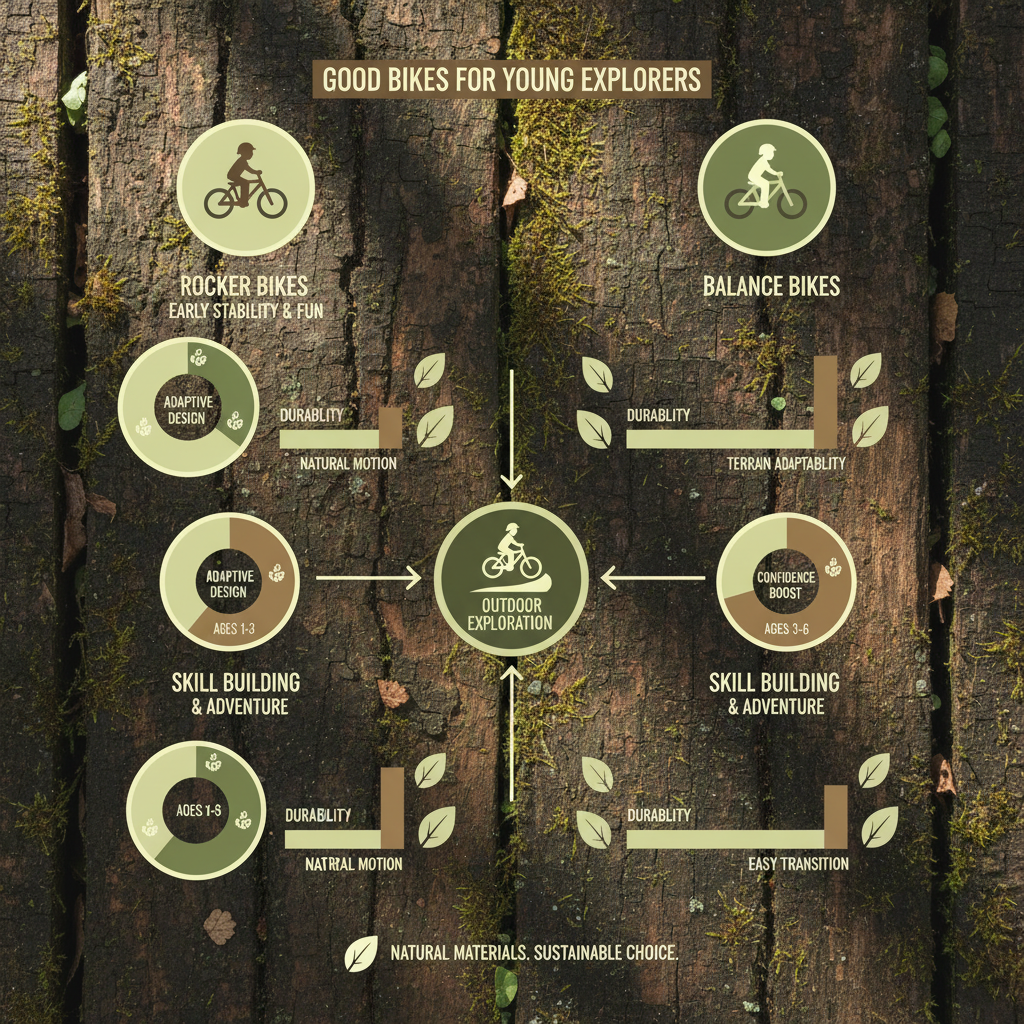
Simply put, good bikes for kids are those built with quality components, designed with a child’s anatomy and developmental stage in mind, and prioritize safety above all else. It’s not about the flashiest paint job or the latest gadgets, but about a bike that’s easy to control, comfortable to ride, and built to withstand the rigors of childhood. We're talking solid construction, reliable brakes, and a frame that fits properly.
This concept ties directly into the modern emphasis on healthy lifestyles and active transportation. Globally, there's a push to reduce childhood obesity and promote sustainable modes of transport, and bikes are a cornerstone of both. Investing in good bikes for kids isn't just about recreation, it's about building healthy habits that will last a lifetime, and it's something I see a lot of demand for from families wanting to get outdoors.
FAQS
Generally, around 18 months to 2 years is a great age to introduce a balance bike. At this age, kids have the coordination to walk and scoot, and a balance bike allows them to develop the skills they'll need for pedaling without the added complexity of pedals. It's all about learning to balance first! Starting early builds confidence and makes the transition to a pedal bike much smoother. I often see kids who started on balance bikes skip training wheels altogether.
Choosing the correct size is crucial for safety and comfort. Don't focus on age, but on inseam length. Measure your child's inseam while they’re wearing shoes, and then consult a sizing chart from the bike manufacturer. When standing over the bike, they should have at least 1-2 inches of clearance between the top tube and their crotch. The handlebars should be easily reachable without them having to overextend. A proper fit ensures they can control the bike effectively.
Coaster brakes are generally safe for very young children as they’re intuitive to use - simply pedal backwards to brake. However, they can be tricky for some kids to master, and in emergency situations, it can be difficult to apply them quickly. As children develop better coordination, transitioning to hand brakes is recommended. Always supervise your child while they are learning to use any type of brake.
Balance bikes teach children the fundamental skill of balancing, which is essential for riding a pedal bike. Training wheels provide stability, but they don't teach balance. Kids on training wheels often lean into turns, hindering their ability to develop proper steering skills. Balance bikes allow kids to learn to balance naturally, and they typically transition to a pedal bike much faster and with more confidence.
Regular inspections are essential! Before every ride, quickly check the tires for proper inflation, the brakes for responsiveness, and the handlebars for secure attachment. Monthly, perform a more thorough inspection, checking for loose bolts, worn brake pads, and any signs of damage to the frame. It's also a good idea to take the bike to a professional bike shop for a tune-up at least once a year. Safety first!
Always choose a helmet that meets safety standards (look for certifications like CPSC in the US or EN 1078 in Europe). The helmet should fit snugly and comfortably, covering the forehead and the back of the head. Make sure the chin strap is properly adjusted. It’s crucial to replace the helmet after any impact, even if there’s no visible damage, as the protective foam may be compromised. Never compromise on helmet safety.
Conclusion
In conclusion, investing in good bikes for kids is about more than just transportation. It’s about fostering a love of the outdoors, promoting healthy lifestyles, and building confidence and independence. Prioritizing quality, proper fit, and safety features will ensure your child has a positive and enjoyable riding experience. Understanding the key factors – frame material, braking systems, and sizing – empowers parents to make informed decisions.
As technology continues to evolve, we can expect to see even more innovative and safe kids’ bikes on the market. Encouraging cycling from a young age is a gift that keeps on giving, providing children with a lifelong source of fun, fitness, and freedom. For more information and a wide selection of high-quality bikes, visit our website: good bikes for kids.
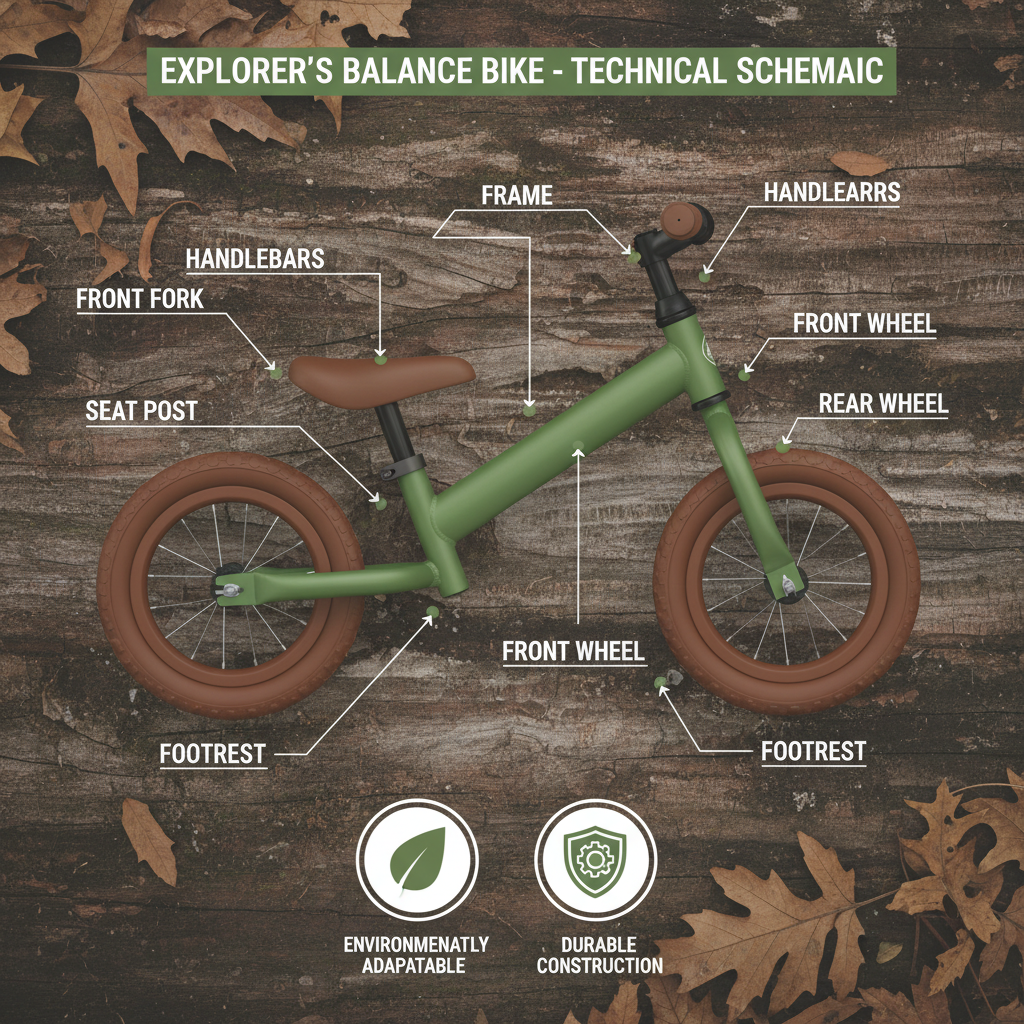
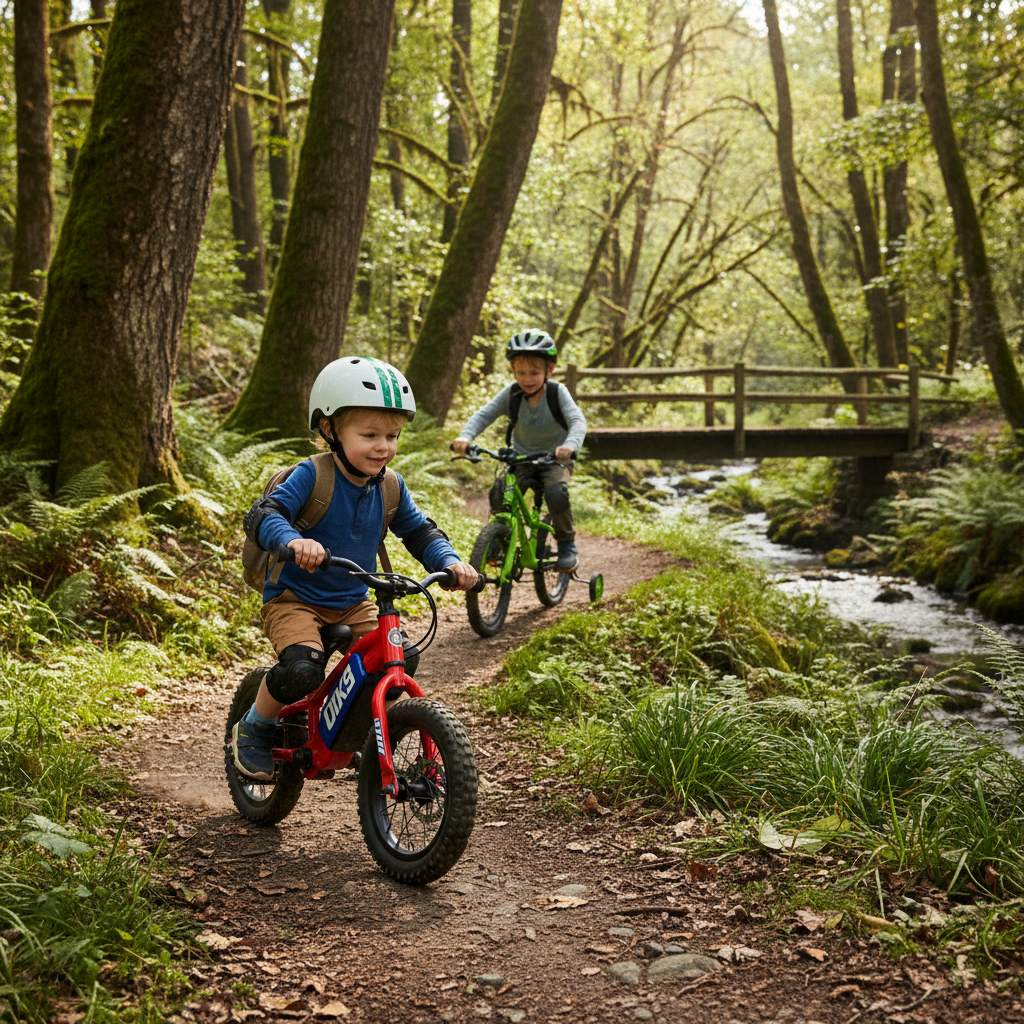
 English
  Afrikaans
  Albanian
  Amharic
  Arabic
  Armenian
  Azerbaijani
  Basque
  Belarusian
  Bengali
  Bosnian
  Bulgarian
  Catalan
  Cebuano
  Corsican
  Croatian
  Czech
Czech  Danish
  Dutch
Dutch  Esperanto
  Estonian
  Finnish
  French
  Frisian
  Galician
  Georgian
  German
  Greek
Greek  Gujarati
  Haitian Creole
  Hausa
Hausa  Hawaiian
  Hebrew
  Hindi
Hindi  Miao
Miao  Hungarian
  Icelandic
  Igbo
Igbo  Indonesian
  Irish
Irish  Italian
  Japanese
  Javanese
  Kannada
  Kazakh
  Khmer
Khmer  Rwandese
  Korean
  Kurdish
  Kyrgyz
  Lao
Lao  Latin
Latin  Latvian
  Lithuanian
  Luxembourgish
  Macedonian
  Malgashi
  Malay
Malay  Malayalam
  Maltese
  Maori
Maori  Marathi
  Mongolian
  Myanmar
  Nepali
  Norwegian
  Norwegian
  Occitan
  Pashto
  Persian
  Polish
  Portuguese
  Punjabi
  Romanian
  Russian
  Samoan
  Scottish Gaelic
  Serbian
  Sesotho
  Shona
Shona  Sindhi
  Sinhala
  Slovak
  Slovenian
  Somali
  Spanish
  Sundanese
  Swahili
  Swedish
  Tagalog
  Tajik
Tajik  Tamil
Tamil  Tatar
Tatar  Telugu
  Thai
Thai  Turkish
  Turkmen
  Ukrainian
  Urdu
Urdu  Uighur
  Uzbek
Uzbek  Vietnamese
  Welsh
Welsh  Bantu
Bantu  Yiddish
  Yoruba
  Zulu
Zulu