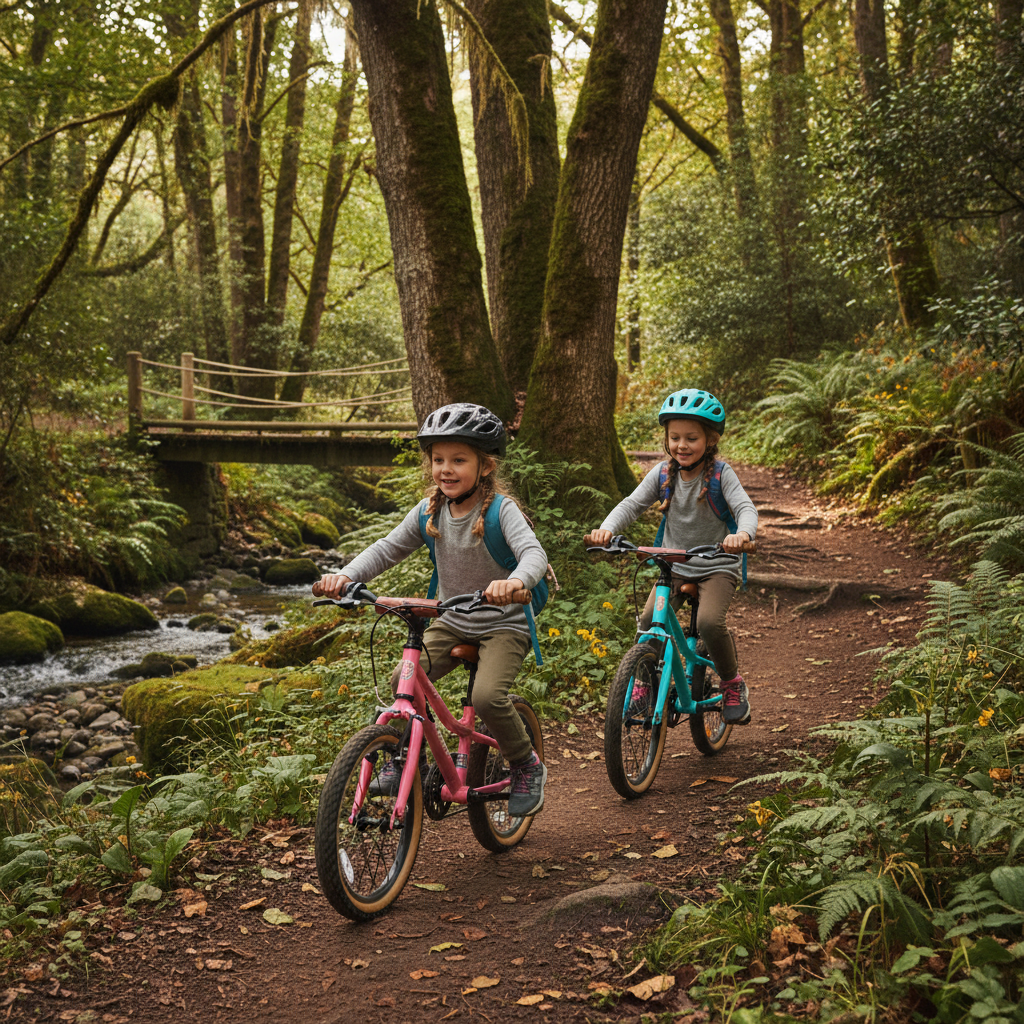
Finding the right bike for a young girl is more than just picking a color. It's about building confidence, fostering a love for the outdoors, and ensuring safety. girls' bikes for kids are designed with these principles in mind, offering a blend of durability, adjustability, and age-appropriate features. We see firsthand how a good bike empowers girls, encouraging independence and active lifestyles. The market’s grown significantly, with more options available than ever before, but navigating it requires understanding what truly matters for a young rider.
The demand for quality girls' bikes for kids is driven by increasing parental awareness of the benefits of outdoor activity and a decline in childhood physical activity levels. Globally, organizations like the World Health Organization (WHO) advocate for at least 60 minutes of moderate-to-vigorous physical activity daily for children. A bike provides a fun and accessible way to achieve this. However, the challenge lies in ensuring these bikes are affordable and readily available, particularly in underserved communities where access to recreational opportunities is limited.
Simply put, girls' bikes for kids are bicycles specifically designed for young female riders, typically ranging in age from around 3 to 12. They differ from adult bikes in size, frame geometry, and componentry, prioritizing ease of use, stability, and safety. The connection to modern industry isn't just about manufacturing; it's about innovative materials, ergonomic design informed by child development studies, and a growing focus on sustainable production practices.
Key Factors Influencing Girls' Bikes for Kids
When considering girls' bikes for kids, several key factors come into play. First, and most importantly, is the right fit. A bike that’s too big or too small will be difficult for a child to control and can hinder their learning. Frame size, seat height, and handlebar reach all need to be tailored to the rider’s height and inseam. Beyond fit, the braking system is crucial – easy-to-reach and operate levers are essential for young hands.
Weight is another significant consideration. A lighter bike is easier to maneuver and less tiring for a child to ride. Materials like aluminum alloys are often used to reduce weight without compromising strength. Finally, the overall design and aesthetics matter. A bike that a girl finds visually appealing will encourage her to use it more often. Features like bright colors, fun graphics, and comfortable saddles can make a big difference.
Global Applications and Use Cases
The need for quality girls' bikes for kids extends far beyond recreational use. In many communities, a bike is a primary mode of transportation, allowing girls to access education, healthcare, and other essential services. Organizations working in developing countries often distribute bikes to students, enabling them to travel longer distances to school, particularly in rural areas. This is especially impactful for girls, who may face greater barriers to education than boys.
We also see these bikes being used in urban environments as part of school programs promoting active transportation and reducing traffic congestion. Furthermore, bikes can play a role in disaster relief efforts, providing a means of transportation when roads are impassable. The versatility of girls' bikes for kids makes them a valuable asset in diverse settings worldwide.
In post-disaster relief operations, durable and lightweight bikes can be crucial for delivering aid and facilitating communication. Similarly, in remote industrial zones, a bike offers an efficient and environmentally friendly alternative to motorized transport for workers. The ability of a child to safely and independently navigate their environment is amplified by the availability of a reliable bike.
Durability and Frame Materials
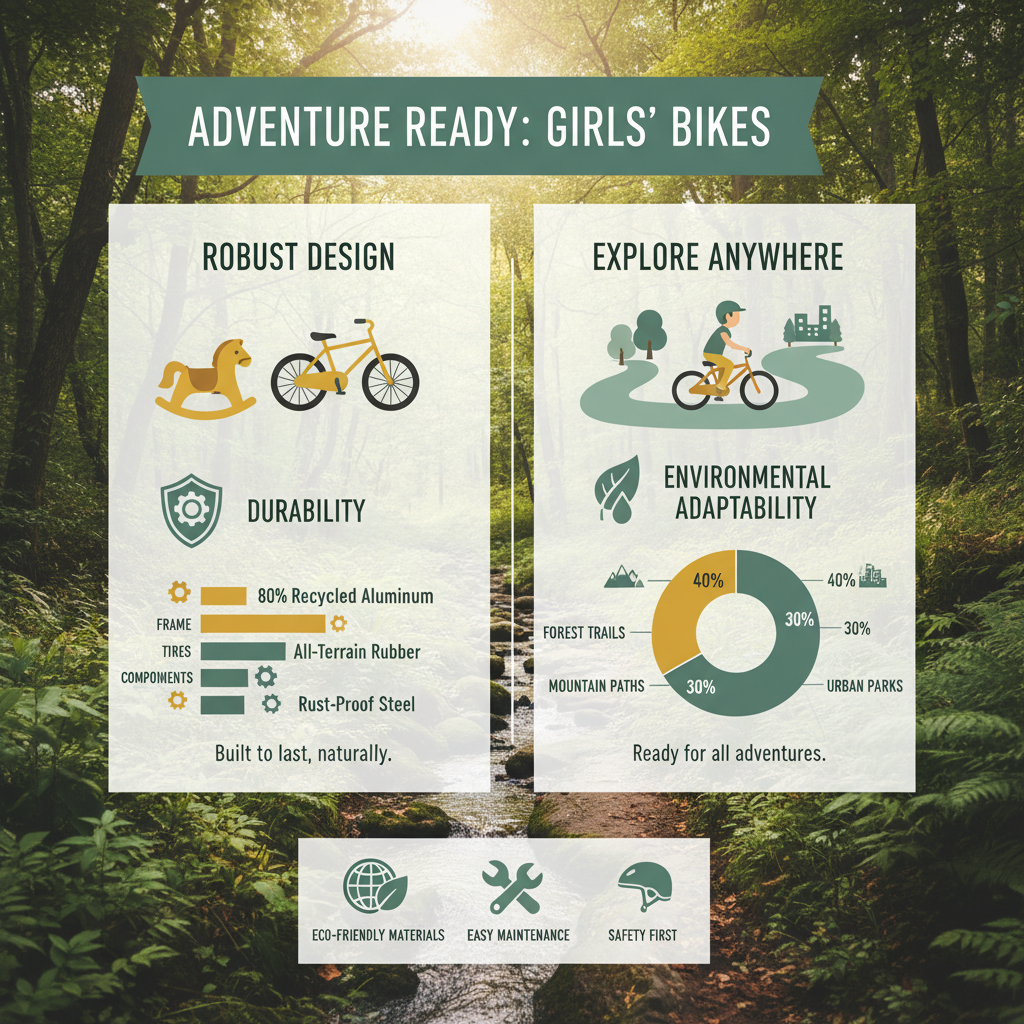
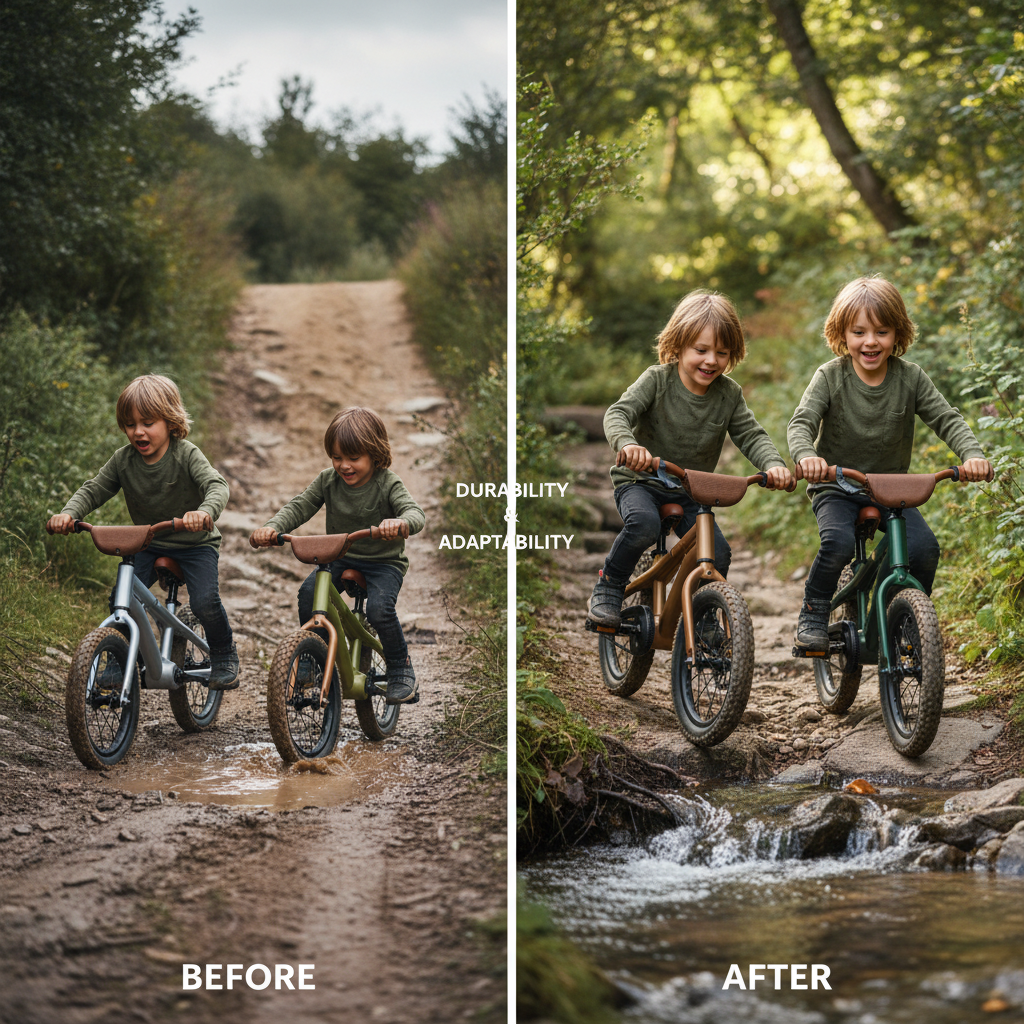
The durability of girls' bikes for kids is paramount. These bikes take a beating – from crashes and scrapes to being left out in the elements. That’s why the frame material is so critical. Steel frames are robust and relatively inexpensive, but they're also heavier. Aluminum alloy frames offer a good balance of strength and weight, making them a popular choice for higher-end models.
We’ve also seen increasing use of carbon fiber in some models, providing exceptional strength and lightness, but at a higher cost. Beyond the frame, the quality of components like tires, brakes, and gears contributes significantly to the overall durability. Investing in quality parts will extend the lifespan of the bike and reduce the need for frequent repairs.
Proper maintenance, of course, is essential. Regular cleaning, lubrication, and tightening of bolts will help keep the bike in good working condition. Teaching children basic bike maintenance skills is also a valuable lesson in responsibility and self-reliance.
Scalability and Size Adjustments
Children grow quickly, so scalability is a key consideration when choosing a girls' bike for kids. Ideally, the bike should offer a range of adjustments to accommodate growth spurts. Adjustable seat posts and handlebars are essential features, allowing you to raise or lower them as the child grows.
Some bikes also feature adjustable stem lengths, providing even more flexibility. Rather than buying a new bike every year, a bike with good adjustability can last for several years, making it a more cost-effective option. It's important to choose a bike that’s initially sized appropriately, but with enough room for growth to avoid the child outgrowing it too quickly.
Average Growth Rate Adjustment Needed for Girls' Bikes for Kids
Output theme five here, the name should be consistent with the above, and the ID should also be consistent with the anchor link above
Cost-efficiency is a major consideration for parents, and the price of girls' bikes for kids can vary significantly. Lower-priced bikes often use less durable materials and components, requiring more frequent repairs or replacements. However, a higher price doesn't always guarantee better value.
It’s crucial to assess the overall value proposition, considering factors like build quality, adjustability, and warranty. A bike that lasts longer and requires less maintenance can ultimately be more cost-effective than a cheaper option that needs to be replaced frequently.
Output theme six here, the name should be consistent with the above, and the ID should also be consistent with the anchor link above
The advantages of providing a girl with her own bike extend far beyond physical fitness. It fosters a sense of independence, self-confidence, and freedom. Learning to ride a bike is a milestone that many children cherish, and it can create lasting memories. It also promotes social interaction, allowing girls to ride with friends and participate in group activities.
From a long-term perspective, investing in a quality bike encourages a healthy lifestyle and instills a love for outdoor recreation. It can also have a positive impact on academic performance, as regular physical activity is linked to improved cognitive function. Furthermore, a bike provides a sustainable and environmentally friendly mode of transportation.
The psychological impact is just as important. A bike empowers girls to explore their surroundings, build resilience, and develop a sense of accomplishment. It's a gift that keeps on giving, providing years of enjoyment and benefits.
Output theme seven here, the name should be consistent with the above, and the ID should also be consistent with the anchor link above
The future of girls' bikes for kids is poised for innovation, driven by advancements in materials science, digital technology, and a growing focus on sustainability. We're seeing the development of lighter and stronger frame materials, like advanced aluminum alloys and recycled composites.
Electric assist bikes (e-bikes) are becoming increasingly popular, providing a boost to young riders tackling hills or longer distances. Digital features, such as GPS tracking and integrated safety lights, are also being incorporated into bike designs. Furthermore, there’s a growing trend towards personalized bike customization, allowing girls to create bikes that reflect their individual style and preferences.
Sustainability is another key driver of innovation, with manufacturers exploring eco-friendly materials and production processes. The goal is to create bikes that are not only fun and functional but also environmentally responsible.
Summary of Emerging Trends in Girls' Bikes for Kids
| Trend Category |
Key Features |
Potential Benefits |
Implementation Challenges |
| Advanced Materials |
Carbon fiber, recycled aluminum |
Increased strength, reduced weight |
Higher production costs |
| Electric Assist |
Integrated motors, battery packs |
Easier hill climbing, extended range |
Battery weight, safety concerns |
| Digital Integration |
GPS tracking, safety lights |
Enhanced safety, parental peace of mind |
Data privacy, battery life |
| Customization |
Personalized colors, graphics |
Increased engagement, self-expression |
Manufacturing complexity, lead times |
| Sustainable Production |
Recycled materials, eco-friendly coatings |
Reduced environmental impact |
Material sourcing, cost considerations |
| Ergonomic Design |
Adjustable components, optimized geometry |
Enhanced comfort, reduced risk of injury |
Research and development costs |
FAQS
Determining the correct size involves considering her height and inseam, not just her age. A 16-inch wheel bike is typically a good starting point for 6-year-olds, but measure her inseam to ensure she can comfortably stand over the frame with a few inches of clearance. A properly sized bike will allow her to easily reach the pedals and handlebars without straining. Always prioritize safety and fit over aesthetics.
Coaster brakes (pedaling backwards to stop) are generally easier for young children to grasp initially, as they don’t require hand strength or coordination. However, hand brakes are ultimately more effective and allow for more controlled stopping. It's best to start with coaster brakes and gradually introduce hand brakes as the child develops their skills and coordination. Consider bikes with both types of brakes for a smoother transition.
Regular maintenance is crucial for safety and longevity. Check tire pressure weekly, lubricate the chain monthly, and inspect the brakes for proper function before each ride. Periodically tighten all bolts and screws. A quick visual inspection before each ride can identify potential problems early on. A professional tune-up once a year is also recommended.
Aluminum frames are lighter than steel frames, making the bike easier for a child to maneuver. Steel frames are more durable and typically less expensive. For younger children, the lighter weight of aluminum is often preferred. For older children or those who ride more aggressively, a steel frame can offer greater strength and stability.
A properly fitted helmet is the most important piece of safety gear. Knee and elbow pads are also recommended, especially for beginners. Brightly colored clothing increases visibility, and gloves can protect hands in case of a fall. Encourage your child to learn and follow traffic rules and always ride in a safe, supervised area.
The lifespan depends on the quality of the bike, how often it's used, and how well it's maintained. With proper care, a well-built bike can last for several years, even as a child grows. Adjustable features like seat posts and handlebars can extend the bike's usability. Consider the possibility of passing the bike down to younger siblings or friends when your child outgrows it.
Conclusion
In conclusion, choosing the right girls' bikes for kids is a multifaceted decision. It's about more than just finding a pretty bike; it's about prioritizing safety, fit, durability, and the long-term benefits of fostering an active lifestyle. By understanding the key factors outlined above, parents can confidently select a bike that will empower their daughters to explore, learn, and grow.
Looking ahead, we can expect continued innovation in materials, design, and technology, making girls’ bikes even more safe, comfortable, and enjoyable to ride. We encourage parents to prioritize quality, invest in proper maintenance, and most importantly, to create positive experiences that foster a lifelong love of cycling. Visit our website at www.zhongzhoubike.com to explore our wide selection of high-quality girls' bikes!

 English
  Afrikaans
  Albanian
  Amharic
  Arabic
  Armenian
  Azerbaijani
  Basque
  Belarusian
  Bengali
  Bosnian
  Bulgarian
  Catalan
  Cebuano
  Corsican
  Croatian
  Czech
Czech  Danish
  Dutch
Dutch  Esperanto
  Estonian
  Finnish
  French
  Frisian
  Galician
  Georgian
  German
  Greek
Greek  Gujarati
  Haitian Creole
  Hausa
Hausa  Hawaiian
  Hebrew
  Hindi
Hindi  Miao
Miao  Hungarian
  Icelandic
  Igbo
Igbo  Indonesian
  Irish
Irish  Italian
  Japanese
  Javanese
  Kannada
  Kazakh
  Khmer
Khmer  Rwandese
  Korean
  Kurdish
  Kyrgyz
  Lao
Lao  Latin
Latin  Latvian
  Lithuanian
  Luxembourgish
  Macedonian
  Malgashi
  Malay
Malay  Malayalam
  Maltese
  Maori
Maori  Marathi
  Mongolian
  Myanmar
  Nepali
  Norwegian
  Norwegian
  Occitan
  Pashto
  Persian
  Polish
  Portuguese
  Punjabi
  Romanian
  Russian
  Samoan
  Scottish Gaelic
  Serbian
  Sesotho
  Shona
Shona  Sindhi
  Sinhala
  Slovak
  Slovenian
  Somali
  Spanish
  Sundanese
  Swahili
  Swedish
  Tagalog
  Tajik
Tajik  Tamil
Tamil  Tatar
Tatar  Telugu
  Thai
Thai  Turkish
  Turkmen
  Ukrainian
  Urdu
Urdu  Uighur
  Uzbek
Uzbek  Vietnamese
  Welsh
Welsh  Bantu
Bantu  Yiddish
  Yoruba
  Zulu
Zulu