Look, I’ve spent the last fifteen years on construction sites, getting my hands dirty, and watching kids zip around on their bikes. That's why a good, reliable small bike for kids isn't just a toy – it’s about freedom, building confidence, and getting them active from a young age. We’re talking about quality construction, thoughtful design, and something that can actually withstand a kid being a kid. It's not just about getting from A to B; it's about building memories and a lifelong love of being outdoors.
From a practical standpoint, I see a lot of bikes that just don't cut it. They're flimsy, the brakes are weak, and before you know it, you’re replacing parts. A solid small bike for kids needs to be built to last, with components that are easy to maintain, and a design that prioritizes safety. I've seen too many close calls because someone cut corners on the essentials. It’s a direct impact on a kid's enjoyment and, more importantly, their safety.
And it’s not just about the bike itself. It's about the whole experience. Parents want peace of mind, kids want something cool, and everyone wants a good value. Finding that sweet spot takes a deep understanding of materials, manufacturing, and what actually matters on the ground, not just in a showroom. That’s where a small bike for kids really shines when it’s built right.
The Importance of a Quality small bike for kids
I’ve seen firsthand the impact a good bike has on a kid's development. It’s not just about physical activity; it's about learning coordination, balance, and problem-solving. A well-built small bike for kids fosters independence and confidence. It allows them to explore their surroundings and connect with their friends in a way that simply isn't possible otherwise.
What gets overlooked is the durability factor. Kids are tough on their stuff, plain and simple. Cheap bikes end up in the scrap heap quickly, which isn’t sustainable or cost-effective for parents. A quality bike, built with the right materials and construction techniques, will last longer, be safer, and ultimately provide a better experience for everyone involved.
Understanding the Global Market for small bike for kids
The demand for small bike for kids is global, and it's growing. With increased awareness of childhood obesity and the importance of active lifestyles, parents are actively seeking ways to get their kids outdoors. This trend is particularly strong in urban areas, where safe, dedicated spaces for kids to play are becoming increasingly scarce.
We're seeing a surge in demand from emerging markets where families are prioritizing education and health for their children. The UN’s Sustainable Development Goals emphasize well-being and active lifestyles, which translates directly to increased demand for quality children’s products like bikes. It’s not just a luxury item anymore; it's seen as an investment in a child’s future.
The challenge, though, is ensuring affordability and accessibility. That's where smart manufacturing, efficient supply chains, and a focus on value become critical. It’s not enough to just build a good bike; you have to build a good bike that families can actually afford.
Defining a Reliable small bike for kids
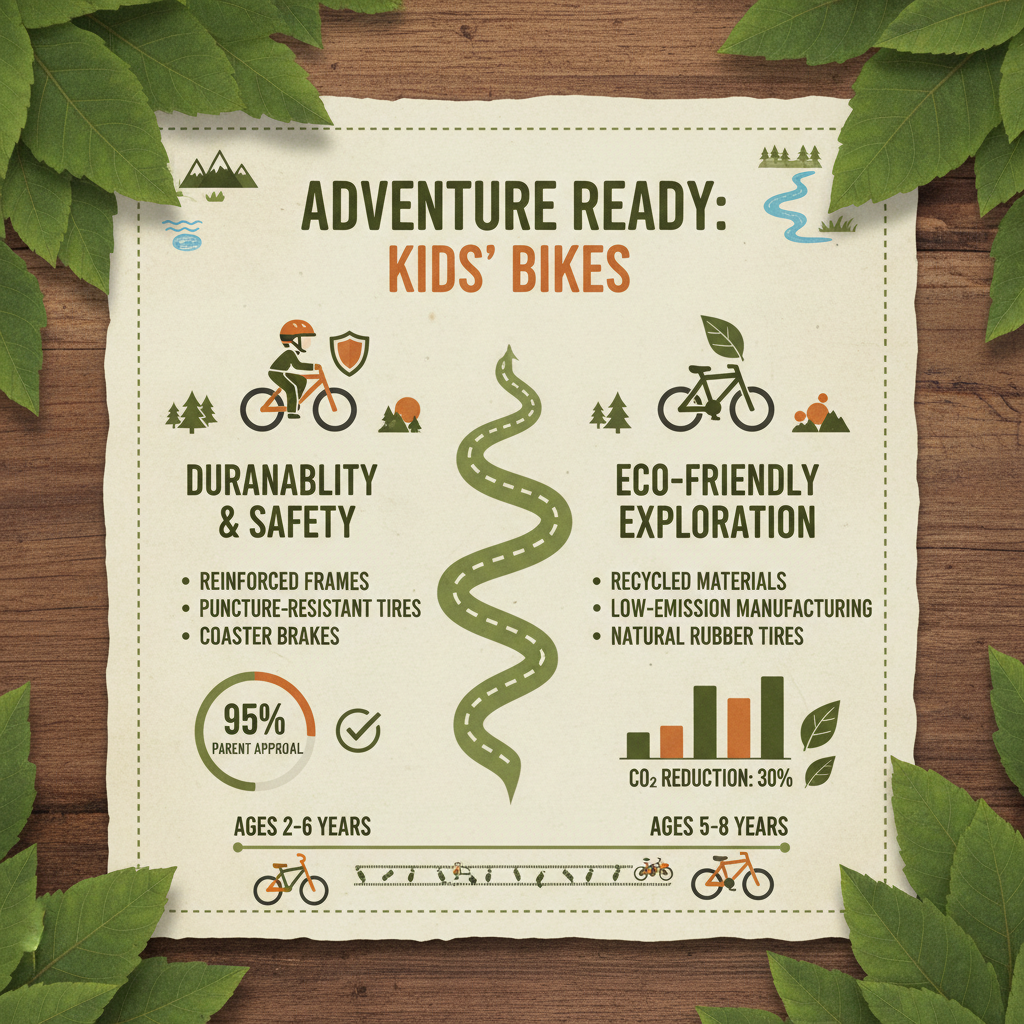
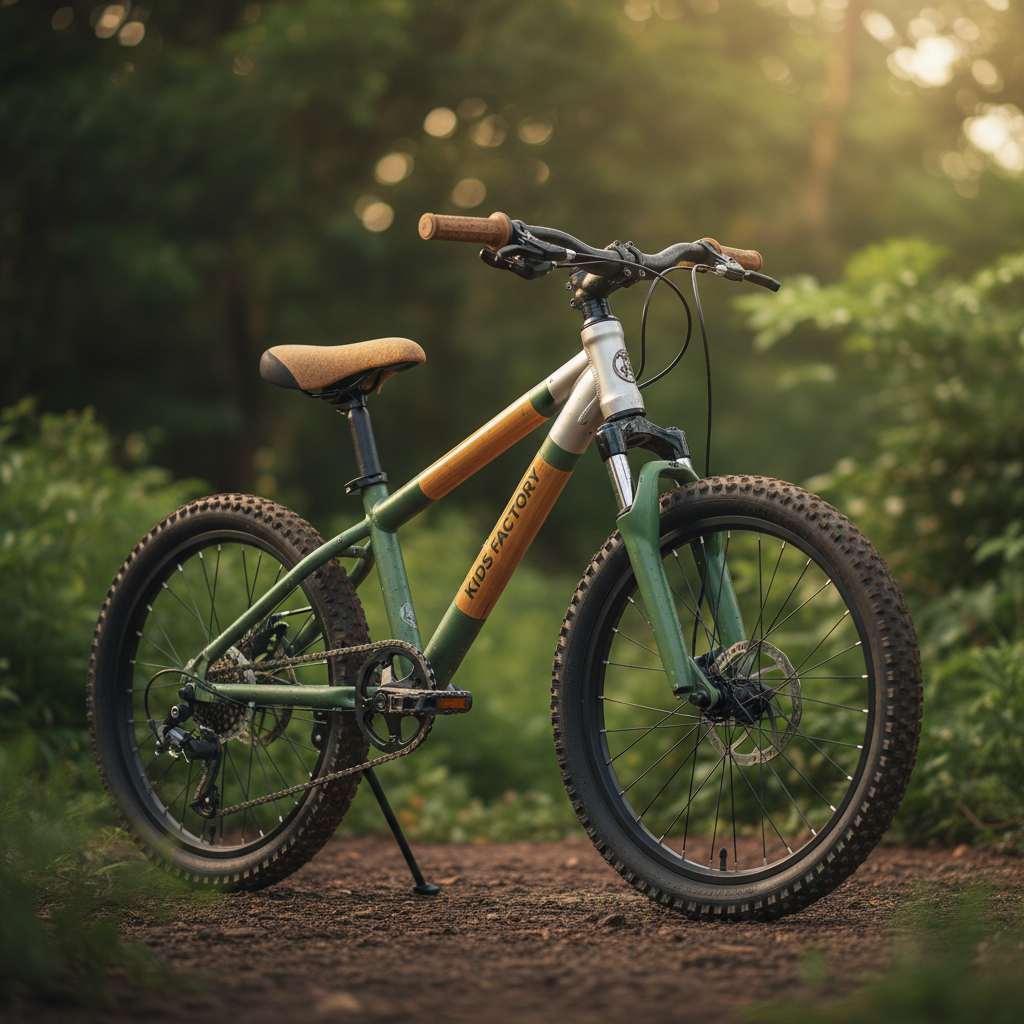
To me, a reliable small bike for kids starts with the frame. Steel is still a workhorse, providing excellent durability, but aluminum alloys offer a good balance of weight and strength. The welding needs to be top-notch, and the finish should be resistant to rust and corrosion. I've seen too many frames fail at stress points because of poor craftsmanship.
Beyond the frame, it's about the components. Brakes are non-negotiable – they need to be responsive and reliable, even with small hands. Tires need to provide good grip and be puncture-resistant. And the drivetrain – the pedals, chain, and gears – needs to be smooth and easy to operate. A frustrating bike is a bike that won't get ridden.
Safety features are also paramount. Chain guards, padded handlebars, and reflectors are essential. But it’s not just about adding features; it’s about integrating them seamlessly into the design to avoid creating new hazards. A well-designed small bike for kids prioritizes safety without compromising on fun.
Key Factors for Selecting a small bike for kids
Let’s be real, choosing a small bike for kids isn't just about picking a color. There are several key factors to consider. First, size. Getting the right size is crucial for safety and comfort. A bike that’s too big or too small will be difficult to control and can lead to accidents.
Second, weight. A lighter bike is easier for a child to maneuver and handle, especially when they're just learning. Heavier bikes require more effort and can be discouraging. Third, brake type. Coaster brakes (pedal back to stop) are simple for young children, but hand brakes offer more control as they develop.
Quality Metrics for Selecting a small bike for kids
Global Applications and Use Cases of small bike for kids
You'll see small bike for kids everywhere, from parks and playgrounds to schoolyards and neighborhoods. They’re used for recreation, commuting to school, and simply enjoying the outdoors. In many European cities, dedicated bike lanes and bike-sharing programs are making cycling safer and more accessible for children.
In developing countries, bikes often serve as a primary mode of transportation, and a small bike for kids can provide children with access to education and healthcare. NGOs often distribute bikes to students in rural areas who have to travel long distances to school.
Advantages and Long-Term Value of small bike for kids
The tangible benefits of a good small bike for kids are numerous: improved physical health, increased independence, and reduced reliance on cars. But the long-term value extends beyond that. Learning to ride a bike builds confidence, problem-solving skills, and a sense of accomplishment.
Emotionally, it's about creating lasting memories and fostering a love of the outdoors. Logically, it’s an investment in a child’s well-being and future. A bike isn’t just a possession; it's a tool for growth and exploration.
Future Trends and Innovations in small bike for kids
We’re seeing a lot of innovation in the small bike for kids space, from lightweight materials and improved braking systems to integrated safety features and smart technology. Electric assist bikes for kids are also becoming increasingly popular, making it easier for them to tackle hills and longer distances.
Sustainability is a huge focus. Manufacturers are exploring eco-friendly materials and manufacturing processes to reduce their environmental impact. Digital integration is also playing a role, with apps that track rides, monitor performance, and connect kids with their friends.
The future is about creating bikes that are not only fun and safe but also sustainable and connected. It’s about leveraging technology to enhance the riding experience and promote a lifelong love of cycling.
Core Analysis of Challenges and Solutions for small bike for kids
| Challenge |
Impact on small bike for kids |
Proposed Solution |
Implementation Feasibility (1-10) |
| High Manufacturing Costs |
Limits affordability and market access. |
Optimize supply chain, explore alternative materials. |
7 |
| Ensuring Safety Standards |
Risk of injuries due to poor design or materials. |
Strict quality control, adherence to international safety standards. |
9 |
| Limited Size Range |
Difficulty finding the right fit for all children. |
Expand size options, offer adjustable components. |
6 |
| Durability Concerns |
Short lifespan, frequent repairs or replacements. |
Use high-quality materials, robust construction techniques. |
8 |
| Competition from Low-Cost Imports |
Price pressure, erosion of market share. |
Focus on value proposition, brand building, and differentiation. |
5 |
| Sustainable Material Sourcing |
Environmental impact of material extraction and processing. |
Utilize recycled materials, explore bio-based alternatives. |
7 |
FAQS
Typically, a small bike for kids is ideal for children aged 3-8 years old. However, it truly depends on the child's height and inseam. Always measure their inseam to ensure the bike's seat can be adjusted to a safe and comfortable height. A bike that’s too big is dangerous, and one that’s too small will be quickly outgrown. Look for bikes with adjustable seat and handlebar heights to maximize usability.
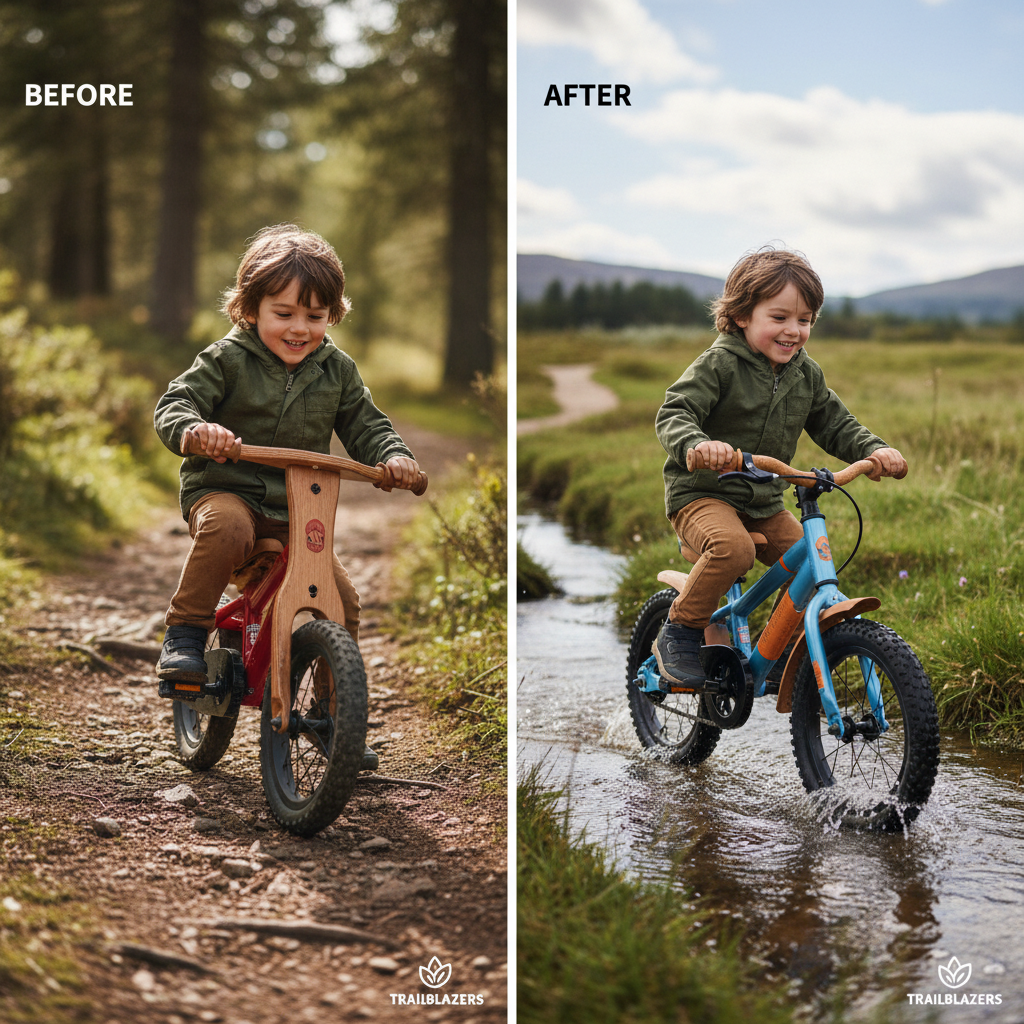
Balance bikes don't have pedals. Kids propel themselves with their feet, learning balance and steering. They’re fantastic for developing coordination and confidence before transitioning to a pedal bike. Pedal bikes, of course, use pedals for propulsion. I often recommend starting with a balance bike to build skills, then moving to a small bike for kids with pedals when they're ready, which usually makes the transition much smoother.
At a minimum, inspect the small bike for kids before every ride. Check the brakes, tires (inflation and tread), handlebars, and seat. Make sure all bolts are tight. A quick check can prevent accidents. I also recommend a more thorough inspection every month, including lubricating the chain and checking for wear and tear on components.
Generally, yes. A lighter small bike for kids is easier for a child to control and maneuver, especially when they're learning. It requires less effort to pedal and steer, which can build confidence and make riding more enjoyable. However, lightweight doesn’t mean flimsy – the bike still needs to be durable enough to withstand normal wear and tear.
Always, always have your child wear a properly fitted helmet. Look for a helmet that meets safety standards (like CPSC in the US). It should fit snugly and sit level on their head, covering their forehead. A helmet is the single most important piece of safety equipment. Replace the helmet after any impact, even if it doesn’t appear damaged.
Storing a small bike for kids indoors, in a dry place, is best to protect it from the elements. If you must store it outside, cover it with a waterproof tarp. Regularly cleaning and lubricating the bike will also help prevent rust and corrosion. Proper storage extends the life of the bike and keeps it in good working condition.
Conclusion
Ultimately, a small bike for kids is more than just a toy; it’s an investment in their physical and emotional development. Choosing the right bike, prioritizing safety, and ensuring proper maintenance are all crucial. By understanding the factors involved, parents can provide their children with a fun, safe, and rewarding cycling experience.
Looking ahead, continued innovation in materials, design, and safety features will only enhance the benefits of these bikes. It’s an exciting time to be involved in this industry, and I’m confident that we’ll continue to see improvements that make cycling even more accessible and enjoyable for children around the world.

 English
  Afrikaans
  Albanian
  Amharic
  Arabic
  Armenian
  Azerbaijani
  Basque
  Belarusian
  Bengali
  Bosnian
  Bulgarian
  Catalan
  Cebuano
  Corsican
  Croatian
  Czech
Czech  Danish
  Dutch
Dutch  Esperanto
  Estonian
  Finnish
  French
  Frisian
  Galician
  Georgian
  German
  Greek
Greek  Gujarati
  Haitian Creole
  Hausa
Hausa  Hawaiian
  Hebrew
  Hindi
Hindi  Miao
Miao  Hungarian
  Icelandic
  Igbo
Igbo  Indonesian
  Irish
Irish  Italian
  Japanese
  Javanese
  Kannada
  Kazakh
  Khmer
Khmer  Rwandese
  Korean
  Kurdish
  Kyrgyz
  Lao
Lao  Latin
Latin  Latvian
  Lithuanian
  Luxembourgish
  Macedonian
  Malgashi
  Malay
Malay  Malayalam
  Maltese
  Maori
Maori  Marathi
  Mongolian
  Myanmar
  Nepali
  Norwegian
  Norwegian
  Occitan
  Pashto
  Persian
  Polish
  Portuguese
  Punjabi
  Romanian
  Russian
  Samoan
  Scottish Gaelic
  Serbian
  Sesotho
  Shona
Shona  Sindhi
  Sinhala
  Slovak
  Slovenian
  Somali
  Spanish
  Sundanese
  Swahili
  Swedish
  Tagalog
  Tajik
Tajik  Tamil
Tamil  Tatar
Tatar  Telugu
  Thai
Thai  Turkish
  Turkmen
  Ukrainian
  Urdu
Urdu  Uighur
  Uzbek
Uzbek  Vietnamese
  Welsh
Welsh  Bantu
Bantu  Yiddish
  Yoruba
  Zulu
Zulu