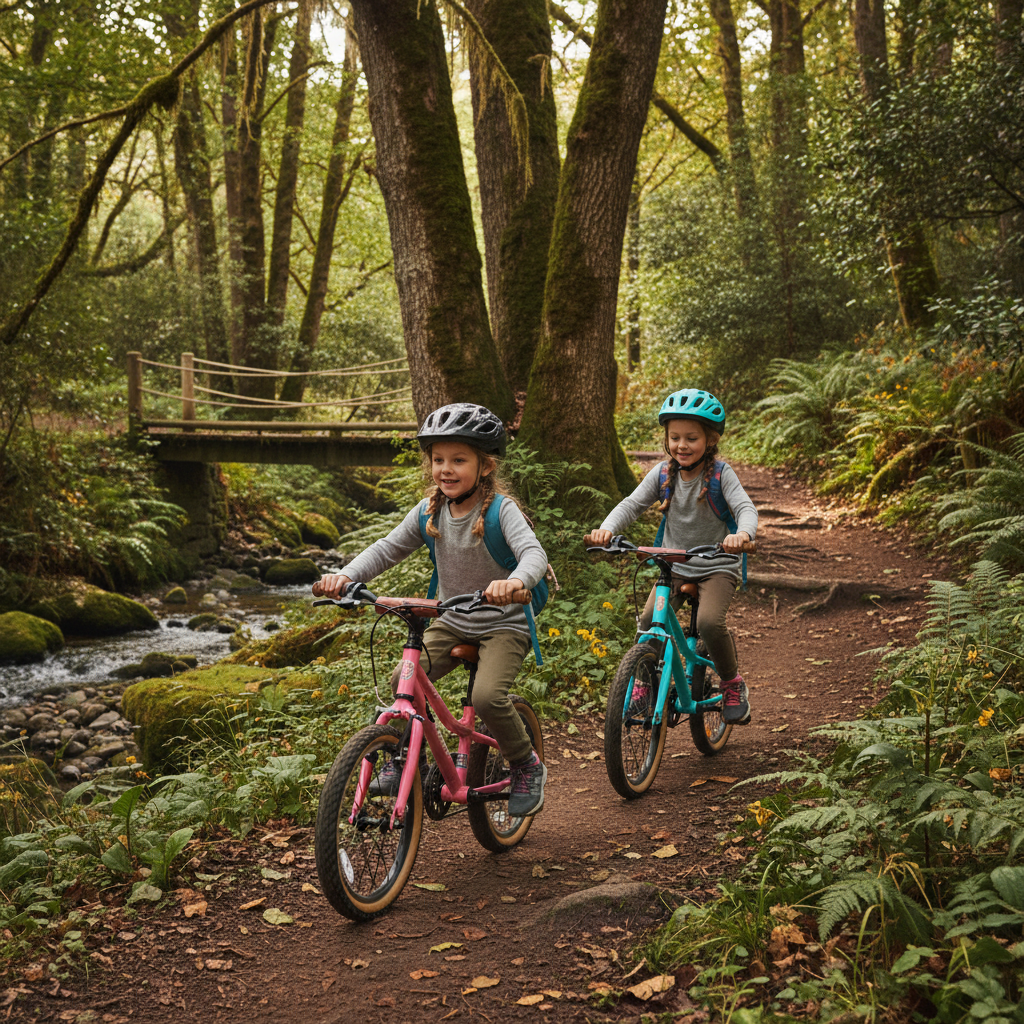
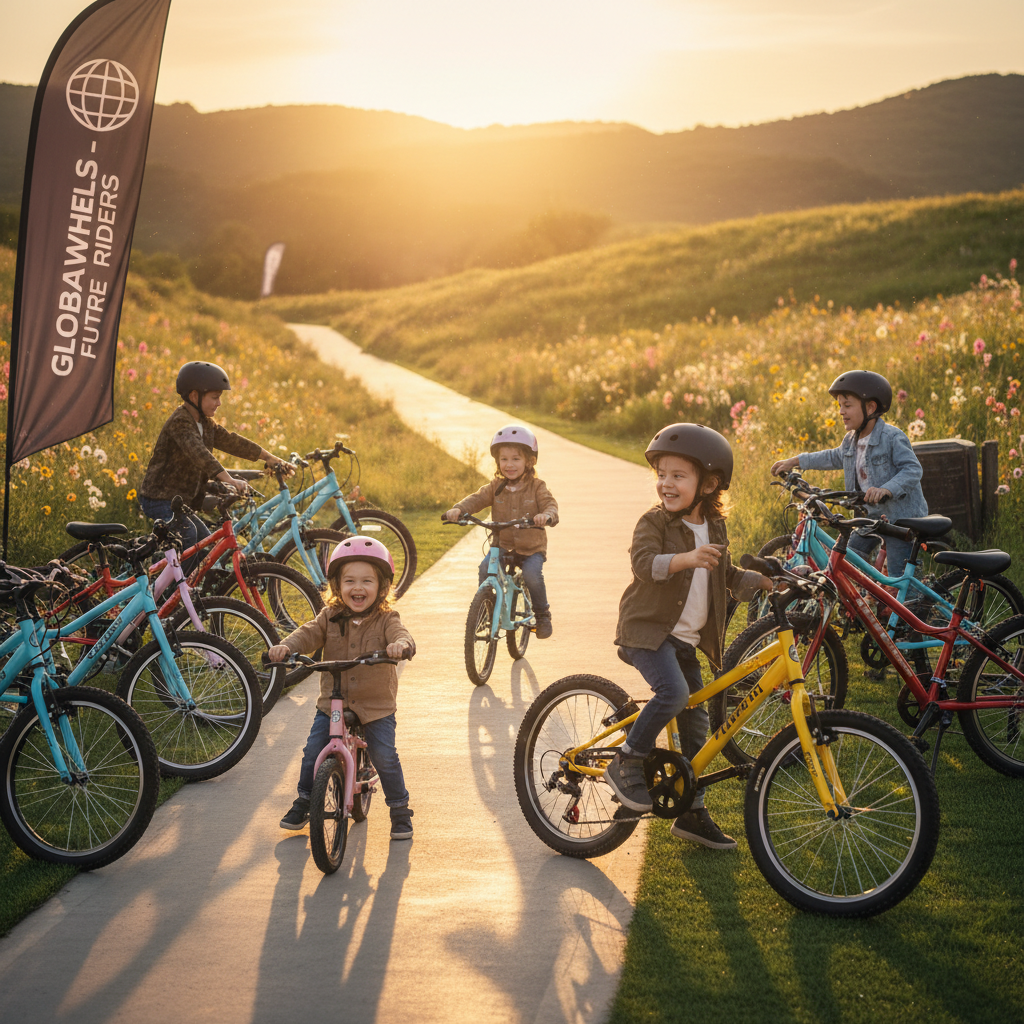
The simple joy of kids riding bikes is a cornerstone of childhood, fostering independence, physical health, and a connection with the outdoors. This activity transcends cultural boundaries, providing a universally recognized symbol of freedom and growth. Understanding the nuances of ensuring safe and enjoyable experiences for young cyclists is crucial for parents, educators, and communities worldwide.
Globally, access to safe cycling infrastructure and appropriate bicycles for children varies significantly. In developed nations, the focus often shifts to safety equipment and advanced bicycle technology, while in developing countries, simply providing access to a bike can be transformative, unlocking educational and economic opportunities. kids riding bikes aren’t just about recreation; they're a vital component of mobility and wellbeing.
The benefits extend beyond the individual child. Encouraging kids riding bikes promotes sustainable transportation habits from a young age, contributing to healthier lifestyles and a reduced carbon footprint. Furthermore, it builds confidence, problem-solving skills, and a sense of adventure.
The Importance of Safety in kids riding bikes
Safety is paramount when it comes to kids riding bikes. It's not just about helmets – although they are the single most important piece of safety equipment! – but encompasses a comprehensive approach to risk mitigation. This includes proper bike maintenance, teaching children traffic awareness, and ensuring they ride in appropriate locations.
Beyond the equipment, parental involvement is critical. Supervising young riders, particularly beginners, helps build confidence and instills safe riding habits. Regularly reviewing safety rules and ensuring children understand the importance of following them is an ongoing process.
Choosing the Right Bike for Growing Kids
Selecting the appropriate bicycle for a child is crucial for both safety and enjoyment. It’s tempting to buy a bike that a child can “grow into,” but this often leads to difficulties in control and a diminished riding experience. A properly sized bike allows a child to comfortably reach the pedals and handlebars, and maintain good balance.
Consider the child's age, height, and inseam when choosing a bike. Balance bikes are excellent for introducing very young children to the concept of balance and coordination before transitioning to pedal bikes. As children grow, bikes with appropriate frame sizes and wheel diameters are essential.
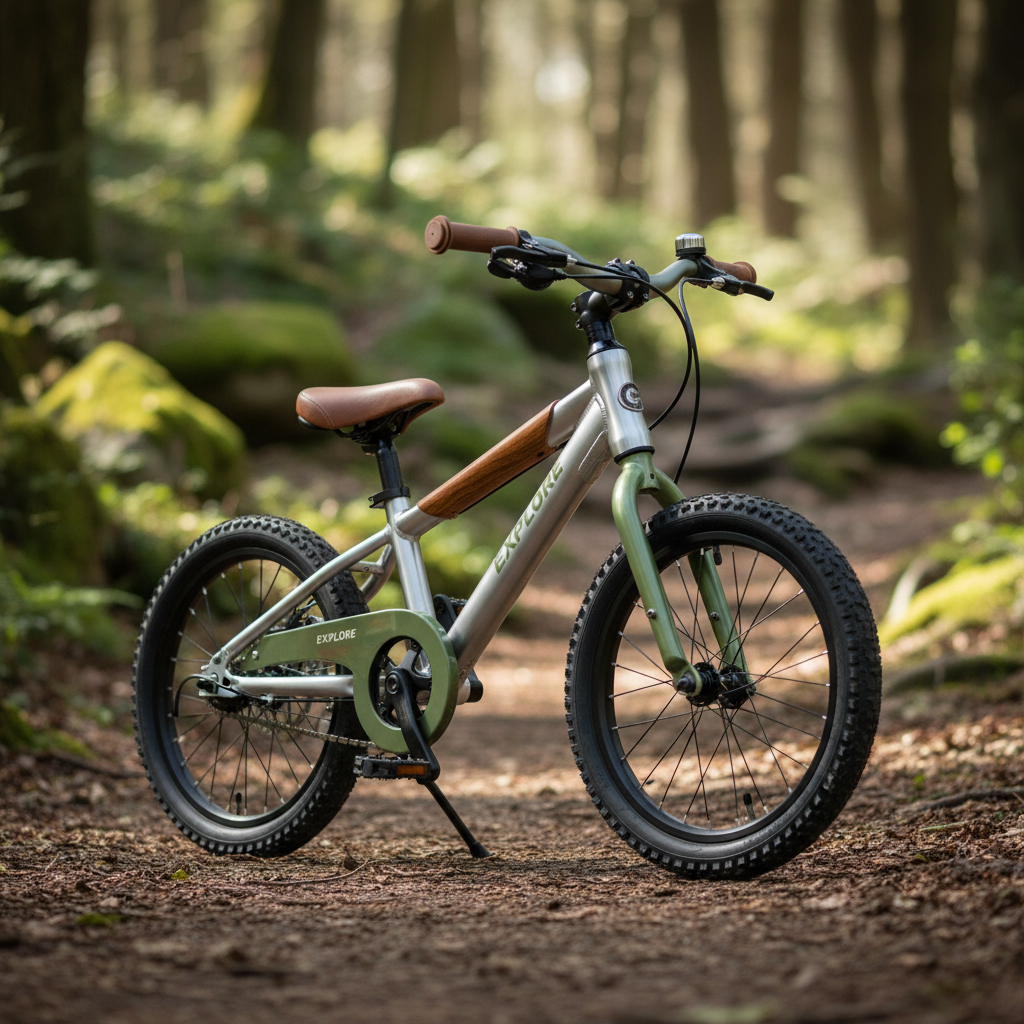
Lightweight bikes are preferable, especially for younger or smaller children, as they are easier to maneuver. Avoid bikes that are too heavy or have complicated features that can overwhelm a young rider. kids riding bikes should be about fun, and the right bike is the first step.
The Role of Bike Size and Fit
Proper bike fit is arguably as important as the bike itself. Even a high-quality bicycle will be ineffective – and potentially dangerous – if it doesn't fit the child correctly. The standover height (the distance between the top tube and the ground) should allow a child to comfortably stand over the bike with a few inches of clearance.
The saddle height should be adjusted so that the child's leg is almost fully extended at the bottom of the pedal stroke, with a slight bend in the knee. Handlebar reach should allow the child to comfortably reach the handlebars without overextending their arms. Regular adjustments are necessary as the child grows.
A local bike shop can provide professional bike fitting services, ensuring that the bicycle is perfectly tailored to the child's body. Don't hesitate to seek expert advice when it comes to sizing and fit—it can make all the difference in ensuring a safe and enjoyable kids riding bikes experience.
Skills Development for Safe kids riding bikes
Teaching children essential cycling skills is crucial for their safety and confidence. Start with basic skills like balancing, steering, and braking in a safe, controlled environment, such as an empty parking lot.
Gradually introduce more challenging skills, such as turning, stopping quickly, and navigating obstacles. Encourage children to practice these skills regularly to build muscle memory and improve their reflexes.
Skills Needed for Safe kids riding bikes
Maintaining Bikes for Optimal Performance
Regular bike maintenance is vital for safety and performance. Simple checks, such as tire inflation, brake function, and chain lubrication, can prevent accidents and extend the life of the bicycle.
Teach children basic maintenance tasks, such as cleaning their bike and checking tire pressure. Encourage them to report any problems or unusual noises to an adult.
The Impact of Terrain on kids riding bikes
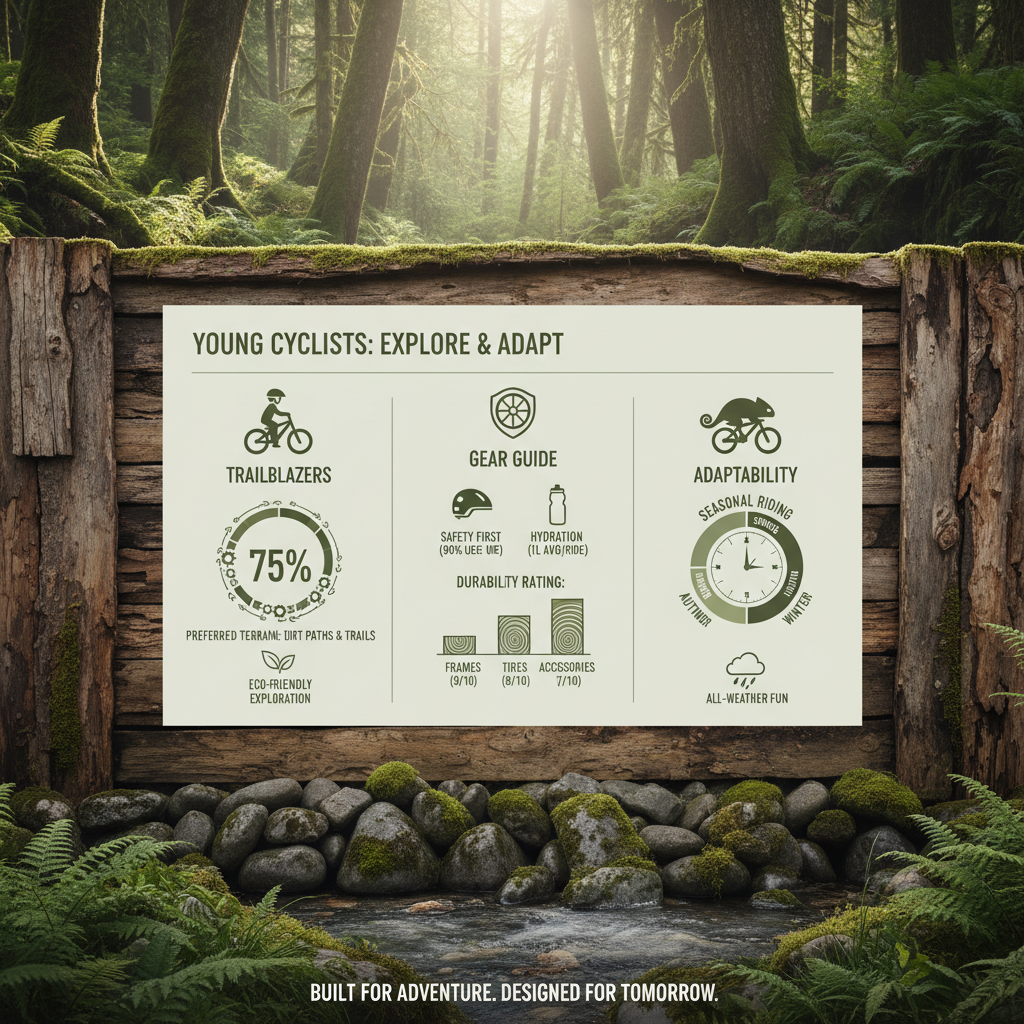
The terrain where children ride significantly impacts safety and skill development. Smooth, paved surfaces are ideal for beginners, while more challenging terrain, such as gravel paths or grassy fields, can be introduced as their skills progress.
Be mindful of potential hazards, such as potholes, cracks, and uneven surfaces. Avoid areas with heavy traffic or obstacles. Encourage children to adapt their riding style to the terrain, such as slowing down on bumpy surfaces.
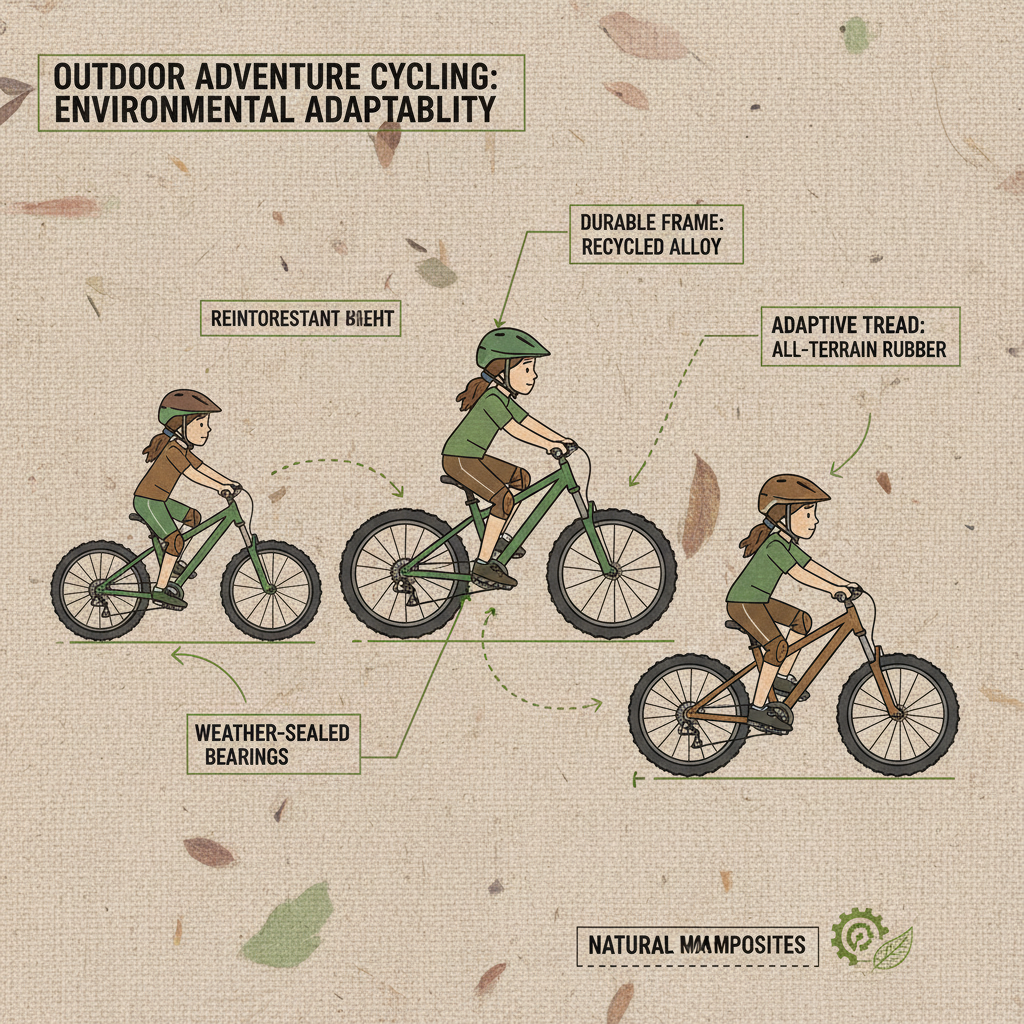
Appropriate tires can also make a big difference. Wider tires provide more stability on loose surfaces, while smoother tires are better suited for paved roads.
Future Trends in Kids’ Bicycle Technology
Innovation in kids’ bicycle technology is constantly evolving. Lightweight materials, such as aluminum and carbon fiber, are becoming more common, making bikes easier for children to handle.
Electric assist bikes are also emerging as a viable option, particularly for children who struggle with hills or longer distances. These bikes provide a gentle boost of power, making riding more accessible and enjoyable.
Smart bike features, such as GPS tracking and collision detection, are also being developed to enhance safety and provide parents with peace of mind.
Summary of Future Trends in Kids’ Bicycle Technology
| Technology Type |
Impact on Safety |
Impact on Performance |
Estimated Adoption Rate (1-10) |
| Lightweight Materials |
Easier control & maneuverability |
Increased speed & efficiency |
8 |
| Electric Assist |
Reduced fatigue, better control |
Extended range, easier hill climbing |
6 |
| GPS Tracking |
Location monitoring, emergency assistance |
Route planning, performance analysis |
7 |
| Collision Detection |
Automatic alerts, accident reporting |
Proactive safety measures |
5 |
| Smart Helmets |
Impact sensing, integrated lights |
Enhanced visibility, improved protection |
6 |
| Integrated Sensors |
Monitoring speed, distance & heart rate |
Performance tracking, data analysis |
4 |
FAQS
Generally, children are ready to start on a balance bike around age 2-3. This helps them develop balance and coordination before transitioning to a pedal bike. For pedal bikes, most children are ready around age 5-6, but it varies depending on their development and coordination. Prioritizing balance and confidence is key, rather than focusing solely on age.
You should check your child’s bike at least once a month, and before each ride. Focus on tire pressure, brake function, chain lubrication, and ensure all bolts are tightened. Teach your child to recognize potential issues and report them to you. Regular maintenance helps prevent accidents and prolongs the bike’s lifespan.
A properly fitted helmet is non-negotiable! Knee and elbow pads are also highly recommended, especially for beginners. Brightly colored clothing increases visibility. Consider gloves to protect hands in case of a fall. Always emphasize the importance of wearing safety gear, even for short rides.
Start in a quiet, traffic-free area. Teach your child to look both ways before crossing the street, use hand signals, and obey traffic laws. Emphasize the importance of being visible to drivers. Practice riding on sidewalks or bike paths whenever possible. Supervise them closely until you're confident in their ability to navigate traffic safely.
If your child can’t comfortably stand over the bike with both feet flat on the ground, it’s likely too big. If they struggle to reach the handlebars or pedals, or if they appear unstable and uncomfortable, the bike is also too large. A properly sized bike is essential for control and safety.
Electric bikes can be safe for older, more experienced children, but it’s crucial to choose a model with appropriate speed limitations and safety features. Ensure the child understands the added power and how to control it. Close supervision is essential, and local regulations regarding e-bike use should be followed.
Conclusion
In conclusion, facilitating kids riding bikes is about more than just providing a mode of transportation—it's about fostering independence, promoting healthy lifestyles, and creating lasting memories. Prioritizing safety through proper equipment, skill development, and regular maintenance is paramount. Choosing the right bike and ensuring a proper fit are equally important for a positive experience.
As technology advances, we can expect even more innovative solutions to enhance the safety and enjoyment of kids riding bikes. By staying informed and embracing these advancements, we can empower future generations to experience the joy and benefits of cycling for years to come. Visit our website at www.zhongzhoubike.com to explore our range of bikes and accessories designed for young riders.

 English
  Afrikaans
  Albanian
  Amharic
  Arabic
  Armenian
  Azerbaijani
  Basque
  Belarusian
  Bengali
  Bosnian
  Bulgarian
  Catalan
  Cebuano
  Corsican
  Croatian
  Czech
Czech  Danish
  Dutch
Dutch  Esperanto
  Estonian
  Finnish
  French
  Frisian
  Galician
  Georgian
  German
  Greek
Greek  Gujarati
  Haitian Creole
  Hausa
Hausa  Hawaiian
  Hebrew
  Hindi
Hindi  Miao
Miao  Hungarian
  Icelandic
  Igbo
Igbo  Indonesian
  Irish
Irish  Italian
  Japanese
  Javanese
  Kannada
  Kazakh
  Khmer
Khmer  Rwandese
  Korean
  Kurdish
  Kyrgyz
  Lao
Lao  Latin
Latin  Latvian
  Lithuanian
  Luxembourgish
  Macedonian
  Malgashi
  Malay
Malay  Malayalam
  Maltese
  Maori
Maori  Marathi
  Mongolian
  Myanmar
  Nepali
  Norwegian
  Norwegian
  Occitan
  Pashto
  Persian
  Polish
  Portuguese
  Punjabi
  Romanian
  Russian
  Samoan
  Scottish Gaelic
  Serbian
  Sesotho
  Shona
Shona  Sindhi
  Sinhala
  Slovak
  Slovenian
  Somali
  Spanish
  Sundanese
  Swahili
  Swedish
  Tagalog
  Tajik
Tajik  Tamil
Tamil  Tatar
Tatar  Telugu
  Thai
Thai  Turkish
  Turkmen
  Ukrainian
  Urdu
Urdu  Uighur
  Uzbek
Uzbek  Vietnamese
  Welsh
Welsh  Bantu
Bantu  Yiddish
  Yoruba
  Zulu
Zulu