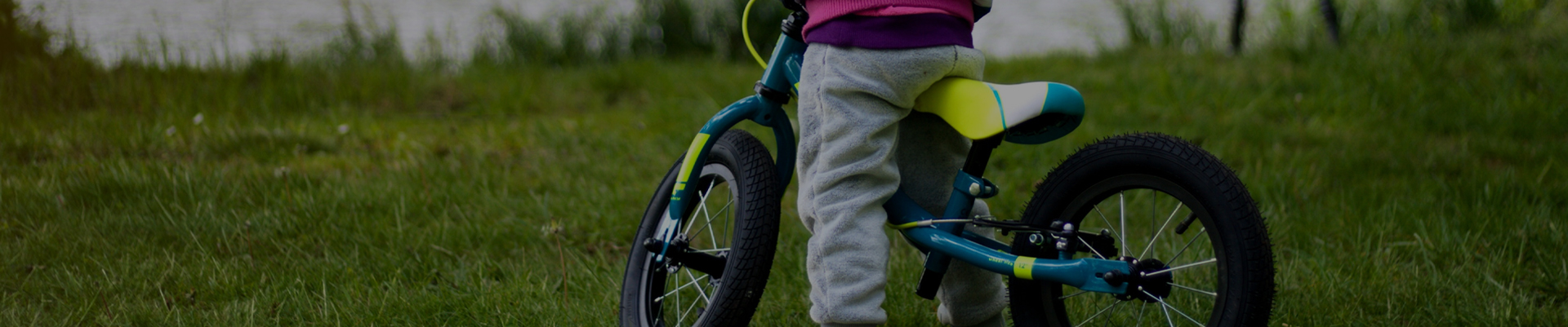
Choosing the Best Scooter for Your 2 to 3 Year Old Child's Development
Choosing the Right Scooter for 2-3 Year Olds
Selecting a scooter for a toddler aged 2-3 years old requires careful consideration. At this age, children are developing crucial motor skills, and a scooter can be a fantastic tool to aid this development – while also being incredibly fun! However, safety and age-appropriateness are paramount. This article will guide you through the essential features to look for, popular options, and safety tips to ensure your little one enjoys scootering safely. We’ll explore how a well-chosen scooter from Zhongzhou Bike can contribute to a child's physical development and outdoor enjoyment.
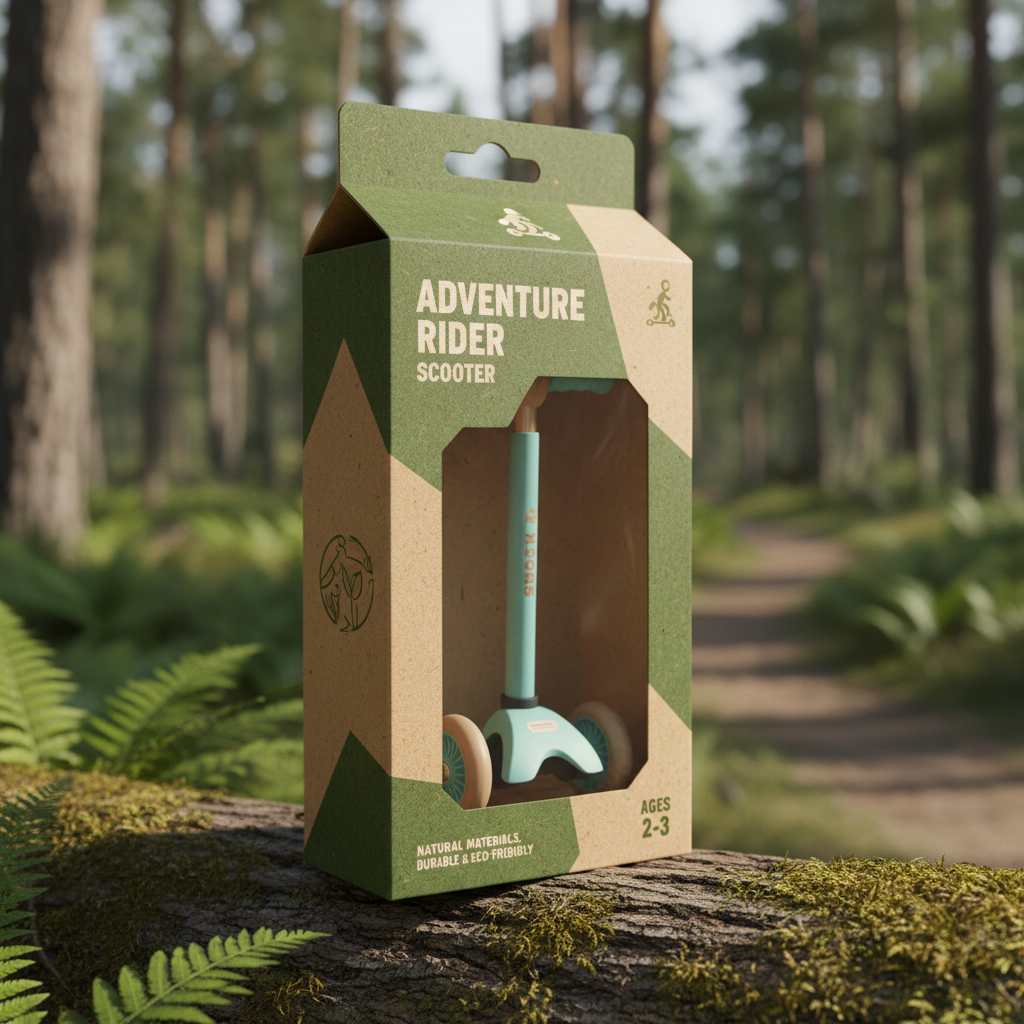
Key Considerations When Buying a Scooter for a 2-3 Year Old
The ideal scooter for a 2-3 year old differs significantly from those designed for older children. Focus on stability and ease of use. Three-wheeled scooters are generally recommended for this age group as they offer a wider base of support, making them easier to balance. Adjustable handlebars are also crucial, allowing the scooter to grow with your child. Consider the scooter’s weight – a lightweight scooter is easier for a toddler to maneuver. Finally, prioritize safety features like sturdy brakes and non-slip footplates. Don’t forget to also consider the overall build quality. A Zhongzhou Bike scooter is built to last!
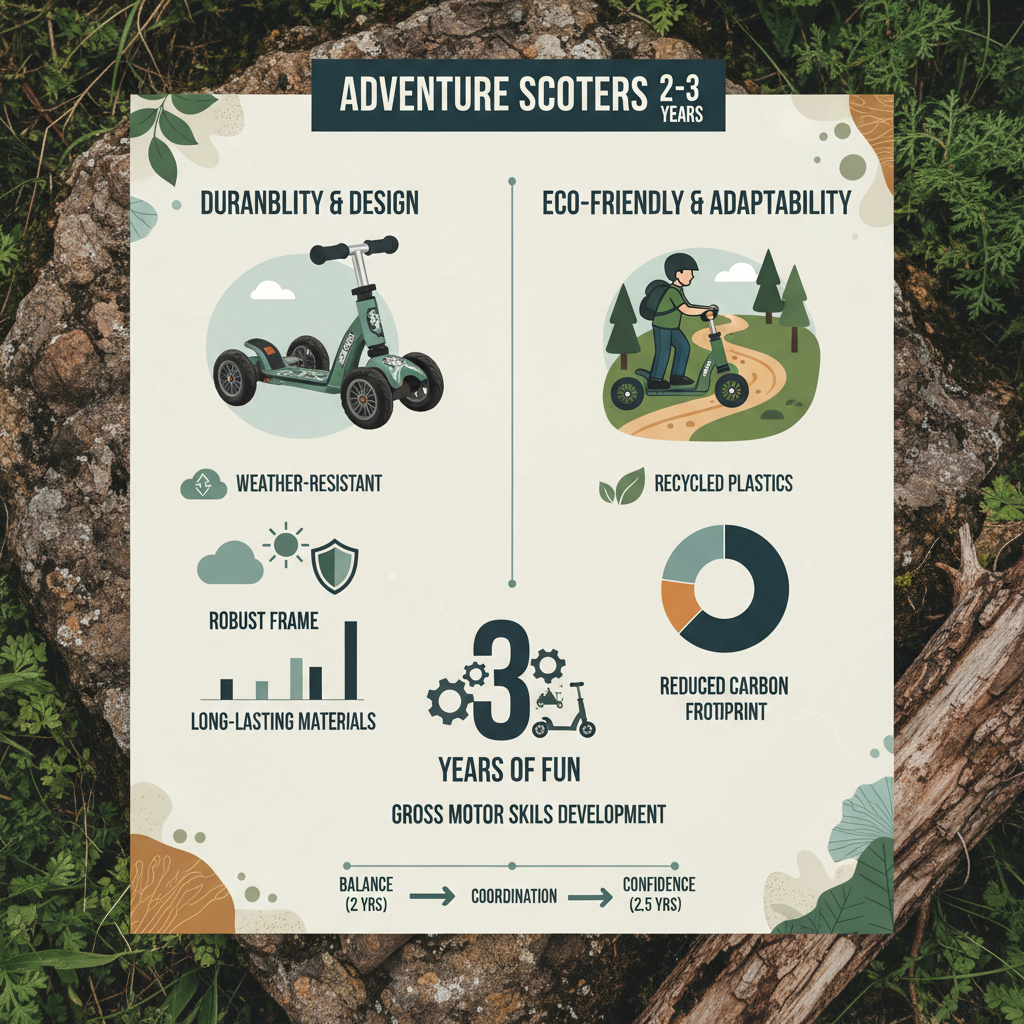
Key Highlights: Three-wheeled design for stability, adjustable handlebars for growing children, lightweight construction for easy maneuvering, and durable materials for long-lasting use.
Understanding the Importance of Three-Wheeled Scooters
At 2-3 years old, a child’s balance is still developing. A three-wheeled scooter provides a much wider base of support than a two-wheeled scooter, dramatically improving stability. This reduces the risk of falls and allows the child to focus on the fun of scootering rather than constantly struggling to stay upright. The three-wheeled design encourages coordination and strengthens leg muscles as they learn to push off and steer. It's a natural progression towards developing the balance needed for a two-wheeled scooter in the future. Many parents find that starting with a three-wheeled scooter builds confidence and excitement.
Three-Wheeled Scooter Benefits:
• Enhanced stability for young riders
• Improves balance and coordination
• Builds confidence and encourages outdoor play
• Safer for toddlers still developing motor skills
Scooter 2-3 Years: A Comparison of Popular Models
The market offers various scooters suitable for 2-3 year olds. Here's a comparison of some popular options, including those available from Zhongzhou Bike. We'll focus on factors like weight capacity, handlebar adjustability, and safety features. Choosing the right scooter depends on your child's size, weight, and activity level.
Prioritizing Safety: Essential Gear and Supervision
No matter which scooter you choose, safety should always be the top priority. Always insist on a properly fitted helmet. Knee and elbow pads are also highly recommended, especially for beginners. Supervision is crucial, particularly for 2-3 year olds. Choose a safe, flat surface for scootering, away from traffic and obstacles. Teach your child how to use the brakes properly and emphasize the importance of looking ahead. A Zhongzhou Bike scooter, combined with the right safety gear and adult supervision, will ensure a fun and secure experience for your little one.
Frequently Asked Questions (FAQs)
At what age can my child start using a scooter?
While some children may be ready slightly earlier, most experts recommend starting with a three-wheeled scooter around 2-3 years old. This is when they typically have developed enough coordination and balance to start learning. However, every child develops at their own pace, so assess your child's individual readiness. Look for signs like good balance and the ability to follow simple instructions. Always prioritize safety and begin with close supervision.
What type of helmet should my child wear while scootering?
It’s vital to use a helmet specifically designed for scootering or cycling. Look for a helmet that meets safety standards (like CPSC or ASTM) and fits snugly on your child's head. The helmet should sit level on the head, covering the forehead, and the straps should be adjusted so that it doesn't move around easily. A multi-sport helmet is often a good option as it provides protection for various activities. Replacing the helmet after any impact is also crucial.
How can I teach my child to use the brakes on a scooter?
Start by demonstrating how the brakes work while the scooter is stationary. Let your child practice squeezing the brake lever or pressing on the rear fender brake. Then, have them practice slowly while you provide support. Encourage them to look ahead and anticipate when they need to brake. Positive reinforcement and patience are key! Remind them that braking gradually is safer than slamming on the brakes.
-
Electric Scooter Age 3 Safe Introduction to Early Mobility GuideNewsApr.16,2026
-
Is an Electric Scooter Age 4 Safe Complete Parents GuideNewsApr.09,2026
-
Choosing the Best Electric Scooter for a 9 Year Old Rider's SafetyNewsApr.07,2026
-
Comprehensive Guide to Choosing the Best Electric Scooter Ages 6 UpNewsApr.04,2026
-
Choosing the Best Electric Scooter for 6yr Old Riders A Comprehensive GuideNewsMar.31,2026
-
The Ultimate Guide to Choosing an Electric Scooter for Age 10 RidersNewsMar.28,2026
-
Choosing the Ideal Electric Scooter for Age 12 A Comprehensive Buyers GuideNewsMar.26,2026
Related Products
-
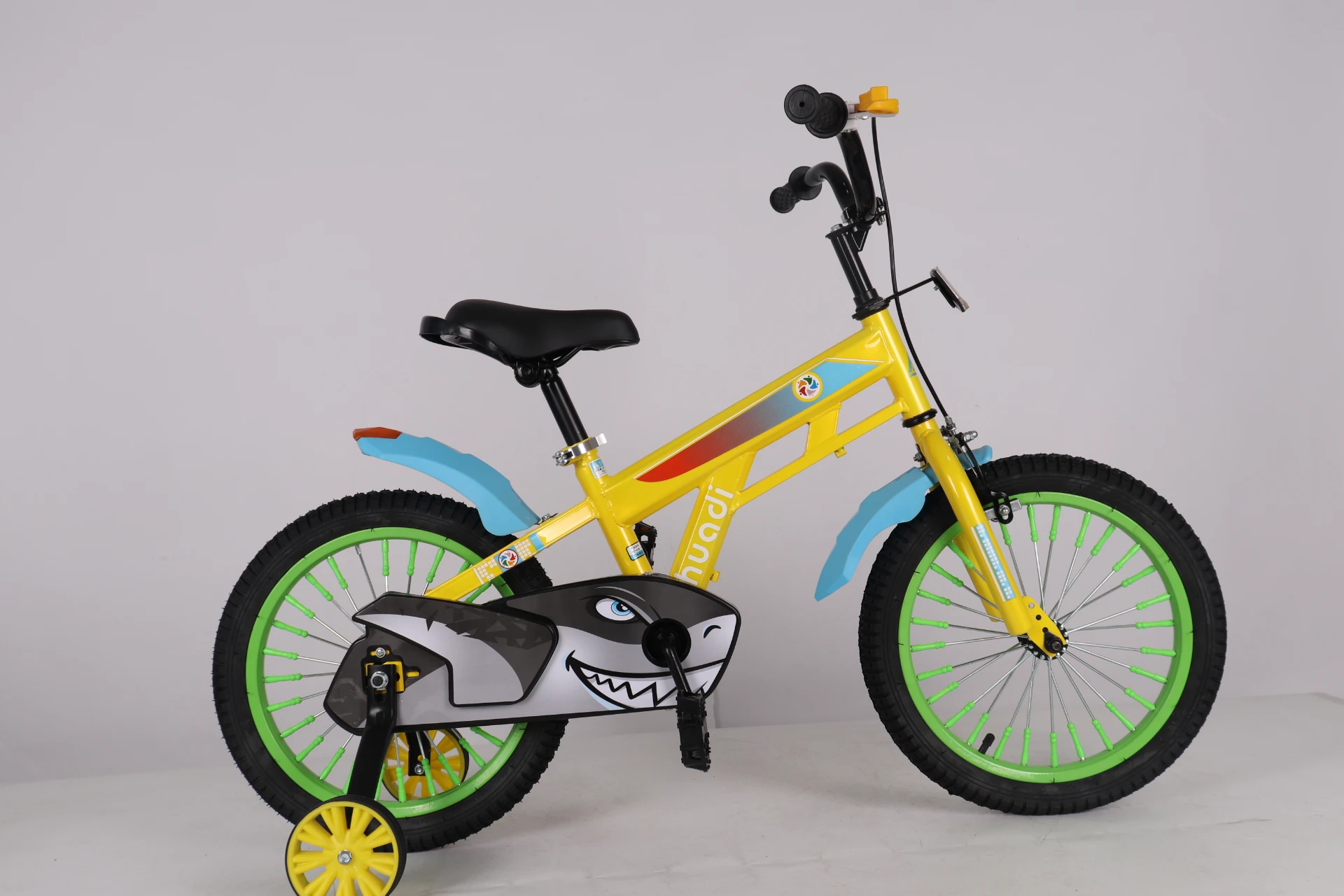
High quality kids bike children bicycle cycle cheap children bicycle with training wheel for sale
-
OEM 20 inch mountain bike children bikeVariable speed mountain bike suitable for student sports
-
18 20 22 inch Children bike mountain bikes for 13 year old boy cycle for class 5 bicycle for 10year old boy kids
-
Hot Sale Kids Scooter 3 Pu Light-Up Wheel Kick Scooter For 3-6 Year Olds
-
EU Child 3 To 10 Years Baby Soccer Kick Scooters & Foot Scooters For Kids Boys
-
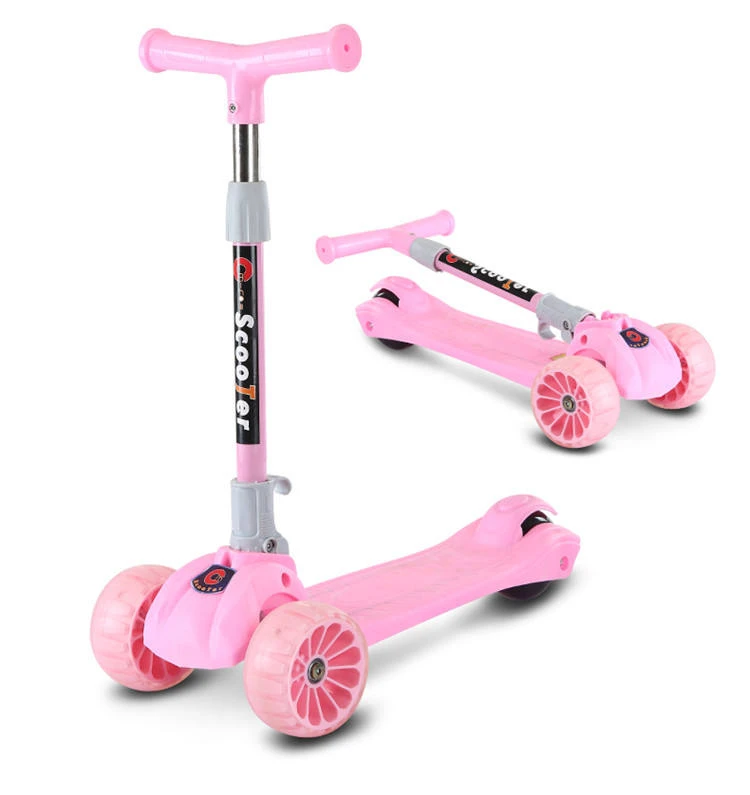
Factory Sale Kid Scooter Foot scooter Kids Kick scooter For Toddler.
-
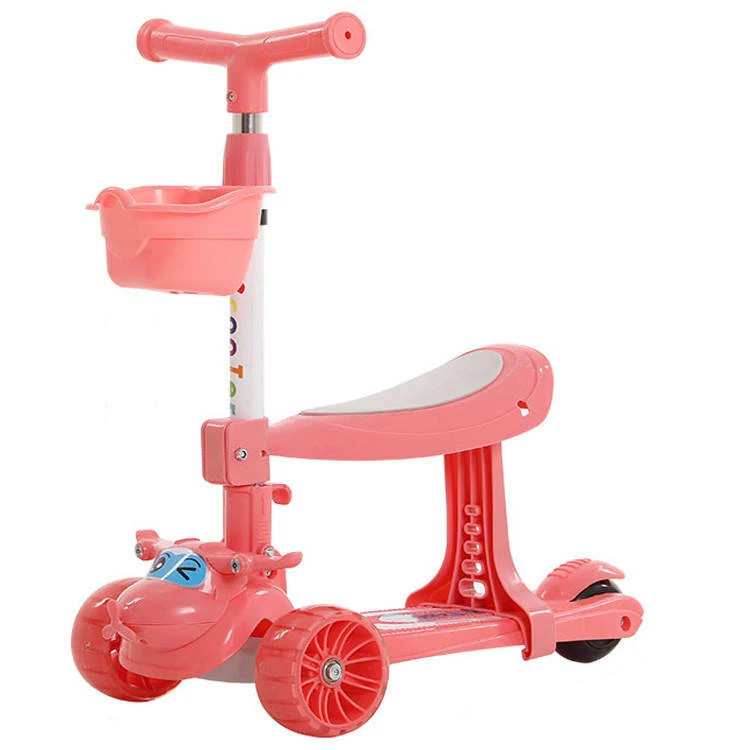
Best Seller Multifunctional Folding Kid Kick 3 Wheels Children Foot Scooter Foldable Baby Kid Scooters
-
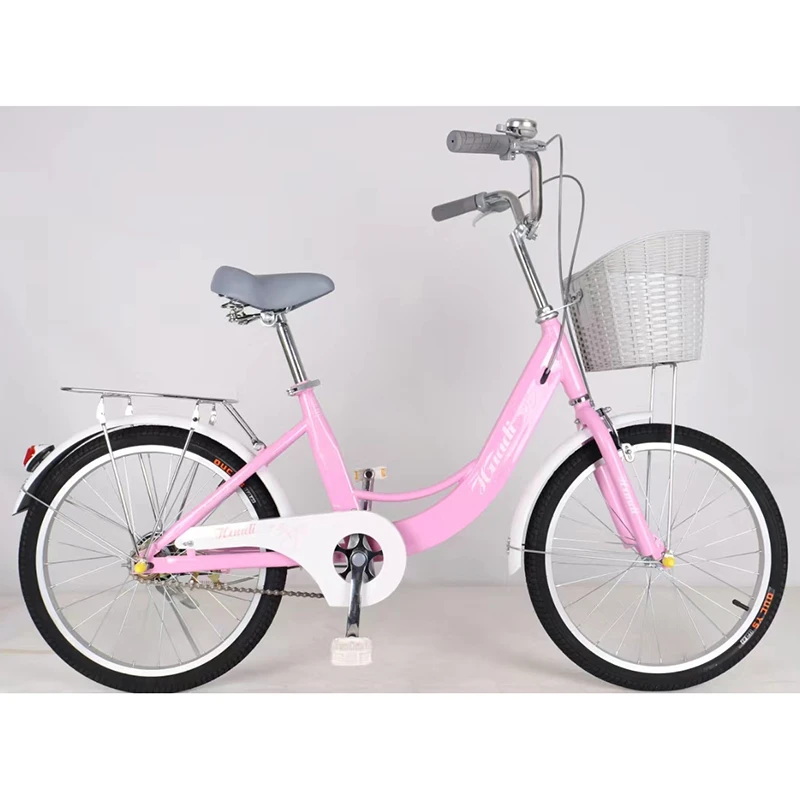
Hot sale kids bikes OEM custom cheap baby children bicycle bike beautiful cycle for girls kids
 Afrikaans
 Albanian
 Amharic
 Arabic
 Armenian
 Azerbaijani
 Basque
 Belarusian
 Bengali
 Bosnian
 Bulgarian
 Catalan
 Cebuano
 Corsican
 Croatian
 Czech
Czech
 Danish
 Dutch
Dutch
 Esperanto
 Estonian
 Finnish
 French
 Frisian
 Galician
 Georgian
 German
 Greek
Greek
 Gujarati
 Haitian Creole
 Hausa
Hausa
 Hawaiian
 Hebrew
 Hindi
Hindi
 Miao
Miao
 Hungarian
 Icelandic
 Igbo
Igbo
 Indonesian
 Irish
Irish
 Italian
 Japanese
 Javanese
 Kannada
 Kazakh
 Khmer
Khmer
 Rwandese
 Korean
 Kurdish
 Kyrgyz
 Lao
Lao
 Latin
Latin
 Latvian
 Lithuanian
 Luxembourgish
 Macedonian
 Malgashi
 Malay
Malay
 Malayalam
 Maltese
 Maori
Maori
 Marathi
 Mongolian
 Myanmar
 Nepali
 Norwegian
 Norwegian
 Occitan
 Pashto
 Persian
 Polish
 Portuguese
 Punjabi
 Romanian
 Russian
 Samoan
 Scottish Gaelic
 Serbian
 Sesotho
 Shona
Shona
 Sindhi
 Sinhala
 Slovak
 Slovenian
 Somali
 Spanish
 Sundanese
 Swahili
 Swedish
 Tagalog
 Tajik
Tajik
 Tamil
Tamil
 Tatar
Tatar
 Telugu
 Thai
Thai
 Turkish
 Turkmen
 Ukrainian
 Urdu
Urdu
 Uighur
 Uzbek
Uzbek
 Vietnamese
 Welsh
Welsh
 Bantu
Bantu
 Yiddish
 Yoruba
 Zulu
Zulu
 English