
Comprehensive Guide to Swing Car Price: Global Trends, Applications & Insights
Swing Car Price: Understanding Its Global Impact and Value
When talking about swing car price, many immediately think simply about cost tags, but it’s much more nuanced and surprisingly critical. In a world where mobility solutions evolve rapidly, grasping the variables behind swing car pricing empowers buyers, manufacturers, and even policy makers. From affordability to durability, knowing why prices vary helps us make smarter choices—whether for urban commuters, industrial applications, or even recreational use.
Why Swing Car Price Matters Globally
First off, what’s a "swing car" exactly? These vehicles typically blend mobility, convenience, and innovative design, often favored in urban hubs and emerging markets. According to the World Bank, urban population growth is skyrocketing—projected to hit nearly 70% globally by 2050. This surge naturally pushes demand for compact, affordable transport options, where swing cars find their niche.
However, balancing price with quality remains a challenge. Swing car price directly influences accessibility, especially in developing countries where transport budgets are tight but mobility is a lifeline for economic opportunity.
Mini takeaway: Understanding the variables behind swing car pricing offers a clearer picture of global mobility trends and accessibility challenges.
What Exactly Does Swing Car Price Mean?
Simply put, swing car price refers to the market cost of swing-like or ultra-compact vehicles designed for short-distance, agile transportation. These prices encompass not just the manufacturing and materials costs, but also factors like technology integration, safety features, and supply chain expenses.
Swing cars are more than hobbyist toys—they’re increasingly part of modern transportation solutions addressing urban congestion, environmental impact, and even post-disaster mobility. For instance, in refugee or disaster zones, compact vehicles with predictable cost structures can enable efficient logistics or emergency service delivery.
Key Factors Influencing Swing Car Price
1. Durability and Materials
The choice of materials like reinforced plastics, lightweight metals, or composites can skyrocket or trim down prices. Stronger materials often mean more expensive cars but longer lifespans and better safety.
2. Technology and Features
Inclusion of tech features—electric drivetrains, smart sensors, or IoT connectivity—adds layers of cost but also elevates value significantly, especially for urban users.
3. Manufacturing Scale and Location
Mass production in low-cost regions can reduce swing car price dramatically. Conversely, smaller bespoke manufacturers might charge more for craftsmanship or customization.
4. Regulatory Compliance and Safety
Adherence to international safety standards can add to upfront costs, but improves trustworthiness and long-term viability.
5. Distribution and Supply Chain Logistics
Shipping costs, tariffs, and dealer markups influence the final price point a consumer pays. Efficient supply chains often make a noticeable difference.
6. After-Sales Service and Warranty
Extended warranties or comprehensive service packages make a swing car pricier but aren’t always optional if you seek durability and peace of mind.
Mini takeaway: Swing car pricing isn’t just about materials but a complex interplay of tech, logistics, and support structures.
Global Applications & Use Cases of Swing Cars
- Urban Commuting: Densely populated cities in Asia and Europe use them to alleviate traffic congestion and reduce carbon footprints.
- Industrial Zones: Factories or mining sites deploy swing cars for personnel transport due to their size and maneuverability.
- Humanitarian Aid: In disaster zones—for example, after earthquakes in Southeast Asia—compact vehicles support relief workers moving through damaged infrastructure.
- Recreational Markets: Swing cars also appeal to hobbyists wanting affordable, environmentally friendlier alternatives for short drives.
Oddly enough, such diverse applications mean swing car price expectations differ widely—from budget basics in emerging markets to high-tech premium models in wealthy cities.
Typical Swing Car Product Specifications
| Specification | Typical Range | Notes |
|---|---|---|
| Price | $4,000 - $25,000 | Varies by brand and tech |
| Weight | 300 - 800 kg | Lightweight frames essential |
| Power Source | Electric / Hybrid / Gas | Electric preferred for urban use |
| Range | 50 - 200 km | Depends on battery size / fuel tank |
| Top Speed | 40 - 80 km/h | Optimized for short trips |
Comparing Leading Swing Car Vendors
| Vendor | Price Range | Key Features | Warranty | Global Presence |
|---|---|---|---|---|
| UrbanMotion | $5,000 - $10,000 | Electric, foldable design | 3 years | Europe, Asia |
| EcoRide | $7,000 - $15,000 | Hybrid engine, GPS integrated | 5 years | North America, Europe |
| SwingTech | $4,000 - $8,000 | Basic model, manual controls | 1 year | Asia, Africa |
Advantages & Long-Term Value of Swing Cars
Aside from their obvious price accessibility, swing cars deliver surprisingly robust value propositions:
- Cost Efficiency: Low maintenance and fuel (often electric) costs.
- Sustainability: Reduced emissions, recyclable components.
- Social Impact: Facilitates mobility in underserved communities.
- Reliability: Simple mechanics mean fewer breakdowns and quicker repairs.
But here’s the thing — beyond logic, these cars offer a sense of empowerment to users. In urban chaos or remote areas, having a trusty, affordable vehicle can feel like reclaiming freedom.
Future Trends & Innovations
Looking ahead, swing car price will likely be influenced heavily by advances in:
- Green Energy: More accessible battery tech and solar integration may further reduce costs.
- Automation: Semi-autonomous features could become affordable, changing how we commute.
- Smart Connectivity: IoT-linked swing cars might optimize route planning and maintenance forecasting.
- Lightweight Materials: New composites could improve durability without hiking prices.
Therefore, even if current prices seem steep to some, the trajectory points toward broader affordability and efficiency.
Challenges & Expert Solutions
Of course, the journey isn’t without bumps. Common hurdles include:
- Supply Chain Disruption: Global events like pandemics or trade tensions can spike costs abruptly.
- Battery Lifespan: Technology isn’t perfect yet; replacements add long-term expense.
- Regulatory Barriers: Different nations’ standards complicate exports and pricing.
- Consumer Skepticism: New tech requires trust building, impacting adoption rates.
Solutions? Experts suggest diversified manufacturing hubs, modular battery designs, standardized regulations, and strong customer education to smooth these issues out.
FAQ: Frequently Asked Questions About Swing Car Price
- Q: What factors most affect the swing car price?
- A: The main drivers include materials quality, technology (electric vs. hybrid), production scale, and regulatory compliance. Each choice adds or subtracts from total cost.
- Q: How can I find the best balance between price and quality?
- A: Research manufacturers offering warranties, check user reviews, and compare specs like battery life and service support. Also, consider total cost of ownership, not just upfront price.
- Q: Are swing cars eco-friendly?
- A: Yes, especially electric or hybrid models which significantly reduce carbon emissions compared to traditional vehicles, plus many use recyclable materials.
- Q: Is it possible to customize a swing car?
- A: Absolutely. Many vendors offer options for battery size, safety features, and connectivity packages, though customizations can affect the final price.
- Q: Where can I check current swing car price trends?
- A: Industry reports, vendor websites like swing car price dashboards, and global market analyses offer real-time price data.
Conclusion
So, why care about swing car price? Because it’s a key lens through which we understand accessibility, innovation, and sustainability in urban and industrial transport worldwide. Whether you’re a buyer, policymaker, or manufacturer, staying informed helps you spot the best deals and anticipate market shifts.
Ready to explore more or get your own swing car? Visit our website: https://www.zhongzhoubike.com for the latest offers, specs, and expert advice.
In truth, the evolving world of swing cars barely scratches the surface of what’s possible — but it feels like the future rolls on wheels smaller than ever before.
Mini takeaway: Swing car price is more than a number; it’s a gateway to sustainable, affordable mobility solutions worldwide.
References:
-
Electric Scooter Age 3 Safe Introduction to Early Mobility GuideNewsApr.16,2026
-
Is an Electric Scooter Age 4 Safe Complete Parents GuideNewsApr.09,2026
-
Choosing the Best Electric Scooter for a 9 Year Old Rider's SafetyNewsApr.07,2026
-
Comprehensive Guide to Choosing the Best Electric Scooter Ages 6 UpNewsApr.04,2026
-
Choosing the Best Electric Scooter for 6yr Old Riders A Comprehensive GuideNewsMar.31,2026
-
The Ultimate Guide to Choosing an Electric Scooter for Age 10 RidersNewsMar.28,2026
-
Choosing the Ideal Electric Scooter for Age 12 A Comprehensive Buyers GuideNewsMar.26,2026
Related Products
-
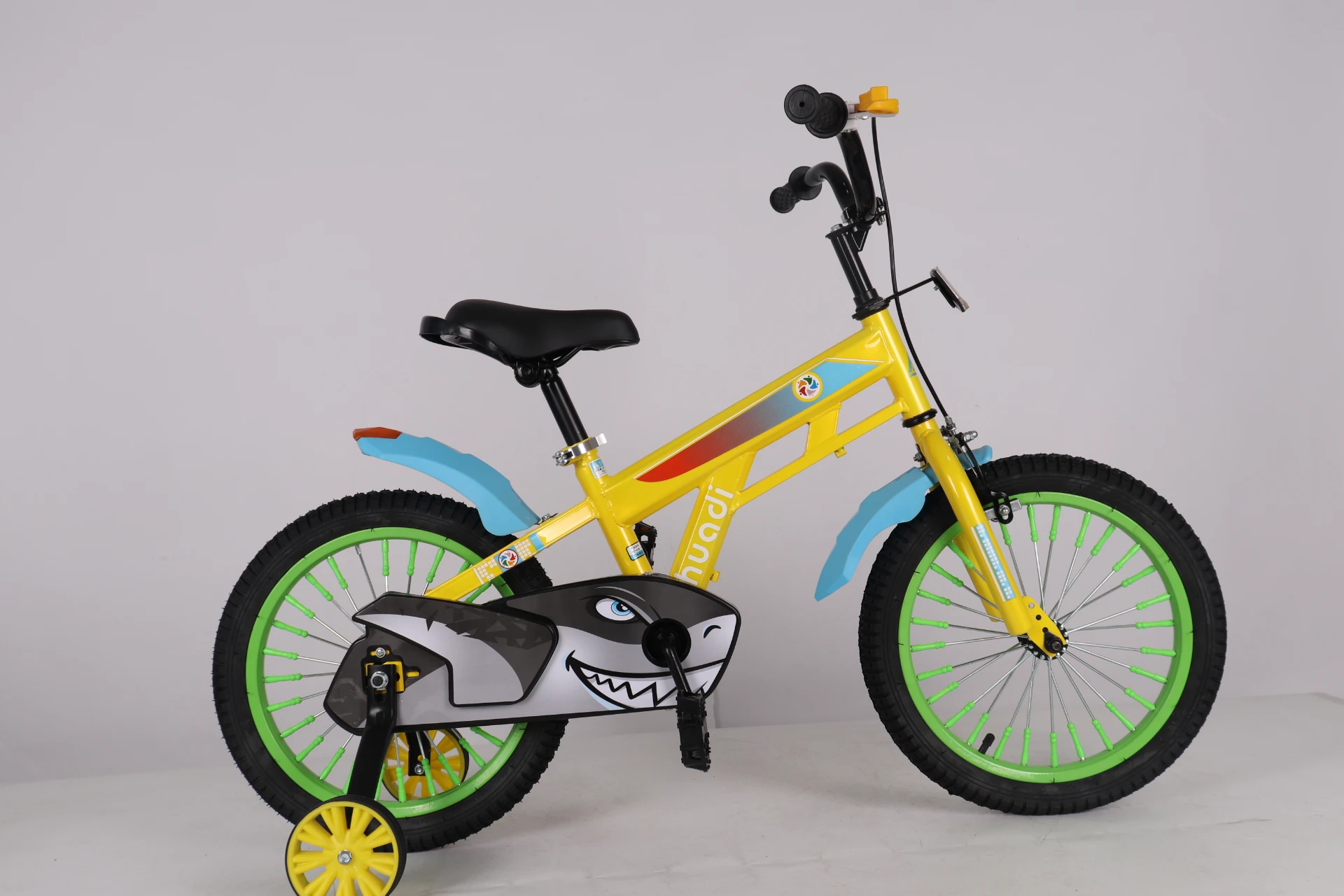
High quality kids bike children bicycle cycle cheap children bicycle with training wheel for sale
-
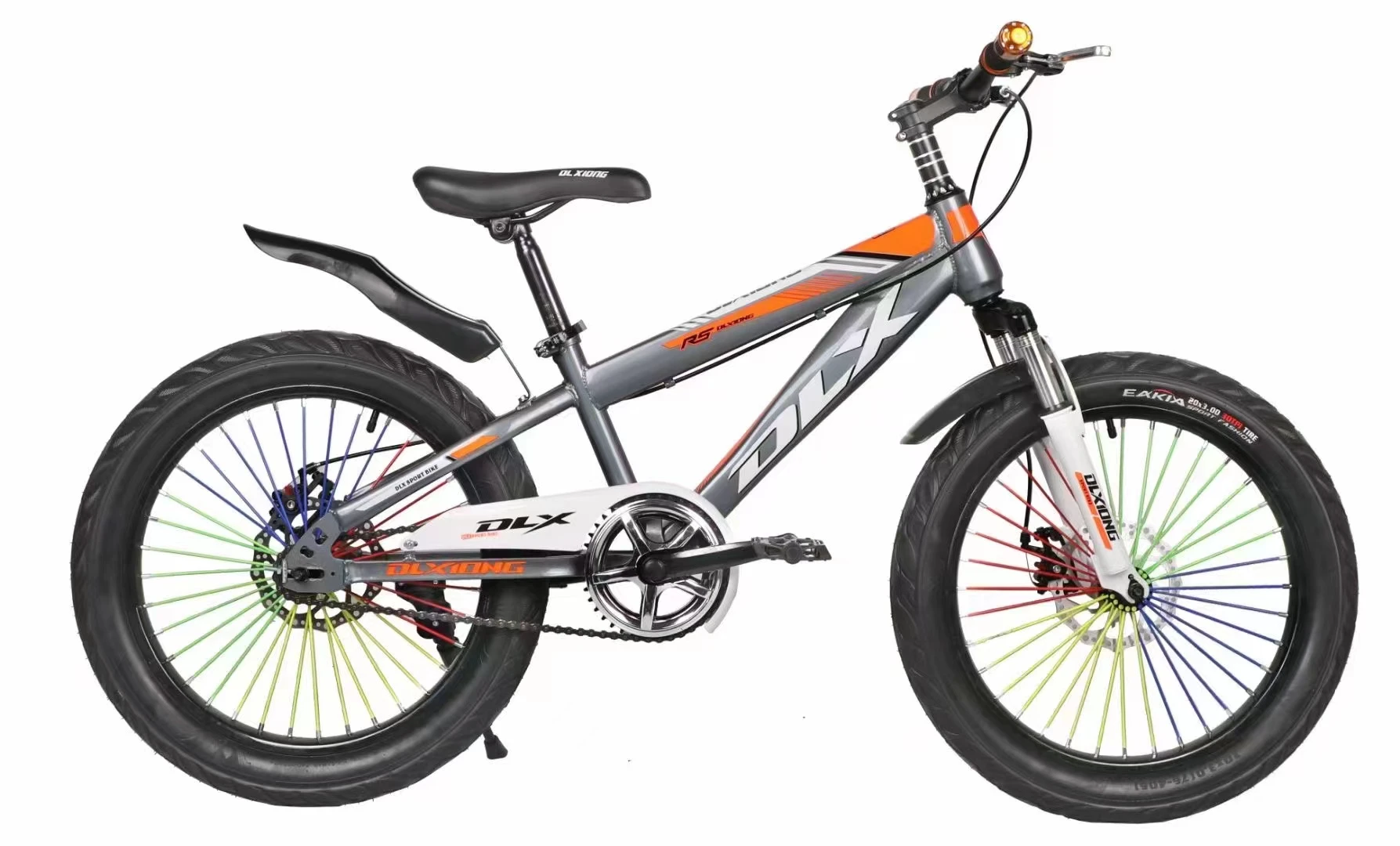
OEM 20 inch mountain bike children bikeVariable speed mountain bike suitable for student sports
-
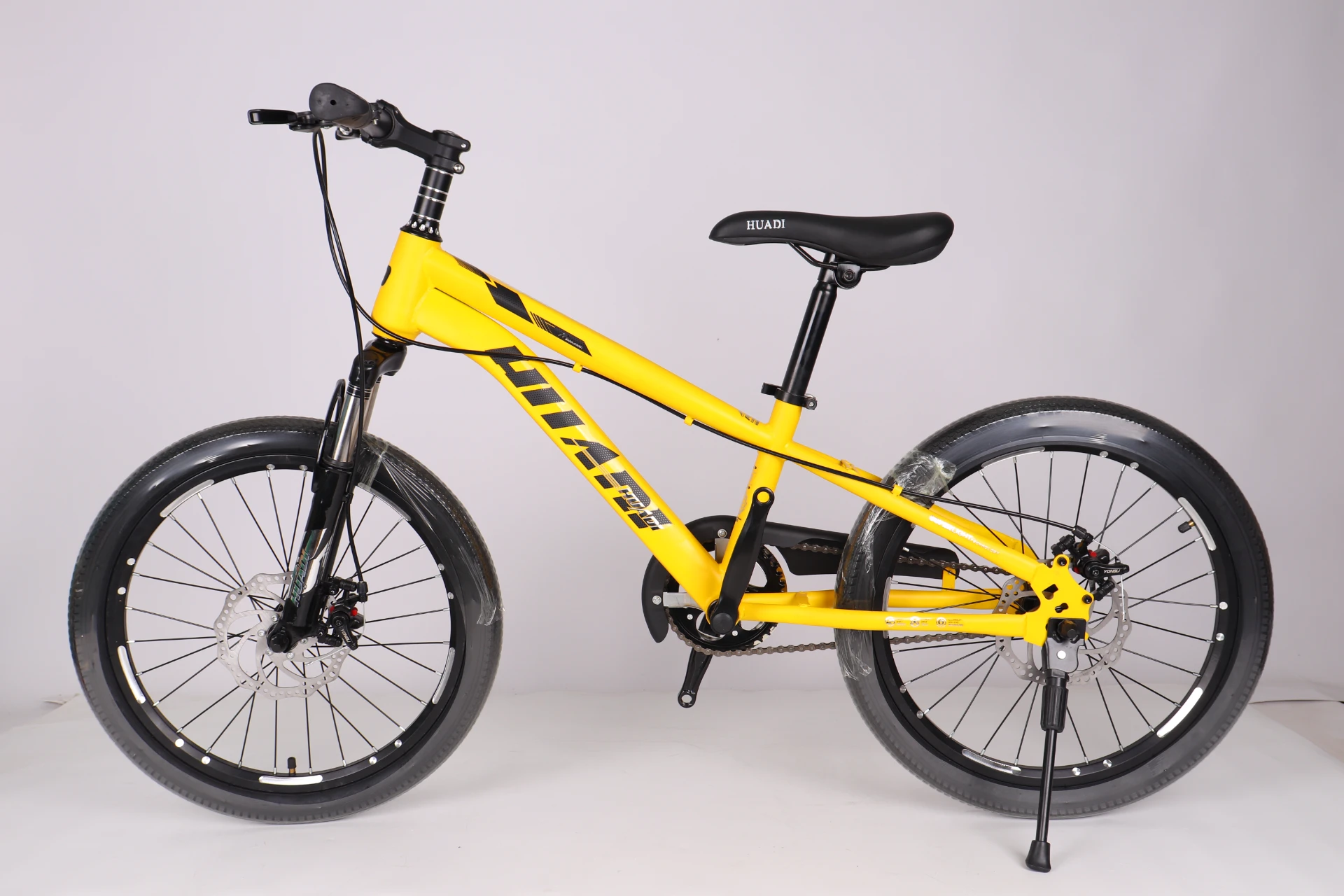
18 20 22 inch Children bike mountain bikes for 13 year old boy cycle for class 5 bicycle for 10year old boy kids
-
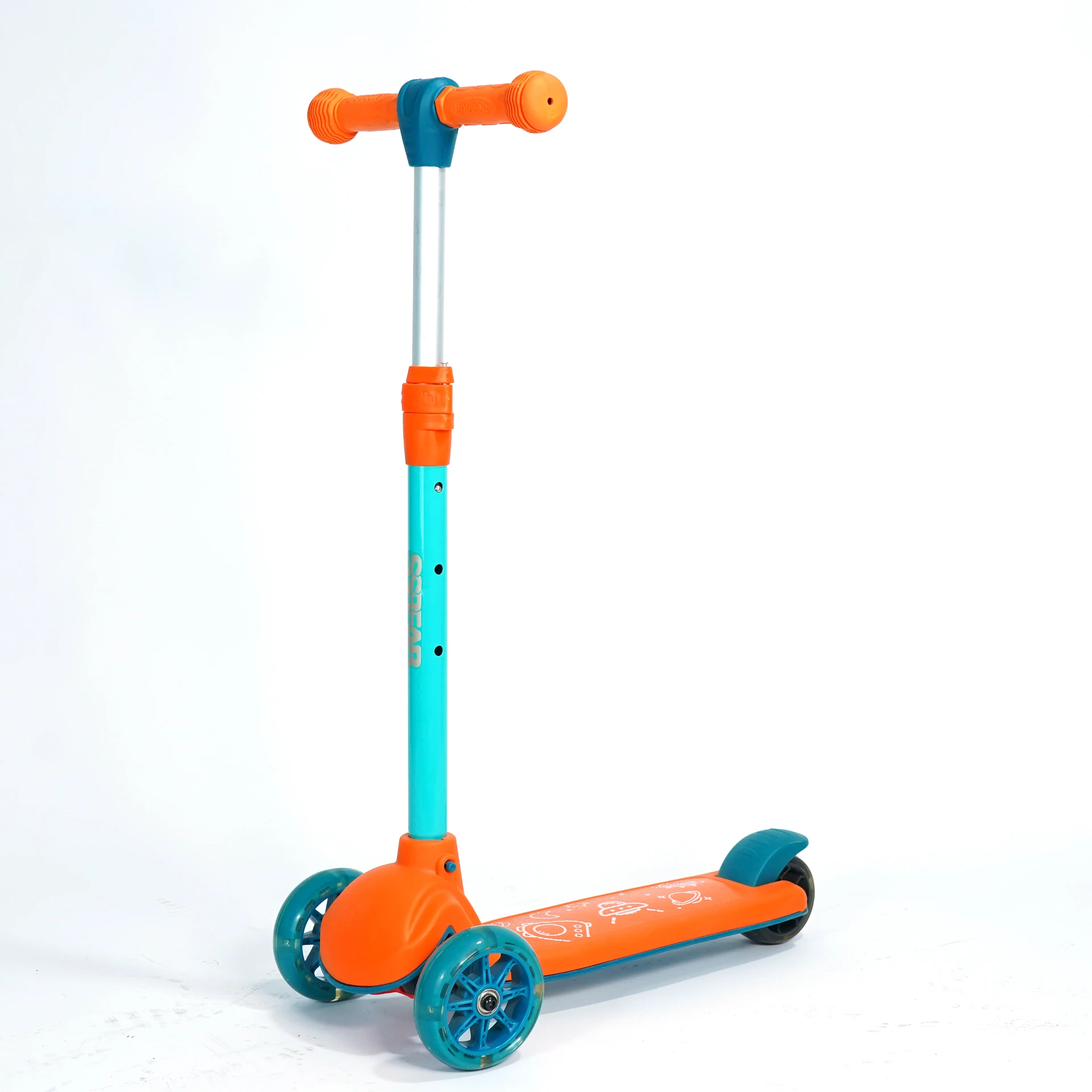
Hot Sale Kids Scooter 3 Pu Light-Up Wheel Kick Scooter For 3-6 Year Olds
-

EU Child 3 To 10 Years Baby Soccer Kick Scooters & Foot Scooters For Kids Boys
-
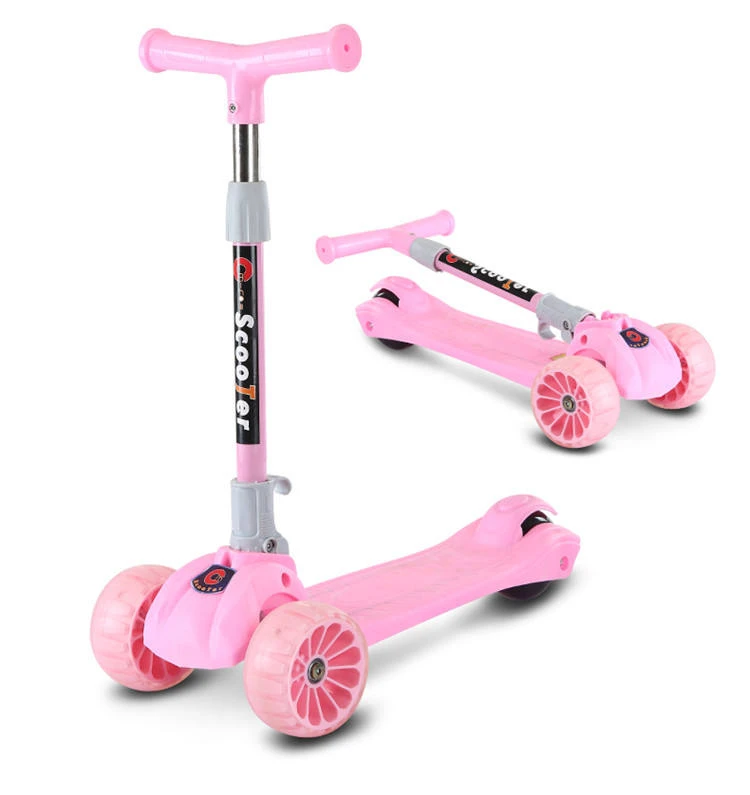
Factory Sale Kid Scooter Foot scooter Kids Kick scooter For Toddler.
-
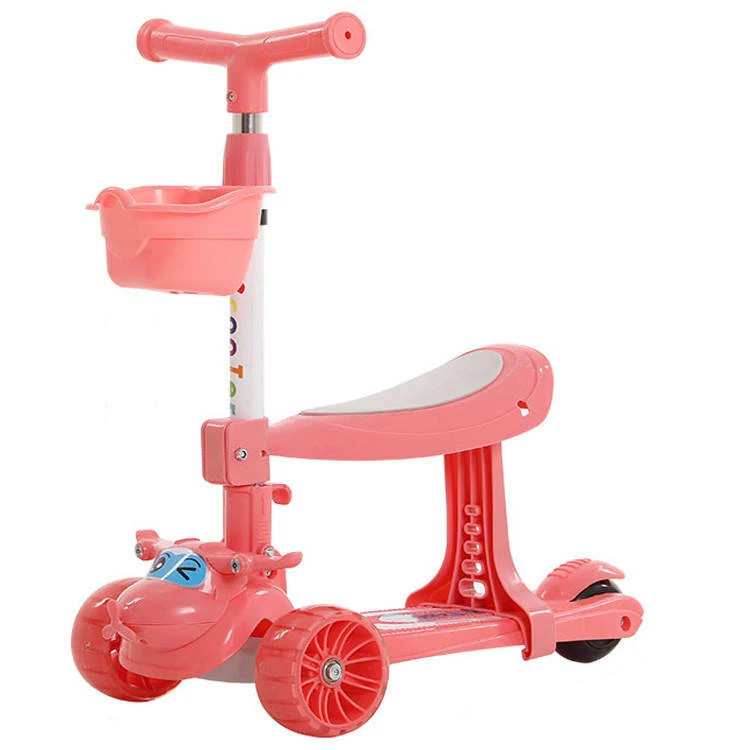
Best Seller Multifunctional Folding Kid Kick 3 Wheels Children Foot Scooter Foldable Baby Kid Scooters
-
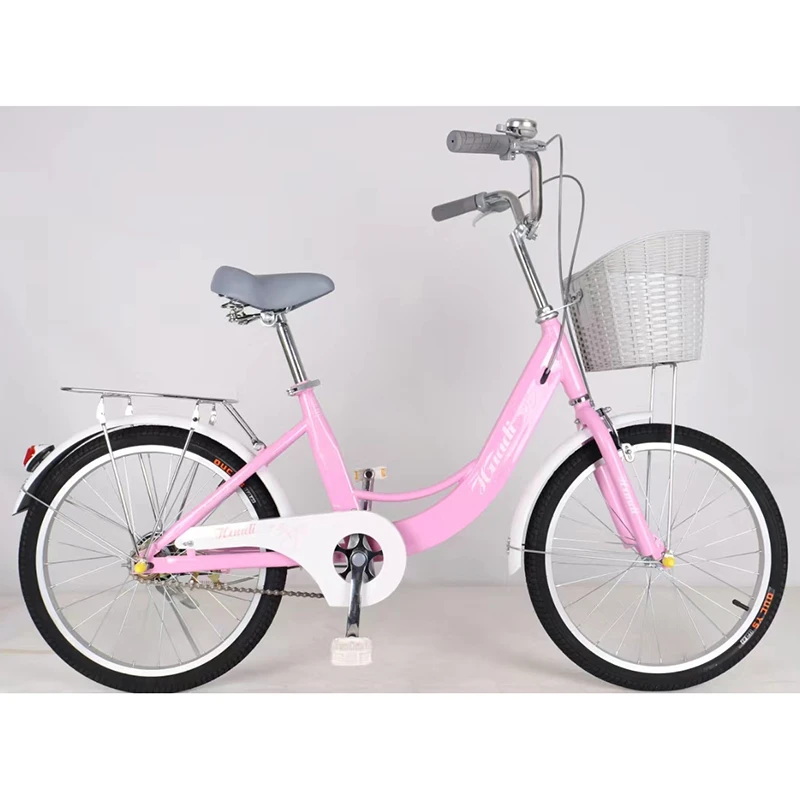
Hot sale kids bikes OEM custom cheap baby children bicycle bike beautiful cycle for girls kids
 Afrikaans
 Albanian
 Amharic
 Arabic
 Armenian
 Azerbaijani
 Basque
 Belarusian
 Bengali
 Bosnian
 Bulgarian
 Catalan
 Cebuano
 Corsican
 Croatian
 Czech
Czech
 Danish
 Dutch
Dutch
 Esperanto
 Estonian
 Finnish
 French
 Frisian
 Galician
 Georgian
 German
 Greek
Greek
 Gujarati
 Haitian Creole
 Hausa
Hausa
 Hawaiian
 Hebrew
 Hindi
Hindi
 Miao
Miao
 Hungarian
 Icelandic
 Igbo
Igbo
 Indonesian
 Irish
Irish
 Italian
 Japanese
 Javanese
 Kannada
 Kazakh
 Khmer
Khmer
 Rwandese
 Korean
 Kurdish
 Kyrgyz
 Lao
Lao
 Latin
Latin
 Latvian
 Lithuanian
 Luxembourgish
 Macedonian
 Malgashi
 Malay
Malay
 Malayalam
 Maltese
 Maori
Maori
 Marathi
 Mongolian
 Myanmar
 Nepali
 Norwegian
 Norwegian
 Occitan
 Pashto
 Persian
 Polish
 Portuguese
 Punjabi
 Romanian
 Russian
 Samoan
 Scottish Gaelic
 Serbian
 Sesotho
 Shona
Shona
 Sindhi
 Sinhala
 Slovak
 Slovenian
 Somali
 Spanish
 Sundanese
 Swahili
 Swedish
 Tagalog
 Tajik
Tajik
 Tamil
Tamil
 Tatar
Tatar
 Telugu
 Thai
Thai
 Turkish
 Turkmen
 Ukrainian
 Urdu
Urdu
 Uighur
 Uzbek
Uzbek
 Vietnamese
 Welsh
Welsh
 Bantu
Bantu
 Yiddish
 Yoruba
 Zulu
Zulu
 English