Durable Kids Pro Scooter Choices | Industry Insider Insights
Kids Pro Scooter: A Practical Look from Industry Experience
Having spent quite a few years working in the industrial equipment sector, I’ve encountered my fair share of products designed for durability and performance. But stepping into the world of kids’ scooters? That was a bit of a refreshing detour, honestly. The kids pro scooter niche blends kid-friendly design with surprisingly robust engineering — it’s an interesting balance that not many people appreciate at first glance.
One thing that struck me early on is how much the industry has evolved. These scooters aren’t your run-of-the-mill toys; many are crafted from materials like aluminum alloys and incorporate precision bearings that could easily be found in more “serious” equipment. Frankly, the level of engineering put into ensuring safety while maintaining fun is admirable.
In real terms, a kids pro scooter usually aims for lightweight construction but enough sturdiness to withstand rough play — a tricky combo. The wheels often use polyurethane for smooth rides on most surfaces, while the deck has anti-slip patterns. I've noticed many engineers say those small touches make all the difference in user satisfaction and safety.
| Feature | Specification |
|---|---|
| Frame Material | 6061 Aluminum Alloy |
| Wheel Diameter | 120 mm |
| Wheel Material | PU (Polyurethane) |
| Bearing Type | ABEC-7 |
| Deck Width | 13 cm |
| Handlebar Height | 70-85 cm adjustable |
| Weight Capacity | Up to 50 kg |
| Brake Type | Rear Foot Brake |
Beyond specs, the differentiation between vendors is quite telling. I’ve worked with manufacturers who treat kids’ scooters as an afterthought, and others who bring rigid quality controls and user-centric design philosophies. In fact, from my side of the fence, it’s odd how some brands prioritize flashy graphics over structural safety, which is frankly unnerving.
| Vendor | Material Quality | Safety Certifications | Adjustability | Price Range |
|---|---|---|---|---|
| Zhongzhou Bike | High-grade Aluminum | EN 14619 | Yes, height adjustable | $60–$90 |
| ScootFast | Medium grade Aluminum | CPSC Certified | Limited adjustability | $50–$80 |
| KidzRide | Plastic-heavy mix | Unknown | Non-adjustable | $30–$50 |
One memorable story I vaguely recall was about a local kid who took his pro scooter through some rather unpredictable terrain — rough pavement, gravel edges, and some slight inclines. The scooter’s sturdy frame and decent shock absorption meant it didn’t wobble much, which, frankly, surprised a couple of parents nearby. It’s one thing to see specs on paper, but everyday use tests are the real proof.
Customization is another angle that’s blossoming in this segment. Some vendors now offer personalized decals or interchangeable deck stickers, which I think add a subtle but meaningful layer of ownership for little riders. It’s not engineering-heavy, sure, but kids love their scooter’s “personality.”
To sum it up, if you’re eyeing a kids pro scooter, look for balanced construction — sturdy but not heavy, adjustable for growth spurts, and backed by a good safety certification. Frankly, those details save a lot of headache down the road. It feels like the market is maturing nicely, and with a few wise choices, these scooters could serve both fun and function well.
Oddly enough, it’s a sector that proves quality can be affordable, as long as you know where to look.
References:
1. EN 14619 Safety Standards for Scooters
2. Industry interviews with lightweight aluminum manufacturers
3. Real-world user feedback forums, 2023
-
Electric Scooter Age 3 Safe Introduction to Early Mobility GuideNewsApr.16,2026
-
Is an Electric Scooter Age 4 Safe Complete Parents GuideNewsApr.09,2026
-
Choosing the Best Electric Scooter for a 9 Year Old Rider's SafetyNewsApr.07,2026
-
Comprehensive Guide to Choosing the Best Electric Scooter Ages 6 UpNewsApr.04,2026
-
Choosing the Best Electric Scooter for 6yr Old Riders A Comprehensive GuideNewsMar.31,2026
-
The Ultimate Guide to Choosing an Electric Scooter for Age 10 RidersNewsMar.28,2026
-
Choosing the Ideal Electric Scooter for Age 12 A Comprehensive Buyers GuideNewsMar.26,2026
Related Products
-
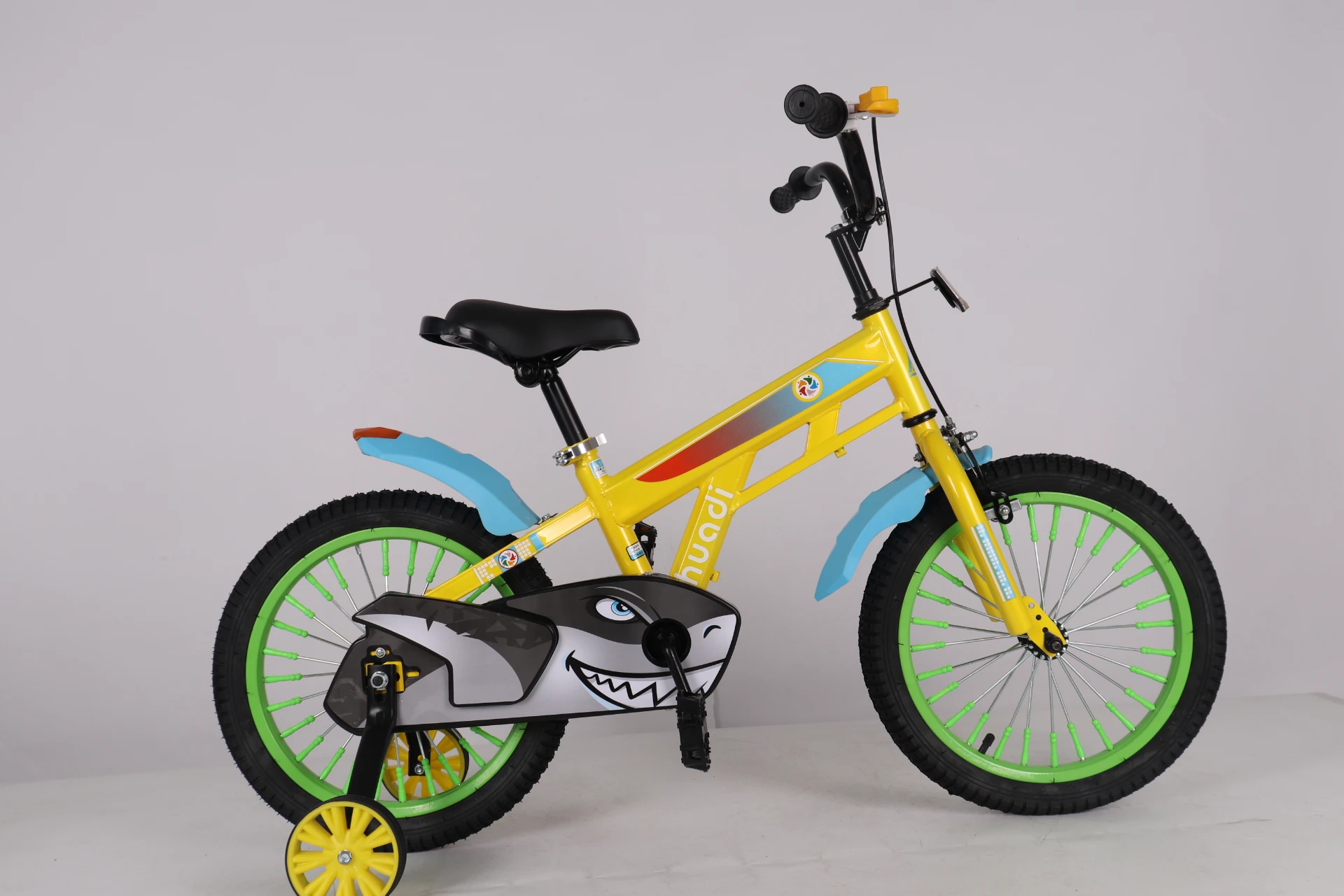
High quality kids bike children bicycle cycle cheap children bicycle with training wheel for sale
-
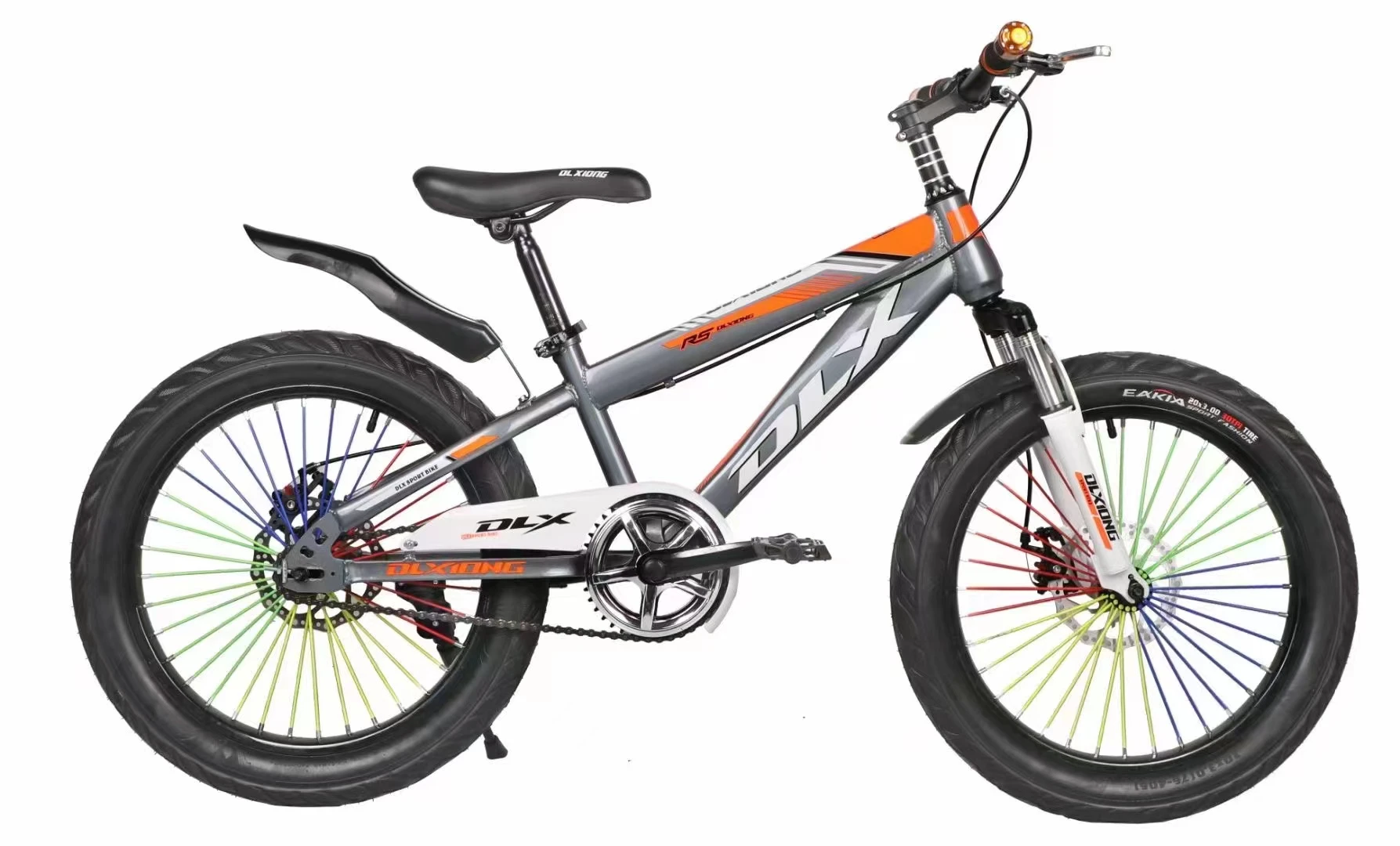
OEM 20 inch mountain bike children bikeVariable speed mountain bike suitable for student sports
-
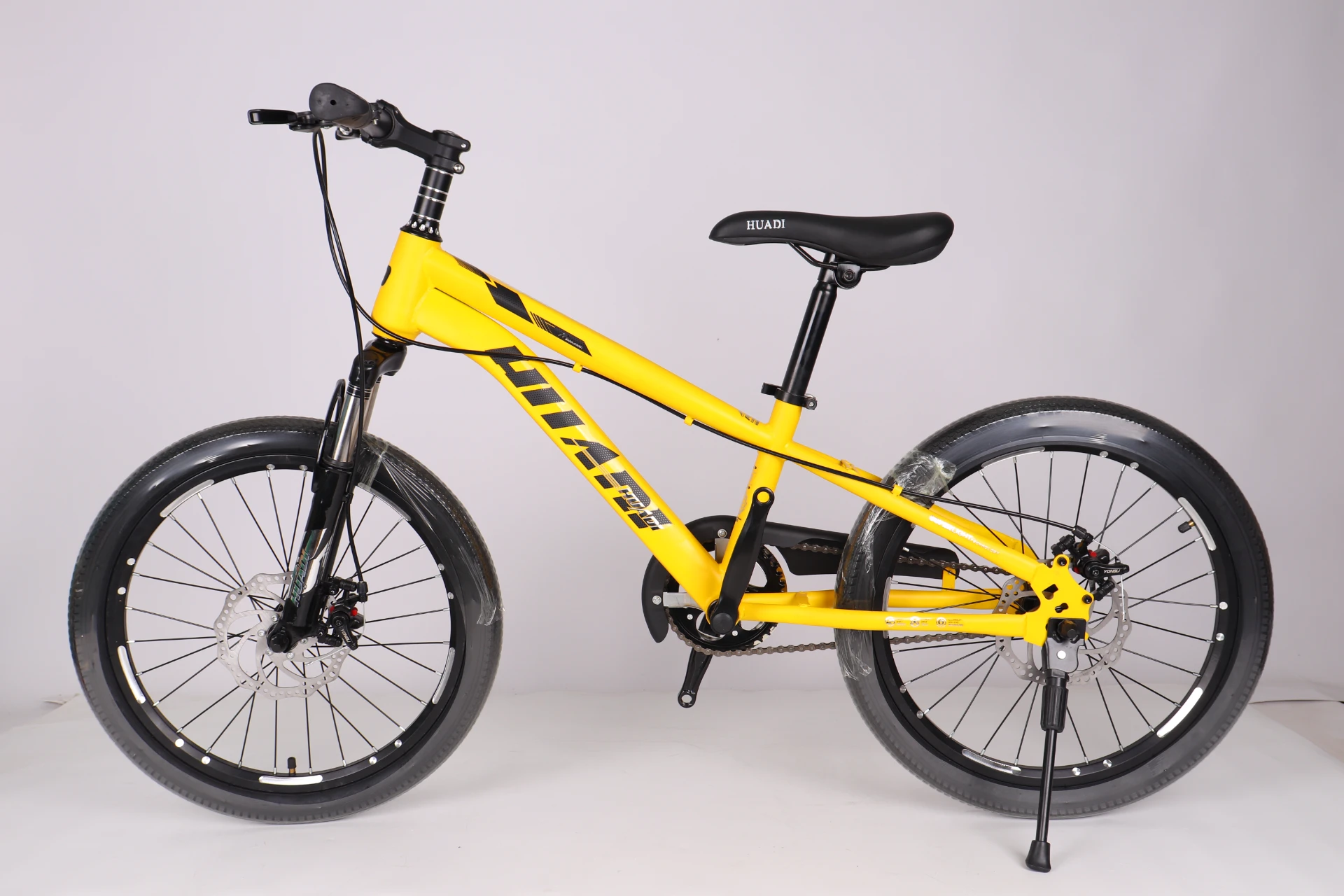
18 20 22 inch Children bike mountain bikes for 13 year old boy cycle for class 5 bicycle for 10year old boy kids
-
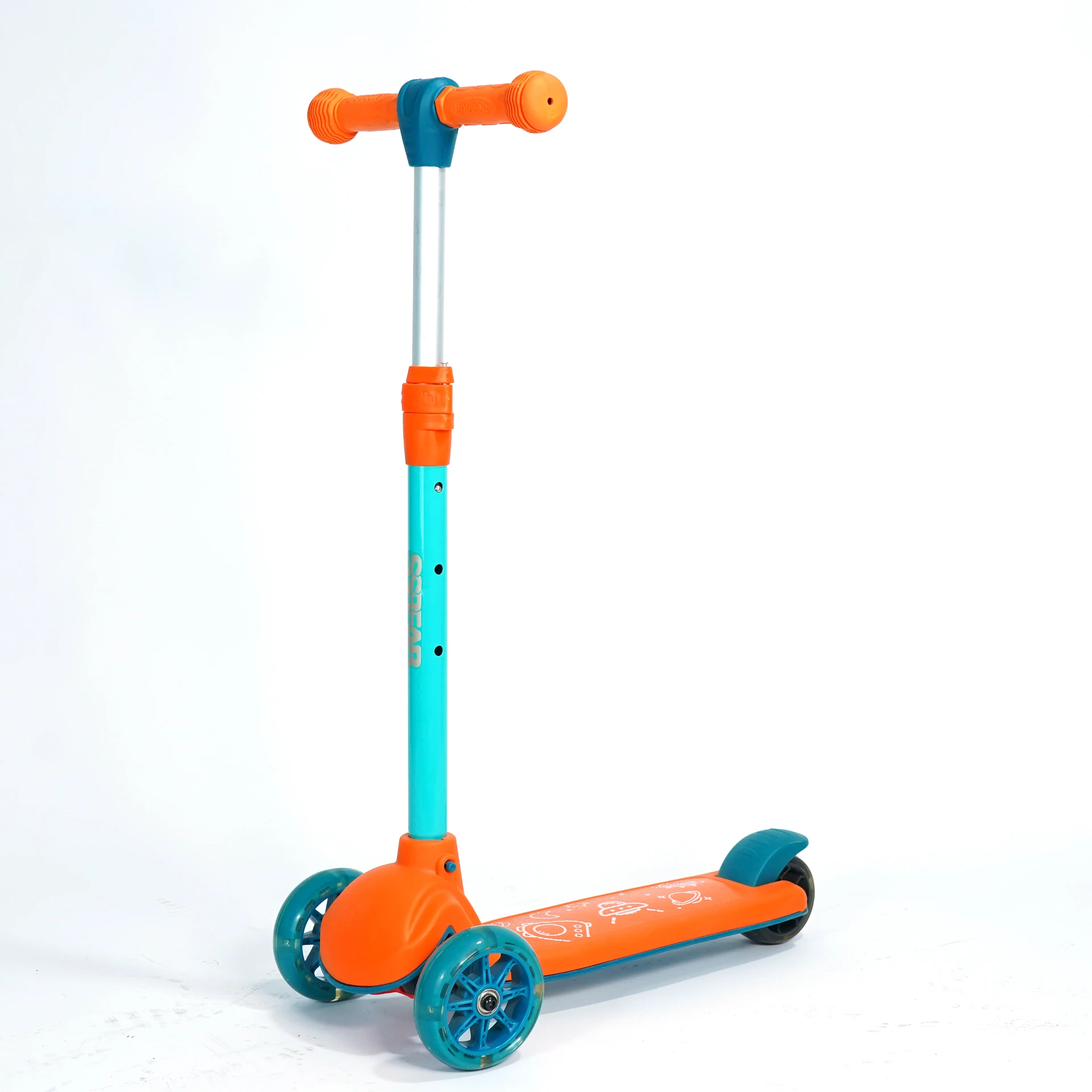
Hot Sale Kids Scooter 3 Pu Light-Up Wheel Kick Scooter For 3-6 Year Olds
-
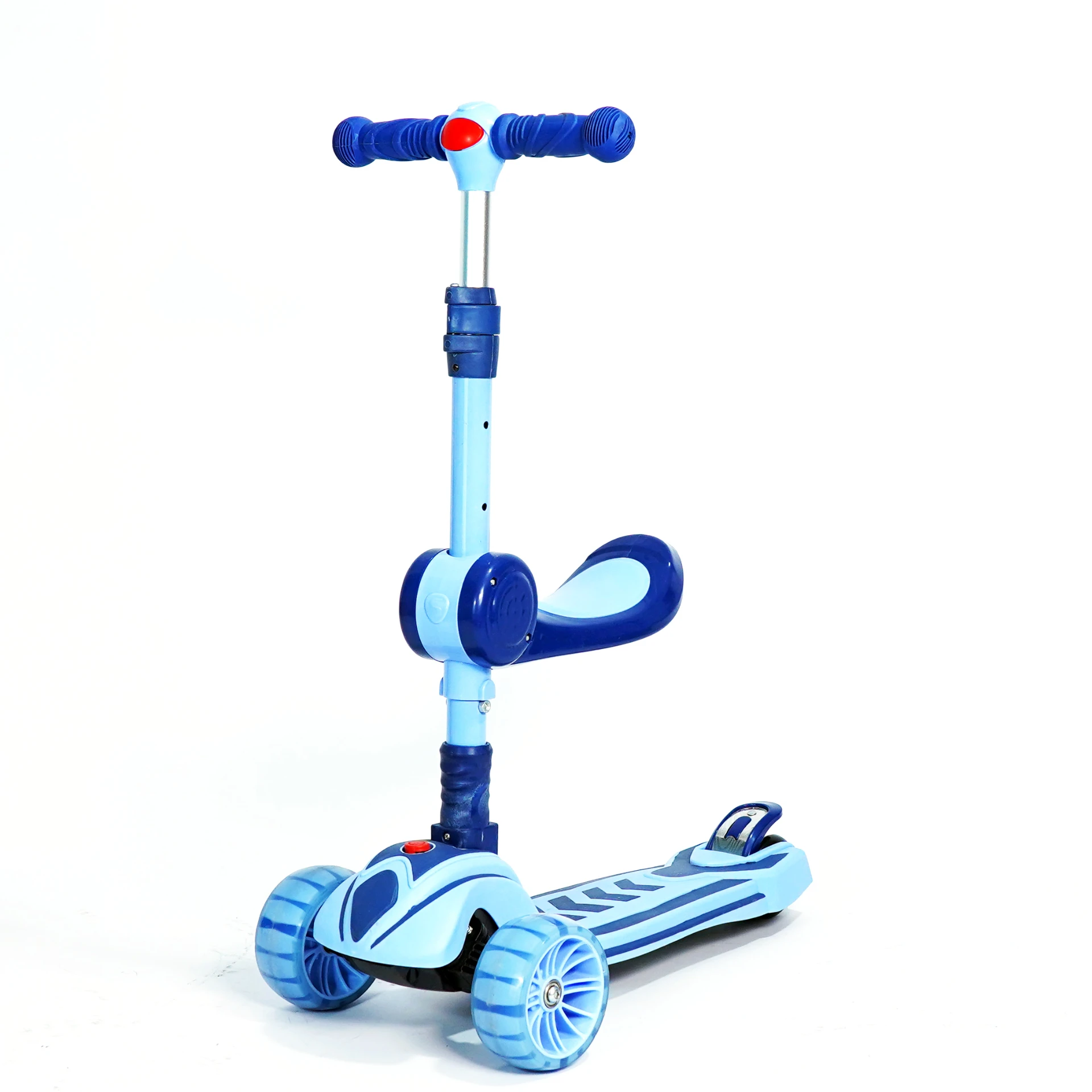
EU Child 3 To 10 Years Baby Soccer Kick Scooters & Foot Scooters For Kids Boys
-
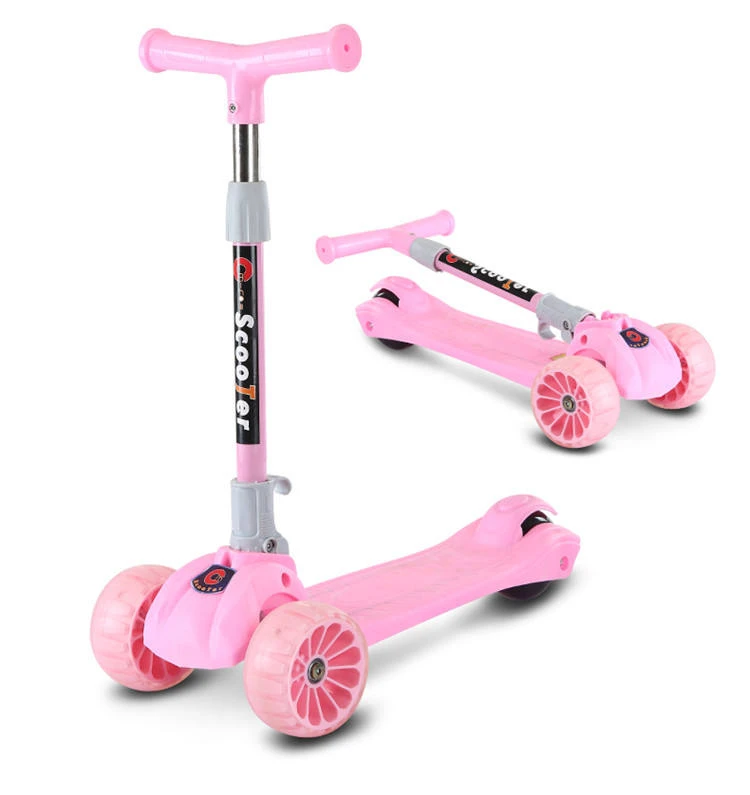
Factory Sale Kid Scooter Foot scooter Kids Kick scooter For Toddler.
-
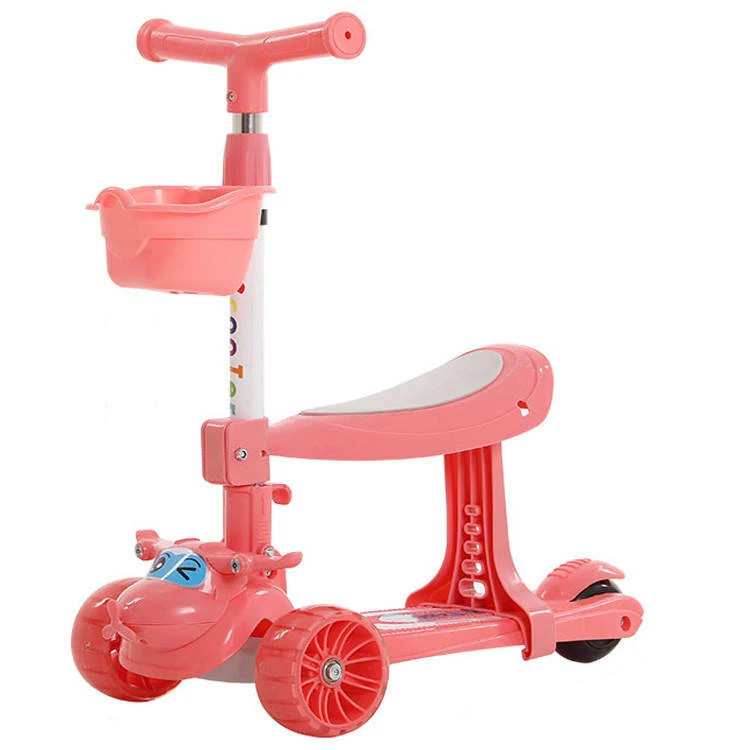
Best Seller Multifunctional Folding Kid Kick 3 Wheels Children Foot Scooter Foldable Baby Kid Scooters
-
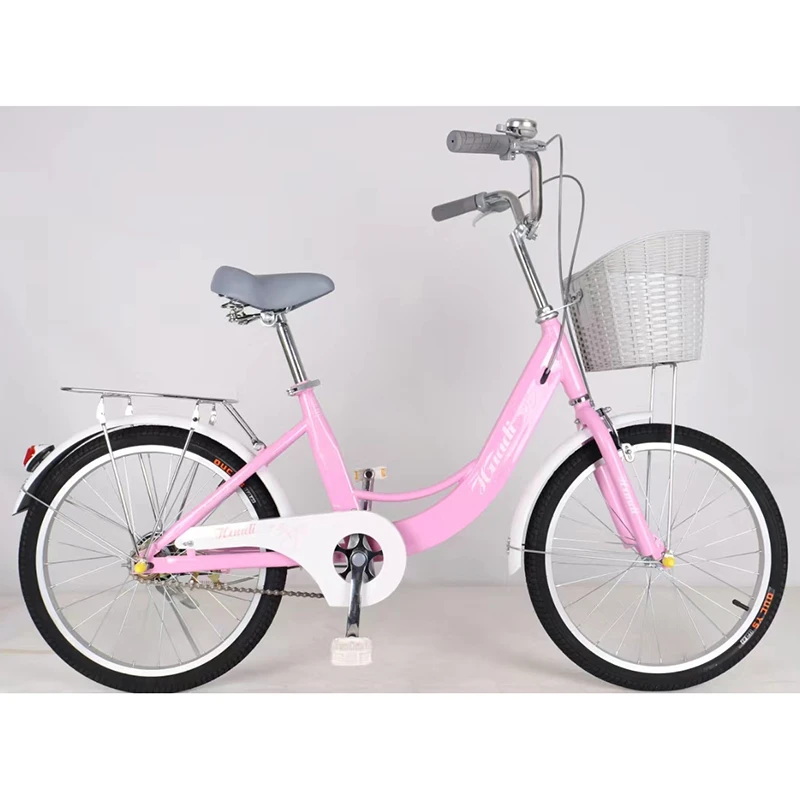
Hot sale kids bikes OEM custom cheap baby children bicycle bike beautiful cycle for girls kids
 Afrikaans
 Albanian
 Amharic
 Arabic
 Armenian
 Azerbaijani
 Basque
 Belarusian
 Bengali
 Bosnian
 Bulgarian
 Catalan
 Cebuano
 Corsican
 Croatian
 Czech
Czech
 Danish
 Dutch
Dutch
 Esperanto
 Estonian
 Finnish
 French
 Frisian
 Galician
 Georgian
 German
 Greek
Greek
 Gujarati
 Haitian Creole
 Hausa
Hausa
 Hawaiian
 Hebrew
 Hindi
Hindi
 Miao
Miao
 Hungarian
 Icelandic
 Igbo
Igbo
 Indonesian
 Irish
Irish
 Italian
 Japanese
 Javanese
 Kannada
 Kazakh
 Khmer
Khmer
 Rwandese
 Korean
 Kurdish
 Kyrgyz
 Lao
Lao
 Latin
Latin
 Latvian
 Lithuanian
 Luxembourgish
 Macedonian
 Malgashi
 Malay
Malay
 Malayalam
 Maltese
 Maori
Maori
 Marathi
 Mongolian
 Myanmar
 Nepali
 Norwegian
 Norwegian
 Occitan
 Pashto
 Persian
 Polish
 Portuguese
 Punjabi
 Romanian
 Russian
 Samoan
 Scottish Gaelic
 Serbian
 Sesotho
 Shona
Shona
 Sindhi
 Sinhala
 Slovak
 Slovenian
 Somali
 Spanish
 Sundanese
 Swahili
 Swedish
 Tagalog
 Tajik
Tajik
 Tamil
Tamil
 Tatar
Tatar
 Telugu
 Thai
Thai
 Turkish
 Turkmen
 Ukrainian
 Urdu
Urdu
 Uighur
 Uzbek
Uzbek
 Vietnamese
 Welsh
Welsh
 Bantu
Bantu
 Yiddish
 Yoruba
 Zulu
Zulu
 English