The world of bike kids is rapidly evolving, offering innovative solutions for transportation, recreation, and personal development. These aren't just children on bicycles; it’s a burgeoning culture fostering physical activity, independence, and a connection to the outdoors. Understanding the needs and trends within the bike kids demographic is crucial for manufacturers, policymakers, and anyone invested in the well-being of future generations. bike kids are shaping a new era of youthful mobility.
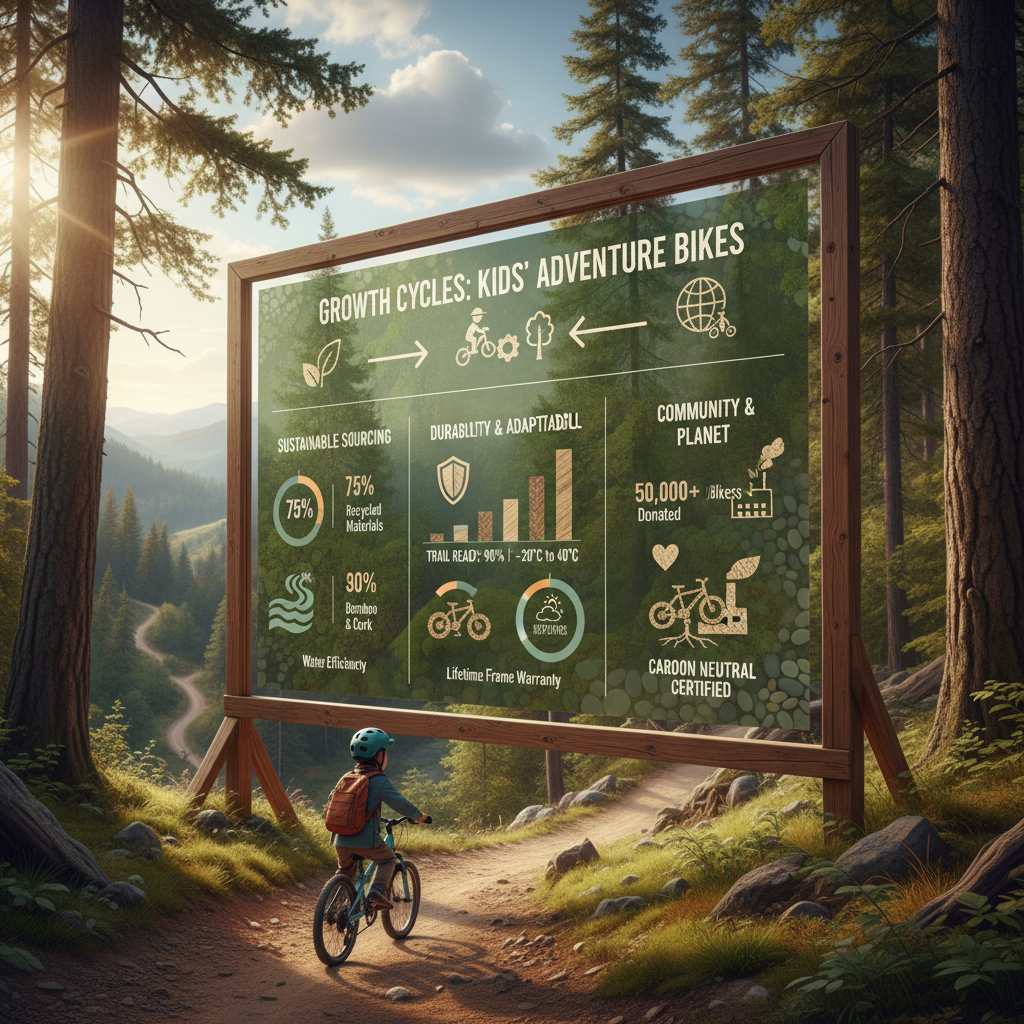
Globally, promoting cycling among children aligns with broader health and sustainability goals. The World Health Organization emphasizes the importance of physical activity for children, and cycling is an accessible and enjoyable way to achieve this. Simultaneously, the growing focus on reducing carbon footprints and fostering eco-friendly habits makes bike kids a vital part of a greener future. The increasing investment in cycling infrastructure in cities worldwide further supports this trend.
However, ensuring safe and inclusive access to cycling for all bike kids remains a significant challenge. Factors like traffic congestion, lack of dedicated bike lanes, and affordability can hinder participation. Addressing these issues requires collaborative efforts from governments, communities, and private sector stakeholders to create environments where every child can experience the joy and benefits of cycling.
The Growing Influence of Bike Kids
The rise of bike kids isn’t merely a trend; it's a cultural shift. Social media plays a significant role, with platforms like Instagram and TikTok showcasing impressive cycling skills, stylish bikes, and inspiring adventures. This online community fuels enthusiasm and encourages more children to embrace cycling. bike kids are building their own identity through this active lifestyle.
This influence extends to product development. Bike manufacturers are responding to the demand for cool, durable, and customizable bikes designed specifically for younger riders. We’re seeing innovations in bike design, safety features, and accessories, all aimed at appealing to the evolving tastes of bike kids and their parents.
Defining the Bike Kids Phenomenon
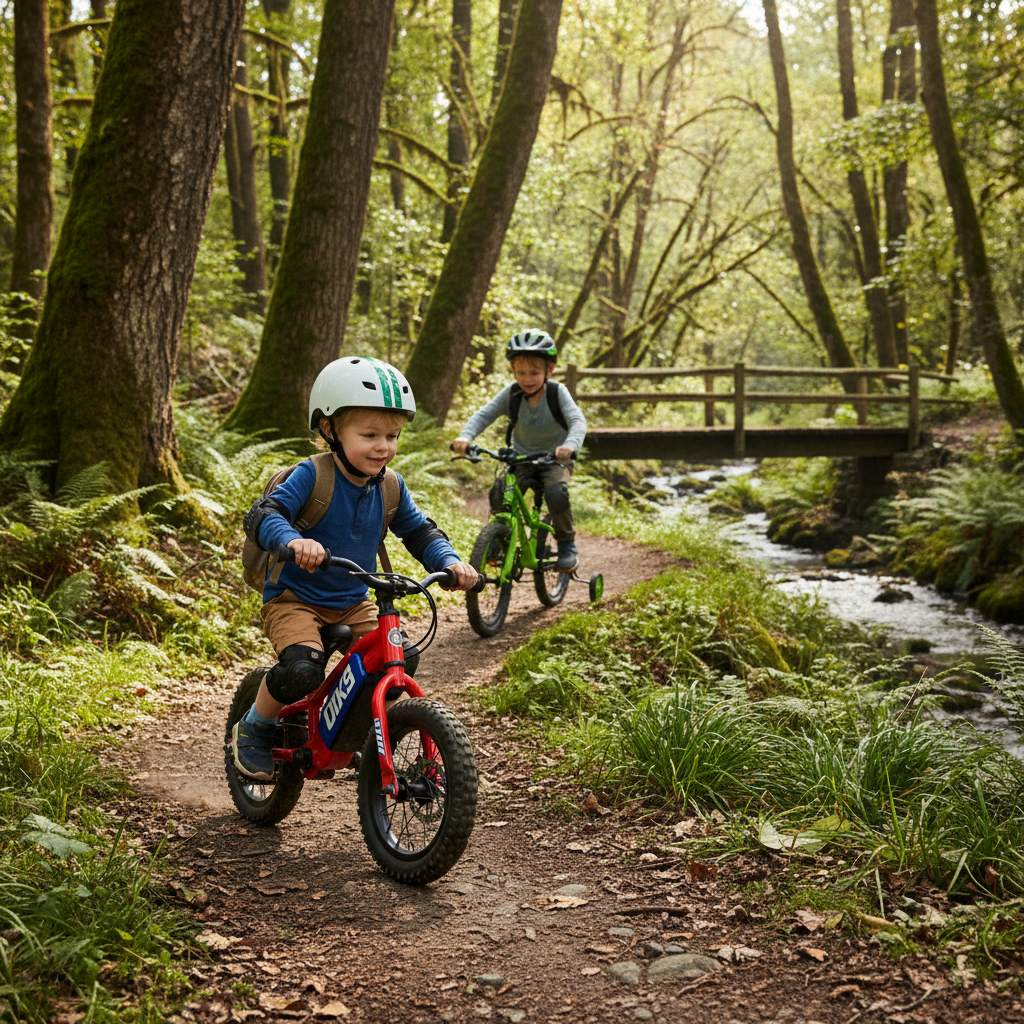
The term "bike kids" encompasses children and adolescents who are passionate about cycling, often viewing it as more than just a mode of transportation. It's a lifestyle, a community, and a form of self-expression. Bike kids often participate in various cycling activities, including recreational rides, BMX, mountain biking, and even competitive racing.
This phenomenon is intrinsically linked to modern needs for physical activity and a counterbalance to increasingly sedentary lifestyles. In an age dominated by screens, bike kids represent a movement towards active play and outdoor exploration. It’s about reclaiming public spaces and fostering a sense of freedom and independence.
Ultimately, the concept of bike kids isn't about the bike itself, but the values and experiences associated with it: friendship, adventure, skill development, and a love for the outdoors. This resonates with parents seeking healthy and positive activities for their children.
Key Factors Influencing Bike Kids
Safety: The perception of safety is paramount for parents when considering allowing their children to cycle independently. Well-maintained bike paths, dedicated bike lanes, and cycling education programs are crucial for fostering a safe environment. The availability of quality helmets and protective gear also plays a vital role.
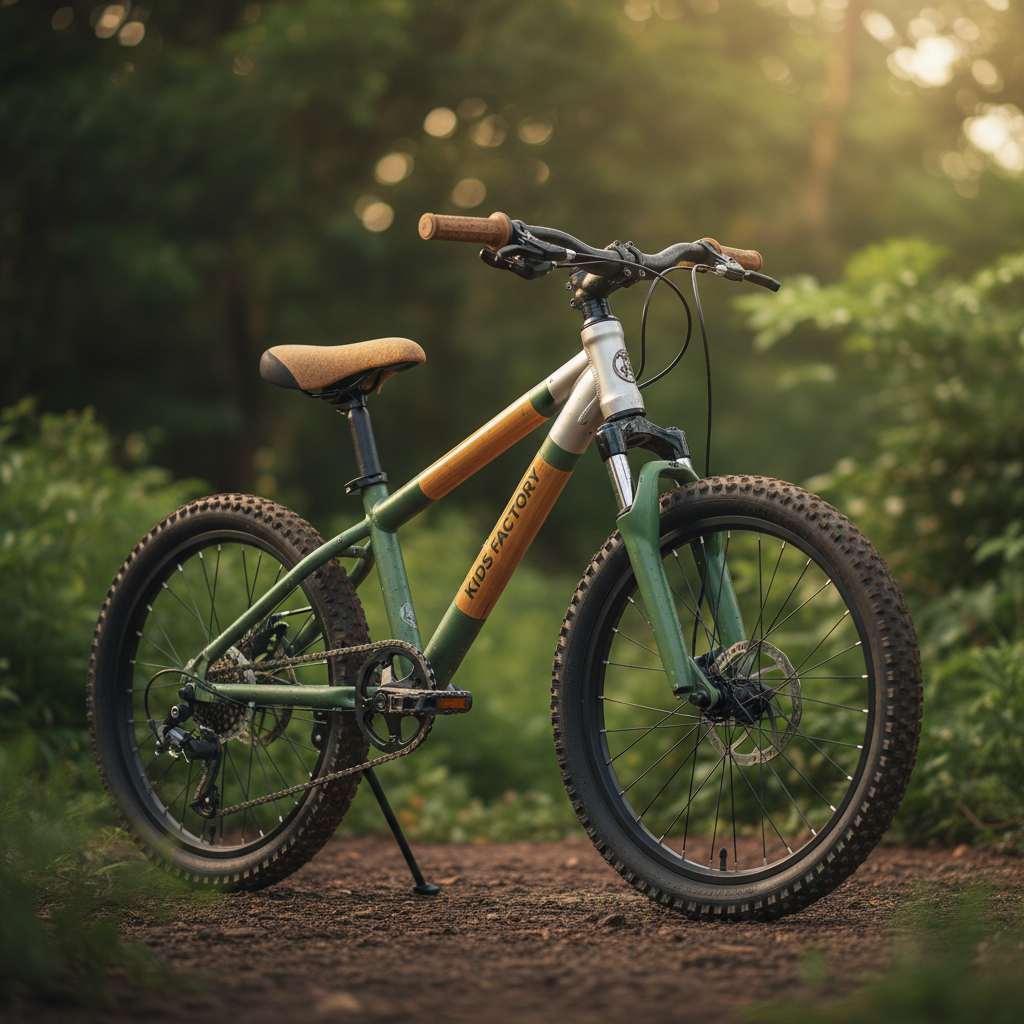
Bike Quality & Design: The appeal of a bike significantly impacts a child’s enthusiasm. Lightweight, well-designed bikes that are appropriately sized and easy to handle are essential. Features like vibrant colors, customizable components, and comfortable saddles add to the overall experience, making cycling more enjoyable for bike kids.
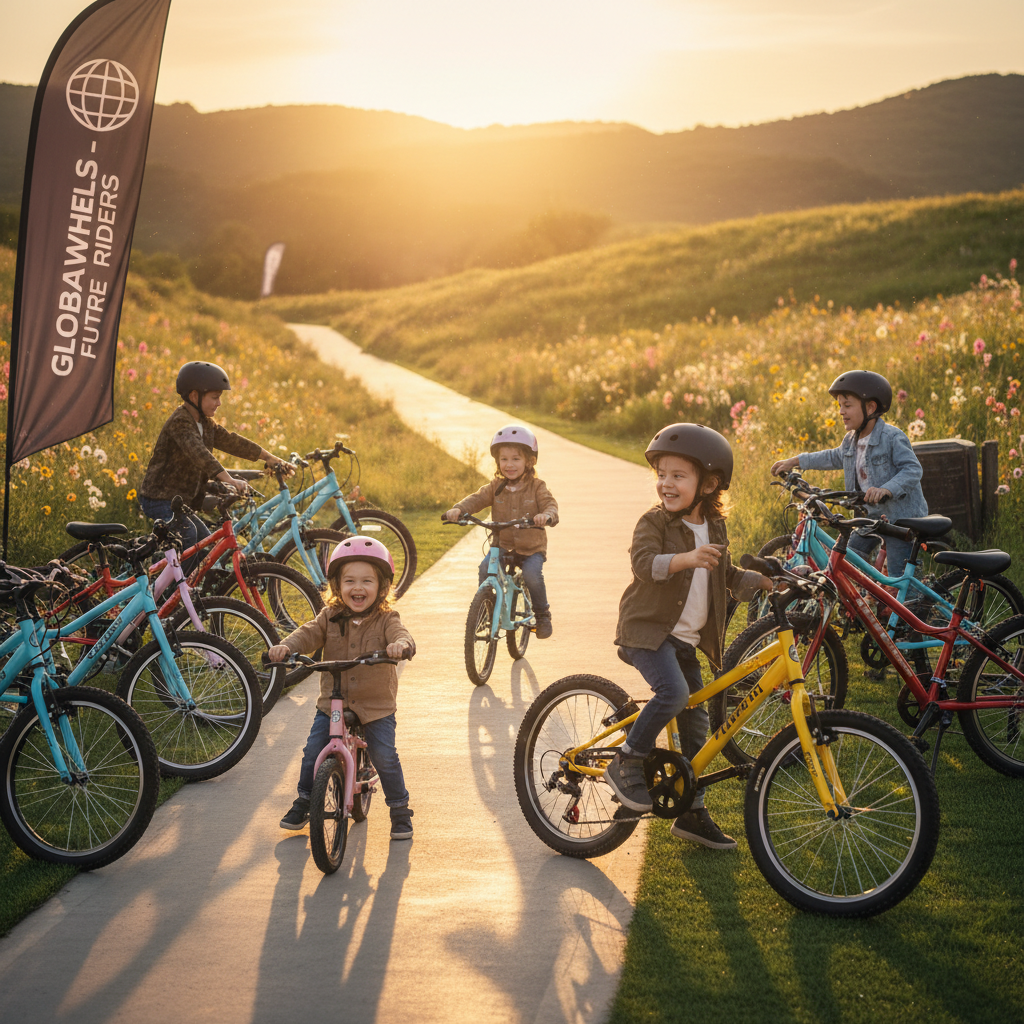
Community & Social Influence: Cycling is often a social activity, and the presence of a supportive community can greatly encourage participation. Bike clubs, school cycling programs, and local events provide opportunities for bike kids to connect with peers, learn new skills, and share their passion.
Global Applications of Bike Kids Culture
In Copenhagen, Denmark, cycling is ingrained in the culture, and bike kids are commonplace, benefiting from an extensive network of bike lanes and a city designed around cycling infrastructure. This promotes health, reduces traffic congestion, and fosters a sustainable lifestyle. bike kids thrive in this environment.
In some developing countries, bikes are often a primary mode of transportation, and bike kids are essential for accessing education, healthcare, and economic opportunities. Organizations are working to provide affordable bikes and cycling education programs to empower children and improve their quality of life.
Across North America, grassroots movements are advocating for safer streets and more bike-friendly infrastructure to support growing communities of bike kids. School cycling programs and community bike shops are becoming increasingly popular, offering access to bikes and cycling education for children of all backgrounds.
Bike Kids Engagement Levels by Activity Type
Advantages and Long-Term Value for Bike Kids
Beyond the immediate benefits of physical activity, cycling fosters a sense of independence and self-reliance in bike kids. Learning to navigate their surroundings on a bike builds confidence and problem-solving skills. It encourages exploration and a connection with their community.
Long-term, these experiences contribute to healthier lifestyles and reduced risk of chronic diseases. Cycling also promotes environmental awareness and responsible citizenship. Bike kids are more likely to grow into adults who prioritize sustainability and active living. bike kids become advocates for a healthier planet.
Future Trends in the World of Bike Kids
E-bikes designed for children are gaining popularity, offering assistance on hills and longer distances, making cycling accessible to a wider range of abilities. This opens up new opportunities for family rides and extended adventures for bike kids.
Smart bike technology, including GPS tracking, safety sensors, and connectivity features, is becoming increasingly integrated into children’s bikes. These technologies enhance safety, provide parents with peace of mind, and offer valuable data on riding habits.
The focus on inclusivity and accessibility is also driving innovation. Adaptive bikes and cycling programs are being developed to cater to children with disabilities, ensuring that all bike kids have the opportunity to experience the joy of cycling.
Challenges and Solutions for Bike Kids
One major challenge is the lack of safe cycling infrastructure in many communities. Addressing this requires advocating for dedicated bike lanes, protected intersections, and traffic calming measures to create safer environments for bike kids.
Affordability can also be a barrier to entry. Bike-sharing programs, subsidized bike purchases, and used bike initiatives can help make cycling more accessible to families with limited financial resources.
Education is key to promoting safe cycling habits. School cycling programs, community workshops, and online resources can teach bike kids essential skills, such as proper helmet use, traffic awareness, and bike maintenance.
Summary of Solutions for Enhancing the Bike Kids Experience
| Challenge Area |
Solution Strategy |
Implementation Stakeholders |
Expected Impact |
| Infrastructure Deficiencies |
Advocate for Dedicated Bike Lanes |
Local Governments, Cycling Advocacy Groups |
Increased Safety & Ridership |
| Financial Barriers |
Subsidized Bike Programs |
Non-Profit Organizations, Corporate Sponsors |
Increased Access for Low-Income Families |
| Lack of Skill Development |
School-Based Cycling Education |
Schools, Local Cycling Clubs |
Improved Cycling Safety & Confidence |
| Limited Parental Awareness |
Community Workshops & Resources |
Parent-Teacher Associations, Public Health Agencies |
Enhanced Parental Support for Bike Kids |
| Safety Concerns |
Helmet Promotion Campaigns |
Safety Organizations, Retailers |
Reduced Head Injuries |
| Limited Community Engagement |
Organized Group Rides & Events |
Local Bike Shops, Community Centers |
Stronger Bike Kids Community |
FAQS
Generally, most children are ready to start learning between the ages of 3 and 6, but readiness varies greatly. It's less about age and more about physical and emotional development. They should have good balance and coordination, and be able to follow simple instructions. Start with a balance bike to develop these skills before introducing pedals. Focus on creating a fun and supportive environment to build their confidence. It's important to adjust the learning process to suit each individual child’s pace and abilities.
Safety is paramount. Always ensure your child wears a properly fitted helmet. Teach them basic traffic rules and hand signals. Choose safe riding locations, like bike paths or quiet streets, away from heavy traffic. Regularly inspect their bike to ensure it’s in good working condition, with functional brakes. Consider brightly colored clothing for increased visibility. Supervise younger children closely, and gradually allow them more independence as their skills and confidence grow.
A lightweight bike that is appropriately sized is crucial. A bike that is too heavy or too large will be difficult for a child to control. Balance bikes are excellent for developing balance and coordination before introducing pedals. For bikes with pedals, ensure the child can comfortably reach the ground while seated. Consider bikes with coaster brakes (pedal-back brakes) for easier stopping, especially for younger riders.
Positive reinforcement and encouragement are key. Celebrate small victories and focus on the progress they've made. Avoid criticism and instead offer constructive feedback. Make cycling fun by incorporating games, exploring new routes, or riding with friends. Be patient and understanding, and remember that learning takes time and effort. Lead by example - show them your own enjoyment of cycling!
Several excellent resources are available. The League of American Bicyclists (bikeleague.org) offers educational materials and safety courses. Local bike shops often host workshops and clinics. Check with your local schools or community centers for cycling programs. Online resources, such as those provided by Safe Kids Worldwide (safekids.org), also offer valuable information and tips.
A properly fitted helmet is essential. Measure your child's head circumference and refer to the helmet manufacturer's sizing chart. The helmet should sit level on the head, covering the forehead, and should not move from side to side or front to back. Adjust the straps to create a snug, comfortable fit. The chin strap should be buckled securely, allowing only one or two fingers to fit between the strap and the chin. Replace the helmet after any impact, even if it appears undamaged.
Conclusion
In conclusion, the world of bike kids represents a powerful movement towards healthier, more sustainable, and more connected communities. From fostering physical activity and independence to promoting environmental awareness and social interaction, the benefits of cycling for children are undeniable. By prioritizing safety, accessibility, and education, we can empower the next generation of cyclists and create a brighter future for all. bike kids truly embody a dynamic and positive force.
Looking ahead, continued investment in cycling infrastructure, innovative bike technology, and community-based programs will be crucial to support the growth of the bike kids movement. By embracing these opportunities, we can unlock the full potential of cycling and inspire a lifelong love of two wheels in children around the globe. Let’s continue to champion the joys and benefits of bike kids for years to come.

 English
  Afrikaans
  Albanian
  Amharic
  Arabic
  Armenian
  Azerbaijani
  Basque
  Belarusian
  Bengali
  Bosnian
  Bulgarian
  Catalan
  Cebuano
  Corsican
  Croatian
  Czech
Czech  Danish
  Dutch
Dutch  Esperanto
  Estonian
  Finnish
  French
  Frisian
  Galician
  Georgian
  German
  Greek
Greek  Gujarati
  Haitian Creole
  Hausa
Hausa  Hawaiian
  Hebrew
  Hindi
Hindi  Miao
Miao  Hungarian
  Icelandic
  Igbo
Igbo  Indonesian
  Irish
Irish  Italian
  Japanese
  Javanese
  Kannada
  Kazakh
  Khmer
Khmer  Rwandese
  Korean
  Kurdish
  Kyrgyz
  Lao
Lao  Latin
Latin  Latvian
  Lithuanian
  Luxembourgish
  Macedonian
  Malgashi
  Malay
Malay  Malayalam
  Maltese
  Maori
Maori  Marathi
  Mongolian
  Myanmar
  Nepali
  Norwegian
  Norwegian
  Occitan
  Pashto
  Persian
  Polish
  Portuguese
  Punjabi
  Romanian
  Russian
  Samoan
  Scottish Gaelic
  Serbian
  Sesotho
  Shona
Shona  Sindhi
  Sinhala
  Slovak
  Slovenian
  Somali
  Spanish
  Sundanese
  Swahili
  Swedish
  Tagalog
  Tajik
Tajik  Tamil
Tamil  Tatar
Tatar  Telugu
  Thai
Thai  Turkish
  Turkmen
  Ukrainian
  Urdu
Urdu  Uighur
  Uzbek
Uzbek  Vietnamese
  Welsh
Welsh  Bantu
Bantu  Yiddish
  Yoruba
  Zulu
Zulu