The world of children's cycling has seen a surge in popularity, particularly with the rise of kid mountain bikes. These aren't simply scaled-down versions of adult bikes; they are specifically designed to foster a love of outdoor adventure, build confidence, and promote physical fitness in young riders. The demand for high-quality, safe, and durable kid mountain bikes is increasing globally, driven by families seeking healthier and more engaging activities for their children.
This growing trend reflects a broader societal shift towards prioritizing outdoor experiences and active lifestyles. The market for kid mountain bikes isn’t just about recreation; it’s also about instilling a lifelong appreciation for cycling and the natural world. Manufacturers are responding with innovative designs and advanced features, making these bikes more accessible and appealing to a wider range of young riders.
Understanding the nuances of kid mountain bikes – from frame geometry and suspension systems to appropriate sizing and safety features – is crucial for parents and enthusiasts alike. Investing in the right bike can make all the difference in a child's riding experience, ensuring both enjoyment and safety.
The Evolution and Importance of kid mountain bikes
The history of kid mountain bikes is deeply intertwined with the growth of mountain biking itself. Initially, children simply rode modified adult bikes, which were often too large and cumbersome. Over time, dedicated manufacturers began to recognize the need for bikes specifically designed for smaller riders, leading to the development of lighter frames, smaller components, and improved handling characteristics. The increasing focus on youth fitness and outdoor recreation has fueled this evolution.
Today's kid mountain bikes are engineered with the same attention to detail as their adult counterparts, incorporating features like suspension forks, disc brakes, and geared drivetrains. These advancements not only enhance performance but also provide a safer and more enjoyable riding experience for young adventurers.
Defining kid mountain bikes: A Comprehensive Overview
At their core, kid mountain bikes are bicycles designed to handle off-road terrain. However, defining them goes beyond just the environment they’re intended for. They differ significantly from standard kids' bikes in several key areas, including frame geometry, component selection, and suspension systems. These differences are crucial for providing a comfortable and controlled ride on trails, gravel paths, and uneven surfaces.
Unlike pavement-focused bikes, kid mountain bikes feature wider tires with aggressive tread patterns for enhanced grip and traction. Their frames often have a slacker head tube angle, which contributes to greater stability at higher speeds and improved handling on technical terrain. Suspension forks, which absorb bumps and shocks, are becoming increasingly common, even on entry-level models.
The importance of properly fitted kid mountain bikes cannot be overstated. A bike that is too large or too small can be difficult to control and can lead to discomfort or even injury. Manufacturers are now offering a wider range of sizes and adjustable components to ensure a perfect fit for riders of all ages and abilities.
Core Components of High-Performance kid mountain bikes
Several key components contribute to the performance and safety of a kid mountain bike. The frame, typically constructed from aluminum alloy or steel, provides the structural foundation. Aluminum frames are lighter, making them easier for younger riders to handle, while steel frames offer greater durability. Proper frame sizing is paramount for a comfortable and efficient ride.
Suspension forks are another crucial component, absorbing shocks and vibrations from the trail. The level of suspension varies depending on the intended use of the bike – from basic coil-sprung forks for lighter trails to more advanced air-sprung forks with adjustable damping. Brakes, typically disc brakes (either mechanical or hydraulic), provide reliable stopping power in all conditions.
Finally, the drivetrain – consisting of the crankset, chain, cassette, and shifters – determines the bike's gearing range. Modern kid mountain bikes often feature multiple gears, allowing riders to tackle a variety of terrain with ease. Selecting the right drivetrain for a child's skill level and riding style is essential.
Global Applications and the Rise of Youth Cycling
The popularity of kid mountain bikes extends far beyond recreational riding. They are increasingly used in youth cycling programs, school mountain biking clubs, and competitive racing events around the world. These programs provide children with the opportunity to develop their skills, build confidence, and connect with nature.
From the rugged trails of North America to the rolling hills of Europe and the challenging mountain passes of Asia, kid mountain bikes are enabling a new generation of cyclists to explore the outdoors. In regions with limited access to traditional sports facilities, mountain biking offers a cost-effective and accessible form of exercise and recreation.
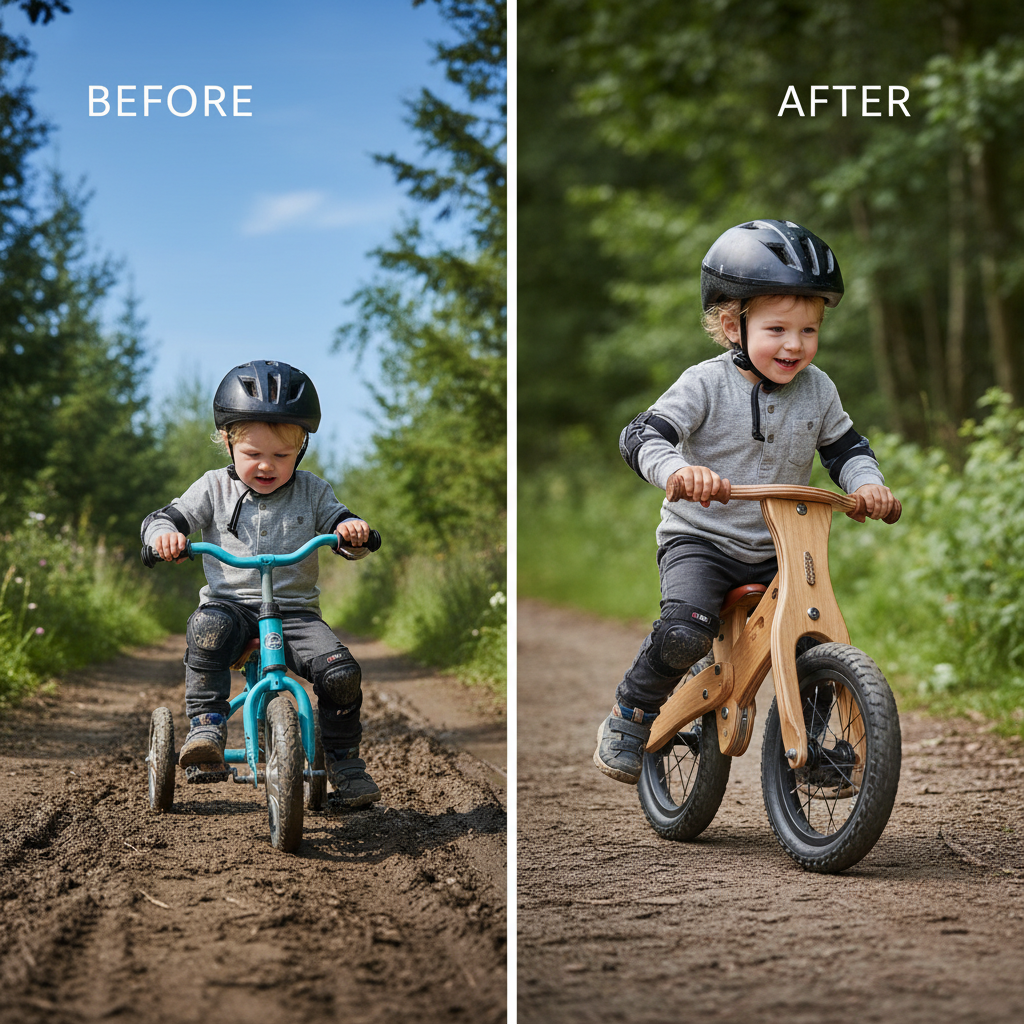
Kid Mountain Bike Training Method Effectiveness
Advantages and the Long-Term Value Proposition
Investing in a quality kid mountain bike offers a multitude of benefits, extending far beyond immediate enjoyment. Physically, it promotes cardiovascular health, strengthens muscles, and improves coordination. Mentally, it fosters a sense of independence, builds confidence, and encourages problem-solving skills.
The long-term value lies in cultivating a lifelong love of cycling and outdoor activity. Children who develop a passion for mountain biking are more likely to remain active and healthy throughout their lives. Furthermore, the skills and resilience learned on the trail can translate into success in other areas of life.
Future Trends and Innovations in kid mountain bikes
The future of kid mountain bikes is looking bright, with exciting innovations on the horizon. Electric assist bikes (e-bikes) are becoming increasingly popular, providing a boost for young riders tackling challenging terrain. Lighter and stronger materials, such as carbon fiber, are being used to create even more efficient and responsive bikes.
Advancements in suspension technology are also improving the riding experience, with more sophisticated damping systems providing a smoother and more controlled ride. Manufacturers are also focusing on developing more sustainable and environmentally friendly production processes.
Challenges and Solutions in kid mountain bike Design & Safety
Despite the advancements in kid mountain bike technology, challenges remain. Ensuring proper fit and safety is paramount, particularly as children grow rapidly. Many parents struggle to determine the correct bike size for their child, leading to discomfort and potential injuries.
To address this issue, manufacturers are offering adjustable components and more detailed sizing guides. Education is also key – parents need to be informed about the importance of proper fit, helmet use, and safe riding practices. The development of standardized safety features and testing protocols would further enhance the safety of kid mountain bikes.
Another challenge is affordability. High-quality kid mountain bikes can be expensive, putting them out of reach for some families. Manufacturers are exploring ways to reduce costs without compromising safety or performance, such as using more efficient production methods and offering financing options.
Kid Mountain Bike Safety Feature Comparison
| Feature Category |
Low-End Models (Rating 1-3) |
Mid-Range Models (Rating 4-7) |
High-End Models (Rating 8-10) |
| Braking System Performance |
2 |
5 |
9 |
| Frame Material Strength |
1 |
6 |
8 |
| Suspension Fork Quality |
0 |
4 |
7 |
| Tire Grip & Traction |
3 |
6 |
10 |
| Adjustability & Fit Range |
2 |
5 |
8 |
| Overall Safety Rating |
1 |
5 |
9 |
FAQS
Generally, children around 5-6 years old are ready to begin riding kid mountain bikes, provided they have developed sufficient coordination and balance. However, this varies greatly depending on the individual child’s development. Starting with a balance bike beforehand can help build the necessary skills. Always prioritize a proper fit and supervised practice to ensure a safe and enjoyable experience.
Choosing the correct size is crucial for safety and comfort. Measure your child's inseam and refer to the manufacturer’s sizing chart. A properly sized bike will allow your child to comfortably reach the pedals and handlebars without overextending. Consider a bike with adjustable seat height to accommodate growth spurts. Professional fitting is always recommended if possible.
Suspension forks aren’t always necessary, but they significantly improve the riding experience on rough terrain. For smoother trails, a rigid fork is sufficient. However, if your child will be riding on rocky, rooty, or uneven surfaces, a suspension fork will absorb shocks and vibrations, providing more control and comfort. Consider the type of terrain your child will be riding on when making your decision.
A properly fitted helmet is absolutely essential. In addition to a helmet, we recommend gloves, knee pads, and elbow pads, especially for beginners. Closed-toe shoes are also important for protection. Brightly colored clothing increases visibility. Always supervise young children and ensure they understand basic safety rules.
Regular maintenance is key to ensuring safety and longevity. Check the brakes, tires, and chain regularly. Lubricate the chain to keep it running smoothly. Inspect the frame for any cracks or damage. Tighten any loose bolts. Professional servicing once or twice a year is also recommended.
Disc brakes offer superior stopping power, especially in wet or muddy conditions, and require less maintenance than V-brakes. V-brakes are more affordable and easier to adjust but may lose effectiveness in adverse weather. For more demanding terrain and frequent riding, disc brakes are the preferred choice, while V-brakes are suitable for lighter use.
Conclusion
In conclusion, kid mountain bikes represent more than just a fun recreational activity; they’re an investment in a child’s health, confidence, and a lifelong love of the outdoors. From their evolution rooted in the growth of mountain biking to the innovative technologies shaping their future, these bikes offer a unique and valuable experience for young riders.
As the demand for kid mountain bikes continues to rise, it’s essential for parents to prioritize safety, proper fit, and quality components. By making informed choices and fostering a culture of responsible riding, we can ensure that the next generation of cyclists enjoys the many benefits that these exciting bikes have to offer. Visit our website at www.zhongzhoubike.com to explore our wide selection of kid mountain bikes and find the perfect ride for your little adventurer!

 English
  Afrikaans
  Albanian
  Amharic
  Arabic
  Armenian
  Azerbaijani
  Basque
  Belarusian
  Bengali
  Bosnian
  Bulgarian
  Catalan
  Cebuano
  Corsican
  Croatian
  Czech
Czech  Danish
  Dutch
Dutch  Esperanto
  Estonian
  Finnish
  French
  Frisian
  Galician
  Georgian
  German
  Greek
Greek  Gujarati
  Haitian Creole
  Hausa
Hausa  Hawaiian
  Hebrew
  Hindi
Hindi  Miao
Miao  Hungarian
  Icelandic
  Igbo
Igbo  Indonesian
  Irish
Irish  Italian
  Japanese
  Javanese
  Kannada
  Kazakh
  Khmer
Khmer  Rwandese
  Korean
  Kurdish
  Kyrgyz
  Lao
Lao  Latin
Latin  Latvian
  Lithuanian
  Luxembourgish
  Macedonian
  Malgashi
  Malay
Malay  Malayalam
  Maltese
  Maori
Maori  Marathi
  Mongolian
  Myanmar
  Nepali
  Norwegian
  Norwegian
  Occitan
  Pashto
  Persian
  Polish
  Portuguese
  Punjabi
  Romanian
  Russian
  Samoan
  Scottish Gaelic
  Serbian
  Sesotho
  Shona
Shona  Sindhi
  Sinhala
  Slovak
  Slovenian
  Somali
  Spanish
  Sundanese
  Swahili
  Swedish
  Tagalog
  Tajik
Tajik  Tamil
Tamil  Tatar
Tatar  Telugu
  Thai
Thai  Turkish
  Turkmen
  Ukrainian
  Urdu
Urdu  Uighur
  Uzbek
Uzbek  Vietnamese
  Welsh
Welsh  Bantu
Bantu  Yiddish
  Yoruba
  Zulu
Zulu