Choosing the right kids bike 3 year old is more than just a purchase; it is an investment in a child's motor skill development and confidence. At the age of three, children transition from simple stability to active exploration, making the choice of frame, wheel size, and safety features critical for their first real riding experience.
Across the globe, the demand for ergonomically designed toddler cycles has surged as parents move away from traditional training wheels toward balance-first philosophies. A high-quality kids bike 3 year old bridges the gap between a baby tricycle and a full-sized pedal bike, focusing on low-center gravity and intuitive handling.
Understanding the technical nuances—such as the shift from 12-inch to 14-inch wheels and the importance of lightweight alloys—ensures that the child remains safe while developing a lifelong love for cycling. By prioritizing safety standards and adjustable components, manufacturers are redefining how toddlers experience their first taste of independence.
Global Standards for Kids Bike 3 Year Old
The manufacturing of a kids bike 3 year old is governed by strict international safety protocols, including ISO and ASTM standards, to prevent common childhood injuries. These regulations dictate the non-toxicity of paints, the strength of the frame welds, and the reliability of the braking systems, ensuring that the product can withstand the unpredictable nature of toddler usage.
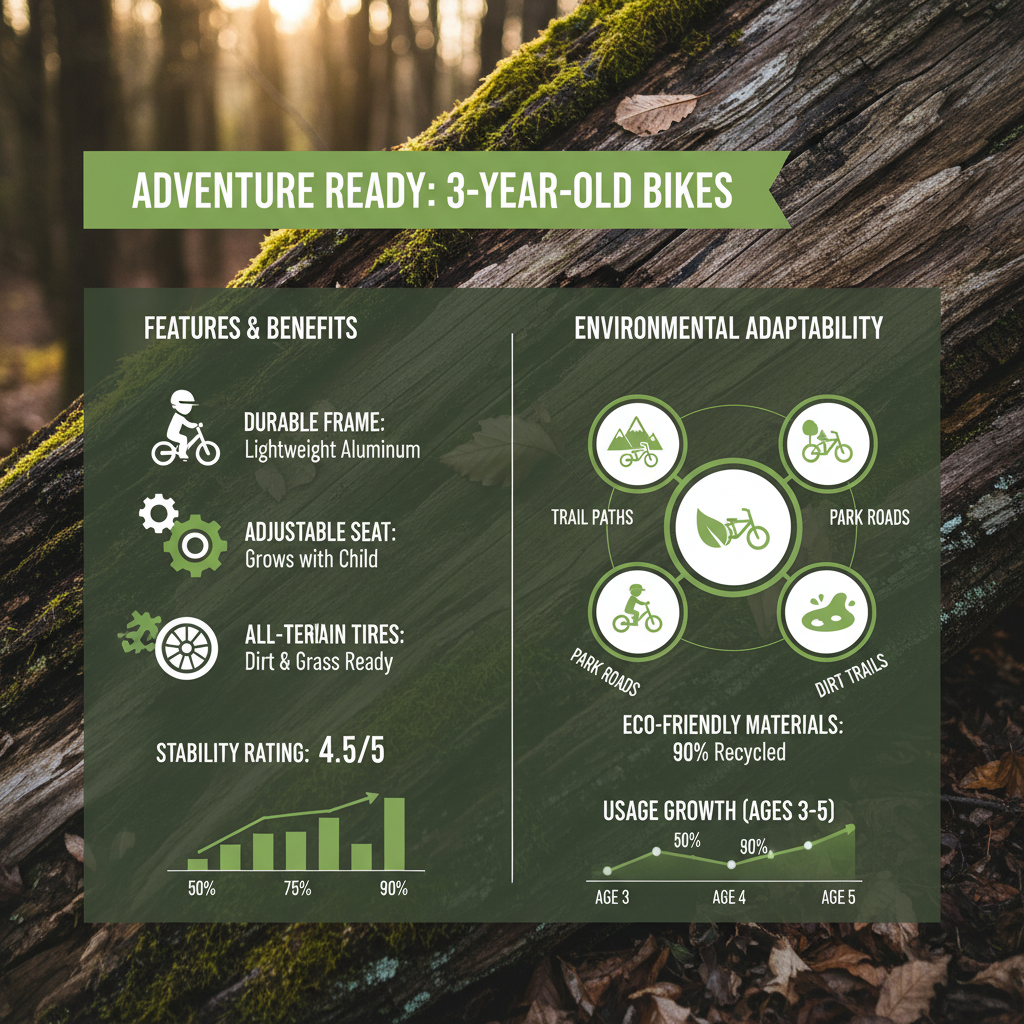
Beyond simple safety, global trends show a shift toward "growth-adaptive" designs. Modern engineering now focuses on adjustable seat posts and handlebars that accommodate the rapid growth spurts typical of three-year-olds, extending the product's lifecycle and reducing environmental waste.
Anatomy of a Perfect Toddler Bike
The core of a high-performing kids bike 3 year old lies in its geometry. A low-step-through frame is essential, allowing a child to mount and dismount the bike without struggling, which significantly reduces the risk of falls and builds early confidence.
Weight is another critical factor; a bike that is too heavy becomes a hurdle rather than a tool for learning. By utilizing lightweight aluminum alloys or reinforced polymers, manufacturers ensure that the child can maneuver the bike independently, fostering a sense of autonomy and physical coordination.
Finally, the contact points—the grips and the saddle—must be ergonomically tailored for smaller hands and bodies. Non-slip, soft-touch grips and a contoured seat prevent fatigue and ensure that the child maintains a proper posture, which is vital for their developing skeletal structure.
Balance vs. Pedals: The Developmental Debate
One of the most debated topics in early childhood mobility is whether to start a kids bike 3 year old with pedals or as a balance bike. Balance bikes remove the complexity of pedaling, allowing the child to focus entirely on steering and equilibrium.
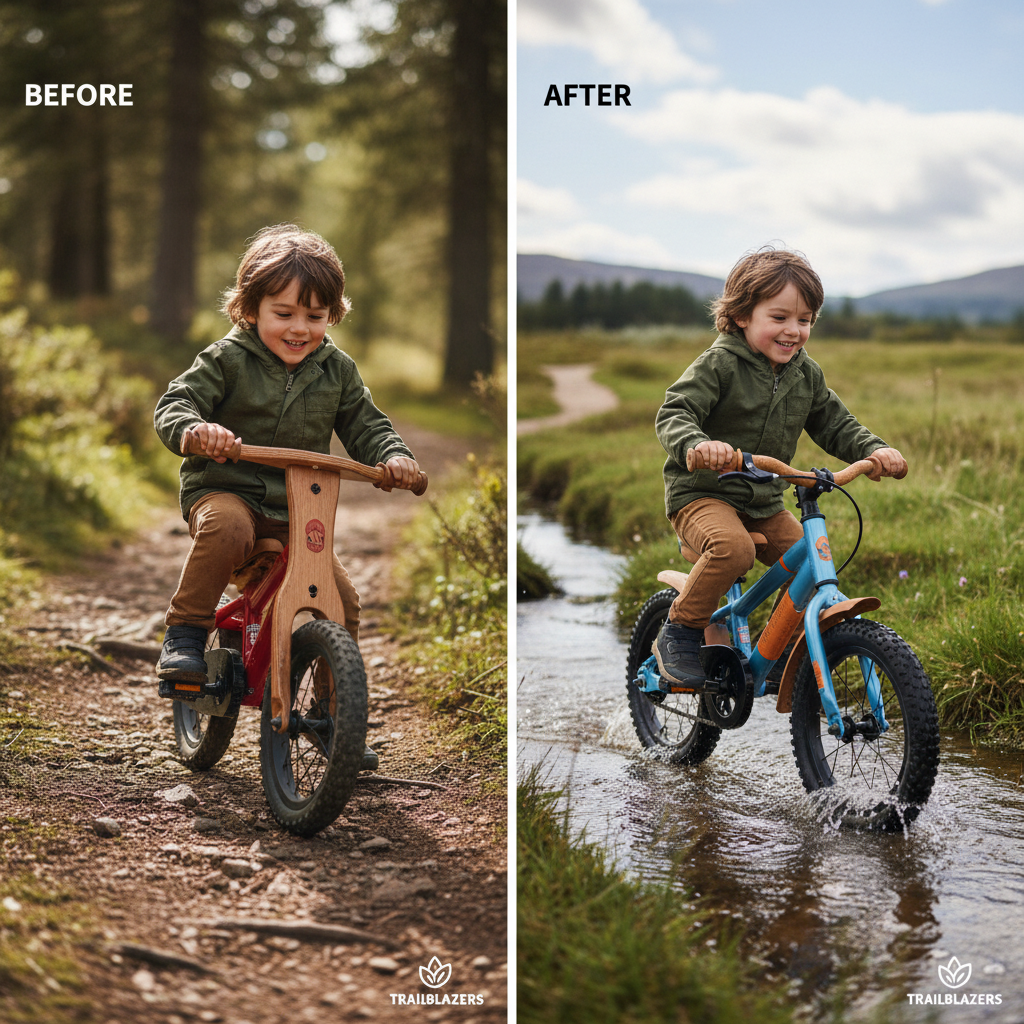
Research indicates that children who master a balance-style kids bike 3 year old transition to pedal bikes much faster, as they have already internalized the most difficult part of cycling: staying upright.
However, for children with strong lower-body coordination, a pedal bike with training wheels can offer a sense of accomplishment. The key is to match the equipment to the child's specific developmental stage rather than following a rigid age-based rule.
Performance Metrics and Safety Ratings
Evaluating a kids bike 3 year old requires looking at empirical data, such as brake responsiveness and frame rigidity. A high-quality brake system should be easy for a three-year-old's limited hand strength to operate while providing a smooth, non-jarring stop.
Moreover, the durability of the tires—whether they are foam-filled (puncture-proof) or air-filled (better shock absorption)—impacts the overall ride quality and maintenance frequency for the parents.
Comparative Performance Ratings for Kids Bike 3 Year Old
Real-World Applications in Early Childhood
In urban environments, a kids bike 3 year old serves as a primary tool for "micro-mobility," allowing children to explore parks and sidewalks safely under supervision. This active movement is essential for combating sedentary lifestyles in digital-centric households.
In educational settings, such as preschools or Montessori environments, these bikes are used to teach spatial awareness and risk management. By navigating obstacles on a toddler-sized bike, children learn to judge distances and react to their environment in real-time.
Sustainable Materials in Modern Manufacturing
The shift toward sustainability has led to the integration of recycled plastics and bio-based composites in the production of the kids bike 3 year old. These materials not only reduce the carbon footprint but often result in frames that are more resistant to corrosion and weather damage.
Moreover, the concept of a "circular economy" is being applied through buy-back programs and modular parts. Since children outgrow their bikes quickly, designing components that can be easily swapped or recycled prevents millions of tons of scrap metal and plastic from entering landfills annually.
By utilizing powder-coating instead of traditional solvent-based paints, manufacturers are also eliminating VOCs (Volatile Organic Compounds), making the bikes safer for the children who touch and occasionally chew on their handles.
Future Innovations in Pediatric Cycling
The future of the kids bike 3 year old is trending toward "Smart Safety." We are seeing the introduction of integrated LED lighting systems and proximity sensors that can alert parents via a smartphone app if the bike moves beyond a designated safe zone.
Material science is also advancing, with carbon-fiber blends becoming more affordable for the toddler market. This will lead to bikes that are virtually weightless, removing every possible physical barrier to a child's learning process.
Additionally, adaptive geometry is becoming a reality, with frames that can expand in length and height through a simple locking mechanism, potentially allowing one bike to serve the child from age three until five.
Core Analysis of Kids Bike 3 Year Old Design Dimensions
|
Bike Category
|
Primary Benefit
|
Skill Focus
|
Durability Score (1-10)
|
|
Balance Bike
|
Rapid Equilibrium
|
Core Balance
|
9
|
|
Pedal Bike w/ Training Wheels
|
Pedaling Muscle
|
Leg Coordination
|
7
|
|
Aluminum Light-Weight
|
Ease of Handling
|
Agility
|
8
|
|
Eco-Composite Frame
|
Sustainability
|
General Mobility
|
7
|
|
Steel Classic Model
|
High Impact Resistance
|
Stability
|
10
|
|
Convertible Hybrid
|
Versatility
|
Multi-stage Growth
|
8
|
FAQS
For most 3-year-olds, 12-inch wheels are the industry standard. This size provides a low enough center of gravity for the child to touch the ground comfortably while offering enough stability for movement. However, for taller children, a 14-inch wheel may be appropriate, provided the frame geometry remains toddler-friendly.
Balance bikes are highly recommended for beginners as they teach the most critical skill: balance. Once a child masters this, they can usually transition to a pedal bike without needing training wheels. Pedal bikes are better for children who already have strong balance but need to build leg strength and coordination.
A general rule of thumb is that the bike should not exceed 30-40% of the child's body weight. If the child struggles to push the bike forward or cannot steer it effectively, it is likely too heavy. Aluminum alloy frames are the best solution for reducing weight without sacrificing safety.
While not strictly necessary, training wheels provide a safety net for some children. However, modern developmental experts suggest they can create a "false sense of balance." Balance bikes or temporary support wheels that can be gradually raised are often more effective for learning.
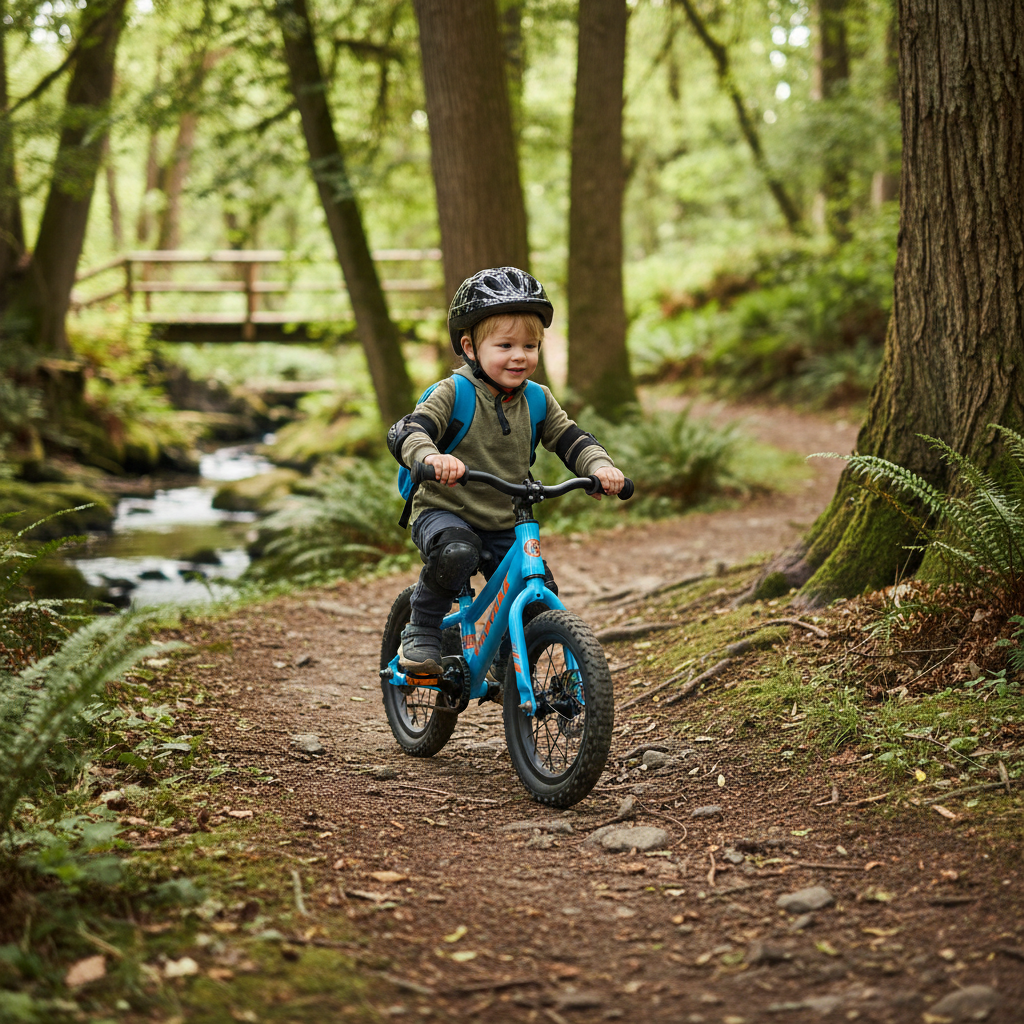
A certified helmet is non-negotiable. For beginners, we also recommend knee and elbow pads, as falls are a natural part of the learning process. Ensure the helmet fits snugly and sits level on the head to provide maximum protection during the early stages of learning.
Depending on the child's growth rate and the bike's adjustability, a well-chosen bike typically lasts 1.5 to 3 years. Look for models with adjustable seat posts and handlebars to maximize the lifespan of the product.
Conclusion
Investing in a high-quality kids bike 3 year old is about more than just mobility; it is about fostering independence, physical health, and cognitive development. By prioritizing lightweight materials, ergonomic design, and international safety standards, parents can ensure a seamless transition from toddlerhood to active childhood.
As the industry moves toward smarter, more sustainable, and adaptive designs, the focus remains on the child's experience. We encourage parents to prioritize balance-first learning and choose equipment that grows with their child. For the best selection of safe and durable toddler cycles, visit our website: www.zhongzhoubike.com

 English
  Afrikaans
  Albanian
  Amharic
  Arabic
  Armenian
  Azerbaijani
  Basque
  Belarusian
  Bengali
  Bosnian
  Bulgarian
  Catalan
  Cebuano
  Corsican
  Croatian
  Czech
Czech  Danish
  Dutch
Dutch  Esperanto
  Estonian
  Finnish
  French
  Frisian
  Galician
  Georgian
  German
  Greek
Greek  Gujarati
  Haitian Creole
  Hausa
Hausa  Hawaiian
  Hebrew
  Hindi
Hindi  Miao
Miao  Hungarian
  Icelandic
  Igbo
Igbo  Indonesian
  Irish
Irish  Italian
  Japanese
  Javanese
  Kannada
  Kazakh
  Khmer
Khmer  Rwandese
  Korean
  Kurdish
  Kyrgyz
  Lao
Lao  Latin
Latin  Latvian
  Lithuanian
  Luxembourgish
  Macedonian
  Malgashi
  Malay
Malay  Malayalam
  Maltese
  Maori
Maori  Marathi
  Mongolian
  Myanmar
  Nepali
  Norwegian
  Norwegian
  Occitan
  Pashto
  Persian
  Polish
  Portuguese
  Punjabi
  Romanian
  Russian
  Samoan
  Scottish Gaelic
  Serbian
  Sesotho
  Shona
Shona  Sindhi
  Sinhala
  Slovak
  Slovenian
  Somali
  Spanish
  Sundanese
  Swahili
  Swedish
  Tagalog
  Tajik
Tajik  Tamil
Tamil  Tatar
Tatar  Telugu
  Thai
Thai  Turkish
  Turkmen
  Ukrainian
  Urdu
Urdu  Uighur
  Uzbek
Uzbek  Vietnamese
  Welsh
Welsh  Bantu
Bantu  Yiddish
  Yoruba
  Zulu
Zulu