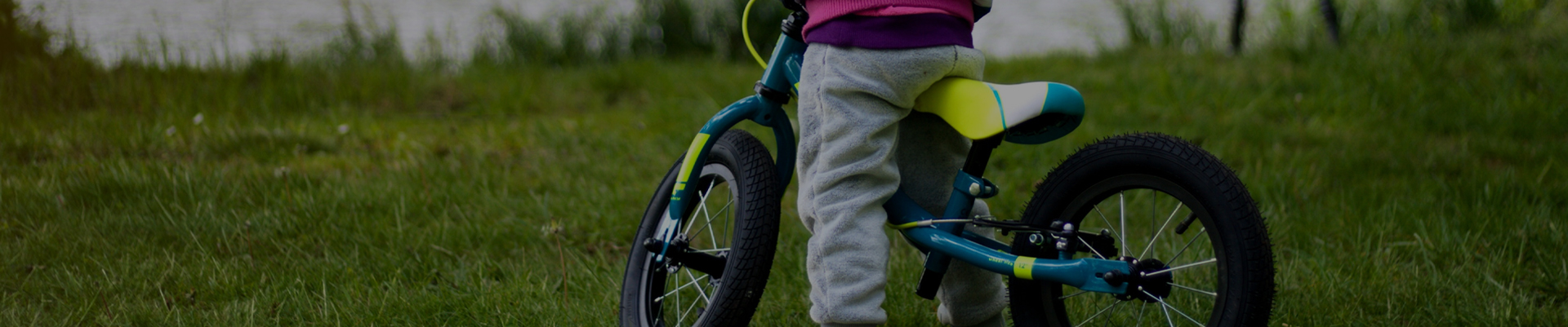
Kids Mobility Scooter: Expert Insights from Industrial Equipment Pros
Kids Mobility Scooter: A Practical Look from the Industrial Equipment Side
Having spent quite a few years in the industrial equipment sector, I’ve seen plenty of rugged machines — forklifts, pallet jacks, scooters for warehouse use, you name it. But when I stumbled upon the kids mobility scooter category, I was intrigued by how the engineers adapt mobility tech for little riders. It’s definitely not just a toy. It’s a blend of safety, lightweight design, and surprisingly thoughtful engineering.
Frankly, the whole idea brings up some interesting points. In heavy machinery, safety and reliability are paramount — but with kids, you’re dealing with distance, weight limits, softer materials, slower speeds, and a whole lot of regulatory scrutiny. Oddly enough, many of the materials and tech come from the same playbook we’ve used in industrial gear but fine-tuned to be kid-appropriate.
These scooters are designed to be intuitive — think simple controls, cushioned seats, and balance systems that don’t overwhelm small users. Manufacturers tend to incorporate electric motors that are safe but efficient, often limiting max speeds to somewhere between 3 to 5 mph. You might notice, too, that the battery system commonly uses sealed lithium-ion packs for durability and to keep weight manageable.
| Specification | Details |
|---|---|
| Maximum Speed | 3-5 mph (5-8 km/h) |
| Weight Capacity | Up to 100 lbs (45 kg) |
| Battery Type | Sealed Lithium-ion, 24V |
| Frame Material | Lightweight Aluminum Alloy |
| Charging Time | 4-6 hours |
| Control Interface | Simple Twist Throttle / Buttons |
One thing I appreciate — and I suspect many engineers who’ve worked with complex machinery agree — is the balance these scooters strike between sturdy build and child-friendly usability. It’s a challenge that’s more complicated than it sounds. For example, the scooters often feature wide, low-pressure tires. These provide stability even on grass or uneven ground — kind of like the rougher tires I’ve seen on industrial platforms for warehouse floors, but more forgiving.
Parents sometimes tell me about how their kids love the scooters for quick trips around the neighborhood. There’s a reassuring simplicity to them — a good deal of thought behind how to keep little riders safe yet independent. One dad shared how his 7-year-old daughter gained a whole new confidence after learning how to handle one. She loved zipping around, but the built-in speed limit kept her well within safe bounds. It’s a sweet balance really.
| Brand | Max Speed | Weight Limit | Battery Type |
|---|---|---|---|
| Zhongzhou Bike | 5 mph | 100 lbs | Sealed Li-ion 24V |
| KidScoot Pro | 4 mph | 90 lbs | Lead Acid 12V |
| MiniGlide | 3.5 mph | 80 lbs | NiMH Battery |
If you ask me, one of the most interesting aspects is how these scooters encourage kids to explore outdoors. In an era when screen time dominates, it feels like a small but meaningful step for mobility tech to help kids stay active. And from a design perspective, it’s a neat crossover — manufacturers utilize technology from industrial and adult mobility scooters but tailor every inch to be kid-appropriate, lightweight, and safe.
So if you’re looking for a well-built, carefully engineered kids mobility scooter, I’d point toward vendors like Zhongzhou Bike. They bring solid manufacturing experience, which frankly shines through in build quality and performance. The scooters feel sturdy but not heavy, fast enough to be fun yet safe, and come with batteries that last — important for keeping kids happily riding without hiccups.
In real terms, the kids mobility scooter is a perfect example of industrial-grade thinking meeting child-friendly imagination. It’s a niche product, but one with a surprising amount of engineering care behind it. Plus, it brings smiles—and that’s a nice thing to witness up close.
And just between us, watching a kid take control of their own little ride—it never gets old.
References:
- Industrial Mobility Products Association - Safety Standards for Kids Scooters, 2023.
- Zhongzhou Bike Official Product Specs, 2024.
- Parent Testimonials and User Reviews, Mobility Tech Insights Newsletter, 2023.
-
Electric Scooter Age 3 Safe Introduction to Early Mobility GuideNewsApr.16,2026
-
Is an Electric Scooter Age 4 Safe Complete Parents GuideNewsApr.09,2026
-
Choosing the Best Electric Scooter for a 9 Year Old Rider's SafetyNewsApr.07,2026
-
Comprehensive Guide to Choosing the Best Electric Scooter Ages 6 UpNewsApr.04,2026
-
Choosing the Best Electric Scooter for 6yr Old Riders A Comprehensive GuideNewsMar.31,2026
-
The Ultimate Guide to Choosing an Electric Scooter for Age 10 RidersNewsMar.28,2026
-
Choosing the Ideal Electric Scooter for Age 12 A Comprehensive Buyers GuideNewsMar.26,2026
Related Products
-
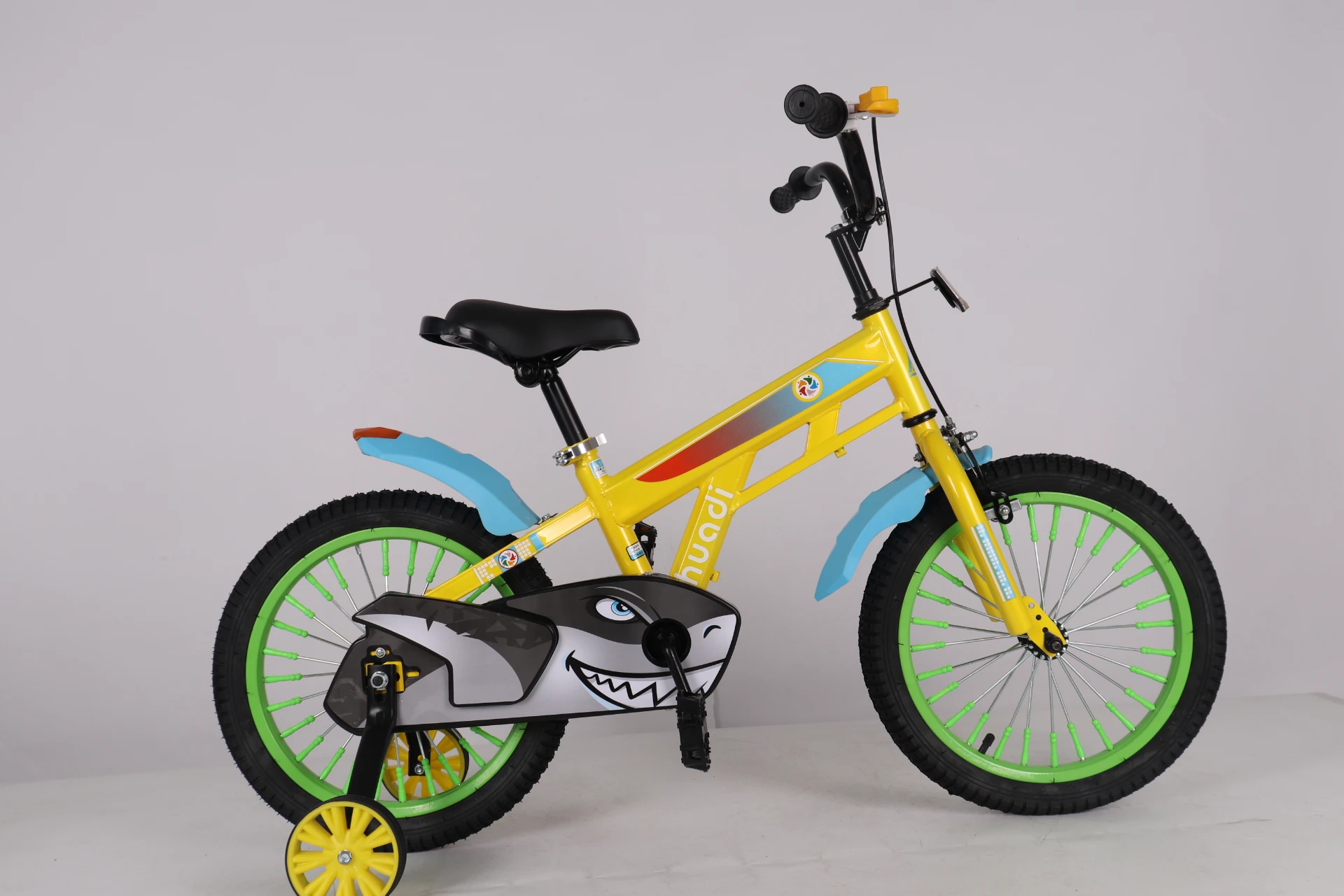
High quality kids bike children bicycle cycle cheap children bicycle with training wheel for sale
-
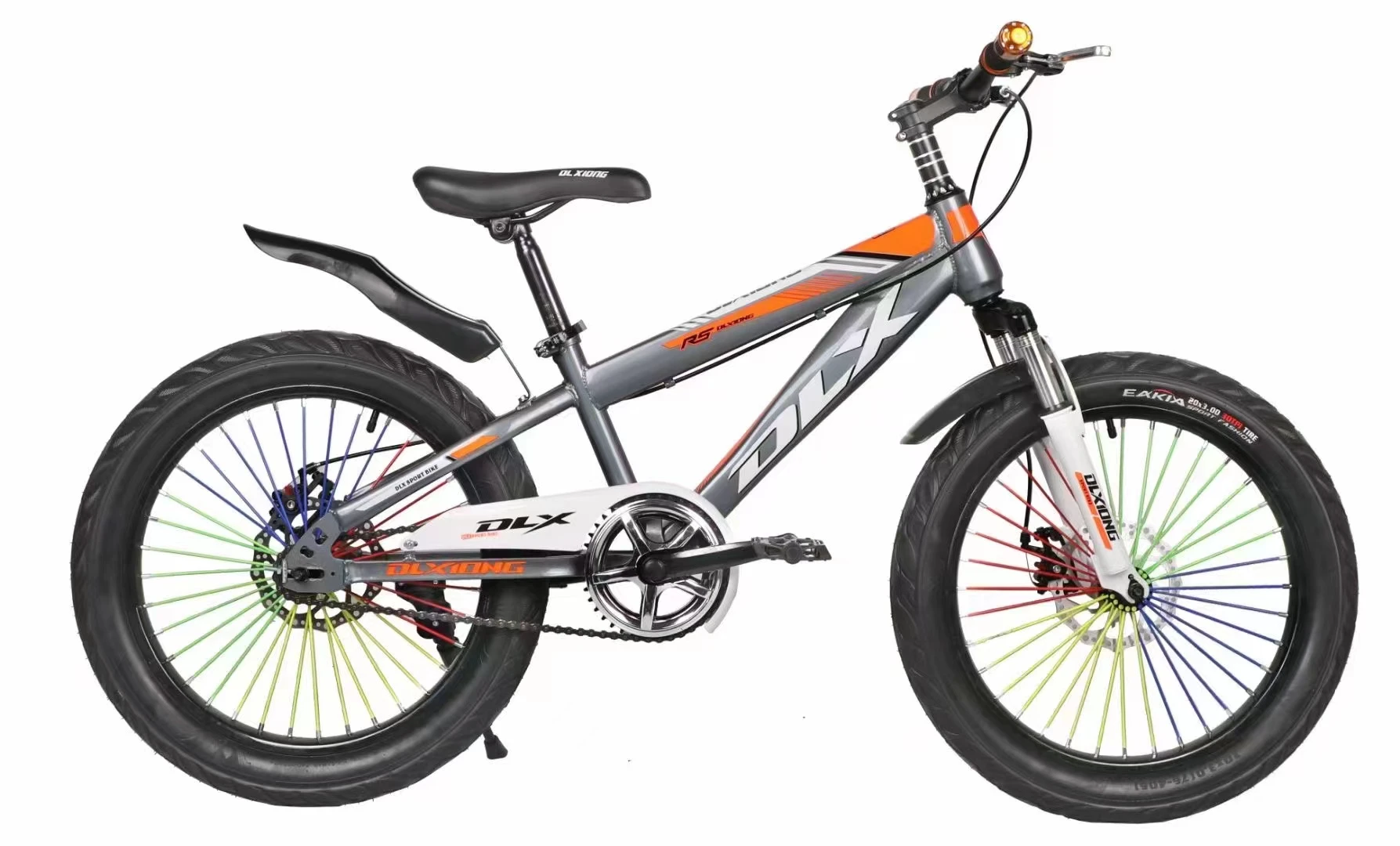
OEM 20 inch mountain bike children bikeVariable speed mountain bike suitable for student sports
-
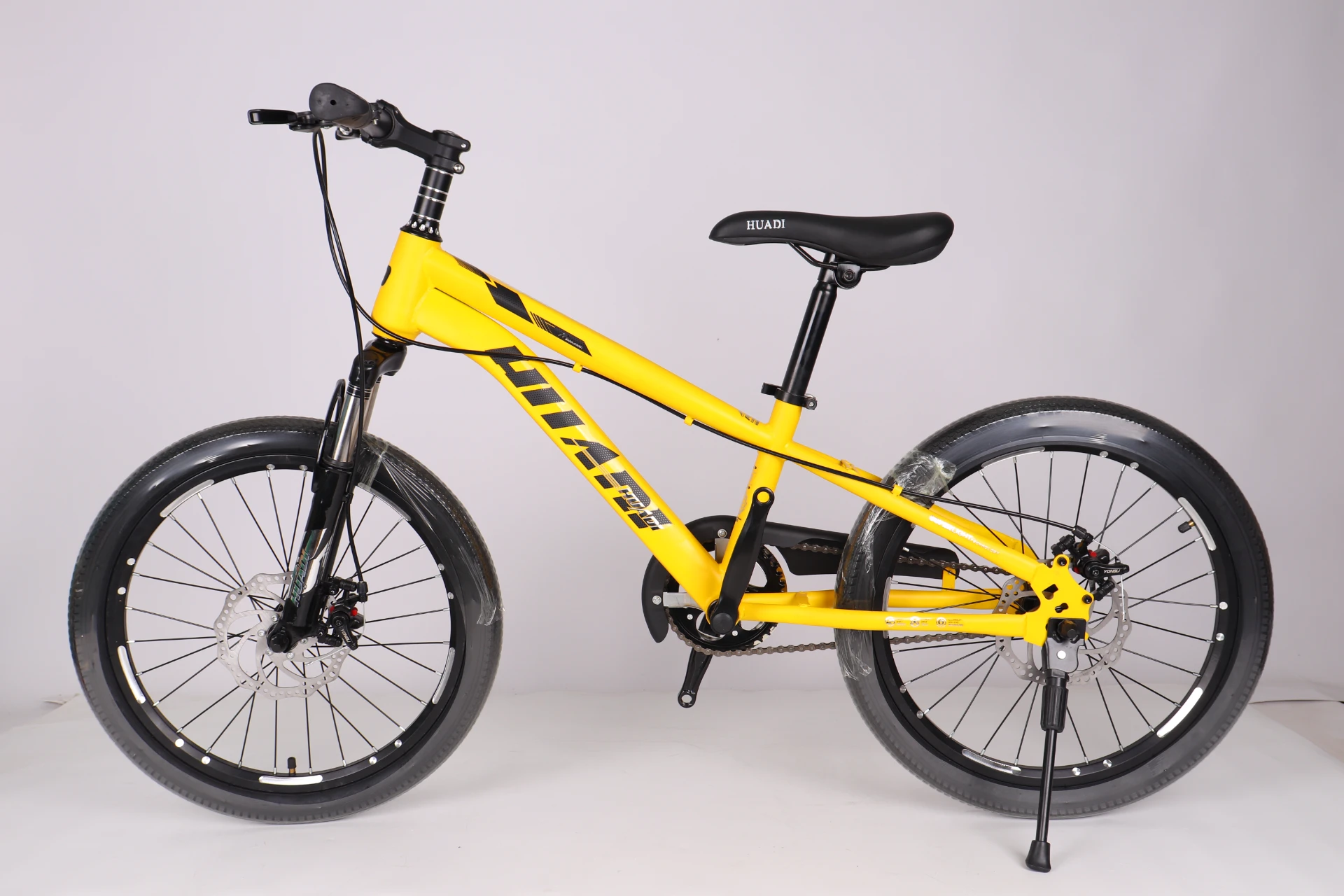
18 20 22 inch Children bike mountain bikes for 13 year old boy cycle for class 5 bicycle for 10year old boy kids
-
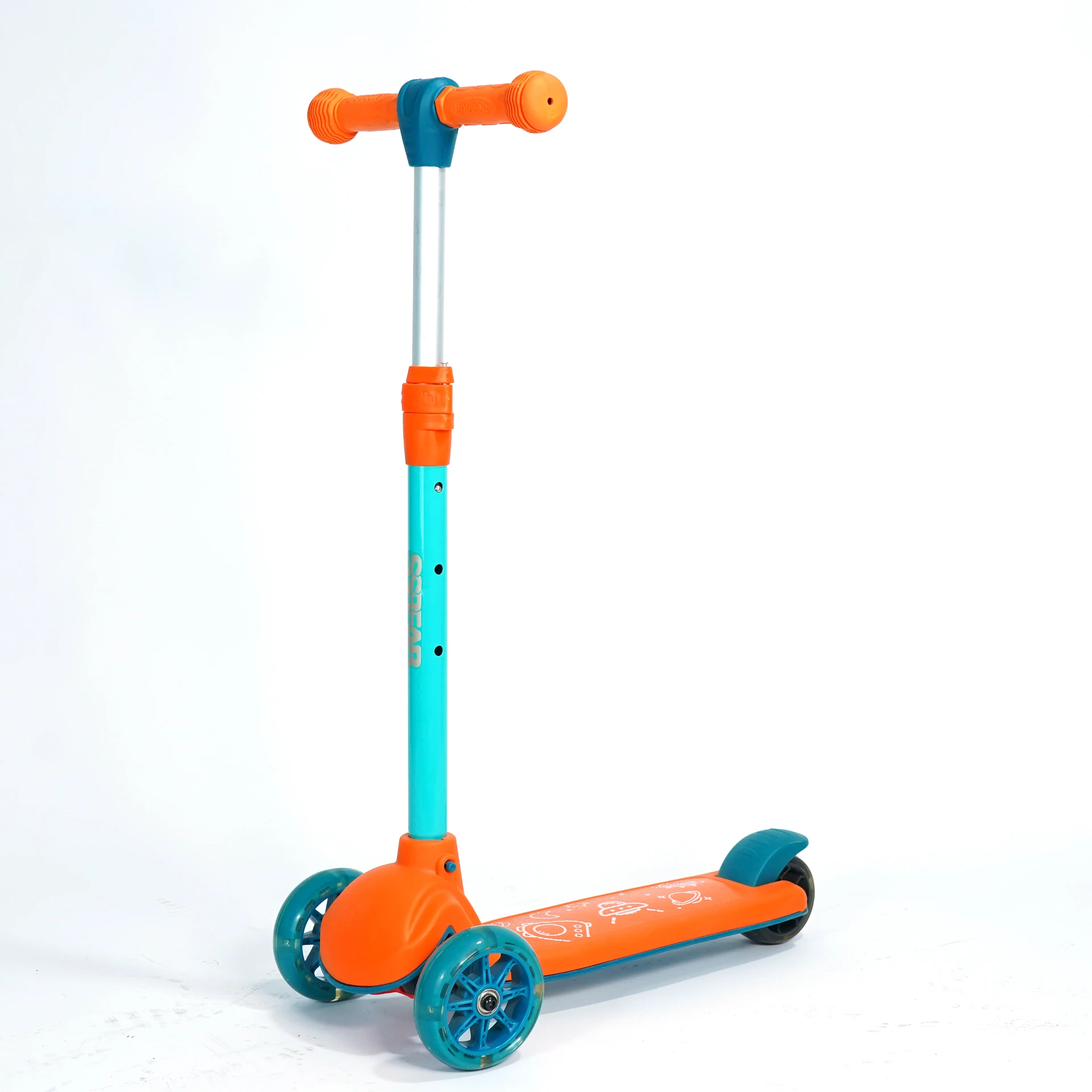
Hot Sale Kids Scooter 3 Pu Light-Up Wheel Kick Scooter For 3-6 Year Olds
-
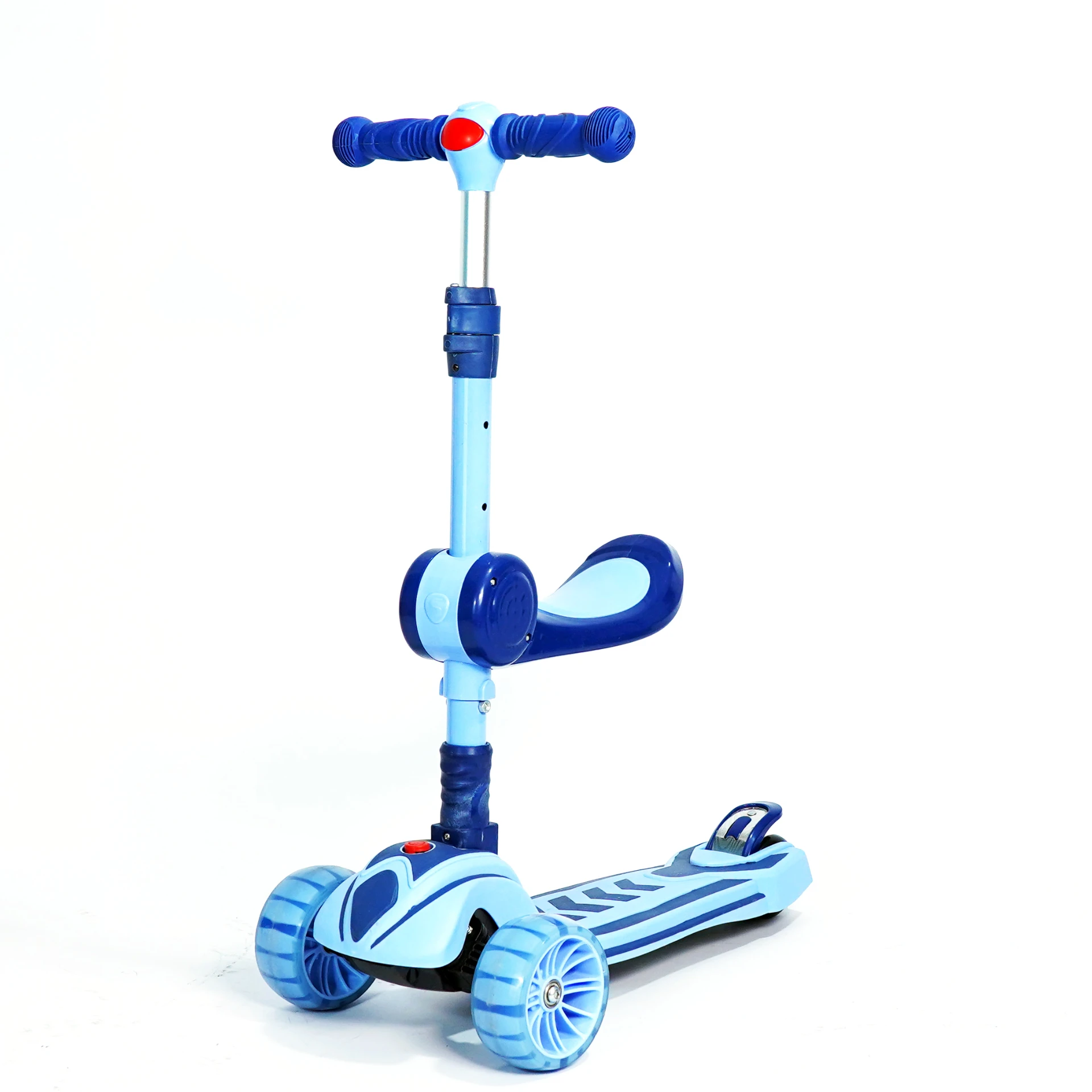
EU Child 3 To 10 Years Baby Soccer Kick Scooters & Foot Scooters For Kids Boys
-
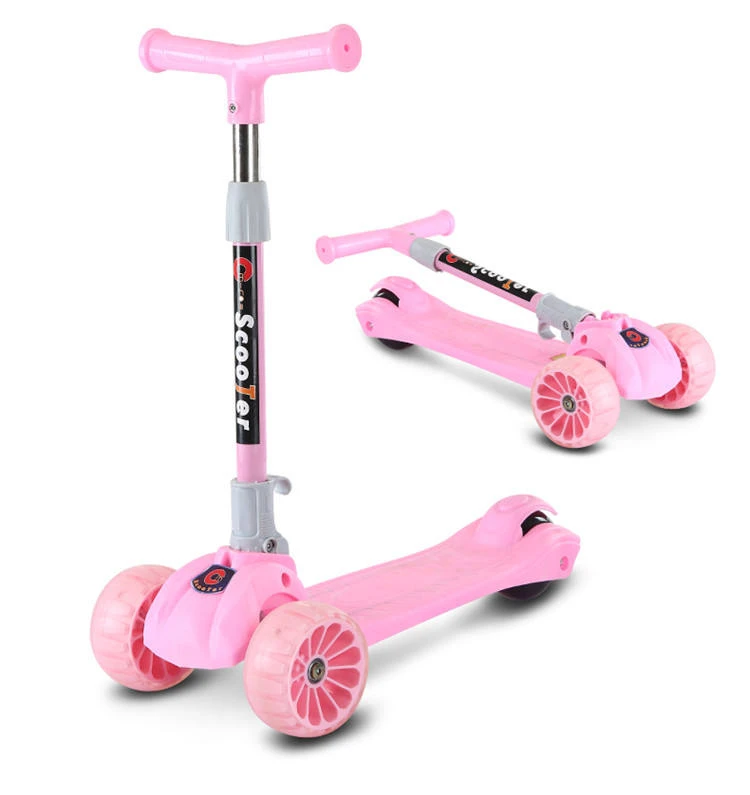
Factory Sale Kid Scooter Foot scooter Kids Kick scooter For Toddler.
-
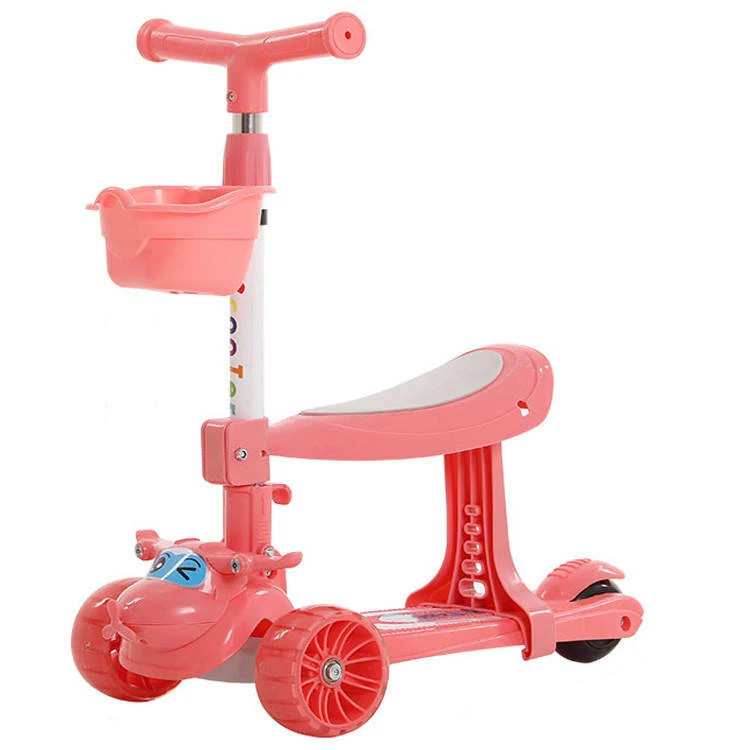
Best Seller Multifunctional Folding Kid Kick 3 Wheels Children Foot Scooter Foldable Baby Kid Scooters
-
Hot sale kids bikes OEM custom cheap baby children bicycle bike beautiful cycle for girls kids
 Afrikaans
 Albanian
 Amharic
 Arabic
 Armenian
 Azerbaijani
 Basque
 Belarusian
 Bengali
 Bosnian
 Bulgarian
 Catalan
 Cebuano
 Corsican
 Croatian
 Czech
Czech
 Danish
 Dutch
Dutch
 Esperanto
 Estonian
 Finnish
 French
 Frisian
 Galician
 Georgian
 German
 Greek
Greek
 Gujarati
 Haitian Creole
 Hausa
Hausa
 Hawaiian
 Hebrew
 Hindi
Hindi
 Miao
Miao
 Hungarian
 Icelandic
 Igbo
Igbo
 Indonesian
 Irish
Irish
 Italian
 Japanese
 Javanese
 Kannada
 Kazakh
 Khmer
Khmer
 Rwandese
 Korean
 Kurdish
 Kyrgyz
 Lao
Lao
 Latin
Latin
 Latvian
 Lithuanian
 Luxembourgish
 Macedonian
 Malgashi
 Malay
Malay
 Malayalam
 Maltese
 Maori
Maori
 Marathi
 Mongolian
 Myanmar
 Nepali
 Norwegian
 Norwegian
 Occitan
 Pashto
 Persian
 Polish
 Portuguese
 Punjabi
 Romanian
 Russian
 Samoan
 Scottish Gaelic
 Serbian
 Sesotho
 Shona
Shona
 Sindhi
 Sinhala
 Slovak
 Slovenian
 Somali
 Spanish
 Sundanese
 Swahili
 Swedish
 Tagalog
 Tajik
Tajik
 Tamil
Tamil
 Tatar
Tatar
 Telugu
 Thai
Thai
 Turkish
 Turkmen
 Ukrainian
 Urdu
Urdu
 Uighur
 Uzbek
Uzbek
 Vietnamese
 Welsh
Welsh
 Bantu
Bantu
 Yiddish
 Yoruba
 Zulu
Zulu
 English