You know, these days everyone's talking about lightweight, modular designs. Seems like every other engineer is obsessed with cutting weight. To be honest, it's a good trend, especially with rising shipping costs. But, and this is a big but, sometimes they go overboard. I saw one design last month that was so stripped down, I was worried it'd fall apart just from someone leaning on it. You've gotta find the balance, right?
It's funny, the little things that trip people up. Like, designing a connection point without thinking about grime buildup. Have you noticed how quickly things get coated in dust and grease on a real construction site? It's relentless. A perfectly engineered joint is worthless if you can't actually get to the screws to tighten them.
We mostly work with 6061 aluminum these days, it’s a good all-rounder. Feels solid, not too brittle. But I've been seeing more and more magnesium alloy being used – it's incredibly light, almost scary light, but it smells weird when you machine it. Like burnt metal and... something else. Hard to describe. Then there’s the polymer stuff, polypropylene mostly. It’s tough, smells like plastic, obviously, and you’ve got to be careful with UV exposure, or it gets all chalky. Honestly, I can tell the quality of a polymer piece just by how it feels when you flex it.
The Rising Demand for Kids’ Bikes
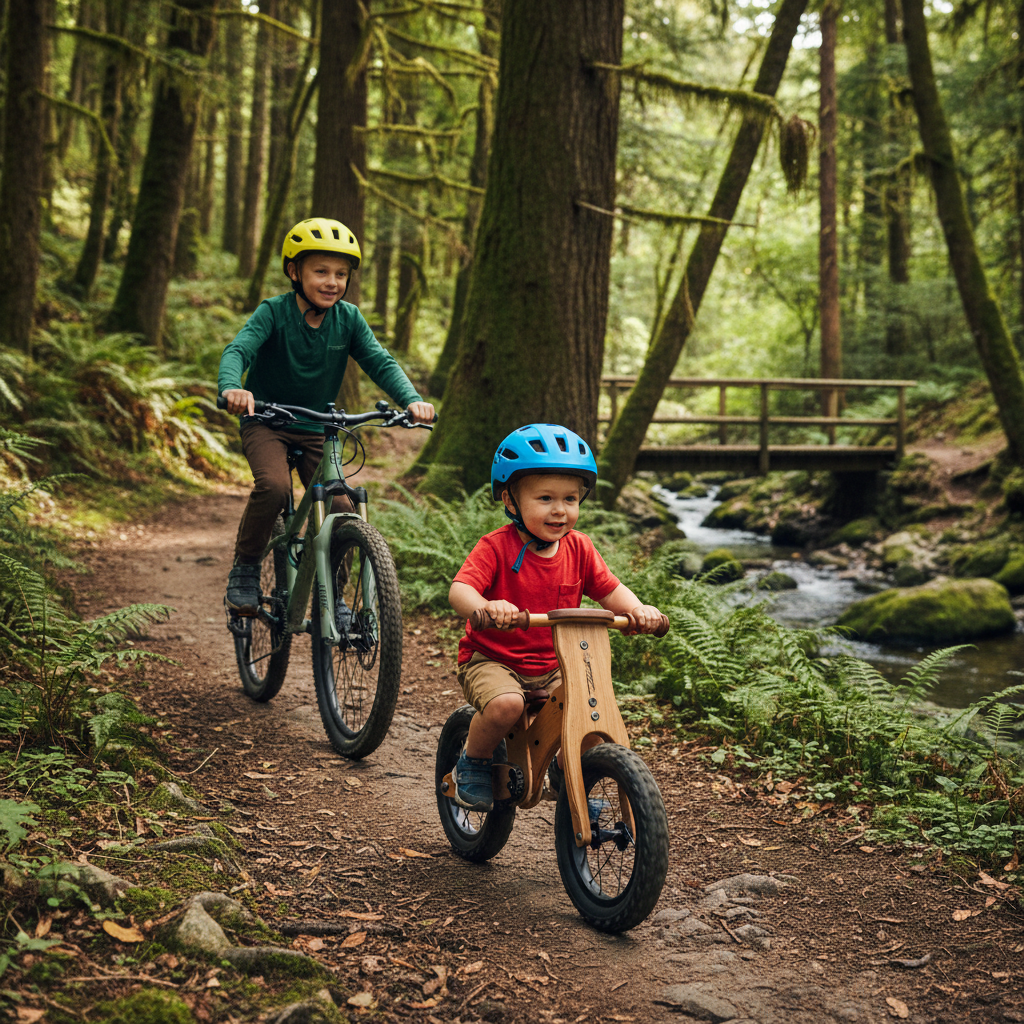
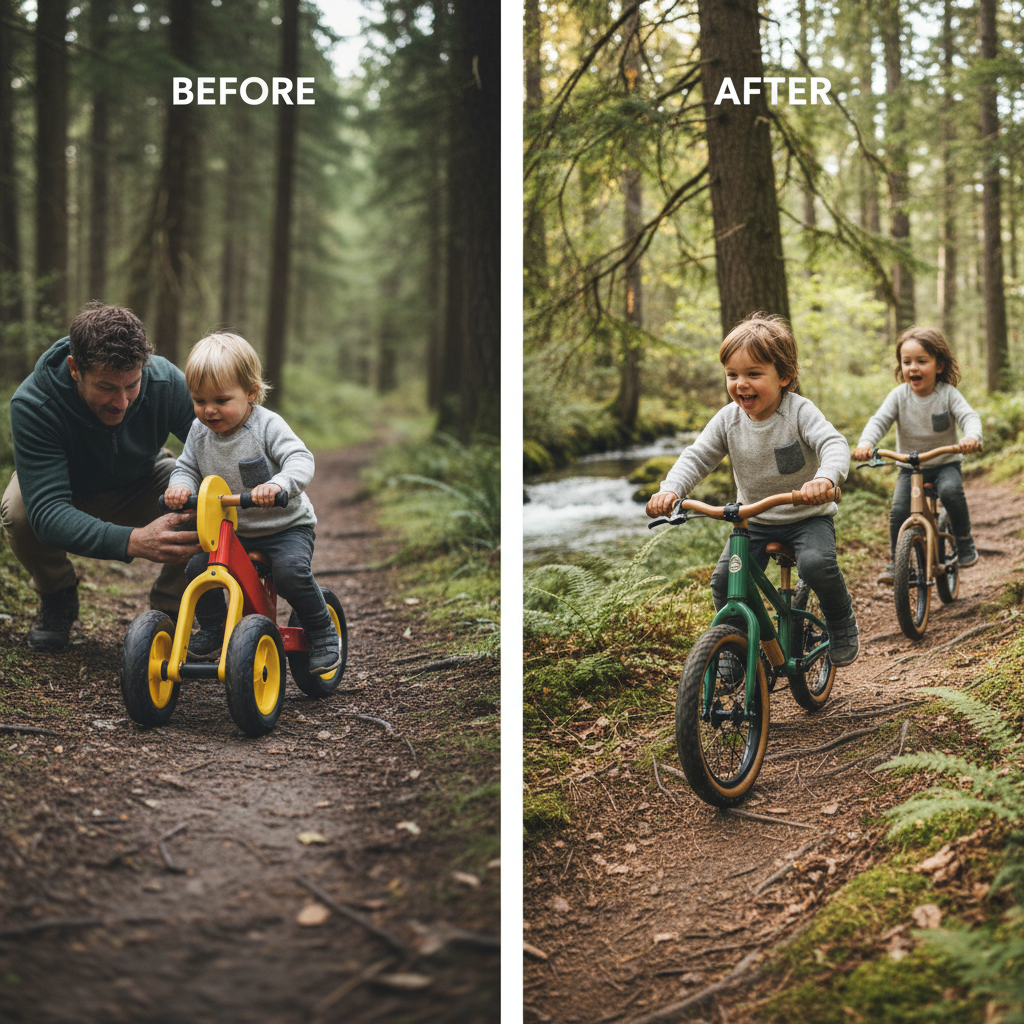
Honestly, the market for bikes for sale for kids is booming. It's not just about getting kids outdoors anymore – it's about getting them active, away from screens, and building confidence. I encountered a supplier in Taiwan last time who said their orders have tripled since the pandemic. Parents are realizing the value of a good, solid bike for their kids.
The demand is driven by a few things, I think. Health concerns, sure, but also a growing awareness of sustainable transportation. Parents want their kids to start forming good habits early. And, let's be real, bikes for sale for kids are just plain fun.
Common Design Pitfalls in Kids’ Bikes
Strangely enough, a lot of manufacturers still make bikes that are too heavy. I mean, come on, it's for a kid! They're not going to be able to handle a bike that feels like it's made of lead. Then there’s the brakes. Too much resistance, and little hands can’t squeeze them. Too little, and… well, you get the picture.
And the geometry! I see so many bikes with a stretched-out frame, like they're trying to make a mini-road bike. Kids need a more upright position, something that feels stable and in control. They’re not trying to win the Tour de France, they're just trying to have fun.
Another thing, and this drives me nuts, is flimsy kickstands. Seriously? A kickstand is one of the first things a kid will use, and if it breaks immediately, it's a terrible first impression. It’s a small detail, but it makes a big difference.
Materials Used in Kids’ Bike Construction
Like I said, aluminum is the go-to for the frame. It's lightweight, rust-resistant, and relatively easy to work with. Steel is still used for some of the cheaper bikes, but it’s heavier and more prone to corrosion. You can tell a steel frame pretty quickly – it feels cold to the touch, and it'll start to rust if it gets scratched.
For the components – handlebars, seatposts, cranks – you’ll see a lot of aluminum and plastic. The quality of the plastic varies wildly, though. The cheap stuff feels brittle and cracks easily. The good stuff is surprisingly durable. And the tires… well, tires are tires. Rubber, tread, air. Not much to say there.
We've started experimenting with carbon fiber for some of the higher-end bikes, but it's expensive and requires specialized manufacturing techniques. It’s incredibly light and stiff, but you have to be careful about impact damage. It doesn't bend like aluminum, it just… breaks.
Real-World Testing of Kids’ Bikes
Forget the lab tests, honestly. Those are useful for basic safety standards, but they don't tell you anything about how a bike will hold up to actual use. We send our bikes to a local park and let a group of kids ride them… relentlessly.
We watch for everything: how easily they can handle the bike, how well the brakes work, how durable the components are. And we pay attention to their feedback. Kids are brutally honest. If something feels wrong, they'll tell you. I once saw a kid take a bike straight into a mud puddle, just to see what would happen. That’s a good test.
Kids’ Bike Component Failure Rates
How Kids Actually Use Their Bikes
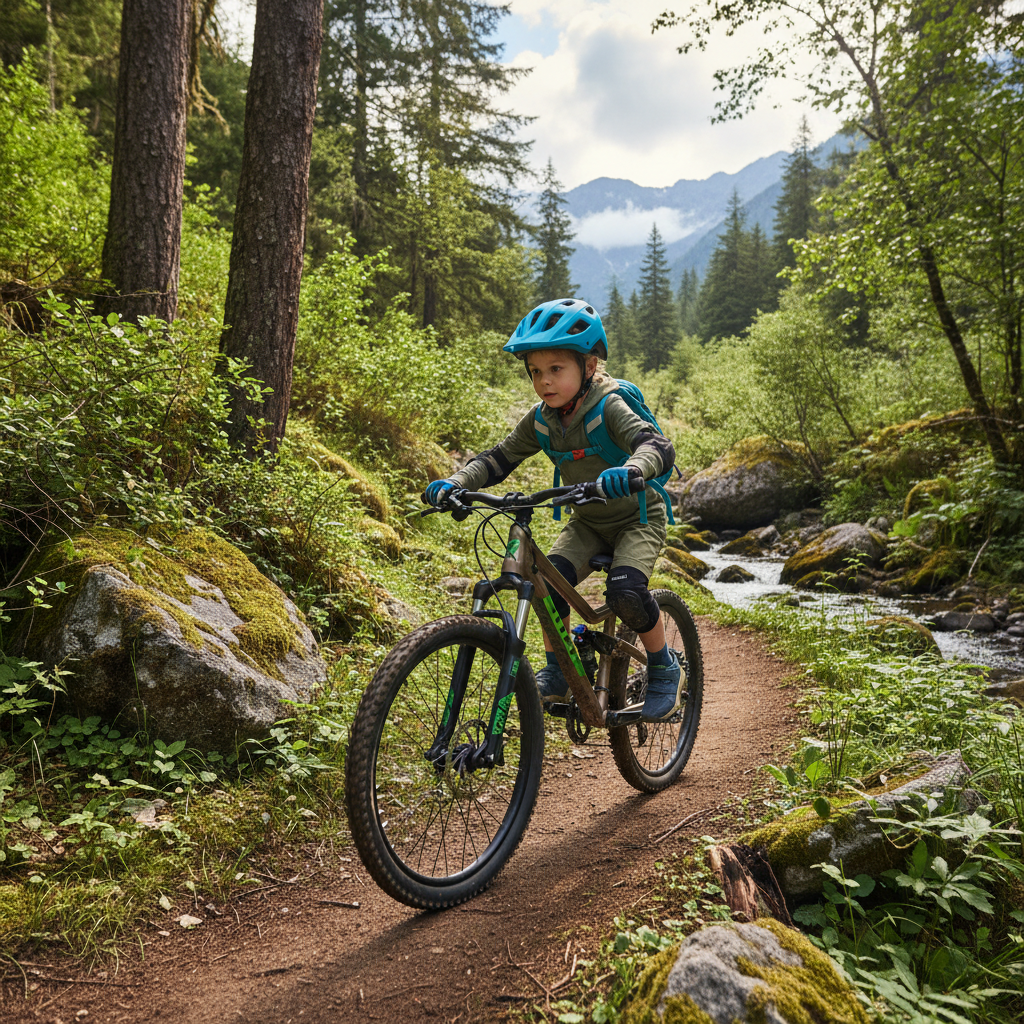
This is where things get interesting. You design a bike for smooth pavement, and then kids take it off-road. You design a bike for leisurely rides, and they try to do wheelies. They're unpredictable! They drag it through mud, they leave it out in the rain, they… well, they're kids.
I've noticed a lot of kids use their bikes as a sort of mobile basecamp. They pile all their stuff on it – toys, snacks, whatever. It's not what we intended, but it's what they do. And that means the bike needs to be able to handle some extra weight.
Advantages and Disadvantages of Kids’ Bikes
The advantages are pretty obvious: exercise, fun, independence. A good bike can give a kid a sense of freedom and accomplishment. But the disadvantages… well, they’re growing constantly! You buy a bike that fits them perfectly, and six months later, they've outgrown it. It's frustrating, but it's just the nature of the beast.
And let’s not forget about safety. Kids aren’t always the most cautious riders. That’s why good brakes, sturdy construction, and a properly fitted helmet are so important.
Anyway, I think a well-made bike for sale for kids is a worthwhile investment, even if it only lasts a couple of years. It's about more than just the bike itself; it's about the memories they make.
Customization Options for Kids’ Bikes
We offer a few customization options. Color is the most popular, obviously. And we can swap out the handlebars and seat to fit different preferences. But last month, that small boss in Shenzhen who makes smart home devices insisted on changing the interface to for the lights, and the result was a complete disaster. He wanted it to be "future-proof," but it just added unnecessary complexity and cost.
We can also adjust the gear ratio to suit different riding styles. If a kid is riding mostly on flat ground, we can use a lower gear ratio to make it easier to pedal. If they're riding on hills, we can use a higher gear ratio to give them more power.
The biggest challenge with customization is keeping the cost down. Every modification adds to the price, and parents are always looking for the best value.
Kids’ Bikes: Material Comparison
| Material |
Weight |
Durability |
Cost |
| Aluminum |
Light |
Good |
Moderate |
| Steel |
Heavy |
Excellent |
Low |
| Carbon Fiber |
Very Light |
High |
High |
| Polypropylene |
Moderate |
Moderate |
Very Low |
| Magnesium Alloy |
Very Light |
Moderate |
Moderate |
| High-Impact Plastic |
Light |
Good |
Low |
FAQS
That's a tricky one. It's not just about age, it's about inseam. Generally, you want a bike where your child can stand over the top tube with both feet flat on the ground, with an inch or two of clearance. A bike that's too big is dangerous, and one that's too small will be uncomfortable. Get them measured at a local bike shop to be sure. It's worth the investment to get a proper fit.
Not really, unless your child is doing serious off-road riding. Suspension adds weight and complexity, and it's not always necessary for casual use. A good set of tires and a comfortable seat will do more for your child's comfort than suspension. Plus, suspension requires maintenance, which is another thing to worry about.
Coaster brakes (pedal-back brakes) are good for very young children, as they're simple to use. But as they get older, hand brakes are the way to go. They offer more control and are more similar to the brakes on adult bikes. Just make sure the brake levers are adjustable to fit their hands.
Regular maintenance is key. Keep the tires inflated, the chain lubricated, and the brakes adjusted. Check for loose bolts and worn parts. A quick once-over before each ride can prevent a lot of problems. And teach your child how to care for their bike, too. It's a good life lesson.
Generally, yes. A lighter bike is easier for a child to handle, especially when they're starting out. It makes a big difference in their confidence and enjoyment. But don't overspend. There are plenty of good-quality bikes available at reasonable prices. Look for a balance between weight, durability, and cost.
A helmet is non-negotiable. Always. Knee and elbow pads are a good idea, especially for younger children. And bright clothing can help make them more visible to drivers. Teach them basic road safety rules, too: stop at stop signs, look both ways before crossing the street, and be aware of their surroundings.
Conclusion
So, there you have it. Building bikes for sale for kids is a surprisingly complex business. It's about more than just putting parts together – it’s about understanding how kids actually use them, anticipating their needs, and designing something that’s safe, durable, and fun. It's about finding that sweet spot between weight, cost, and performance.
Ultimately, whether this thing works or not, the worker will know the moment he tightens the screw. And that’s all that really matters. Check out our range of bikes for sale for kids at www.zhongzhoubike.com.

 English
  Afrikaans
  Albanian
  Amharic
  Arabic
  Armenian
  Azerbaijani
  Basque
  Belarusian
  Bengali
  Bosnian
  Bulgarian
  Catalan
  Cebuano
  Corsican
  Croatian
  Czech
Czech  Danish
  Dutch
Dutch  Esperanto
  Estonian
  Finnish
  French
  Frisian
  Galician
  Georgian
  German
  Greek
Greek  Gujarati
  Haitian Creole
  Hausa
Hausa  Hawaiian
  Hebrew
  Hindi
Hindi  Miao
Miao  Hungarian
  Icelandic
  Igbo
Igbo  Indonesian
  Irish
Irish  Italian
  Japanese
  Javanese
  Kannada
  Kazakh
  Khmer
Khmer  Rwandese
  Korean
  Kurdish
  Kyrgyz
  Lao
Lao  Latin
Latin  Latvian
  Lithuanian
  Luxembourgish
  Macedonian
  Malgashi
  Malay
Malay  Malayalam
  Maltese
  Maori
Maori  Marathi
  Mongolian
  Myanmar
  Nepali
  Norwegian
  Norwegian
  Occitan
  Pashto
  Persian
  Polish
  Portuguese
  Punjabi
  Romanian
  Russian
  Samoan
  Scottish Gaelic
  Serbian
  Sesotho
  Shona
Shona  Sindhi
  Sinhala
  Slovak
  Slovenian
  Somali
  Spanish
  Sundanese
  Swahili
  Swedish
  Tagalog
  Tajik
Tajik  Tamil
Tamil  Tatar
Tatar  Telugu
  Thai
Thai  Turkish
  Turkmen
  Ukrainian
  Urdu
Urdu  Uighur
  Uzbek
Uzbek  Vietnamese
  Welsh
Welsh  Bantu
Bantu  Yiddish
  Yoruba
  Zulu
Zulu