Look, I've been around construction sites my whole career – knee-deep in dust, wrestling with blueprints, and chatting with the guys actually building things. And honestly, finding good, reliable bikes for kids on these sites, or even for families visiting, used to be a pain. Everything was either flimsy plastic that wouldn't last a week, or heavy, complicated things that little ones couldn't handle. That’s where lightweight bikes for kids come in, and why they're becoming increasingly important. It’s not just about recreation; it’s about safety, accessibility, and making life a little easier for the hardworking families in this industry.
The demand is real. Contractors often have families visiting project sites – kids get bored, and need something to do. Having a solid, safe bike option keeps them active and out of harm's way. Plus, with increasing emphasis on family-friendly work environments, providing something like this shows you care. We’re seeing more and more sites incorporating bike racks and designated riding areas. And honestly, it’s not just construction. Any industry with a significant outdoor component – landscaping, forestry, even large-scale agricultural operations – is starting to recognize the need for practical, kid-friendly transportation.
What really struck me is how the quality has jumped in recent years. We're no longer talking about cheap imports that fall apart after a few rides. Manufacturers are focusing on materials and design that prioritize both durability and weight. It’s a game-changer. It means fewer scraped knees, fewer frustrated parents, and a whole lot more smiles. And that, in my book, is a win-win.
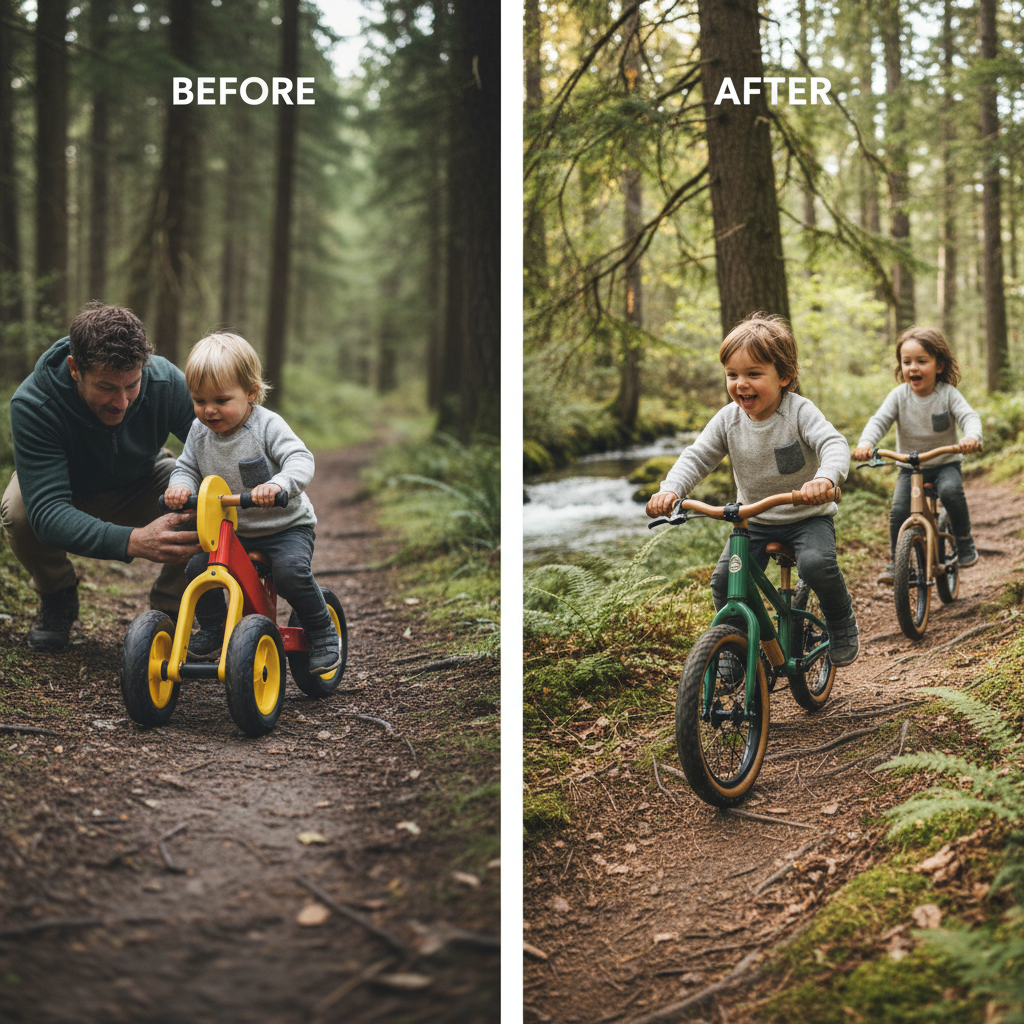
The Importance of Lightweight Bikes for Kids
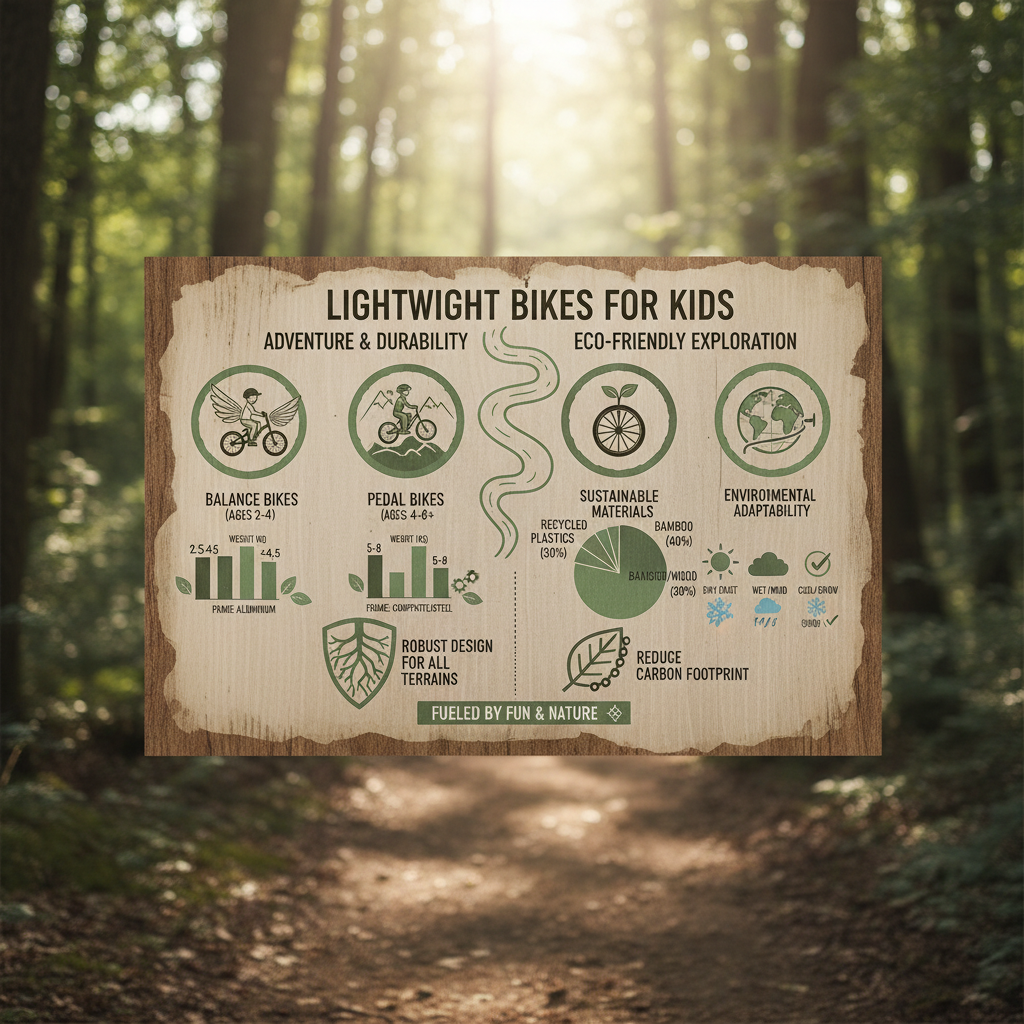
Honestly, the biggest thing I see is kids struggling with bikes that are just too heavy. Trying to maneuver a clunky bike on uneven ground, especially for a smaller child, is a recipe for falls and frustration. Lightweight bikes for kids solve that. They give kids the confidence to learn and the freedom to explore without constantly fighting the bike itself. It’s a simple thing, but it makes a huge difference.
It’s not just about making it easier to ride. It’s about safety. A lighter bike is easier to control, easier to stop, and less likely to cause injury in a spill. And when you're talking about kids, that’s the number one priority. As someone who’s seen his share of accidents on site, I can tell you that prevention is always better than cure.
FAQS
Generally, for a 6-year-old, you’re looking at a bike weighing between 16-20 pounds. Anything much heavier will be difficult for them to handle, especially on inclines. The key is a good balance between weight and durability. A bike that’s too light might not be able to withstand the wear and tear of everyday use.
Measure your child’s inseam while they’re wearing shoes. Then, use a size chart from the bike manufacturer to find the appropriate frame size. It's also crucial they can comfortably stand over the bike with a few inches of clearance. A properly sized bike will improve control and prevent injuries.
Absolutely. Modern aluminum alloys are incredibly strong and durable. Many lightweight bikes designed for kids are built with aluminum frames that can easily handle moderate trails and uneven surfaces. Look for bikes with quality welds and reinforced stress points for added durability.
Coaster brakes (pedal-backwards brakes) are easiest for very young children to learn. However, as they get older, hand brakes offer better control and stopping power. If a bike has hand brakes, ensure the levers are easily reachable and require minimal force to squeeze.
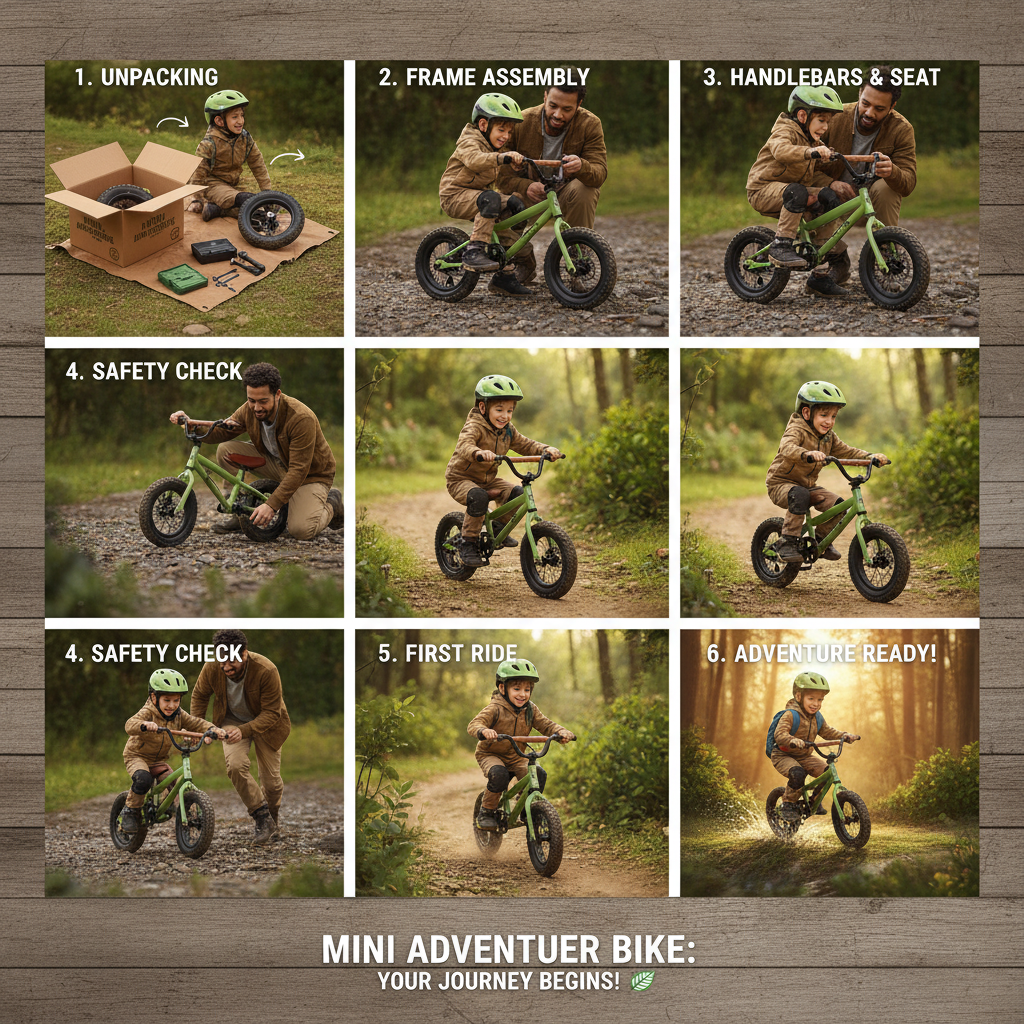
A properly fitted helmet is non-negotiable. Knee and elbow pads are also a good idea, especially when learning. Brightly colored clothing enhances visibility, and gloves can protect hands in case of a fall. Always supervise young children while they’re biking.
At least twice a year – spring and fall – bring the bike in for a professional tune-up. Check brakes, tires, and chain regularly. Also, teach your child basic maintenance like cleaning and lubricating the chain. Regular maintenance extends the life of the bike and ensures safe operation.
Conclusion
In the end, investing in lightweight bikes for kids isn’t just about buying a product; it’s about investing in their health, their confidence, and their future. It’s about giving them the tools they need to explore the world around them safely and enjoyably. As someone who spends his days on construction sites, I see the importance of quality, durability, and safety firsthand, and these bikes deliver on all fronts.
I encourage any parent or caregiver to consider the benefits of a lightweight bike. It’s a relatively small investment that can yield huge returns in terms of physical activity, mental well-being, and overall happiness. And remember to prioritize safety – a well-maintained bike and a properly fitted helmet are essential. Visit www.zhongzhoubike.com to learn more and find the perfect bike for your child.

 English
  Afrikaans
  Albanian
  Amharic
  Arabic
  Armenian
  Azerbaijani
  Basque
  Belarusian
  Bengali
  Bosnian
  Bulgarian
  Catalan
  Cebuano
  Corsican
  Croatian
  Czech
Czech  Danish
  Dutch
Dutch  Esperanto
  Estonian
  Finnish
  French
  Frisian
  Galician
  Georgian
  German
  Greek
Greek  Gujarati
  Haitian Creole
  Hausa
Hausa  Hawaiian
  Hebrew
  Hindi
Hindi  Miao
Miao  Hungarian
  Icelandic
  Igbo
Igbo  Indonesian
  Irish
Irish  Italian
  Japanese
  Javanese
  Kannada
  Kazakh
  Khmer
Khmer  Rwandese
  Korean
  Kurdish
  Kyrgyz
  Lao
Lao  Latin
Latin  Latvian
  Lithuanian
  Luxembourgish
  Macedonian
  Malgashi
  Malay
Malay  Malayalam
  Maltese
  Maori
Maori  Marathi
  Mongolian
  Myanmar
  Nepali
  Norwegian
  Norwegian
  Occitan
  Pashto
  Persian
  Polish
  Portuguese
  Punjabi
  Romanian
  Russian
  Samoan
  Scottish Gaelic
  Serbian
  Sesotho
  Shona
Shona  Sindhi
  Sinhala
  Slovak
  Slovenian
  Somali
  Spanish
  Sundanese
  Swahili
  Swedish
  Tagalog
  Tajik
Tajik  Tamil
Tamil  Tatar
Tatar  Telugu
  Thai
Thai  Turkish
  Turkmen
  Ukrainian
  Urdu
Urdu  Uighur
  Uzbek
Uzbek  Vietnamese
  Welsh
Welsh  Bantu
Bantu  Yiddish
  Yoruba
  Zulu
Zulu