The world of cycling is evolving, and with it, the demand for high-quality, safe, and durable bikes for children is steadily increasing. A kids mountain bike isn't just a toy; it's a gateway to outdoor adventure, physical fitness, and crucial developmental skills. Understanding the nuances of selecting the right kids mountain bike is paramount for parents and guardians looking to encourage an active lifestyle in their children.
Globally, the market for children’s bicycles has experienced significant growth, driven by increasing awareness of the benefits of physical activity and a rising disposable income in emerging economies. According to recent market research, the kids bike segment is projected to grow at a compound annual growth rate (CAGR) of over 5% in the next five years. A kids mountain bike specifically addresses the needs of young riders seeking more challenging terrains and a robust build quality.
However, the proliferation of lower-quality bikes and a lack of standardized safety regulations pose a challenge. Choosing a reliable and appropriately sized kids mountain bike is crucial for ensuring a safe and enjoyable experience, fostering a lifelong love of cycling.
The Fundamentals of kids mountain bike
Understanding the basic principles behind a kids mountain bike is essential before diving into the specifics. These bikes are designed with smaller frames, lightweight materials, and appropriate gearing to cater to the physical capabilities of children. They’re built to withstand the rigors of off-road trails, providing a more durable and capable ride compared to standard bicycles.
Proper sizing is incredibly important. An incorrectly sized bike can lead to discomfort, difficulty handling, and even injury. A well-fitted kids mountain bike will inspire confidence and encourage more frequent and enjoyable riding.
Defining a kids mountain bike
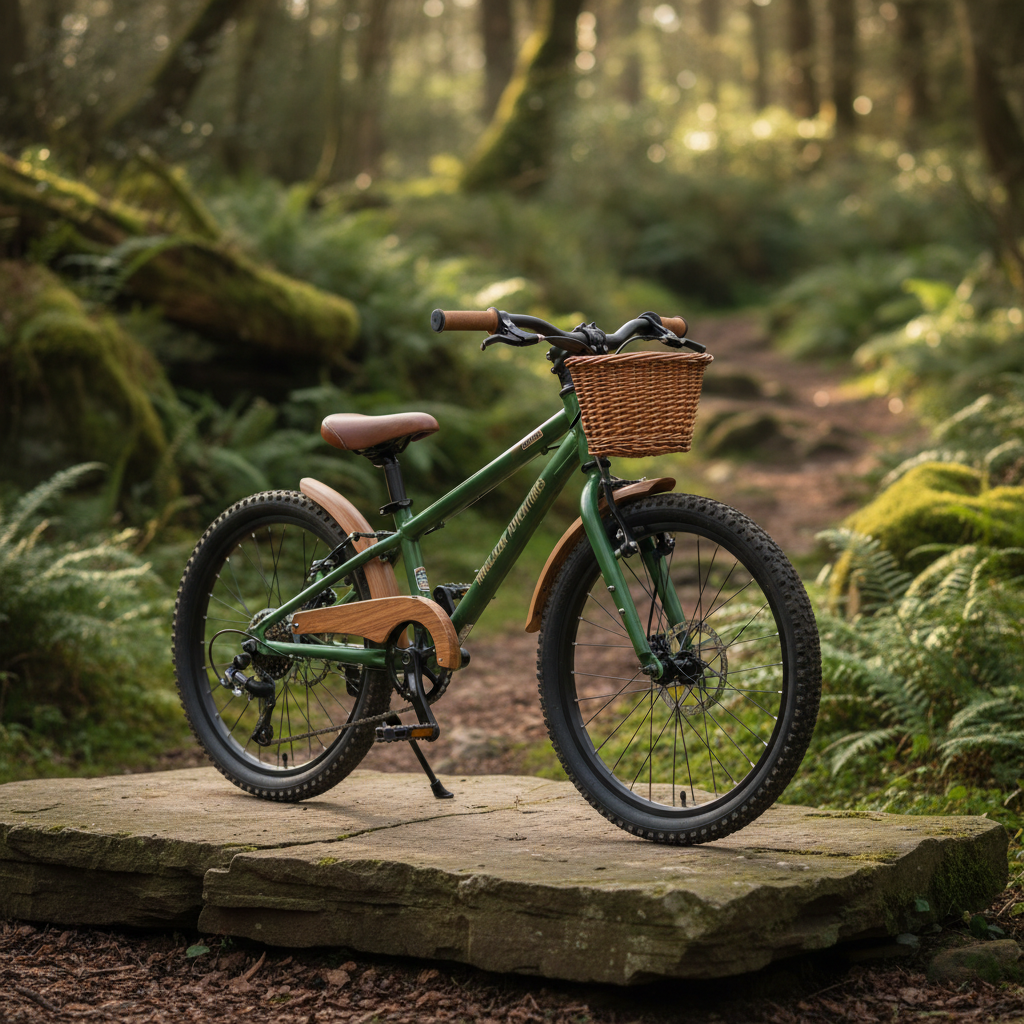
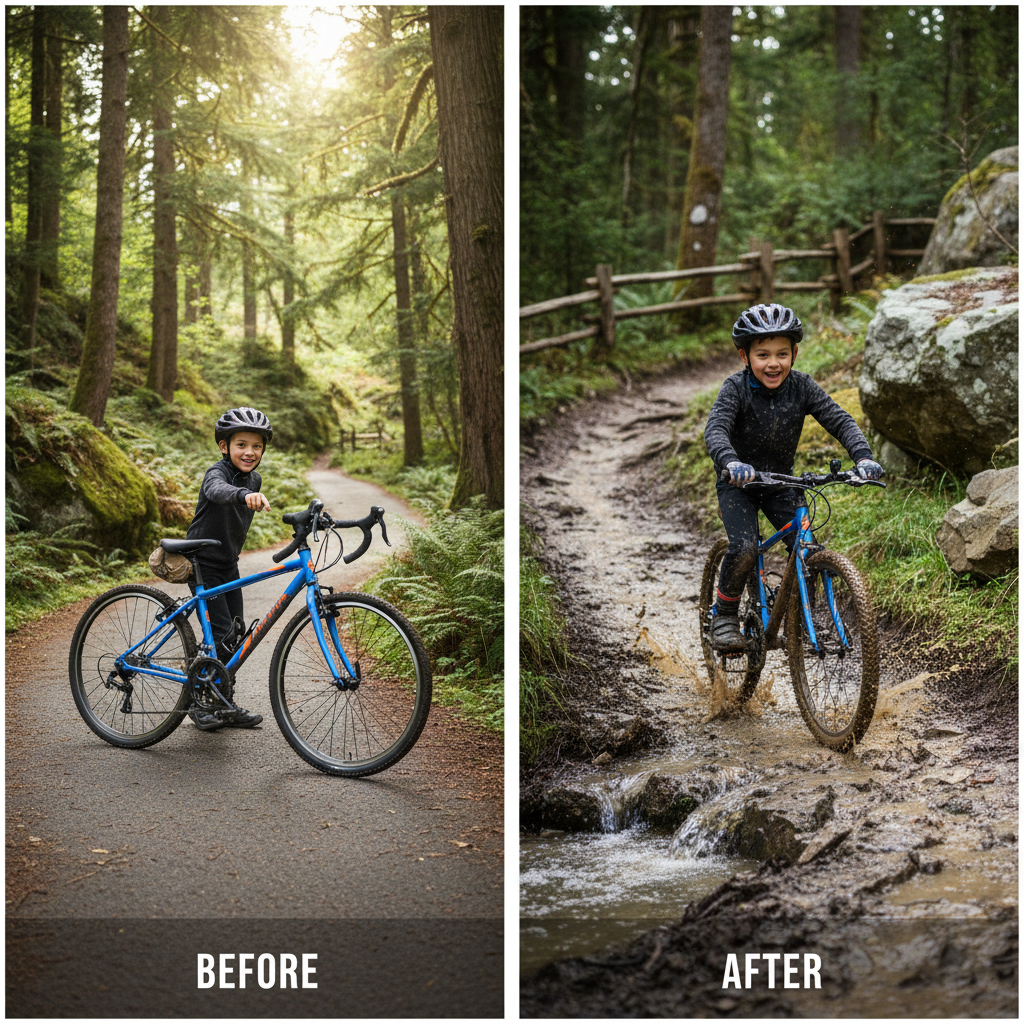
A kids mountain bike differs significantly from a standard kids’ bicycle. While both offer two wheels and a frame, the mountain bike is engineered for off-road riding. This is achieved through features like suspension (front or both front and rear), wider tires with aggressive treads, and a more robust frame construction. These characteristics provide increased control, stability, and comfort on uneven terrain.
The core purpose of a kids mountain bike is to allow young riders to explore trails, develop their bike handling skills, and build confidence in varied environments. It's about more than just getting from point A to point B; it's about experiencing the thrill and freedom of riding.
This type of bicycle plays a critical role in promoting an active lifestyle among children, combating sedentary habits and fostering a love for the outdoors. It also encourages the development of motor skills, coordination, and problem-solving abilities as they navigate challenging trails.
Core Components for Optimal Performance
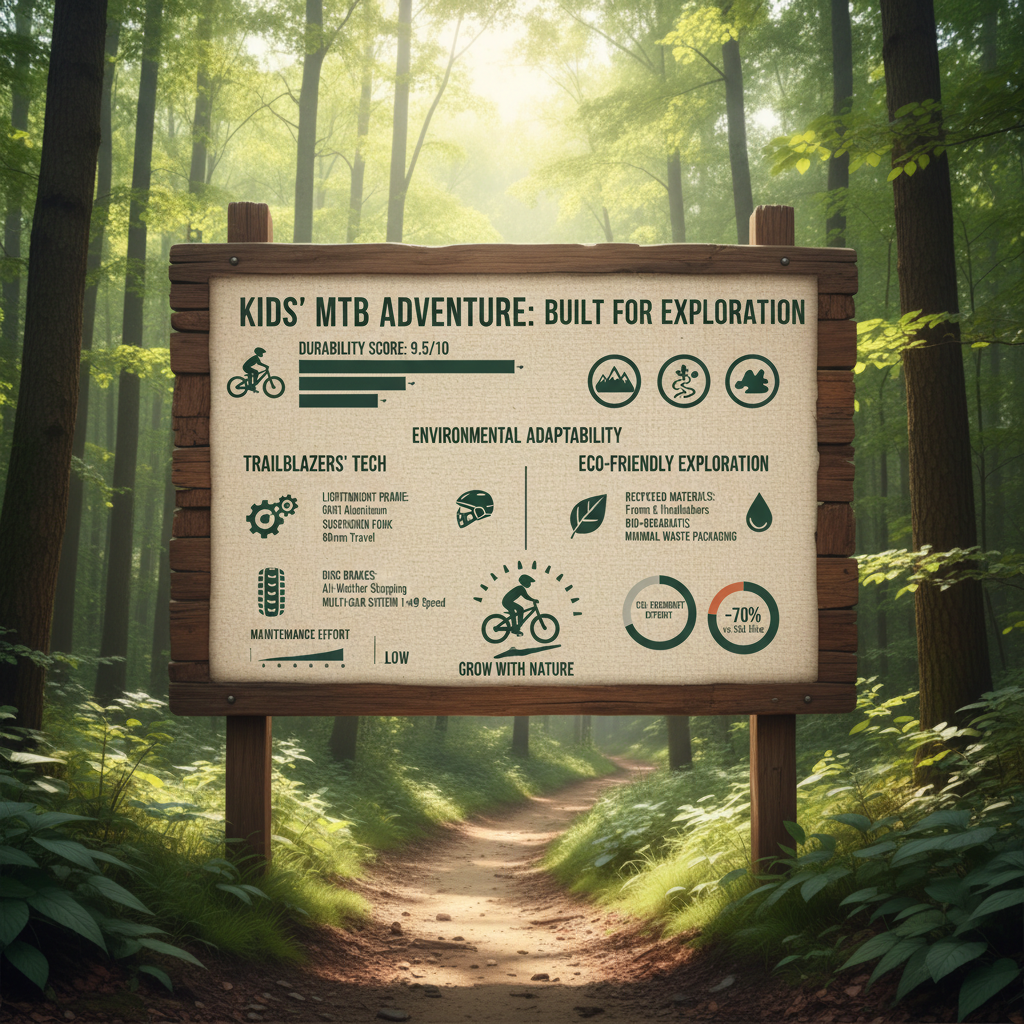
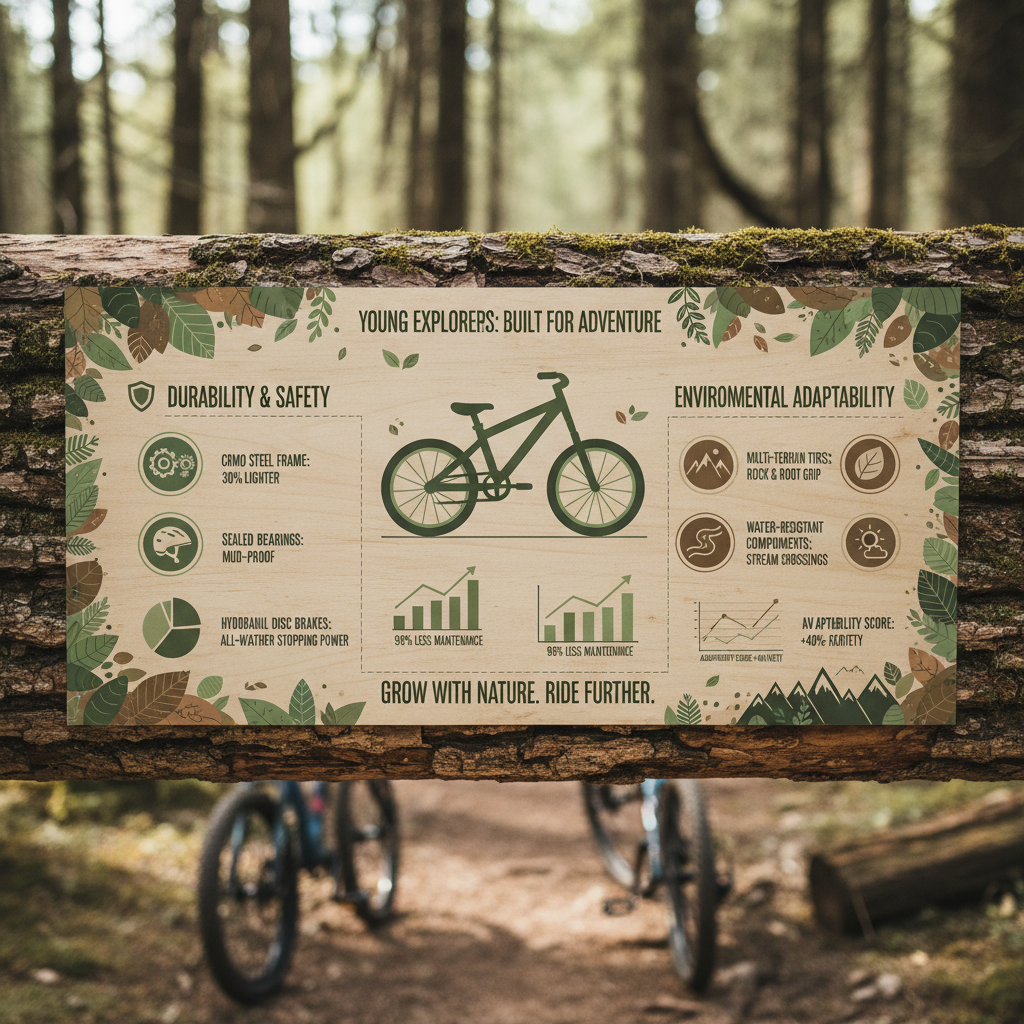
The performance of a kids mountain bike relies heavily on several key components. The frame, typically constructed from aluminum or steel, dictates the bike’s durability and weight. Suspension, whether front or full, absorbs shocks and provides a smoother ride. Tires with aggressive treads enhance grip and traction on loose surfaces.
Gearing is also a crucial factor, allowing children to tackle hills and maintain a comfortable cadence. Brakes, whether rim or disc, must provide reliable stopping power. And, of course, the proper fit – seat height, handlebar reach – is paramount for both comfort and control. Selecting a kids mountain bike with quality components ensures a safe and enjoyable riding experience.
Furthermore, the quality of the components directly influences the bike's longevity and maintenance requirements. Higher-quality components generally require less frequent maintenance and are more resistant to wear and tear, ultimately offering a better long-term value.
Key Performance Indicators
Assessing the performance of a kids mountain bike involves evaluating several critical indicators. These include frame geometry, suspension travel, tire grip, brake responsiveness, and gear range. A well-designed frame geometry provides optimal balance and handling.
Suspension travel determines the bike’s ability to absorb shocks on rough terrain. Tire grip influences traction and control. Brake responsiveness ensures reliable stopping power. And gear range allows the rider to tackle various inclines and maintain a comfortable pedaling cadence.
Performance Metrics for Kids Mountain Bikes
Global Usage and Implementation
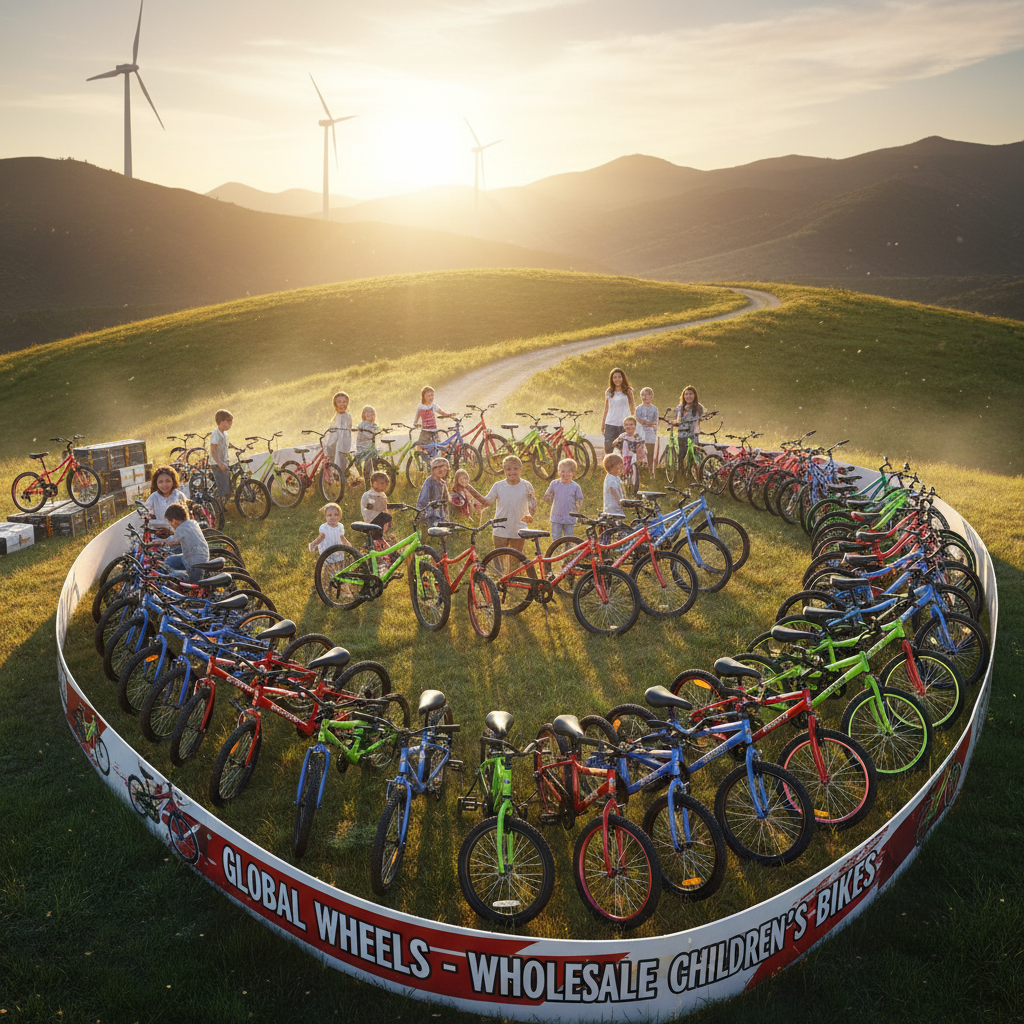
The popularity of kids mountain bike is widespread across the globe. In North America and Europe, they are commonly used for recreational riding, family outings, and youth cycling programs. In South America and Asia, their accessibility is increasing, driven by growing awareness of the benefits of outdoor activity and affordable options.
Many schools and community organizations now incorporate mountain biking into their physical education programs, providing children with opportunities to develop essential skills and build confidence. Furthermore, mountain biking clubs and camps are becoming increasingly popular, offering structured training and guided rides.
Long-Term Benefits and Value Proposition
Investing in a quality kids mountain bike offers a multitude of long-term benefits. Physically, it promotes cardiovascular health, strengthens muscles, and improves coordination. Mentally, it fosters confidence, resilience, and a sense of accomplishment. Socially, it provides opportunities for bonding with family and friends.
From a financial perspective, a durable and well-maintained kids mountain bike can last for several years, potentially saving money compared to constantly replacing cheaper models. And from an environmental standpoint, cycling is a sustainable mode of transportation that reduces carbon emissions.
The value proposition extends beyond the immediate benefits. A kids mountain bike can instill a lifelong love of cycling, encouraging an active and healthy lifestyle for years to come.
Future Trends & Innovation in kids mountain bike
The future of kids mountain bike is poised for exciting innovation. We're seeing a growing trend towards lighter-weight materials, such as carbon fiber, to improve performance and handling. Electric assist technology is also emerging, making it easier for children to tackle challenging terrain.
Furthermore, advancements in suspension technology are providing a smoother and more comfortable ride. Smart features, such as integrated GPS tracking and performance monitoring, are also beginning to appear.
Sustainability is another key trend, with manufacturers increasingly using recycled materials and adopting eco-friendly production processes. Expect to see more kids mountain bike designs focused on durability and longevity, reducing waste and promoting a circular economy.
Key Features of Modern kids mountain bike
| Component |
Material Quality |
Weight Efficiency |
Safety Rating (1-10) |
| Frame |
Aluminum Alloy |
7/10 |
9 |
| Suspension Fork |
Steel Coil |
6/10 |
7 |
| Tires |
Rubber Compound |
8/10 |
8 |
| Brakes |
V-Brakes |
7/10 |
8 |
| Gears |
Shimano Components |
6/10 |
6 |
| Seat |
PVC Leather |
5/10 |
7 |
FAQS
Determining the right size kids mountain bike involves considering your child’s height and inseam length. Generally, children should be able to comfortably stand over the bike with a few inches of clearance. An appropriate seat height allows for a slight bend in the knee when the pedal is at its lowest point. It's always best to consult a sizing chart or visit a local bike shop for professional assistance.
Full suspension kids mountain bikes provide increased comfort and control on rough terrain, but they come at a higher price point. They are best suited for children who ride frequently on challenging trails. For casual riders, a front suspension bike may be sufficient. The added weight of full suspension should also be considered.
A properly fitted helmet is the most crucial piece of safety gear. In addition, knee and elbow pads are recommended, especially for beginners. Gloves provide grip and protect hands in case of a fall. Brightly colored clothing increases visibility. Supervision from an adult is always advisable, especially for younger riders.
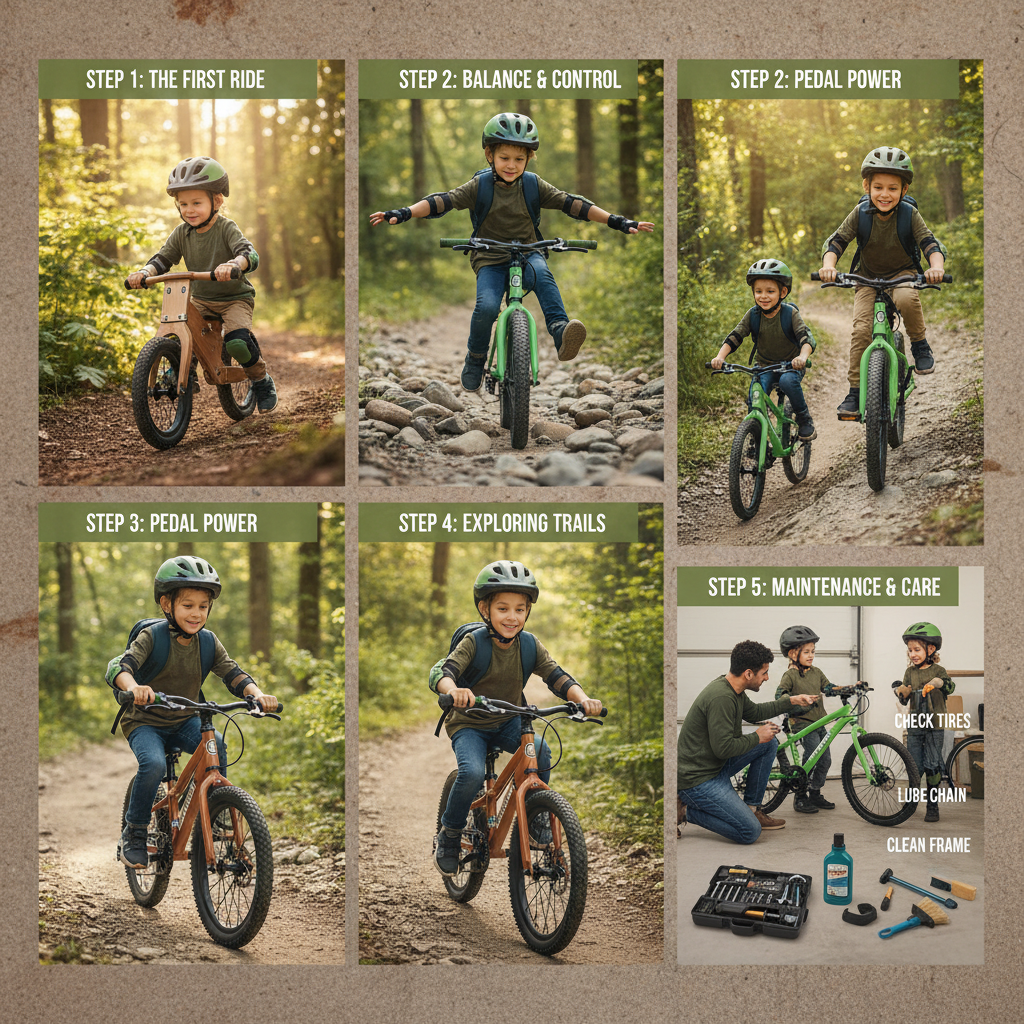
Regular maintenance is key to ensuring the bike’s longevity and safety. Check tire pressure before each ride. Lubricate the chain regularly. Inspect brakes for proper function. Periodically tighten bolts and fasteners. A professional tune-up once a year is also recommended.
Rim brakes are more affordable and easier to maintain, but they can lose effectiveness in wet or muddy conditions. Disc brakes offer superior stopping power and performance in all weather conditions, but they are more expensive and require more specialized maintenance.
You can find kids mountain bike at reputable bike shops, sporting goods stores, and online retailers. When choosing a bike, prioritize quality components, proper fit, and safety features. Reading reviews and seeking recommendations from other parents can also be helpful.
Conclusion
In conclusion, a kids mountain bike represents more than just a recreational vehicle; it's an investment in a child's physical and mental wellbeing. Understanding the key components, selecting the right size and features, and prioritizing safety are all crucial steps in ensuring a positive and enriching experience. The benefits extend beyond immediate enjoyment, fostering a lifelong love of cycling and promoting a healthy, active lifestyle.
As technology continues to advance, we can expect to see even more innovative and sustainable kids mountain bike designs emerge. By staying informed about the latest trends and prioritizing quality, parents and guardians can equip their children with the tools they need to explore the outdoors, challenge themselves, and thrive. Visit our website at www.zhongzhoubike.com to discover our range of high-quality kids mountain bikes today.

 English
  Afrikaans
  Albanian
  Amharic
  Arabic
  Armenian
  Azerbaijani
  Basque
  Belarusian
  Bengali
  Bosnian
  Bulgarian
  Catalan
  Cebuano
  Corsican
  Croatian
  Czech
Czech  Danish
  Dutch
Dutch  Esperanto
  Estonian
  Finnish
  French
  Frisian
  Galician
  Georgian
  German
  Greek
Greek  Gujarati
  Haitian Creole
  Hausa
Hausa  Hawaiian
  Hebrew
  Hindi
Hindi  Miao
Miao  Hungarian
  Icelandic
  Igbo
Igbo  Indonesian
  Irish
Irish  Italian
  Japanese
  Javanese
  Kannada
  Kazakh
  Khmer
Khmer  Rwandese
  Korean
  Kurdish
  Kyrgyz
  Lao
Lao  Latin
Latin  Latvian
  Lithuanian
  Luxembourgish
  Macedonian
  Malgashi
  Malay
Malay  Malayalam
  Maltese
  Maori
Maori  Marathi
  Mongolian
  Myanmar
  Nepali
  Norwegian
  Norwegian
  Occitan
  Pashto
  Persian
  Polish
  Portuguese
  Punjabi
  Romanian
  Russian
  Samoan
  Scottish Gaelic
  Serbian
  Sesotho
  Shona
Shona  Sindhi
  Sinhala
  Slovak
  Slovenian
  Somali
  Spanish
  Sundanese
  Swahili
  Swedish
  Tagalog
  Tajik
Tajik  Tamil
Tamil  Tatar
Tatar  Telugu
  Thai
Thai  Turkish
  Turkmen
  Ukrainian
  Urdu
Urdu  Uighur
  Uzbek
Uzbek  Vietnamese
  Welsh
Welsh  Bantu
Bantu  Yiddish
  Yoruba
  Zulu
Zulu